|

|

|

|

|

|
|
|
|
|
|
|
|

|

|

|
|

|
 1
1


Still able to dream.

Xisca - pics! Dry subtropical Mediterranean - My project
However loud I tell it, this is never a truth, only my experience...
 1
1
Jason Hernandez wrote:I believe it is quite likely that wild Rhizobium are already present in the area, but of course I lack the equipment to verify this.
Catrina Liesch wrote:Hi Xisca,
we are also looking for inoculants for our pigeon peas and other legumes in La Palma. If we find any useful information we will let you know. Your project sounds really interesting. We are only just starting.
Catrina and Jane
Xisca - pics! Dry subtropical Mediterranean - My project
However loud I tell it, this is never a truth, only my experience...
Joseph Lofthouse wrote:
Jason Hernandez wrote:I believe it is quite likely that wild Rhizobium are already present in the area, but of course I lack the equipment to verify this.
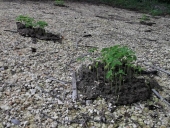
A digging stick and your eyes are all the equipment that you need. Plant the pigeon peas. Dig them up, and look at the roots. Do they have nitrogen fixing nodules? If yes, then there are suitable species of bacteria already present in your local ecosystem.
Xisca - pics! Dry subtropical Mediterranean - My project
However loud I tell it, this is never a truth, only my experience...
Iterations are fine, we don't have to be perfect
My 2nd Location:Florida HardinessZone:10 AHS:10 GDD:8500 Rainfall:2in/mth winter, 8in/mth summer, Soil:Sand pH8 Flat
Xisca - pics! Dry subtropical Mediterranean - My project
However loud I tell it, this is never a truth, only my experience...


Iterations are fine, we don't have to be perfect
My 2nd Location:Florida HardinessZone:10 AHS:10 GDD:8500 Rainfall:2in/mth winter, 8in/mth summer, Soil:Sand pH8 Flat
how long does it take to them to appear? I think it cannot be seen yet in a young plant, and was wondering how long it takes?

|
I guess I've been abducted by space aliens. So unprofessional. They tried to probe me with this tiny ad:
The new gardening playing cards kickstarter is now live!
https://www.kickstarter.com/projects/paulwheaton/garden-cards
|