

|

|

|

|

|

|
|
|
|
|
|
|
|

Morgan Brooks wrote:Cheryl, that sounds like a lovely plan. Garlic chives transplant really well, just take a good clump with roots attached and water them in well for the first week or two while they settle. Alpine strawberries are such a good fit for that spot too, they stay tidy and give you fruit right through the season. For the echinacea, if the clumps by the window get tall and flop a bit, a simple ring support early in the season keeps them upright without hiding the flowers. I would love to hear how it all looks once everything is in place.
Jay Angler wrote:How about Lavender? Medicinal and pretty and "normal"! (Yes, sometimes pleasing the neighbors has it's place.) Not sure if it would meet your shade situation, because I'm such a different ecosystem.
Similarly, Hosta has edible shoots, but some are yummier than others and I haven't even tried to research which because deer and bunnies kill them here.
Comfrey likely gets taller than you're looking for, but its flowers are beautiful. The sidewalk would help prevent it from spreading.
Ac Baker wrote:My first question is: How long have you been studying this garden?
What more might there be to learn about what is already there?
Plants are much more interesting that our limited classifications.
Maybe you already have pollinator attractors, medicinal plants, soil stabilisers even secretly human-edible plants .. ?
greg mosser wrote:flowering quince comes to mind. goumi did too, but it would need a lot of pruning to keep it in the 3’ range…

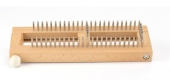
Carla Burke wrote:My first thought was that the instructions I found (I have the same loom, but haven't done anything but look up the instructions, so far) the measurement it said to use was around the heel, over the top. I wonder if it's simply the difference in the patterns we found? But, maybe you could just use the biggest measurement along the path of the shock on your foot?
r ransom wrote:I've go a huge instep so I have this problem often. When I used to knit socks, I would keep the ribbing on the top of the foot and keep the bottom smooth. I don't know if that's possible on a loom.
It could be a gage or tension issue where the pattern gage doesn't match reality. But how to fix on a loom? There is so much I don't know. Very curious what others might suggest.