

|

|

|

|

|

|
|
|
|
|
|
|
|
Jan Sebastian Dunkelheit wrote:Comparing garlic to onions is like comparing garlic to tulips. I don't know about aromatic pest confusing benefits of onions except when they are planted with carrots.
Garlic is different. Garlic has only one enemy I know of: Acrolepiopsis assectella and they are preyed upon by Ichneumonidae. So it is good to have some artifical habitats for Ichneumonidae-species around. A pot on a stick with some straw in it will serve them as a habitat. I love to encourage predators in my garden. It's fun!
Just give garlic a try. It is not like it is very expensive or something. I also have lily of the valley growing under my raspberries. They are known to have healing properties. I don't fully understand that stuff and it always sounds esoteric to me but I never had problems with grey mold or any other disease on my raspberries.
Cécile Stelzer Johnson wrote:
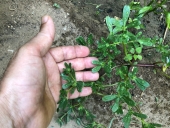
Jae Gruenke wrote:I definitely enjoy and celebrate purslane in my garden, sprinkled in my salad, and occasionally added to a sandwich. I haven't tried cooking it yet but at some point I will.
It is important, though, not to overeat it, because it is quite high in oxalate, which will bind to minerals in your food so you can't absorb them, and can also build up in your tissues causing kidney stones, joint pain, and other issues. This study discusses both the good and the bad of purslane, as well as the helpful use of yogurt in reducing the oxalate content or, as with spinach and other oxalate-containing greens, the benefit of boiling them and discarding the cooking water.
https://www.sciencedirect.com/science/article/abs/pii/S0889157509000842
Not to scare anyone off, but just to help you keep your purslane consumption in balance with what your body can handle.
Thanks, Jae. that is worth knowing. I have never thought of cooking it. I wonder what else it might bind with? I'm studying the negative effects of PFAs, PFOAS etc. Because they are bioaccumulators, the excretion of these dangerous chemicals is extremely important. the human body can excrete them through essentially any matter or fluid that leaves the human body. [Thinks sweat lodges!]
If, however these chemicals could bind with something else that we eat, that would really be a life saver, and I mean that literally.