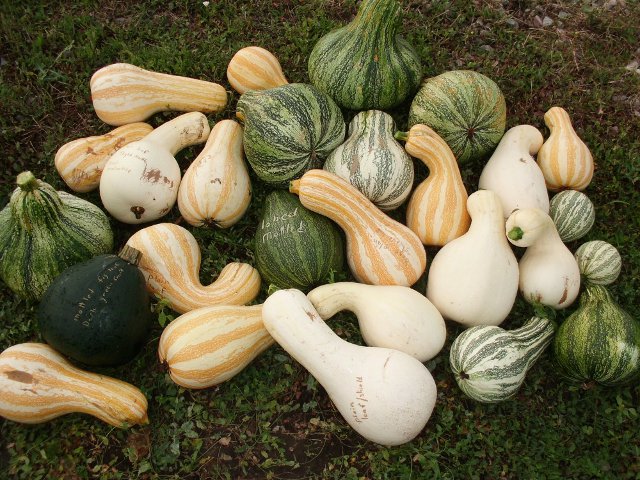
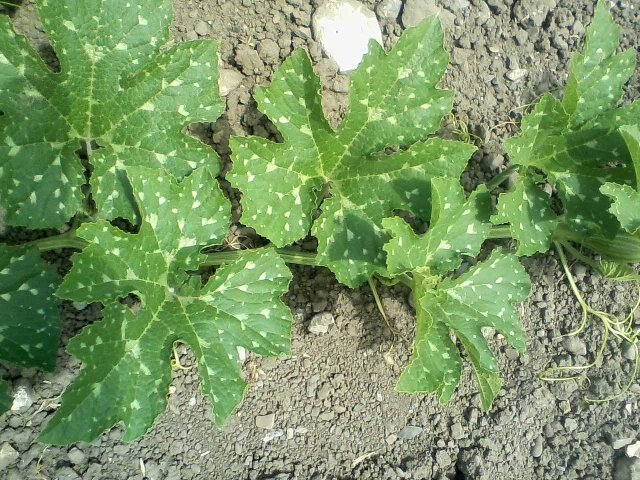
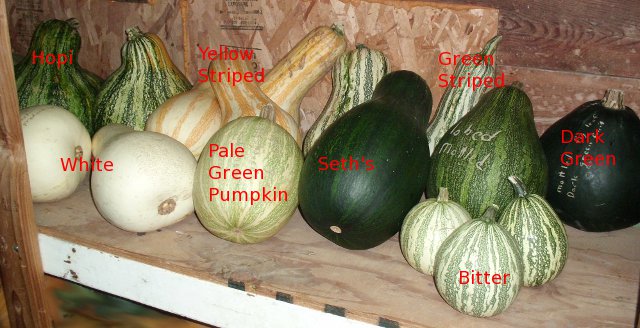
Many of these photos and posts do not look like real cushaw, as I know them here in Appalachia. If you research online, you will see photos of what a true cushaw is. Sure, you can overlap many winter squashes in recipes, switching out one for another and it usually works out fine. I planted one seed this year, by suggestion of a friend, as I had not grown this type of squash before, and low and behold, I got over 15 HUGE cushaws from one seed, vining all over my property, into the peppers, beans, everywhere. I let them do their thing and am harvesting them now in October in zone 6b. They weigh anywhere from 15 -25 pounds each. One cushaw has been enough to make 8 pies! So, I've been researching the net for recipe ideas, been giving them away to those who know a thing or two about what to do with them, etc. But I still have a TON to figure out what to do with. I will say that they are delicious! So versatile, going sweet or savory in dishes. I feel like I could almost make a project out of experimenting and creating a recipe book myself (if I had the time). I will grow these again. I usually grow a few different kinds of squash every year, switching the varieties from year to year, like so many other veggies I grow. You can't do it all every year! This year, I grew 50 pepper plants, with about 20 varieties (sweet, hot, etc). Next year, it will be other varieties. We grew 15 tomato sauce tomato plants, 2 cherry varieties, and 10 slicer varieties. So much fun with all the different colors, shapes, etc. But, back to the cushaw. Apparently, the cushaw is a traditional staple in the Appalachians. I moved to this area from Colorado 5 years ago and have been learning so much I never had heard of before. I had no idea what pokeweed or pawpaws, or cushaws were something people looked forward to eating every year around here. Now, I'm learning to make soup, pancakes, bread, stew, pie, cake, gratin, and more with the humble cushaw. They are delicious and yes, nutritious, packed with carotene, vitamins A, B6, & C, folate, magnesium, riboflavin, phosphorus, potassium, calcium, iron. Cushaw is anti-inflammatory, boosts immunity, delays aging, improves vision, improves lung health, lowers blood pressure. Can help reduce birth defects of babies. Seeds are rich in oil and protein. Attractive to bees, butterflies and birds. The flesh is used in Yucatan folk medicine to treat burns, sores and eczema. Nursing women eat the seeds to help them lactate. Used for pain relief.

![]()
![]()












 2