|

|
.png)
|

|

|

|
|
|
|
|
|
|
|

r ransom wrote:I just tested
It appears the name policy is still easily visible.
Looks like about one third of the text on the sign up page is dedicated to it.
Funny thing is, when it's in larger letters, fewer people seem able to find it. The internet has trained us to ignore large letters or all caps as it's usually trying to sell us something. Right now, it's about one in 200 who miss it or who see it but don't care enough about the community to feel it applies to them.

Tommy Kilpatrick wrote:Looked normal to me and both links worked fine. Was able to purchase Hügelkultur book for $1 and download (I already own it, but hey, have an extra buck)..


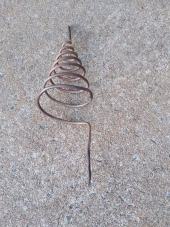
Ron Kulas wrote:Ive been searching my fool head off for ANY info so substance and tests done of an actual scientific bases to let me know if I should take the time to try electroculture and to date I can find no proof its worth the time. I can find lots of youtube stuff that I watched but cant trust after seeing how the "test" or trial was conducted.
Everything in my decades of engineering tells me this will offer no increase in yields or growth but I dont claim to know it all so I continue to search for answers.

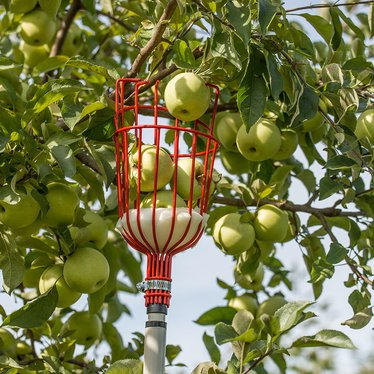
Mike Haasl wrote:I pick with an extendible fruit picker. Mine extends 13' so I can get stuff about 18' off the ground. It's slow though and a hell of a shoulder workout. Keep the bucket 13' away from you on the ground so when you fill the basket you can lower it down to the bucket and let the fruit tumble out. It works fine for homestead scale harvesting but wouldn't work for a market garden or farm.

Katrin Kerns wrote:
Kellic Cantrell wrote:Its rather sad to think that their really exist people that clueless about something that use to be common knowledge. If you've ever cared for any kind of animal before you should know that all animals need some care from humans if they are kept in artificial or contained environment.
You would be surprised at how many people are really that clueless about raising or caring for animals in general. Ask your local pet store about "Easter Bunny" stories.
Lots of clueless folks think it would be fun to buy their kids pet rabbits as an Easter present, but they don't research rabbits or just exactly what it takes to properly raise one. Many of them try to return the rabbits to the pet stores once their kids get tired of trying to take care of them, or they get sick from improper care and feeding. Failing being able to return them many of those folks just release them into the wild thinking that they should do just fine. But domestic rabbits do not have the proper instincts for survival in the wild. Most rabbits that are released into the wild die within a few days due to being hit by cars, killed by predators, or simply due to exposure.
The ones that do actually survive become a problem because they dig burrows near people's homes and eat garden plants because they are not as wary of humans as actual wild rabbits. It's generally a bad situation all around.