-B.png)
|

|

|

|

|

|
|
|
|
|
|
|
|
Russ Cottrill wrote:Strange this topic is a relative new posting on here, as I just saw a program on this very thing just this weekend on t.v. or dish .
Here is what they said, Some townships, counties and maybe a state or two have in the building codes that you have to have utility supplied electricity to qualify for a permit of occupancy. The kick is continued service is required to not face condiming of the residence (not fit for habitation is what they claim)! They also showed the way residents got a small breaker box with a main and 1 20 amp circuit that ran one 25 watt bulb some put it in the root cellar some in a kitchen cabinet so they could shut the door and block the light ! the little bulb made sure they used some so no claim it was a fake service and still used less than the minimum amount I dont know what year the data was from but they said this got them a bill around $8 dollars a month. Research the rules before you start a big home steading effort so this type thing can be avoided all together very few places seem to have this rule.
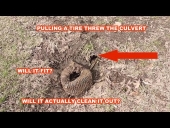
Jeremy VanGelder wrote:I think someone on permies would pull a tire through culverts to clean them out. Put a rope down through one end, tie it to the tire. Then tie the other end to a tractor and pull the tire through.
See Hes wrote:
Kye Goods wrote:Most of the tree bark I'm dealing with is coming from conifer. So I'm a little cautious about using it around deciduous trees or any of my garden.. but I do have a lot of pine trees in the desert that get a little too hot and need good mulch so I kind of just layer them around the base of the tree as a mulch that provides shade and collects condensation that keeps t the soil moist
Its an old lasting myth that conifer are poisonous to other plants.
It alters the PH level very little and the only thing is that it decomposes slower, hence it releases less fertilizer in the same time like other mulch would do.
The Blueberry farms in Germany prefer conifer/pine mulch so the soil stays within the PH ranges as it has been prepared for blueberries.