Nancy Reading wrote:
Matt Glover wrote:The area in Nebraska that I lived had very clayey soils. These plants love drainage, so dig a 100$ hole for a 30$ plant if you don't have well drained soils (The 100$ hole just means to make sure you are providing the best means for growth, and the actual costs depend on the needs of your soils). I believe I dug the holes to around 4-5' deep. This may sound excessive, but keep in mind that if you do have clays (CL/CH) or higher plasticity silts then water will sit in the bottom of the hole. At that point it behaves like a perched aquifer for that plant, so the depth is needed to avoid root rot.
Hmm, that's probably why my plants failed each time I've tried - my climate seems just too damp for them. I lost some nice nmed varieties, also the cheap hedging plants that were my second attempt - even in what should have been a well drained area at the top of a bank.
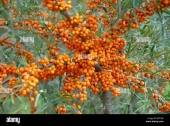
Sea buckthorn is already abundant on the east coast of Scotland, particularly in East Lothian, where it thrives in coastal sand dunes. If you believe that the amount of rain is impacting your plants then try to mitigate it. I would spend time preparing the hole for the plant, but I would also look at ways to avoid water entering the hole. You could use an impermeable material buried a couple inches deep that promotes runoff, and inhibits infiltration. If you would rather avoid anything inorganic then look at using a high plasticity clay cap (CH) instead. Also, buy a mature plant (1-2 gallon pot) to start. If I remember correctly, I used the clay from my hole as a cap.
It should be noted that Hippophae rhamnoides can survive in waterlogged conditions as long as the water is oxygenated. It is the lack of oxygen that causes the issues, and why I chose to use a bubbler for the cuttings in my water based propagation. If you don't use a bubbler then you need to change the water every couple days to maintain the oxygen level. I use tap water that contains chemicals to make it drinkable, so using the bubbler avoids constantly introducing those chemicals. Eventually chemicals like chorine will dissipate, but so does the oxygen necessitating some sort of mechanical means to manage DO (dissolved oxygen).
These plants generally do not require any fertilizer, so don't use any. If you do then I recommend avoiding any additional nitrogen. I really believe this is a hands off plant (except for pruning/suckering) once you have planted. As I had previously mentioned, my work requires a lot of travel. Most of my time was spent on my veggies, and I never gave any shrub much thought past the initial planting. My "100$" holes made it possible, and when I was rushed or lazy with the initial hole then I found that I had to babysit the plants. The time I spent babysitting far exceeded the effort of the original planting, and resulted in adverse outcomes for the plants lifecycle comparatively.
The variety matters. Say you don't like the thorns, well then look at something like Harvest Moon. Its not thorn free, but its significantly reduced. If suckering is an issue then look for a variety where suckering is limited. I would be surprised if there wasn't a variety that is more tolerant to wet conditions.
If you have your heart set on growing seaberries then I would recommend reading the research from Bill Schroeder of Agriculture and Agri-Food Canada. That gentleman is in my opinion the grandfather of seaberry research.