

|

|
|
|
|
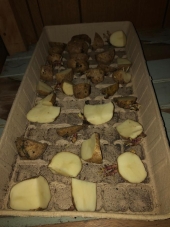
Christopher Weeks wrote:My potatoes usually start sprouting months before I can get them into the garden. I just leave them and plant them when I can, even with three feet of dangly stolon or whatever. It seems to work out.
Matt McSpadden wrote:Naturally if everyone is selling tomatoes, it is hard to start selling them too. But if everyone else is selling red cherry tomatoes... maybe you should sell orange, yellow, and purple? If everyone else is selling orange carrots, maybe you sell purple or white carrots. If everyone else is selling green lettuce, maybe sell some of the other colors. Stuff like that will make you stand out a bit.
Joseph Lofthouse wrote:The best prices for vegetables occur for first of season produce. If you can have tomatoes or corn ready a week or three before the rest of your village, you can double or triple the price during that time.
Cristobal Cristo wrote:If everyone sells the same produce you will have to compete by offering lower prices.
In Illinois I would focus on bush fruits: currants and gooseberries grow wonderfully there. Also aronia, elderberry and black berries. They will start producing within two years.
Ben Zumeta wrote:I think peas and carrots are great gateway vegetables that really stand out when grown well. Strawberries are easy to grow and also have distinctively better flavor that can win people over from grocery store alternatives or not eating fruits and vegetables. If it would be possible to set up a farm stand near a school, church, or somewhere else people congregate regularly, that could help bring in customers in a dispersed area. I might then have a questionnaire or chat people up about what they’d like grown locally, or what they remember their grandparents growing or reminiscing about.
Thom Bri wrote:
Ryan Burkitt wrote:
Christopher Weeks wrote:
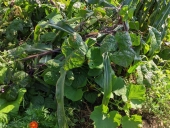
The bean plant won’t strangle the corn too much? I watched a video and a guy did three sisters, but the bean plant over grew the corn and smothered the whole thing plant.
Some, but the corn still produces good ears.
Really cool thanks for sharing did you have to build mounds for the corn?
Christopher Weeks wrote:I *like* my beans to overgrow the corn. They grow to the top, spiraling around and around and then they grow...up. But with nothing to grow on, it falls over and then it finds the next corn plant over and starts spiraling on that one. The bean vines lock the corn together so that when the damned racoons try to pull them over, the corn resists better because the beans and corn form a matrix together that's harder to overcome.
Thom Bri wrote:Depends on where you live. Look around locally for seed sources.
Or, acquire several different varieties and mix them all together to create your own local variety.
Regarding beans overgrowing. I just let it happen. Plant the corn first and when it is well-sprouted then plant the beans. The corn gets a good head start and can pollinate before the beans get too big. Both do well if the corn is not planted too close together.