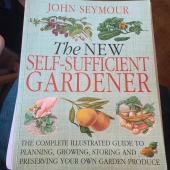
Since health is everything, and plays a huge role physically and psychologically in coming back from adversity, I would say eat real, organic food, not processed food. Watch out for salt and sugar. If you don't like to cook, you can still make soup with broth and 3 or 4 types of vegetables, meat is optional, pasta or potatoes, tomato sauce, spices. Throw them in a crockpot for half a day. Grow your own vegetables if you like to do that. Use some money for raised beds or whatever structures you need to protect your vegetable plants.
I'm an older person, most of my friends are older people, and they are paying for their previous decades of not taking nutrition seriously, particularly in their eyesight, their joints, their sun exposure (which also involves eyesight/cataracts.) Wear decent sunglasses and a big hat! If you are living off-grid, rurally, or intend to, health is the only thing that can keep you there.
Keep a well-stocked pantry of basic food supplies (not processed/premade food) in a large closet or part of a room for the sake of saving money, food during storms or emergencies, saving trips to the store (which saves money and wear and tear on a vehicle,) saving time. The lockdown really kicked our pantry up a couple notches. I never regret buying in twos or threes when something is on sale.
I am not a fan of goods in cans, but there's a lot of good food in glass jars, spaghetti sauce, condiments for salad dressings, your own canned food if you like to can fruits and vegetables. Store grains in large glass canning jars in case of mouse or pest intrusions. Psychologically a pantry creates a feeling of safety and abundance. It's very satisfying to want to fix something unexpected for dinner and remember you've got it in the pantry.
Psychologically and probably physically, I've recently been trying the wait 90 minutes in the morning before having caffeine thing, (caffeine affects adenosine levels which governs our sleep/feeling tired,) so our brains can register that we are up and at 'em in the morning. Caffeine gets in the way of that.
I've got to say, I am amazed at how I hardly even think about caffeine anymore, when I used to rely on it a lot. First thing in the morning drink a big glass of water, do little morning things for the 90 minutes, which goes surprisingly fast. Then have caffeine. The expense of coffee takes the fun out of it, too, so drinking less is good for a couple of reasons.
Working outside a lot I used to feel tired in the afternoon. Now I rarely have an afternoon tea. I'm not usually weary when the morning caffeine wears off.
The $1,000 would be in savings collecting interest to repair whatever adversity I'll probably face.