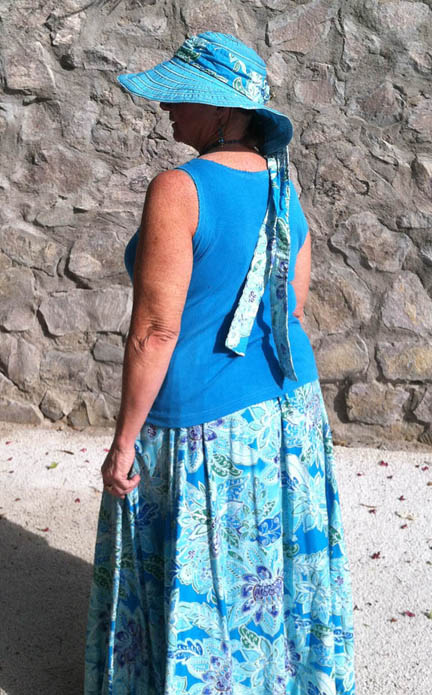
Chronic reader, creative dreamer, a LOT of hand skills to make things real, intense health issues that limit my activity, but not my creativity or dreams. Moved to southern Missouri with enough tools and junk to build a life that might work well with my health. One of god’s gigglers, I punctuate with smiley faces and exclamation points when I type, and smile and laugh a lot in real life. (Often at things no one else understands.) And I both curtsy at people (even when wearing grubby work clothes) and purr when hugged, both online and in real life. “Normal” is not a word that has ever been used for me.
Been organic gardening all my life, and bought 4 acres that I have designed from the ground up. Making it happen is being the most fun I have ever had in my life, the best 3D jigsaw puzzle ever! Reading Mollison’s Designer’s Manual was like coming home, ah, THERE I am! A reality where I can use all of my multifaceted talents and skills!
Dumpster diver, recycler, second hand store shopper, I tell people I am attracted to rust and lace. I have violated every warranty I have ever met, I’m a tool using animal, and I use my tools to modify everything in my world. And it only gets weirder...
Bricolage: something constructed or created from a diverse range of available things. Adding ier to a french word means one who does that activity. I am a bricolagier, the things I do are all made of a wide range of things that I have acquired from diverse places.