|
|

|

|

|

|
|
|
|
|
|
|
|
Pascale Dingenen wrote:I am new to Hugelkultur. I'm in Costa Rica. I just had to figure out the seasons here as there are only two, wet and dry. I've been building up swales, in the fruit Forrest along the hilly part where you can't stand up for long. Dug a walk way which made it a perfect swale/walkway with the outside built up into Hugelkultur. It works really well as water is being held by the 'hill' and everything gets automatically watered in the rain season. A simple irrigation system will be built from rain harvested water coming down the swale just by opening the tap. It's hard to explain lol
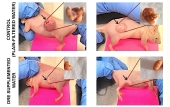
Elanor Gardner wrote:For doggie use, we purchased dandelion root powder off of Etsy.

Robert Ray wrote:On knee two my skin feels like it is burning or sunburnt over the bruising area. On knee one it was tingly like a limb waking up from being asleep. Walked around the house without a cane or crutch yesterday, not ready to abandon them entirely yet.