A standard recipe that is infinitely variable at my house is what I call “fritatta”.
Saute some chopped onion in butter or olive or avocado oil…. Or bacon greaee or beef drippings… an edible fat you like and consider food.
When the onions are as done as you like them, add a clove or two of garlic, chopped or minced or through a garlic press.
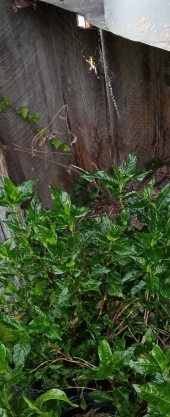
I don’t really want to cook the garlic so after a minute for the flavor to disperse I add the next ingredient: handfuls of washed greens.
When the greens are wilted I pour in eggs that have been stirred as for scrambled eggs, and stir them around to disperse,
Then quickly stir in some grated cheese.
Then top with more grated cheese.
It can be put under the broiler or into a preheated oven, or if you have done all this in a cast iron dutch oven, just place the lid on. (I often preheat the lid)
Cook til done. Should only be a few minutes. “Done”, yes, what is that ?
The eggs are as cooked as the household prefers or will accept. The cheese is melted, or the cheese on top is browned, which won’t happen with just the cast iron lid.
Serve with grain and salsa/chutney and or nuts
Variations:
add leftovers
Include tofu cubes or nuts
Add parboiled cubed potatoes or other root vegetables
Cubed or grated zuchini
Cubed or grated winter squash
Mix cooked spaghetti squash in before the eggs, or put it in as a layer
Add various different flavorful herbs and or spices
Vary the texture… if everything got cooked to mush, add some crunch in the late stage, like chopped celery right before the egg goes in.
Basically, you could call this mixed foods held together by eggs and flavored with cheese. Or egg consolidated stir fry.
You’re just adding them in the order required to achieve everything cooked and nothing burned.
If it doesn’t taste that great, and some combinations are better than others, that’s what the condiments are for!🤣
This can go together in about half an hour, once you’re familiar with the routine of the recipe.
Here’s a specific example
Broccoli Potato Frittata
Turn oven on to preheat ~ 300F
Cut a couple potatoes into half-3/4 inch chunks. Put in a saucepan with water to just cover, put it on high heat. While the potatoes are cooking,
Saute chopped onion in olive oil.
Meanwhile cut broccoli into bite sized pieces… keeping an eye on the onions and stirring as needed and adjusting heat
Prepare the garlic for adding to the pan
Grated some cheese
In the saucepan, check the water level - make sure it’s not going to dry out and burn but ideally there also isn’t going to be water to pour off. Poke the potatoes with a fork. They need to be at least half cooked.
Add the broccoli to the potatoes to steam.
Crack the eggs and stir them up.
Add the garlic to the onions, stir
Add the broccoli and potatoes (after pouring off any remaining water)to the onions and garlic. Stir them in. Check is there enough oil to prevent sticking, might need to add a little oil and dtir through.
Pour in prepared eggs, stir.
Add cheese, stir.
Add cheese to top.
Put in heated oven
I wrote up this particular sequence for my son to follow when he was ready to move beyond pasta and spaghetti sauce. (It was his turn to make dinner twice a week)
I hope this helps!
Also, you might want to look into getting a copy of Kate Downham’s cookbook: “A Year in an Offgrid Kitchen.
Her recipes are infinitely variable. Organized by season, so that they’re calling for things that are coming out of the garden at the same time of year.