

|

|
|

|

|

|
|
|
|
|
|
|
|
Andre Wiederkehr wrote:Just starting. So far it's been good.
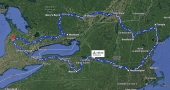
I'm looking for more places to visit, though.
One focus is learning more about how a functioning food forest fits into a person's diet and annual work rhythms. I've heard lots of talk about food forests, but never seen one up and running as a major contributor to someone's diet. If anyone out there has such a system going and is kind of near my route, please get in touch!
Maria Charitou wrote:Hi Joel,
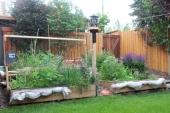
A bit of a late post, but I'm also interested in permaculture. My husband and I have managed to do a few things on our property (just outside Acton). At the moment I'm focusing on growing things like hazelnuts (which grow really well here), and growing more native berries, to attract more birds. if you'd like to reach out and share knowledge, let me know.

J Fortin wrote:There was a large patch of native PawPaws on Pelee Island when I was staying there, on private property that all seemed to have spread from suckers off a single tree as it didn't produce fruit despite an abundance of flowers in the spring. I also planted a half dozen cultivated varieties fro. Whiffletree grown on rootstock on another property but who knows if any survived. There's also a couple around Guelph/Puslinch on private property that I know of, they're beautiful trees although I've yet to see any fruiting.

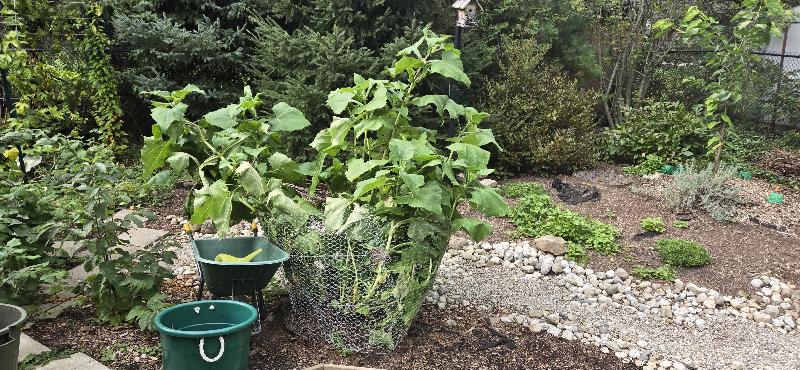
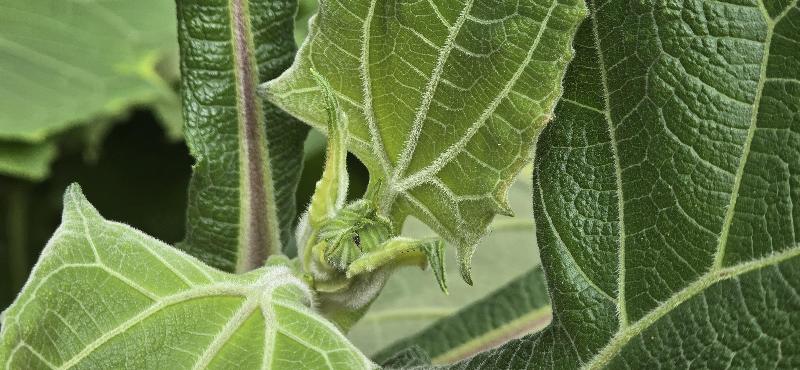

Joao Winckler wrote:Volunteer tomatoes are one of those things that either happens or it doesn't, and when it does you wonder why you ever bothered starting seeds indoors. I get a handful every year from cherry types that dropped over winter. They always come up later than my started ones but once the soil is warm they grow fast and seem tougher somehow, probably because they germinated on their own terms rather than being coddled under lights. The only downside is not knowing exactly what you'll get if you grew multiple varieties nearby the year before.
Niko Lourotos wrote:
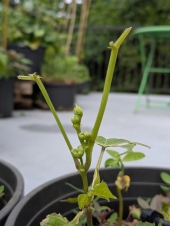
John Weiland wrote:Our garden is fenced against deer, but rabbits occasionally get in .... and that's the effect they would show on our beans. As others have noted, if these are on a low deck, try moveing them to a higher point like a deck railing or table. If the new location is away from deer and rabbits and *still* occurring, I would suspect squirrels or similar.
Really?? Squirrels? There are many of then around. I thought the ate nuts etc.
Hm... if it is squirrels, what do I do???
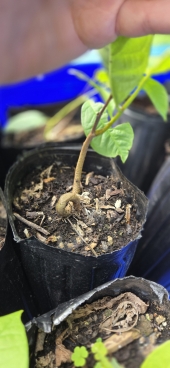
Michael Qulek wrote:I think what you could do is to fill in the pots an inch or two deeper, and allow the curvy sections to produce roots. Eventually, with roots forming above the curves, the curving will become irrelevent.