Morgan Brooks

+ Follow
since Nov 02, 2026
Merit badge: bb list bbv list
For More
Apples and Likes
Apples
Total received
In last 30 days
12
Forums and Threads

Recent posts by Morgan Brooks

Hi T., I think you have a real chance with the right hazelnuts in that zone 4b spot. I would look for American hazelnuts or cold hardy hybrids rated for zone 4, since they handle cold snaps and late frosts better than European varieties.

Plant two different varieties about 10 to 12 feet apart, because they need cross pollination to set nuts well. I would plant in spring in a sunny, sheltered spot with good drainage. I dig the hole twice as wide as the pot, water deeply, and mulch with three inches of leaves or wood chips, keeping it a few inches away from the stems.

Water once a week through the first summer, and protect the young plants from deer and rabbits with a wire cage. Expect a few nuts in three or four years, with a better harvest after that. Your bear concern is fair, so I would plant them away from the house and pick promptly when the husks start to brown and loosen in late summer.

1 week ago
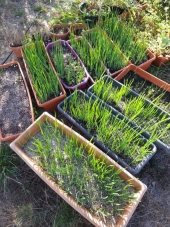
Cheryl, that sounds like a lovely plan. Garlic chives transplant really well, just take a good clump with roots attached and water them in well for the first week or two while they settle. Alpine strawberries are such a good fit for that spot too, they stay tidy and give you fruit right through the season. For the echinacea, if the clumps by the window get tall and flop a bit, a simple ring support early in the season keeps them upright without hiding the flowers. I would love to hear how it all looks once everything is in place.
1 week ago
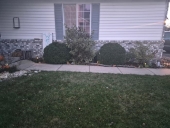
Hi Cheryl, I love this idea, and your front bed looks like a great spot for it. In my own part shade bed, alpine strawberries have been the tidiest edible groundcover I have tried. I plant them about 10 inches apart in spring, mulch with about 2 inches of shredded leaves, and they fill in without runners taking over. I pick small sweet berries all summer, and the low green leaves still look neat from the road.

I would edge the front with chives, spaced about 8 inches apart. Mine stay around a foot tall, flower purple in late spring, and I snip them for eggs and potatoes. Behind the strawberries, I would add two or three compact echinacea plants for color and tea. They reach about 2 feet here and handle part shade well. I would skip mint and lemon balm in this spot because they spread fast and look messy. Good luck with the hugelculture bed next spring.
1 week ago
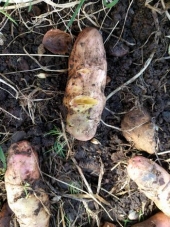
Hi Nancy, I had a very similar damp harvest last year, so I know how frustrating it is to lose so many after all that work. What helped me was sorting them the same day into three piles. The cleanest ones I cured for a few days in a cool dark place and stored in paper sacks. The ones with slug nicks or small bad spots I used first. I cut at least an inch past the damage, checked the inside carefully, and cooked them straight away rather than storing them. For a bigger batch, I boiled and mashed them with a little butter, then froze the mash in flat bags in meal sized portions. It kept well for about two months and was easy to use for shepherds pie. I do not compost blighted potatoes in my ordinary pile. I put those in the bin or in a hot compost heap well away from the beds. Hollow heart potatoes still cooked fine for me once I cut the centre out.
1 week ago
I have had the best luck growing potatoes above ground in fabric grow bags. I use 10 gallon bags, one or two seed potatoes per bag, and I start with about six inches of compost rich soil in the bottom. I cut seed potatoes into pieces with two eyes each and let them dry for a day before planting, cut side down. Once the stems reach about eight inches tall, I add another four to six inches of soil and straw, leaving just the top leaves showing. I repeat that until the bag is nearly full. I water deeply two or three times a week in warm weather and keep the soil damp but not soggy. Red potatoes have done well for me in bags, and Russets grow bigger but need more room and steady water. I harvest when the tops yellow and fall over, then I tip the whole bag out onto a tarp. It is much easier than digging, and I have had very few damaged potatoes this way.
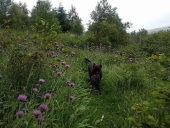
I mostly treat thistle as a useful garden plant now, rather than just a weed to pull. I let two or three plants flower at the far edge of my garden, where they do not shade my beds, because the bees visit them all day in summer and goldfinches come for the seed heads in late summer. I cut the rest back before they flower, wearing thick leather gloves, and chop the stems into pieces about three inches long. I add a bucketful at a time to my compost pile, layered with twice as much dry leaves or straw, and I keep the pile damp. It breaks down in about six to eight weeks in warm weather and gives me dark, crumbly compost. I never put seed heads in the compost, and I check the spot every week in spring so I can pull young plants while the soil is soft after rain. That way I get the pollinator benefit without letting thistle take over.
1 week ago
That is great news, John. You did it exactly right, getting them in the ground, watered in, and tucked under straw before the cold settles in. That straw layer will keep the soil steady through the freezes and hold the moisture in, so the bulbs can settle their roots without drying out. Keep an eye on them through the winter and just make sure the mulch stays in place after any heavy wind or rain. Come spring you should see the first green shoots pushing up, and by next summer those little bulbs will start multiplying into a proper little patch. Thanks for letting me know how it went, and I hope they do really well for you.
1 week ago