Welcome to Permies, Katja!
The combination of pigs and goats can remove almost anything you try to grow, so before you do anything else, work on fencing the garden off. Until you can make sure that plants can remain unmolested until you are ready to cut or harvest them, all work is a wasted effort.
I have this hypothesis that Africa looked a lot different before tribes of goat herders grazed it into barren desert. If you read ancient Egyptian history, there was much less denuded desert and much more savannah type grassland that supported large herbivores. We really don't know how the desertification of the Sahara progressed, but I think that rather than low rainfall leading to less vegetation leading to less forage, it was the other way around: too much grazing led to to little vegetation which led to diminished rainfall. So today it is difficult to grow things in the short rainy season of the Sahel, and forget about the Sahara.
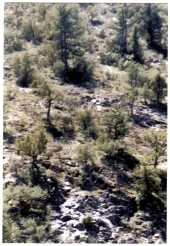
When you look at the deserts of the southwestern U.S., there is much more plant diversity. There are trees like desert ironwood (
Olneya tesota) that would do very well in your climate, but it is only found in the lower Sonoran desert, and I don't believe anyone has tried to introduce it elsewhere. It could be an important permaculture tree crop for Africa, along with
palo verde and mesquite, which could round out the native acacias you have. These trees can provide sustainable animal fodder, but not when they are subject to attack by unrestrained ravenous goats.
Once you have your animal situation under control, you might want to try an intercrop of
pigeon pea and millet. This combination is quite successful in the deserts of Western India.
If you would like to try starting some of the plants I have mentioned, I have seeds that I would be willing to share with you. Just send me a PM with your address. Another source of seed samples is the
Desert Legume Program at the University of Arizona.







 1
1