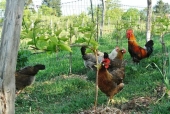
It’s shocking the quantity of seeds that end up in the trash. If you have a farm or home garden seeds are like gold. I’ll go over seed saving in future articles but a quick example I use is just eat one melon and one squash a week for a year. Dry them then toss them in a bucket. Try to eat as many varieties as possible. During the winter mix clay with the seeds, yard clay or just the type used in construction, terracotta. Roll the clay into marble sized balls and let them dry. Add in any tomato or pepper seeds as well. After the last frost, say May 1st in northern states, toss them in a field and forget about them. They should yield around a 100,000lbs of squash and a similar amount in melons. Eat as much as you want and the rest are amazing, free animal fodder.It’s shocking the quantity of seeds that end up in the trash. If you have a farm or home garden seeds are like gold. I’ll go over seed saving in future articles but a quick example I use is just eat one melon and one squash a week for a year. Dry them then toss them in a bucket. Try to eat as many varieties as possible. During the winter mix clay with the seeds, yard clay or just the type used in construction, terracotta. Roll the clay into marble sized balls and let them dry. Add in any tomato or pepper seeds as well. After the last frost, say May 1st in northern states, toss them in a field and forget about them. They should yield around a 100,000lbs of squash and a similar amount in melons. Eat as much as you want and the rest are amazing, free animal fodder.You can get double use out of them by cutting open the squash and removing the seeds and feeding those to chickens. Also remember gourd seeds are excellent chicken fodder. Some seeds are toxic but most fruit and vegetable are perfectly safe and high in fats and protein. The ones to avoid are tree fruit seeds like peach pits. Best not to give peaches whole to pigs but chickens will just peck off the flesh.
Flower seeds can be toxic like lupine but sunflowers of all types are exceptional fodder for pigs and chickens. Black sunflower seeds are even highly medicinal. Do your homework on flower seeds but in the wild a large percentage of a chickens diet are seeds of all types. If you let a stand lettuce bolt the seeds make excellent chicken feed. Instead of picking the head of lettuce peel off mature leafs. If you let the core mature you’ll get hundreds of seeds from a single head of lettuce. Consider the seeds a secondary crop.
I mentioned walnuts but all nuts are top shelf animal fodder. For chickens you need to break the walnuts either with a hammer or I’ve seed people drive over them then turn the chickens loose, you’ll have excited chickens. If you have pine trees remember pine cones have nuts. Most types are too small for humans but perfect for chickens. You can help the chickens get at the nuts either with the hammer method or driving over them.
Hickory nuts, butternuts, hazelnuts or the smaller chinkapen nuts are all excellent. Don’t forget chuffa nuts, also called Tiger Nuts. Be careful feeding them to fish, they tend to be toxic for fish but human and domestic animal can eat them without issue. In northern states you have to replant every year but in the south they are semi invasive as in you can’t get rid of them which is why thy. Are such great animal fodder. Turkeys love them and hunters plant them to draw turkeys in for hunting. They are perfect for pigs especially if you want them to dig up an area plant Tiger Nuts.
Consider sprouting seeds especially for chickens. Sprouting seeds converts starch into sugars increasing the food value.
Grains are the most popular animal feed seeds. They are exceptional chicken feed but I have mixed feelings about feeding larger animals grain. Just because it’s standard practice doesn’t make it right. With barely sprouting increases the available food. Corn for as common as it is for cattle I’d. Ever feed cattle corn. The stalks are fine but the grain makes them sick. If you insist on feeding it to cows, soak the grain in lime water and ferment it. The lime water softens the grain making it more digestible. Make sure to rinse it before feeding it to cattle. Pigs and chickens are fine with and pigs will do anything for fermented corn. It’s best to crack the corn for chickens to avoid choking issues.
I’m a huge fan of buckwheat. I make awesome bread out of buckwheat. Farmers are wary of it because it can cause sunburn issues but darker skinned pigs, even the red ones, have no issues. The yield is lower than most grains but the leaves can be used as animal fodder especially for rabbits and cows. Most animals will eat the leafs and goats think it’s candy. The fact it’s dual use makes it an excellent chose.
Rice is an obvious choice but I’d use wild rice if available and save the white rice for humans.
Sorghum, how long have you got? I love everything about sorghum. It grows in pot soil with little water making it a good choice for arid regions. The food value is exceptional. Sorghum is another dual use crops. The stalks can be used for sugar or molasses production then the left over stalks can be fed to pigs and cattle. To cover every grain would take a novel but this can give an overview of grain uses and issues









 3
3