We've been trying these at the nursery for a few years and the results are in, they are excellent. Fabric pots have significant advantages over hard plastic, particularly in large sizes, namely:
The roots dont get rootbound or grow into the soil below. They are micropruned by the fabric. This makes them transplant very well
Capillary action with the soil is maintained, so they don't dry out as easily. Large trees in fabric pots do nearly as well as in the ground even without water once established. I know it's hard to believe
They allow oxygen to the roots
They're cheap compared to hard plastic once you get above the 5 gallon size
And they're as durable and reusable as the best hard plastic
There aren't many cons, you have to make them yourself, they're petroleum based, maybe slightly harder to fill and carry and eventually they break down from uv light, very slowly.
There are commercial pots on the market that are painted to slow uv degradation, i haven't tried that yet.
What you need:
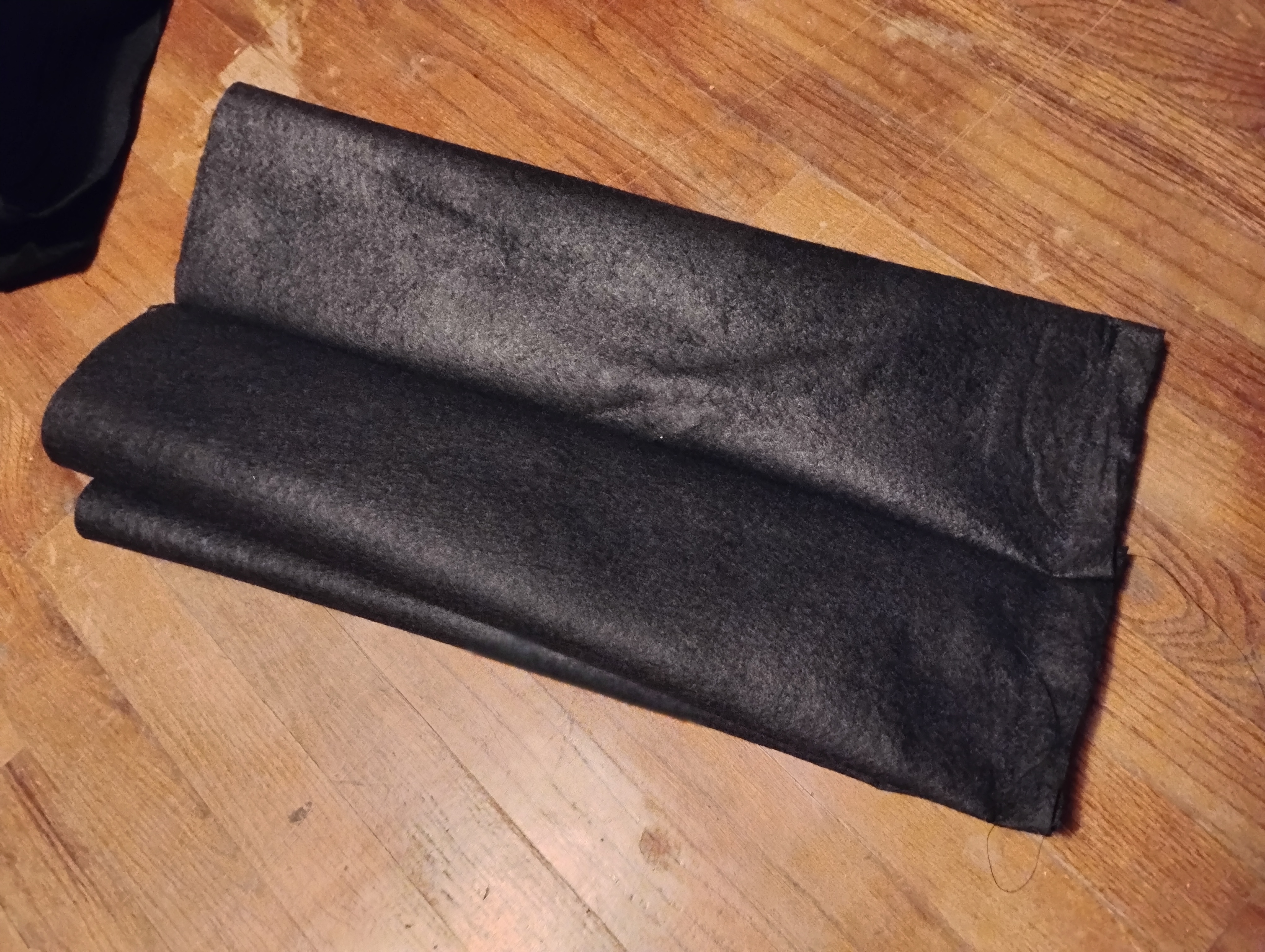
Heavy duty uv stabilized geotextile ground fabric, i use 8oz, 4oz doesn't hold up as well, the heavier the better, but diminishing returns on cost. (Note: there are misrepresented chinese fabric claiming to be 8oz. If you can tear it with your hands, it's too thin). We used to get it locally 7 years ago in huge 15ft rolls, cost of fabric was 10-20c per square ft. In the USA, you can get it online at sandbaggy for 50c in smaller quantities. You can also get sandbags for earthbag construction
Outdoor rated thread, i used sailrite tex 90 uv bonded polyester
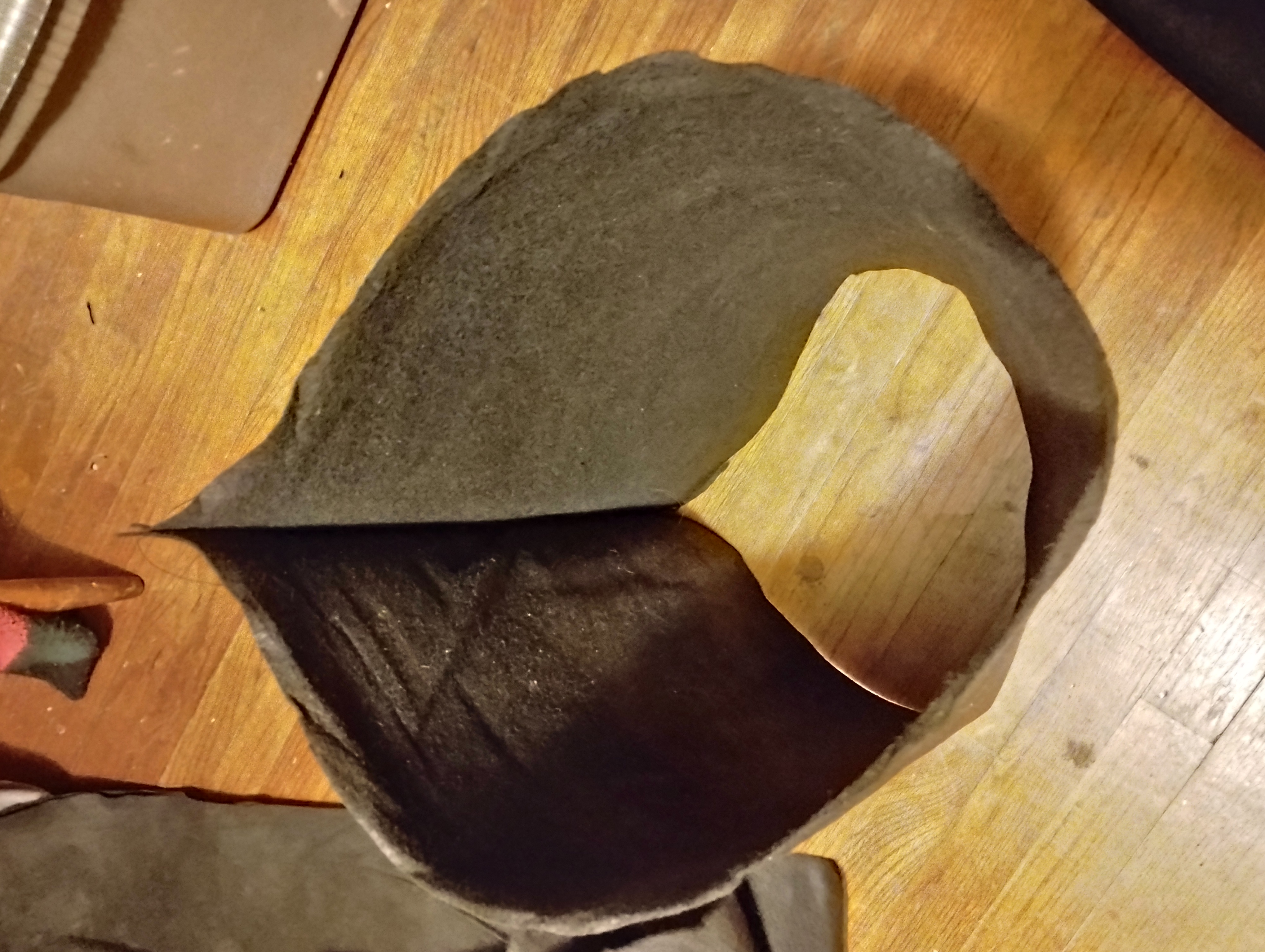
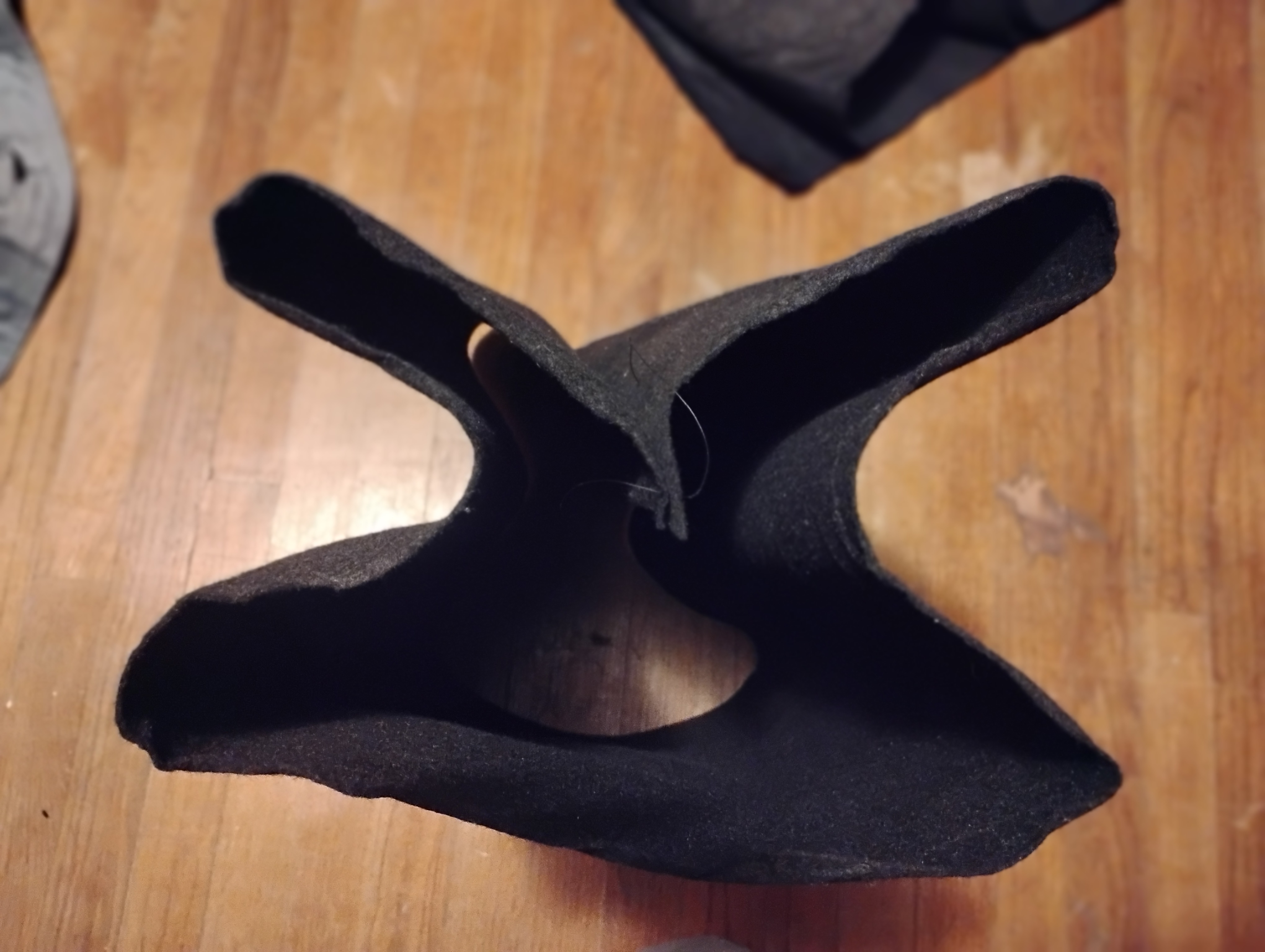
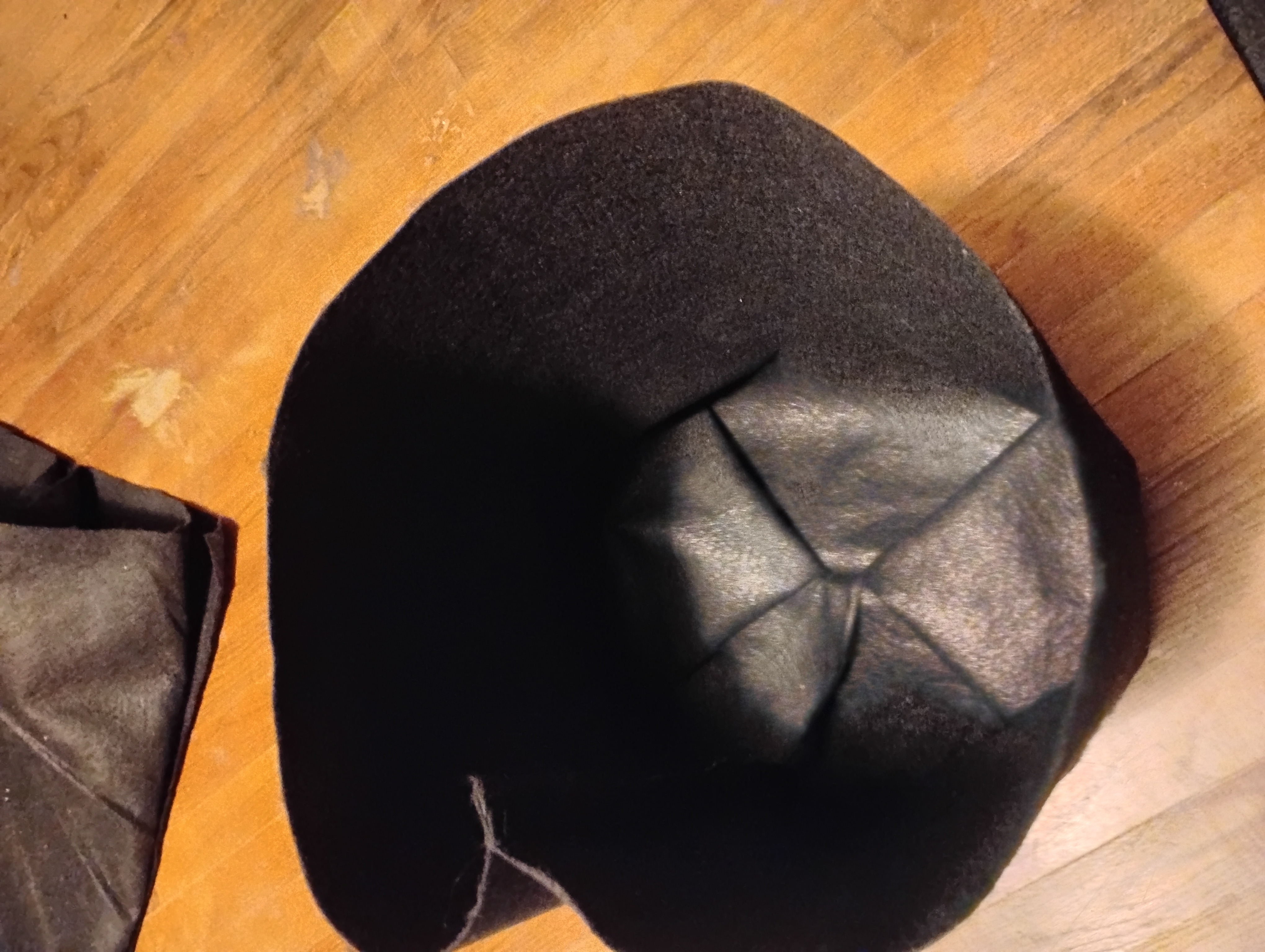
The rest is better understood with the pictures below. Essentially you're making the same shape as a brown paper baggy
Steps:
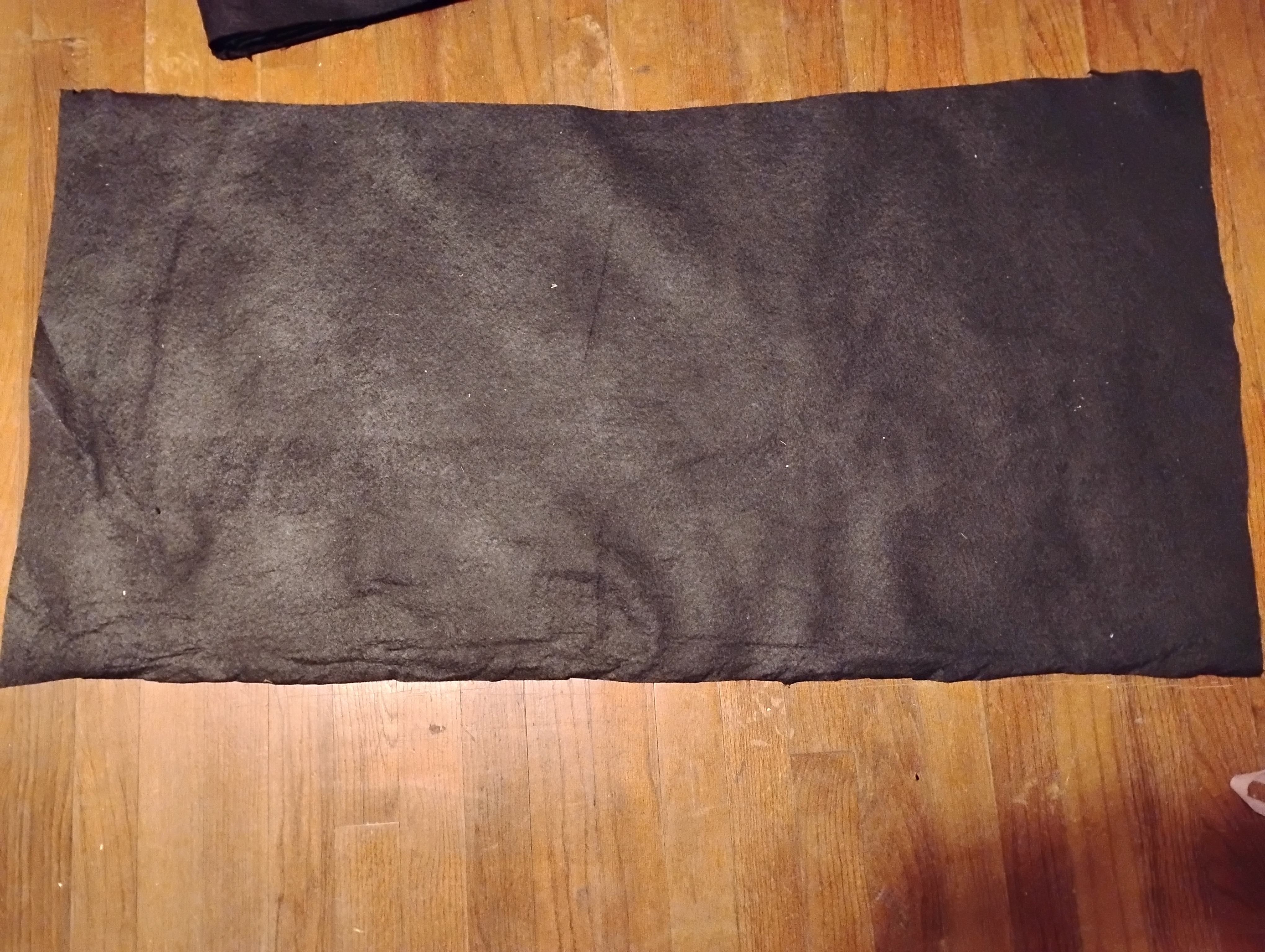
Cut fabric to desired size, I'm doing 22.5inx46in because it cuts evenly out of the 15ft roll. This makes 10ish gallon pots. Experiment or do math to get the size you want
1. Fold in half and sew into tube
2. Squash fold the tube so that the sides touch in the middle
3. Sew along the bottom
Backstitch where required.
And your done, enjoy the best pots for large plants you're ever going to use









 3
3


![[Thumbnail for IMG_20260101_212032212.jpg]](/t/366788/a/281266/IMG_20260101_212032212.jpg "Filename: IMG_20260101_212032212.jpg
Description:")
![[Thumbnail for IMG_20260101_212052651_HDR.jpg]](/t/366788/a/281267/IMG_20260101_212052651_HDR.jpg "Filename: IMG_20260101_212052651_HDR.jpg
Description:")