• Post Reply Bookmark Topic Watch Topic
  • New Topic
permaculture forums growies critters building homesteading energy monies kitchen purity ungarbage community wilderness fiber arts art permaculture artisans regional education skip experiences global resources cider press projects digital market permies.com pie forums private forums all forums
this forum made possible by our volunteer staff, including ...
master stewards:
  • Carla Burke
  • John F Dean
  • Nancy Reading
  • r ransom
  • Jay Angler
  • Timothy Norton
stewards:
  • paul wheaton
  • Pearl Sutton
  • Anne Miller
master gardeners:
  • Christopher Weeks
  • M Ljin
gardeners:
  • Jim Garlits
  • thomas rubino
  • William Bronson

Usage of coir pith in making dryland greener

 
Posts: 4
Location: Dindigul, Tamilnadu , India
forest garden composting greening the desert
  • Mark post as helpful
  • send pies
    Number of slices to send:
    Optional 'thank-you' note:
  • Quote
  • Report post to moderator
Greening the Desert with Coir Pith (Coco Peat)

Turning dry, sandy, low-fertility land into productive green space is possible with the right growing medium. One of the most practical materials for this is  coir pith (coco peat).

Coir pith has an exceptional ability to hold water and improve soil structure, making it highly useful in dry and arid regions where water drains too quickly through sandy soil.

How coco peat helps desert greening

In dry land like conditions, soil usually lacks organic matter and cannot retain moisture. When coir pith is added:

* It increases water retention around plant roots
* It improves soil aeration, even in compacted sand
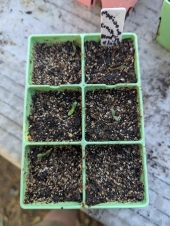
* It helps establish young seedlings in harsh conditions
* It reduces irrigation frequency, saving water
* It acts as a base for mixing compost and other organic inputs

Practical usage method

For desert or dry-land greening projects:

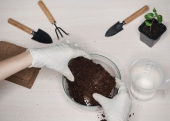
* Mix coir pith (coco peat) with local sand or soil
* Add compost or organic manure for nutrients
* Use it as a planting bed or raised grow medium
* Apply mulching with coco peat to reduce evaporation

For large-scale restoration projects, Low EC coir pith is preferred to avoid salt stress and ensure uniform plant growth.

Why it works

Coir pith acts like a water sponge in soil, slowly releasing moisture to plant roots. This helps plants survive longer dry periods and establish deeper root systems, which is critical in desert reclamation and land restoration projects.

With proper irrigation and organic management, coir-based growing systems can support green belts, agro-forestry, nursery development, and wasteland conversion.


Keywords: coir pith, coco peat, desert greening, land restoration, arid soil improvement, water retention medium, coco peat block, coir block, low EC coir pith, sustainable agriculture, nursery growing medium, soil conditioner.
gift
 
Solar Station Construction Plans by Ben Peterson -- ebook
will be released to subscribers in: soon!
reply
    Bookmark Topic Watch Topic
  • New Topic