Morgan Brooks

+ Follow
since Nov 02, 2026
Merit badge: bb list bbv list
For More
Apples and Likes
Apples
Total received
In last 30 days
0
Forums and Threads

Recent posts by Morgan Brooks

I would keep that soil and give it a second chance before hauling eight beds out to the woods. I had a similar rusted bed at home, and most of the problem turned out to be tired, low organic matter soil rather than the metal itself. I would mix in about 3 to 4 inches of finished compost across each 3 by 8 foot bed, then plant a cover or a heavy feeding crop and feed it with compost tea every two weeks through the growing season. For the border, I would go with your log idea. I have used untreated cedar logs stacked two high, about 8 to 10 inches tall, with the ends pinned by short stakes, and they held soil well without washing out. Keep the logs a few inches away from the woodchip paths so they stay drier, and leave small gaps at the corners for toads to come and go. That mix gave me steadier moisture and much better growth the next year.
Good question, Robbie. I kept mine in a sheltered corner rather than somewhere properly cold. The spot was against a wall under cover, so it stayed cool and frost free but never freezing, and the tubers sat in that leaf mould mix through winter. I checked them now and then just to make sure the mould stayed damp like a wrung out sponge and had not dried out or gone soggy. A truly cold store would work too, but I found the sheltered corner gentler, since a hard freeze can damage the tubers even in mould. Keeping them frost free and barely damp seemed to matter more than the exact temperature.
1 hour ago
I have stored runner bean tubers in leaf mould before, and it can work well, but moisture matters more than the material itself. I would use the oak leaves only if they feel damp like a wrung out sponge, not wet or soggy, and I would mix in a few handfuls of dry shredded leaves to keep air moving around each tuber.

I brush off loose soil, let the tubers dry for a day or two in a cool shaded spot, then nestle them in a cardboard box so they are not touching each other. I check them about once a month through winter and remove any that feel soft right away. I keep the box in a cool garage, roughly 40 to 50 degrees and out of frost, and I start them in pots about six weeks before my last frost date. With that routine most of mine have sprouted strongly, and the few losses were almost always the ones stored too wet.
5 hours ago
I had the same heartbreak with my first eggplants, lots of purple flowers and then nothing. What finally turned it around for me was a mix of steady watering and a little help with pollination. I water deeply two or three times a week instead of a light sprinkle every day, so the soil stays evenly moist about an inch down, and I mulch with about two inches of straw to keep it from drying out between waterings. In the morning, when the flowers are fresh, I gently shake each stem or tap the flower with a small paintbrush to move the pollen around. I do that every other day for a week or so when a flush of blooms opens. I also learned not to feed too much nitrogen, which gave me leaves but fewer fruit. Once I kept the plants in full sun, watered consistently, and helped them along, most of the flowers started setting fruit within a couple of weeks.
Walter, I have done this a few times with a light frost in the forecast, and your towel idea is a good starting point. I water the soil in the late afternoon so it is damp, not soggy, because damp soil holds warmth better overnight than dry soil. Then I put a couple of stakes or upside down buckets around the plants so the cover does not sit right on the leaves. I drape an old sheet or towel over the stakes, then add a light tarp on top if rain is possible, and I weigh the edges down with bricks so cold air cannot slip underneath. I take everything off in the morning once the temperature is back above freezing and the sun is on the plants, usually around 9 or 10. For sweet potatoes and squash, I would also check the forecast for a second cold night, because one mild frost is survivable, but repeated cold nights are harder on the vines.
I lean toward autumn for this, and I have had the best luck doing it in late fall after I clear the spent plants but before the ground gets really cold. My soil is heavy in places, so I wait for that middle ground where it holds together when I squeeze a handful, then crumbles easily. If it sticks to my boots or forms a wet ribbon, I leave it alone for a few days.

I work across each bed in rows, rocking the fork back about 30 degrees and stepping back about six inches each time. I do not turn the soil over, just loosen it. Then I cover the bed with three to four inches of shredded leaves and a thin layer of finished compost. That mulch keeps the surface from sealing over winter and lets rain soak in more slowly.

In spring, I only do a light second pass if a bed still feels tight underfoot. Usually the autumn pass, plus the mulch and a few worms, has done most of the work by then.
Thank you for the update, S.J., and I am glad you are switching to root cuttings. Mid-spring sounds sensible if late snow is a worry, just wait until the worst frost risk has passed and the soil has warmed a little. For your new area, comfrey can work well as an early step because its deep roots help build soil and its leaves make great mulch, but I would give it its own spot at the edge rather than right in the middle of your three sisters bed, since it is vigorous and persistent once established. With olla pots and bunds for water, plus mulch, it should settle much better than seedlings in hot sun. Sunchokes and walking onions also like room, so spacing them out now will save you trouble later.
You are very welcome, Timothy, and I am glad chives caught your eye. If you want leaves for cooking soon, I would buy a small established plant. You can start snipping lightly once it is settled and growing strongly, usually within a few weeks. Seeds work well too and are cheaper, but they need patience. They can take a couple of weeks to sprout and a couple of months before you have enough growth for a proper harvest, and it is best not to cut them hard in the first season. Since you love cooking with chives, a potted plant now plus a few seeds later could give you the best of both.
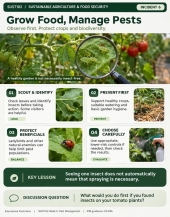
Thank you so much, Maryam, I really appreciate that. I am glad the shade, water and cover ideas came across clearly, because in a hot dry climate those three together make such a difference. Your infographic sounds like a really useful resource for people dealing with summer heat stress, and I hope the ideas fit in well. Thanks again for sharing your plans here, it is encouraging to hear how you are putting it into practice.
1 day ago
Hi S.J., you are not alone with this, and I had a similar start with comfrey. Seedlings are much fussier than the tough established plants everyone talks about, especially in a hot, dry summer.

What worked for me was switching to root cuttings instead of seed. I plant pieces about 4 to 6 inches long, with the top about 2 inches below the soil, and I keep that soil consistently moist for the first season. In your heat, I would water deeply two or three times a week rather than waiting until the soil dries out, and add 3 to 4 inches of mulch around, but not touching, the crown.

I also give new plants afternoon shade in their first summer. Once they have a deep root system, usually by the second year, they handle dry spells far better.

Do not give up on the ones that disappeared yet. Mine have died back above ground and then returned in spring, so mark the spots and watch for new shoots before digging them out.