I’ve been running across lots of instruments with this style of construction. There is a piece of wood that gets hollowed out, another piece of wood that gets shaped and hollowed out differently or a stretched skin, and then they’re fitted together to form a resonating chamber. One of these is the igil. From wikipedia:
The neck and lute-shaped sound box are usually made of a solid piece of pine or larch. The top of the sound box may be covered with skin or a thin wooden plate.
https://en.wikipedia.org/wiki/Igil

Similar for the Cretan lyra:
The body and neck are carved out of one piece of aged wood (minimum 10 years old). Traditionally the body's wood was sourced from trees growing in Crete such as walnut, mulberry and asfadamos, the local plane tree; today it is mostly imported.
https://en.wikipedia.org/wiki/Cretan_lyra?wprov=sfti1#
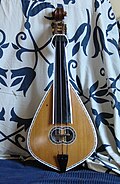
Guqin, too, is made this way, and so are many baglamases (possibly botching the plural!)
I have been experimenting with this and getting some good success so far. Results show not too difficult, loud pleasant sound coming from willow wood. It seems like a very lovely way of taking advantage of our resources in wood abundant regions, where this style of construction could prove much more accessible than bent wood, board or box style instruments, which require more specialized tools and techniques, or gourds which might not get big this far north.



.png)




 6
6