posted 2 hours ago
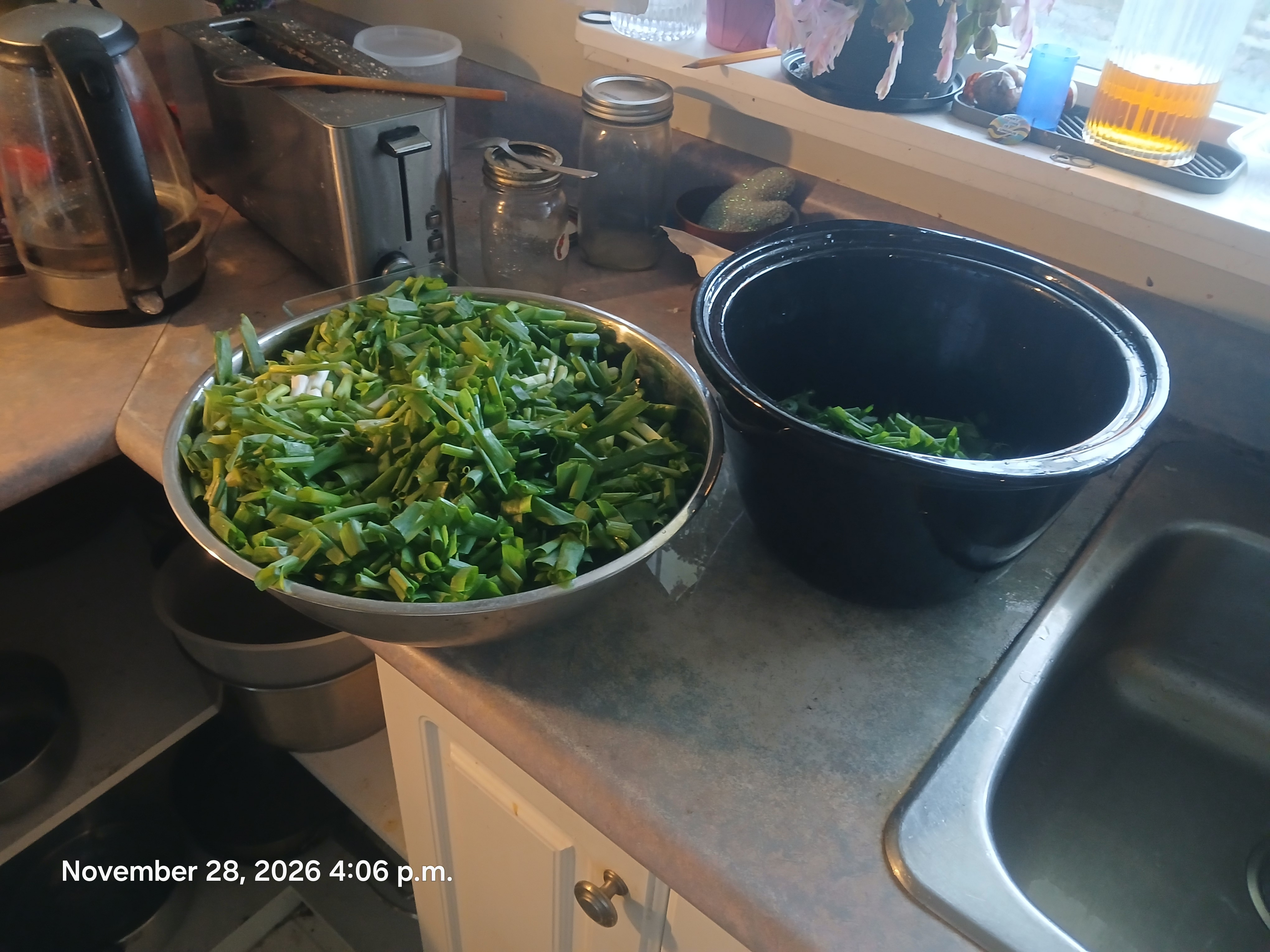
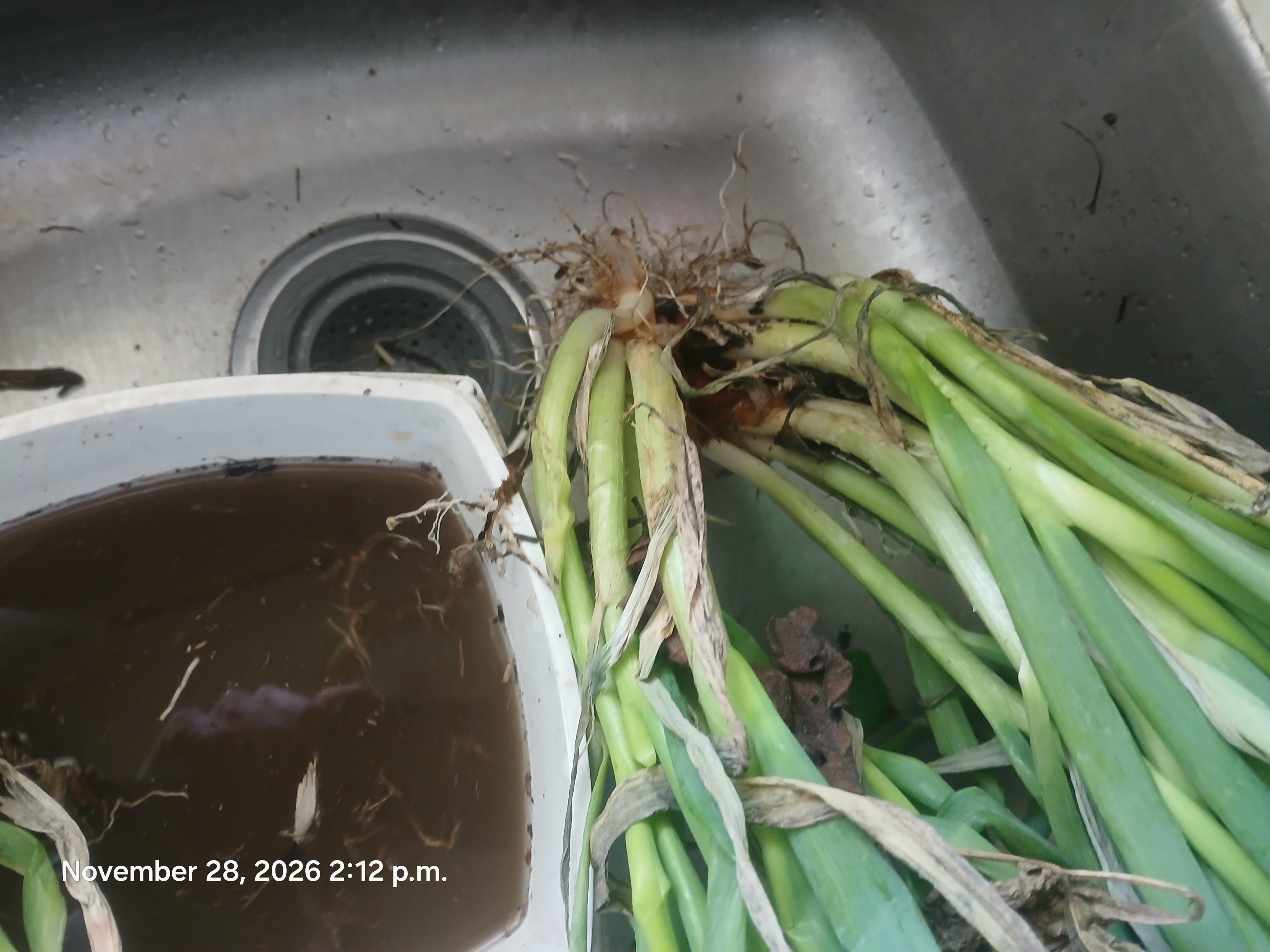
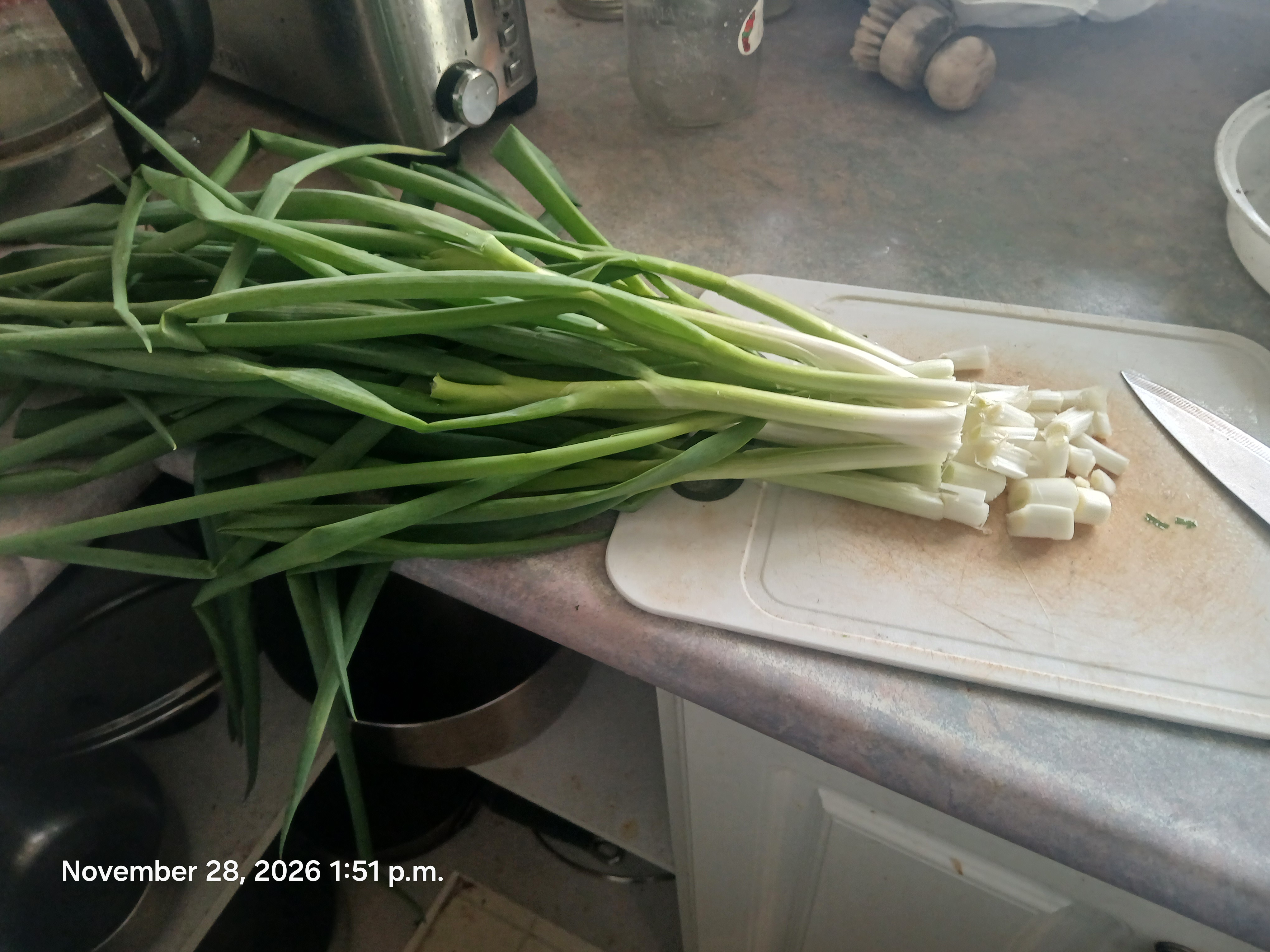
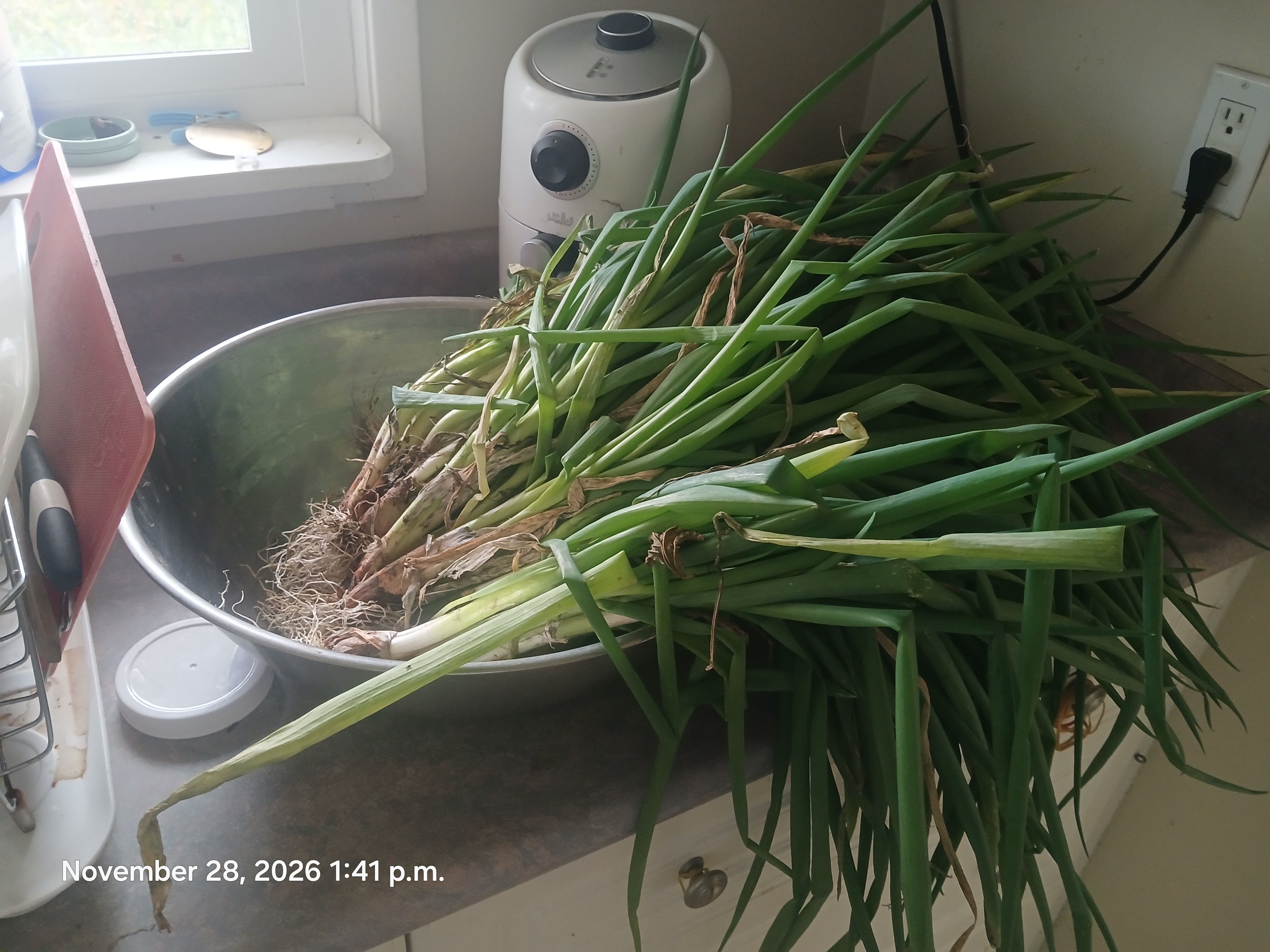
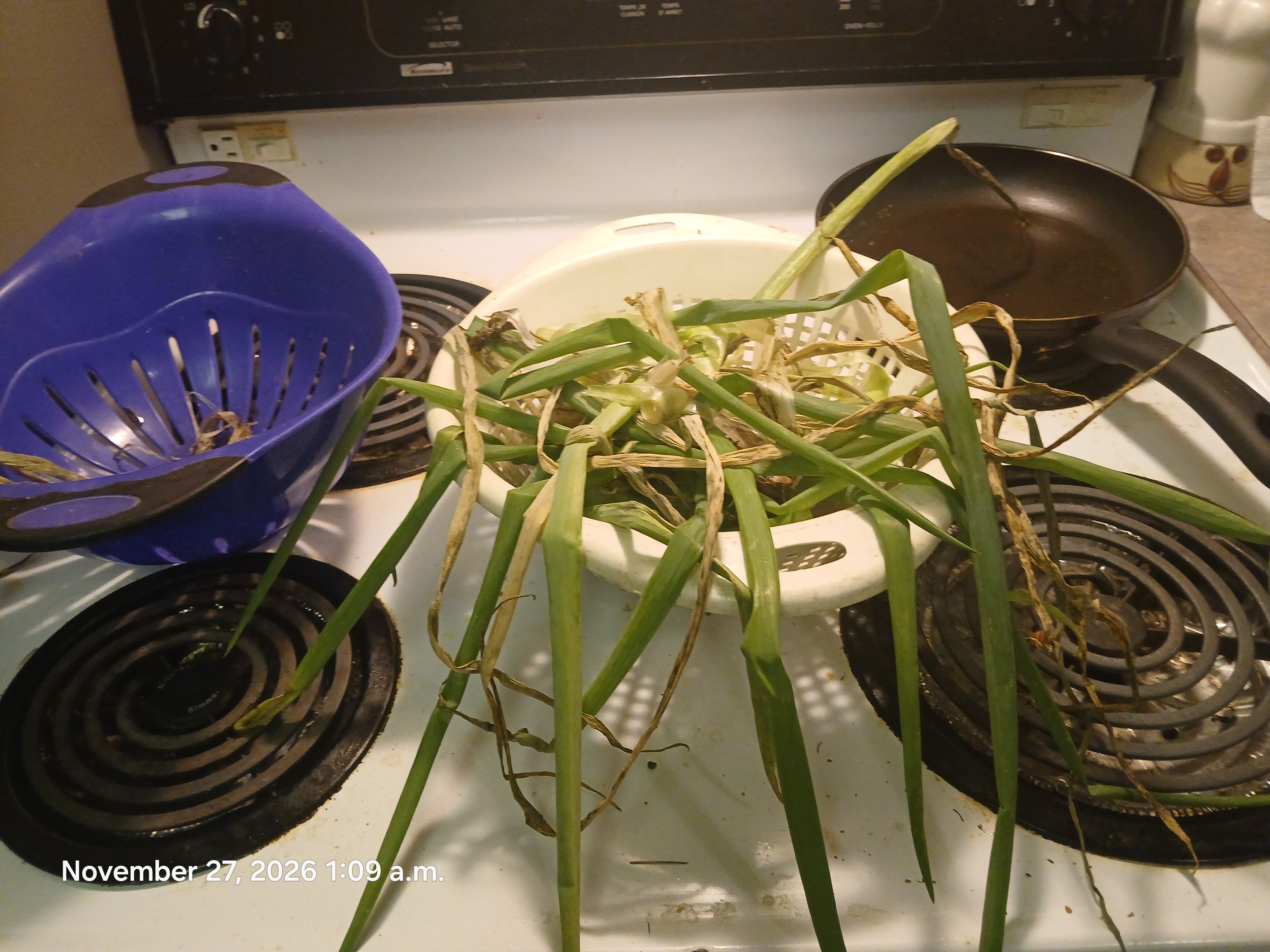
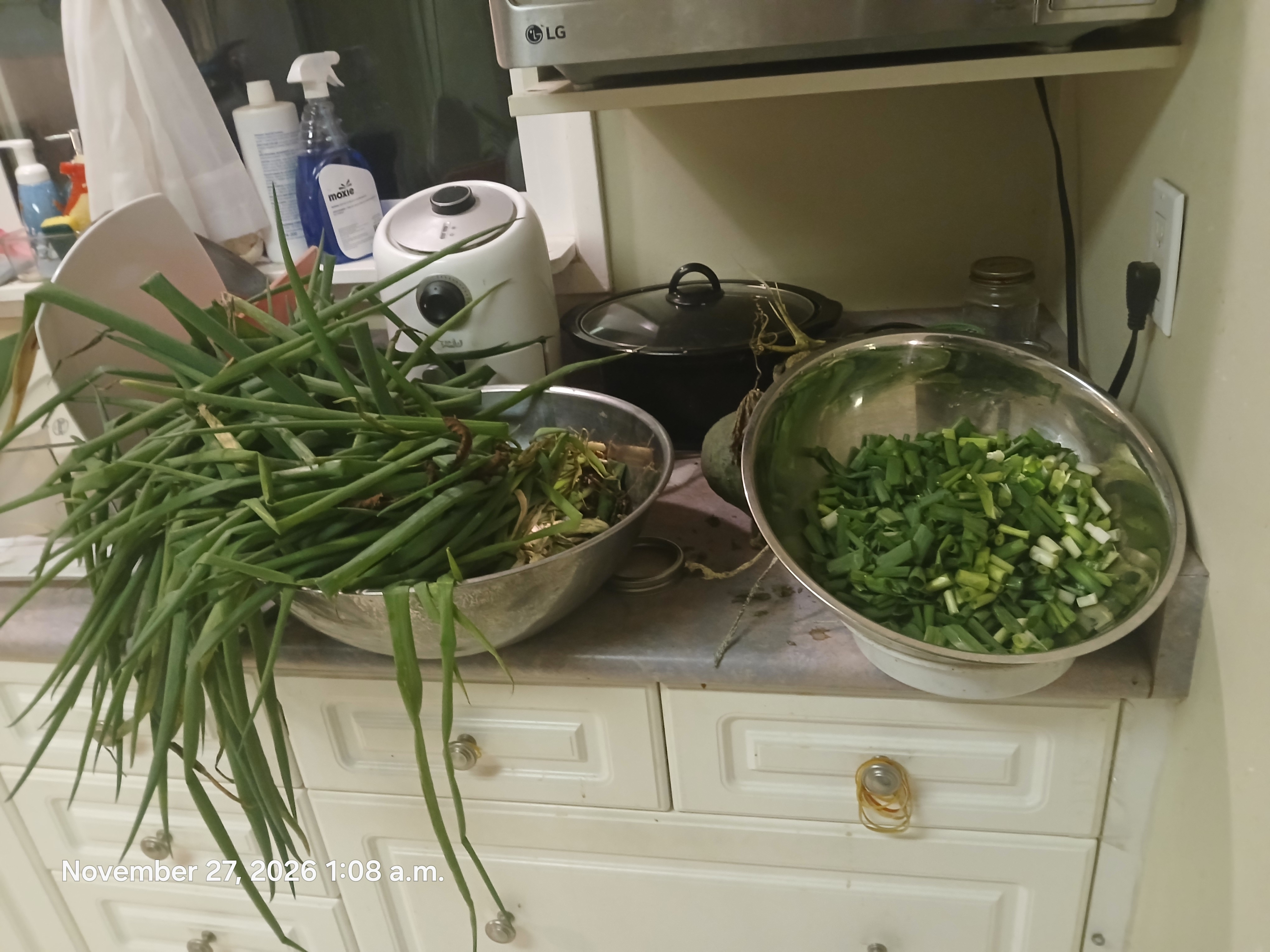
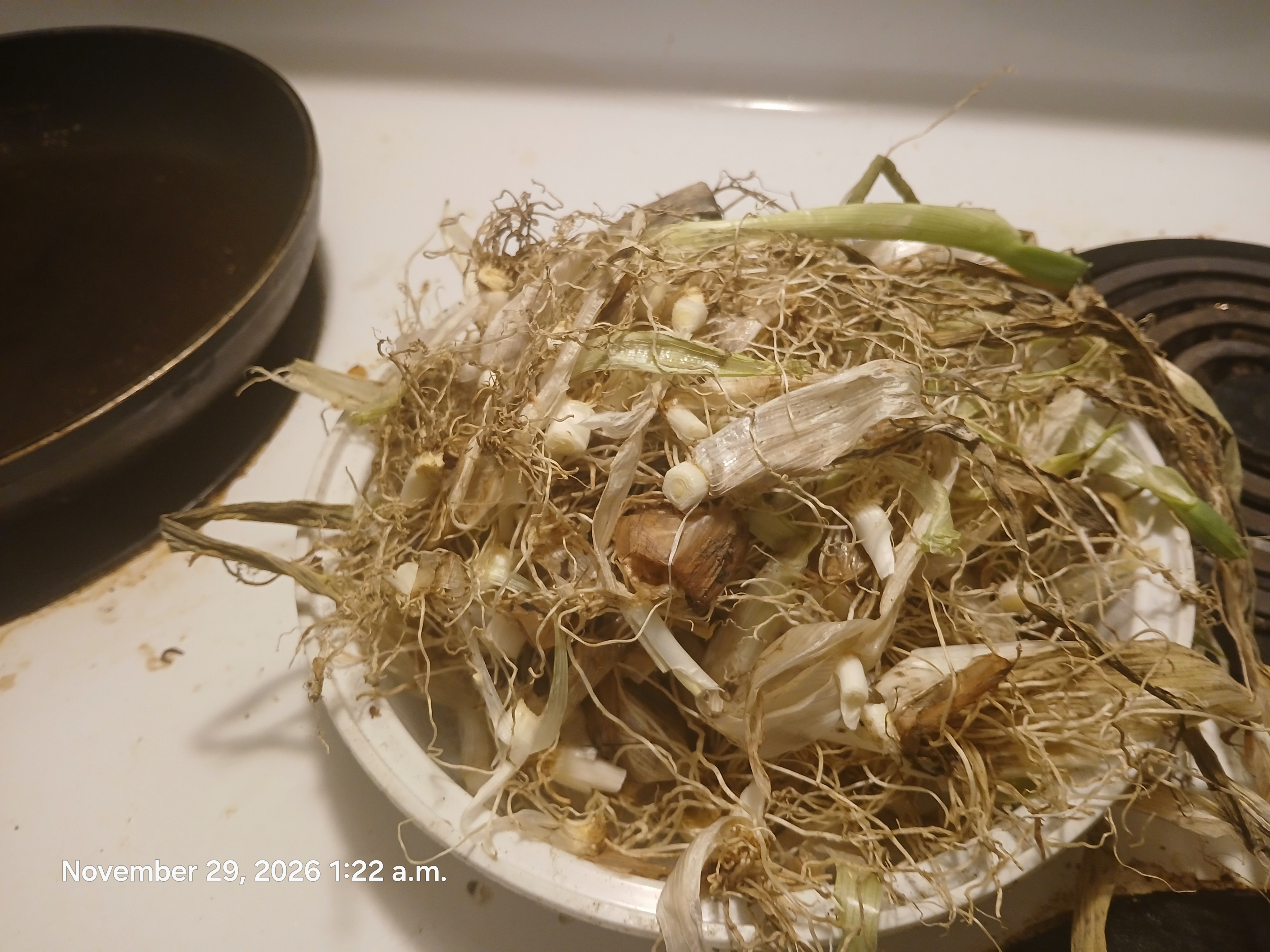
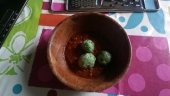
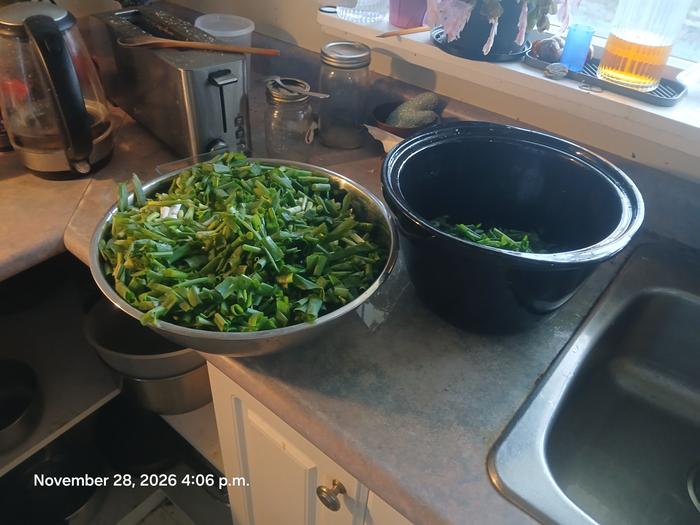
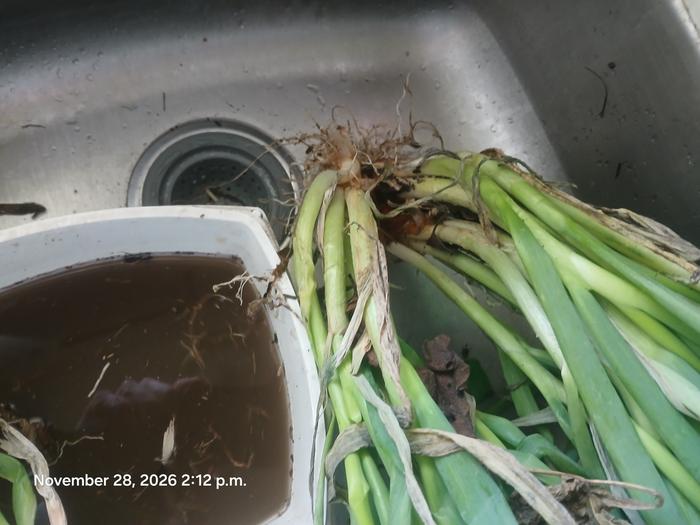
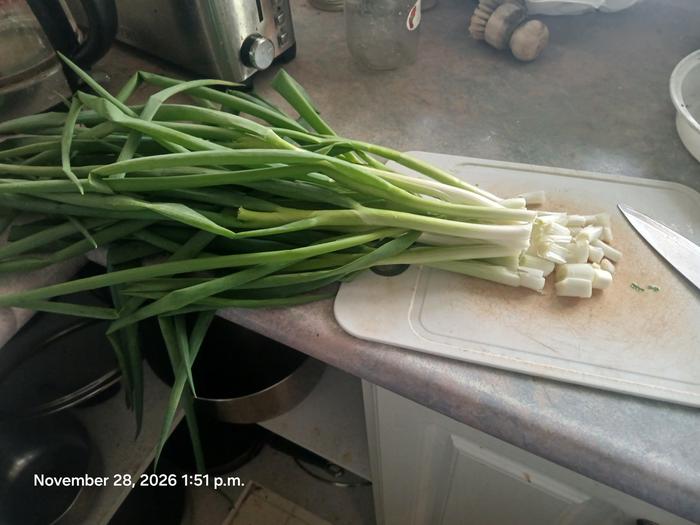
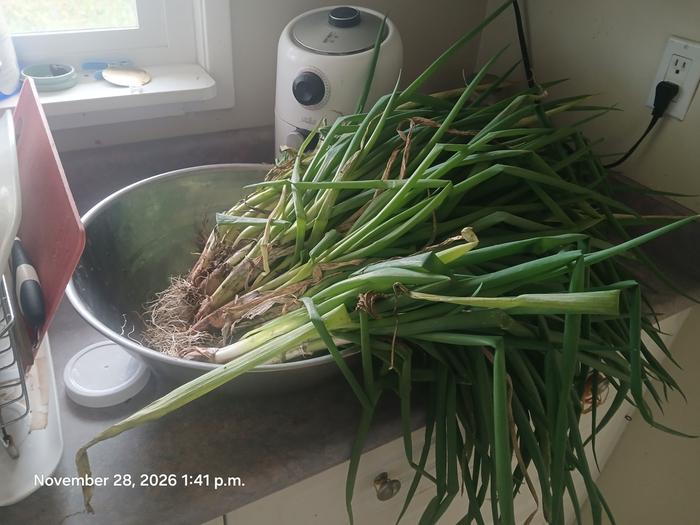
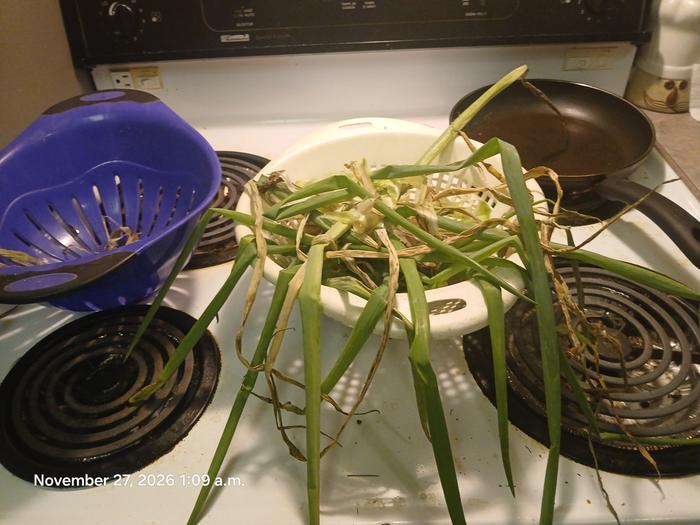
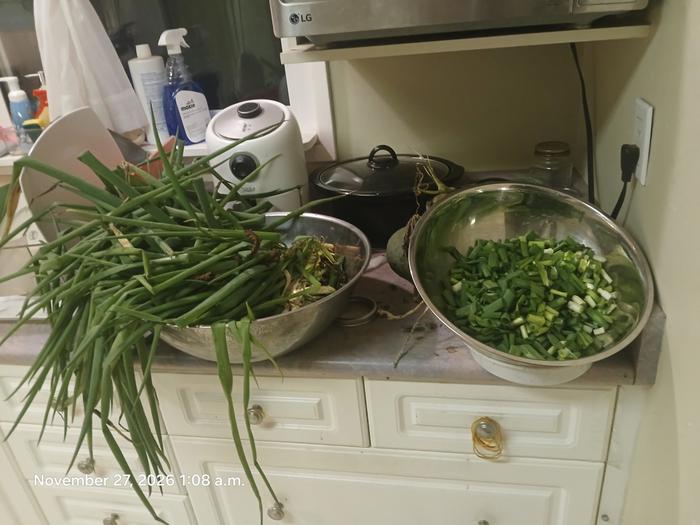
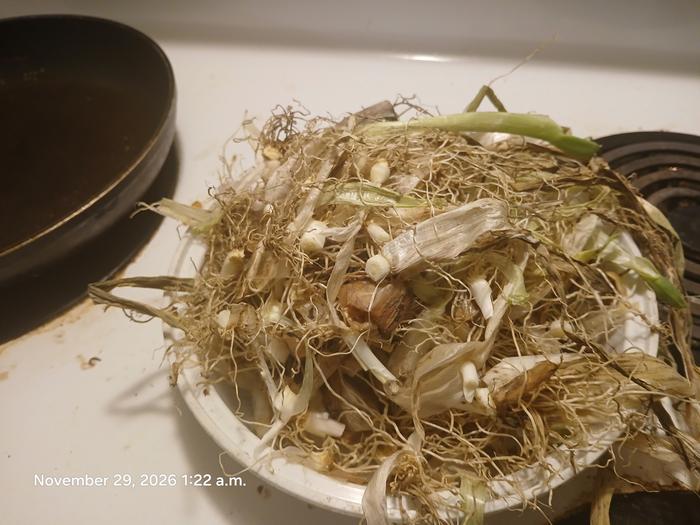
Last year I had tenants that craved my welch onions so they remained small and well used throughout the year. This spring new tenants and no real interest in my home grown veggys so they got bigger and bigger. And multiplied a lot too. I saurkrauted some about a month ago, and they got very nice so, before the winter kills off the tops, I have gone all in on pickling the rest of the onions. I "think" they are Welsh onions, but most of them don't seem to have the typical red shank. Anyway each big clump in the pictures began as one single transplant in about June of this year. The 2:12 pm picture is ONE clump! It is the biggest one, and I was tearing it apart when I though it merited a picture! I also grow Egyptian walking onions here but they are way more finicky, there is only one spot that they really like and anywhere else they get the grey fungus on their leaves at some point in the year. I hate it. The Welsh ones are much less susceptible to it. Anyway, here is how I pickle them. First harvest the onions, and wash the soil off the base. Then, I use a big square yougurt container in the sink, and wash more soil off and tease them apart. Then strip the outer 1 or 2 layers from the onion, then cut off the root bit, and keep it to grow a new onion. (I will probably try it in the greenhouse). Lay the stems in a bundle on the chopping board and when the bundle is big enough, chop it into a big container. Wear a visor. And even with that, you will occasionally cry your eyes out. Always cover your container as soon as the next batch of chopped onions are in. Keeps the fumes in. I had weighed the container previously. Use grams, it is easier. Then I weigh it with the onions and substract the weight of the container. Divide your answer by 50 to get your grams of salt. (I have a drug dealer scales, that measures to 1/100 of a gram) and I use that for the salt measurment. Transfer the onions to a stoneware container, layering the salt as you go and mixing it with a wooden spoon. Then leave it in the warmth with a lid on for a couple of days to build up the lactic acid bacteria. Then transfer into either mason jars or into big glass jars. I am going with big 5 liter glass jars, probably, because I have to add peppers and Swiss chard to the mix too. Photos are in no particular order. Hopefully they make the process clear. I show one of the ceramic pots too. They are from slow cookers. One I bought on its own just for this process. The last photo is of the roots. I am planning on planting them in the greenhouse and hopefully they will grow new welsh onions. I will also try longer ones outdoors. (More slugs outside so they need to be a bit bigger). Does anyone know how to pickle Swiss Chard. I am thinking of par boiling it (more like par steaming it) and then after it cools down, adding the salt and a bit of the bubbling onion pickle juice to get it started really quickly. Or, maybe add the salt when steaming it? But that might drip out the juice into the steamer too much? Maybe I have to fill the steamer with water with 2% salt? Anyway, I am just loving the taste of the lactic pickled onions so far! (Did the earlier batches in big mason jars. Probably 1 liter Jars. I hope the taste of the pickled chard mixed with the onions will be spectacular too. One bad thing I do is grow the welsh onions beside the runner beans in the same planter. I know this is supposed to be wrong, but my beans seem to do alright too. Thanks Brian.
20261128_160606.jpg
20261128_141222.jpg
20261128_135143.jpg
20261128_134125.jpg
20261127_010913.jpg
20261127_010857.jpg
20261129_012229.jpg








 2