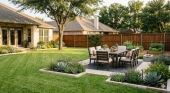
I will chime in here—I definitely get the hot summer temperatures and the summers often get a drought period.
I live in Southern Illinois which is in a frustrating place for establishing grass as it is south of the northern areas where bluegrass rules. We are also north of the area where southern heat loving grasses reign supreme. The zone I live in is called the transition zone and getting a lawn established is this area is definitely challenging.
For starters, fall seeding is absolutely crucial. The grass needs to get started with warm soil and as winter comes, soil moisture will be retained and the grass itself never completely quits growing over the winter, starting spring with a root system established. Spring seeding will get a start but the fine little root hairs will crash in to the intense heat of summer, dry out and die.
Water is absolutely everything. I hate to admit it but I poured a lot of water on my lawn via sprinkler. My advice: go for a sprinkler that is heavy duty, metal, and covers a large area. The coverage is less likely to have bare spots.
Probably you will need straw.
Be patient
For my zone, fescue is standard but there are a few custom local blends that include heat tolerant blue grass cultivars. Bluegrass and fescue together make a very nice mix if you get the right bluegrass—common Kentucky won’t do it for a bizarre reason. There are some Texas-Kentucky hybrids that are excellent.
Again, be patient. And then be patient some more.
Eric