• Post Reply Bookmark Topic Watch Topic
  • New Topic
permaculture forums growies critters building homesteading energy monies kitchen purity ungarbage community wilderness fiber arts art permaculture artisans regional education skip experiences global resources cider press projects digital market permies.com pie forums private forums all forums
this forum made possible by our volunteer staff, including ...
master stewards:
  • Carla Burke
  • Nancy Reading
  • John F Dean
  • r ransom
  • paul wheaton
  • Jay Angler
  • Timothy Norton
stewards:
  • Pearl Sutton
  • Tereza Okava
  • Nicole Alderman
master gardeners:
  • Christopher Weeks
gardeners:
  • M Ljin
  • Megan Palmer
  • Pete Podurgiel

More permanent water collection set-up

 
pollinator
Posts: 256
Location: Charlotte, Tennessee
73
7
goat forest garden chicken
  • Likes 3
  • Mark post as helpful
  • send pies
    Number of slices to send:
    Optional 'thank-you' note:
  • Quote
  • Report post to moderator
Greetings!

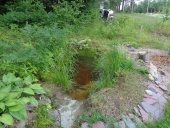
We're trying to figure out a more permanent water-collection method at our spring. This is for wash-water for when we're camping on our land (not for daily use, or for drinking, at least right now). The property we're on has just been used for an annual camping trip, so we've made do with a temporary dam and a hose that runs downhill enough for ease of collection.

Now we're living near the property, and are camping much more often (until we have a house there). Any thoughts on how to set up a better long-term collection method? The video shows the true outlet of the spring, the place where we usually dam (where our pooch Tali is) and the usual end of the hose, where we collect water.

I'd love any thoughts on a better set up. Thanks in advance!

 
gardener
Posts: 522
Location: Sierra Nevadas, CA 6400'
213
4
hugelkultur dog trees woodworking
  • Likes 6
  • Mark post as helpful
  • send pies
    Number of slices to send:
    Optional 'thank-you' note:
  • Quote
  • Report post to moderator
I would recommend looking into a spring box system. The general idea is to build an underground dam, back fill with gravel, and bury a perforated PVC pipe in the gravel. The water will filter down through the gravel, travel into the PVC pipe which then fills a spring box with water. After that, hook up some 3/4" black poly tubing (potable-grade, direct-bury rated) down to where you need the water. I would try to site the spring box as far uphill as you can, as it will keep the source cleaner and gain you more pressure in the line.
external-content.duckduckgo.com.jpeg
[Thumbnail for external-content.duckduckgo.com.jpeg]
Example of a spring box
 
Erica Colmenares
pollinator
Posts: 256
Location: Charlotte, Tennessee
73
7
goat forest garden chicken
  • Mark post as helpful
  • send pies
    Number of slices to send:
    Optional 'thank-you' note:
  • Quote
  • Report post to moderator
Kyle, thanks for the reminder. I've read about spring boxes, but totally forgot them. This might work here, although I'm a little concerned about digging, as the streambed below the spring is rock. I'll read more to see if this works!
 
Posts: 3
Location: Portugal
  • Likes 3
  • Mark post as helpful
  • send pies
    Number of slices to send:
    Optional 'thank-you' note:
  • Quote
  • Report post to moderator
Thanks for sharing this. I'm currently looking for rural land in Portugal for a future family homestead, and water availability is one of the things I'm trying to understand properly before buying any property.

The spring box approach is particularly interesting because I hadn't considered how much the elevation of the collection point could affect pressure and water quality.

For someone evaluating a rural property before purchasing it, what would you recommend checking at the spring itself?

For example, would you measure the flow rate during the dry season, inspect the spring after a long period without rain, or look for signs of contamination upstream?

I'm especially interested in how people distinguish between a spring that looks reliable during the rainy season and one that can actually provide a useful year-round water supply.

Thanks for sharing the practical example — this is exactly the kind of issue I'm trying to learn about before choosing land.
 
pollinator
Posts: 6287
Location: Bendigo , Australia
594
plumbing earthworks bee building homestead greening the desert
  • Mark post as helpful
  • send pies
    Number of slices to send:
    Optional 'thank-you' note:
  • Quote
  • Report post to moderator
Charles, long term observation and recording the details is the best system.
Its difficult to get anymore.
Obviously on ground evidence of what is around the spring will show if it is sustainable.
I always encourage rainfall catchment as a permanent water supply system.
With a 20,000L tank household levels of water can be obtained even with low rainfall.
People do need to match their water usage with availability.
What is the annual rainfall in your area?
 
steward
Posts: 19640
Location: USDA Zone 8a
4932
dog hunting food preservation cooking bee greening the desert
  • Mark post as helpful
  • send pies
    Number of slices to send:
    Optional 'thank-you' note:
  • Quote
  • Report post to moderator
Charles, welcome to the forum.

I highly recommend looking into the work of Brad Lancaster:

https://permies.com/wiki/51855/Rainwater-Harvesting-Drylands-Brad-Lancaster

 
Because ice cream has no bones. But feel this tiny ad:
Quit your workee-job and live, year round, for free-ish in Montana
https://wheaton-labs.com/bootcamp
reply
    Bookmark Topic Watch Topic
  • New Topic