Northern Fowl Mites (Ornithonyssus sylviarum)
Northern Fowl Mites are an external parasite that lives its entire lifecycle directly on its host (fowl). The mite's lifecycle lasts for up to four weeks total. The lifecycle from egg to adult mite takes roughly five days. Northern Fowl Mites survive off of consuming blood from their bird host and heavy infestations can remove six percent of a bird's blood in a single day. The mite's survive off of birds, but may temporarily hitch rides on vermin or humans. They can not survive on vermin or humans however longtime. The mites are usually found near the vent of poultry, under the wings and at the base of the feathers near the skin. Northern Fowl Mites thrive in cooler weather (Under 80 degree Fahrenheit) so they are commonly found in temperate locations with an ideal temperature of 65 degrees Fahrenheit.
A note, these mites can bite humans. Be aware when handling infested birds.
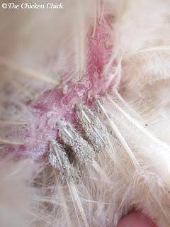
Northern Fowl Mites are tiny, looking like a flake of black pepper to the naked eye. It is reported that they can appear white, red, or even brown depending on their life stage. Mites can be found on the birds themselves or even found on freshly laid eggs. The Northern Fowl Mite goes through four stages of life in roughly seven days. These stages include egg, larva, nymph and finally adult.
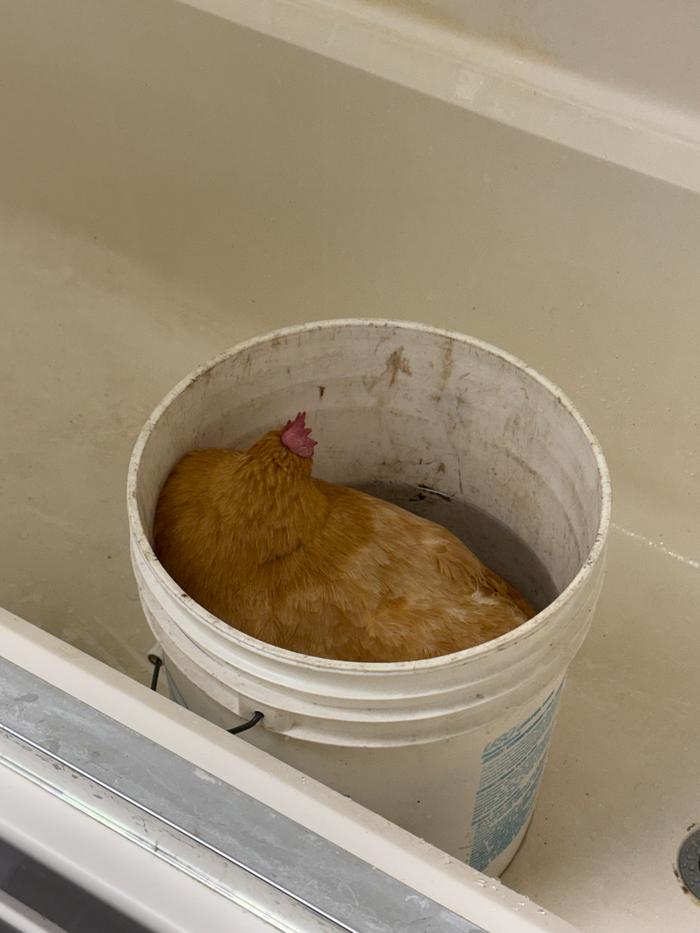
Signs in birds that may indicate mite infestation include soiled/matted/damaged vent feathers, anemia, lethargy, weight loss, pale comb/waddles, lack of appetite and reduced egg production. A way to gauge the level of infestation of mites that I utilized on a bird involves bathing a chicken in warm epsom water, submerging them down to their neck and inspecting the water for floating mites. Otherwise, inspect the hen carefully (especially near the vent).
Untreated mite infestations can lead to bird mortality.
Permie Friendly Treatment Options
1. Diatomaceous Earth Powder (Dust baths and directly on birds)
2. Sulfur Powder (Dust baths and directly on birds)