

|

|

|
.png)
|

|

|
Win a copy of Sourdough Without Fail this week in the Bread forum!"
|
|
|
|
|
|
|


Jim Fry wrote:What I grow under/around our fruit trees, and everywhere else not barn or pasture, is the best grass that will grow. Then I cut the grass with a mower with bagger. I rotate sections, so I always have high grass ready to cut. Every bit of the grass I mow goes to the various animals we have. For them, it's like candy, -sweet, young, fresh. That way I cut way down on the pasture the animal's graze. Then in late Fall/early Winter, there's good pasture left for the cows etc. By letting the grass grow longer than usual, it helps preserve more soil moisture. And by resting the pasture most of the Summer, it does better.

Jay Angler wrote:
The "jam" nuts I use on the perches are just a skinnier than average regular nut. They can be skinnier because they're not "load bearing" - the inside regular size nut takes all the load. Theoretically, they shouldn't be any more expensive because there's less material than a regular nut so less metal to make them and less weight to ship them and less volume to take up in the truck. However, "should" and "are" don't always equate.
As Mike says, two regular nuts will do the job just fine, if that's the cheapest option. Hubby still thinks you should go for stainless, but he's a perfectionist! Stainless has its own weaknesses - more brittle for example, and much greater tendency to gall.
Often there are no "perfect" solutions particularly when the word "affordable" gets involved. Hopefully you're learning a lot as this project inches its way along to completion! Hopefully you learned a bunch of new skills at the Lab for the winter?
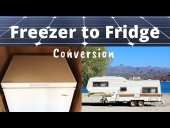
Efficiency – SunStar appliances use an exclusive Keota DC compressor sized specifically for the appliance for faster cooling on start-up, combined with ultra-thick polyurethane wall and door insulation, making each appliance super-efficient.
SunStar Vs Conventional Household AC models:
No inverter required! – SunStar operates on solar and DC systems, and automatically detects and functions using 12v or 24v battery banks
Input Power 115VAC
Mart Hale wrote:
L Garnaat wrote:Hello @Mart Hale, you mention an Amish made freezer, what is that?
My friend got back to me....
They bought the
sun star model st 15cf
https://www.sunstarappliance.com/product-page/sunstar-solar-ac-chest-freezer-15cu-st-15cf-ac
Specs..

Lexie Smith wrote:It also (apparently) prevented me from ever catching covid or any seasonal flues despite serious contact with infected people so I’m a true believer now.

J. Syme wrote:To block sound from getting to your ears you need to bounce it away, or absorb it some how. Sound that has a direct line at you can and will travel far. Long needle pine trees are great for minimizing noise. They keep there foliage year round and make gentle whoosh noise in the wind.