

|
|

|

|

|

|
|
|
|
|
|
|
|
Remy Urbaniak wrote:Hi,
interesting experiment.
If your goal is to use Azolla specifically, than fair enough, however if your goal is to produce biomass for composting and mulching then duckweed is far better option on less than a hectare pond. On such small scale you do not need nitrogen fixing plants as you already have a ton of nitrogen you are disposing off every day - urine ! Urine is perfect fertilizer, rich in N, P, K, contains all the trace elements and has very low to zero percentage of undesirable elements.
.
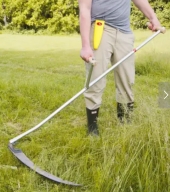

Wool is so cheap on Vancouver island, (the farmers get so little money for it) that a company is pelleting it and selling it as a soil amendment to gardeners. It's crazy. Meanwhile there are world famous vancouver island Cowachen sweaters being hand knitted. And I bet those ladies are paying top dollar for their wool. Something just isn't right when the farmer loses money shearing his or her sheep.Elizabeth Horsley wrote:I'm just learning how to spin and am paying around $30 USD per pound for wool. Granted that's good quality washed and carded wool, but still. The idea of wool rotting in a barn somewhere while I'm paying that price makes my wallet hurt.
As someone who's sold crafts before, I'm sure the $30 per pound is reflective of the cost of producing and shipping a niche product like wool for spinning. I'd like to connect with a farmer who has that excess wool. I'd be happy to pay a fair price, pick it up locally, and process it by hand. I just want to clothe my own family and friends by doing a little spinning and weaving in the evening.
Douglas Alpenstock wrote:Interesting experiment! Aquatic plants are known to be high in nitrogen, which is why they stink to high heaven when pulled out of the water and left to decompose.
Azolla is listed as an invasive species in some areas. So it seems that experiments require some caution -- not creating any situation where it could ever get into natural water bodies. (Think about 100 year floods and such. That's when things get away from us. Flushing down the toilet isn't a confirmed kill either. End of speech.)
Edit: I am also interested in potential toxicity from the cyanobacteria symbiant (if that is the correct term). Much potential, many questions.