Laurie Smith wrote:I'm also wondering if the videos show you working with pigs and examples of techniques and livestock products that would make my life easier. Unfortunately, if the series is bullet points with you elaborating on them, that's not enough content for me, even on sale. Please let us know soon, so we can all take advantage of the sale.
Thanks,
Laurie
The video with bullet points is the first one and the only one like that. There is some content that is theoretical, and a lot more filmed out on pasture and in the forest.
Julie Lam wrote:Thanks for sharing your video sample. Are all your videos similar to the sample video with a bullet list of information? Or do your videos actually show real life examples of working with pigs? And what zone are you in? Do you speak of overwintering in winter climates with lota of snow and -15 to -25C lows at night?
Thank you, Julie
Yes, there are videos from the farm and in the forest, and some explaining hardware and tools, and more.
The creator of the videos lives in a more moderate climate, unfortunately. I think you may still get a lot of useful information from the course, though.
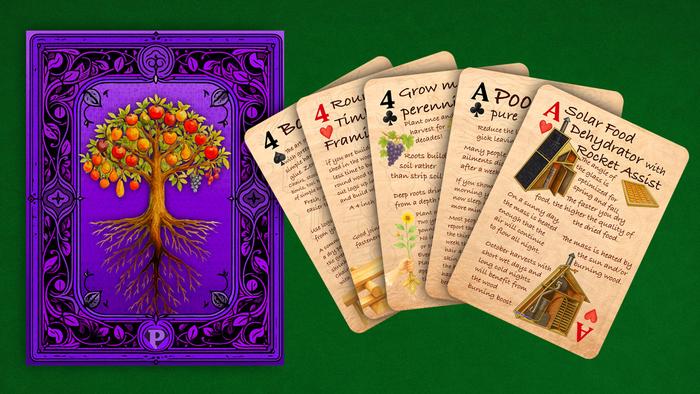
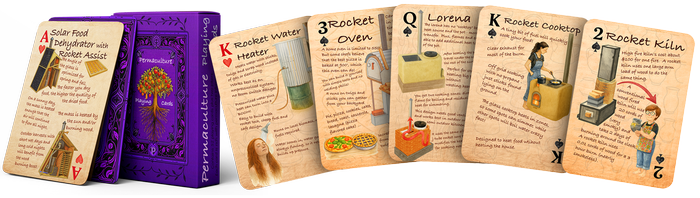
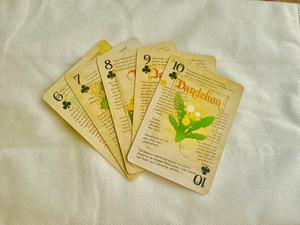
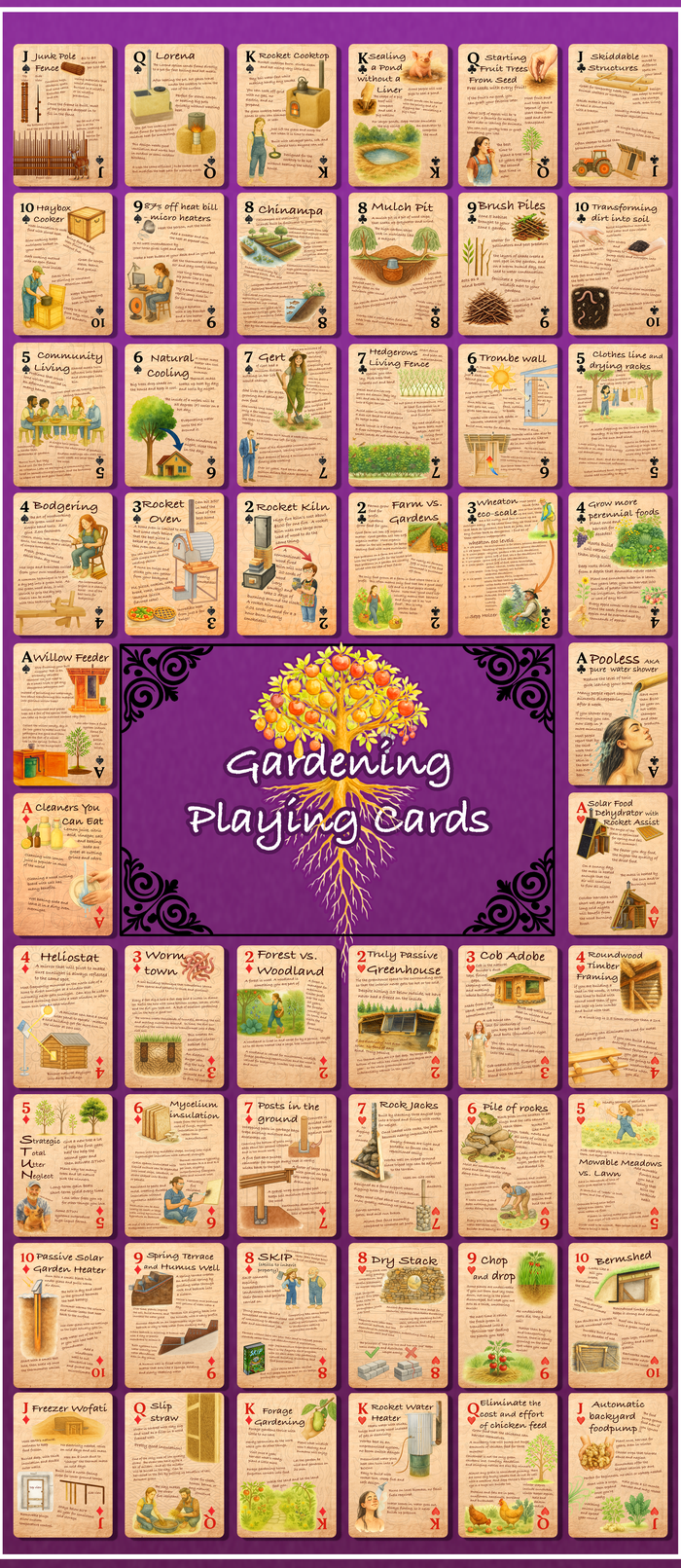
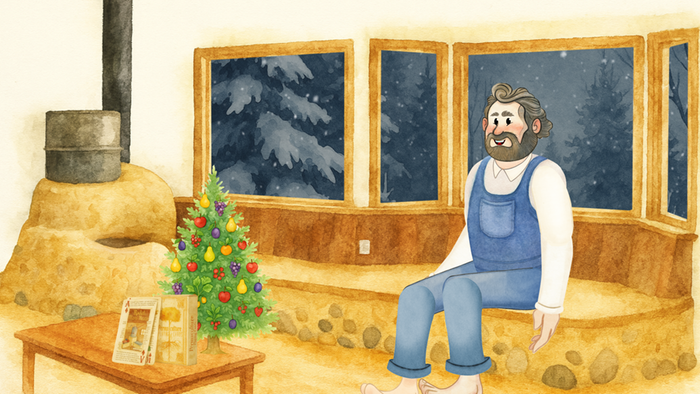
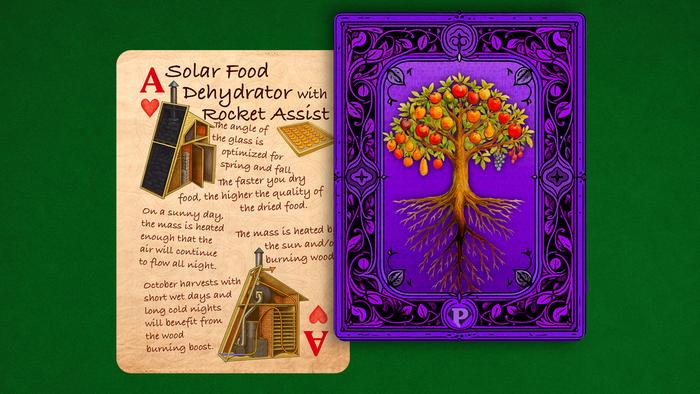
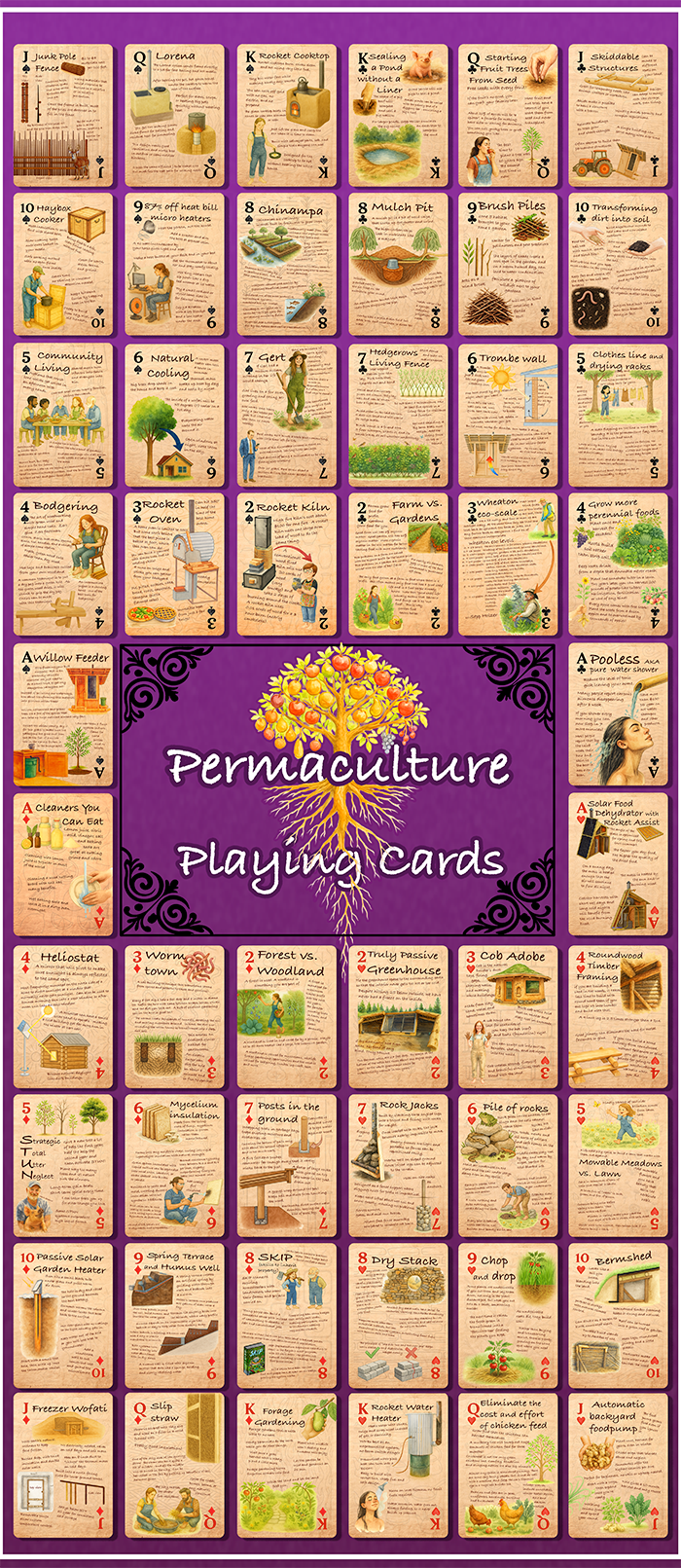
This is a fully playable 52-card deck, where every card highlights a practical gardening or permaculture idea. From soil building and water harvesting to natural structures and low-tech living, each card introduces a real technique people actually use. It’s learning by exposure — no lessons, no jargon, just good ideas showing up again and again.
Some examples of the cards:
Mulch pit
Natural cooling
Cleaners you can eat
Hedgerow/living fence
Community living
Willow feeder
Rocket oven
Rocket kiln
Rocket water heater (unpressurized)
This is a fully playable 52-card deck, where every card highlights a practical gardening or permaculture idea. From soil building and water harvesting to natural structures and low-tech living, each card introduces a real technique people actually use. It’s learning by exposure — no lessons, no jargon, just good ideas showing up again and again.
Some examples of the cards:
Mulch pit
Natural cooling
Cleaners you can eat
Hedgerow/living fence
Community living
Willow feeder
Rocket oven
Rocket kiln
Rocket water heater (unpressurized)
Thinking about raising pigs but not sure where to start?
This course is designed for beginners who want a clear, practical introduction to raising pigs in healthy, low-stress ways. You’ll learn how to choose piglets, train them to electric fence, feed and water them properly, and handle common health concerns with confidence.
The lessons walk you through real-world setups, including raising pigs on pasture and in forests, loading pigs for transport, and building fencing and water systems that actually work. Nothing assumes prior experience, and everything is explained in plain language.
Instead of theory, this course focuses on what you need to know to get started and avoid costly mistakes. By the end, you’ll have a solid understanding of pig behavior, daily care, and simple infrastructure so you can raise pigs humanely and efficiently from day one.
What's in the course:
Module 1: The Basics of Raising Pigs
Lesson 1 -Introduction
Lesson 1.2: The Pro's and con's of pigs
Lesson 2: Breed Selection
Lesson 3: Acquiring Piglets
Lesson 4: Training to electric fence
Lesson 6: Water for pigs
Lesson 7: Forest vs Pasture
Lesson 8: Health concerns
Lesson 9: When to raise pigs
Module 2: Raising pigs in forests
Lesson 1: Introduction to forest raised pigs
Lesson 2: Forest raised pork
Lesson 3: Loading pigs for the butcher
Module 3 Materials, equipment and infrastructure
Lesson 1: Introduction
Lesson 2: High tensile fence
Lesson 3: Buried water systems
Lesson 4: Fence chargers and misc. tools
Lesson 5: Internal fence
Lesson 6: External high tensile fence
Lesson 7: Bulk feed storage
Here's a sample video:
There are 20 instructional videos totaling 3 hours and 58 minutes.
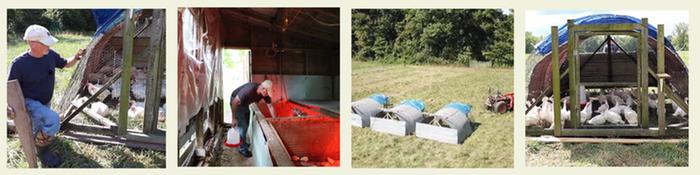
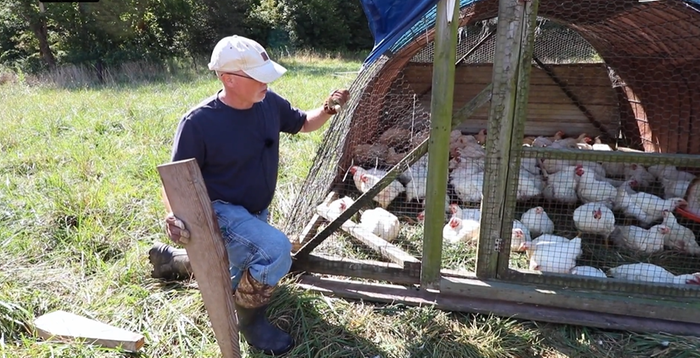
A complete, step-by-step guide to raising thriving birds on grass
If you’ve ever dreamed of producing your own clean, healthy, pasture-raised chicken (and maybe turkeys too!) right from your homestead, this course walks you through every step of the journey. Whether you’re brand-new or you’ve already raised a few batches and want to refine your system, you’ll find practical instruction, real-world demonstrations, and proven methods you can put to use immediately.[/center][/b]
This course is divided into three main sections to take you from beginner to confident, capable pasture-poultry producer:
1. Pastured Poultry Basics
Learn the foundational skills every homestead poultry keeper needs:
– Introduction: what pastured poultry is and why it matters
– Breed Selection: choosing the right birds for your climate and goals
– Selecting a Hatchery: reliable sourcing and what to look for
– Brooder Management (Parts 1 & 2): creating the perfect environment for healthy chicks
– Transitioning to Pasture: when and how to move birds outside
– On Pasture: daily care, feeding, watering, and predator protection
– Transporting to the Butcher: stress-free, humane transport
2. Pastured Poultry in the Field and on the Farm
Get hands-on with real-life demonstrations from the brooder to the butcher:
– Brooder Management in Practice
– Putting Baby Chicks Out on Pasture
– How to Move Chicken Tractors Smoothly and Easily
– Loading Birds for Processing
– Transporting to the Butcher
– Moving and Maintaining Empty Tractors
– Pastured Turkeys: everything you need to adapt the system for bigger birds
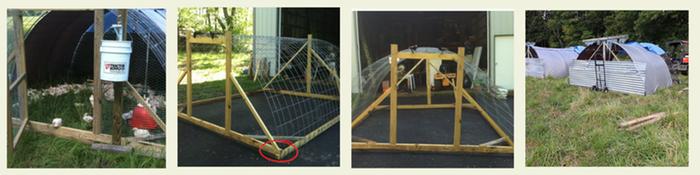
3. The Multi-Use Chicken Tractor
Build a durable, efficient tractor you’ll use year after year:
– Design Basics: what makes a tractor work (and what doesn’t)
– Required Materials, Tools, and Equipment
– How to Build Your Own Chicken Tractor step-by-step
Here is a sample of one of the videos in the course:
There are 18 videos for a total of 3 hours and 51 minutes
There are 2 .pdf files totaling 32 pages and one presentation totaling 73 slides.
Thinking about raising pigs but not sure where to start?
This course is designed for beginners who want a clear, practical introduction to raising pigs in healthy, low-stress ways. You’ll learn how to choose piglets, train them to electric fence, feed and water them properly, and handle common health concerns with confidence.
The lessons walk you through real-world setups, including raising pigs on pasture and in forests, loading pigs for transport, and building fencing and water systems that actually work. Nothing assumes prior experience, and everything is explained in plain language.
Instead of theory, this course focuses on what you need to know to get started and avoid costly mistakes. By the end, you’ll have a solid understanding of pig behavior, daily care, and simple infrastructure so you can raise pigs humanely and efficiently from day one.
What's in the course:
Module 1: The Basics of Raising Pigs
Lesson 1 -Introduction
Lesson 1.2: The Pro's and con's of pigs
Lesson 2: Breed Selection
Lesson 3: Acquiring Piglets
Lesson 4: Training to electric fence
Lesson 6: Water for pigs
Lesson 7: Forest vs Pasture
Lesson 8: Health concerns
Lesson 9: When to raise pigs
Module 2: Raising pigs in forests
Lesson 1: Introduction to forest raised pigs
Lesson 2: Forest raised pork
Lesson 3: Loading pigs for the butcher
Module 3 Materials, equipment and infrastructure
Lesson 1: Introduction
Lesson 2: High tensile fence
Lesson 3: Buried water systems
Lesson 4: Fence chargers and misc. tools
Lesson 5: Internal fence
Lesson 6: External high tensile fence
Lesson 7: Bulk feed storage
Here's a sample video:
There are 20 instructional videos totaling 3 hours and 58 minutes.
Permies.com hosts a lot of awesome digital content from permies like you! And if you're looking for a last-minute gift idea, or just want to share permaculture with someone, or support a permie who's making awesome stuff, you can buy an egift here on permies - with just a few clicks.
Step
1
Select a gift
Permies' "digital market" has a huge amount of permaculture-related e-gifts that you can buy. Choose a gift your loved ones would like. It can be anything from a permaculture playing card eBook to a full length 8-dvd set of DIY rocket mass heaters.
Now that you have selected an excellent item from the digital market, the next step is to buy it as a gift. To do that, go to the selected item by clicking it. Once you are in there, scroll down until you find a black box, like this:
See a link called "Buy this as a gift"? Click that link and it will take you to a payment screen where you can choose either Paypal orStripe. HOWEVER, it is possible that you have already bought this item for yourself before, in which case you wouldn't see a black box. If that's the case, scroll further down until you find the end of the thread. A little below that there is another link called "Buy this as a gift":
Step
3
Complete the transaction
At this point, it should have taken you to either Paypal or Stripe. Here you can complete the purchase as you normally do. Once you do that, it should automatically take you back to permies.
Step
4
Send it to the person who should receive it
If you have followed all three steps above, congratulations! you have purchased the gift. All you have to do now is just send the gift to who you want to gift it to. At this point, it should have automatically taken you to this screen:
There are two possible ways to send this gift:
Method A: Simply copy the given link (which is "https://permies.com/g/ipdldt1t5t" as shown in the above screenshot) send it to the gift receiver. You can even write it on a card and tuck it into their stocking!
Method B: If you know the email address of the gift receiver, enter that into the given text field and click the "Send" button. For an extra surprise, if you don't want to reveal it to the receiver who sent them this gift, you can select the "I wanna stay anonymous" checkbox
Got a question? Reply to this page, and we will help you sort it out.
A complete, step-by-step guide to raising thriving birds on grass
If you’ve ever dreamed of producing your own clean, healthy, pasture-raised chicken (and maybe turkeys too!) right from your homestead, this course walks you through every step of the journey. Whether you’re brand-new or you’ve already raised a few batches and want to refine your system, you’ll find practical instruction, real-world demonstrations, and proven methods you can put to use immediately.[/center][/b]
This course is divided into three main sections to take you from beginner to confident, capable pasture-poultry producer:
1. Pastured Poultry Basics
Learn the foundational skills every homestead poultry keeper needs:
– Introduction: what pastured poultry is and why it matters
– Breed Selection: choosing the right birds for your climate and goals
– Selecting a Hatchery: reliable sourcing and what to look for
– Brooder Management (Parts 1 & 2): creating the perfect environment for healthy chicks
– Transitioning to Pasture: when and how to move birds outside
– On Pasture: daily care, feeding, watering, and predator protection
– Transporting to the Butcher: stress-free, humane transport
2. Pastured Poultry in the Field and on the Farm
Get hands-on with real-life demonstrations from the brooder to the butcher:
– Brooder Management in Practice
– Putting Baby Chicks Out on Pasture
– How to Move Chicken Tractors Smoothly and Easily
– Loading Birds for Processing
– Transporting to the Butcher
– Moving and Maintaining Empty Tractors
– Pastured Turkeys: everything you need to adapt the system for bigger birds
3. The Multi-Use Chicken Tractor
Build a durable, efficient tractor you’ll use year after year:
– Design Basics: what makes a tractor work (and what doesn’t)
– Required Materials, Tools, and Equipment
– How to Build Your Own Chicken Tractor step-by-step
Here is a sample of one of the videos in the course:
There are 18 videos for a total of 3 hours and 51 minutes
There are 2 .pdf files totaling 32 pages and one presentation totaling 73 slides.
College degree, permaculture, workforce and more in the age of the AI!
Live on Saturday November 22nd at 10 am Mountain time.
Join Paul Wheaton and guests:
Alan Booker - executive director of the Institute of Integrated Regenerative Design
Mike Haasl - co-author of the SKIP book and PEP2 certified
Alexandra Malecki - PEP2 certified
Click Here to go to youtube and press notify me, to be notified when the live begins!
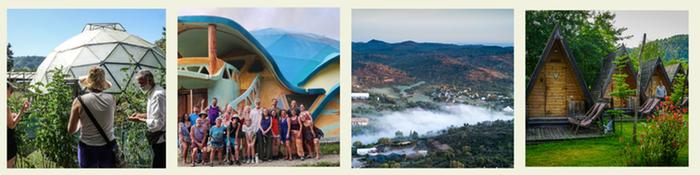
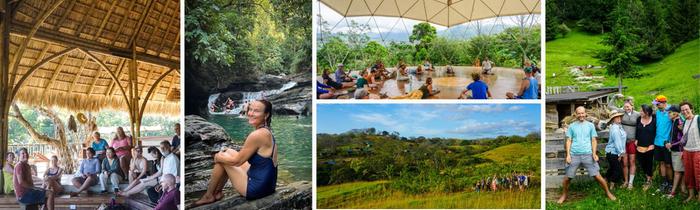
Our friends at Ecovillage Tours have just announced their full lineup of 2026 tours.
Join this info session on Dec 3rd at 2 PM EST (1 PM CST) to explore what ecovillages are really like and how their guided tours can help you experience community living firsthand.
These tours are perfect if you’re dreaming of joining or starting an intentional community — or if you just need some inspiration. You'll visit a diversity of ecovillages, meet founders and residents, and see firsthand how these communities work—from governance and group dynamics to food systems and daily rhythms.
It’s a rare chance to build relationships, get inspired, and gather practical tools to move forward on your own community journey.
Use discount code PERMIES200 to get $200 off any tour you want to sign up for!
Hawai’i | Jan 4–11, 2026 Island-based communities focused on sustainability, indigenous culture, and deep nature connection.
Bali | Jan 26–Feb 4, 2026 Explore spiritual ecology and eco-design at world-renowned projects in Bali’s lush heartlands.
India | Feb 26–Mar 12, 2026 Visit vibrant eco-communities like Auroville and discover ancient wisdom woven into modern regenerative living.
Costa Rica (4 unique regional tours!) • Central Region | Jan 17–25
• Southern Region | Feb 5–15
• Caribbean Region | Mar 21–30
• Guanacaste Region | Apr 12–21
Each Costa Rica tour visits 6–12 ecovillage projects in one of the country’s diverse bioregions.
Portugal | April 29–May 8, 2026 Discover permaculture, ecovillages, and vibrant community life under the Portuguese sun.
Spain | May 14–21, 2026 Immerse yourself in Mediterranean culture, ecovillages, and the art of slow, sustainable living.
France | May 25–June 4, 2026 Experience charming countryside communities blending regenerative farming, food, and French joie de vivre.
Vermont | July 18–25, 2026 Explore New England’s thriving ecovillage movement, organic farms, and co-housing / cooperative living.
Greece | Sept 18–27, 2026 Connect with eco-projects and ancient landscapes where regenerative living meets timeless tradition.
Italy | Oct 1–10, 2026 Savor farm-to-table living, artistic communities, and sustainable projects nestled in Italy’s rolling hills.
Why go on an Ecovillage Tour?
Discover Alternative Lifestyles: Dive into communities where sustainability isn’t just a buzzword—it’s a way of life. Learn how intentional living can reshape our relationship with the environment.
Sustainability in Action: Witness first-hand the innovative practices of renewable energy, organic farming, and sustainable architecture. It's an opportunity to see eco-solutions that work in real life.
Connect with Like-Minded Individuals: Meet people from around the world who share your passion for sustainability and community living. These tours are not just trips; they’re a way to join a global family.
Educational Experience: Gain insights into permaculture, green building, and community governance. It's a learning journey that empowers you with knowledge to take back to your own community or personal life.
Inspiration for Change: Experience the profound impact of living in harmony with nature. Bring home innovative ideas and the inspiration to make more sustainable choices in your everyday life.
Embark on an Ecovillage Tour and transform your perspective on sustainable living and community.
Use discount code PERMIES200 to get $200 off any tour you want to sign up for!
Here are some of the benefits of rocket mass heaters:
• cheap to run. About a tenth the cost of natural gas, electric or conventional wood heat.
• clean. They emit about a hundredth of the smoke of a conventional wood stove.
• good for the environment. Less than 2% of CO2 emissions of natural gas or electric heat. Can reduce your carbon footprint as much as parking 7 cars.
• sustainable. It uses a renewable fuel which is easy to find and store.
• cheap to build. About $200 to $600.
• quick to build. Often built in a weekend
• luxuriant. Like the luxury of a heated floor but without all that standing.
This was the first 4-DVD set created by Paul Wheaton and his merry band of rocket mass heater innovators. It is a great introduction and shares lots of good information about fire in general, and what can be done with rocket mass heaters.
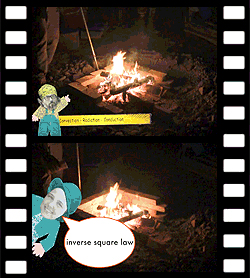
DVD 1: fire science
This is where Ernie and Erica set stuff on fire in all sorts of wacky ways. This is the foundation for understanding how rocket stoves and rocket mass heaters work the way they do.
DVD 2: sneaky heat
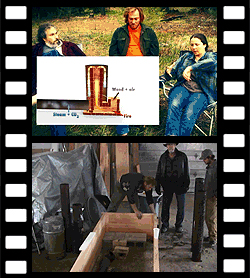
The wood burning stove built in this DVD is the result of a collection of experiments that led to a rocket mass heater an order of magnitude better than any previous rocket mass heater. For the first time ever we have a shippable core.
DVD 3: boom squish
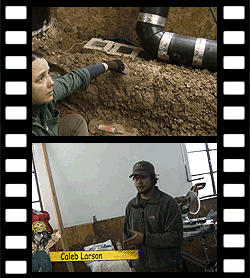
Named after a series of podcasts where we discuss the dangers and strategies of alternative hot water. Caleb Larson and Ernie work together to talk about how to do this right. Caleb is a professional alternative hot water installer and is very familiar with the explosive properties of steam, flash point and vapor lock.
DVD 4: hot rocket
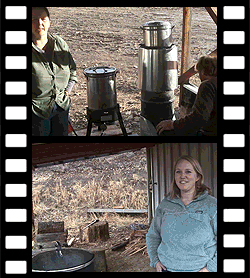
We set out to prove that a few twigs can outperform a huge propane turkey cooker. Mission accomplished. This is with a J-tube style rocket stoves. Other rocket stoves feature an L-tube style the requires constant manual feeding. The J-tube style is self feeding. This DVD will also have information on some tiny home made cookstoves, and several different pocket rocket designs.
This is all about the ol' reliable cob style rocket mass heater. Watch how a couple spent a winter in a tipi with only a rocket mass heater for heat, and how comfortable they were. Even at 26 below! This DVD works as a stand-alone purchase, or can be purchased with the rest of the set.
DVD 2: pebble style
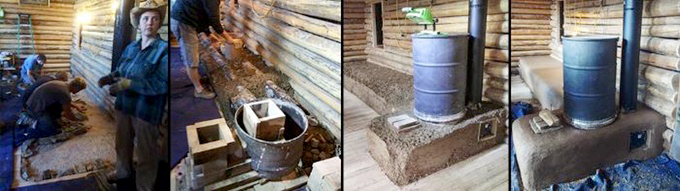
Watch the construction of three pebble style rocket mass heaters. This style of construction is easier to deconstruct and move than the traditional cob style heaters. They are also better for installing on wood floors as they are generally much lighter.
DVD 3: shippable core
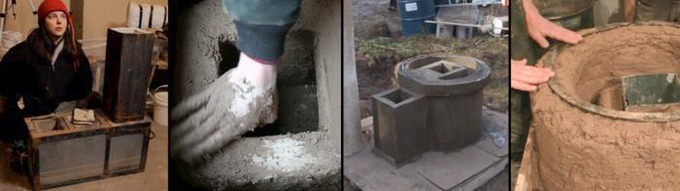
This DVD shows an early prototype, and some how-tos for a variety of techniques for building one.
DVD 4: innovators event
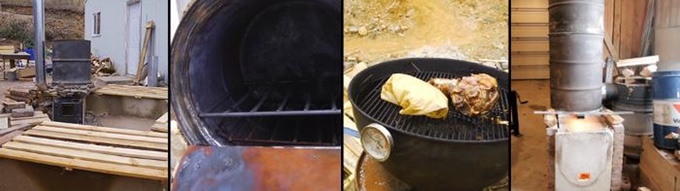
This event has been captured on film, featuring the best of the best in the rocket mass heater arena. This video shows a variety of builds such as a rocket mass heater shaped in a circle with glass to show the burn; an outdoor rocket mass heater/cooker/smoker; A "batch box style" rocket mass heater with measured output cleaner than anything we have ever encountered; and an indoor rocket stove, griddle and water heater. Very cool stuff.
Join permaculture innovator Paul Wheaton for a presentation on Rocket Mass Heaters (ultra-efficient, wood-powered heaters that store warmth in a thermal mass and dramatically reduce fuel use and emissions.)
After the talk, there will be a Q&A session to dig into your designs, builds, and “will this work in my place?” questions.
When: November 23 at noon to 2PM Where: Free Cycles, 732 S. 1st St. West, Missoula, MT 59801 freecycles.org
Free Cycles is Missoula’s community bike shop and gathering space in the heart of town—an ideal spot to swap ideas about low-tech, community-scale solutions.
freecycles.org
Paul Wheaton returns
Paul initially came on Sunday, Sept 7, for a potluck, a talk, and an afternoon of sharing. We had a wonderful visit with 29 attending, with some children.
He is a wealth of knowledge, Wisdom, and a great speaker, full of insight on self-sufficiency and alternative living, permaculture, and just a fascinating person.
We are excited to announce he is returning on Nov 8
Space will be limited, as due to the weather, we will be having this event indoors
We will start at 1 pm. We won't have a potluck, but we will have snacks and drinks
Being self-sufficient will be increasingly important in these trying times
Do you have land and want to learn natural alternative ways to develop and nurture it? Or just a backyard. Permaculture is an approach to land management and settlement design that adopts arrangements observed in flourishing natural ecosystems.
Children are welcome
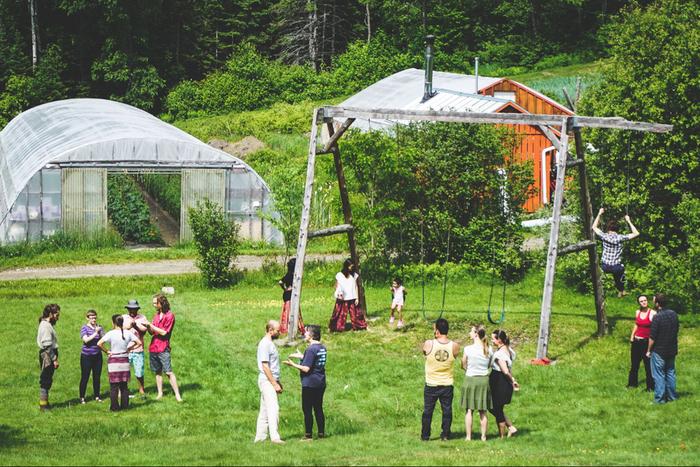
Come learn how to work with nature, explore our 40-acre property, and discover how we care for our gardens, animals, forest, and the unique healing, coaching, and counseling work we offer
And the many alternative health devices we have available
and the knowledge we have developed on alternative health and how to live and stay healthy outside of the Western medical system
We are developing an alternative community of people interested in self-sufficiency and growing healthy food. Healthy living, personal and spiritual growth. Do you have land and want to learn natural alternative ways to develop and nurture it? Want to work towards a backyard where you can grow your own food? Permaculture is an approach to land management and settlement design that adopts arrangements observed in flourishing natural ecosystems
Emotionally clear and centered, and spiritually connected
We host a gathering every two weeks at our home and center for personal inner work
And we are working on having regular events like Paul Wheaton talking about their areas of expertise in health, personal and inner growth, and healthy living on the land. Come and participate in whatever way works best for you.
We are also seeking other speakers with specific areas of expertise.
If you know someone with expertise in homesteading, alternative health, or healing, etc., we would love to learn about them and invite them to give a talk.
Blessings and love
If interested, please RSVP
You can text or call 503 709 0706
Respond on Facebook Messenger'
Email at Healingponds@gmail.com Also, you want to join our email list to learn about future events
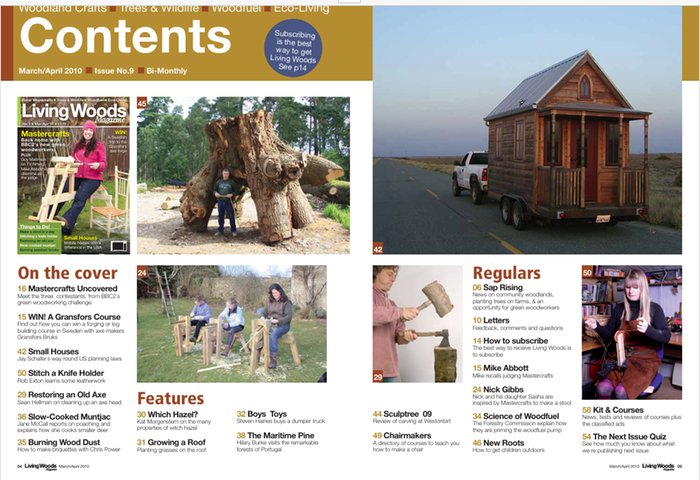
Living Woods is a quarterly magazine for everyone who loves woodland, trees and timber. So whether you dream of owning your own woodland, want to learn new and exciting woodland skills and activities or simply want to enjoy the therapy of quiet, green woodworking, Living Woods Magazine will show you the way.
The magazine was founded in 2008 by Nick Gibbs to provide a community journal for those who, like him, love woodlands and the outdoor life. In the following years it flourished and has proved a universally loved hub for woodland folks around the world.
You can find Issues 1-55 of the Living Woods Magazine
Nick Gibbs has also started a new magazine, all about working wood by hand! You can read more about it here: Quercus Magazine
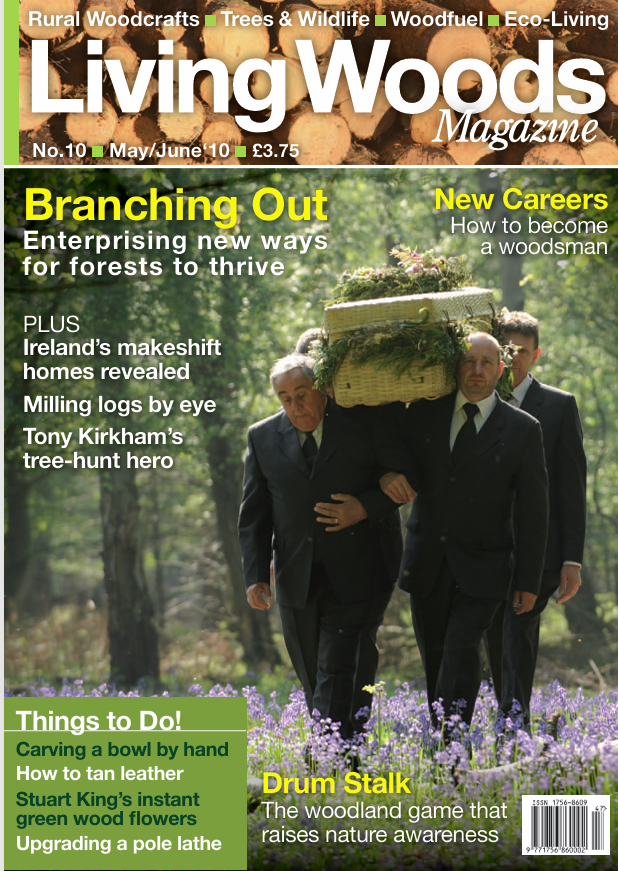
In this issue:
Branching Out
Julia Rolf tells us how Woodland Burial Parks works and we look at how farms are diversifying with Care Farming
New Careers
Matt Kenyon becomes a forester, fells trees, clears woods and loves it
Ireland’s Makeshift Homes
The remarkable dwellings on Cool Mountain in Co. Cork
Milling by Eye
Nick Gibbs planks a pear tree without a jig
Tony Kirkham’s Tree-Hunt Hero
Find out how the Head of Kew’s Arboretum followed the footsteps of EH Wilson to find trees photographed 100 years ago
Carving a Bowl by Hand
Raph Taylor joins a Robin Wood course and learns a thing or two about carving, tools and teaching
How to Tan Leather
Follow Rob Exton to Devon where he learns about leather
Stuart King Whittles a Flower
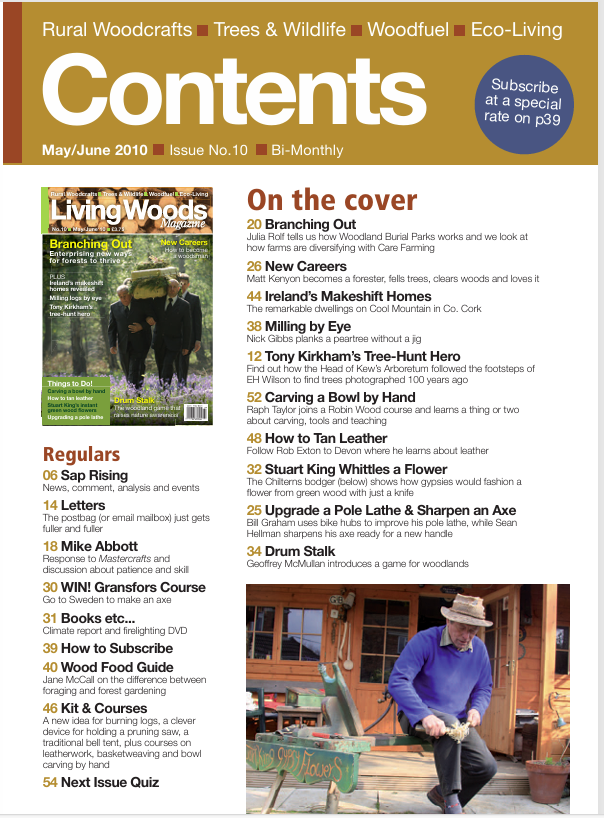
The Chilterns bodger (below) shows how gypsies would fashion a flower from green wood with just a knife
Upgrade a Pole Lathe & Sharpen an Axe
Bill Graham uses his lathe to improve his pole lathe, while Sean Hellman sharpens his axe ready for a new handle
Drum Stalk
Geoffrey McMullan introduces a game for woodlands
Living Woods is a quarterly magazine for everyone who loves woodland, trees and timber. So whether you dream of owning your own woodland, want to learn new and exciting woodland skills and activities or simply want to enjoy the therapy of quiet, green woodworking, Living Woods Magazine will show you the way.
The magazine was founded in 2008 by Nick Gibbs to provide a community journal for those who, like him, love woodlands and the outdoor life. In the following years it flourished and has proved a universally loved hub for woodland folks around the world.
You can find Issues 1-55 of the Living Woods Magazine
Nick Gibbs has also started a new magazine, all about working wood by hand! You can read more about it here: Quercus Magazine
In this Issue:
Small Houses - Jay Schafer’s way round US planning laws
Stitch a Knife Holder - Rob Exton learns some leatherwork
Restoring an Old Axe - Sean Hellman on cleaning up an axe head
Slow-Cooked Muntjac - Jane McCall reports on poaching and explains how she cooks smaller deer
Burning Wood Dust - How to make briquettes with Chris Power
Which Hazel? Kat Morgenstern on the many properties of witch hazel
Growing a Roof - Planting grasses on the roof
Boys’ Toys - Steven Haines buys a dumper truck
The Maritime Pine - Hilary Burke visits the remarkable forests of Portugal
And much more!
When you’re bonkers about permaculture, you might seem a bit crazy to your friends and family.
Twelve years ago, we came out with a deck of Permaculture Playing Cards.
The idea was simple: give these decks to people as gifts so you seem a little less crazy.
And it worked.
People loved them so much that they kept asking for another deck.
So we started a long list of ideas, over a hundred in total, and chose the best ones to bring you something new:
the Purple Deck.
Why It Works
Here’s the magic: You hand someone a deck, maybe that cousin who thinks you’ve lost it because of your bizarre gardening techniques. They open it up, pull out two random cards, and spend about seven seconds looking at each.
That’s all it takes. Two cards. Fourteen seconds. And suddenly, they’re hooked on permaculture.
Each card is designed to spark curiosity and share one fascinating slice of the gardening, homesteading and permaculture world, from rocket cooktops to willow feeders, from forage gardening to cleaners you can eat.
We will provide you a ref code. Kickstarter has a report showing how much came in from each ref code. Shortly after the funds arrive, we pay the kickback monies.
Reply to this thread if you want a referral code.
How does it work?
Step
1
Post here
You reply to this thread to say you want a referral link.
Step
2
Get your referral link
We generate a unique link for you, and leave it in a "note" on the bottom of your reply. This link will track any pledges made from those you refer, and we will contact you to pay out your kickback earnings once all the coin comes in.
Step
3
Share with the world
You share your referral link far and wide, with your own words of enthusiasm, or some of the ones we've already crafted below. Grab some images to catch people's eyes, too! We will keep adding more as we make them.
Some ideas of places to share: - local mailing lists
- your own mailing list
- Facebook pages/groups
- twitter
- pinterest, instagram, youtube ... lots of other social media stuff
- your own website
- your own podcast
- forums
- your current or previous kickstarter supporters
- your client/customer list
- the resources of somebody you know and you can split the pot!
- other creative places you come up with
Tips
- Open with something really captivating. Think about what excited you about the idea of permaculture playing cards, and then follow with a brief explanation of the Kickstarter, maybe how you found out about permies and why you love it here. Throw in your ref link, and share with the masses.
- Share directly with people you know would love it. Think about who you know who's permaculture or homesteading. . Send them a message. They're wayyyyy more likely to back the project if you put it right in their face, and they'll also be delighted that you thought of them and remember their interests. Plus now you have an excuse to chat and catch up. Everybody wins!
- Mention it multiple times. Our experience is that mentioning it once is like not mentioning it at all, and mentioning it twelve times if like mentioning it twice. It takes a lot to get it to enter people's consciousness. The Kickstarter is running for two whole months! Mention it at least once a week. If people see how excited you are about it, enough that you're talking about it all the time, they will be more likely to check it out, and those on the fence will have more opportunity to revaluate and make a pledge.
If you're a non-profit organization (or even if you're not) and use kickback codes, you could share this project and say something like "these guys have agreed to give us a percentage of every pledge that supports through this link!"
Some examples of copy you can use (or you can write your own):
Paul Wheaton just launched Permaculture Playing Cards: The Purple Deck!
12 years after the first deck, he’s back with new cards full of permaculture brilliance, quirky humor, and gorgeous art.
Get hooked on permaculture in just two cards → [Kickstarter link]
Remember the original Permaculture Playing Cards? They made us look a little less crazy to our friends.
Now there’s a brand-new Purple Deck — 52 more ways to spread permaculture wisdom one card at a time.
Help get it printed! [Kickstarter link]
Paul Wheaton’s 16th Kickstarter is here!
The new Purple Deck of Permaculture Playing Cards is finally ready — fresh art, new ideas, same bonkers permaculture passion.
Back it today → [Kickstarter link]
12 years ago, Paul Wheaton released the original Permaculture Playing Cards — a fun way to share permaculture ideas with friends who thought you were a little nuts.
It worked.
Now he’s back with The Purple Deck — 52 new cards featuring more permaculture concepts, gorgeous art, and that same spark that can hook someone on permaculture in just two cards.
This is Paul’s 16th Kickstarter, and he’s asking: Is there enough interest to get them printed?
Let’s make sure the answer is yes.
[Kickstarter link]
Paul Wheaton’s at it again with his latest Kickstarter: Permaculture Playing Cards – The Purple Deck!
The first deck came out over a decade ago, and people loved using it to share permaculture ideas without sounding too crazy at family dinners.
Now, the Purple Deck picks up where that one left off — new art, fresh permaculture topics, and a mission to get more people inspired by just two cards.
Back the project here: [Kickstarter link]
Let’s get this deck printed and spread some permaculture magic!
Once upon a time, permaculture enthusiasts needed a way to share their passion without making their friends think they’d lost it.
So Paul Wheaton created a deck of Permaculture Playing Cards. They were fun, practical, and surprisingly effective — hand someone a deck, they look at two cards, and suddenly they’re intrigued instead of skeptical.
That was twelve years ago.
Now, by popular demand, Paul’s back with The Purple Deck — his 16th Kickstarter!
This new deck features fresh permaculture concepts, beautiful artwork, and that same spark that can get anyone hooked on sustainable living in just a few seconds per card.
The only question is: Is there enough interest to get them printed?
I think there is.
Come join in — and help bring the Purple Deck to life:
[Kickstarter link]
One liner or taglines:
“Get hooked on permaculture in just two cards.”
“52 cards of permaculture wisdom — and a few laughs.”
“Twelve years later, the deck that made us look less crazy has a sequel.”
“The Purple Deck: beautiful, useful, and slightly bonkers — like permaculture itself.”
“From Paul Wheaton’s brain to your hands — The Purple Deck Kickstarter is live!”
Click here to go to the discussion thread:https://permies.com/w/kickstarter
Click here to go to kickstarter:
Paul and I have been working on the Purple Deck for more than two years. There is still more to do, but a lot is finished and we are ready to share. I think it is time to put it out into the world. What do you think of the Permaculture Playing Cards: Purple Deck?
If you’d like to get one, please give this post a thumbs up. If we see 200 people interested, we can make this Kickstarter-worthy.
Here is a sneak peek of the cards. Fair warning, it is very purple
When you’re bonkers about permaculture, you might seem a bit crazy to your friends and family.
Twelve years ago, we came out with a deck of Permaculture Playing Cards.
The idea was simple: give these decks to people as gifts so you seem a little less crazy.
And it worked.
People loved them so much that they kept asking for another deck.
So we started a long list of ideas, over a hundred in total, and chose the best ones to bring you something new:
the Purple Deck.
Why It Works
Here’s the magic: You hand someone a deck, maybe that cousin who thinks you’ve lost it because of your bizarre gardening techniques. They open it up, pull out two random cards, and spend about seven seconds looking at each.
That’s all it takes. Two cards. Fourteen seconds. And suddenly, they’re hooked on permaculture.
Each card is designed to spark curiosity and share one fascinating slice of the gardening, homesteading and permaculture world, from rocket cooktops to willow feeders, from forage gardening to cleaners you can eat.
We will provide you a ref code. Kickstarter has a report showing how much came in from each ref code. Shortly after the funds arrive, we pay the kickback monies.
Reply to this thread if you want a referral code.
How does it work?
Step
1
Post here
You reply to this thread to say you want a referral link.
Step
2
Get your referral link
We generate a unique link for you, and leave it in a "note" on the bottom of your reply. This link will track any pledges made from those you refer, and we will contact you to pay out your kickback earnings once all the coin comes in.
Step
3
Share with the world
You share your referral link far and wide, with your own words of enthusiasm, or some of the ones we've already crafted below. Grab some images to catch people's eyes, too! We will keep adding more as we make them.
Some ideas of places to share: - local mailing lists
- your own mailing list
- Facebook pages/groups
- twitter
- pinterest, instagram, youtube ... lots of other social media stuff
- your own website
- your own podcast
- forums
- your current or previous kickstarter supporters
- your client/customer list
- the resources of somebody you know and you can split the pot!
- other creative places you come up with
Tips
- Open with something really captivating. Think about what excited you about the idea of permaculture playing cards, and then follow with a brief explanation of the Kickstarter, maybe how you found out about permies and why you love it here. Throw in your ref link, and share with the masses.
- Share directly with people you know would love it. Think about who you know who's permaculture or homesteading. . Send them a message. They're wayyyyy more likely to back the project if you put it right in their face, and they'll also be delighted that you thought of them and remember their interests. Plus now you have an excuse to chat and catch up. Everybody wins!
- Mention it multiple times. Our experience is that mentioning it once is like not mentioning it at all, and mentioning it twelve times if like mentioning it twice. It takes a lot to get it to enter people's consciousness. The Kickstarter is running for two whole months! Mention it at least once a week. If people see how excited you are about it, enough that you're talking about it all the time, they will be more likely to check it out, and those on the fence will have more opportunity to revaluate and make a pledge.
If you're a non-profit organization (or even if you're not) and use kickback codes, you could share this project and say something like "these guys have agreed to give us a percentage of every pledge that supports through this link!"
Some examples of copy you can use (or you can write your own):
Paul Wheaton just launched Permaculture Playing Cards: The Purple Deck!
12 years after the first deck, he’s back with new cards full of permaculture brilliance, quirky humor, and gorgeous art.
Get hooked on permaculture in just two cards → [Kickstarter link]
Remember the original Permaculture Playing Cards? They made us look a little less crazy to our friends.
Now there’s a brand-new Purple Deck — 52 more ways to spread permaculture wisdom one card at a time.
Help get it printed! [Kickstarter link]
Paul Wheaton’s 16th Kickstarter is here!
The new Purple Deck of Permaculture Playing Cards is finally ready — fresh art, new ideas, same bonkers permaculture passion.
Back it today → [Kickstarter link]
12 years ago, Paul Wheaton released the original Permaculture Playing Cards — a fun way to share permaculture ideas with friends who thought you were a little nuts.
It worked.
Now he’s back with The Purple Deck — 52 new cards featuring more permaculture concepts, gorgeous art, and that same spark that can hook someone on permaculture in just two cards.
This is Paul’s 16th Kickstarter, and he’s asking: Is there enough interest to get them printed?
Let’s make sure the answer is yes.
[Kickstarter link]
Paul Wheaton’s at it again with his latest Kickstarter: Permaculture Playing Cards – The Purple Deck!
The first deck came out over a decade ago, and people loved using it to share permaculture ideas without sounding too crazy at family dinners.
Now, the Purple Deck picks up where that one left off — new art, fresh permaculture topics, and a mission to get more people inspired by just two cards.
Back the project here: [Kickstarter link]
Let’s get this deck printed and spread some permaculture magic!
Once upon a time, permaculture enthusiasts needed a way to share their passion without making their friends think they’d lost it.
So Paul Wheaton created a deck of Permaculture Playing Cards. They were fun, practical, and surprisingly effective — hand someone a deck, they look at two cards, and suddenly they’re intrigued instead of skeptical.
That was twelve years ago.
Now, by popular demand, Paul’s back with The Purple Deck — his 16th Kickstarter!
This new deck features fresh permaculture concepts, beautiful artwork, and that same spark that can get anyone hooked on sustainable living in just a few seconds per card.
The only question is: Is there enough interest to get them printed?
I think there is.
Come join in — and help bring the Purple Deck to life:
[Kickstarter link]
One liner or taglines:
“Get hooked on permaculture in just two cards.”
“52 cards of permaculture wisdom — and a few laughs.”
“Twelve years later, the deck that made us look less crazy has a sequel.”
“The Purple Deck: beautiful, useful, and slightly bonkers — like permaculture itself.”
“From Paul Wheaton’s brain to your hands — The Purple Deck Kickstarter is live!”