• Post Reply Bookmark Topic Watch Topic
  • New Topic
permaculture forums growies critters building homesteading energy monies kitchen purity ungarbage community wilderness fiber arts art permaculture artisans regional education skip experiences global resources cider press projects digital market permies.com pie forums private forums all forums
this forum made possible by our volunteer staff, including ...
master stewards:
  • Carla Burke
  • Nancy Reading
  • John F Dean
  • r ransom
  • Jay Angler
  • Timothy Norton
stewards:
  • paul wheaton
  • Pearl Sutton
  • Tereza Okava
master gardeners:
  • Christopher Weeks
  • M Ljin
gardeners:
  • thomas rubino
  • Jeremy VanGelder
  • Megan Palmer

Wheel hoe on slopes?

 
Posts: 13
Location: Italy
1
monies medical herbs homestead
  • Likes 6
  • Mark post as helpful
  • send pies
    Number of slices to send:
    Optional 'thank-you' note:
  • Quote
  • Report post to moderator
Hello,

I hope this is the right forum to ask this question in, since it's a tool mostly used in market gardens I thought it fits best here.

My question is in the title: I was wondering whether a wheel hoe could work on a slope (with beds running uphill/downhill that is)? I've been debating the purchase since in the case of it working it would save me a whole lot of hours, but I've never seen anyone use it on a slope. I'm not entirely sure that I want to attempt the gamble by buying it and trying it out myself (since it's not a cheap tool, accounting for accessories as well), so if anyone has any idea/experience I'd highly appreciate some feedback. 🙏
My use case would be to plant/hill potatoes (at least initial hilling) as well as weeding in general. I don't think the weeding would be so much of a problem since there is not much soil movement involved so not much resistance at play, but the potatoes part I'm not sure. I could use it downhill and there would definitely be no problem there, but the idea of constantly pushing soil downhill I'm not a fan of (though maybe it's an insignificant amount even when we're talking about digging trenches/hilling potatoes 🤷‍♂️).

Thanks a lot 🙏
Francesco
 
steward & author
Posts: 46091
Location: Left Coast Canada
18578
10
art trees books chicken cooking fiber arts
  • Likes 8
  • Mark post as helpful
  • send pies
    Number of slices to send:
    Optional 'thank-you' note:
  • Quote
  • Report post to moderator
Depends on the slope and soil and the task/attachment.  Some gardening centers rent wheel hoes so it might be possible to try it frst.

I find downhill is harder as for the wheel to work best, the handls have to be at the right height to the attachment.  Trying to hold the handle at knee height while navigating it down hill, not fun.  Then again, we have to hold the handles higher to get the right angle going up hill which others find difficult and i don't.  Body type also comes into it.

For me, the weeding attachments need more effort than the plough, as the weeds get stuck and there is a back and forth to the hoe with each step.  Plough attachment is walk forward quickly, paying attention to the depth of the impliment / height of the handles.

It's much easier for me to use this on an open garden area than beds.  If I was working on a slope, I would rather follow the contour so not to encourage erosion where the hoe goes.

BUT

This my body. My soil. My climate.   Each garden is unique.   As is each gardener.

A walking tractor is another option and popular with market gardens over half an acre.  One year we rended a tiny, 10in wide rototiller for weeding due to health issues preventing using the wheel hoe.  This is something we are thinking of investing in as we age, but the rows need to be a lot further apart than one thinks.  
 
gardener
Posts: 528
Location: Poland, zone 6, CfB
302
14
forest garden fish trees books writing homestead
  • Likes 5
  • Mark post as helpful
  • send pies
    Number of slices to send:
    Optional 'thank-you' note:
  • Quote
  • Report post to moderator
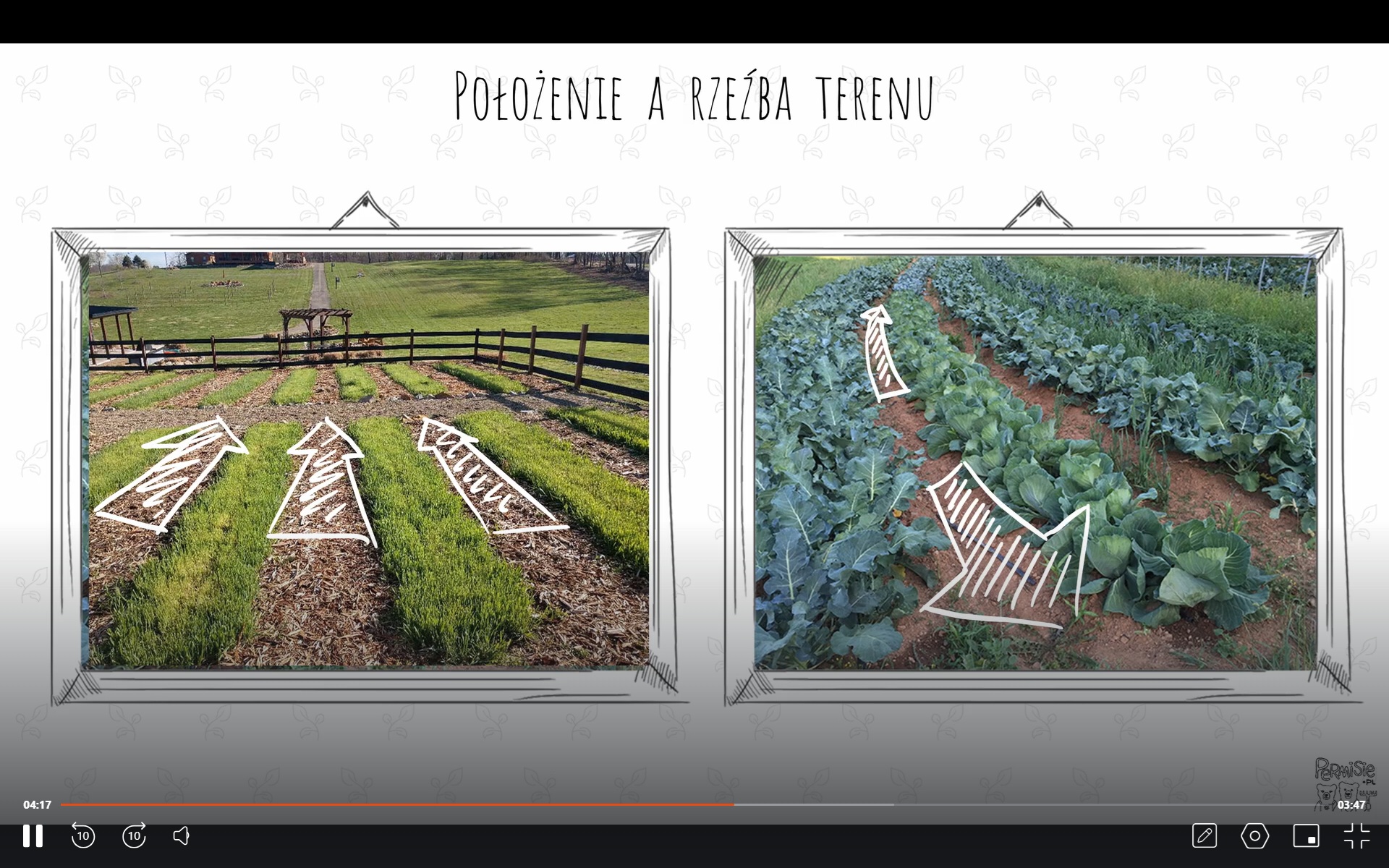
Just a note - by placing beds in line with uphill-downhill you are putting them at risk of increased soil erosion and drying out faster, since water will more readily flow downhill after each rain.
Aligning beds on contour is usually a better choice, unless you are in a very wet climate and you can actually benefit from less water.
Downhill-vs-On-Coontour-garden-beds.jpg
Downhill vs on contour garden beds - water flow.
 
Francesco Zilli
Posts: 13
Location: Italy
1
monies medical herbs homestead
  • Likes 8
  • Mark post as helpful
  • send pies
    Number of slices to send:
    Optional 'thank-you' note:
  • Quote
  • Report post to moderator
Thanks for the responses. 🙏

As far as renting one to try it out, I'd say it's almost impossible. I live in Italy and the wheel hoe is already quite an unknown tool to begin with (for the most part), therefore finding someone that rents one would be even harder if possible at all. To add to that I also live quite far from any major city/garden center.
The model I was eyeing has adjustable handles, so it's quite versatile.
Also I find interesting how the weeding attachments are harder to use, I would've thought plowing/hilling would be harder.
I'm not sure about weeding with a walk behind tractor, but as far as hilling potatoes goes I'd lose to much growing space by having the rows far apart enough to let the machine through.

My reason to have beds uphill/downhill is exactly what you mentioned. I live in a very wet climate, especially around sowing season and I've had issues with too much moisture in the ground causing seeds to rot, so I'm actually aiming to have my soil dry up quicker. Then I also mulch a lot once plants are big enough.
 
r ransom
steward & author
Posts: 46091
Location: Left Coast Canada
18578
10
art trees books chicken cooking fiber arts
  • Likes 5
  • Mark post as helpful
  • send pies
    Number of slices to send:
    Optional 'thank-you' note:
  • Quote
  • Report post to moderator
Like i said, it depends.

Plough attachment moves more soil, but also cuts through the soil while moving it.

Weeds have roots.  Too young, and the wheel hoe doesn't do anything to the weeds, so i need to get them at their true leaf stage. Then life happens, and it's always a week later than ideal. The weeding tool that works best in my soil has multiple flat fingers, something like the suit spade in cards.  Five of those pushing against soil, getting bound up in roots, vs one sharp edge of the plough cutting through soil, means in my conditions, plough attachment is less effort. The weeding goes about 1 yard forward, 6 inches back, in time with walking, to get the fingers clear with each step.

I don't know Italian conditions, and it's a big country with lots of variety.

It is however given as examples in medieval Mediterranean farming.  (Paraphrased from multiple history lectures) The ridge and trough from ploughing is along the contour to reduce erosion and capture wet season moisture in the soil for dry season growing.  The crops were planted either in the trough or on the ridge on different years, depending on the moisture content of the soil so to take advantage of moisture in the low areas on dry years, or better drainage of the high areas in wet years.

That's pre potato, so it may not be relevant to your specific situation.

However, I find it helps to ask the older locals what the tradition is, as most of Europe still has people alive from before tractors became common. They might know an even better labour saving solution.

But also, experiments will tell you more about how it interacts with you and your land than anything else.  

 
I agree. Here's the link: http://stoves2.com
reply
    Bookmark Topic Watch Topic
  • New Topic