

|

|

|

|
|

|
|
|
|
|
|
|
|
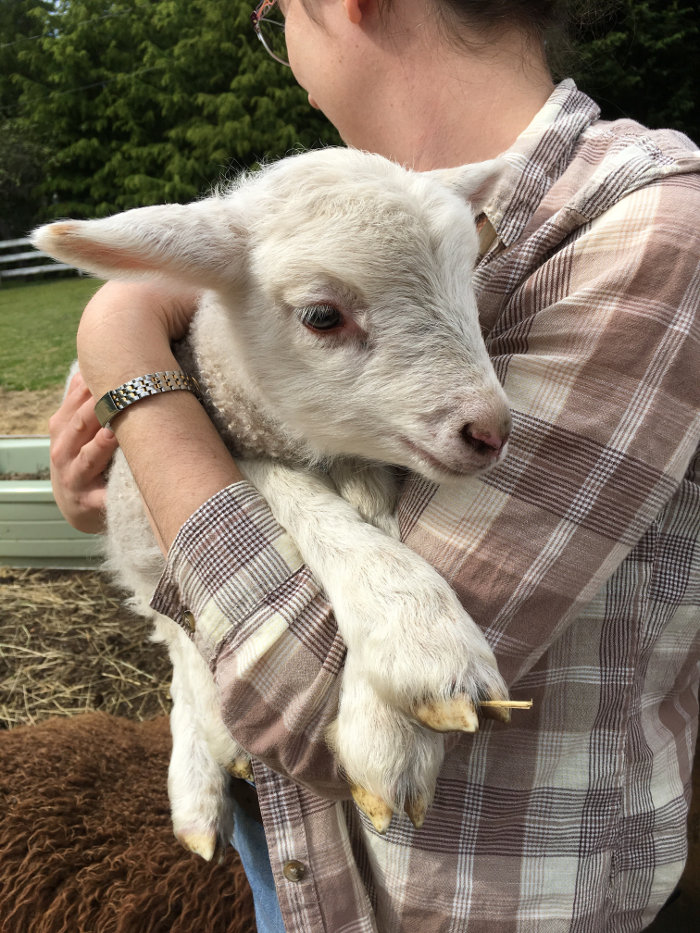 an insomniac misanthrope who enjoys cooking, textile arts, farming and eating delicious food.

Permaculture is about understanding why and attempting to work more symbiotically with nature so that these plants can be healthier and more productive with less water, fertilizer and effort.

paul wheaton wrote:The more gardening you do now, the sooner the world will be saved.



J. Syme wrote:our local library network has an online catalog search and several of his works are available, (some are reference books and thus only viewed at the library others are check out or eBooks). try a site like https://library.pugetsound.edu/home and see what's available local to you.
Samantha Lewis wrote:Just for fun! come find us out at the bluesky
https://bsky.app/profile/permies.bsky.social
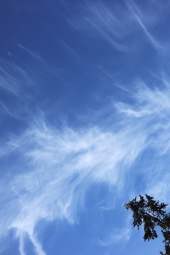
Catie George wrote:Here's a question- do even professional photos look like a real sky to you?
I think of photography as it's own artform- but even the most beautiful sky photos don't look like a real sky to me.
I often find paintings, especially with "odd" colours, better capture the feeling of a sky than any photograph. I see purples and reds and greens and yellow in the sky that a camera never does.
I have a habit of taking 2-4 photos with differnet camera settings if I think I might later want to paint something I see, which helps, but still isnt enough.
Eric Hanson wrote:R,
On my DSLR, the autofocus has to be turned off with a separate switch.
Again, on mine, I have have full manual control of things like exposure.
Even if on auto settings, I aim directly at the blue sky, press halfway and don’t release, then aim at intended targets and press fully. This locks the settings on the blue sky but now aims at intended targets. It took me a while to figure this out.
Eric
