Harold Skania

+ Follow
since Mar 15, 2024
Merit badge: bb list bbv list
For More
Apples and Likes
Apples
Total received
In last 30 days
1
Forums and Threads

Recent posts by Harold Skania

There are several handbooks and resources for rigging ropes and cables for trailwork. I've heard of a skyline being set up in a state park to bring bucketloads of gravel down into a deep valley. They are often used to move big rocks or logs.

The US Forest Service wrote one handbook, Rigging for Trail Work

Trailism has a handbook published by the New York-New Jersey Trail Conference. It comes with a spreadsheet for calculating loads and such. Have any permies set up rigging systems before?
3 days ago
Have you ever used a hay trolley? They used to be common in barns, where they hung from a rail in the rafters. Farmers would use them to pull hay up into the loft.


A friend once asked my brother and I to figure out how his hay trolley worked and set it up in his new barn. We looked at the tangle of rope, couldn't figure it out, and left it there. Now I know that we just needed to put it on the rail (our friend had already installed that) tie one end of the main rope to something, and then give it a try. Have any of you used one before?
3 days ago
I think that building brush dams, imitating beavers, could be a good idea at the right place on public land. Restore the water cycle and help trees grow healthy for decades to come. There is a story about this sort of thing in the Colorado watershed at a site called "Reasons to be Cheerful"

nonprofits, including the NFF, are looking to the river’s headwaters, using a strategy known as low-tech, process-based restoration, or LTPBR, to improve wetlands and riparian landscapes along smaller waterways that run into the Colorado River. By reinvigorating riverside habitat that has been lost, these areas can help hold water higher in the Colorado Basin watershed for longer — mitigating spring flooding and releasing water slowly through drier months — as well as yielding a host of benefits for the ecosystems along the way.

3 days ago
I think that they use tall junkpole fences at Wheaton Labs to keep the wild turkeys out. Of course this design could be really good in a place that doesn't have that kind of nibbler.

We needed a permanent fence that would keep flighty chickens (layers) in and keep the deer and the wild turkeys out. We experimented with a few designs that all ended up being awful. And when we tried this design, the fence went up mighty fast and cheap.

1 month ago
I think that this myth was busted a long time ago. I would point to the four people who have earned the badge bit for Grow and Harvest 100,000 Calories. Note how stringent the requirements are. 400,000 calories feeding four different families.
1 month ago
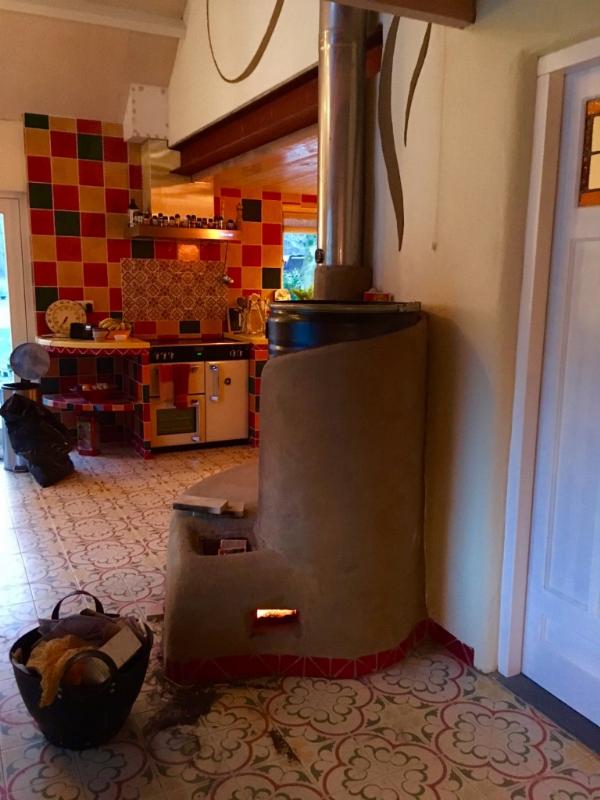
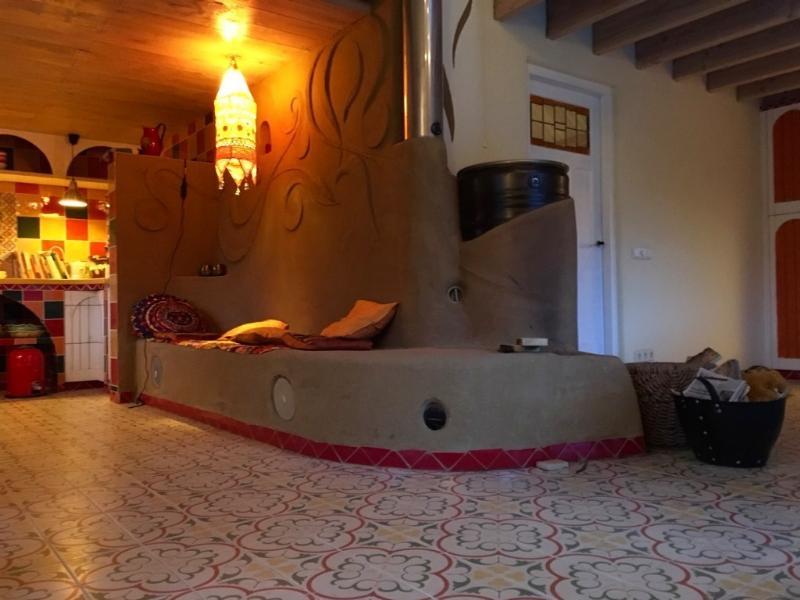
Fiddlehead Acres up in Alaska showed their wood use after their first winter with an RMH. They used about two cords.

2 months ago

Timothy Norton wrote:2000-  Growing
10,000-  Flourishing
100,000-  Multiplying
1,000,000-  Fertile


I like that, Timothy. Going from "sustainable living" to a "fertile life."
5 months ago

Douglas Alpenstock wrote:I'm blown away. That was authentic, practical, and honest. I will share this with others.

Thank you Harold for posting this.


You're welcome, Douglas. It is worth sharing. He said, "What's the point of surviving if you don't help each other." And I think that sums up the situation really well.
6 months ago

Ben Zumeta wrote:After seeing the hard work of firefighters and burn crews, as well as volunteering on a pile burn crew for several days this spring...


Hey Ben, I am curious what volunteering on that pile burn crew was like? I am familiar with volunteer trail maintenance workdays. You start the day with a quick safety briefing and then get on with it. Was it similar to that? Or did they want you to do training before the day of the work?
6 months ago
On a related note.
6 months ago