• Post Reply Bookmark Topic Watch Topic
  • New Topic
permaculture forums growies critters building homesteading energy monies kitchen purity ungarbage community wilderness fiber arts art permaculture artisans regional education skip experiences global resources cider press projects digital market permies.com pie forums private forums all forums
this forum made possible by our volunteer staff, including ...
master stewards:
  • Carla Burke
  • John F Dean
  • r ransom
  • Nancy Reading
  • Timothy Norton
  • Jay Angler
stewards:
  • paul wheaton
  • Pearl Sutton
  • Eric Hanson
master gardeners:
  • Christopher Weeks
  • M Ljin
gardeners:
  • thomas rubino
  • Megan Palmer
  • Benjamin Dinkel

Undercover Farmers Video

 
Posts: 29
Location: North Georgia
8
2
  • Likes 1
  • Mark post as helpful
  • send pies
    Number of slices to send:
    Optional 'thank-you' note:
  • Quote
  • Report post to moderator
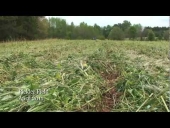
Here is an interesting video about farmers who have started planting polyculture cover crops that they drop at planting time and use as a green mulch. The takeaway from this is that they are still basically doing monoculture cash crops, but they have seen a significant increase in production and a significant drop in the need to use fertilizers. This shows what can be accomplished with just the first half step toward permaculture. Imagine what they could do if they went all the way. Also, there’s a cool quote from Machiavelli about 26 minutes into the video that Paul will really like.

Here is the video:


Posts: 9921
Location: a temperate, clay/loam spot on planet earth, the universe
3071
4
  • Likes 1
  • Mark post as helpful
  • send pies
    Number of slices to send:
    Optional 'thank-you' note:
  • Quote
  • Report post to moderator
thanks for posting this...it is a start in a better direction for sure...I grew up in bare field corn and soybean farming in Illinois...those cover crops look great.
 
Lenn Sisson
Posts: 29
Location: North Georgia
8
2
  • Mark post as helpful
  • send pies
    Number of slices to send:
    Optional 'thank-you' note:
  • Quote
  • Report post to moderator

Judith Browning wrote:thanks for posting this...it is a start in a better direction for sure...I grew up in bare field corn and soybean farming in Illinois...those cover crops look great.


Thanks!

I grew up on a small private farm in north Georgia, and the land looked a lot like what these guys started with... barren and dry. If I knew then what I know now, I think I could have changed things around a lot.
 
pollinator
Posts: 289
Location: Whitefish, Montana
11
  • Likes 1
  • Mark post as helpful
  • send pies
    Number of slices to send:
    Optional 'thank-you' note:
  • Quote
  • Report post to moderator
Thanks for sharing. That is very cool to see the power of diversity in cover crop nutrient replenishment.

It's interesting to note that in the video economic incentives drove the change to diversity - the increasing cost of petroleum based fertilizers in this case.
 
steward
Posts: 7926
Location: Currently in Lake Stevens, WA. Home in Spokane
360
  • Likes 1
  • Mark post as helpful
  • send pies
    Number of slices to send:
    Optional 'thank-you' note:
  • Quote
  • Report post to moderator
Yeah. That's been posted here several times before.
The one thing I take away from it, besides that they are pleased with their results, but their neighbors are asking them how they did it. Their neighbors are seeing positive results, and want to follow suit. As more and more farmers begin seeing improvements, the more they will listen to some of those other 'crazy ideas' out there. You cannot tell a farmer to change, but you can certainly show him the advantages of changing.

 
Lenn Sisson
Posts: 29
Location: North Georgia
8
2
  • Mark post as helpful
  • send pies
    Number of slices to send:
    Optional 'thank-you' note:
  • Quote
  • Report post to moderator

John Polk wrote:Yeah. That's been posted here several times before.
The one thing I take away from it, besides that they are pleased with their results, but their neighbors are asking them how they did it. Their neighbors are seeing positive results, and want to follow suit. As more and more farmers begin seeing improvements, the more they will listen to some of those other 'crazy ideas' out there. You cannot tell a farmer to change, but you can certainly show him the advantages of changing.


Hi John,

Thanks for that information. I had looked to see if this had already been posted, but I guess I just missed it.

I think you're absolutely right, you can't "tell" people to do anything, but if we can show how successful it is, then over time people will start adopting it. Then, of course, they'll say that they had the idea themselves all along. :)
 
I agree. Here's the link: http://stoves2.com
reply
    Bookmark Topic Watch Topic
  • New Topic