posted 6 months ago
Like i said, it depends.
Plough attachment moves more soil, but also cuts through the soil while moving it.
Weeds have roots. Too young, and the wheel hoe doesn't do anything to the weeds, so i need to get them at their true leaf stage. Then life happens, and it's always a week later than ideal. The weeding tool that works best in my soil has multiple flat fingers, something like the suit spade in cards. Five of those pushing against soil, getting bound up in roots, vs one sharp edge of the plough cutting through soil, means in my conditions, plough attachment is less effort. The weeding goes about 1 yard forward, 6 inches back, in time with walking, to get the fingers clear with each step.
I don't know Italian conditions, and it's a big country with lots of variety.
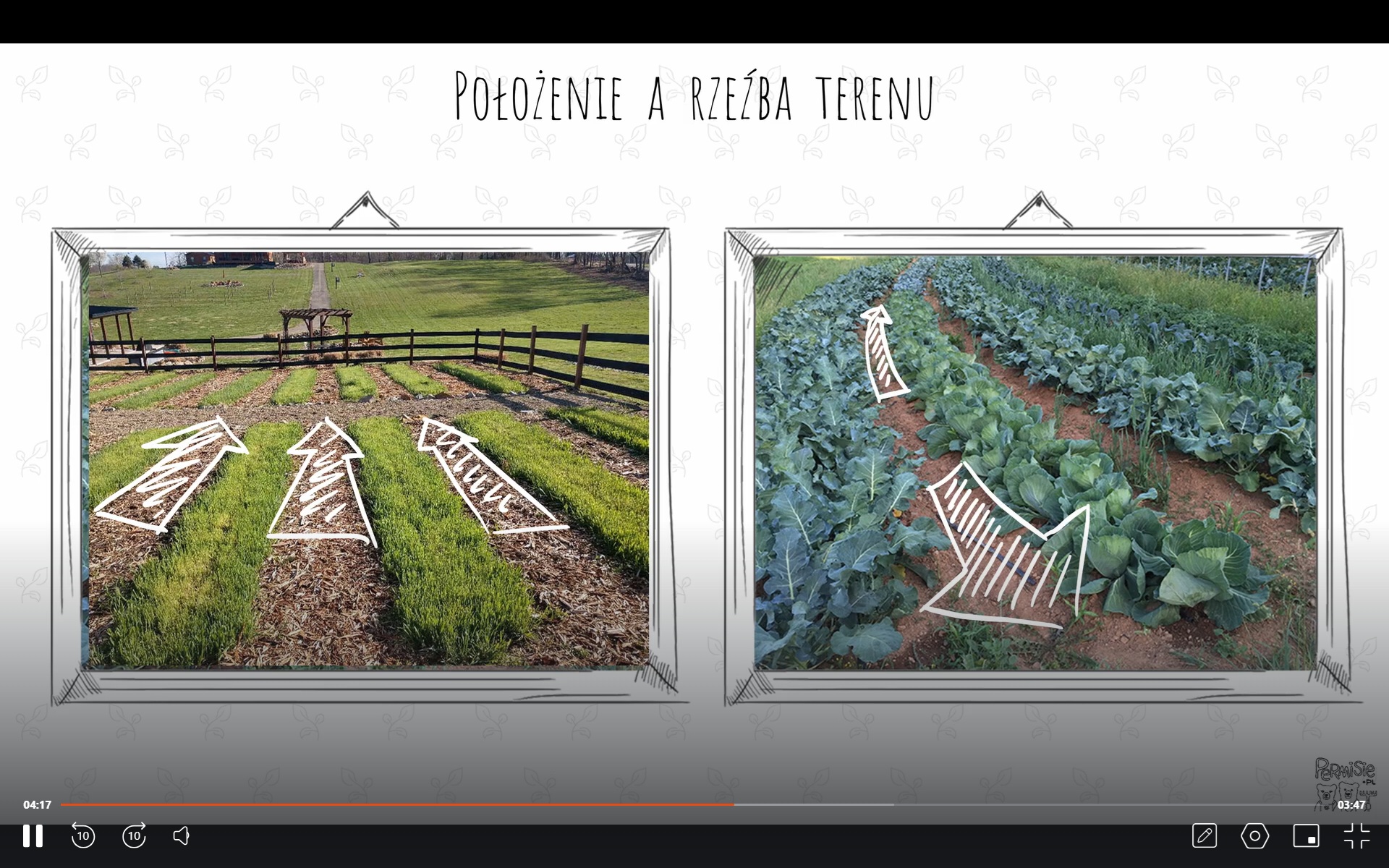
It is however given as examples in medieval Mediterranean farming. (Paraphrased from multiple history lectures) The ridge and trough from ploughing is along the contour to reduce erosion and capture wet season moisture in the soil for dry season growing. The crops were planted either in the trough or on the ridge on different years, depending on the moisture content of the soil so to take advantage of moisture in the low areas on dry years, or better drainage of the high areas in wet years.
That's pre potato, so it may not be relevant to your specific situation.
However, I find it helps to ask the older locals what the tradition is, as most of Europe still has people alive from before tractors became common. They might know an even better labour saving solution.
But also, experiments will tell you more about how it interacts with you and your land than anything else.




 6
6