|

|

|

|

|

|
|
|
|
|
|
|
|

|

|

|

|

|
 13
13


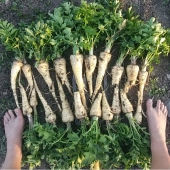
For this heimish soup, the humbler the ingredients and methods of preparation, the better. Mirepoix and herbs de provenance are lovely, but I’m talking about the kind of soup where the starring role are things like “petrushka,” as my Bubbie used to say. That’s Yiddish (or is it Hungarian?) for parsnip.
Which then reminds me of a wonderful unique Yiddish expression: hefker petrushka, meaning chaos, or as would be translated into modern Hebrew, balagan. It’s a pretty unbeatable expression — perhaps parsnips grew wildly in Europe and so the Yiddish saying for a wild, out-of-control situation developed from out of a patch of disorganized, overgrown parsnips?
One can never be too kind to oneself or others.
Never our fault, always our responsibility


 7
7
One can never be too kind to oneself or others.
Never our fault, always our responsibility


 6
6
- Tim's Homestead Journal - Purchase a copy of Building a Better World in Your Backyard - Purchase 6 Decks of Permaculture Cards -
- Purchase 12x Decks of Permaculture Cards - Purchase a copy of the SKIP Book - Purchase 12x copies of Building a Better World in your Backyard


 12
12
One can never be too kind to oneself or others.
Never our fault, always our responsibility

|
WHAT is your favorite color? Blue, no yellow, ahhhhhhh! Tiny ad:
Come Visit Wheaton Labs!
https://permies.com/wiki/367505/Visit-Wheaton-Labs
|