charles marino

+ Follow
since Sep 23, 2026
Merit badge: bb list bbv list
Biography
Brazilian living in Portugal, interested in homesteading, self-sufficiency, rural living, water systems and learning practical skills for building a small family homestead.
For More
Portugal
Apples and Likes
Apples
Total received
In last 30 days
0
Forums and Threads

Recent posts by charles marino

Hi Elia,

Your comment about the water being almost at the surface caught my attention, especially the fact that your well is only around 5 metres deep.

We are also in Portugal and are researching rural land for a future family homestead. Water is becoming one of our main criteria, but we are trying to distinguish between a property that simply has water when you visit it and one with a reliable water supply throughout the dry summer.

When you originally acquired your property, how did you assess the well?

For example, did you have any idea of its water level or yield during the summer, speak with neighbours about how it behaved in previous dry years, or simply discover its reliability after living there?

And looking back, is there anything you would recommend checking about a well or water source before buying rural land in Portugal?

Thanks again for sharing your experience. We are trying to avoid learning these lessons the expensive way!

Best regards,
Charles
7 hours ago
Hi Paulo,

I came across your reply here and noticed that you mentioned having a project in Portugal with sheltered terraces, a high water table and forest uphill from the property.

We are also based in Portugal and are currently researching land for a small family homestead. Water is becoming one of the main criteria in our search, especially because we are looking at relatively low-cost rural properties.

From your experience in Portugal, what would you consider the most reliable signs that a property has good long-term water potential before buying it?

For example, would you give more importance to an existing well, a spring, a high water table, a stream, neighbouring wells, the surrounding vegetation/topography, or something else?

And is there anything you would specifically ask the seller or check on-site that people buying rural land often overlook?

Thanks — your comment from this old thread caught my attention because we are looking at properties in roughly the same price range you mentioned.

Best regards,
Charles
7 hours ago
Hi Burra,

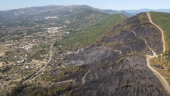
Your account of the fire in Portugal was particularly useful to us, especially because we are also based in Portugal and are researching rural land for a future family homestead.

We are trying to build a practical checklist for evaluating properties before buying, and your experience made me think about something I had not considered carefully enough before.

When looking at a rural property in Portugal, what would you personally check regarding wildfire risk before buying?

For example, would you look at the previous fire history of the area, surrounding vegetation, neighbouring properties, prevailing winds, access for fire engines, water availability, slope/aspect, or something else?

And based on what happened to you, is there anything you would consider a red flag today that you might not have noticed before experiencing the fire?

Thanks for sharing your experience. We are still at the research stage and are trying to learn from people who have actually lived through these situations before choosing a property.

Best regards,
Charles

7 hours ago
Hi Cristina,

We are also living in Portugal and are currently researching land for a future family homestead, so I found this thread particularly interesting.

One thing that has stood out to us during our research is how important it is to understand the property situation before falling in love with a piece of land. Water, legal classification, access and the possibility of having a legally habitable dwelling can completely change the picture.

For those who have gone through the process in Portugal, I would be particularly interested in hearing what you wish you had checked before buying, rather than after.

We are still in the research stage ourselves, so learning from other people's mistakes is exactly what we are hoping to do.

Thanks for starting this discussion — there is a lot of useful experience here.

Best regards,
Charles
7 hours ago
Hi Marcelo,

I know this thread is a few years old, but your experience is very relevant to what we are researching now.

We are also based in Portugal and are looking for a small rural property for a family homestead. One thing we are trying to improve is our process for evaluating land before getting too attached to a property.

You mentioned that you researched water, sun exposure, arable soil, forests, fire incidence, erosion risk and regional zoning before buying.

Looking back now, is there anything you would add to that checklist based on what you have learned since buying your 9 ha property?

In particular, I would be very interested in your experience with water reliability and whether the reality of the land matched what you had researched before the purchase.

Thanks for sharing your experience — it is exactly the kind of practical information we are trying to learn from before making any decision.

Best regards,
Charles
7 hours ago
Hi Rudyard,

Thanks for sharing all of this. We are also based in Portugal and are currently researching rural properties for a future family homestead, so your experience is particularly relevant to us.

One thing I’m still trying to understand is how you verify, before making an offer, that an existing ruin was actually registered as a habitation rather than as an agricultural support building.

Would you normally check the caderneta predial and the registo predial first, or is there another document or municipal record that you would consider essential?

And when you say the ruin is registered as a house, is there a particular wording or classification in the documents that you look for?

We are trying to avoid the common situation where a property looks like a small house in the photos but turns out to be legally an agricultural building.

Thanks again — your post has been extremely useful.
8 hours ago
Hi Francis,

We are also a family living in Portugal and are taking a similar approach — slowly researching and learning before making any major decisions.

We are particularly interested in rural land, water availability, growing food and gradually developing a small family homestead. We have found that there is quite a lot to learn about the differences between regions here.

If you continue exploring Portugal, I would be very interested to hear what you discover, especially regarding rural areas and the practical side of setting up a homestead.

Best wishes with the journey!
8 hours ago
Thanks Eric, that is exactly the kind of real-world experience I was hoping to learn from.

The point about infrastructure costs is especially important for us. We are researching rural land in Portugal, where a property may look affordable on paper but the cost of bringing in water, electricity, access or other basic infrastructure can change the picture completely.

Your example of the 500+ feet of trenching and the $5,000 electricity cost is a very useful reminder.

For someone evaluating raw land before making an offer, would you recommend getting written estimates from the local utility/infrastructure providers before making an offer? And are there any other “hidden” infrastructure costs you would specifically check for during due diligence?
8 hours ago
This is a very useful discussion. I'm currently researching rural land in Portugal for a future family homestead, and one thing I'm realizing is that the listing itself is probably only the starting point.

The advice about checking water, zoning, neighbors, access and the legal side is especially relevant. I'm building a due-diligence checklist before we get serious about any property.

One question for those who have bought raw land: what was the most important thing you discovered during your due diligence that you would NOT have found from the listing, satellite imagery or a normal first visit?

I'm particularly interested in hidden issues such as access rights, water rights, easements, boundaries, seasonal water availability, previous land use, restrictions or unexpected development costs.

I'd rather spend more time investigating a property before making an offer than discover an expensive problem after buying it.

Thanks to everyone who has contributed to this thread — there is a lot of practical experience here.
2 days ago
Thanks for sharing this. I'm currently looking for rural land in Portugal for a future family homestead, and water availability is one of the things I'm trying to understand properly before buying any property.

The spring box approach is particularly interesting because I hadn't considered how much the elevation of the collection point could affect pressure and water quality.

For someone evaluating a rural property before purchasing it, what would you recommend checking at the spring itself?

For example, would you measure the flow rate during the dry season, inspect the spring after a long period without rain, or look for signs of contamination upstream?

I'm especially interested in how people distinguish between a spring that looks reliable during the rainy season and one that can actually provide a useful year-round water supply.

Thanks for sharing the practical example — this is exactly the kind of issue I'm trying to learn about before choosing land.
2 days ago