|

|

|

|

|

|
|
|
|
|
|
|
|

|

|

|

|

|
 2
2


 within the first 24 hrs after birth, once we noticed his arrival, we watched closely and decided he was not attempting to nurse, became very weak and lethargic that evening and we brought him in to syringe feed colostrum mixture throughout the night; by the next morning he was up and moving and looking to nurse, yay! Then fast forward a couple days later, in the heat of the day, I noticed him stressing out trying to figure out how to go down and around this partial fence to get to mama, and by that point he was open mouth panting, looked weak and exhausted, and once with mom was not nursing; after some more observing I decided to give him some more formula mix for hydration and after some rest he was up and moving again, but now today, the day after, he’s been under a shady tree line all day and has not nursed for the past five hours and mom and herd are on other side of pasture again; question is should I intervene again? He’s cool to the touch, slightly panting but closed mouth, sleepy, doesn’t look to be in distress, but is this just normal activity or is he not nursing enough in this heat to stay hydrated and well?? Thanks for reading, and any advice appreciated. Thanks! 2
Invasive plants are Earth's way of insisting we notice her medicines. Stephen Herrod Buhner
Everyone learns what works by learning what doesn't work. Stephen Herrod Buhner
I don’t want intervene if all is well I’m just not as knowledgeable on their normal behavior... 1
1
5
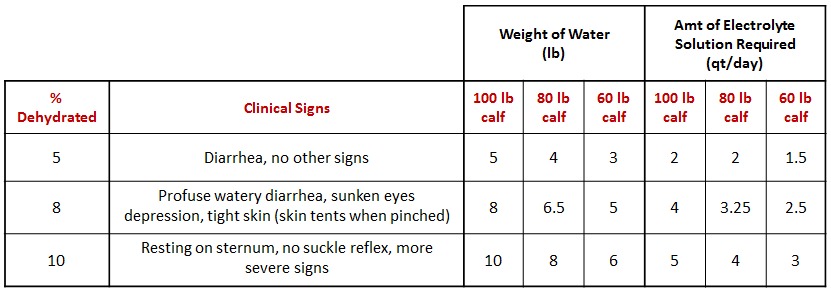
Skin tenting is a quick way to evaluate hydration. Pinch a fold of skin on the neck and count the number of seconds it takes to flatten. If the skin flattens in less than 2 seconds, this indicates normal hydration. If the skin takes 2-6 seconds to flatten, the calf is about 8% dehydrated. Over 6 seconds would indicate severe dehydration over 10%. Gum color and moisture can also be evaluated. Normal gums will be pink and damp while white and dry gums indicate dehydration.
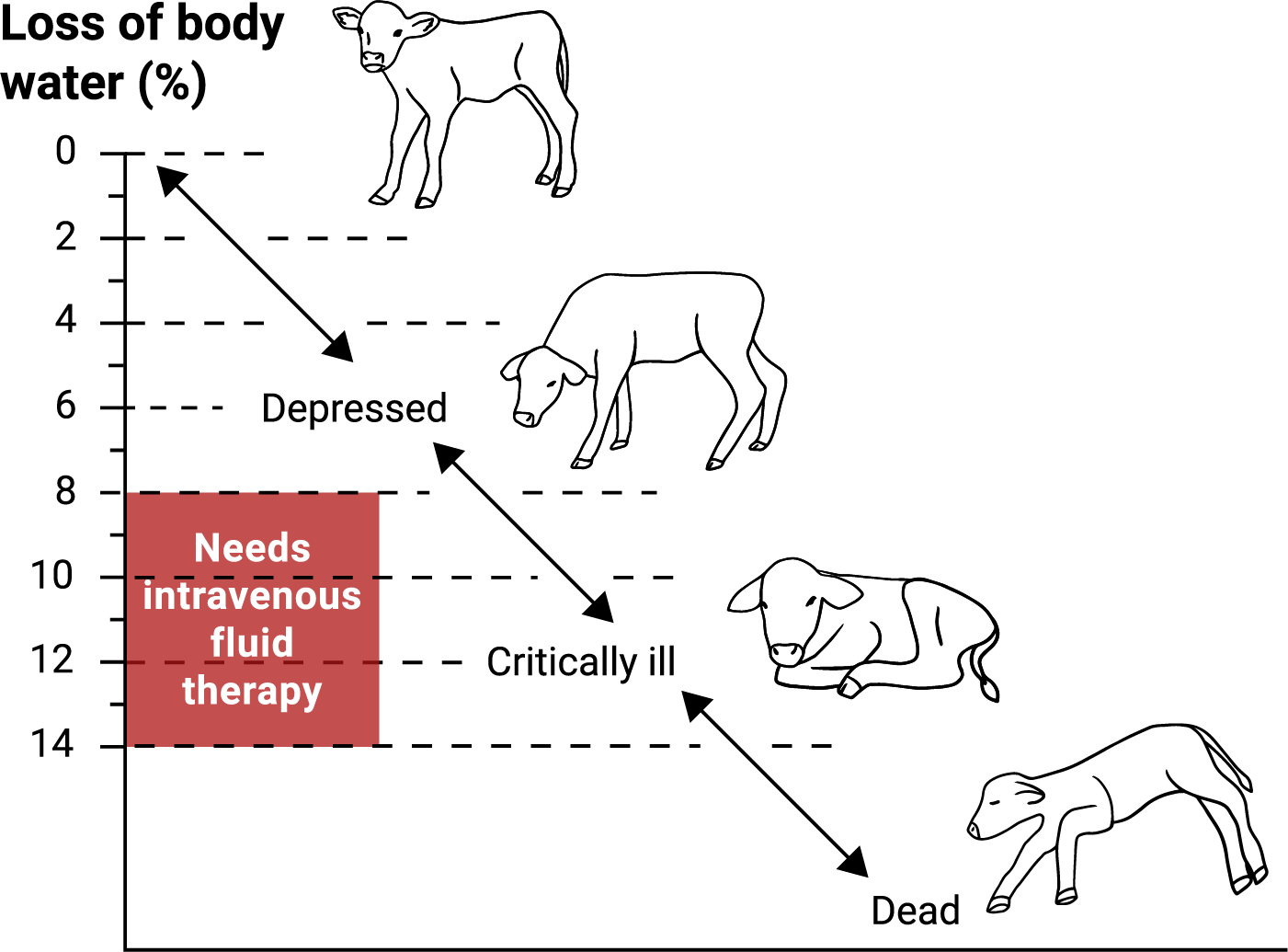
It is nearly impossible to feed the calf too much electrolytes, but feeding too little is quite common. To determine the amount of electrolytes to feed, multiply weight of calf by the percent dehydration, and then divide by 2 to get quarts of liquid needed. For example, if a 100-lb calf is dehydrated 8% (100 x 0.08), 8 lbs of liquid divided by 2 equals 4 quarts needed per day in addition to normal feeding of milk.
These calculations are affected by the summer heat. When temperatures are over 90 degrees, increase the amount above by 50%. If temperatures are over 100 degrees, double the amount. Severely sick calves under heat stress can sometimes require up to 20 quarts of water daily to replace the total amount lost, so don’t be afraid to be generous with the fluids! Healthy calves under heat stress will drink between 6 and 12 quarts of water daily just to maintain normal hydration.
 2
2

|
Everyone is a villain in someone else's story. Especially this devious tiny ad:
a new overhaul of the freeheat page - need feedbacks for world domination
https://permies.com/t/389799/overhaul-freeheat-page-feedbacks-world
|