
• Post Reply Bookmark Topic Watch Topic
  • New Topic
permaculture forums growies critters building homesteading energy monies kitchen purity ungarbage community wilderness fiber arts art permaculture artisans regional education skip experiences global resources cider press projects digital market permies.com pie forums private forums all forums
this forum made possible by our volunteer staff, including ...
master stewards:
  • Carla Burke
  • Anne Miller
  • Nancy Reading
  • John F Dean
  • r ransom
  • paul wheaton
  • Timothy Norton
stewards:
  • Jay Angler
  • Pearl Sutton
  • Andrés Bernal
master gardeners:
  • Christopher Weeks
gardeners:
  • M Ljin
  • Thekla McDaniels
  • May Lotito

Judith's garden plans, records, results, hopes.....

 
Posts: 10950
Location: a temperate, clay/loam spot on planet earth, the universe
4196
4
  • Likes 7
  • Mark post as helpful
  • send pies
    Number of slices to send:
    Optional 'thank-you' note:
  • Quote
  • Report post to moderator

 When do you plant rye and winter peas? I seem to have my timing off  


Joylynn, I try to have both on hand and start planting them when the rains begin, usually in November.
The rye grain gets a bed all to itself and planted earliest.

The peas success is different every year so I plant some by the handful, thrown hard onto bare soil, whenever it rains from early november into december...usually near a fence because they love to climb but also in some beds in the main garden.
I have not found the right grain to grow with them or the right timing so that the peas don't cause the grain to lodge?  I tried oats one year and the oats froze and the peas with rye did not work for scything later....maybe rye grass would have worked better.

I really like the rye grain for surpressing weeds and then scything for some great mulch,
It seems to deter most growth except beans and sorghum...probably other things will grow in the stubble that I have not tried.

We buy 5#organic rye berries and 5# organic hard winter wheat  from Azure from the food section,..pretty economical I think.  We get the peas from our local feed store by the pound ..10# is usually enough.
The wheat will go in same as rye....Steve likes to turn it under young and green.
 
Judith Browning
Posts: 10950
Location: a temperate, clay/loam spot on planet earth, the universe
4196
4
  • Likes 10
  • Mark post as helpful
  • send pies
    Number of slices to send:
    Optional 'thank-you' note:
  • Quote
  • Report post to moderator
Still dry but the cooler weather is wonderful!
The well is maintaining a steady amount for daily watering...will cut back on some things as cold weather nears.

It's the time of year where I keep walking into spider webs everywhere.

Starting garden cleanup for winter cover crops....have the beoadfork stuck in the ground ready but the soil is still too dry to work.

It's probably time to dig sunchokes before grubs have their way with them.

Checked on a couple hills of sweet potatoes...no vole damage yet so going to leave as late as possible before harvest.
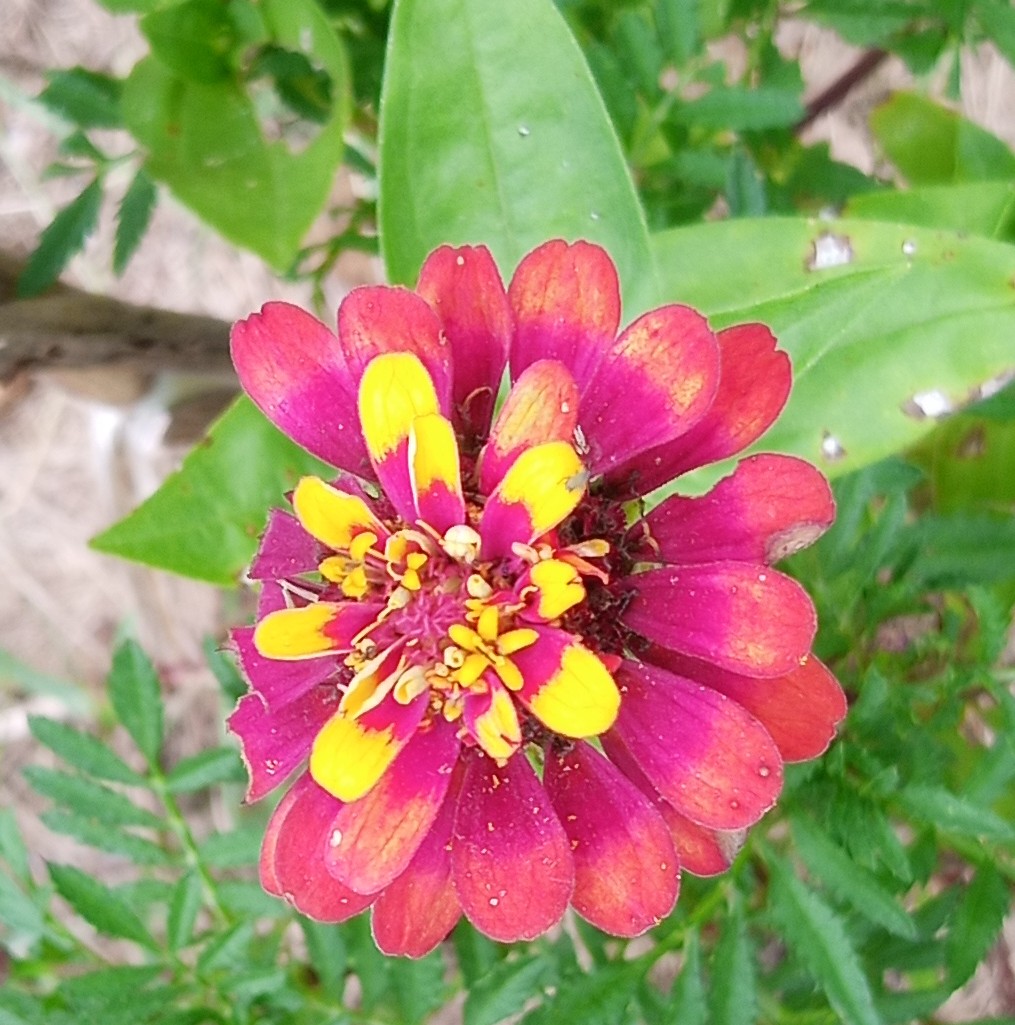
IMG_20260926_172135_479-2.jpg
zinnia
zinnia
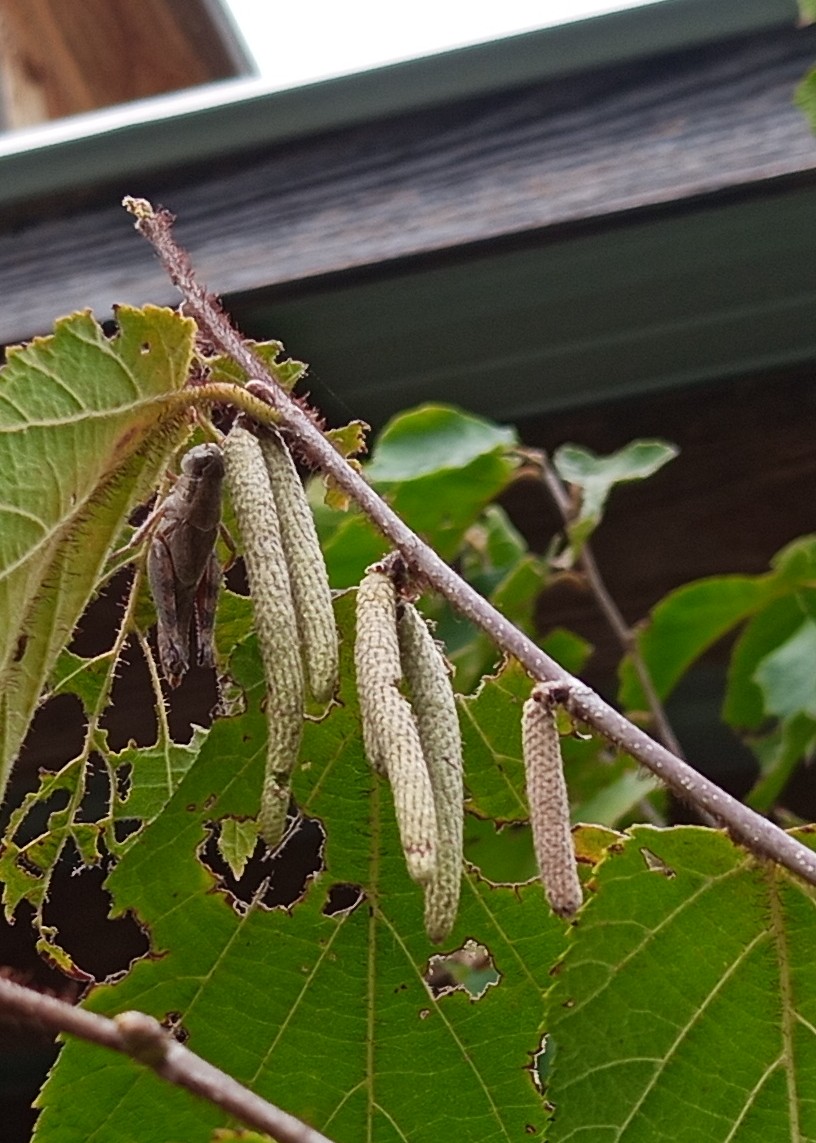
IMG_20260926_172020_867-2.jpg
american hazelnut catkins
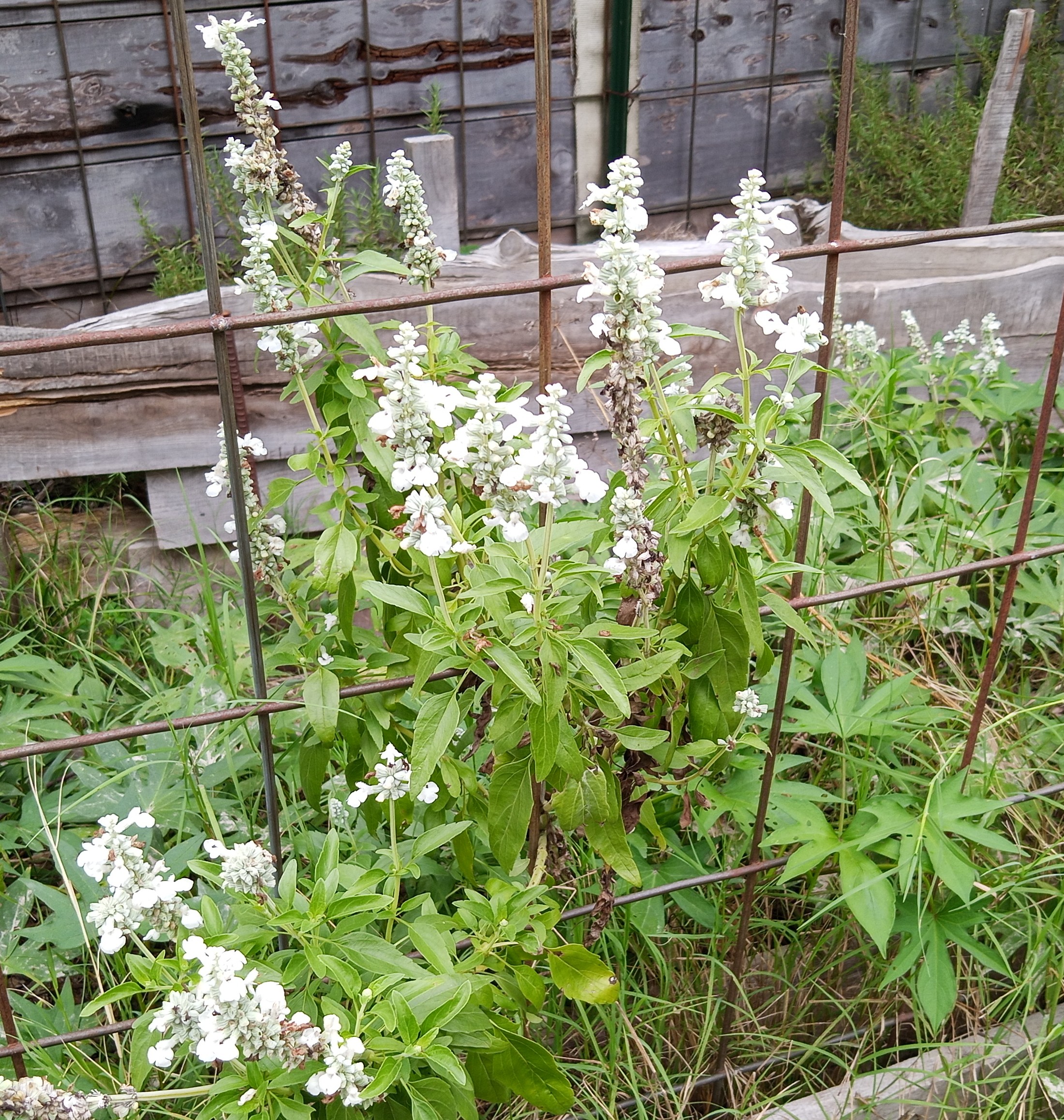
IMG_20260926_171744_343-2.jpg
'white' blue salvia from my saved seed
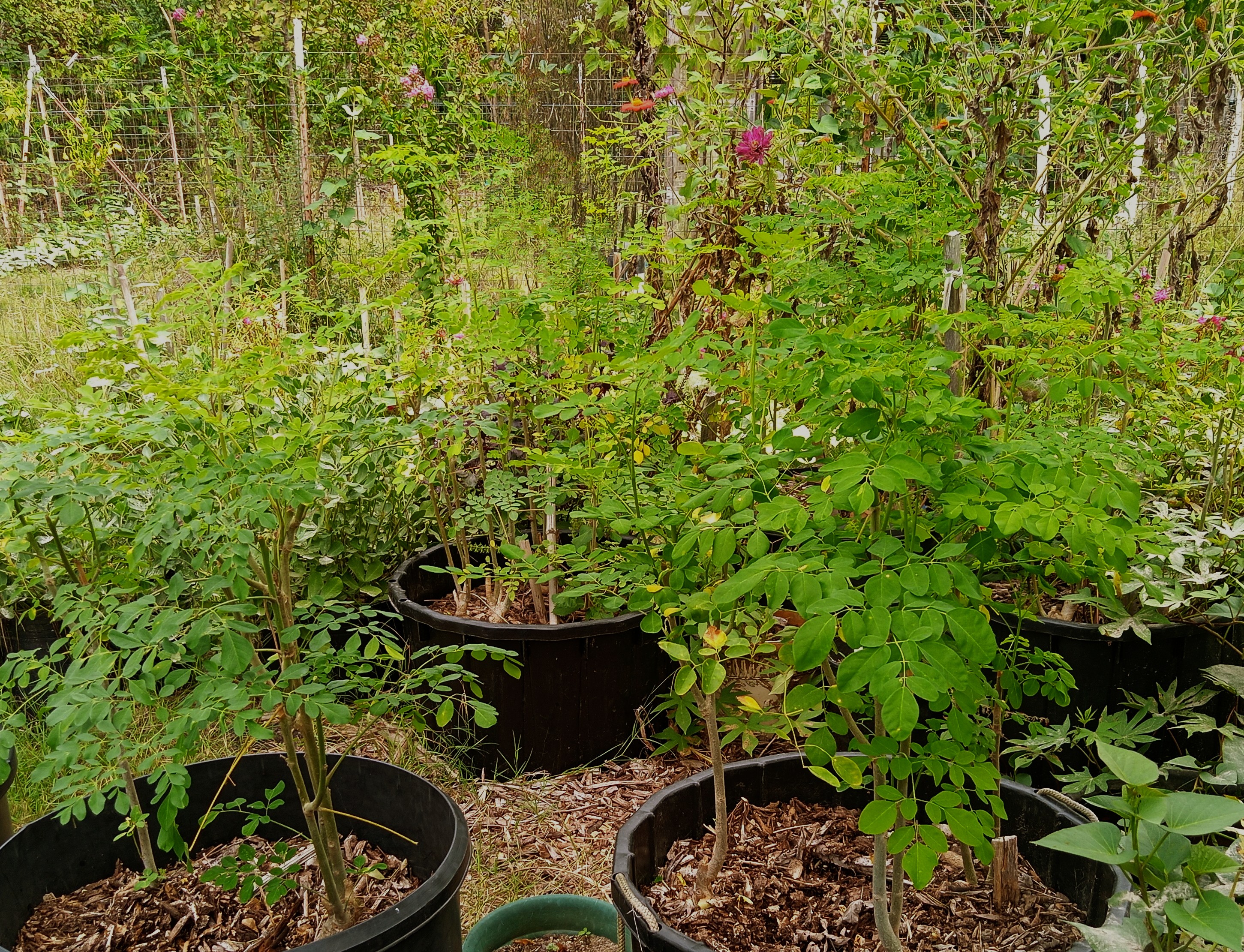
IMG_20260926_122136_639-3.jpg
moringa
moringa
IMG_20260926_091158_361-3.jpg
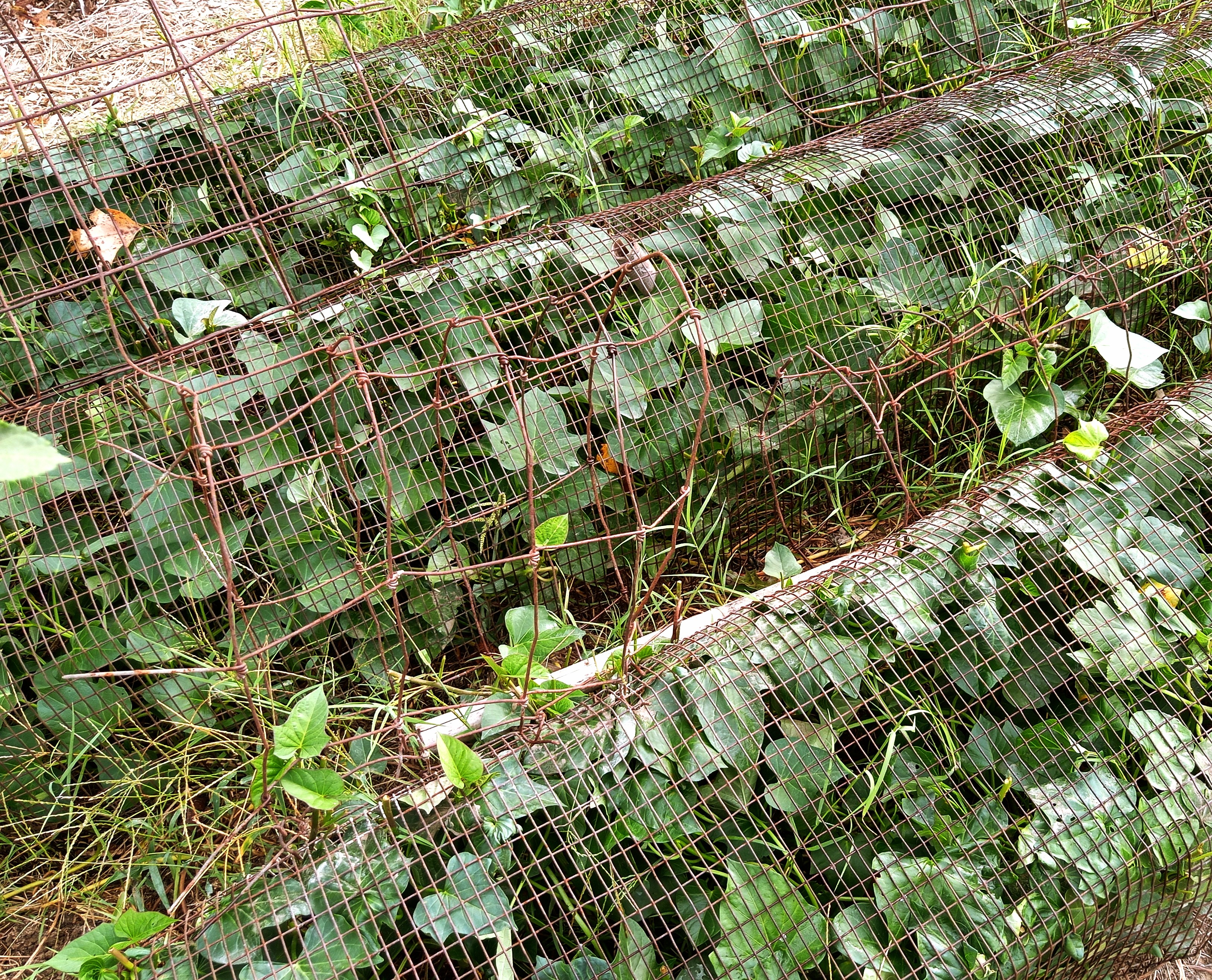
caged purple sweet potatoes
IMG_20260926_091141_511-2.jpg
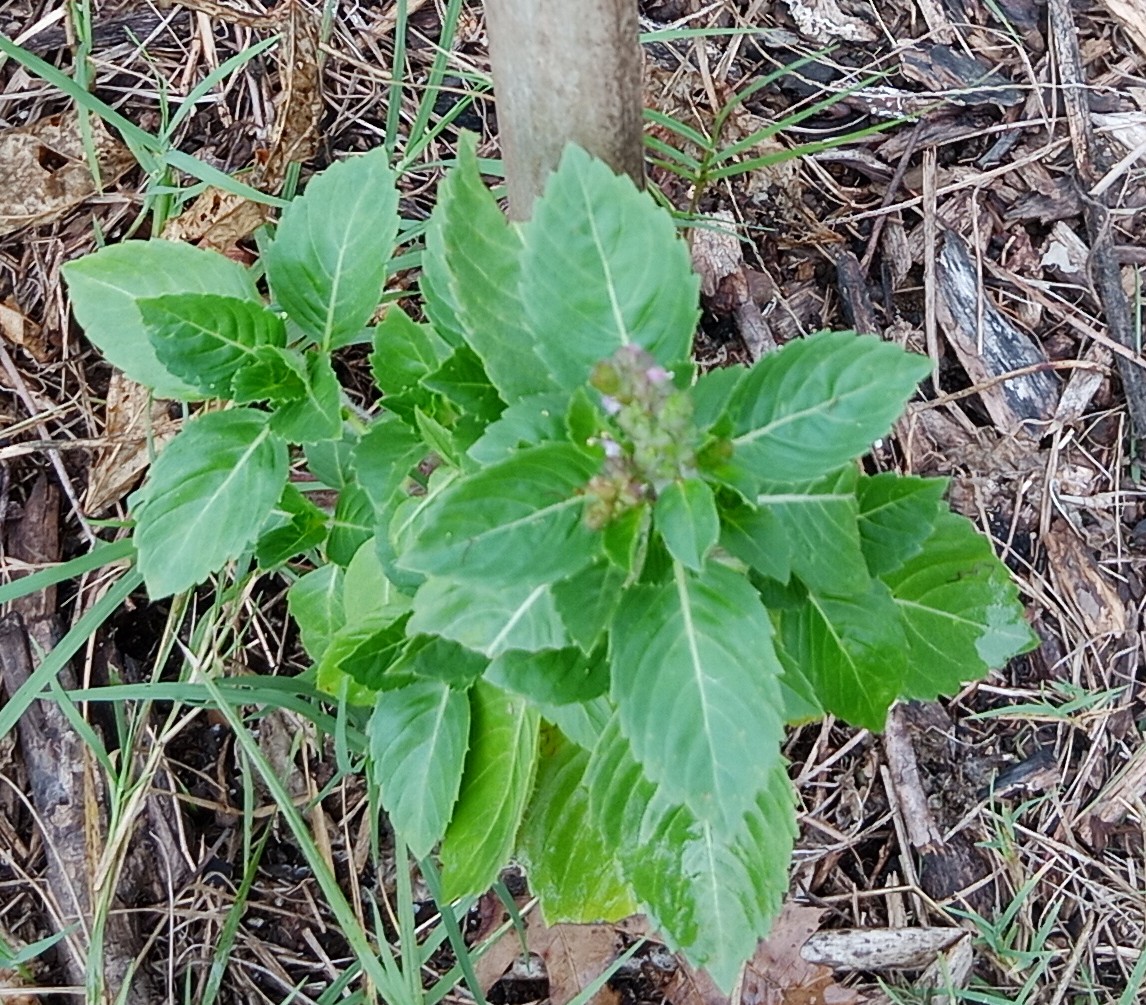
volunteer tulsi
volunteer tulsi
IMG_20260926_091038_133-3.jpg
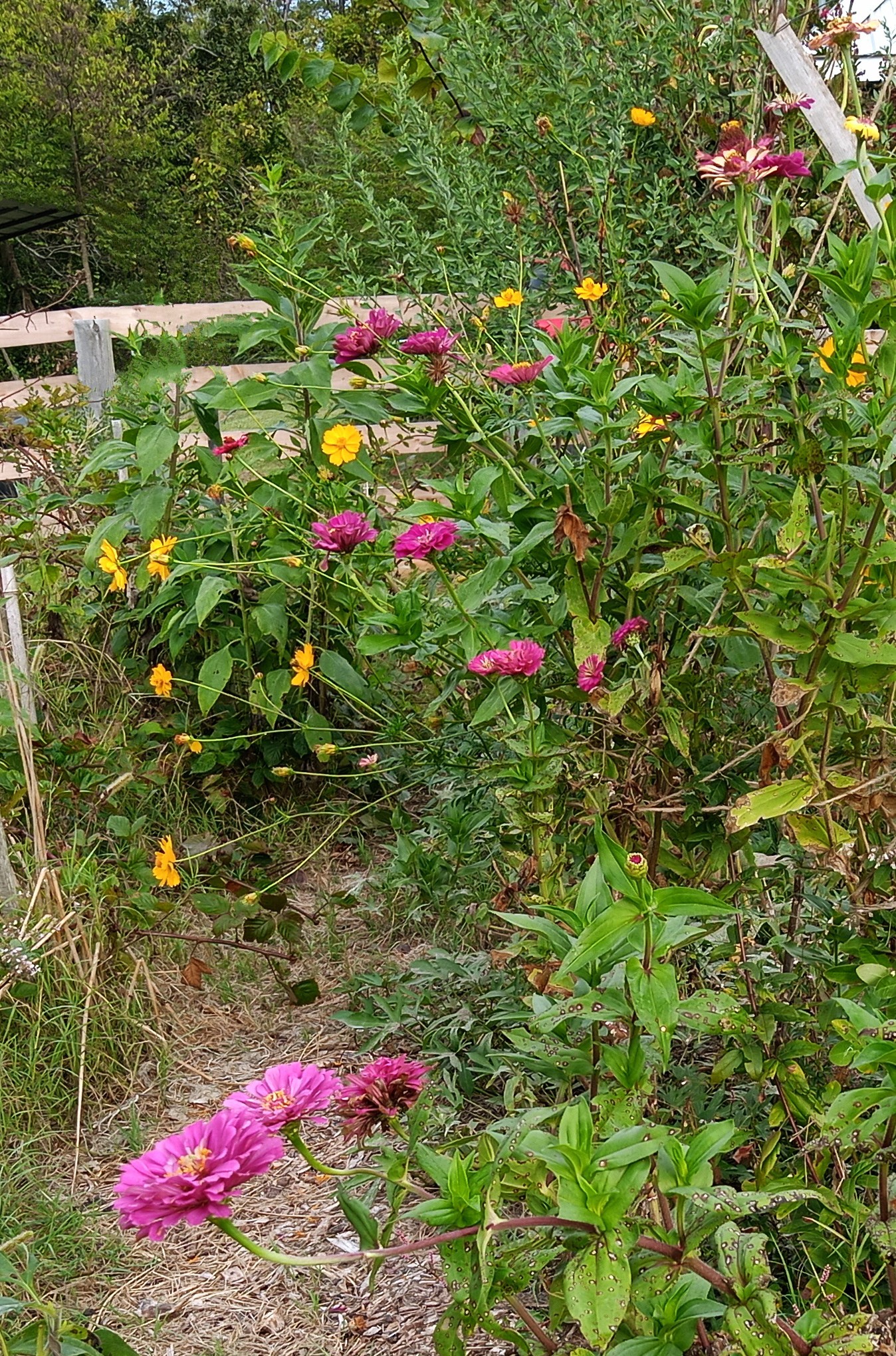
zinnias, cosmos, sweet potatoes....
zinnias, cosmos, sweet potatoes, lambs quarters
 
gardener
Posts: 2364
Location: Zone 6b
1631
forest garden fungi books chicken fiber arts ungarbage
  • Likes 10
  • Mark post as helpful
  • send pies
    Number of slices to send:
    Optional 'thank-you' note:
  • Quote
  • Report post to moderator
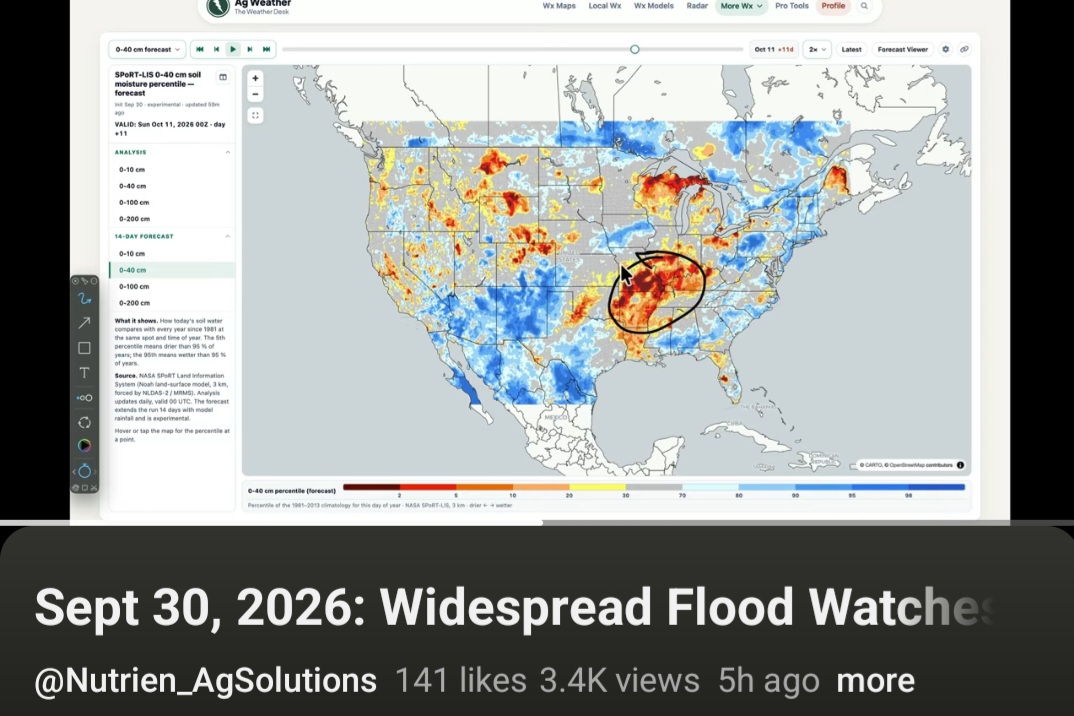
A meteorologist mentioned in today's video that this region has been seeing rising temperatures in September and 7 out of 10 years is very dry in late summer. I couldn't get oat covercrop to germinate. Rye will do if there's rain in November but the biomass will be minimal.  I am considering moving fall sowing into July next year if this is the new normal.
Screenshot_20260930_124705_YouTube.jpg
Area left out
Area left out
20260930.jpg
Oat seeds still sitting on parched ground under mulch
 
Judith Browning
Posts: 10950
Location: a temperate, clay/loam spot on planet earth, the universe
4196
4
  • Likes 11
  • Mark post as helpful
  • send pies
    Number of slices to send:
    Optional 'thank-you' note:
  • Quote
  • Report post to moderator
May,
It seems like the window for planting rye grain is smaller than other winter cover crops.
If I plant too early it just sits, like your oats are and I run more risk of the birds enjoying it.
I have good luck if I plant during a rainy spell to quickly germinate and then it grows as it likes warm days over the winter....then takes off late winter so it's a nice scythable 'straw' by the time I need the bed.
Of course anytime I think I've got something figured out weather happens😊

I've tried oats and found, although they germinated just fine, all but a few odd clumps here and there winter killed.

I aim for august for planting fall greens and am always late....I never have space ready so end up planting flats for ease of watering but I still don't have space ready for setting them out.
for me, I think this is the equivalent of 'my eyes are bigger than my stomach' applied to growing food🙄

Good rain in the forecast for here....I hope you get some too!
 
May Lotito
gardener
Posts: 2364
Location: Zone 6b
1631
forest garden fungi books chicken fiber arts ungarbage
  • Likes 15
  • Mark post as helpful
  • send pies
    Number of slices to send:
    Optional 'thank-you' note:
  • Quote
  • Report post to moderator
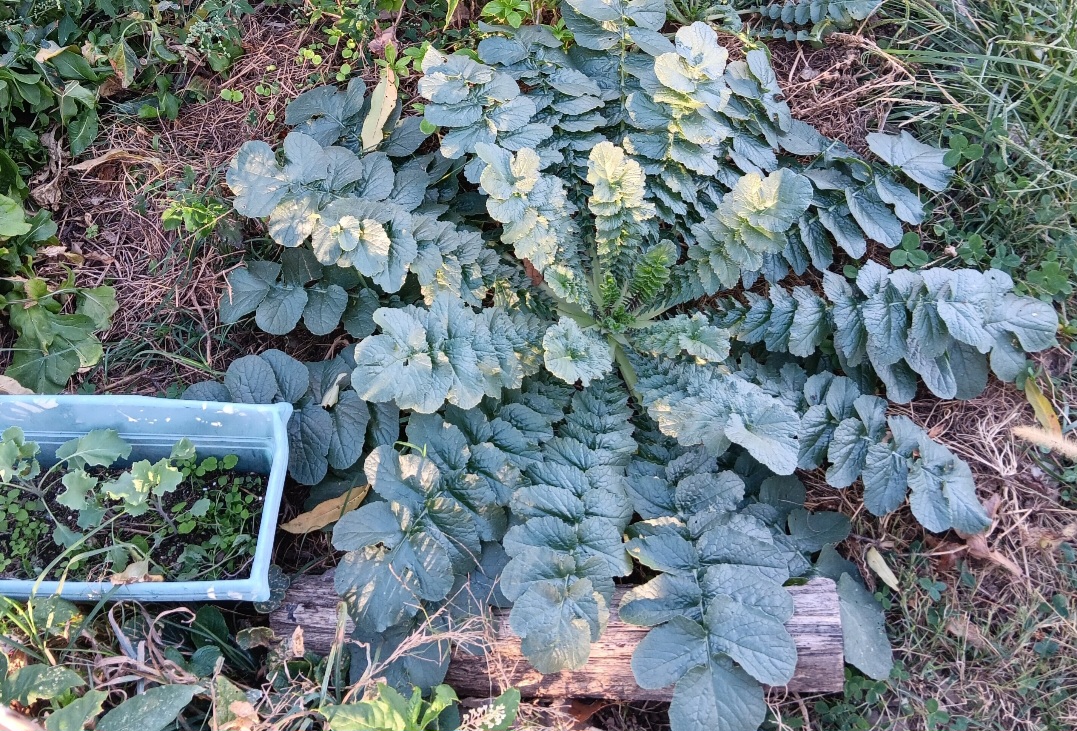
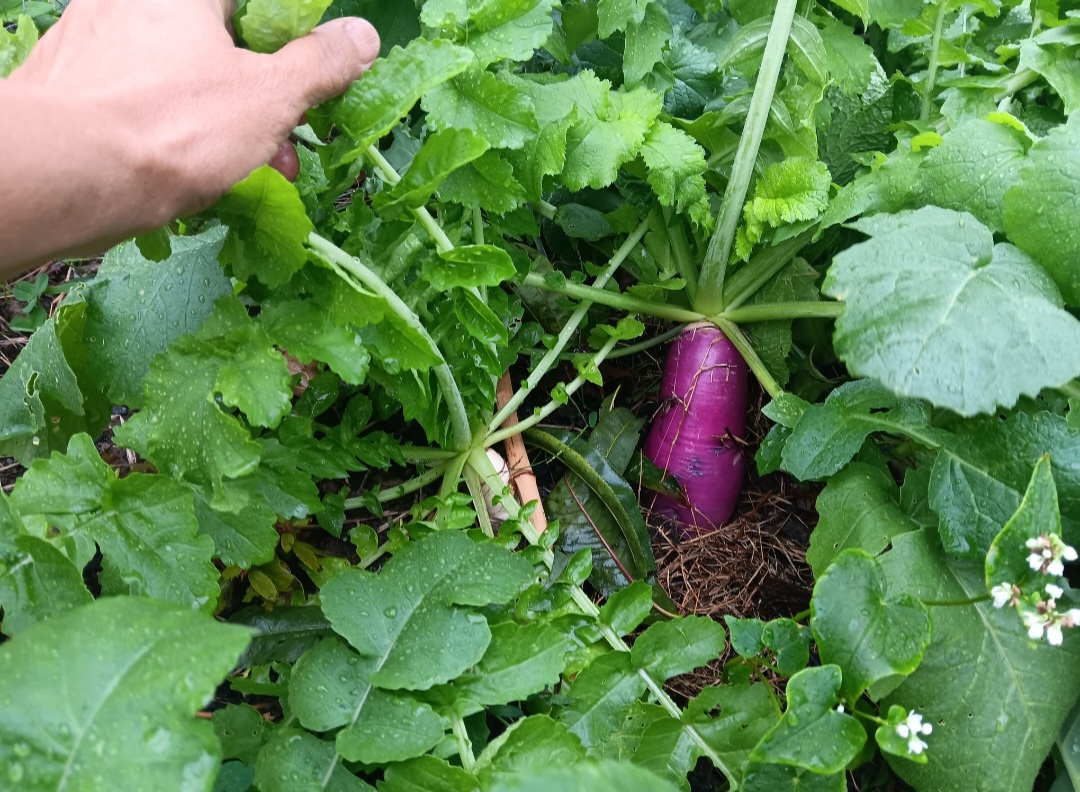
See how this sakurajima daikon is exploding! I read a research paper saying that it has higher level of trigonelline than coffee beans, a vitamin B3 derivative that is beneficial to the vascular system. I planted one this spring too and the root grew to soft ball size before flowering. Then the June flood killed it. I should've planted spring root crops in raised mounds or furrows.
First significant rain in three months is finall coming next week but frost is on the horizon. I've never realized how crazy the weather is in the Ozarks until I started gardening.
20261011_175324.jpg
Sakurajima daikon is heat tolerant
 
Judith Browning
Posts: 10950
Location: a temperate, clay/loam spot on planet earth, the universe
4196
4
  • Likes 10
  • Mark post as helpful
  • send pies
    Number of slices to send:
    Optional 'thank-you' note:
  • Quote
  • Report post to moderator
May, that daikon is wonderful!
I rarely get the timing right for them in order to have nice large roots but when it happens they are so good for a fermented pickle and stir fry...maybe next year?

We got a 3" rain on October 2...nothing since but having this well water available has given us the chance to start some beds of fall greens if I water them twice a day.
Eighties and nineties most days and cooling off into the fifties overnight...lovely fall weather.

I see a forecast of drops to 41F and 39F at the end of the week (after a possible rain) so will probably try to cover sweet potatoes to give them a little more time in the ground.
Here on this creek bottom our temps can be a few degrees colder than just a few blocks away.

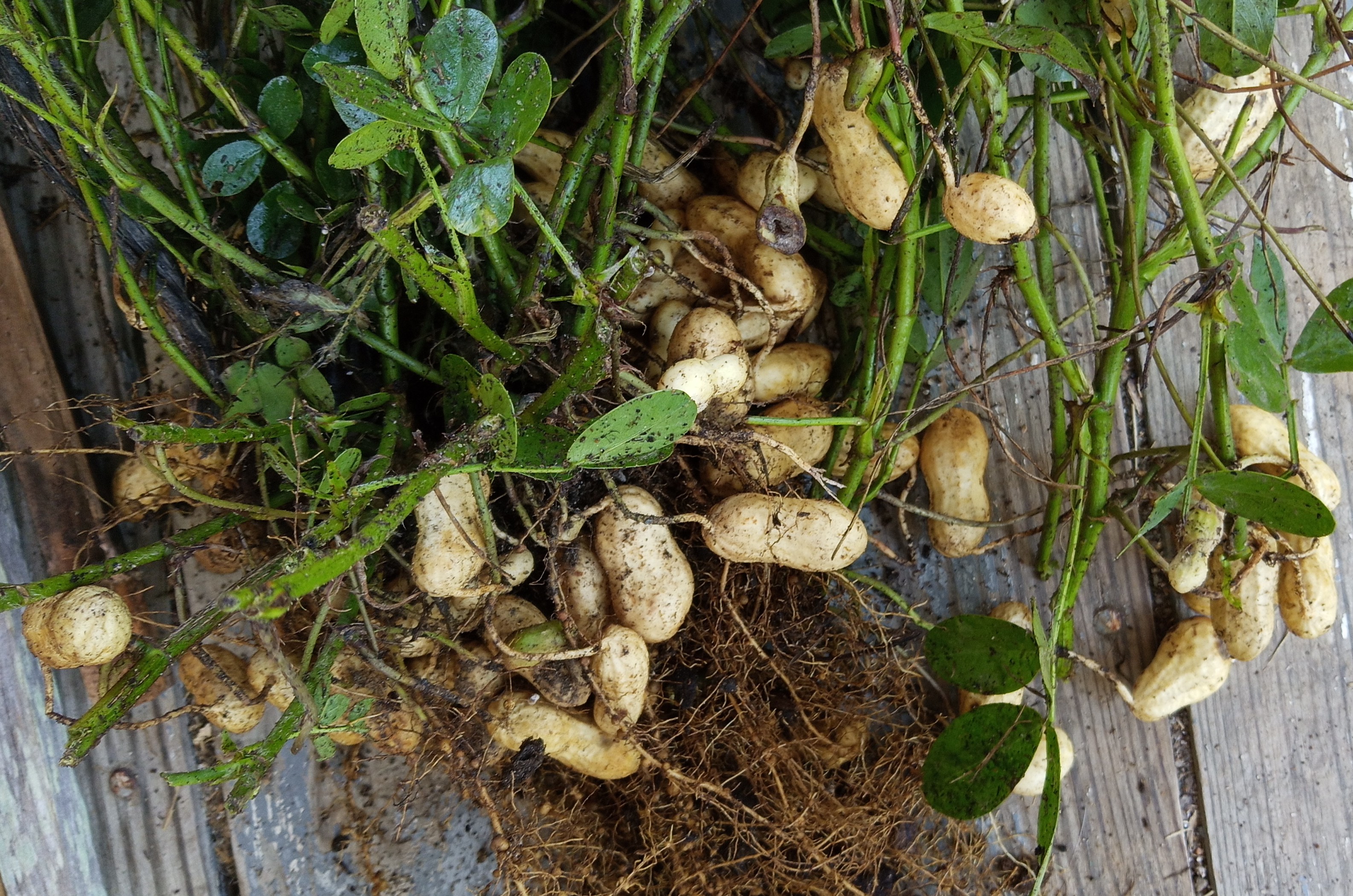
Ground hog is still fattening up for winter...the ashes keep him(her?)from eating most of the vines other than the growing tips....he/she did a number on the peanuts though so we'll probably dig them before the rain.  
It's odd to me that ground hog is not eating other things...like moringa?
 
Judith Browning
Posts: 10950
Location: a temperate, clay/loam spot on planet earth, the universe
4196
4
  • Likes 9
  • Mark post as helpful
  • send pies
    Number of slices to send:
    Optional 'thank-you' note:
  • Quote
  • Report post to moderator
There was a good chance of rain today but I watered my seed beds anyway...good germination if I water twice a day every day🙄

We are gradually digging sweet potatoes and peanuts...both disappointing harvests so far.

I doubt we grow peanuts again...they were not happy in our clay soil.
I'm determined to grow sweet potatoes though.
I think the ones in the garden bed did better than last year...still small and they were mostly purples....other years have had very large ones.
The orange ones, I grew most in tubs so I would be sure to have some good ones to grow slips from next year but they are smaller than usual and have scurf.

I hate to lose either variety but won't use the tubs again for them (because of scurf) and need to get some fertility back in the garden soil before next season....wood ashes helped but not enough..

Still getting several long beans a day....will definitely grow more next year on our two hoop houses that we don't cover with plastic anymore, just, sometimes shadecloth.

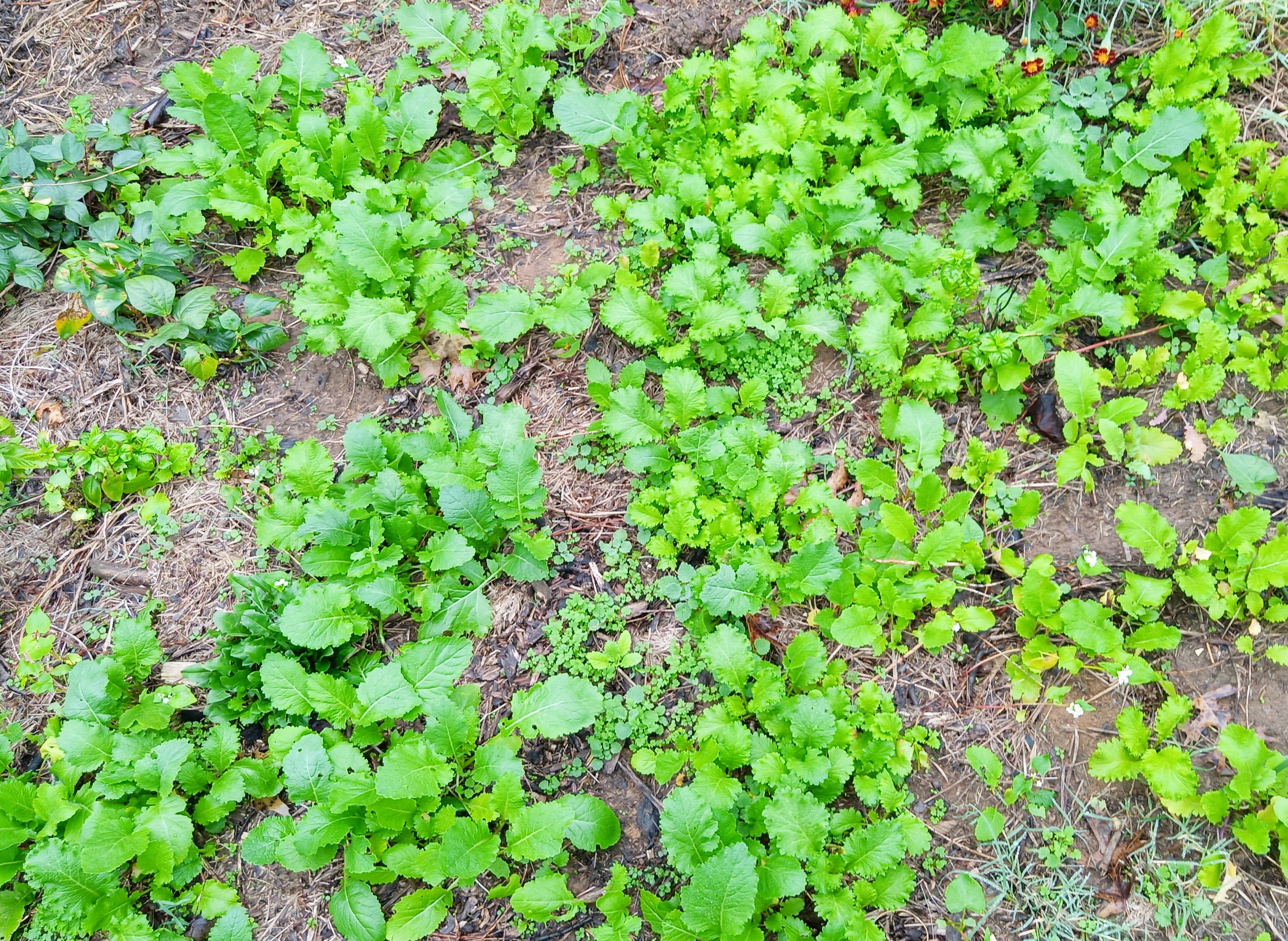
nice young chicory leaves and soon some thinnings of kale, turnip, mustard and arugula....have not got the beds ready for transplants....these were sown directly.

Time to see if the sunchokes made...some years the grubs leave us a few to ferment.

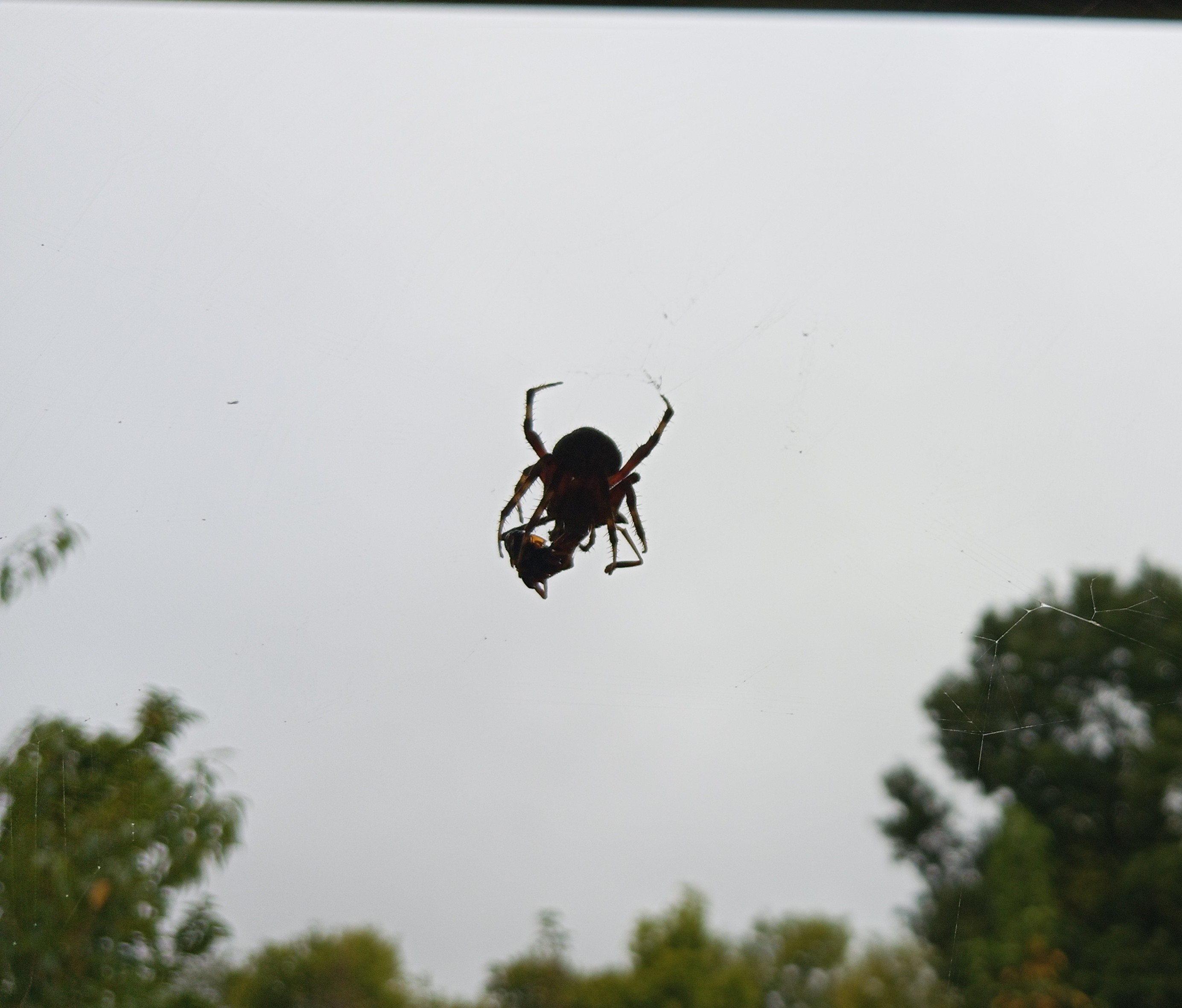
It's that time of year where spider webs are everywhere....this one is in a spot we sit regularly on the front porch and almost everyday I walk into it...then she patiently restrings everything by the next day😊

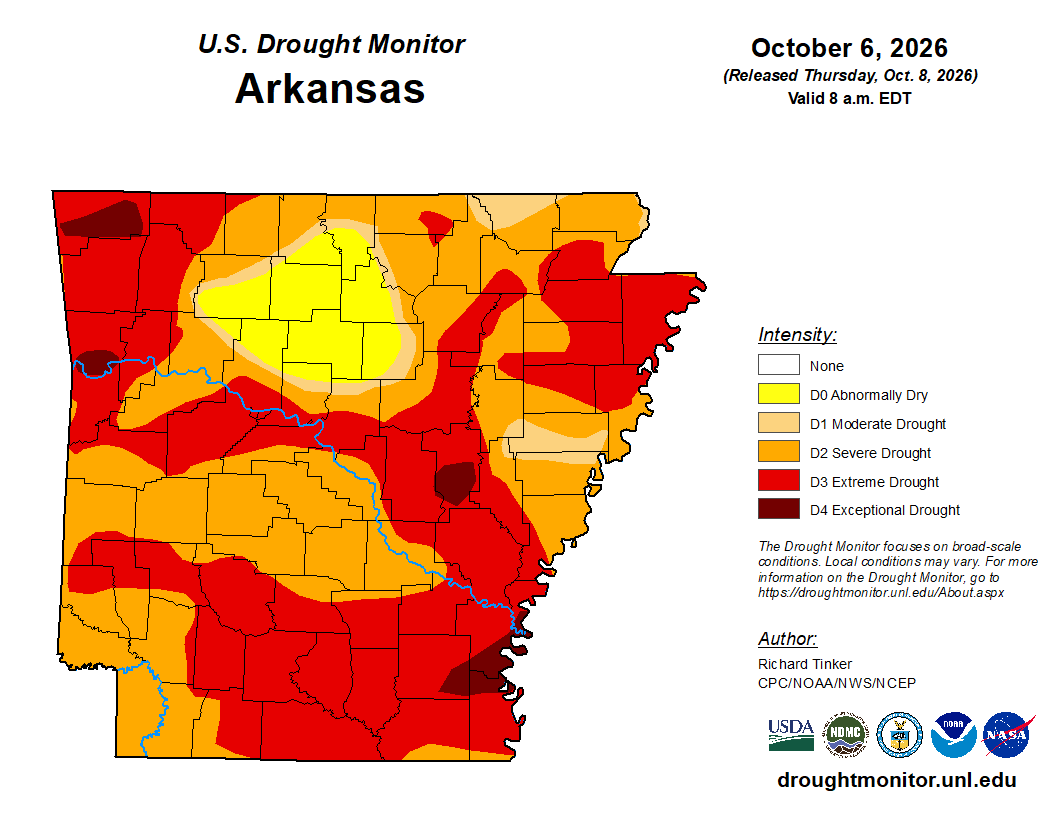
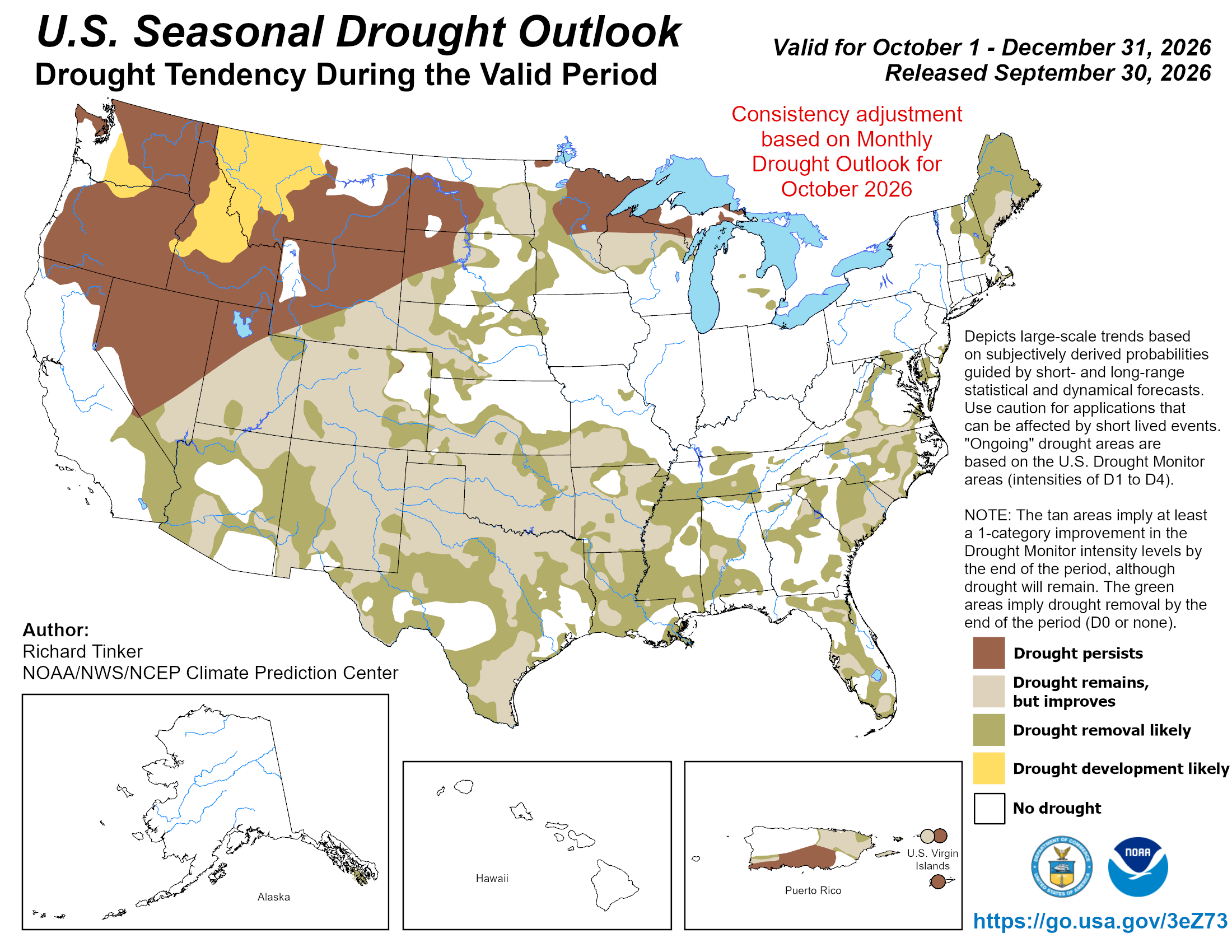
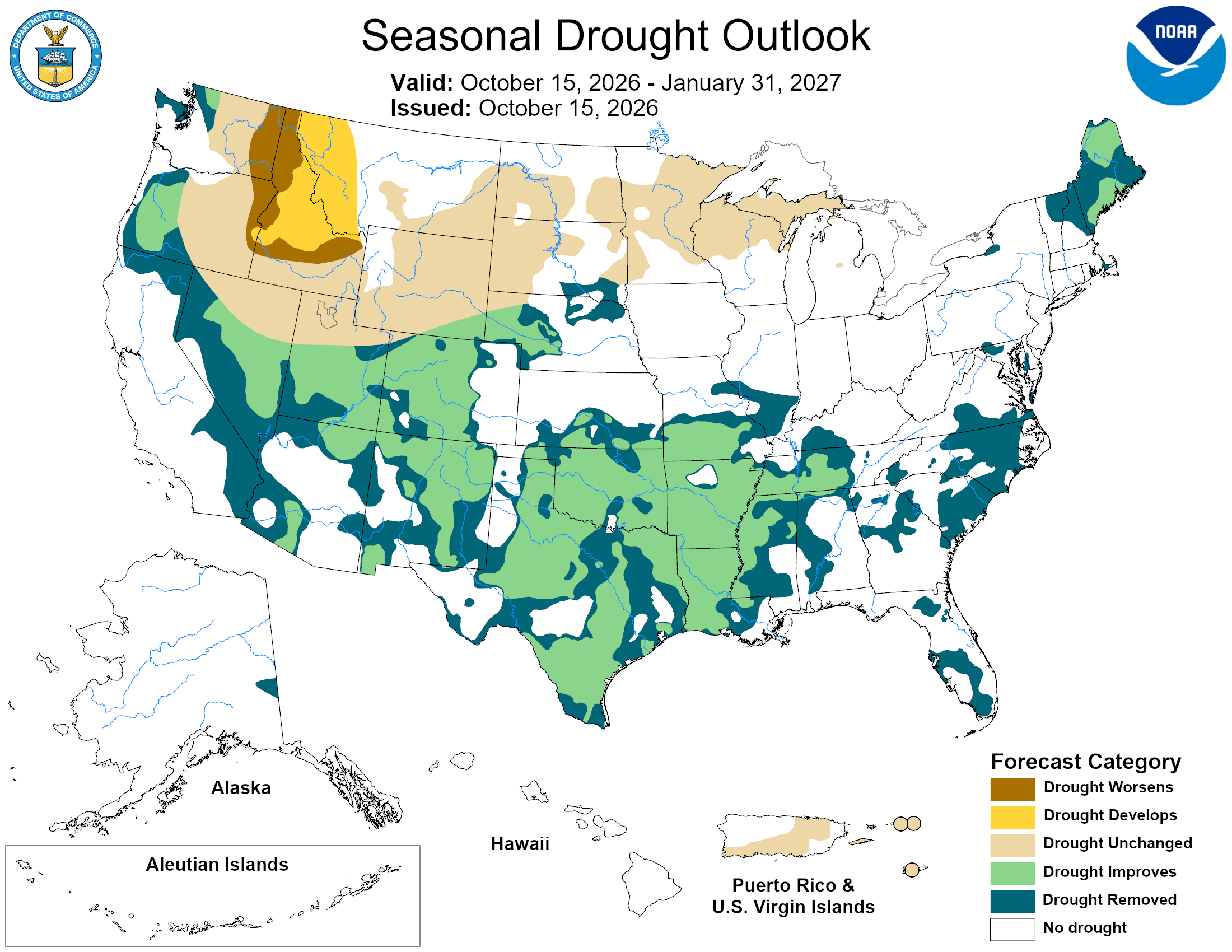
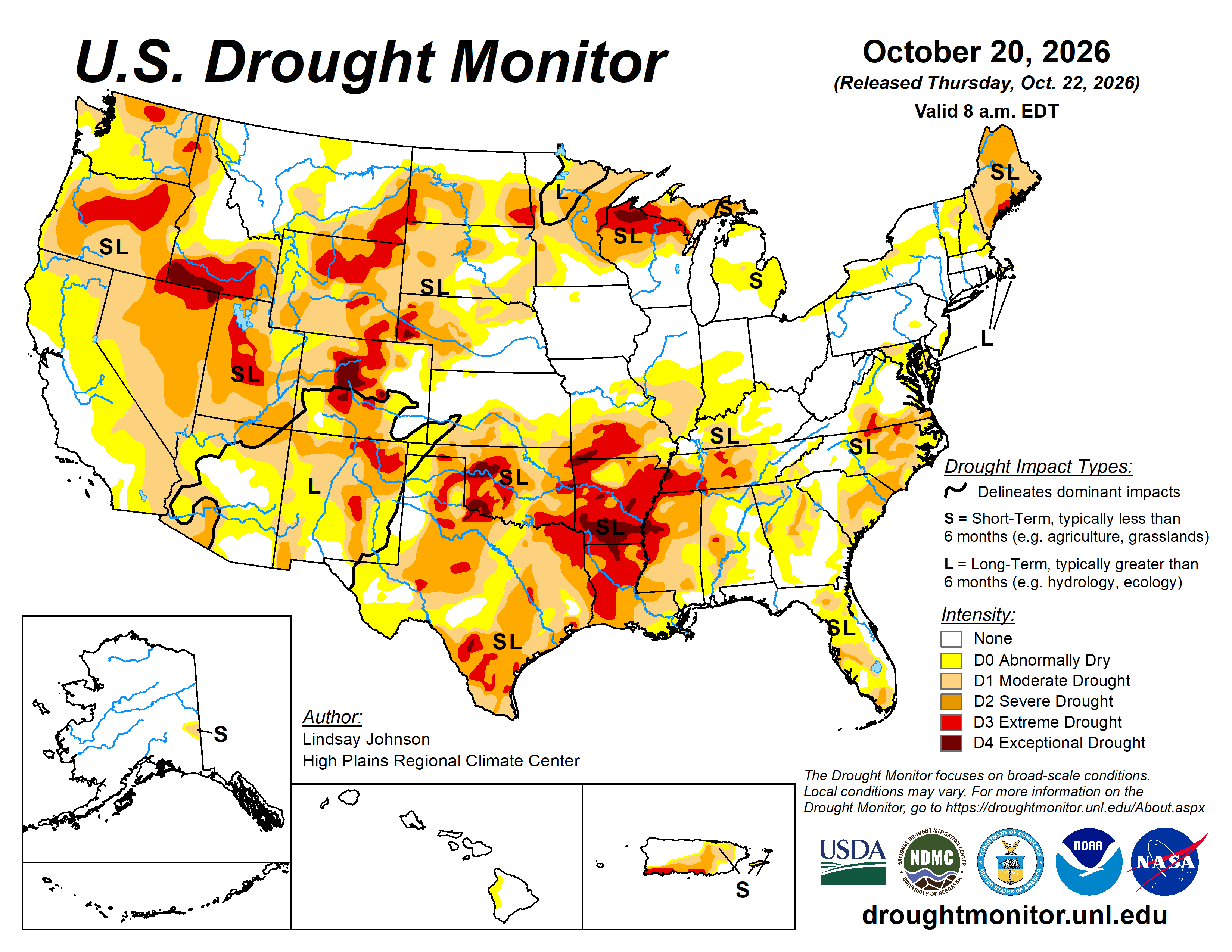
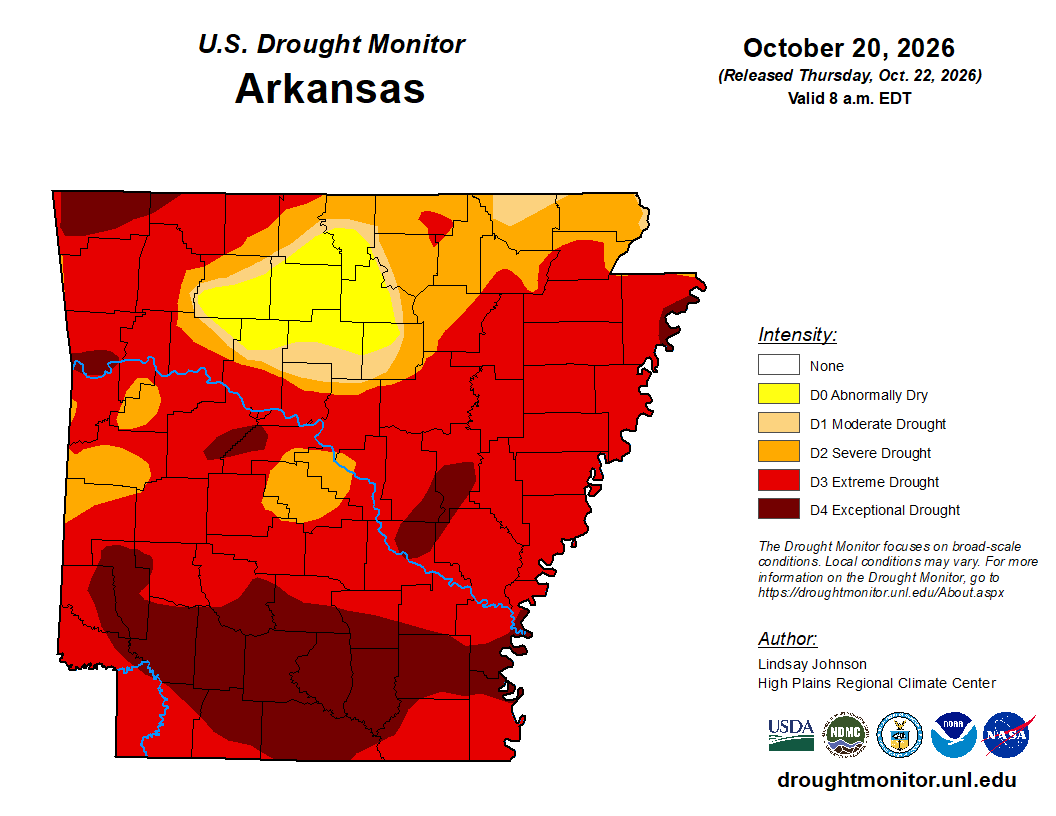
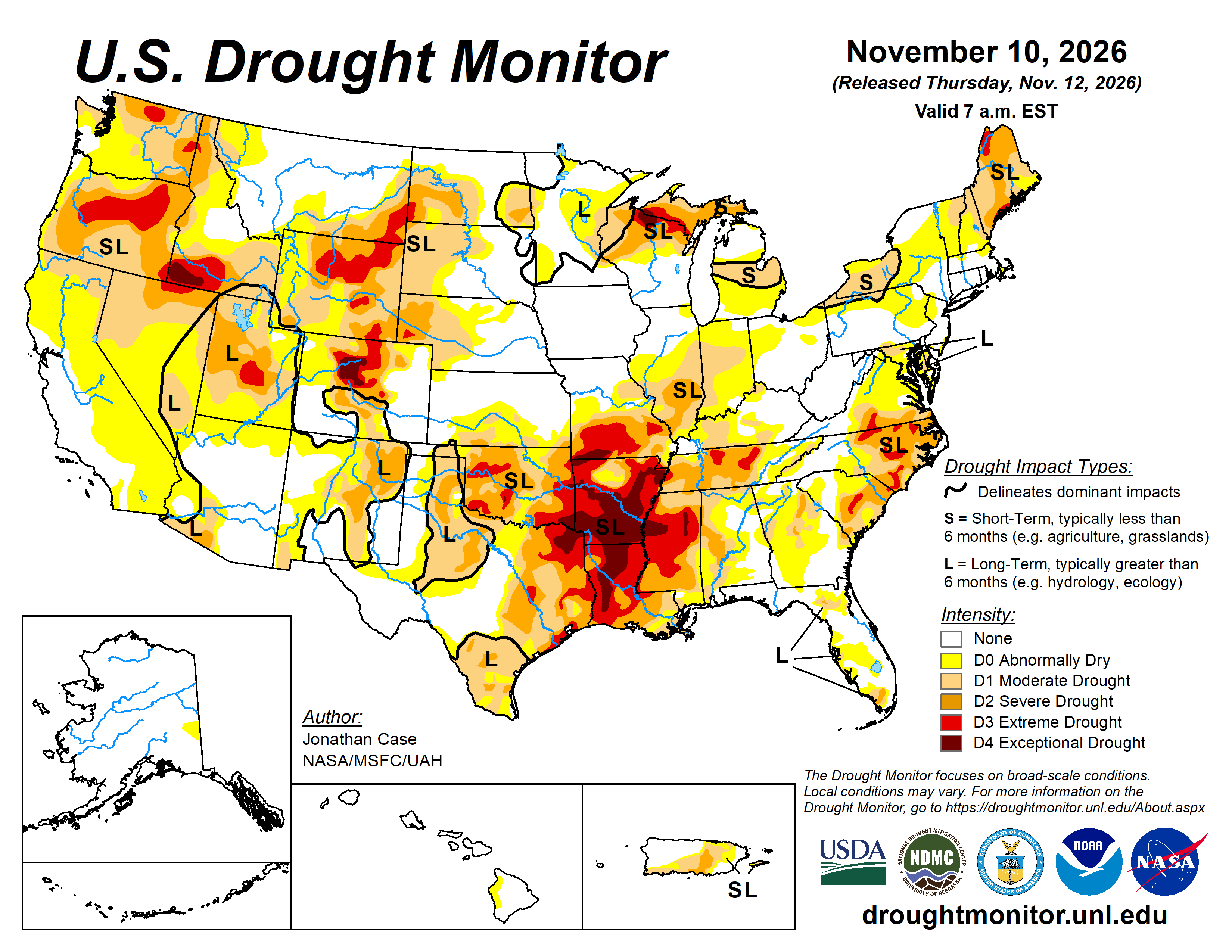
Still dry but according to this map we are in an oasis of ' not a drought' just 'very dry'.
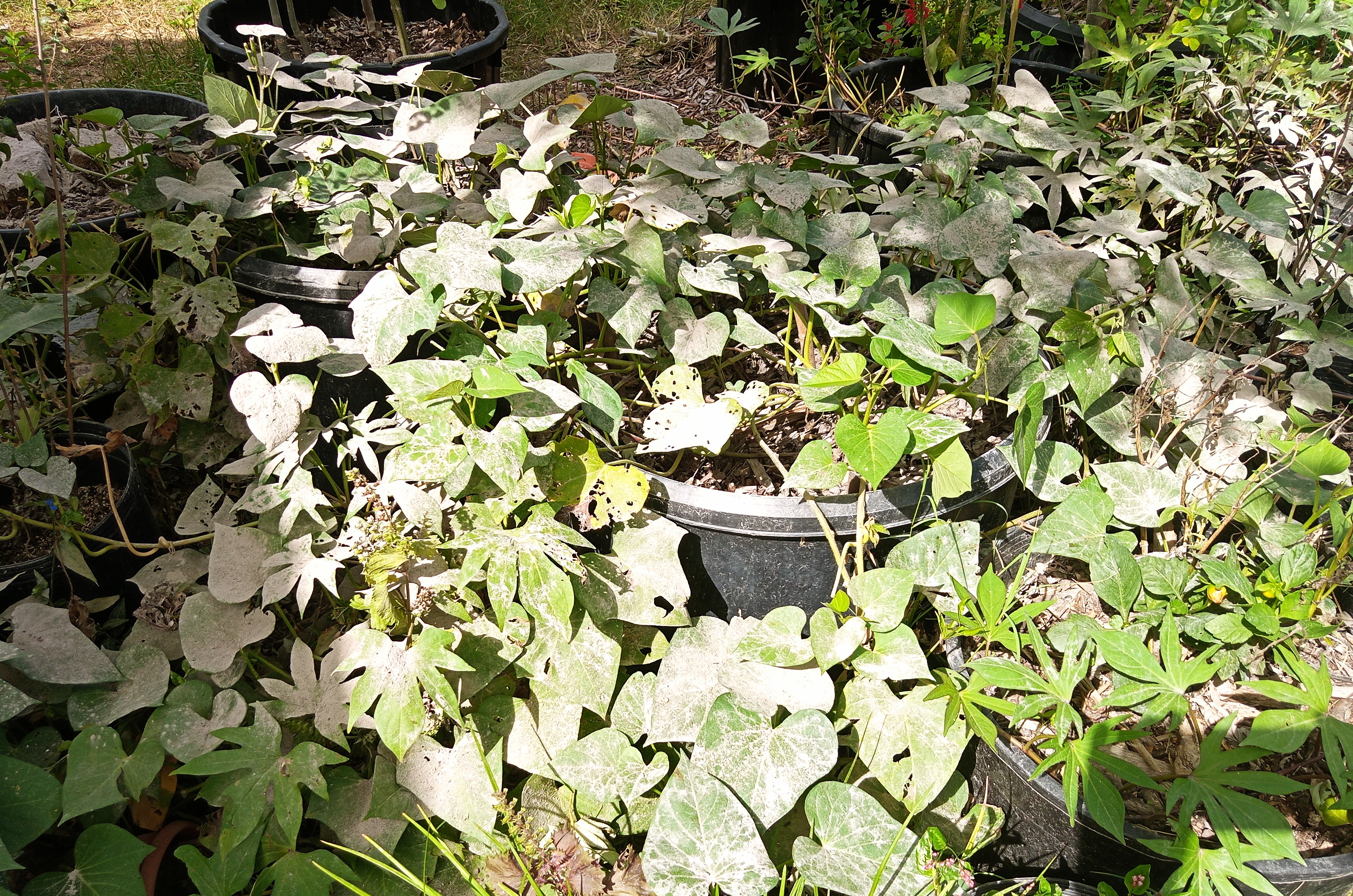
IMG_20261013_124525_983-2.jpg
sweet potato leaves dusted with woodashes
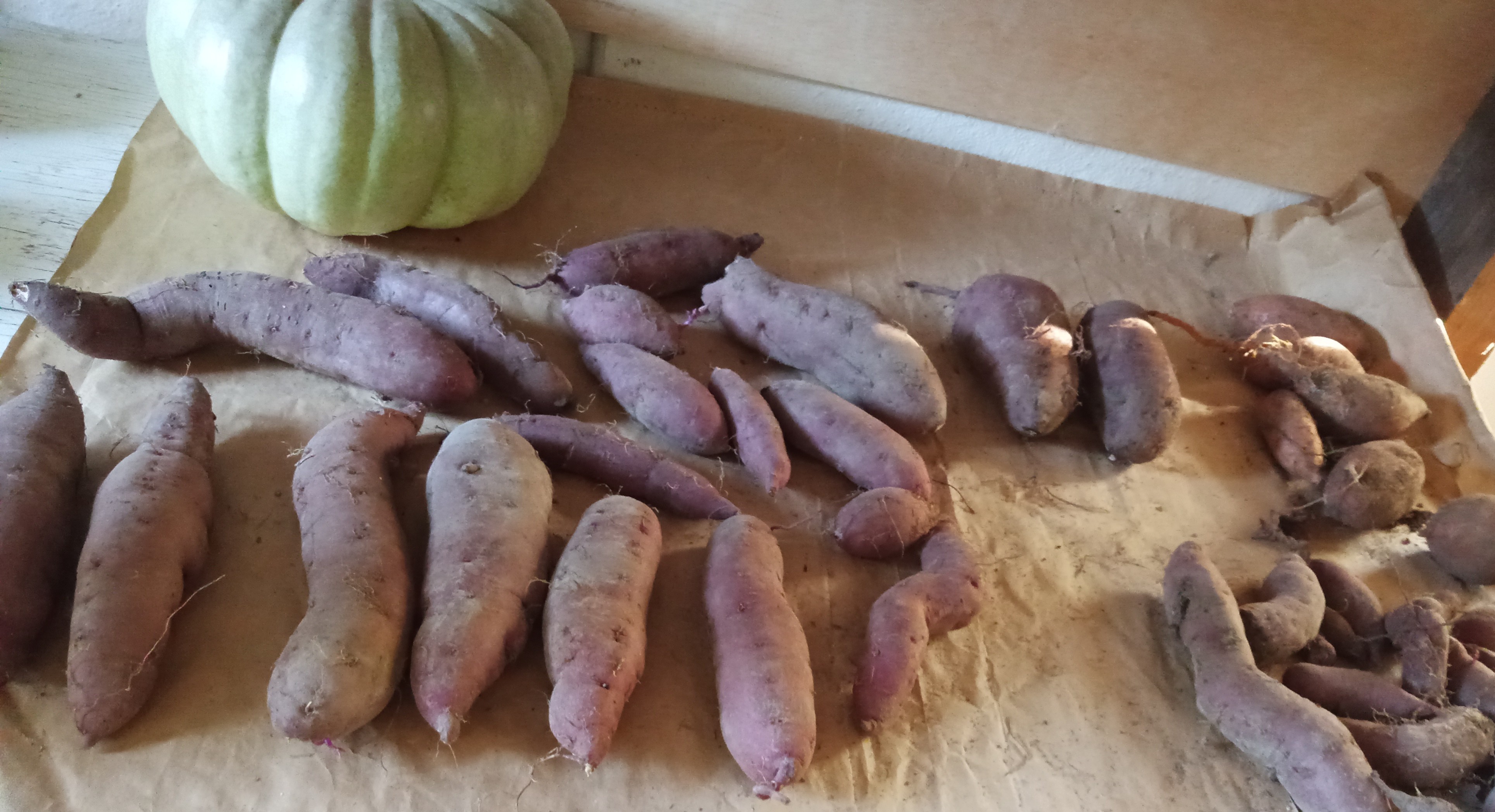
IMG_20261012_091809_857-2.jpg
first purple sweet potatoes
IMG_20261012_091732_752-2.jpg
first peanuts
first peanuts
IMG_20261002_144618_511-2.jpg
porch spider with breakfast
current_ar_text-(2).png
drought map
drought map
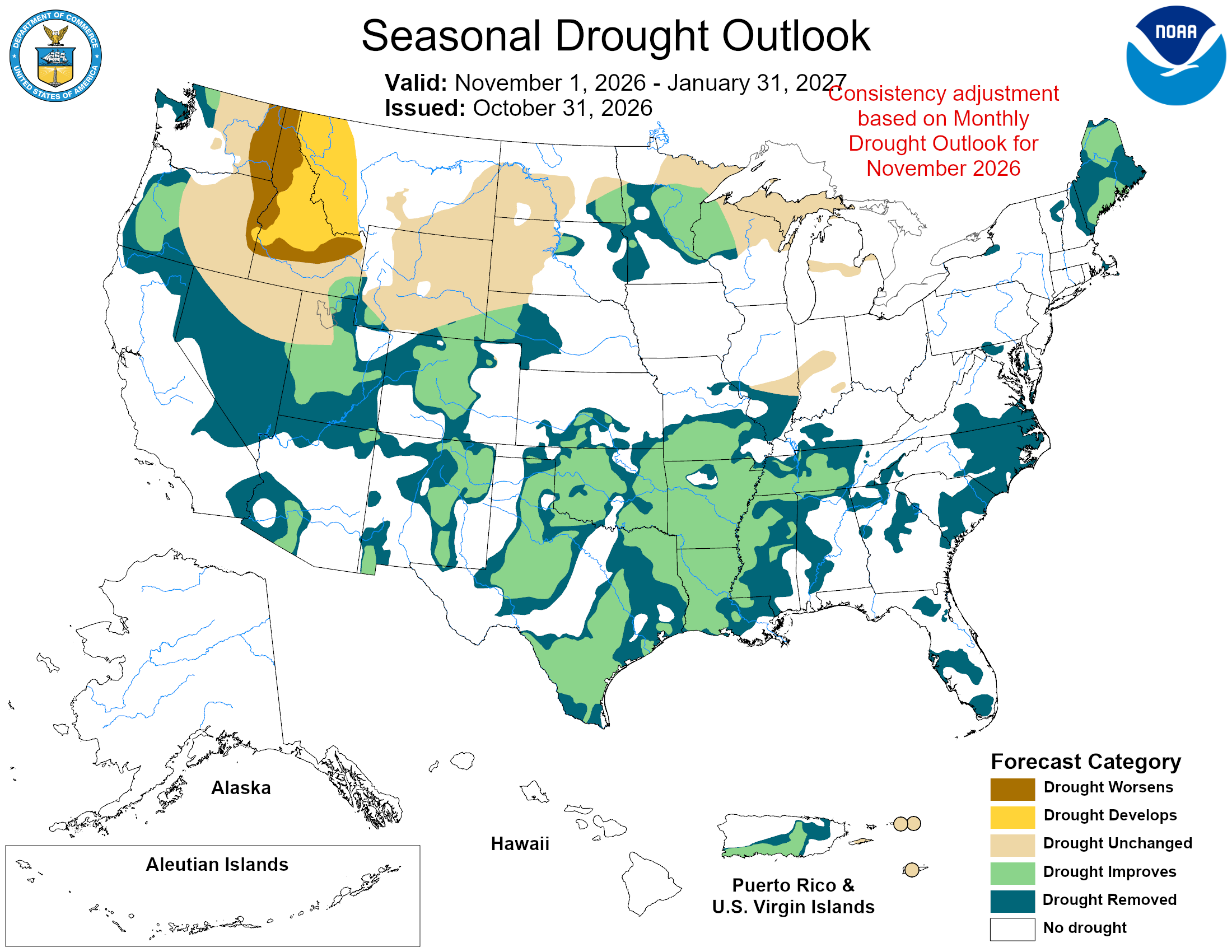
sdohomeweb-(1).png
national USA drought map
 
May Lotito
gardener
Posts: 2364
Location: Zone 6b
1631
forest garden fungi books chicken fiber arts ungarbage
  • Likes 11
  • Mark post as helpful
  • send pies
    Number of slices to send:
    Optional 'thank-you' note:
  • Quote
  • Report post to moderator
We received the much needed rain of 2", thankfully. The drought is hurting local economy and ecology as well. A repeat of last year, wet spring delayed haying till July then the pastures failed to regrow facing summer drought. Only get one cut of hay a year while many places are over stocked with cattles. Trees are slowly dying, even oaks.  I see fewer wildlife as well, from the amount of road kills I encountered.

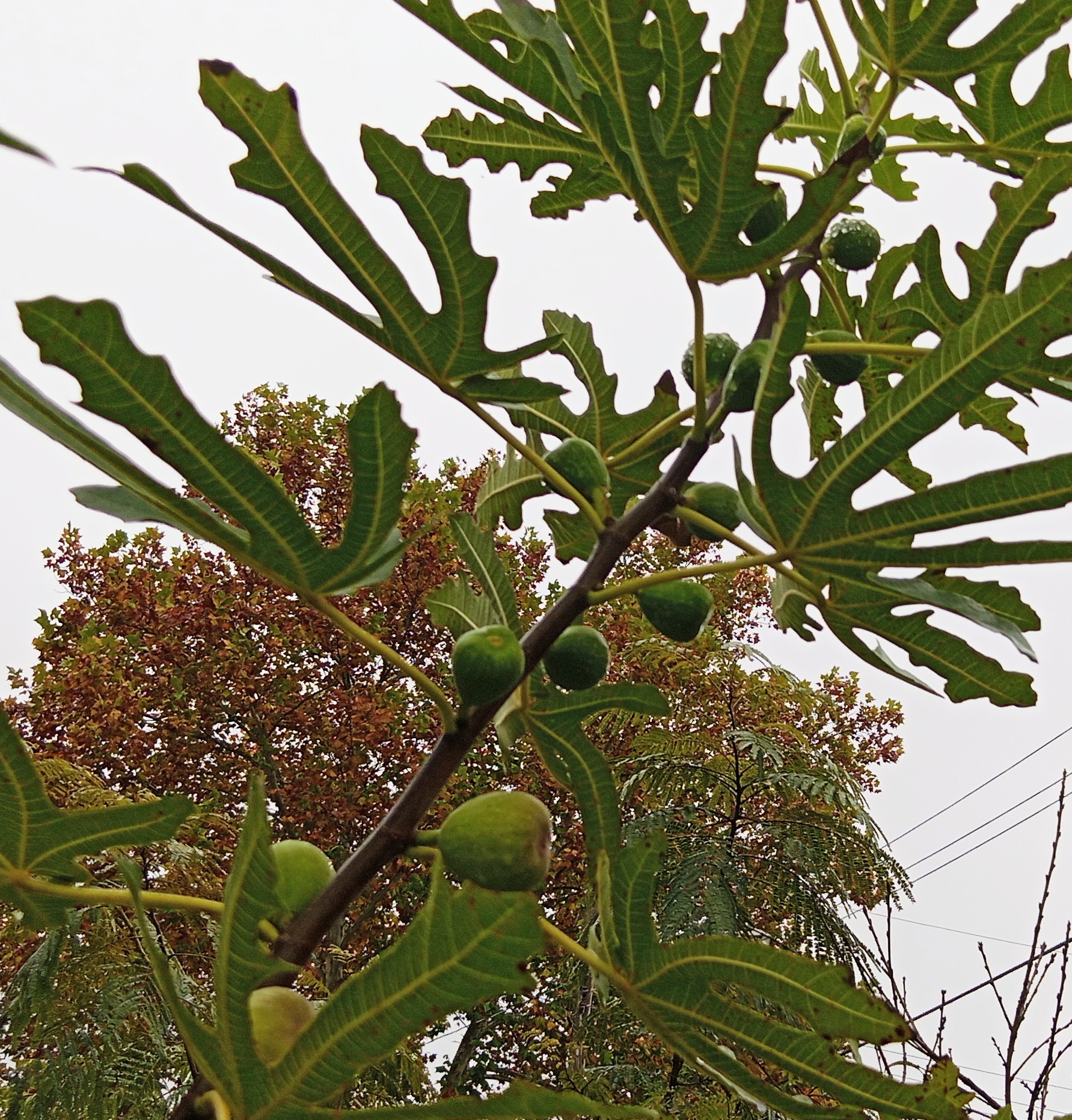
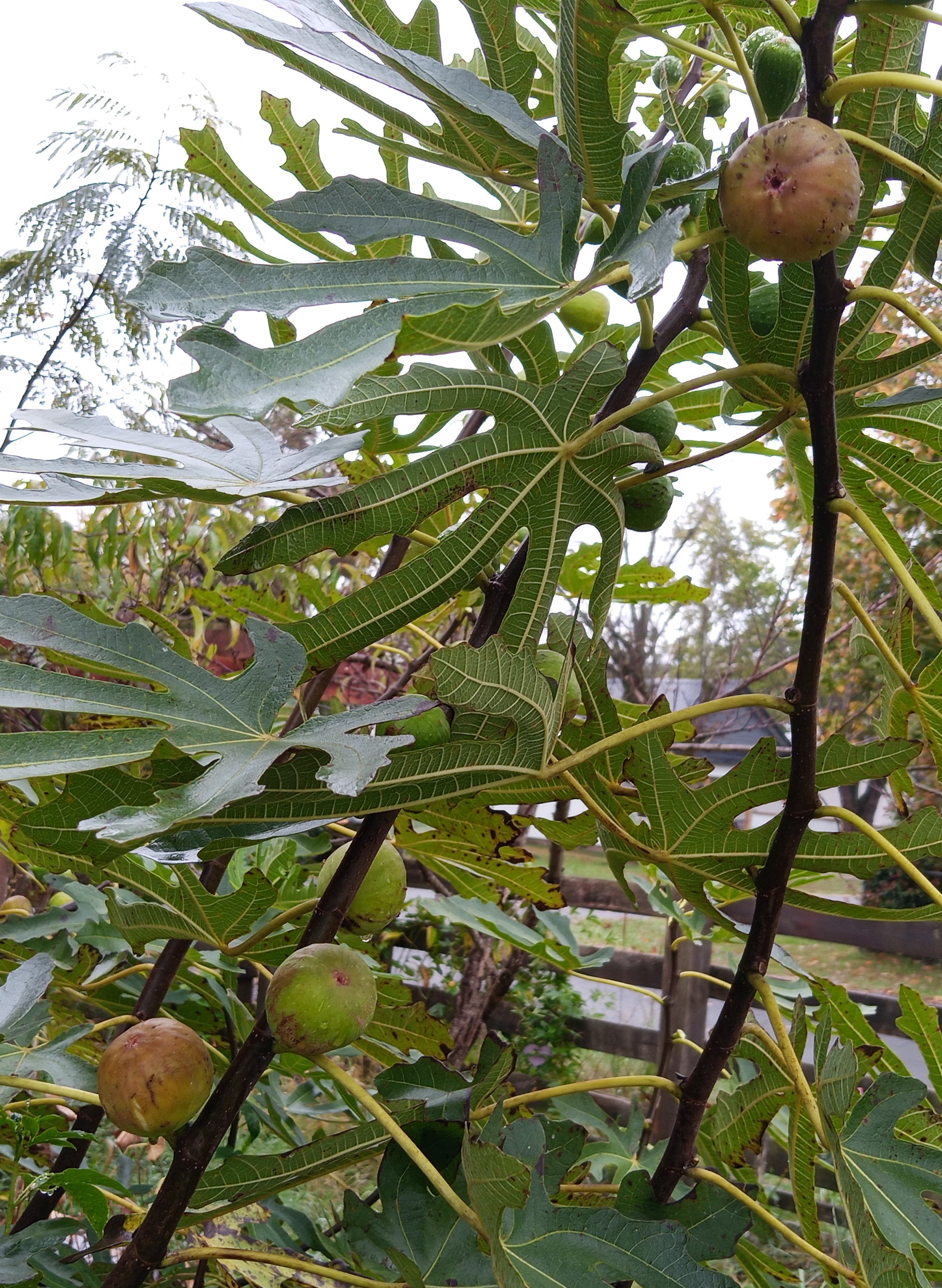
My garden bounced back when temperature went down below 90 two weeks ago, so I am going to try keeping the warm season crops going longer. I still have over 100 figs, lots of green tomatoes and young chayotes to save.

 
Judith Browning
Posts: 10950
Location: a temperate, clay/loam spot on planet earth, the universe
4196
4
  • Likes 5
  • Mark post as helpful
  • send pies
    Number of slices to send:
    Optional 'thank-you' note:
  • Quote
  • Report post to moderator
May, I'm studying your fig thread for help😊
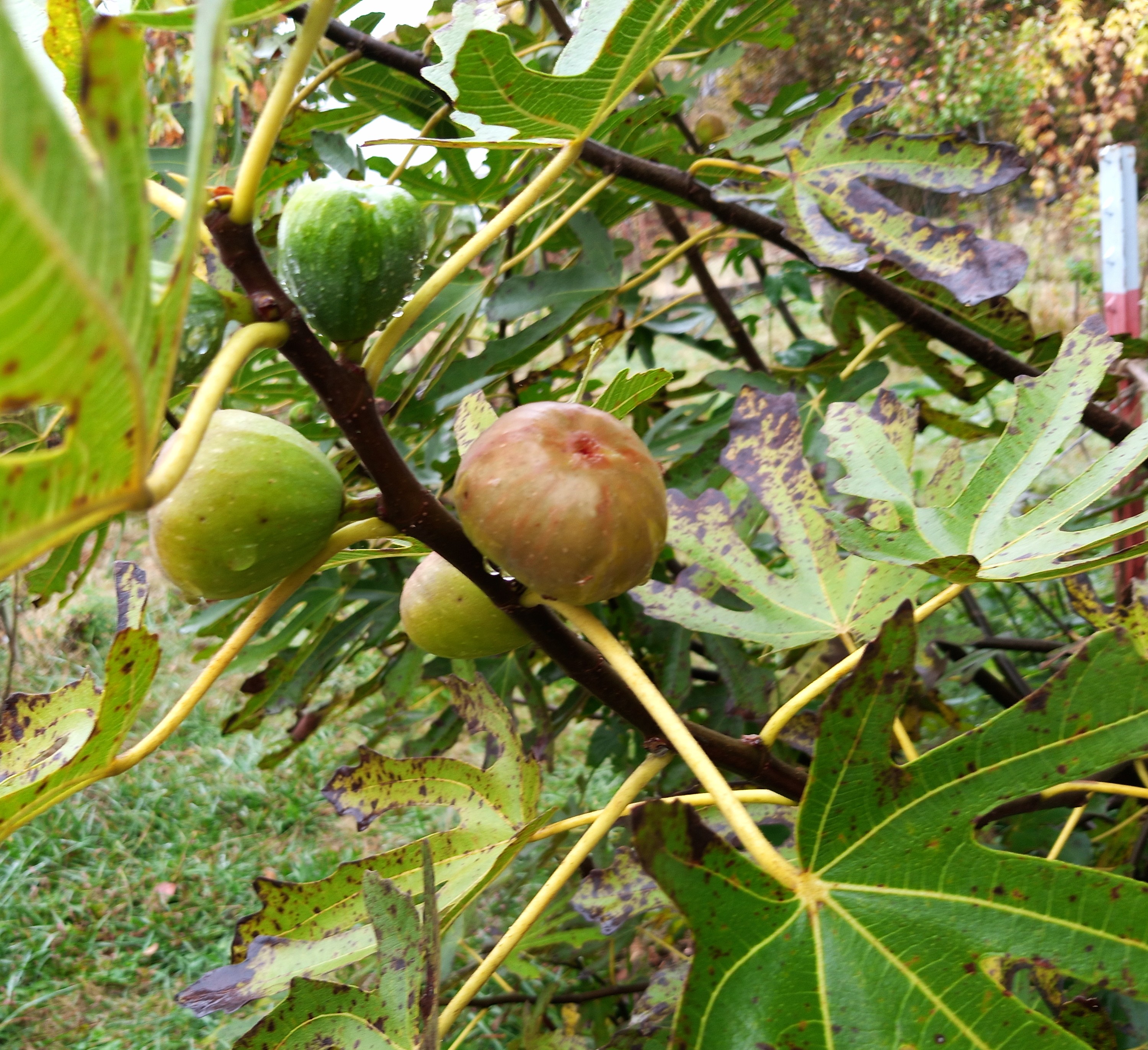
The two trees we covered well over the winter have had a steady few figs a day for awhile now but the ants here attack them almost as soon as they get big so we have to pick them soft but rarely fully ripe.  Next year I'll try some dble sided tape on the trunks.
I keep hoping the tree frogs come back that were living in the porch fig and I think eating ants just a few years ago.

We had frost two nights this past week but no garden damage...even a basil I left was ok.

glad you got some rain!
Looks like at least a week of highs in the seventies and lows in the upper forties here....and dry so I'm watering every day still.
 
May Lotito
gardener
Posts: 2364
Location: Zone 6b
1631
forest garden fungi books chicken fiber arts ungarbage
  • Likes 10
  • Mark post as helpful
  • send pies
    Number of slices to send:
    Optional 'thank-you' note:
  • Quote
  • Report post to moderator
All is well, thanks. Numerous biannual weeds are sprouting after the rain, six weeks later than usual. The warm weather is going to continue and likely November will be warmer and wetter too. That's going to help spring wildflowers and all kinds of pollinators.
I lay down cardboard under fig trees to reduce evaporation. I water about once a week, every time it brings a flush of ripe fruits. There aren't many green figs left.
Brassicas absolutely love the rain and cooler weather. I am harvesting bok choy already. Hardier kale and arugula have no problem overwintering down to 0F if they have the chance to acclimate gradually.
 
Judith Browning
Posts: 10950
Location: a temperate, clay/loam spot on planet earth, the universe
4196
4
  • Likes 9
  • Mark post as helpful
  • send pies
    Number of slices to send:
    Optional 'thank-you' note:
  • Quote
  • Report post to moderator
We had two frosts and no obvious damage so we keep planting since the weather has been upper forties to fifties for a low and sunny and seventies daytime.

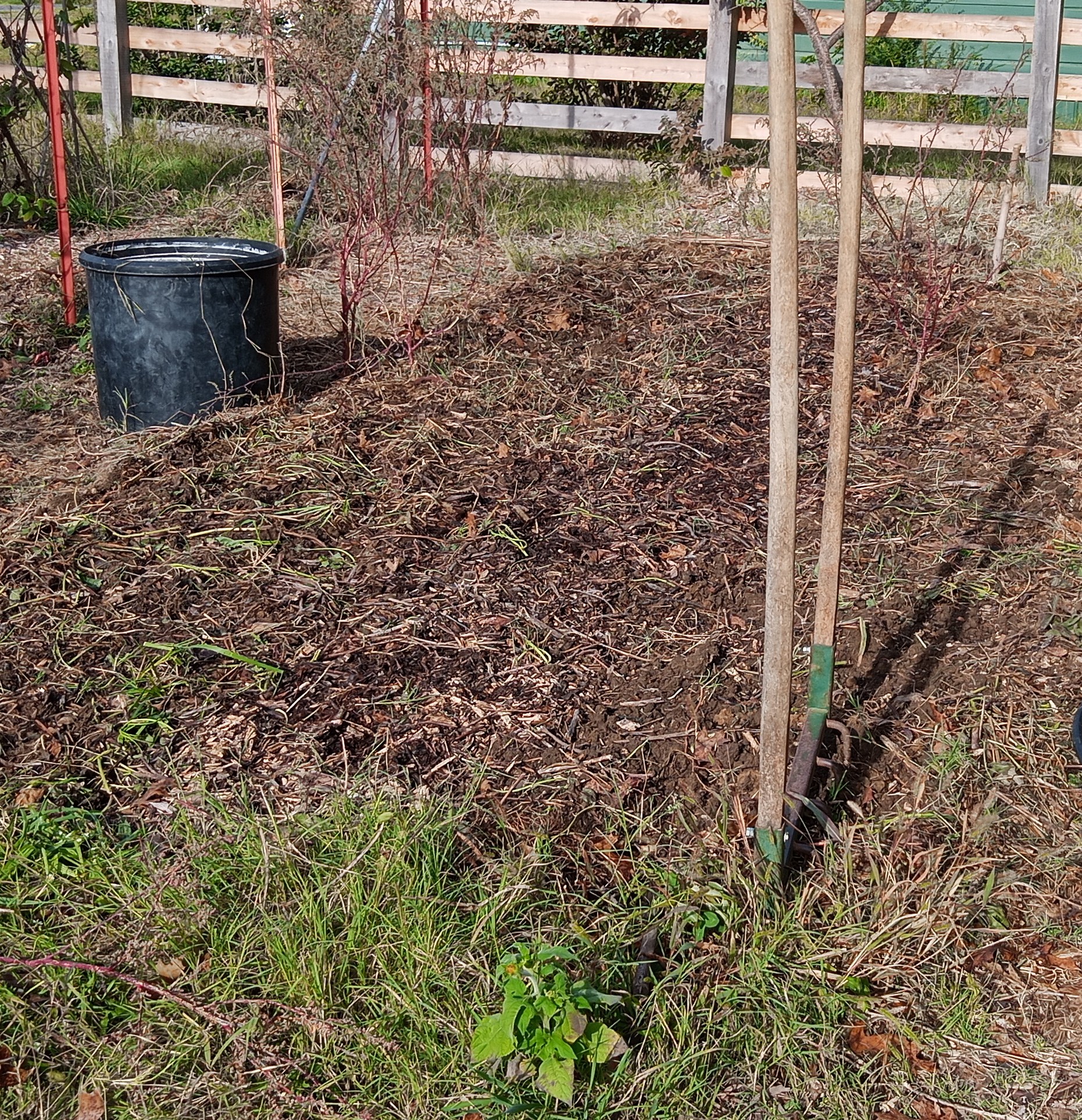
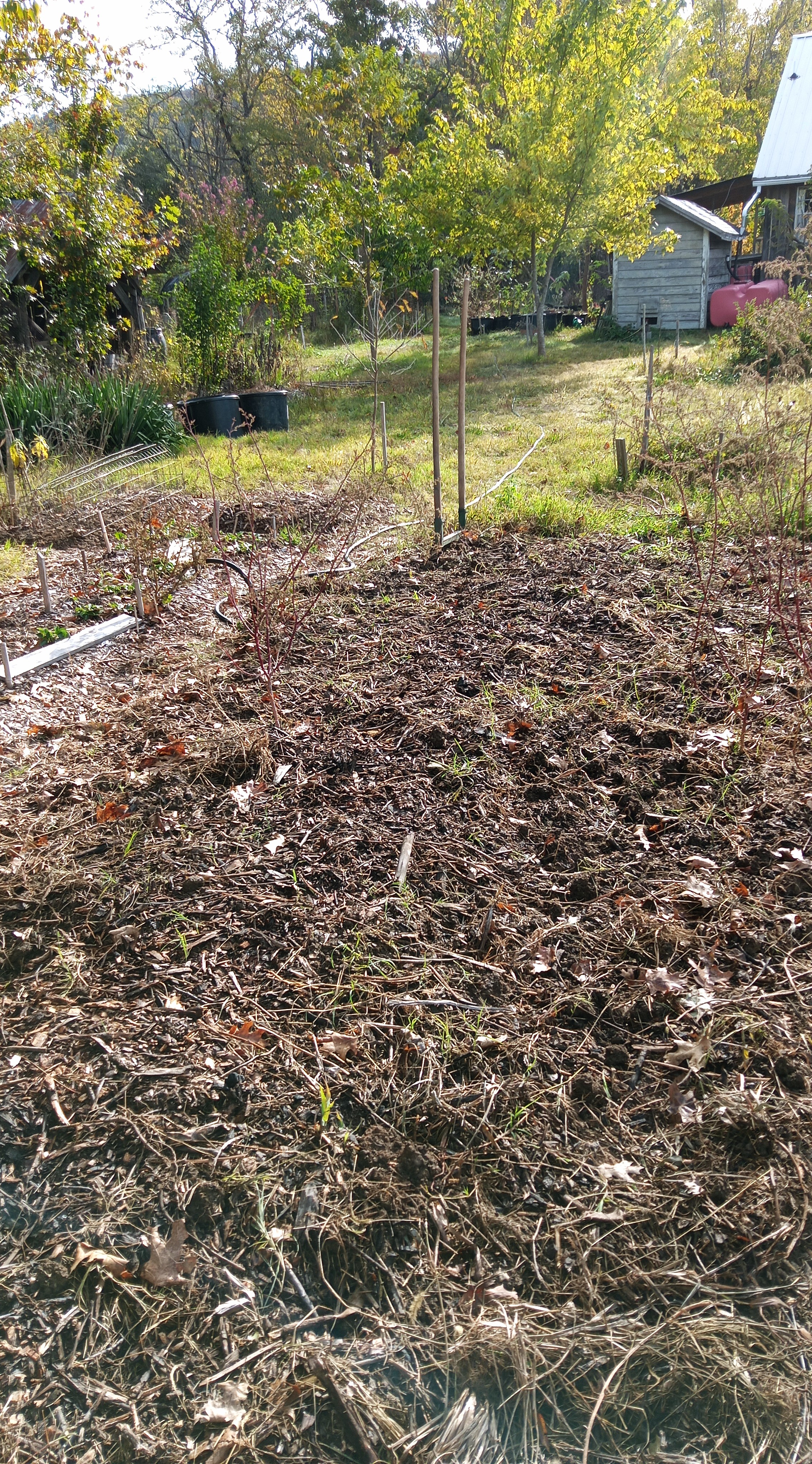
Really kinda hot but I got the broadforking done on one big bed...had to water to soften enough to fork (and remove piles of bermuda grass) and then this morning I planted it in rye grain (organic food grade from Azure Standard) and a little mustard....raked it in and watered well.

Having well water with an electric pump is a game changer for us...made it possible to germinate some fall greens and now the rye.
We have rainwater storage and gradually more but not in the amounts the well can provide.
The municipal water here is expensive so not an option for anything extra but the house.

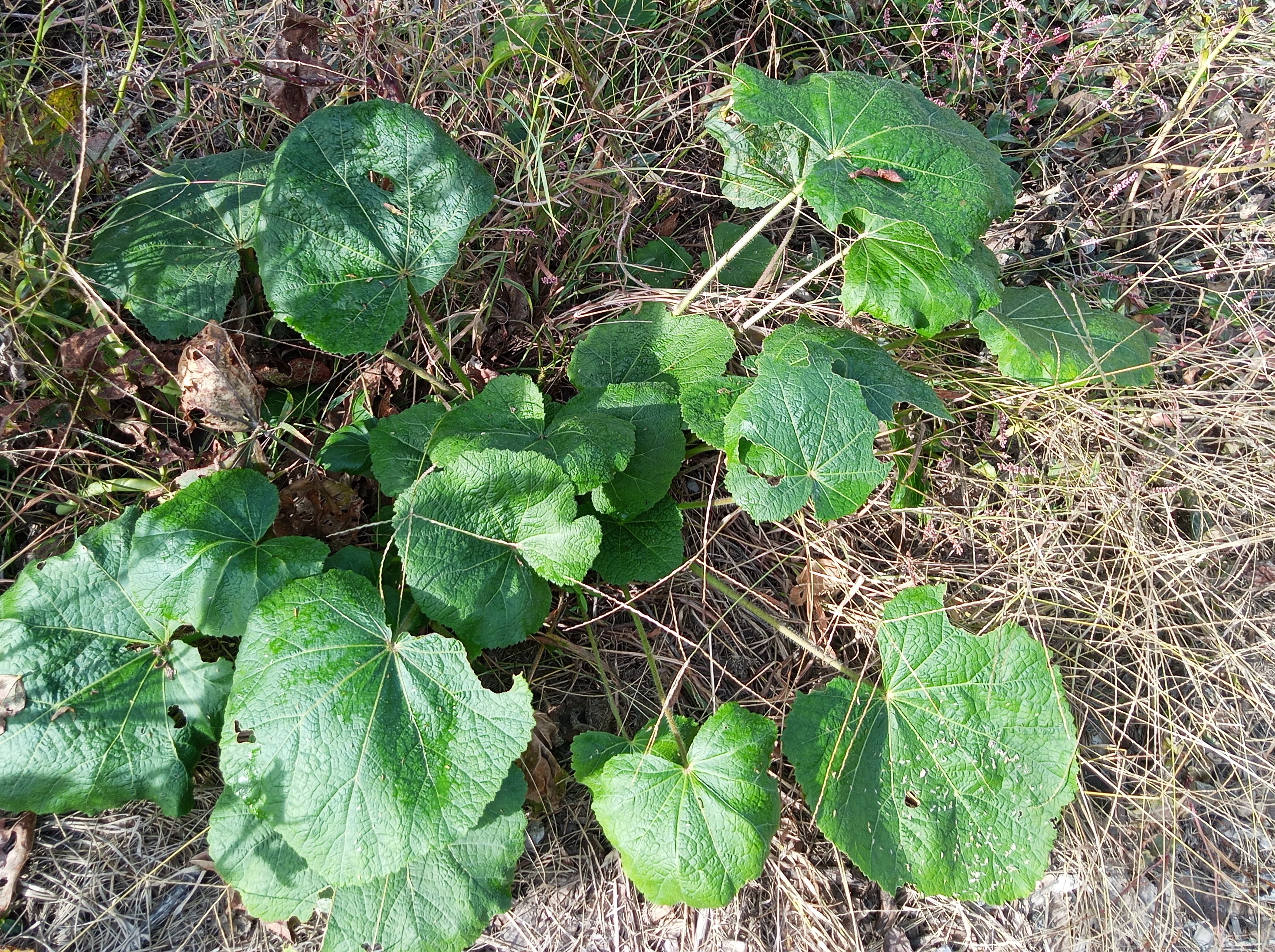
I have several first year hollyhocks from seed as do both son's gardens (thank you Doug!)
IMG_20261025_100632_037-2.jpg
first year hollyhock
IMG_20261025_100525_407-2.jpg
broadforked bed planted in rye grain and mustard
IMG_20261025_100452_285-3.jpg
broadforked bed planted in rye grain and mustard
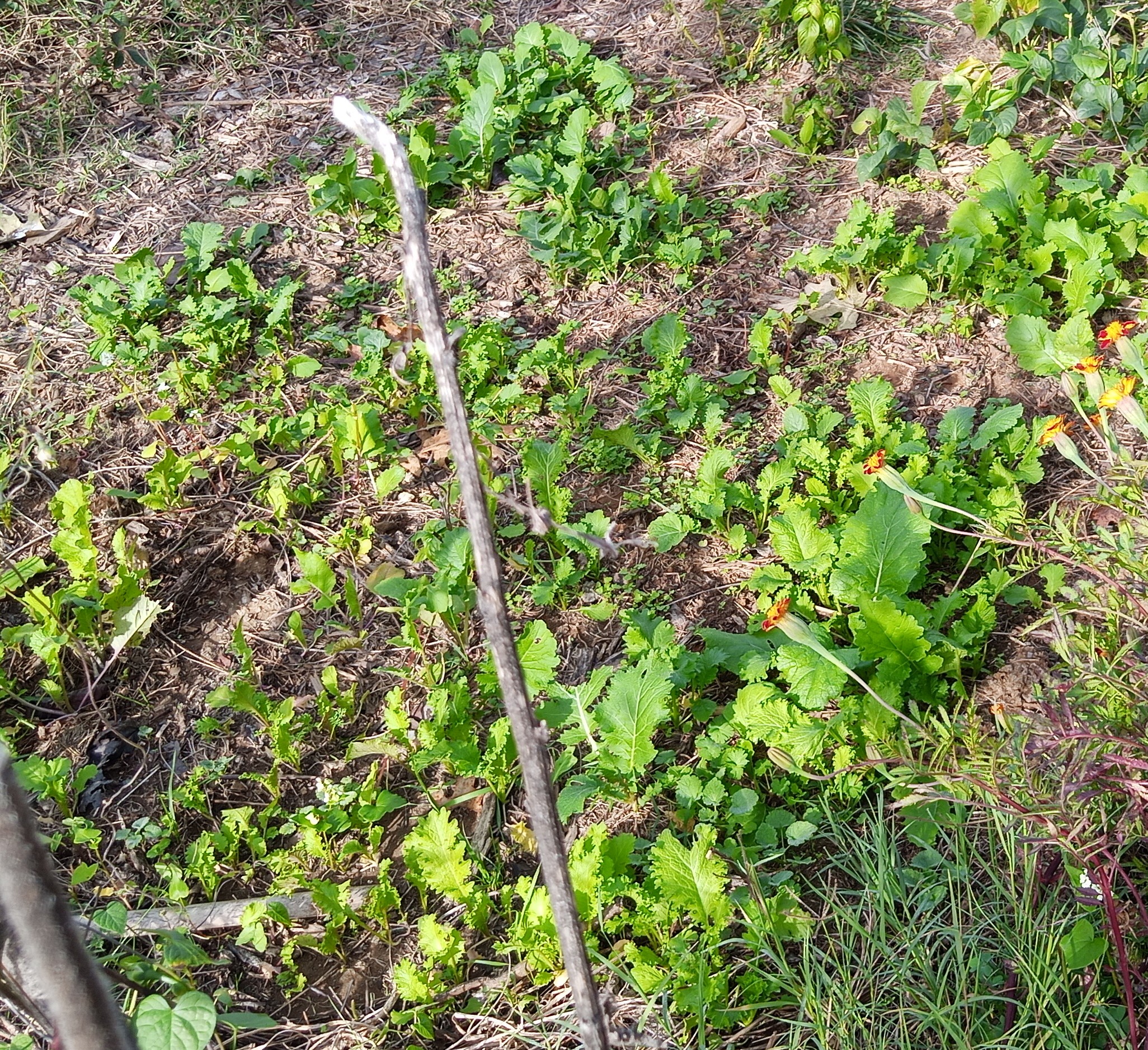
IMG_20261025_100542_863-2.jpg
fall greens
fall greens
IMG_20261025_100445_665-2.jpg
drying bermuda grass
drying weeded bermuda grass and roots
 
Judith Browning
Posts: 10950
Location: a temperate, clay/loam spot on planet earth, the universe
4196
4
  • Likes 4
  • Mark post as helpful
  • send pies
    Number of slices to send:
    Optional 'thank-you' note:
  • Quote
  • Report post to moderator
Posting more drought maps...we are still in a 'very dry' section rather than a drought but the gardens don't know the difference... watering some fall and winter crops daily until the rains begin again.

sdohomeweb-(2).png
[Thumbnail for sdohomeweb-(2).png]
current_usdm.png
[Thumbnail for current_usdm.png]
current_ar_text-(3).png
[Thumbnail for current_ar_text-(3).png]
 
May Lotito
gardener
Posts: 2364
Location: Zone 6b
1631
forest garden fungi books chicken fiber arts ungarbage
  • Likes 7
  • Mark post as helpful
  • send pies
    Number of slices to send:
    Optional 'thank-you' note:
  • Quote
  • Report post to moderator
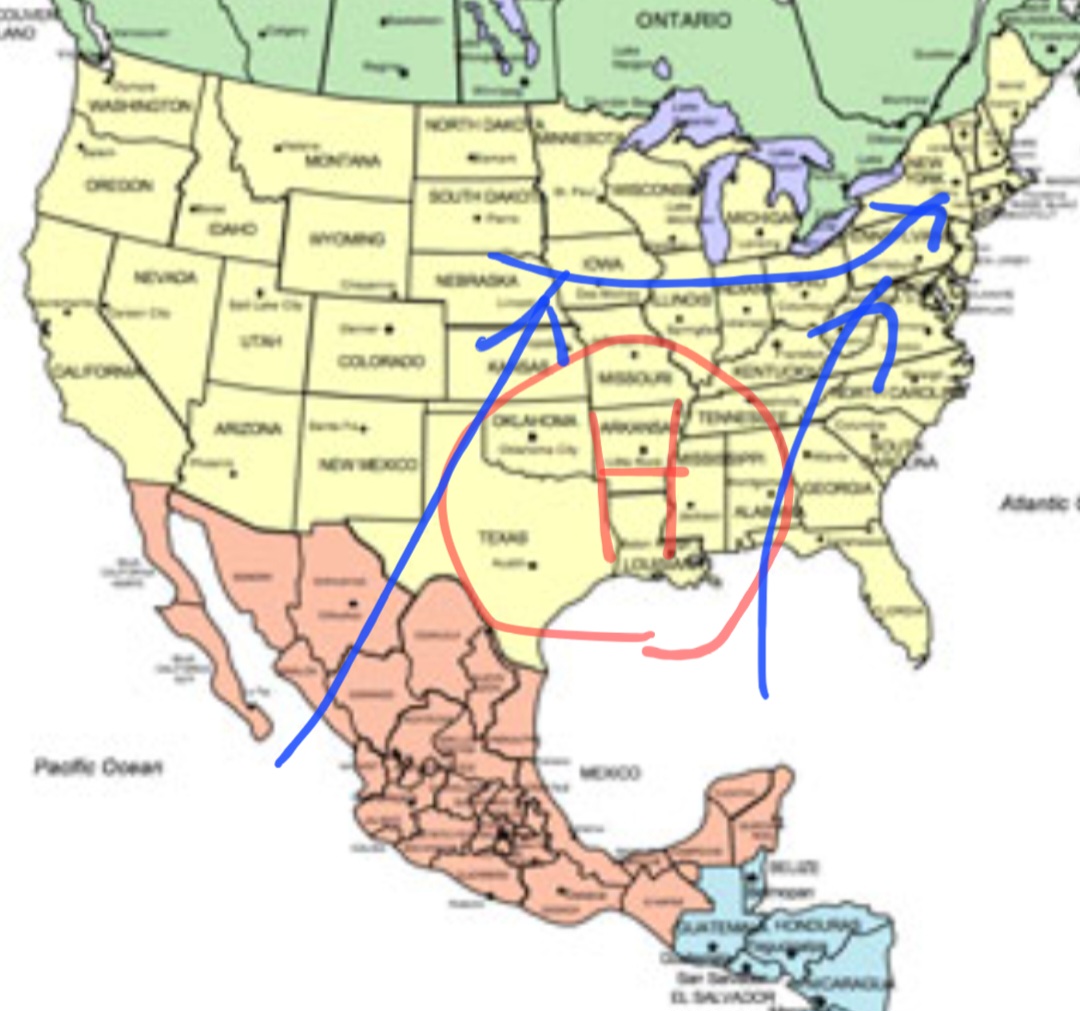
I follow a few weather channels online to get a bigger picture of what is going on. Very few is mentioned about our area, let alone explaining why such a weather pattern happened. The persistent high pressure dome just wouldn't move the whole summer, unless there was major events in the Pacific or Atlantic and Gulf to finally pull some moisture this way. The last significant rain we had was materialized by a rare East Pacific hurricane Simon and strong cold front from Canada, bringing over 2 inches of rain, which was equivalent to we got the entire summer. The majority of Missouri Ozarks and Arkansas aren't that lucky. This year, the region is too west for Altantic hurricanes, too north for gulf moisture, too east for Pacific hurricanes, too south for high latitude jet streams.

I don't know what this winter or next year going to be like. Last year November was very wet. I do hope the pattern repeat to ease the drought. If not, I will need to give my fruit trees a deep soak to help them overwinter and pay extra $100 water bill for that.
Ozark-drought.jpg
[Thumbnail for Ozark-drought.jpg]
 
Judith Browning
Posts: 10950
Location: a temperate, clay/loam spot on planet earth, the universe
4196
4
  • Likes 5
  • Mark post as helpful
  • send pies
    Number of slices to send:
    Optional 'thank-you' note:
  • Quote
  • Report post to moderator
Rain chances have improved and forecast shows 2"-3" for tomorrow!
Need to finish digging sunchokes today and plan where to broadfork next.
I have a half gallon of sliced ones fermenting and hoping for one more jar.


Figs are ripening faster once I began watering them....expecting some splitting with this amount of rain forecast.

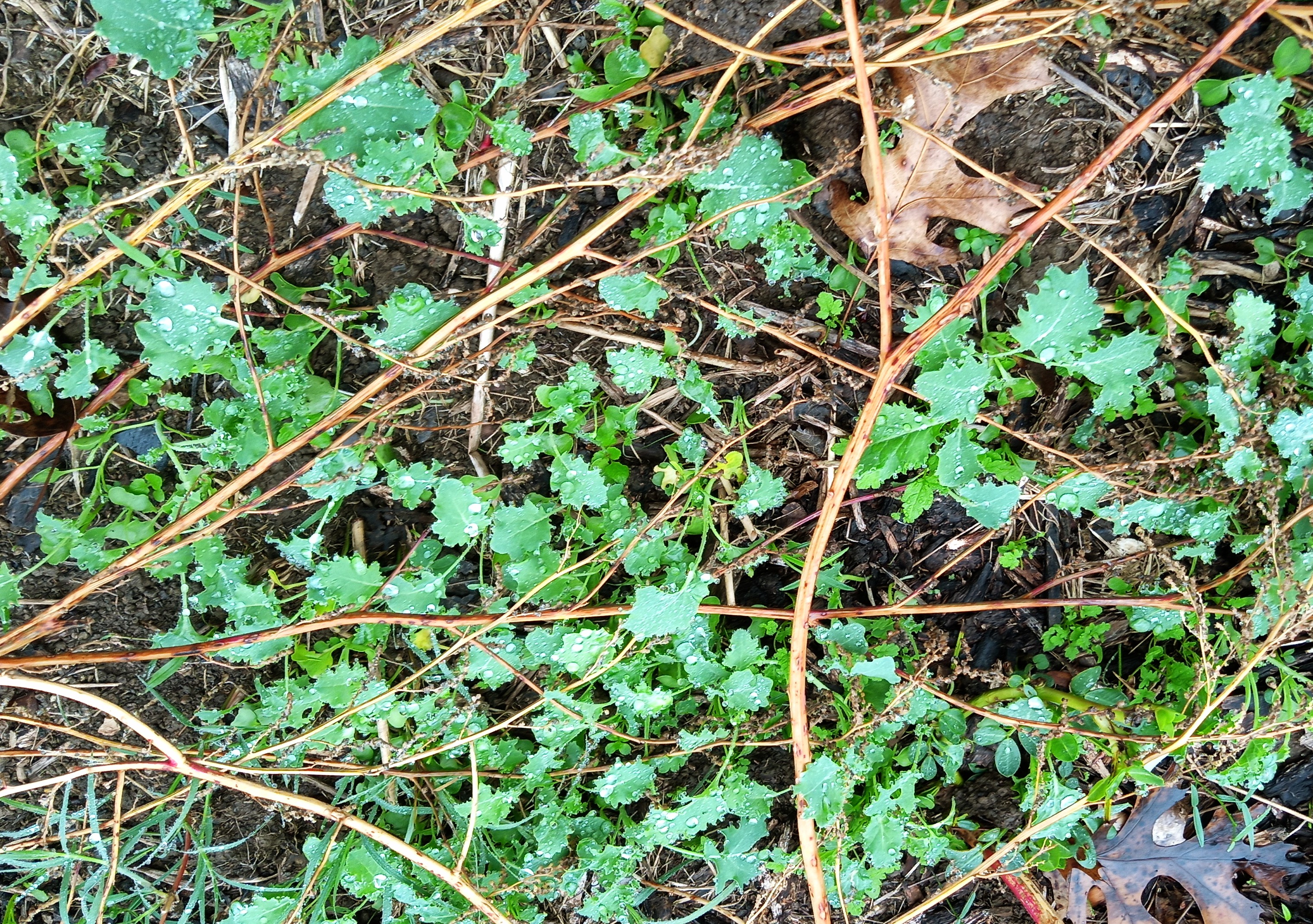
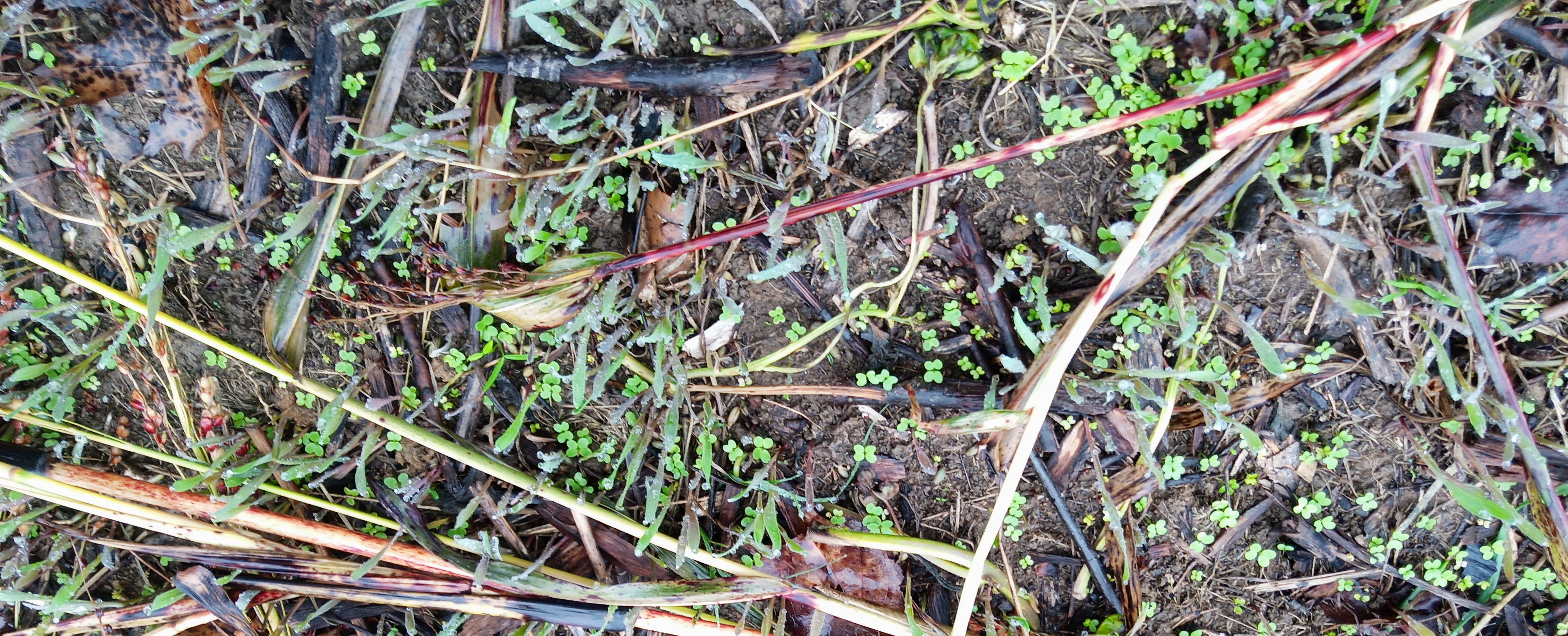
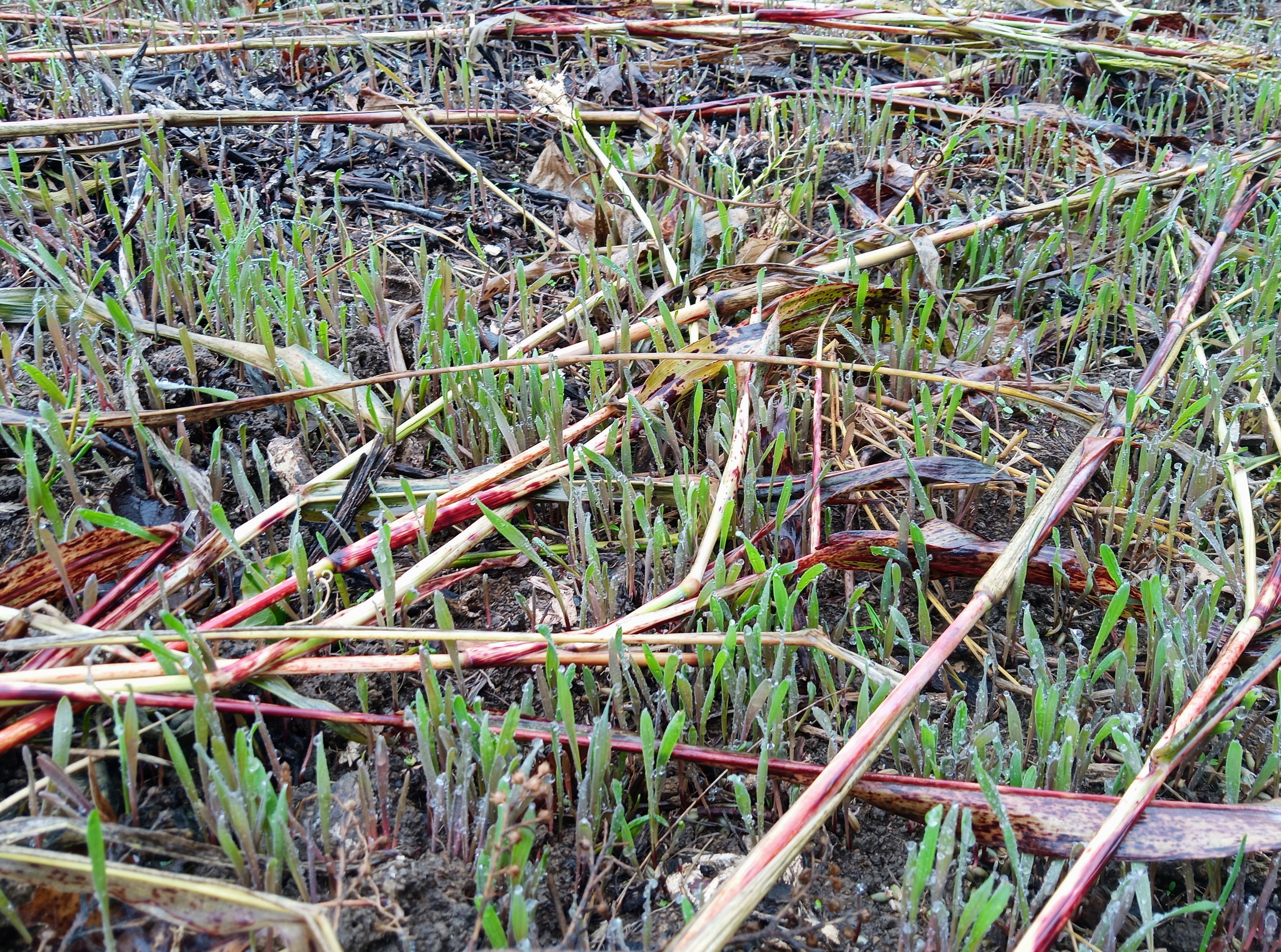
Got a nice rye germination....I've laid broom corn stalks on the bed to keep cats out but once it's up a little taller they won't bother it....hoping the rye protects my little patch of mustard.

Winter peas are up in tubs where I'll be cutting tips for greens.

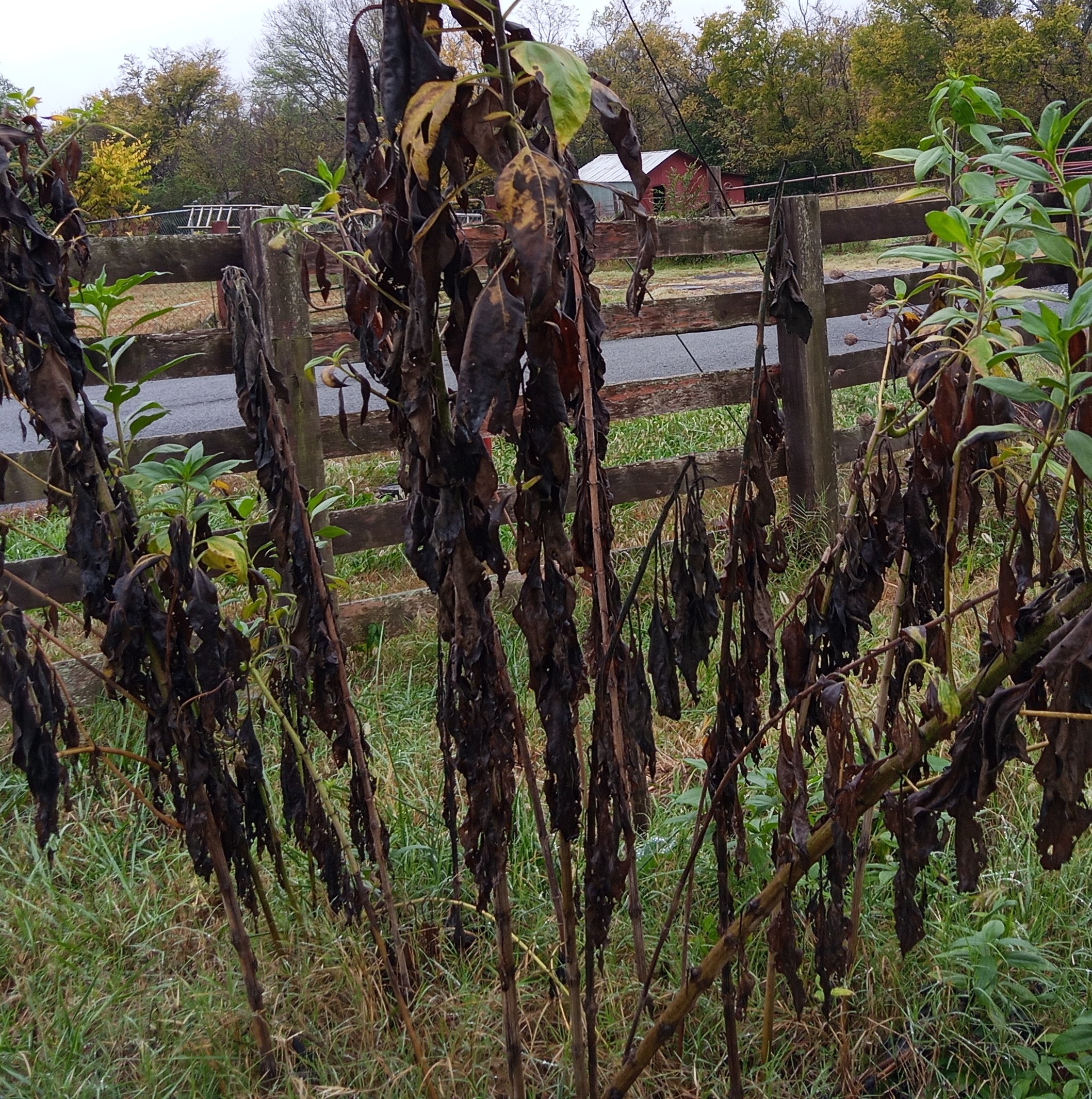
It's a little strange to have missed an october killing frost...cowpeas and long beans are still blooming and setting beans  and I suppose I could have left the sweet potatoes and moringa in the ground longer?

Dahlias are still blooming and zinnias and cosmos and salvias and chicory and tithonia...

My hops turned brown rather than yellow...it's not happy, too crowded...next year I:ll do something about that.


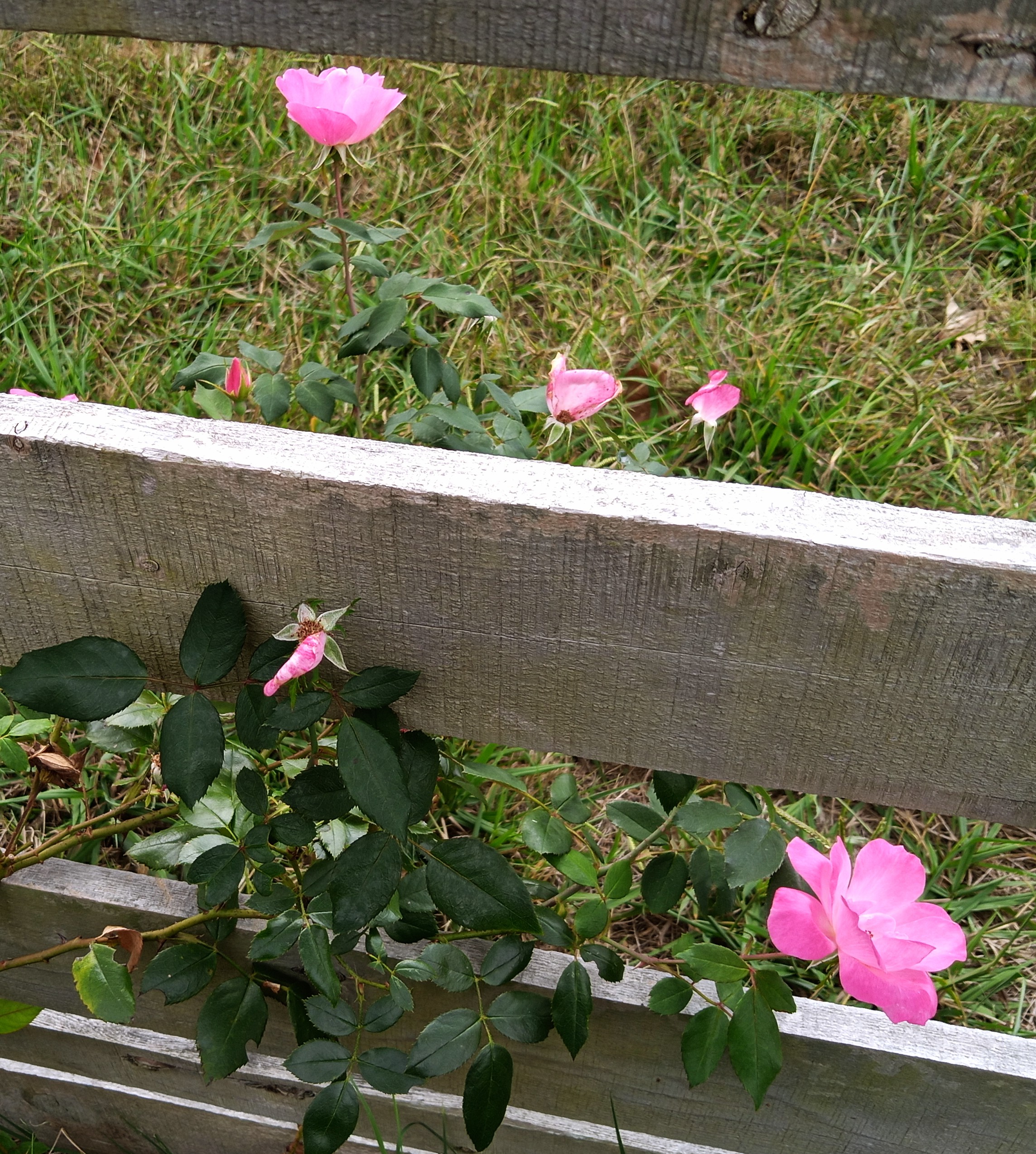
IMG_20261029_141300_621-2.jpg
rose from cutting from the bush at the auto parts store
IMG_20261101_082243_579-2.jpg
texas pink dawn figs ripening
IMG_20261101_082228_088-2.jpg
texas pink dawn figs ripening
IMG_20261101_082321_564-2.jpg
texas pink dawn figs ripening
IMG_20261101_082302_775-2.jpg
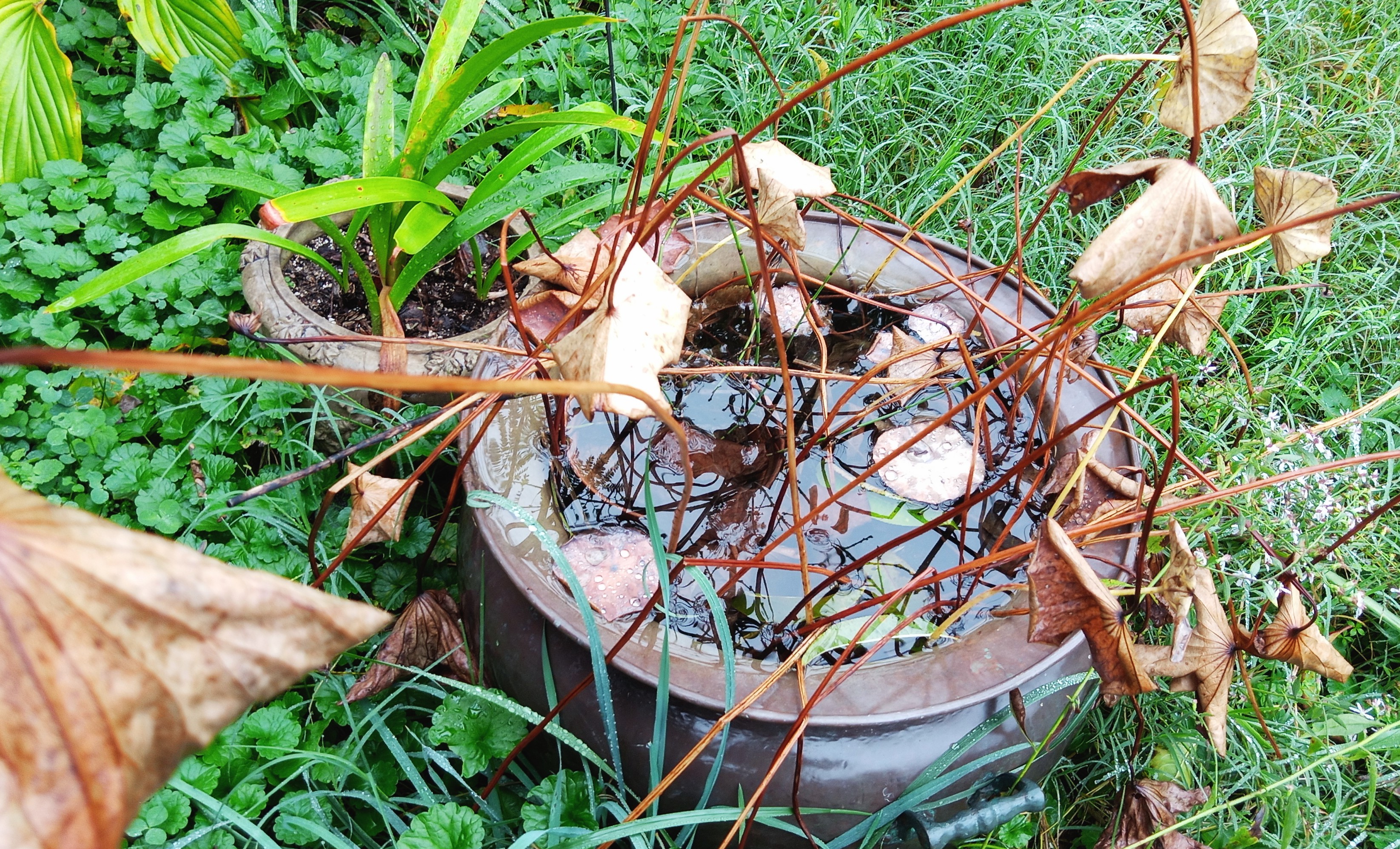
frost bit lotus
frost bit lotus
IMG_20261101_082146_721-2.jpg
sunchokes to dig
sunchokes to dig
IMG_20261101_082108_805-2.jpg
mixed greens
mixed greens
IMG_20261101_081850_392-2.jpg
kale
kale
IMG_20261101_081749_286-2.jpg
mustard and cereal rye
IMG_20261101_081723_190-2.jpg
cereal rye
cereal rye
 
Judith Browning
Posts: 10950
Location: a temperate, clay/loam spot on planet earth, the universe
4196
4
  • Likes 10
  • Mark post as helpful
  • send pies
    Number of slices to send:
    Optional 'thank-you' note:
  • Quote
  • Report post to moderator
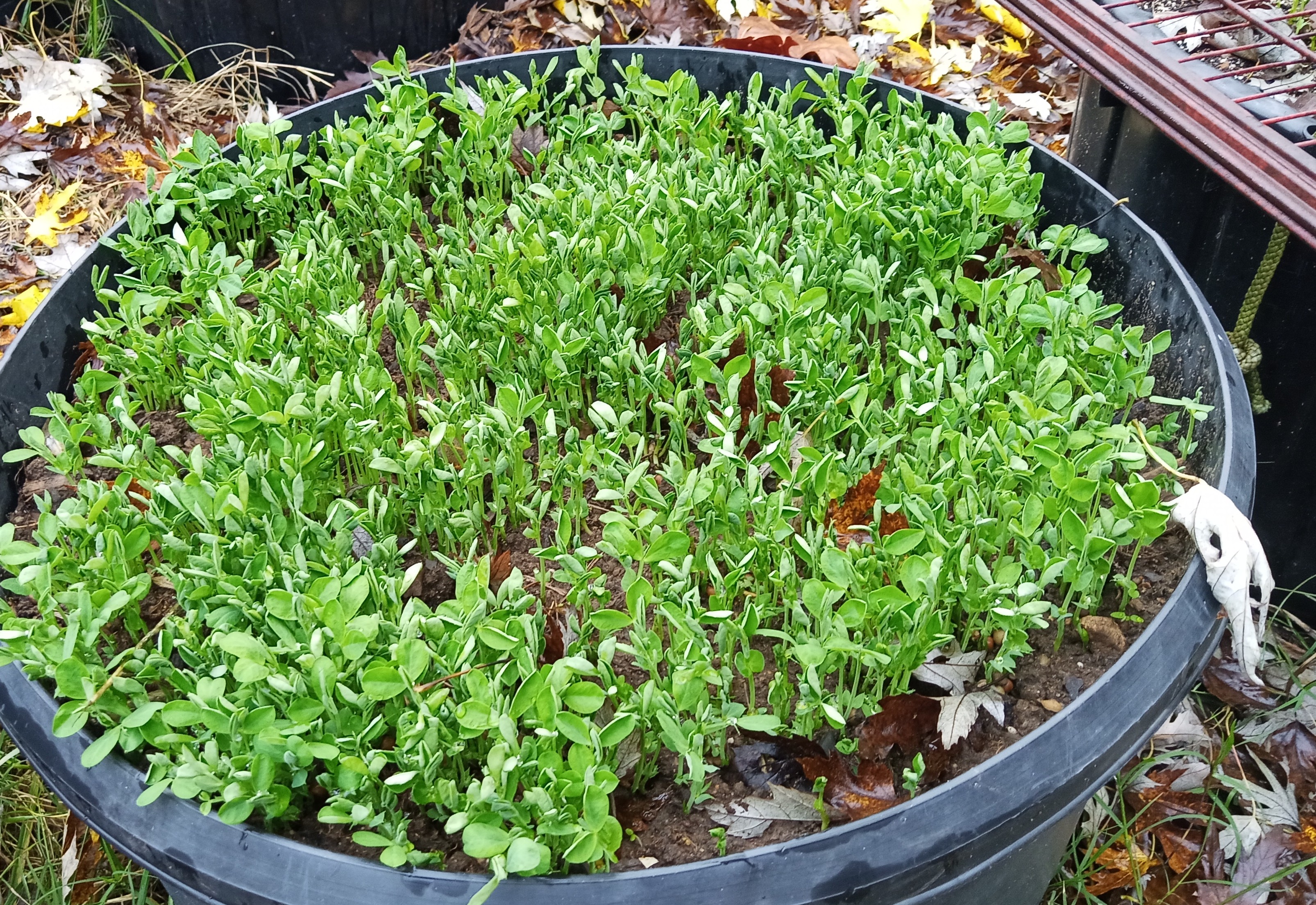
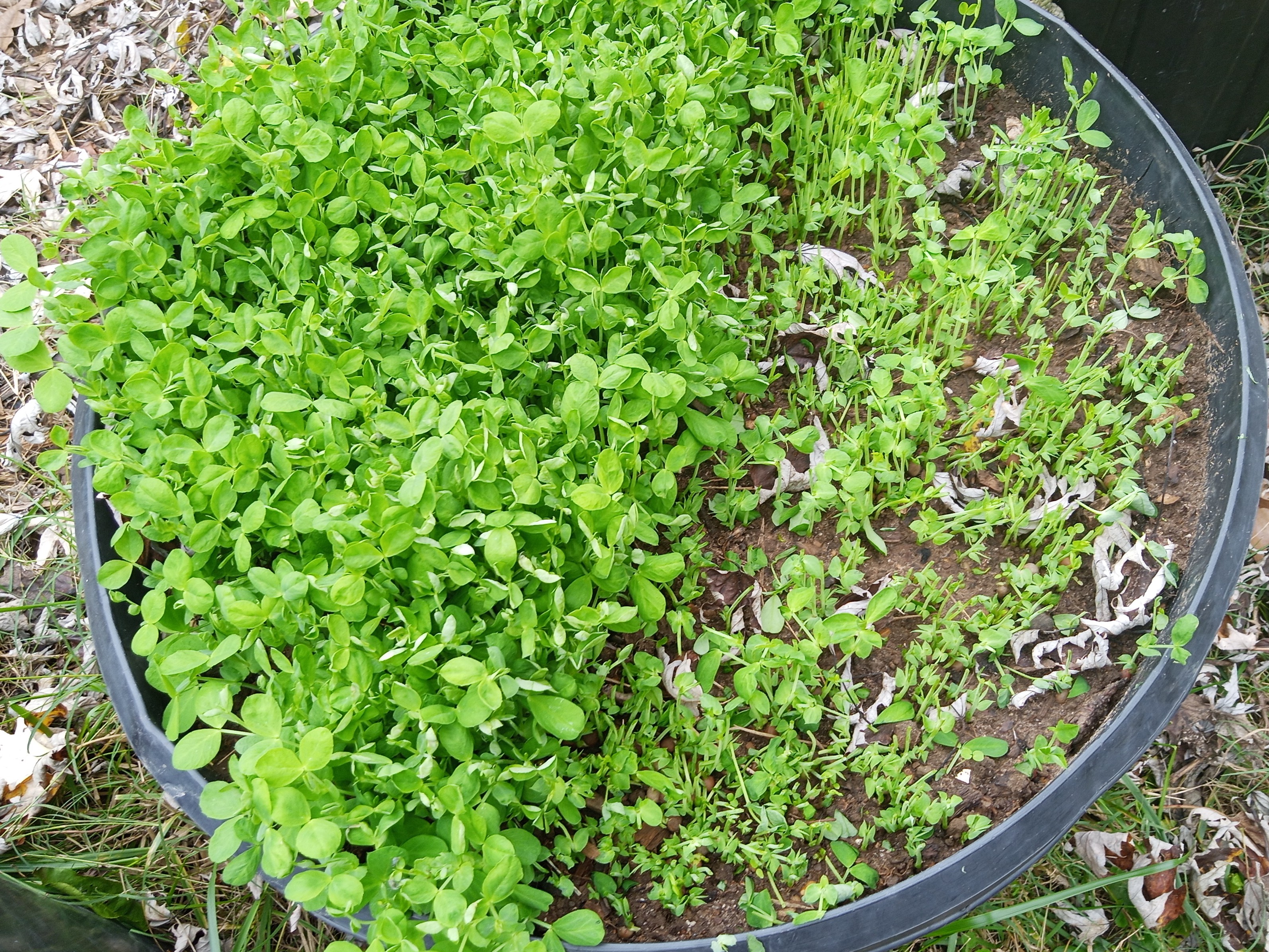
I am following moringa and sweet potatoes with winter peas in the 20 gallon tubs.

Here's one that's almost ready to cut for microgreens.
I've staggered the plantings so they will last well into the winter and we can trim them 2 or 3 times before letting them grow as they wish.
I'm counting on some good underground activity to improve this soil from dying roots and later in the early spring when I cut the tops back completely there will be a nice green mulch on top  to decompose.

I haven't found a companion to go with the peas that doesn't interfere with their growth...any ideas?  Something that would be clipable and equally tender for eating along with the peas?....and winter hardy?  ....maybe kale?

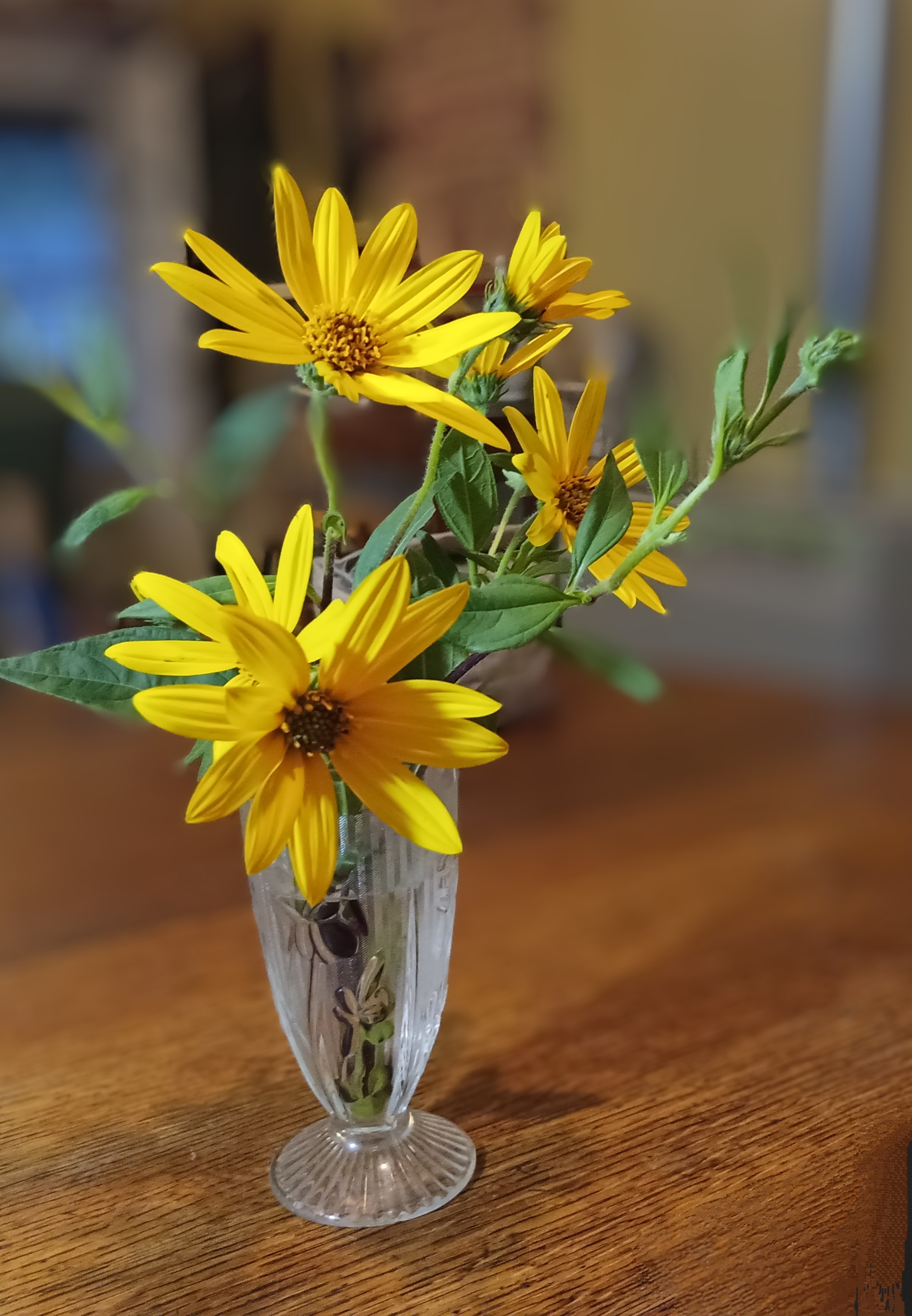
had to add a photo of sunchoke blooms 🌞
IMG_20261102_154748_866-2.jpg
winter peas
winter peas
IMG_20261103_065201_282-2.jpg
sunchoke blooms
sunchoke blooms
 
May Lotito
gardener
Posts: 2364
Location: Zone 6b
1631
forest garden fungi books chicken fiber arts ungarbage
  • Likes 9
  • Mark post as helpful
  • send pies
    Number of slices to send:
    Optional 'thank-you' note:
  • Quote
  • Report post to moderator
I plant small garlic bulbs for the mild and tender greens. Cut the tips and they keep on growing for multiple harvests. This fall is milder than usual and the shoulder season is actually much more productive than the summer. I have different combinations of crop rotation that work well:
Winter rye cover crop /corn/ fall potato & garlic
Spring potato/squash/ fall cruciferous
Garlic/ legume cover crop/ fall cruciferous
The schedules are more towards mid south than mid west.
20261103_09.jpg
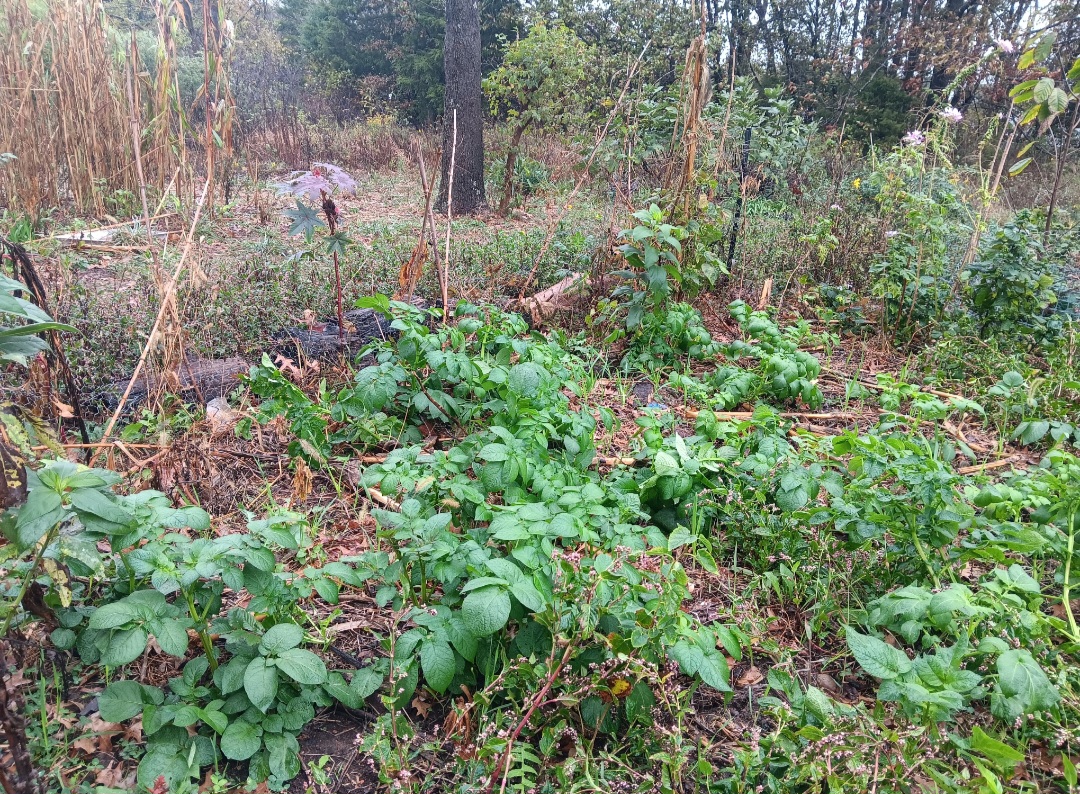
Potato following corn
20261103_36.jpg
Daikon and turnip after kabocha
20261103_40.jpg
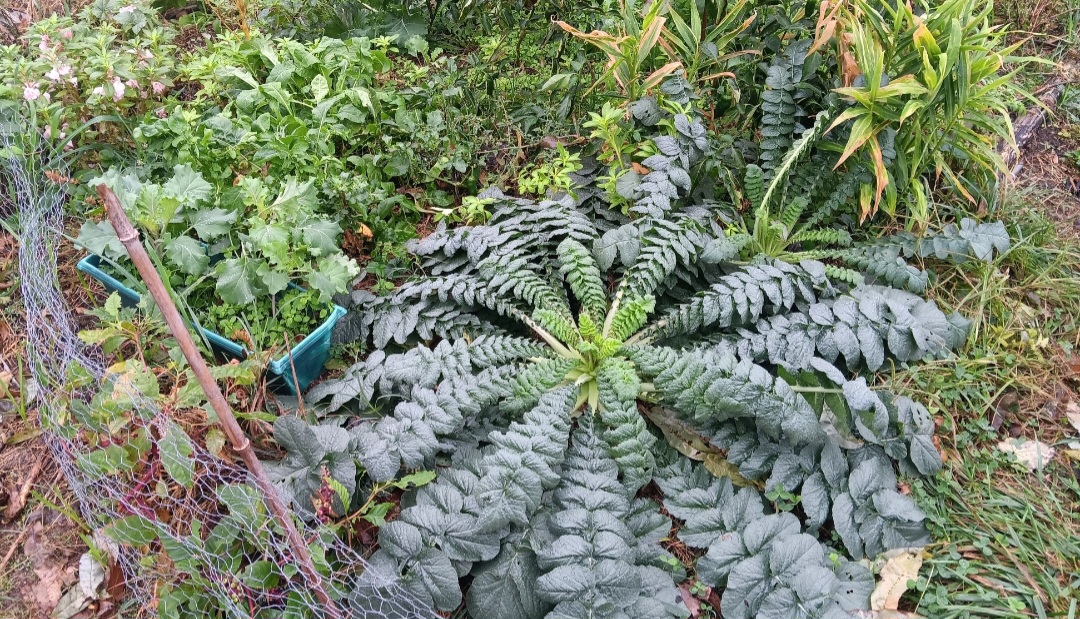
Sakurajima 4ft wide and swelling up
 
Judith Browning
Posts: 10950
Location: a temperate, clay/loam spot on planet earth, the universe
4196
4
  • Likes 5
  • Mark post as helpful
  • send pies
    Number of slices to send:
    Optional 'thank-you' note:
  • Quote
  • Report post to moderator
May, those all look great!
Will you leave them in the ground until a freeze?

The forecast has changed again for here and it looks as though we might slip by without a frost.

harvested first big cutting of pea tips yesterday and lots of other greens...still have a small healthy basil out there that I left to tell me how cold it gets.

First planting of cereal rye is growing fast and so are winter peas at the cane trellis and in tubs.
Pea tips are one of our reliable winter greens and looks like this year we might have trouble keeping up with them!

 
May Lotito
gardener
Posts: 2364
Location: Zone 6b
1631
forest garden fungi books chicken fiber arts ungarbage
  • Likes 4
  • Mark post as helpful
  • send pies
    Number of slices to send:
    Optional 'thank-you' note:
  • Quote
  • Report post to moderator
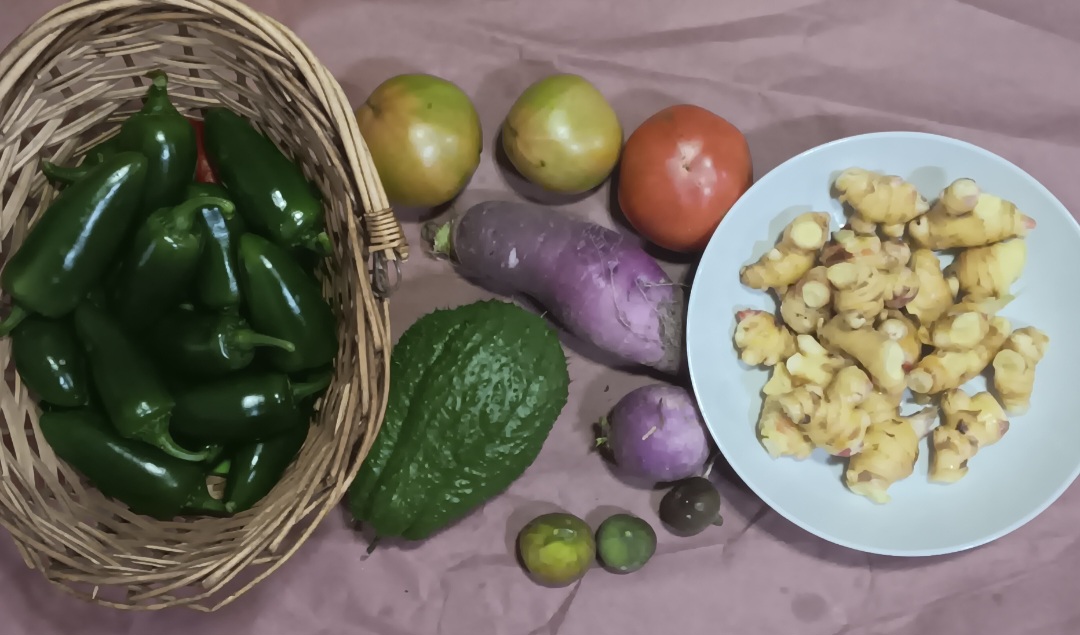
Frost is delayed this year but things are going to change next weekend. It could be the end of the growing season. That's about normal time for the first freeze so I am not complaining. I will stick a circle of bamboo stalks to make a teepee for the giant daikon to keep it from freezing. Pea sprouts are perfect for indoor winter gardening. I'd like to try them as well.
20261106_0944.jpg
Last minute harvest before potential freeze
 
Judith Browning
Posts: 10950
Location: a temperate, clay/loam spot on planet earth, the universe
4196
4
  • Likes 9
  • Mark post as helpful
  • send pies
    Number of slices to send:
    Optional 'thank-you' note:
  • Quote
  • Report post to moderator
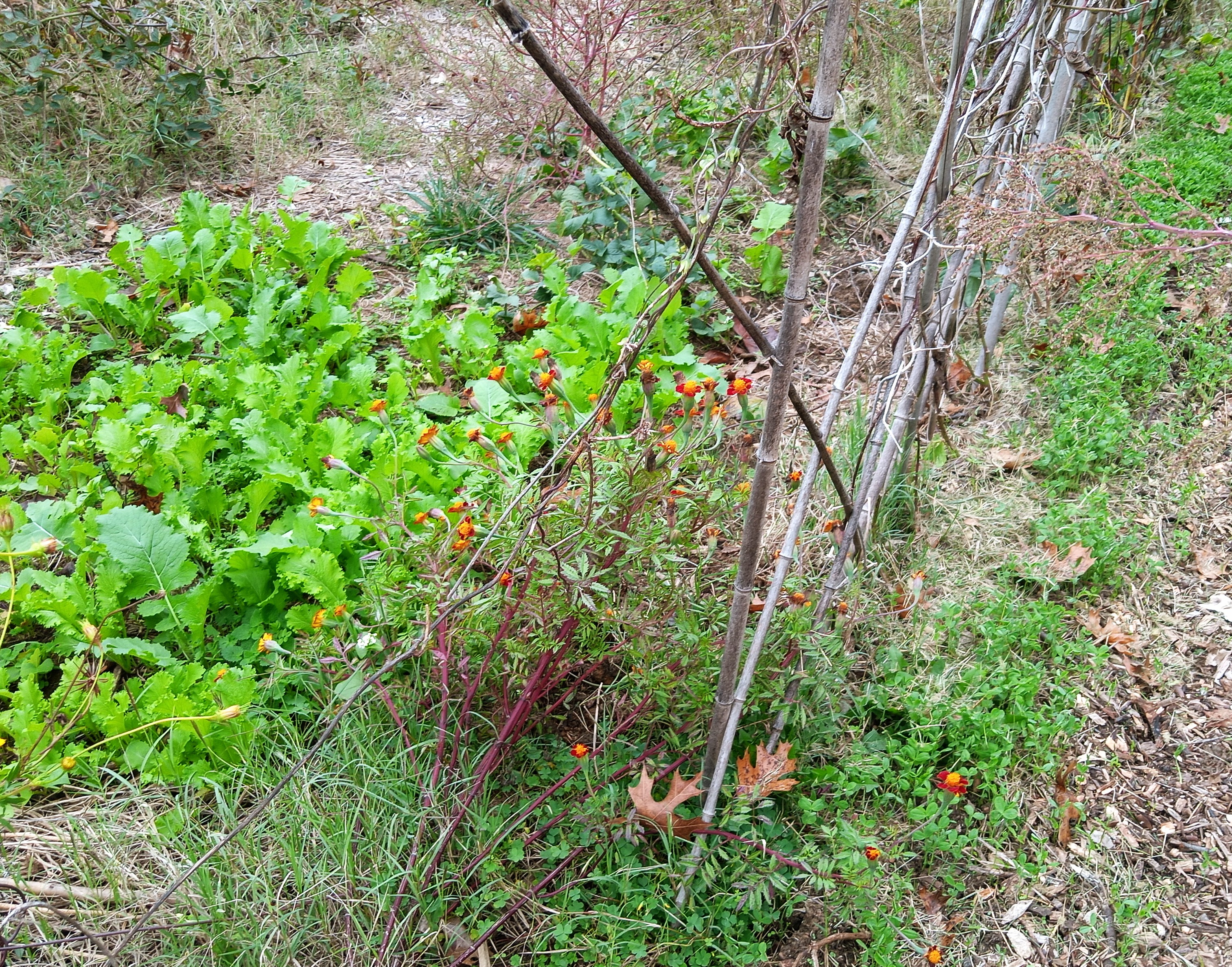
Our pea tips grow outdoors all winter....they are winter peas from the feed store.
Some I grow in tubs to cut a few times for micro greens and others we plant to climb fences and trellises, both for cover crops and pea tips for winter greens...all out doors.

Even in the coldest winters where they get bit back sometimes they recover and really take off whenever it warms to above freezing.

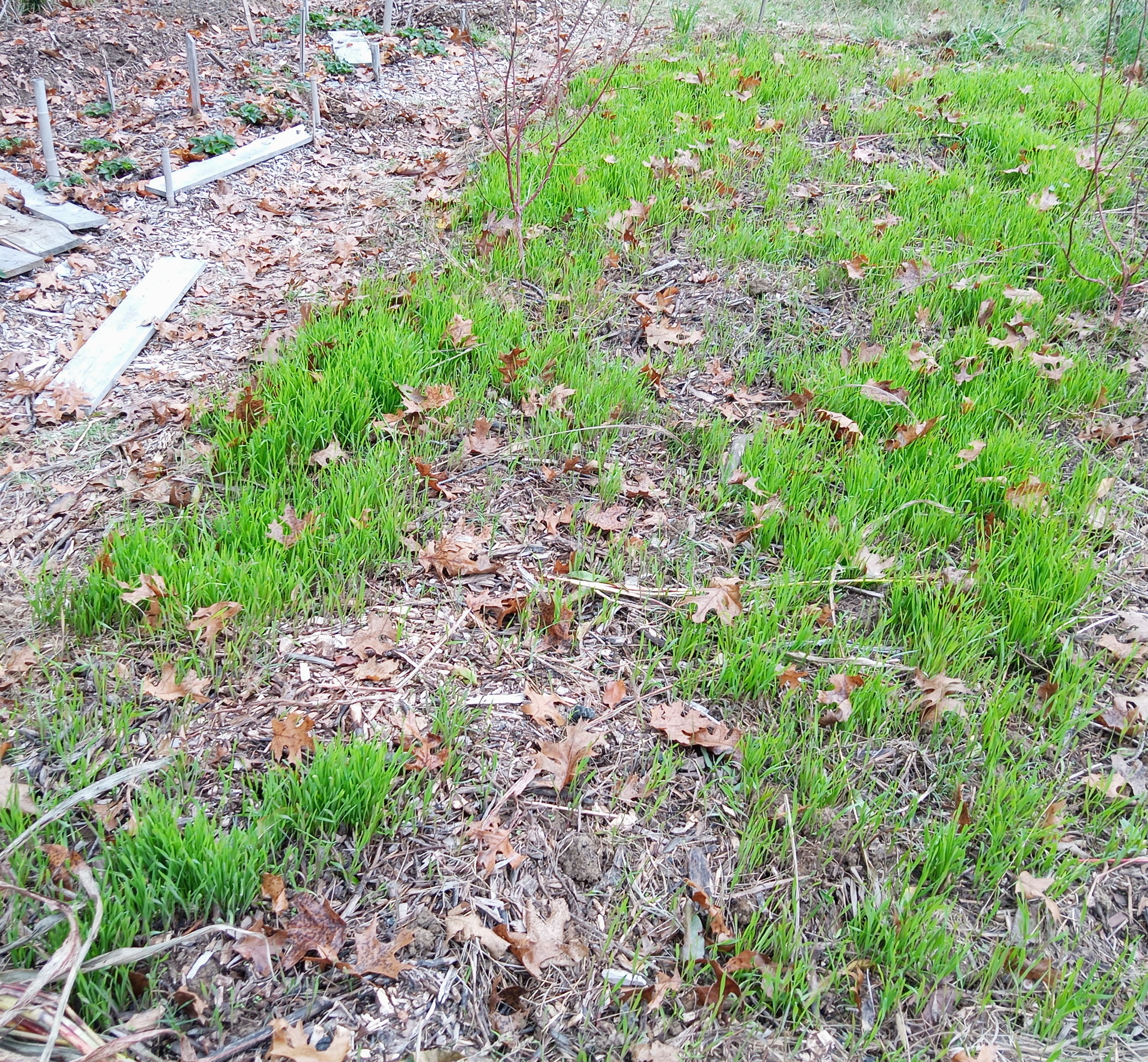
My rye field has a sparse area down the center where I added a bed of chips to walk on when growing sweet potatoes there.


IMG_20261107_082649_513-2.jpg
pea tips half harvested
IMG_20261107_082005_017-2.jpg
greens and winter peas at trellis
IMG_20261107_081951_080-2.jpg
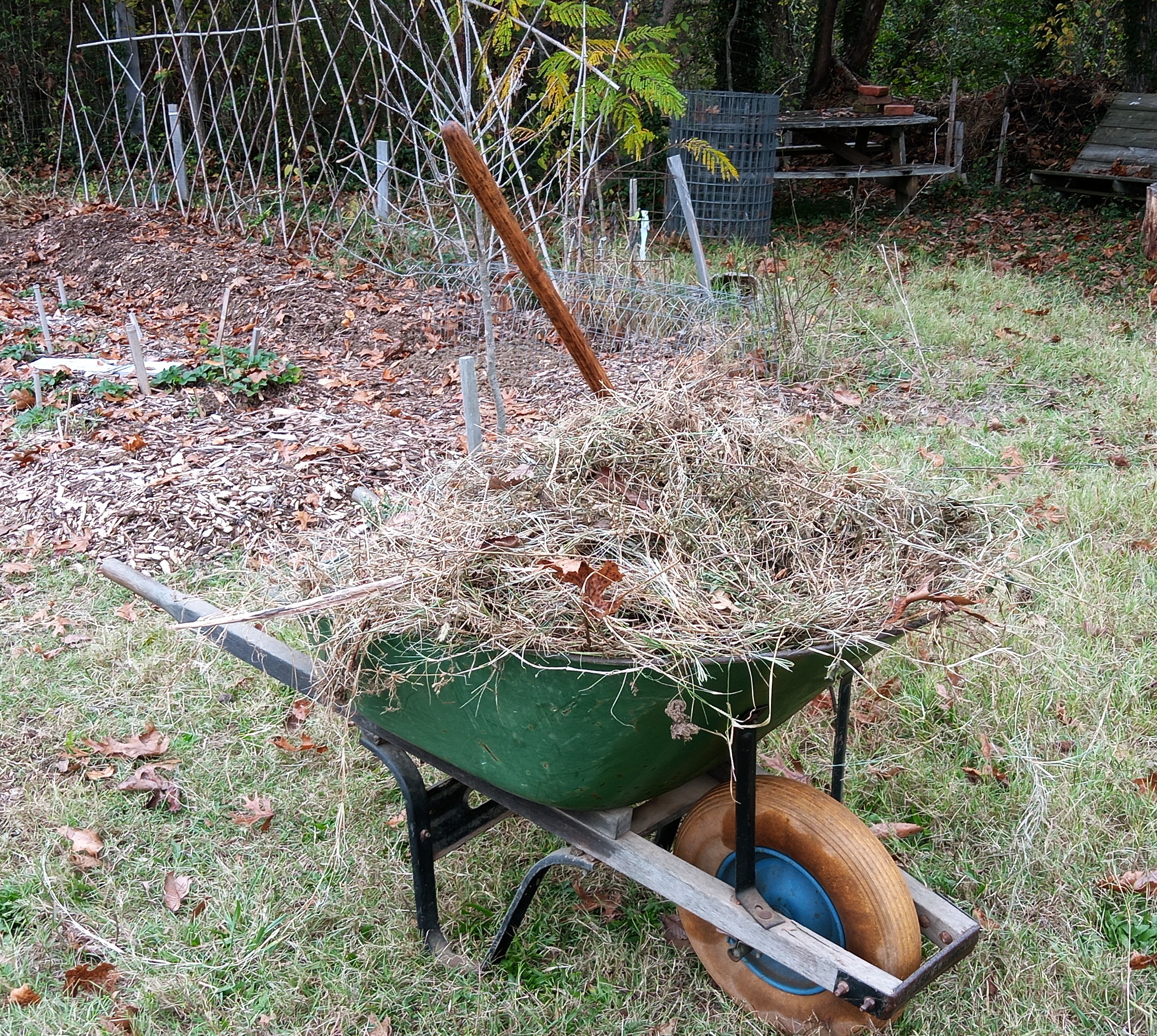
bermuda roots from two beds
IMG_20261106_130257_870-2.jpg
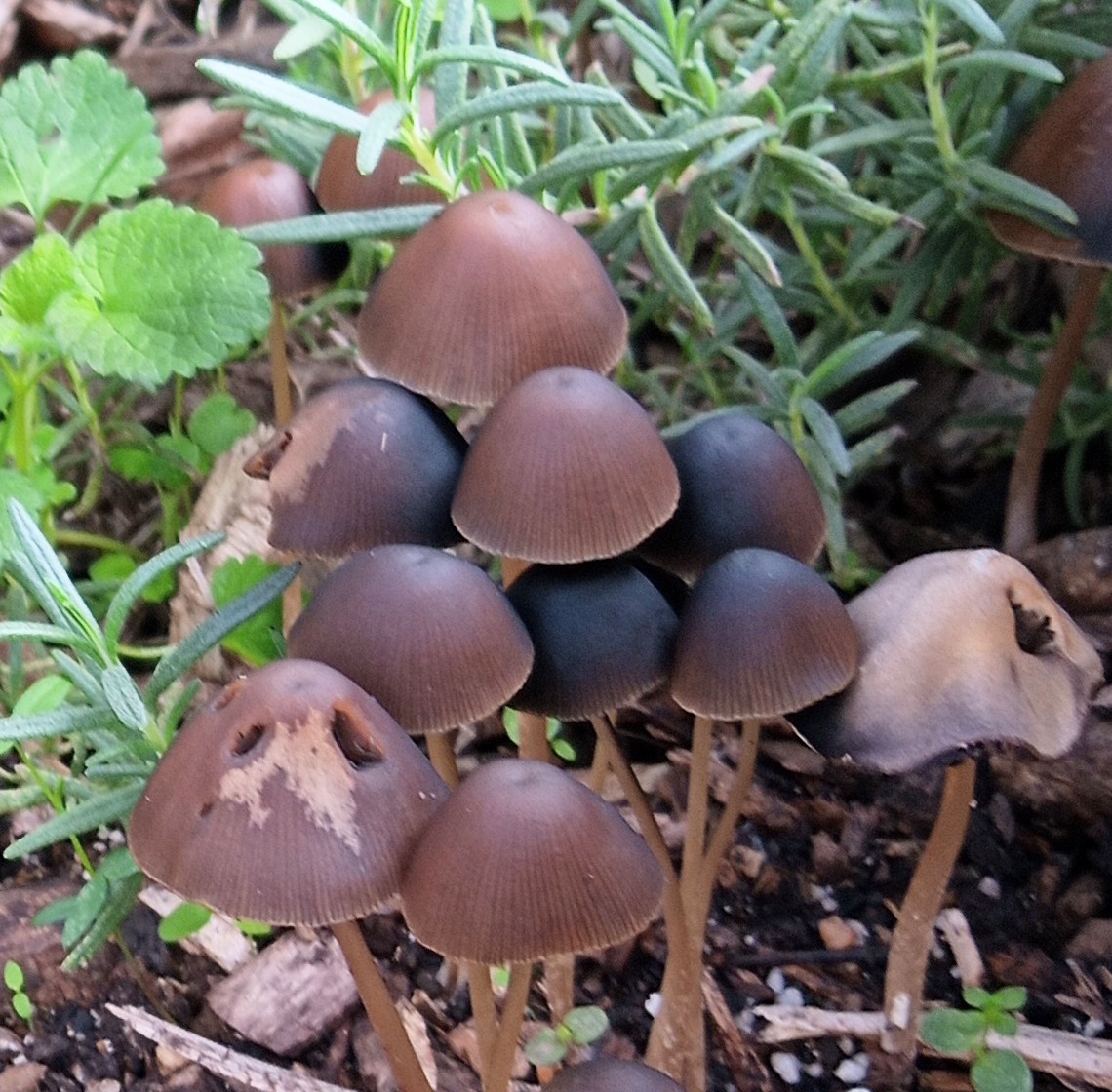
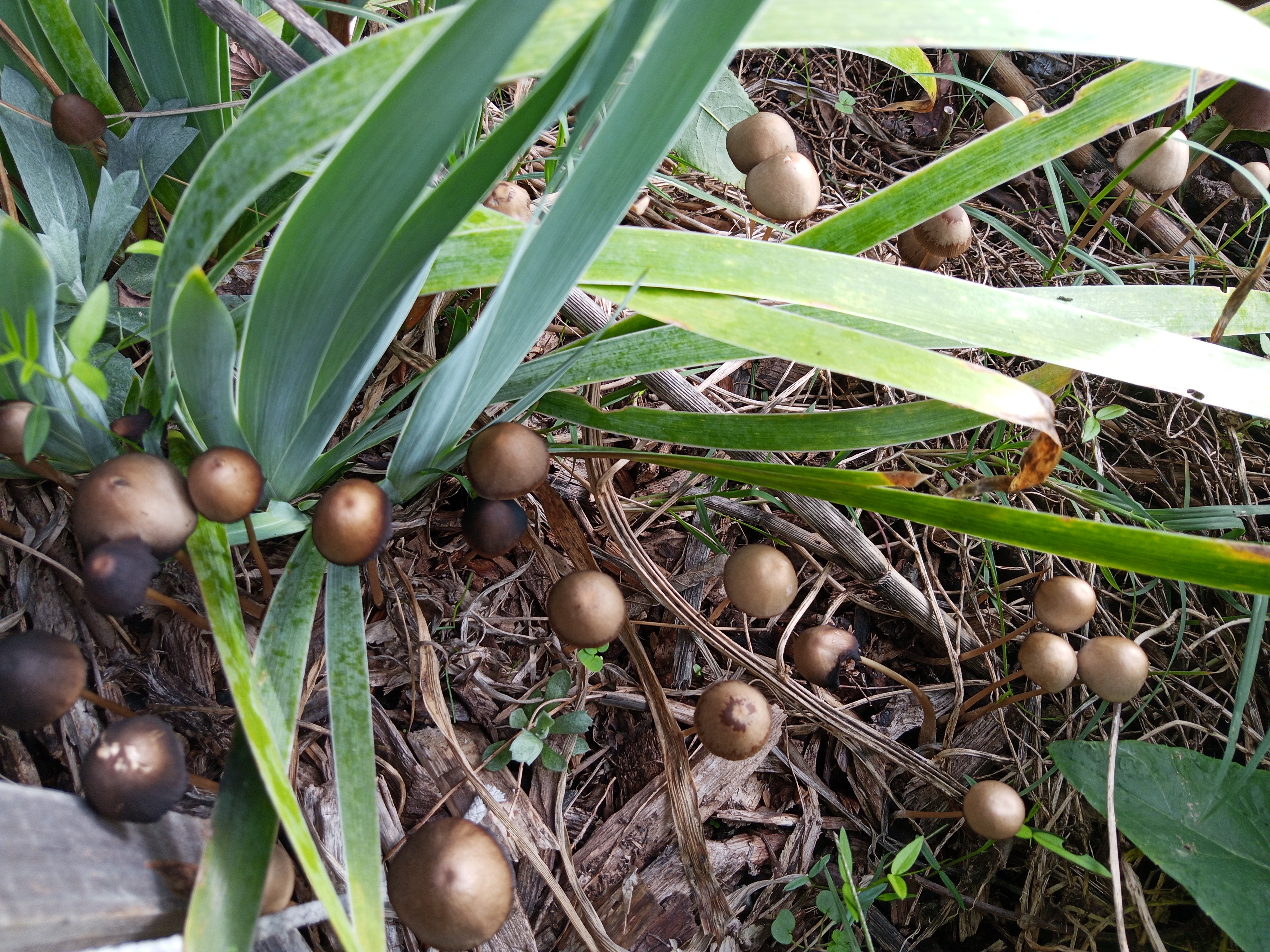
LBM's, little brown mushrooms in woodchips in hoop house
IMG_20261106_130424_687.jpg
LBM's, little brown mushrooms in woodchips in hoop house
IMG_20261107_082037_252-2.jpg
cereal rye
cereal rye
IMG_20261107_082143_374-3.jpg
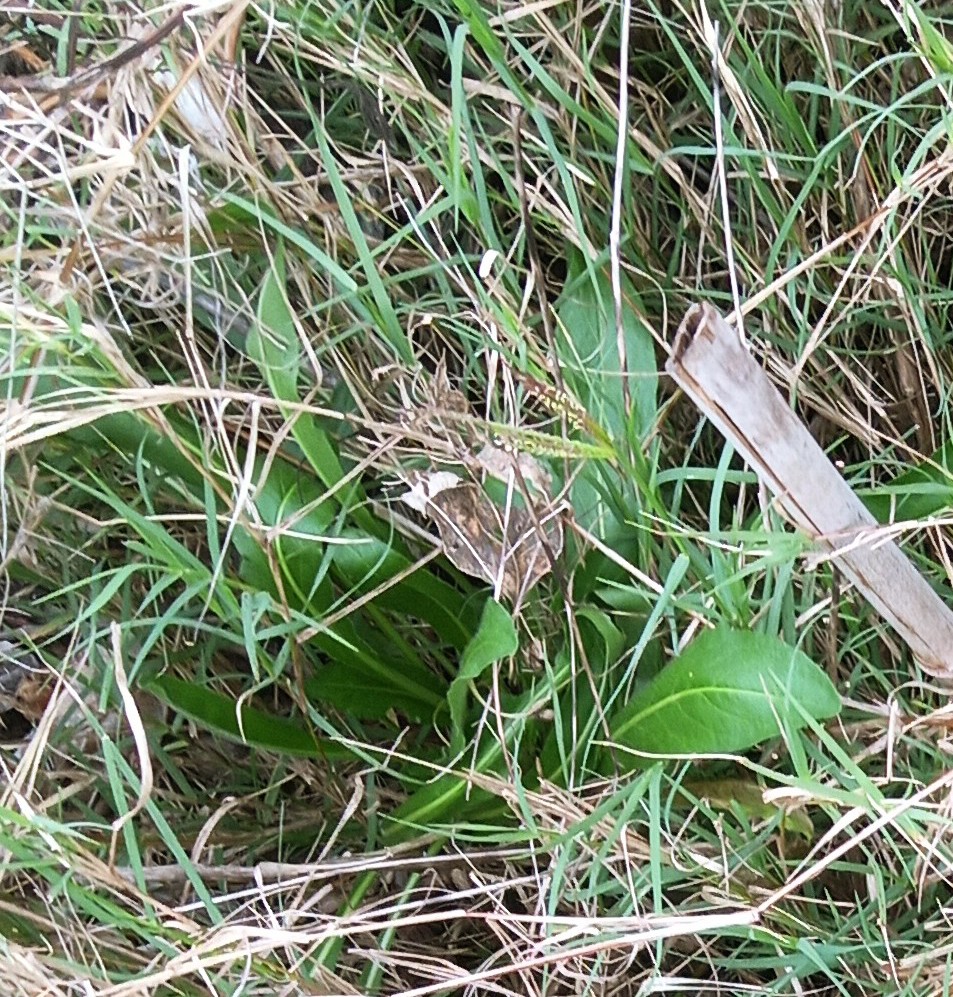
woad holding it's own in the bermuda grass
 
May Lotito
gardener
Posts: 2364
Location: Zone 6b
1631
forest garden fungi books chicken fiber arts ungarbage
  • Likes 5
  • Mark post as helpful
  • send pies
    Number of slices to send:
    Optional 'thank-you' note:
  • Quote
  • Report post to moderator
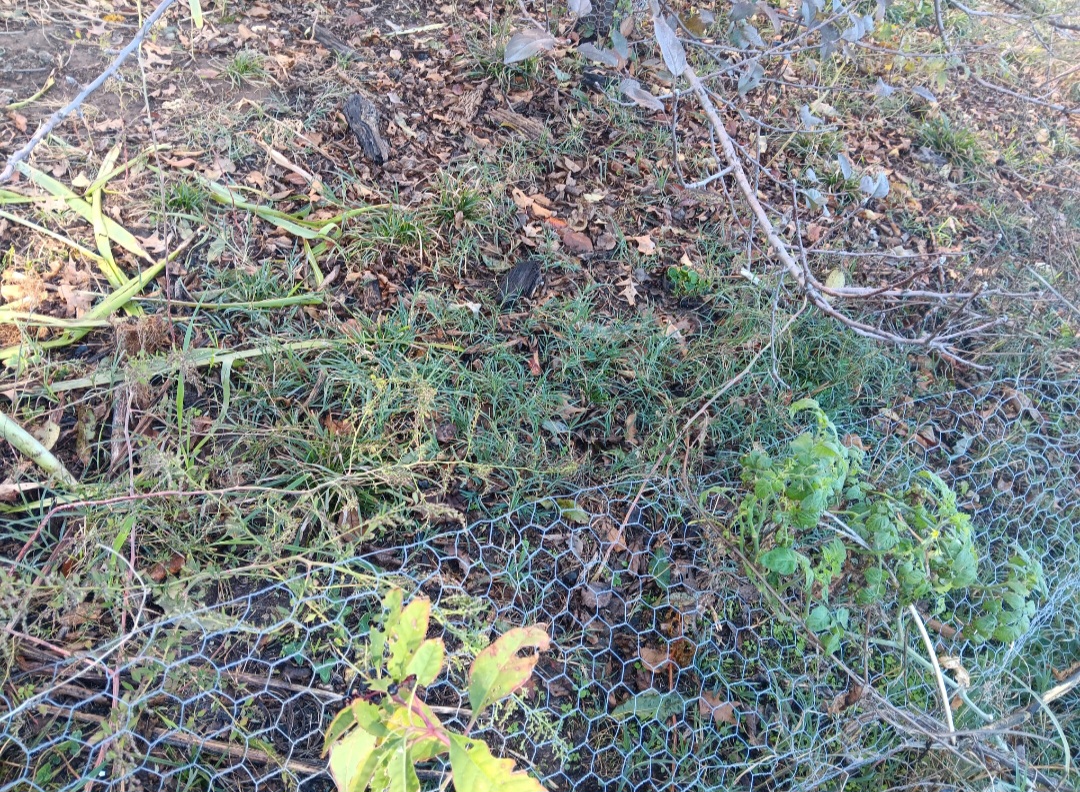
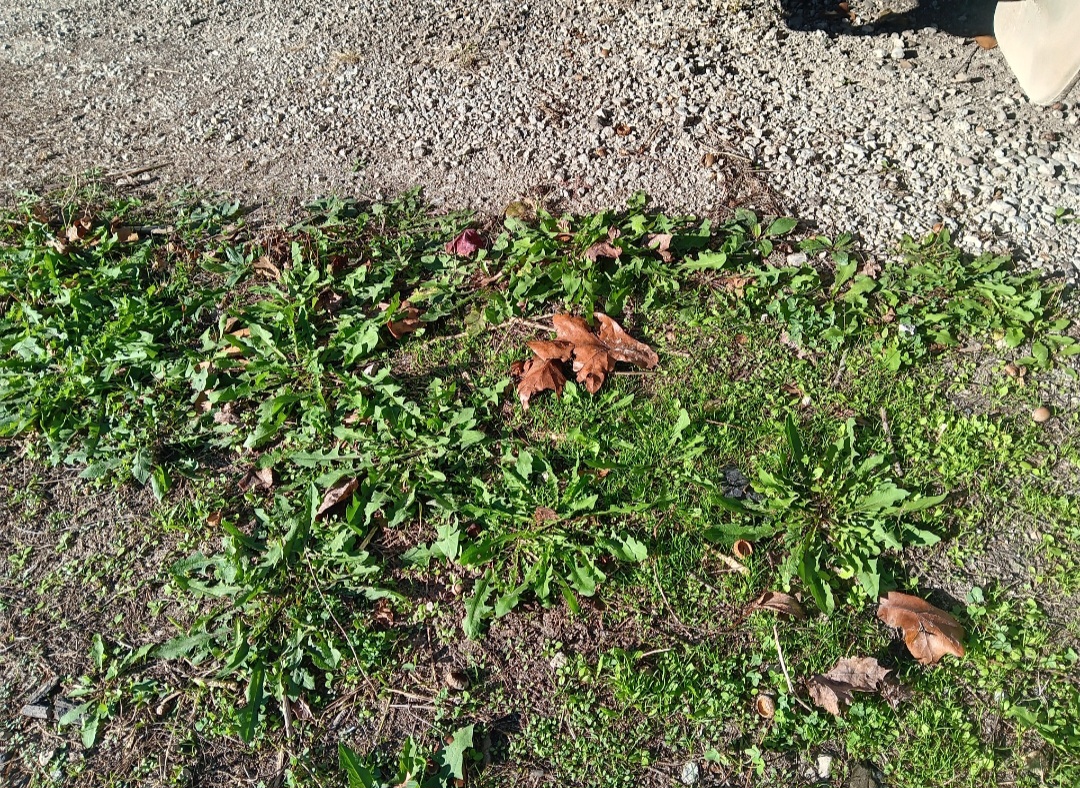
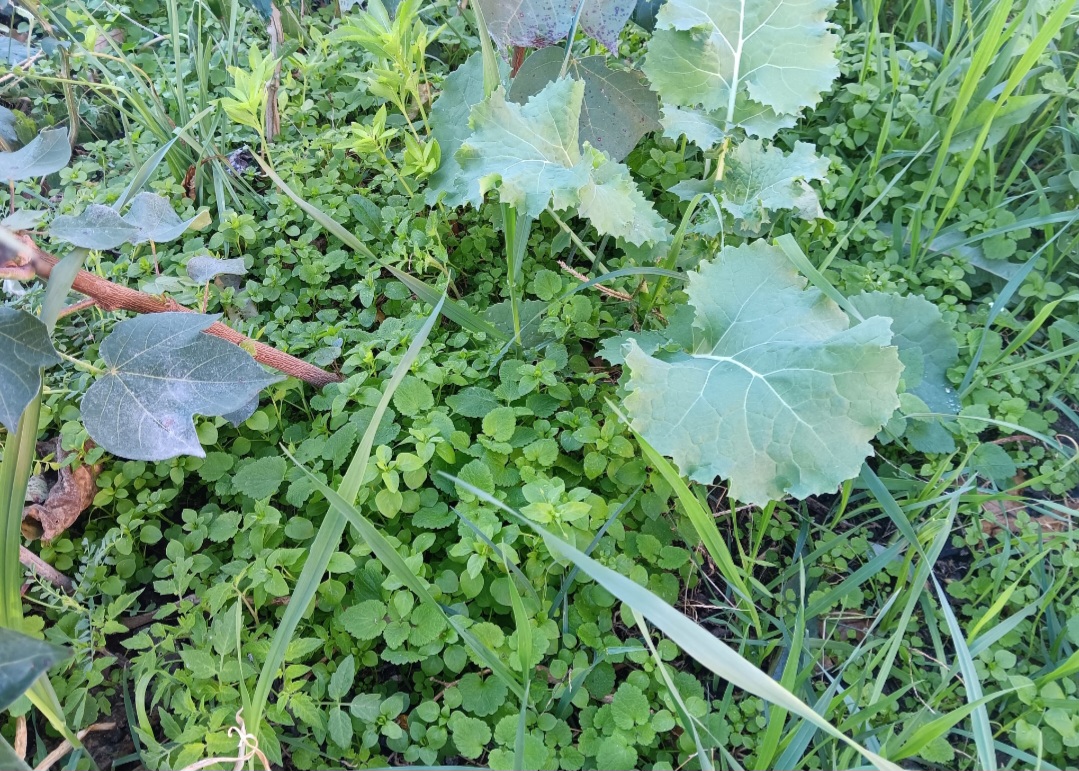
Do you notice any pattern where the bermuda grass is rampant? This grass is new to me. In my yard where no amendment has added, I have fine fescue in the shade and tall fescue in the sun. In recent years, more broadleaf weeds are showing up when soil fertility is improved. Now I have dandelion, chicory and clovers in area with more traffic and chickweed, henbit, dead nettle etc in fenced area. This year I notice that one area has bermuda grass spreading in summer. Plants in that area also don't do well since spring. Two pear trees died to the stumps and the apple tree has 3/4 of the crown rotten. This area received a lot of wood ash the previous winter. I am suspecting I overdid it and the Ca/K ratio is too low. Anyway, I pulled up lots of bermuda grass too. There are some white clover underneath and they get the chance to see sunlight now. I just bought a bag of lentils and plan on overseeding the bare spot and see how it goes.
20261109_144711.jpg
Bermuda grass under apple tree. Nearby plants are sickly looking
20261109_144726.jpg
Dandelion and white clover by gravel driveway
20261109_144744.jpg
Chickweed and henbit in garden bed
 
Judith Browning
Posts: 10950
Location: a temperate, clay/loam spot on planet earth, the universe
4196
4
  • Likes 8
  • Mark post as helpful
  • send pies
    Number of slices to send:
    Optional 'thank-you' note:
  • Quote
  • Report post to moderator
May, In my experience bermuda grass is just waiting to move into good loose garden soil.

It is adaptable and grows in harsh conditions, survives drought and heat and varying PH but if it comes close to a worked garden bed it moves in.

Fortunately it rests over the winter and I can usually grow enought early and quickly to stay ahead of it.

We find woodchips especially encourage it's spread and it will travel many feet horizontally under the chips.

We have fought It for years...I just consider it a constant part of garden maintenance...broadforking the beds every other year and sometimes using the garden fork for small patches.

It takes a certain moisture in our soil to remove the root balls in order to get as much root as possible...even then there are always bits of root left behind that grow and spread.

I find comfrey can hold it's own pretty well and my cereal rye seems to deter it somewhat...growing plants close togeather helps but it's still there waiting for an opening.

It's a problem mainly with annuals, in the more cultivated garden beds...for perennials, trees and shrubs, berries, I can sickle up close and use it as mulch....some places I'm letting it get long and clumpy just to see what's next in the line of succession plants.


We do have all of the other plants that you mention, both red and white clover are early so get ahead of the bermuda grass...chicory is all over outside of our garden beds and does fine with it as does dock and a few others.

I see dead nettle up and almost covering some beds already.. it will be done by the time bermuda grass is thriving in the heat.


Judith Browning
Posts: 10950
Location: a temperate, clay/loam spot on planet earth, the universe
4196
4
  • Likes 9
  • Mark post as helpful
  • send pies
    Number of slices to send:
    Optional 'thank-you' note:
  • Quote
  • Report post to moderator
It's 25F this morning....we're kind of ready for cold weather😊
Drained the well pump yesterday after filling all of our black lidded tubs for watering seed beds and greens.  We decided to drain the pump rather than heat the well house for the winter.  

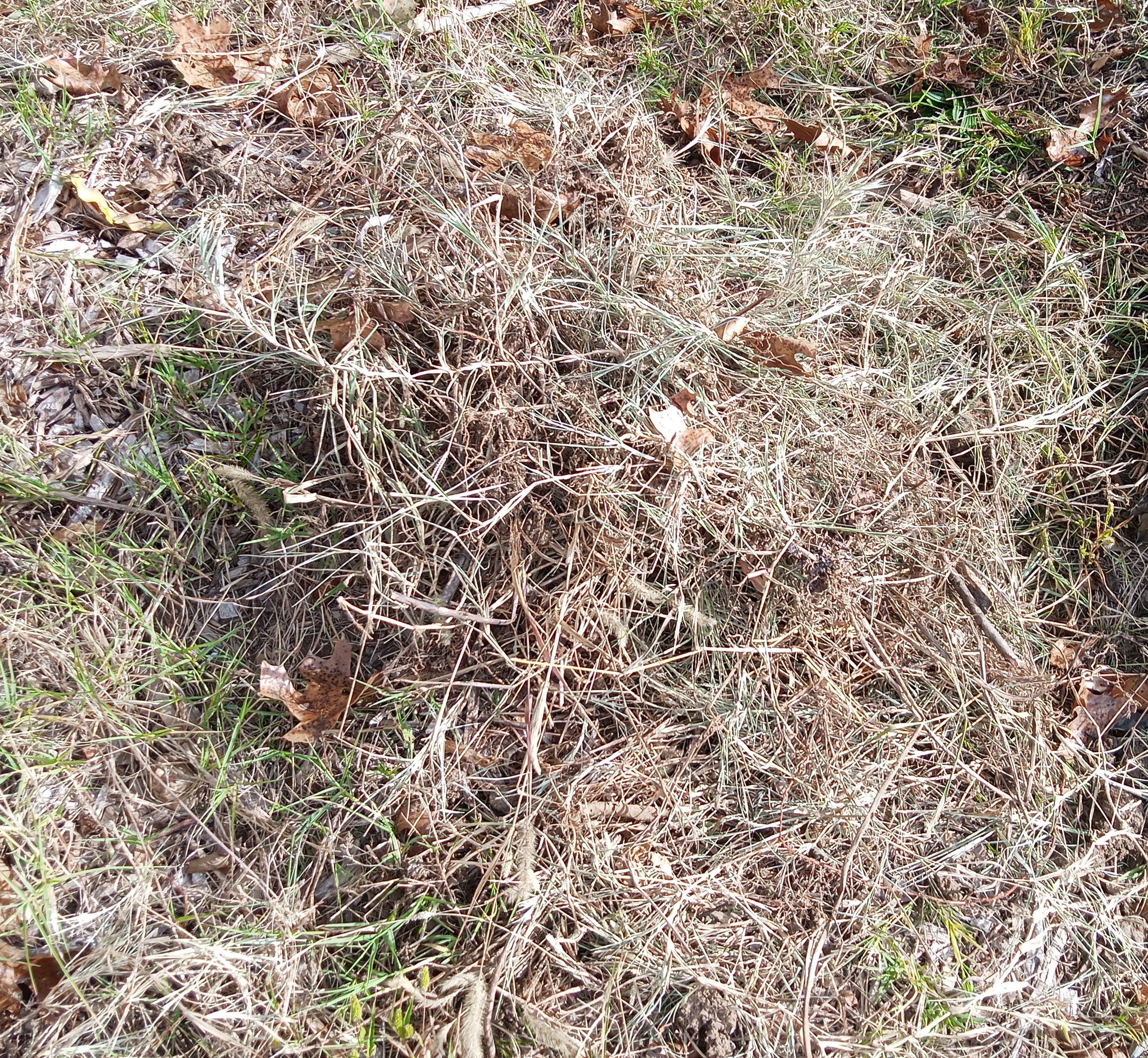
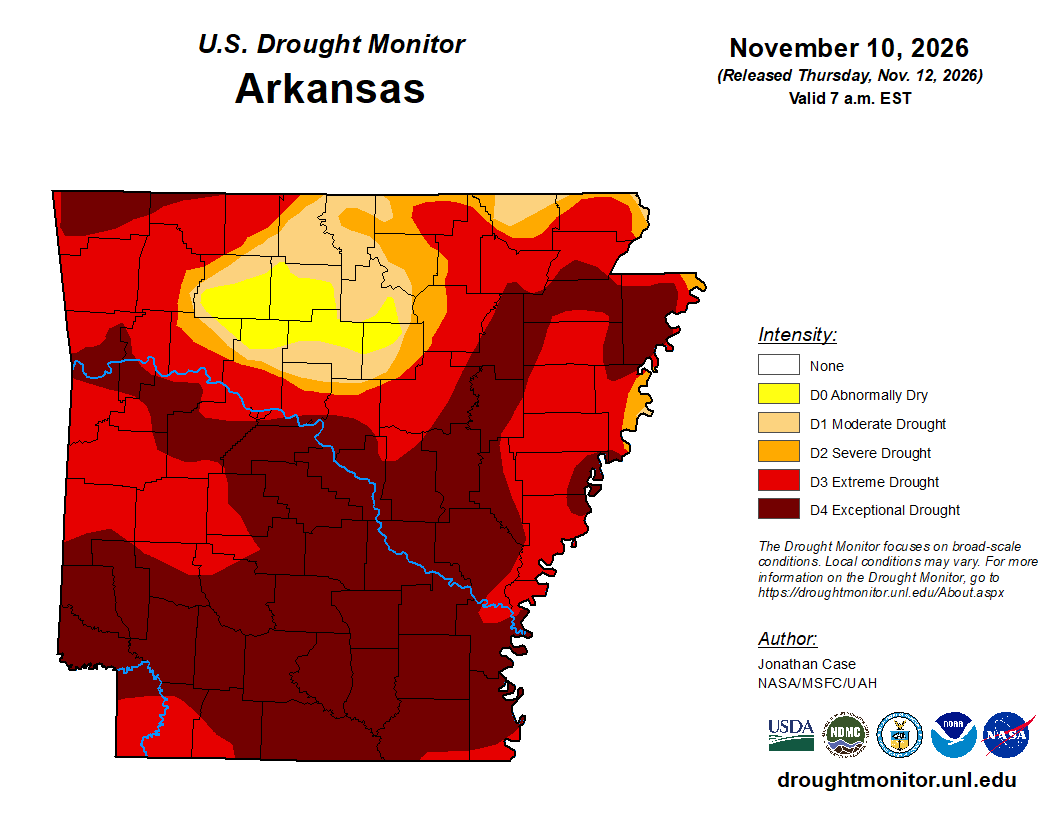
Although we are in a 'no drought' part of the maps I've attached below,
an oasis surrounded by red🤔 it is still very dry and no rain in sight.

I dug dahlia tubers yesterday after letting the foliage freeze back and have them laid out to dry in the utility room just a bit before packing in woodchips for the winter...we keep that room barely above freezing for incoming water pipes and that is perfect for moringa roots, dahlia tubers, a potted lemon grass, a potted tulsi and hopefully for my potted indigo to finish making seed.

I still need to lift the lotus roots and store them indoors in sand and I have one huge clump of lemongrass to dig and divide and find a spot for...for now it's covered and still outdoors.

...eating pea tips about every day, chicory and dock and garden sorrel (the big leaves kind)and what's left of the harvested sunchokes after fermenting 3 half gallon jars full.

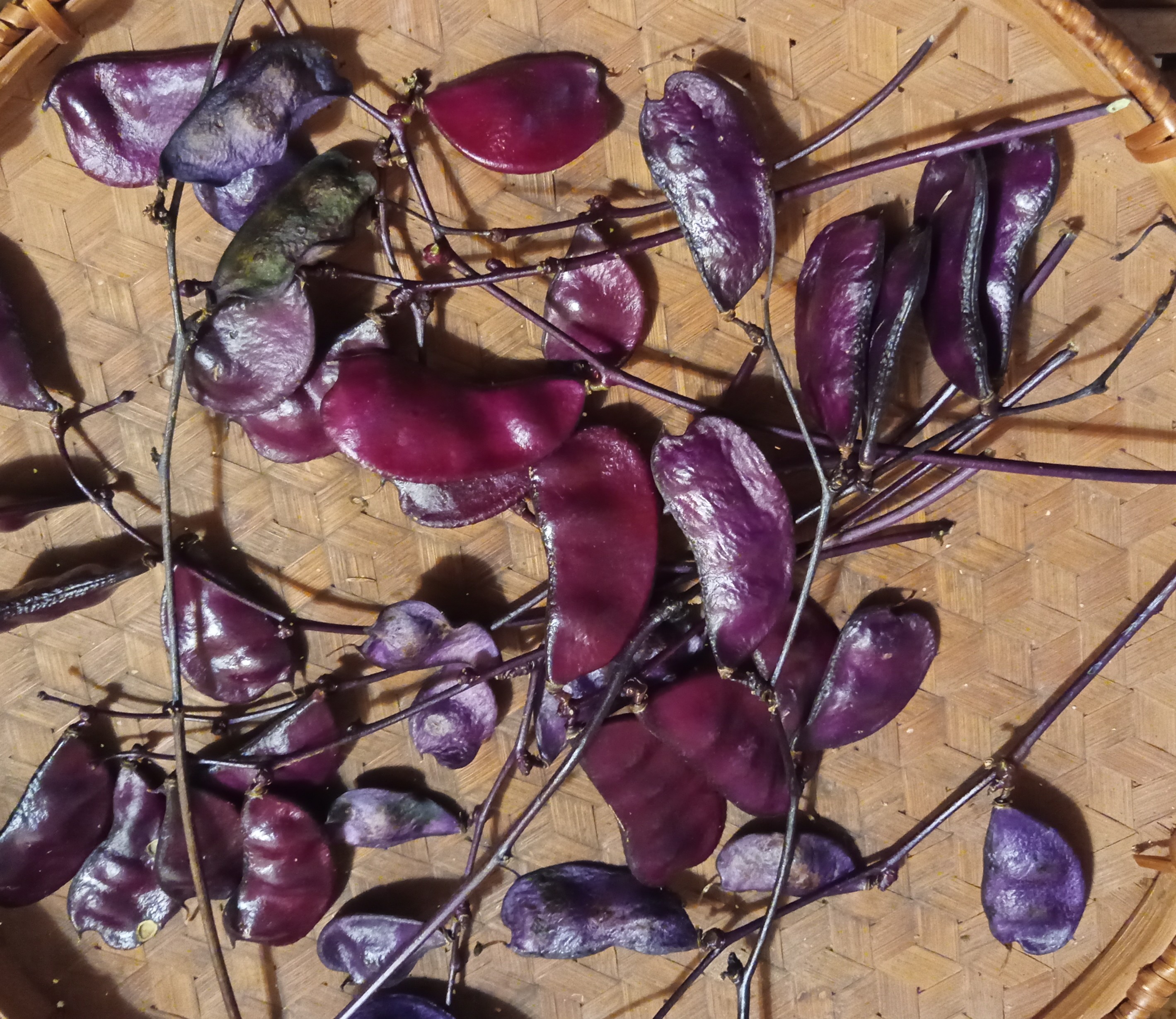
I cut some hyacinth bean pods that seem like full size beans but not at all dry, in hopes they will finish out in the house.
current_ar_text-(4).png
[Thumbnail for current_ar_text-(4).png]
current_usdm-(1).png
[Thumbnail for current_usdm-(1).png]
sdohomeweb-(3).png
[Thumbnail for sdohomeweb-(3).png]
IMG_20261114_070347_527-2.jpg
hyacynth bean pods
hyacynth bean pods
 
pollinator
Posts: 1785
Location: Milwaukie Oregon, USA zone 8b
237
  • Likes 6
  • Mark post as helpful
  • send pies
    Number of slices to send:
    Optional 'thank-you' note:
  • Quote
  • Report post to moderator
I'll harvest my autumn carrots at the end of the month, and only one radish actually grew out of the seeds I planted, I think the squirrels had a lot to do with that.  Going to harvest it, such as it is, soon.  I suspect that since I'm in zone 8b I wouldn't have to take dahlias and so on up and put them away.  But I don't have any yet so maybe I'm wrong.
 
Judith Browning
Posts: 10950
Location: a temperate, clay/loam spot on planet earth, the universe
4196
4
  • Likes 7
  • Mark post as helpful
  • send pies
    Number of slices to send:
    Optional 'thank-you' note:
  • Quote
  • Report post to moderator
Hi Riona!

Homegeown carrots are so good!
I have some seed and meant to plant this fall but we've been so busy watering I didn't want to add to that....so will plant late winter and see what happens.

I do leave one or two dahlias in the ground and mulch heavily...they sometimes make it. Here it's the the occasional super cold drops in temp for only a few days usually but teens and below pretty much do in a lot of things that might ordinarily survive our average temps.

 
May Lotito
gardener
Posts: 2364
Location: Zone 6b
1631
forest garden fungi books chicken fiber arts ungarbage
  • Likes 8
  • Mark post as helpful
  • send pies
    Number of slices to send:
    Optional 'thank-you' note:
  • Quote
  • Report post to moderator
We are not likely to get out of drought until spring, as usual. Then we will probably have flash floods and be overly wet for three months and back in drought for nine months.  Maybe your area is on the south slope of mountain and gets more moisture? Is it more sheltered from ice storms as well?

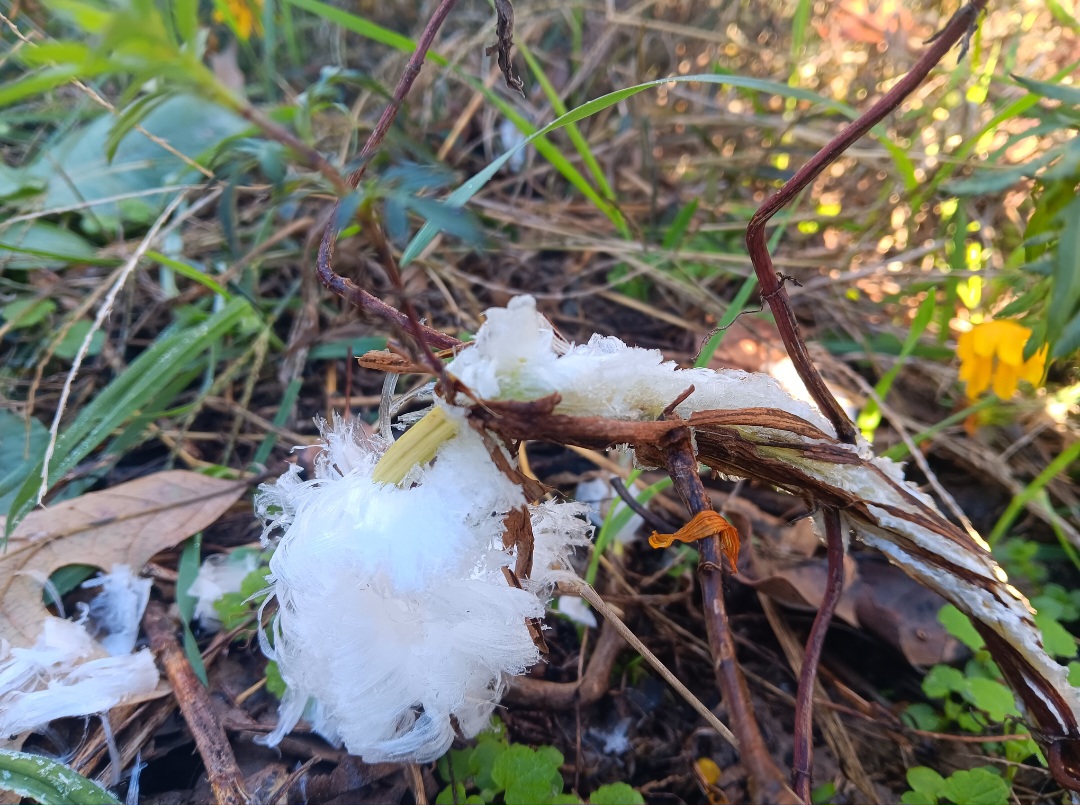
I found some cool frost flowers this morning. Check it out.
20261116_0836.jpg
Frost flower
Frost flower
20261116-frost-flower-tickseed-sunflower-.jpg
Frozen sap
Frozen sap
 
Judith Browning
Posts: 10950
Location: a temperate, clay/loam spot on planet earth, the universe
4196
4
  • Likes 7
  • Mark post as helpful
  • send pies
    Number of slices to send:
    Optional 'thank-you' note:
  • Quote
  • Report post to moderator
May, We're on the south slope of the Ozarks but not the lowest area ....and we do get ice storms.  Our particular spot here on the creek is always a few degrees colder than our son's home that is up a hill just a few blocks away.

I'm trying to prioritize plants for winter watering...I don't think the young trees will need much if any...hoping their roots have gone deep as well as the older fruit and nut trees and shrubs.

I'm cleaning up and pruning my neglected thornless blackberries and I think spring rains will be soon enough for them.

What really needs water, I think, is the turnip and mustard greens and the bed of parsnip seed I hope will germinate during the next warm spell...and things in pots of course.

The winter peas in the garden beds should be able to send down roots into some moisture but I am watering the peas in tubs to keep our supply of pea tips coming.

I guess other areas with severe drought have larger perinniels showing signs of stress?
I do remember many summers where the forests were showing signs of distress in this area....not this year for a change.


Judith Browning
Posts: 10950
Location: a temperate, clay/loam spot on planet earth, the universe
4196
4
  • Likes 6
  • Mark post as helpful
  • send pies
    Number of slices to send:
    Optional 'thank-you' note:
  • Quote
  • Report post to moderator
ooops!
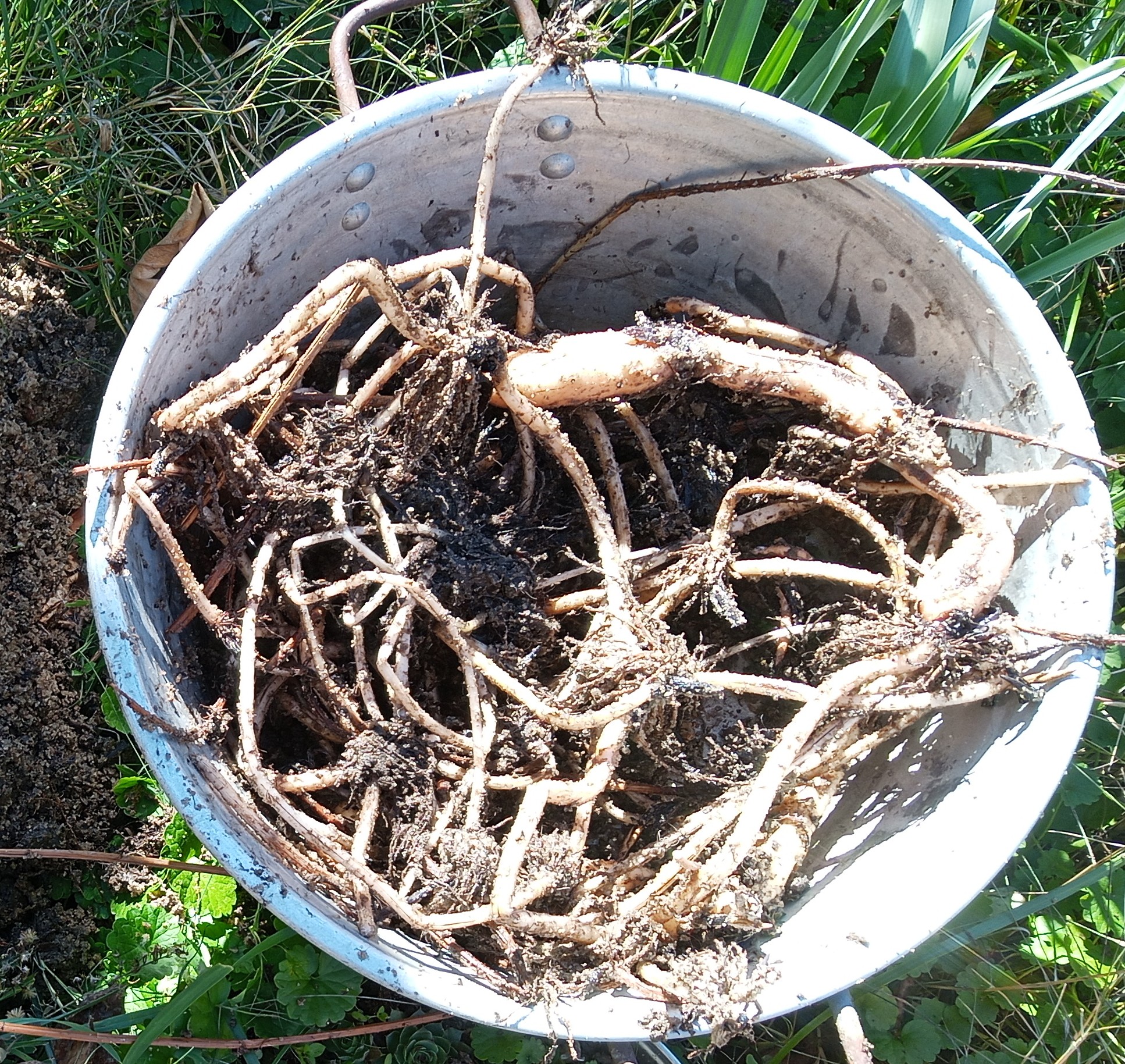
did I remove my lotus from the outside tub too early?
The leaves have neen frozen back for a month so I thought it would be ok to store the roots in sand in the back room for the winter like last year but I don't remember such a tangle of roots like this years  ...there are several fat ones though...do I trim them and just keep those or the whole mess?
IMG_20261119_112408_543-2.jpg
lotus roots
lotus roots
 
May Lotito
gardener
Posts: 2364
Location: Zone 6b
1631
forest garden fungi books chicken fiber arts ungarbage
  • Likes 6
  • Mark post as helpful
  • send pies
    Number of slices to send:
    Optional 'thank-you' note:
  • Quote
  • Report post to moderator
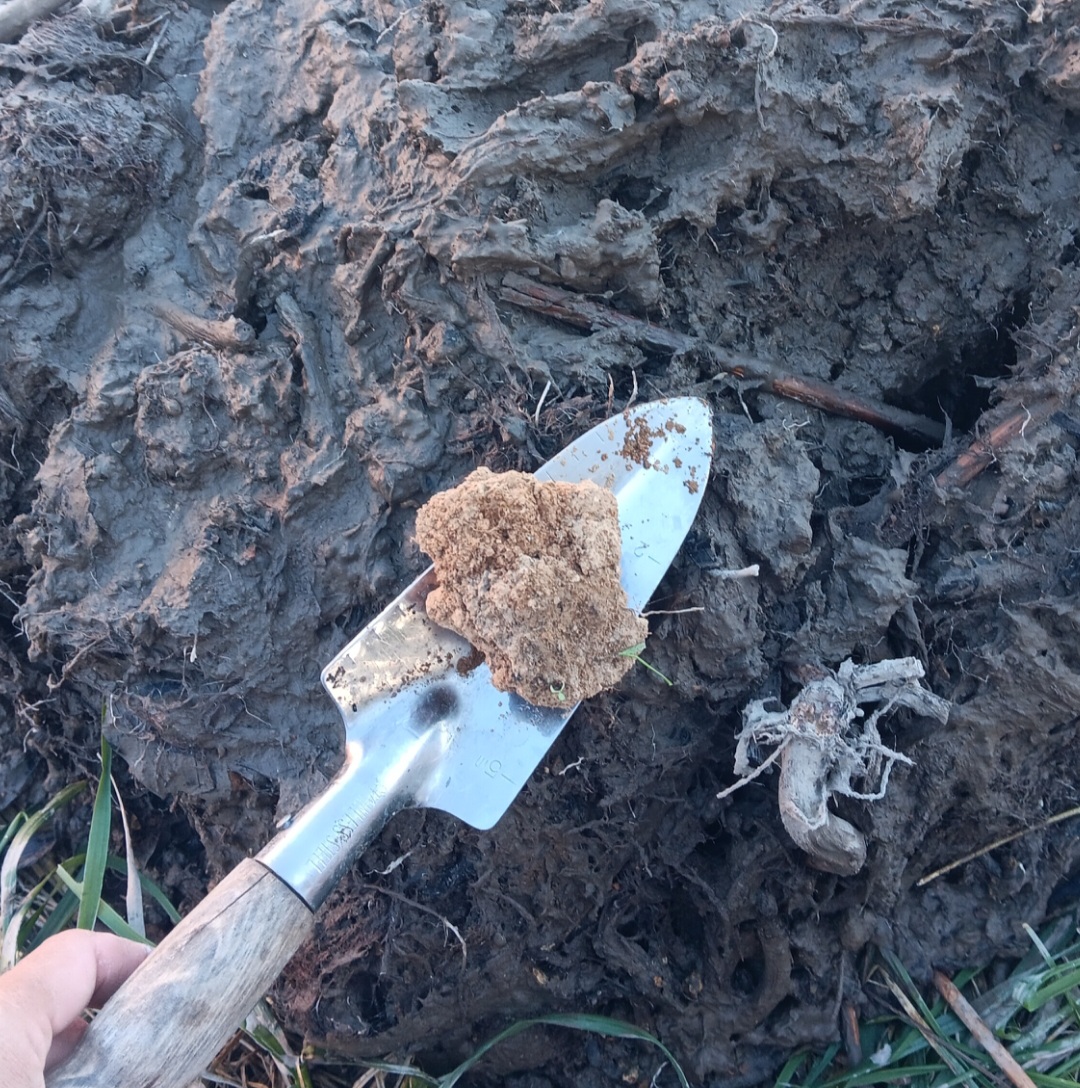
You can store whole root system so the young plant has more reserve for next year. Mine has multipled so much I planted three 27 gallon tubs and need to reduce the volumn for easy storage. I cut off the last 1-3 fat nodes with buds and keep those in a separate tub. Those are the most tasty part.  There are slender tubers that are usable but would be a bit tough and stringy.

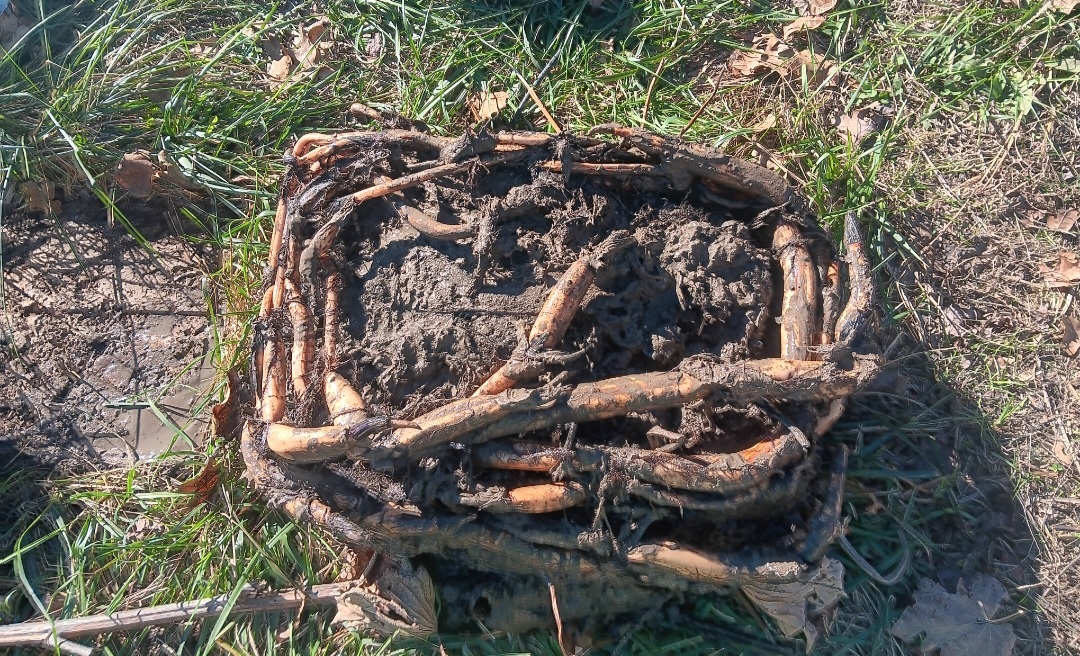
I started my tubs with subsoil when I tried to dug a small pit. I added compost, chicken manure and minerals in the early spring before planting the tubers. Lotus roots will grow deeper to the bottom. The roots would exude photosynthesis metabolites and feed the soil microbes just like other land plants. Being submerged in water, the organic matter builds up and the muck becomes fertile over time with inorganic minerals fixed into organic forms. So my harvest also include the mud besides tubers. It can be quick acidic and I need to add lime to it before adding to the garden. Then I go dig up more subsoil and widen the tiny eco pond I am trying to build.
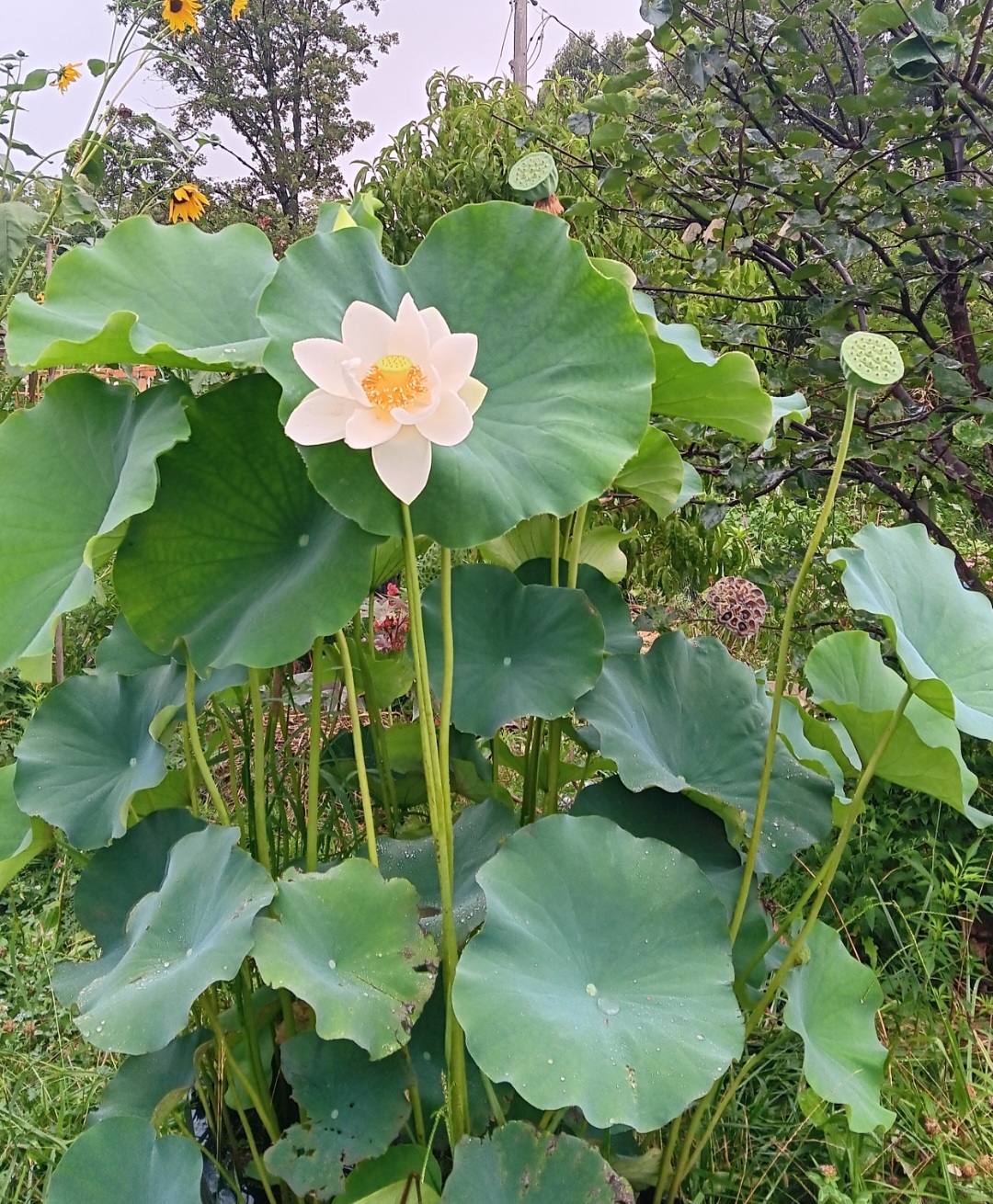
20260801.jpg
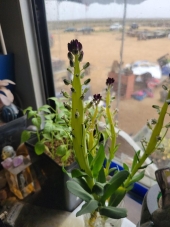
Lotus bloom in summer
20261116.jpg
Tub drained and inverted
20261118_152725.jpg
From poor subsoil to fertile muck
20260907_124346.jpg
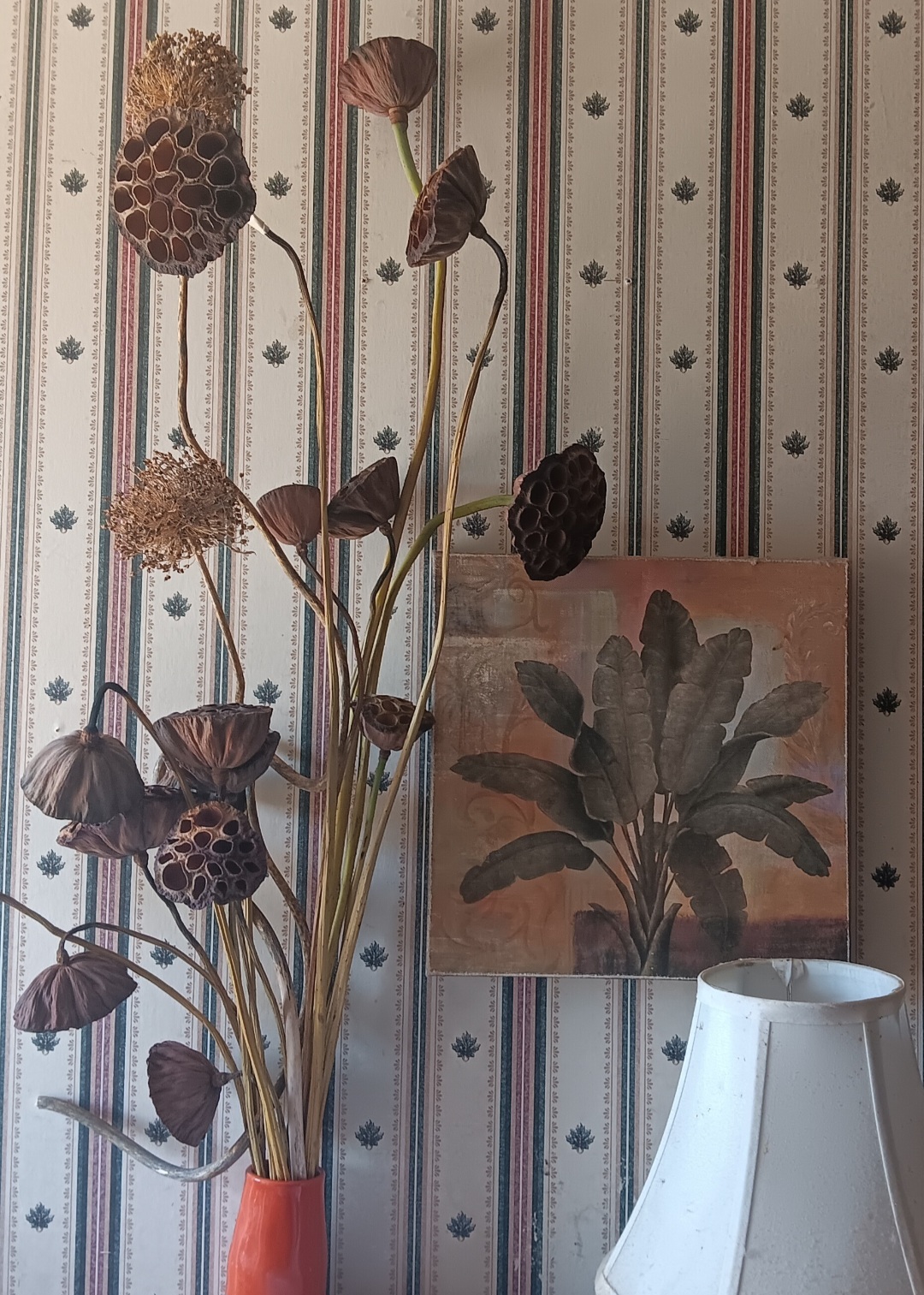
Drying lotus pod and elephant garlic flower
 
Judith Browning
Posts: 10950
Location: a temperate, clay/loam spot on planet earth, the universe
4196
4
  • Likes 6
  • Mark post as helpful
  • send pies
    Number of slices to send:
    Optional 'thank-you' note:
  • Quote
  • Report post to moderator
thank you May!
That's exactly what I needed to know.

I can't wait to have blooms...maybe next year?

I think I'll have to expand the size of my tubs or start giving them away...or eating them...do you only harvest now to eat or all summer?
 
May Lotito
gardener
Posts: 2364
Location: Zone 6b
1631
forest garden fungi books chicken fiber arts ungarbage
  • Likes 6
  • Mark post as helpful
  • send pies
    Number of slices to send:
    Optional 'thank-you' note:
  • Quote
  • Report post to moderator
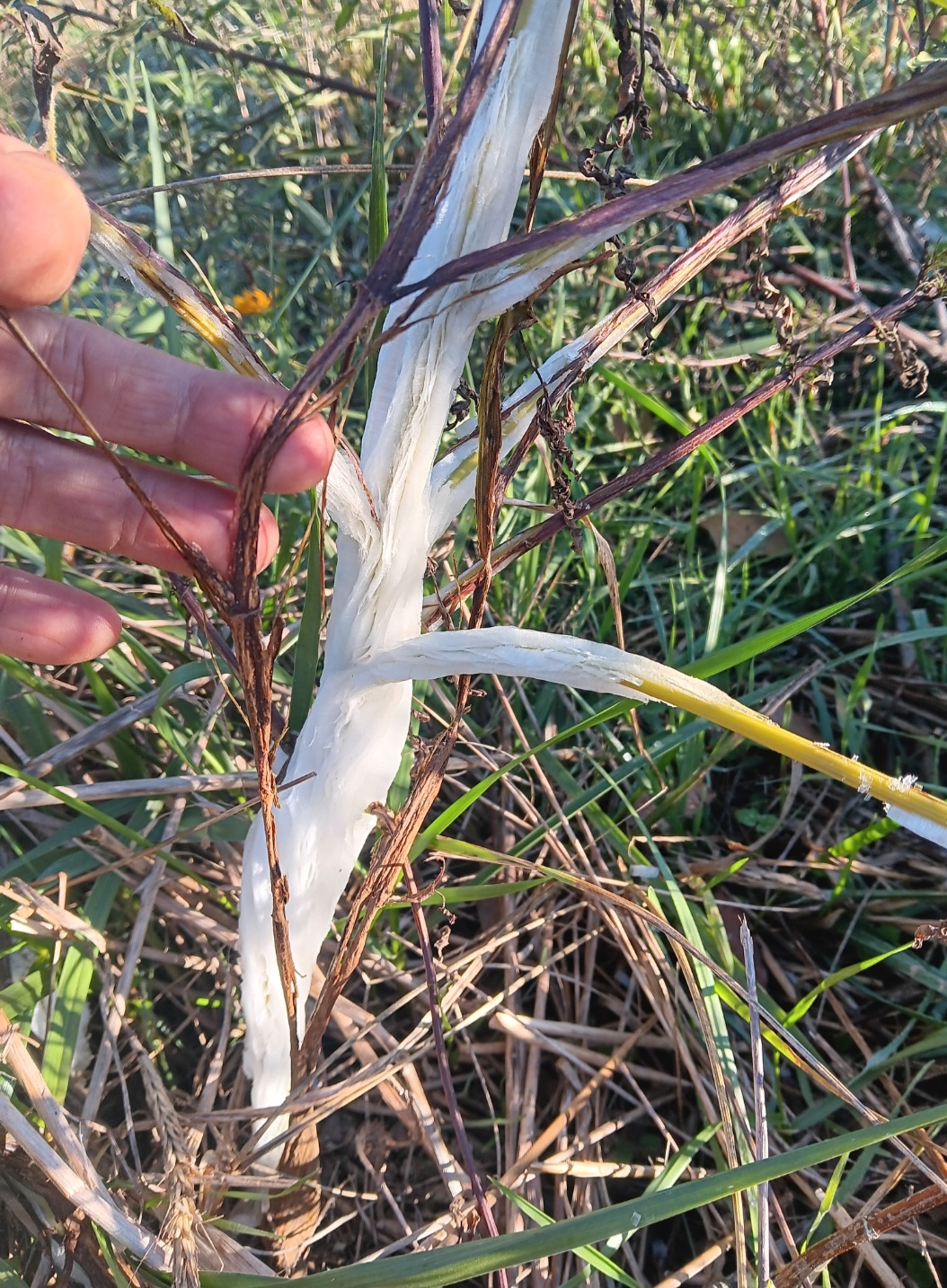
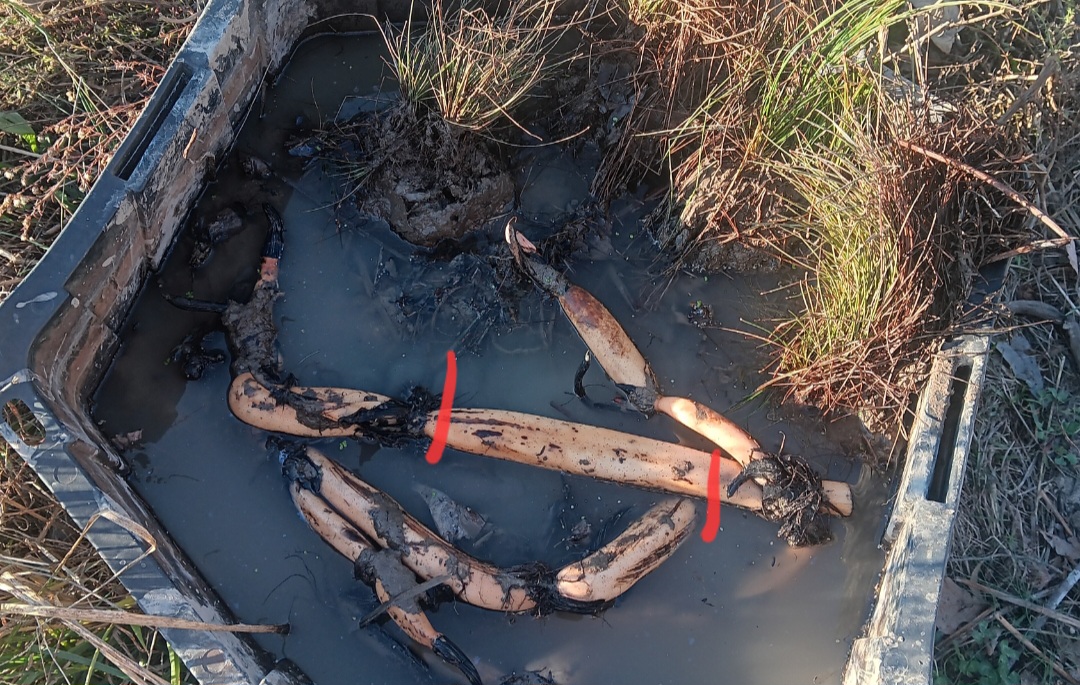
The rhizomes are small when the lotus is actively growing. They only bulk up late in the season when the leaves start to turn yellow and dry up. I wait until the top totally die back and crunchy. I could leave them longer but hate to dig in cold water. I consolidate the shorter sections in one tub now with a few clumps of rushes on top to weight them down and block the sunlight. I seem to lost the big edible variety somehow. All I got are the small ornamental kind. Still crunchy and tasty though.

20261120_0817.jpg
Princess Kennedy lotus rhizomes section cut between nodes for eating
 
"Ace of Hearts" sounds a little like "Ace o Farts" - says this tiny ad:
Building a Better World in Your Backyard - physical book SIGNED by both authors!
https://permies.com/t/393911/Building-World-Backyard-physical-book
reply
    Bookmark Topic Watch Topic
  • New Topic