This design brings it all together. Each one has five 20'X24' apartments that can be turned into either 40'X24' apartments for larger families or two story apartments with two 20'X24' levels so highly adaptable. With this approach you can house a 160 people in a little over an acre.
What's ground breaking is most of their food is grown on the top level greenhouse as well as the arched trellis between the greenhouses. There will also be a 20' arched trellis between each 100' long greenhouse so the footprint is 220' by roughly 290'. This includes a trellis at either end. The idea is to put 160 on a 300 acre farm with a 150 acres devoted to farming and standalone dome homes for the working people. It’s an added incentive that working people get the nicest homes but the apartments will be first class.
The first issue be complaints that people will be living in caves. Not an issue. There is a type of ceiling or even wall panel you can make using a fresnel lens. The final light looks exactly like daylight so ceiling lights look like skylights and wall mounted will give the impression of windows. It will mimic being on the surface. Under the trellis arches are two levels of hallways which would be like the hallways in apartment building but with the say daylight lens set ups keeping it light and airy.
Everything has double uses and shelves along the hallways would support mushroom bags or jars. The ceiling lights provide plenty of light and top hallway level would be things like Microgreens or rabbit pens. Even with rabbit pens there would still be 8' of open hallway. Chickens can even be raised below the rabbit pens so fresh eggs can be outside your door but you never have to step outside. Egg laying chickens make more sense than meat birds in the limited space.

The 20' trellis arches would also have the underground hallways would be large enough for 6' chicken pens and more rabbit hutches so meat birds would be possible. The 12' wide hallways would allow for over a 100 egg layers producing 50+ eggs a day for 5 people so there would be an excess of eggs. The roughly 24'X6' chicken area in front of each greenhouse would allow for 48 bird for 5 people every two months. More chickens would come from the main farm and given the excess of eggs some egg layers could double as meat birds and every three years the egg layers become stew hens, perfect for soups and stews or any slow cooking dish. The hallways would also produce around 300 to 600 pounds of mushrooms a week for 5 people so a large excess. Beef and some chicken would need to come from the main farm but the mushrooms and egg excesses would more than compensate for any imported chickens and beef so the greenhouse apartments would be largely self supporting.
Each ground floor greenhouse would have also have two 4'X4'X100' fish tanks for Tilapia. The main farm would produce an excess of trout so citizens could take their pick. each tank would be 12,000 gallons or 24,000 total. Tilapia with added oxygen can be stocked up to one pound per gallon so a maximum of 24,000 pounds a year. even a pound a week per person is only a little over 250 pounds so there would be a substantial excess of fish.
Greenhouse production is a 100% dependent on the type of fruits and vegetables. Tomatoes can have insane production per foot. The rule of thumb going off square foot gardening is a pound per square foot but you can rotate that 3 to 4 times a year and some crops can do considerably more. Say a vining squash plant trained vertically and each plant can produce three or more squash at 2 to 10 pounds each. I would avoid heavier varieties. I think 4 pounds a year per square foot is a solid number and this is for the greenhouse and on each level. 14' is taken up by fish tanks but don't remove this space. Food can be grown above the tanks. The only lost area is 6' of walkways so 18' by 100' per level for 3,600' sqft or 14,400 pound a year. divide that by 5 is 2,880 pounds a year or nearly 8 pounds a day so more excess. Excess food would be fed to chickens and rabbits along with food scraps and some plants can be fed to chickens and rabbits are harvest. Squash seeds also make excellent chicken feed so waste nothing.
The trellis arches will likely exceed the greenhouses per square foot but this is seasonal so at best 9 months of the year with rotational planting. Say with planning two crops a year. Most of this food is intended for animals or export but it can provide a bumper crop of things like peas and beans. The plan also calls for weaving in fruit or nut trees like apples and hazel. Check the link in another article for a guy in England growing both Apples and squash on the same trellis. The idea is to over time replace the metal trellis with trees so it becomes a living trellis. Beans and cucumbers and other vine based plants can also be woven into the fruit and nut trees. Even things like vining Zucchini can be trained up the trellis. Once established after 4 to 5 years the trellis should be one of the most productive parts of the farm.
Looking at the numbers you can see how productive the greenhouse apartments can be and can even produce an excess of food.
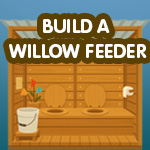
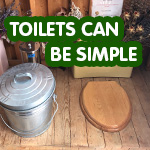
The toughest thing is dealing with sanitation. The goal is to eventually provide a flush toilet system but the expense makes it hard to do in the early years. I hope to install methane digesters that would handle all 1600 apartment structures. The plumbing or possibly a box sewer would be built in but not hooked up. compost toilets would serve the residents at first. These would involve 55 gallon drums and would be capped and swapped once a week. The drums would be access from the hallways so residents wouldn't be disturbed. The drums would be emptied, cleaned and replaced after the drums are allowed to set out in the sun to make sure they are sterile then a week later they would be swapped back so each resident would need two drums. The only maintenance would be adding sawdust after use.
Water would be collected from the greenhouses and fed into a system of cisterns. Each would have crushed lime stone to keep the water alkaline so no bacterial growth as well as bubblers so the water would stay fresh and aerated. Carbon water filters would remove anything that made it through the system but it's essentially rainwater.
Each home would have a wood burning cob stone as well as eventually gas on top of electric appliances like microwaves. Outdoor cob pizza and bread ovens would be available for use in good weather. The cob ovens cost next to nothing to make and are extremely useful and can provide additional heat but underground houses tend to be warm year round.
Benches, couches and bed frames can be made of concrete bricks with cushions and mattress for comfort. Kitchen counters would be similar with door less open cabinets. Everything is designed with economy and comfort in mind.











 1
1