|

|
|
|
|

|

|

|

|

|


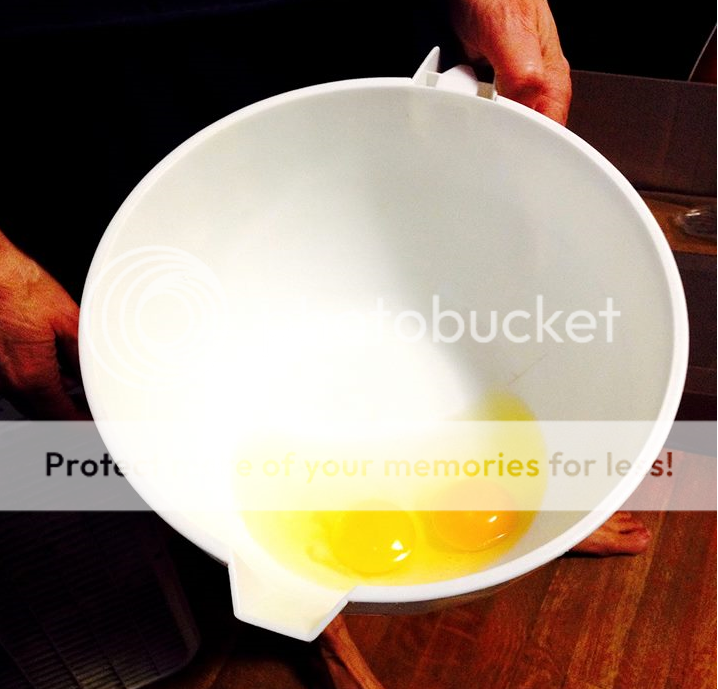
Mulberry leaves contain b-carotene, which can be converted with varying efficiency by animals to vitamin A and the xanthophylls, which can be a good source of the pigmentation of egg yolk (Moller et al., 2000;
My project thread
Agriculture collects solar energy two-dimensionally; but silviculture collects it three dimensionally.

http://www.cloud9farms.com/ - Southern Colorado - Zone 5 (-19*f) - 5300ft elevation - 12in rainfall plus irrigation rights
Dairy cows, "hair" sheep, Kune Kune pigs, chickens, guineas and turkeys
http://www.cloud9farms.com/ - Southern Colorado - Zone 5 (-19*f) - 5300ft elevation - 12in rainfall plus irrigation rights
Dairy cows, "hair" sheep, Kune Kune pigs, chickens, guineas and turkeys


Ask me about food.
How Permies.com Works (lots of useful links)

but once they get established you have ALOT of mealworms! i can harvest 100 a week out of my 2yr old colony and it doesn't really go down . i put a large heat mat under the tote so they grow/ reproduce faster.Rick Roman wrote:Hi Nancy, Super worms are like Mealworms, just much larger. Both species are larvae of the Darkling beetle. They are raised commercially to feed reptiles or fish and can be purchased at most pet stores. I buy the Super Worms during the winter as treats for my small flock of chickens... they love them. You can raise Super Worms, but the life cycle takes a long time (close to a year).

|
Morning came much too soon and it brought along a friend named Margarita Hangover, and a tiny ad.
Permaculture Voices 1, 2 and 3 - all 117 hours of video!
https://permies.com/t/voices123
|