This post is going to be a bit scattered, largely because I've been working on Anna for over 2.5 years now. I actually wrote up a lot about her attire 2.5 years ago, but then never posted it. Then I started writing another post 3 months ago, having forgotten my previous draft. Then I found my draft, and I didn't have enough "spoons" to figure out how to mash the two drafts together. And, in fact, I still don't have enough spoons to mash them together. So, I'm just going to quote them and stick them here with my drawings!.
This is what I had written 2.5 years ago:
Now for Anna! I'm going to make both her bunad dress, as well as on of her other dresses
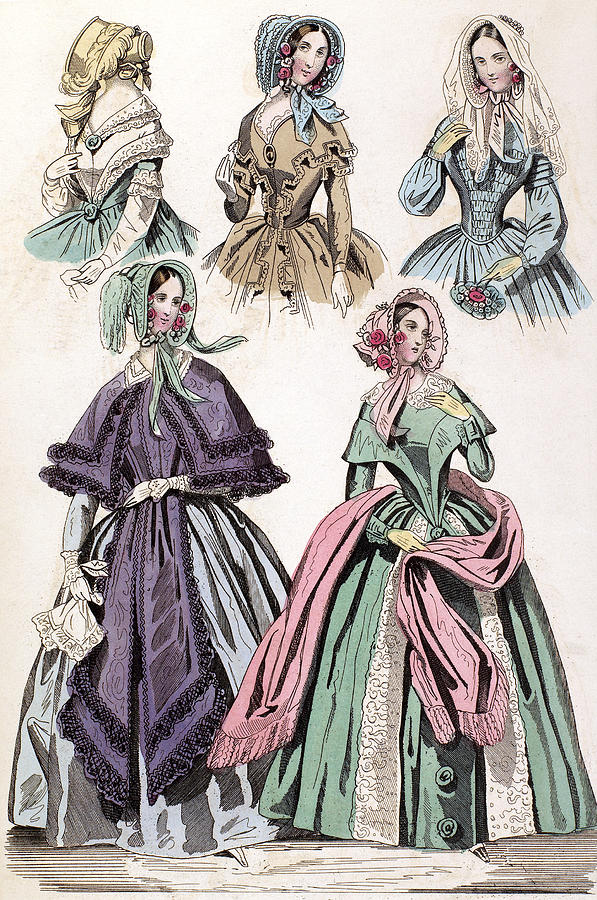
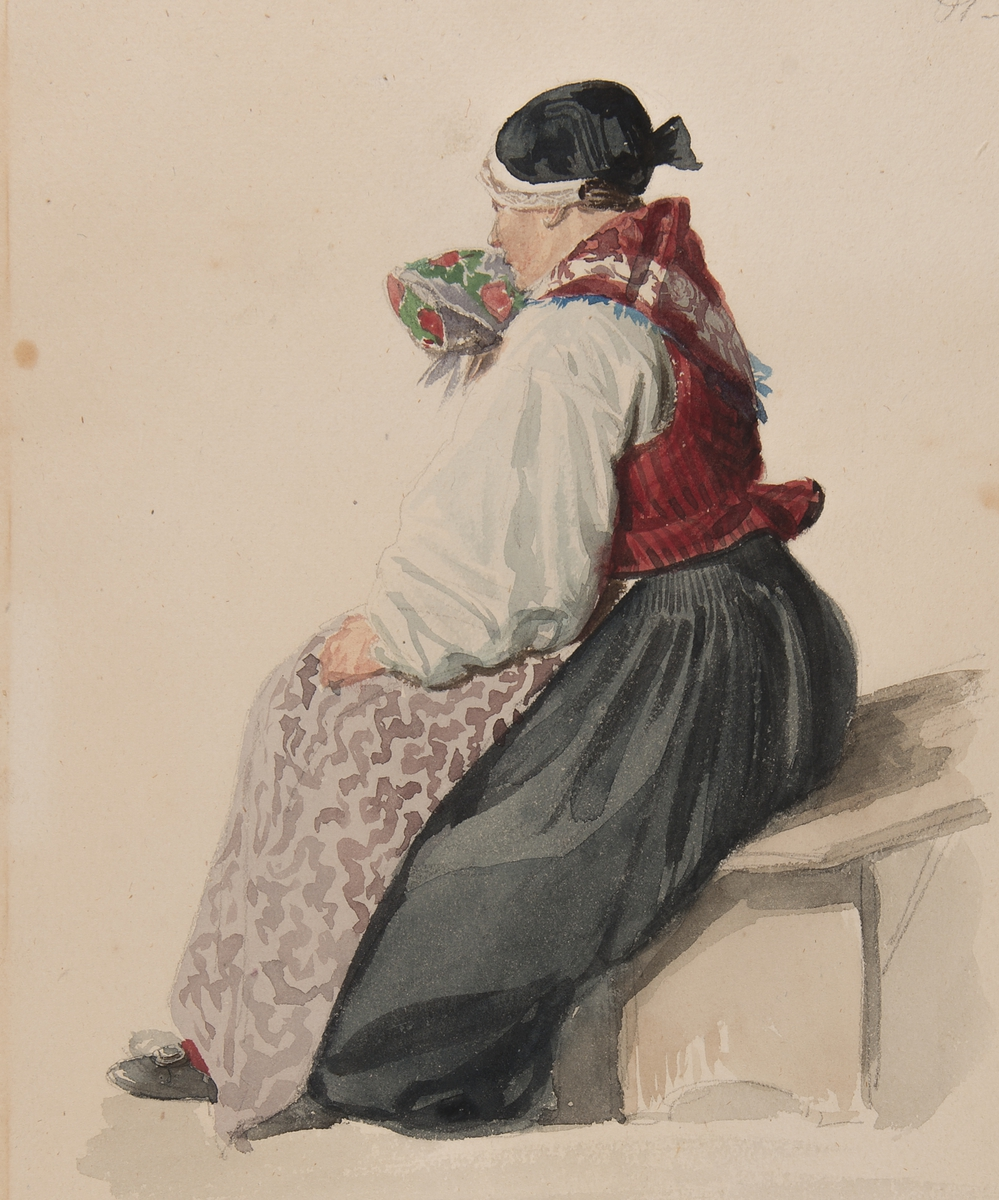
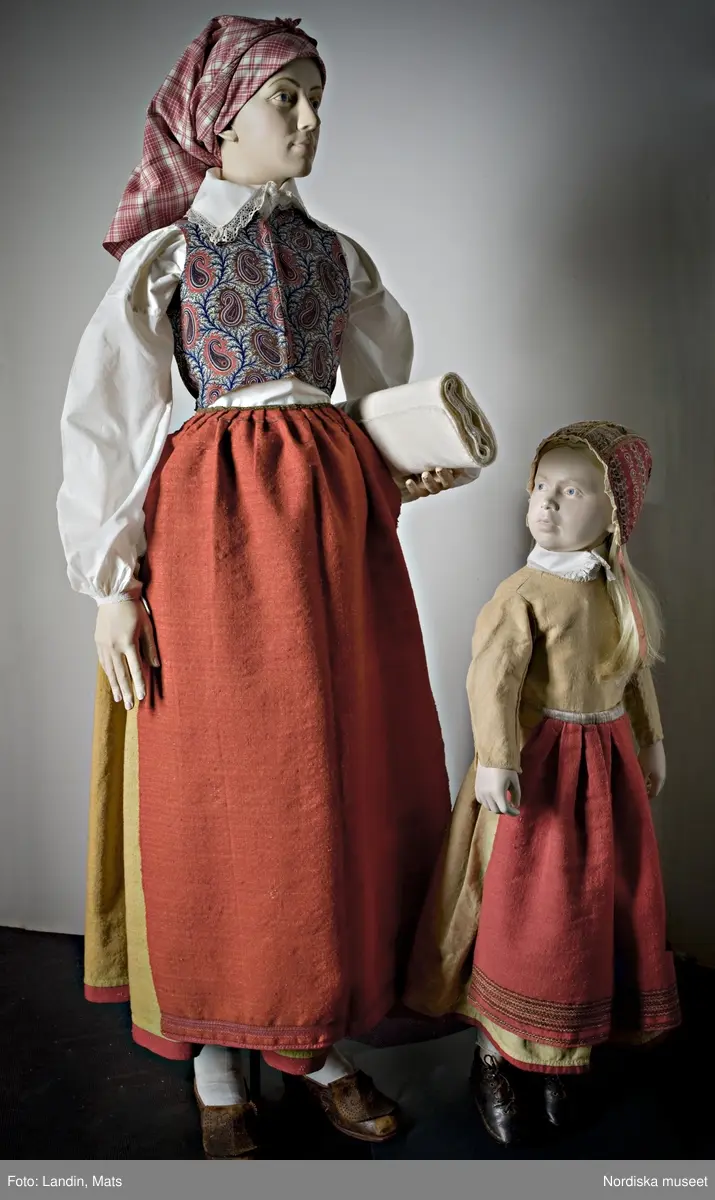
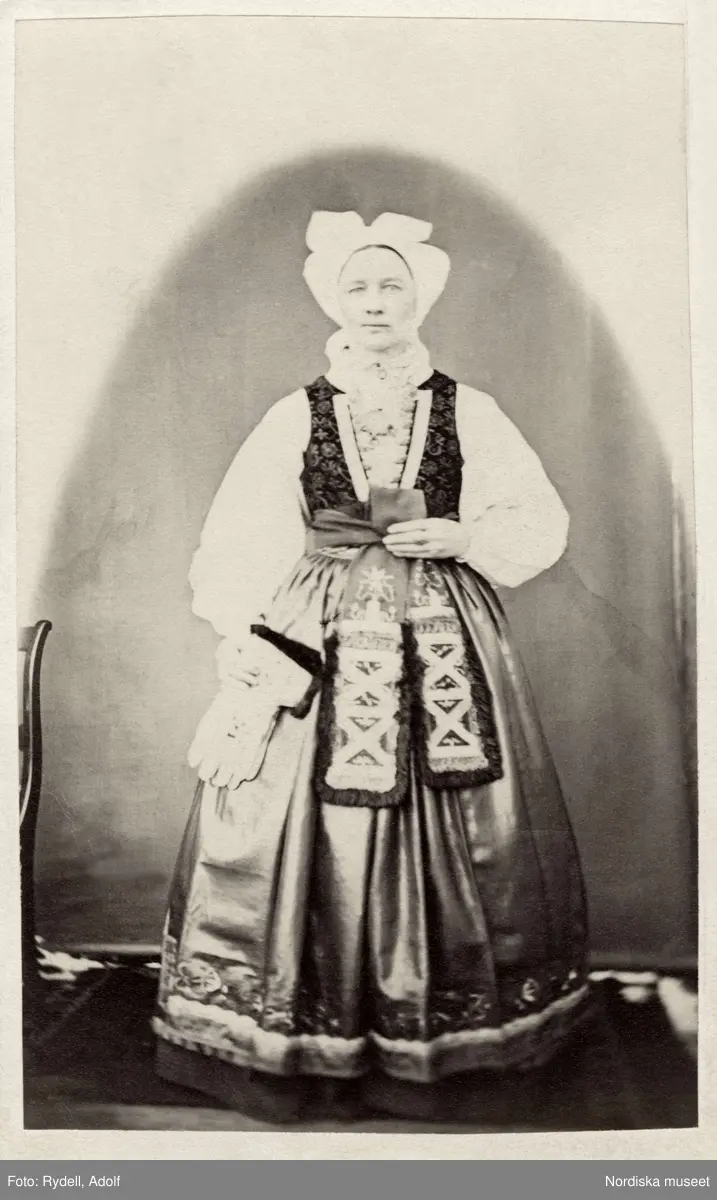
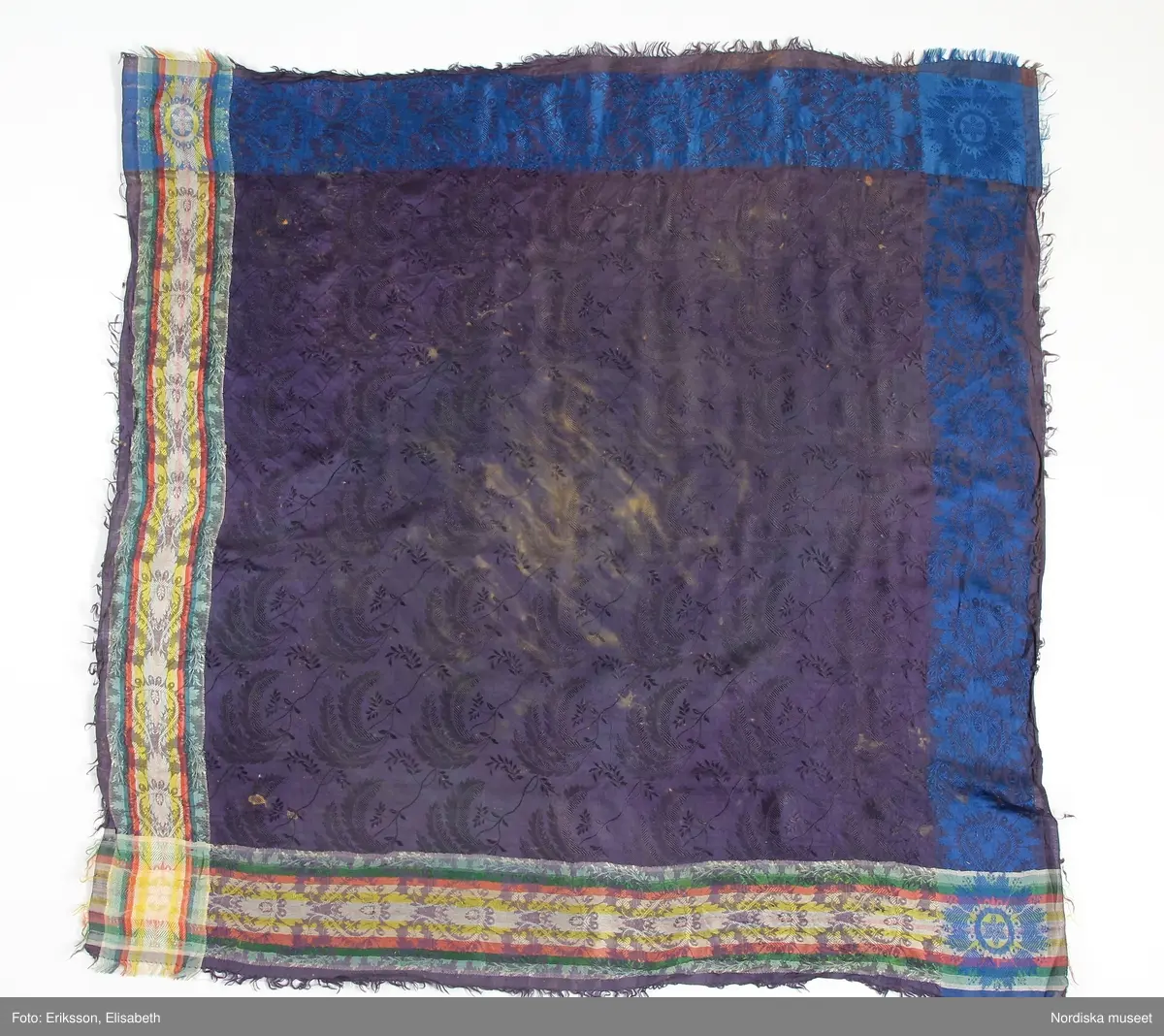
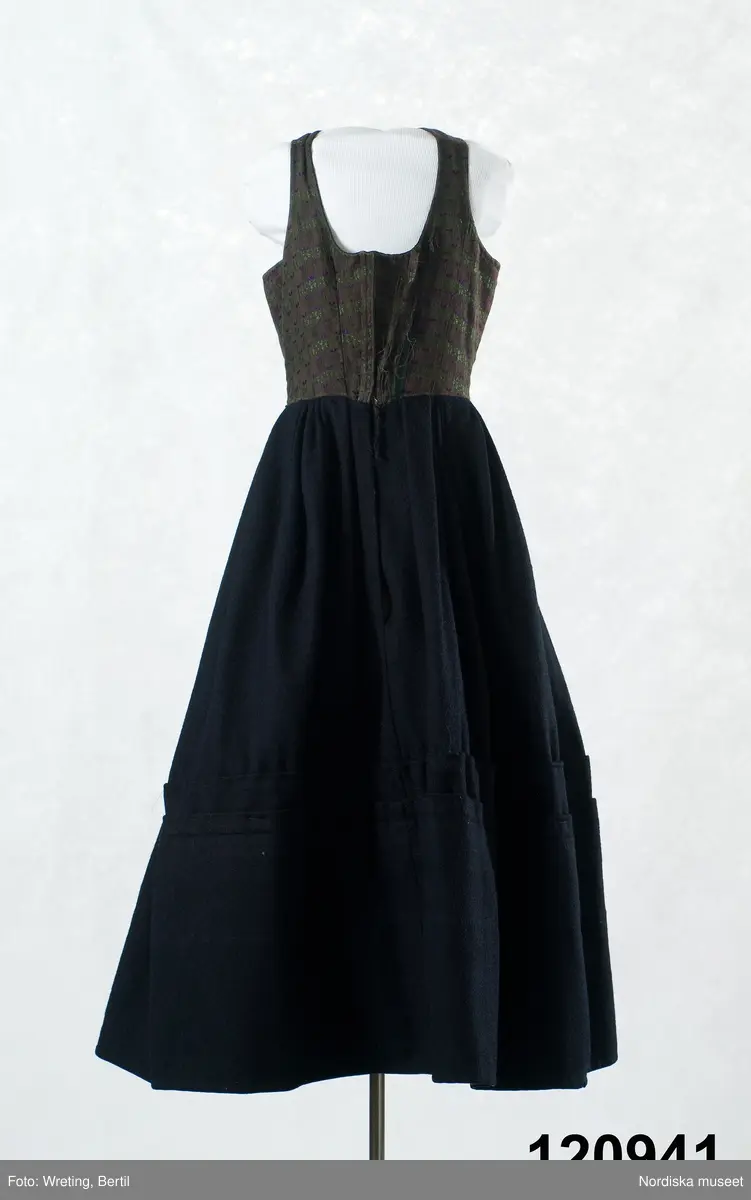
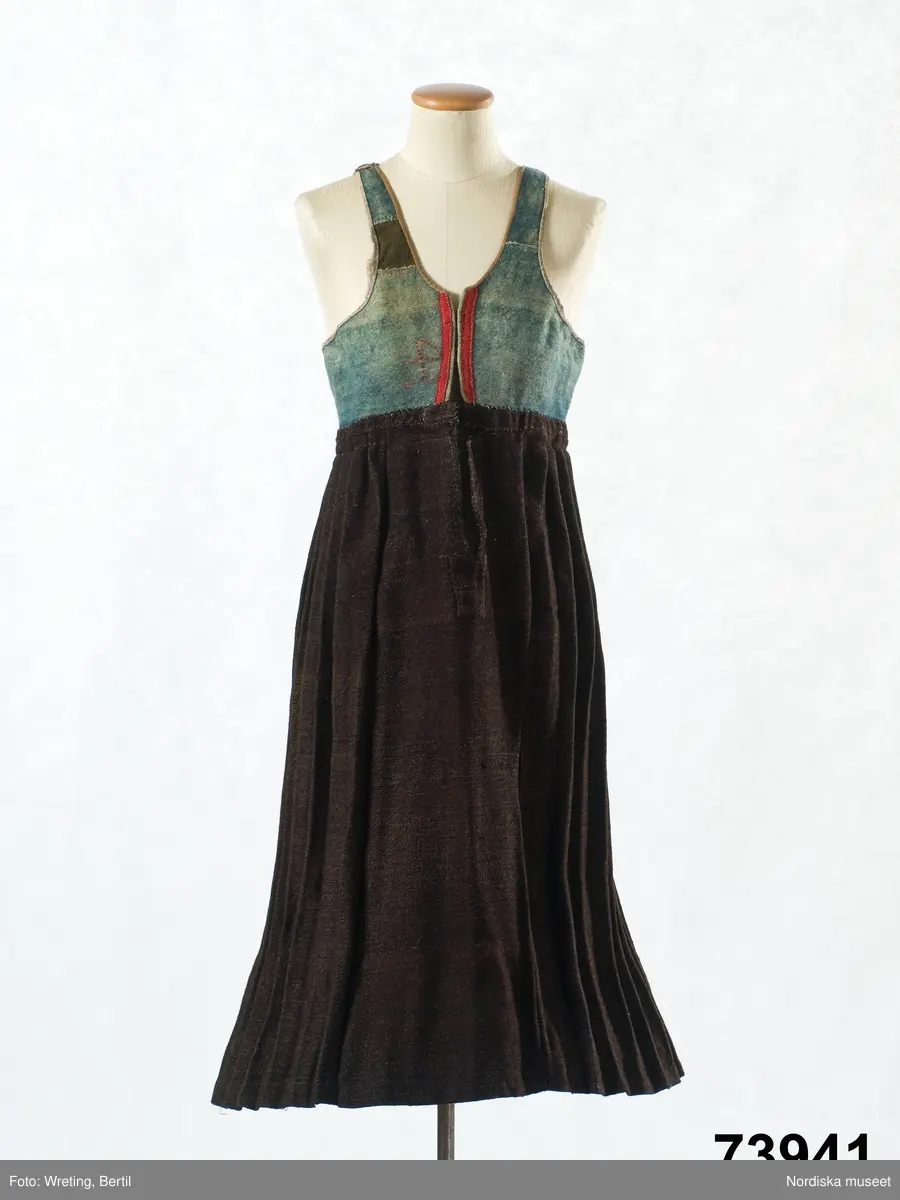
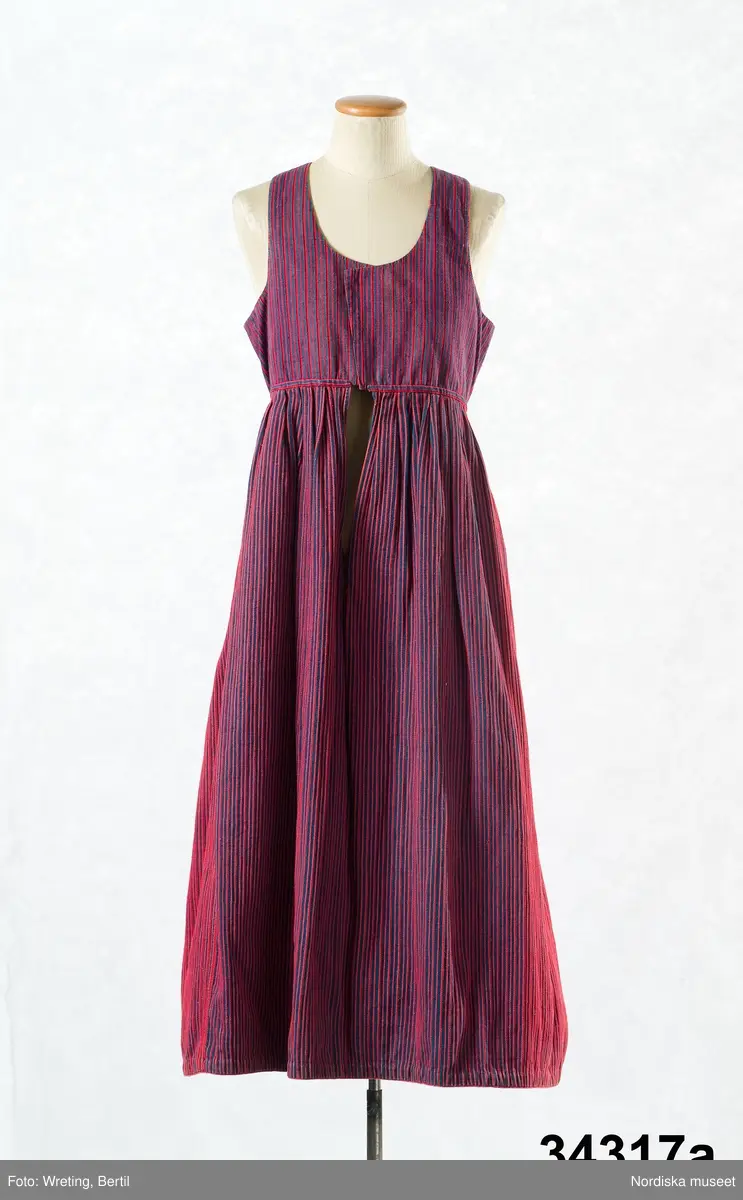
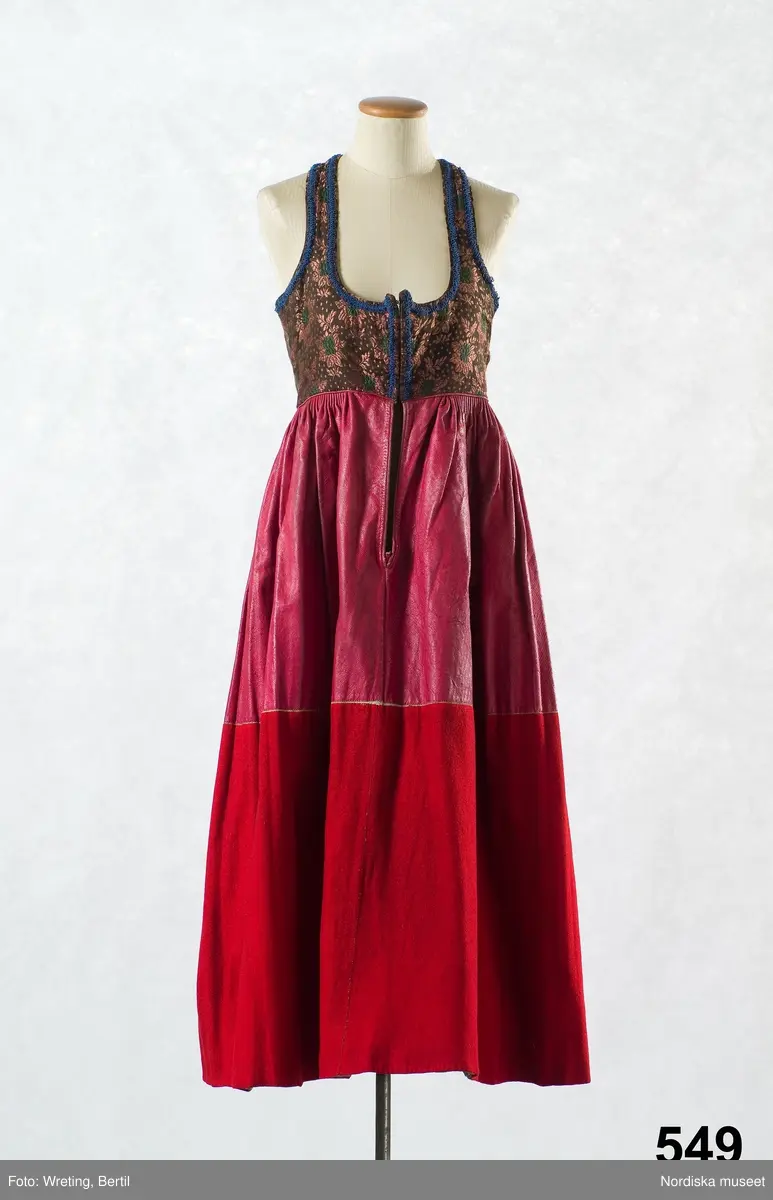
And then I rabbit-holed down the colors of folk dresses. I think most of these are Swedish, but I think the colors could have been seen in Norway, too. I love the variety of colors. There's so much more than the typical dark blue, orangish-red, and green seen on most bunad images.
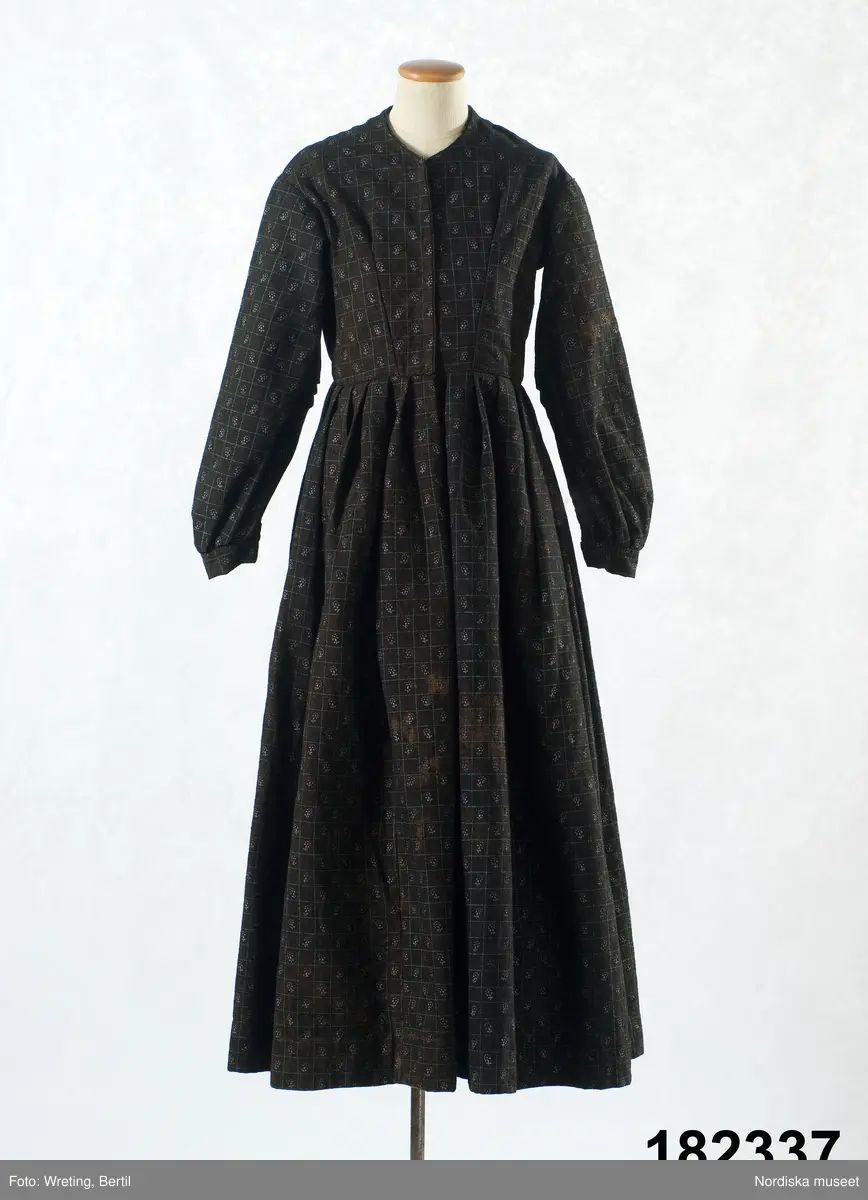
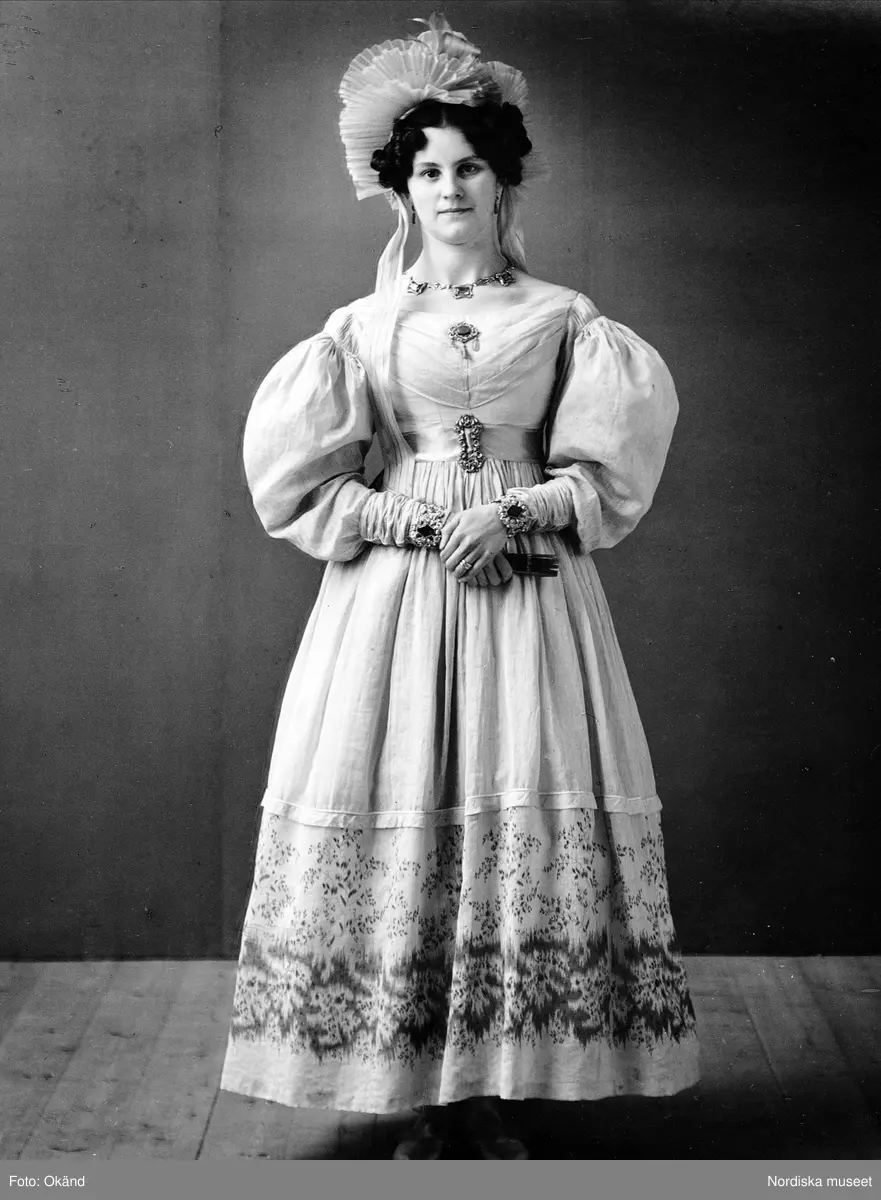
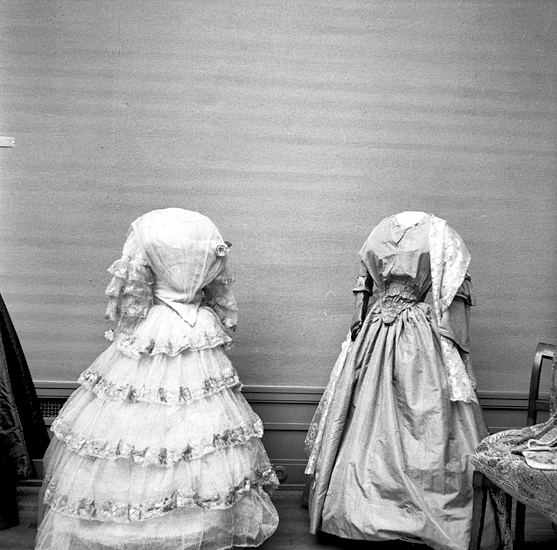
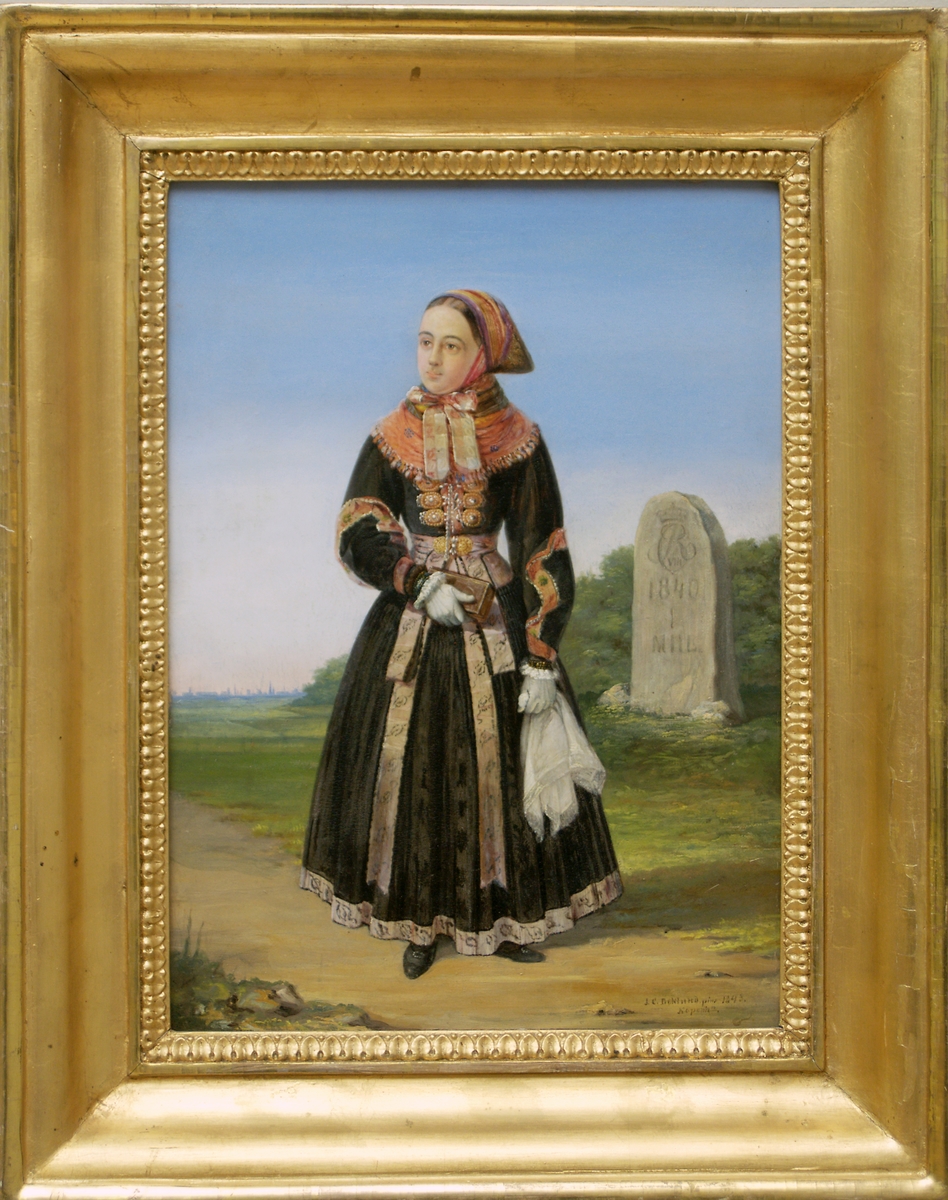
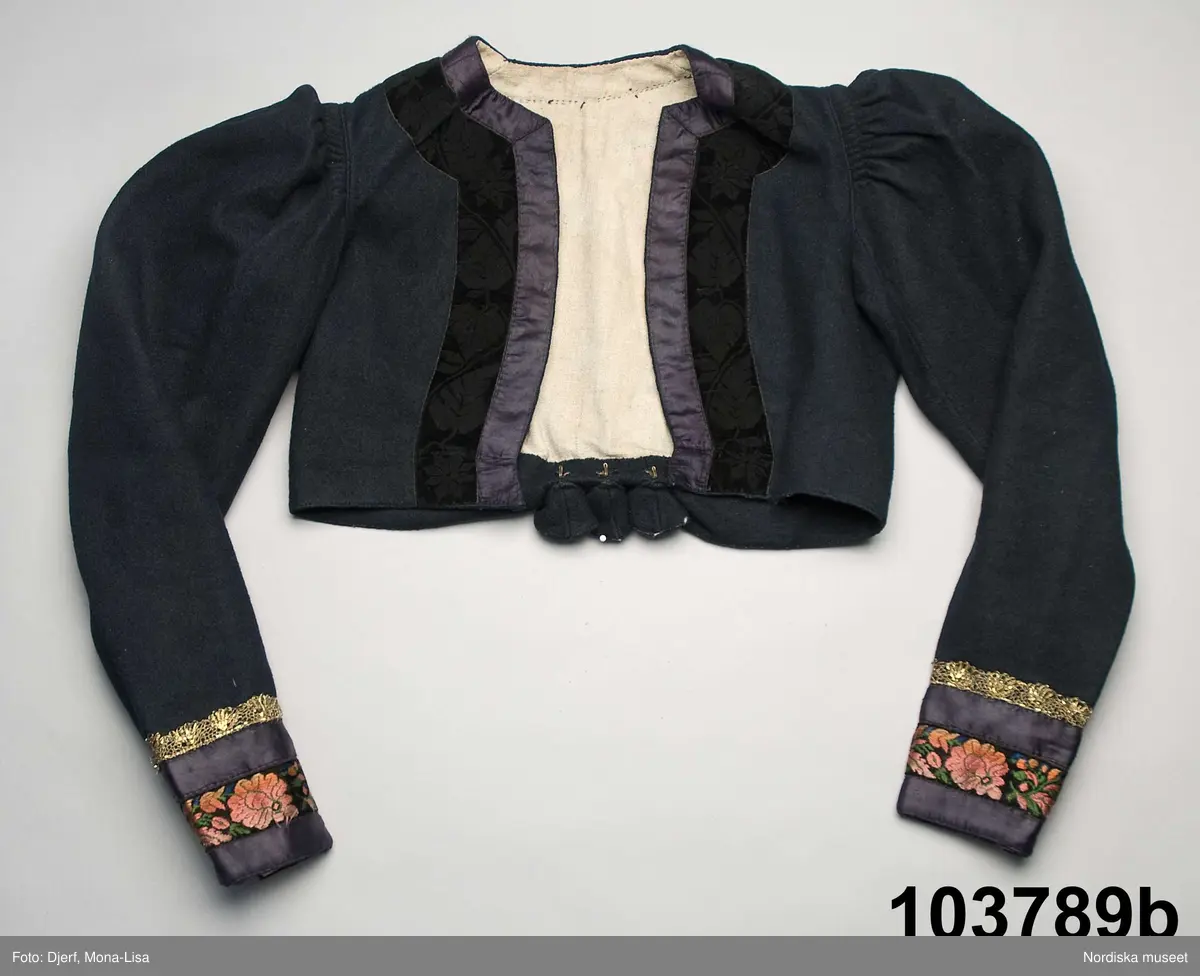
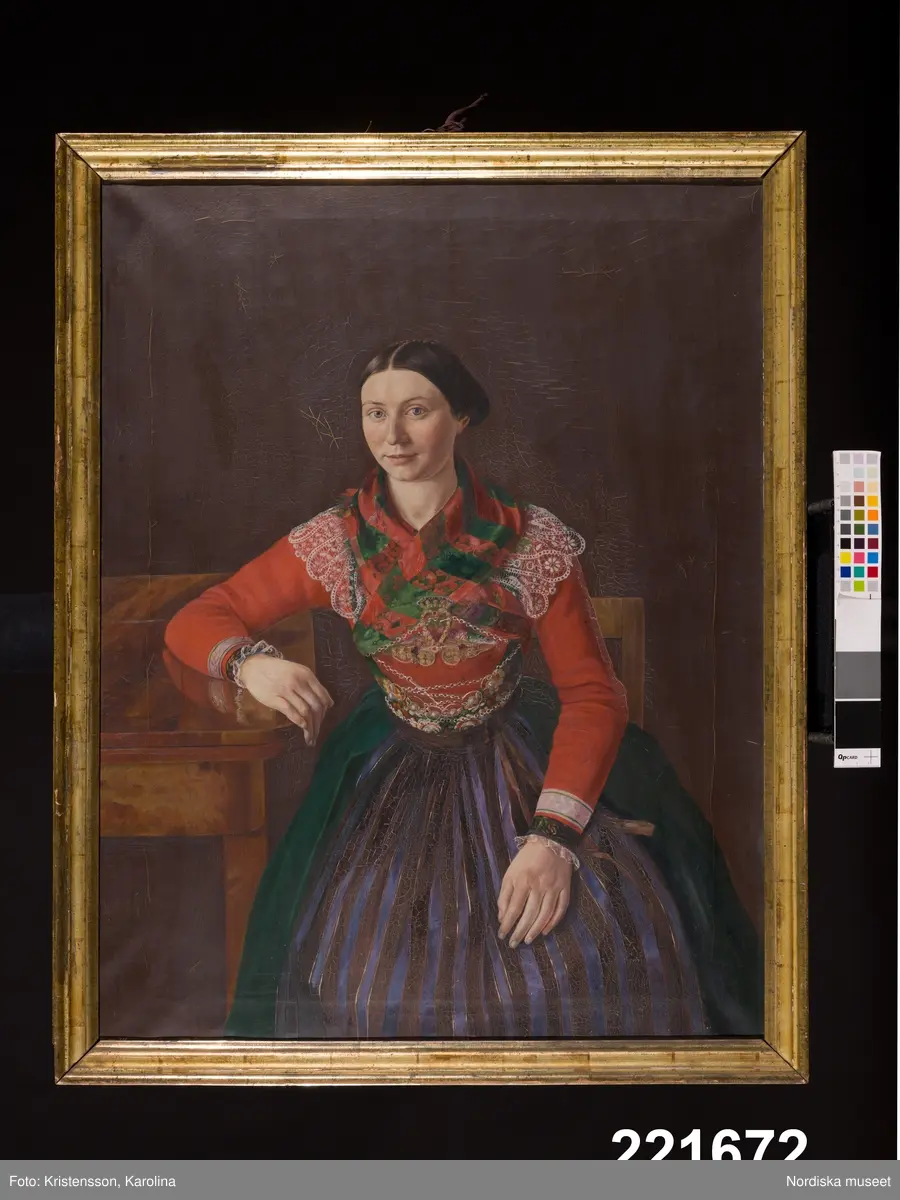
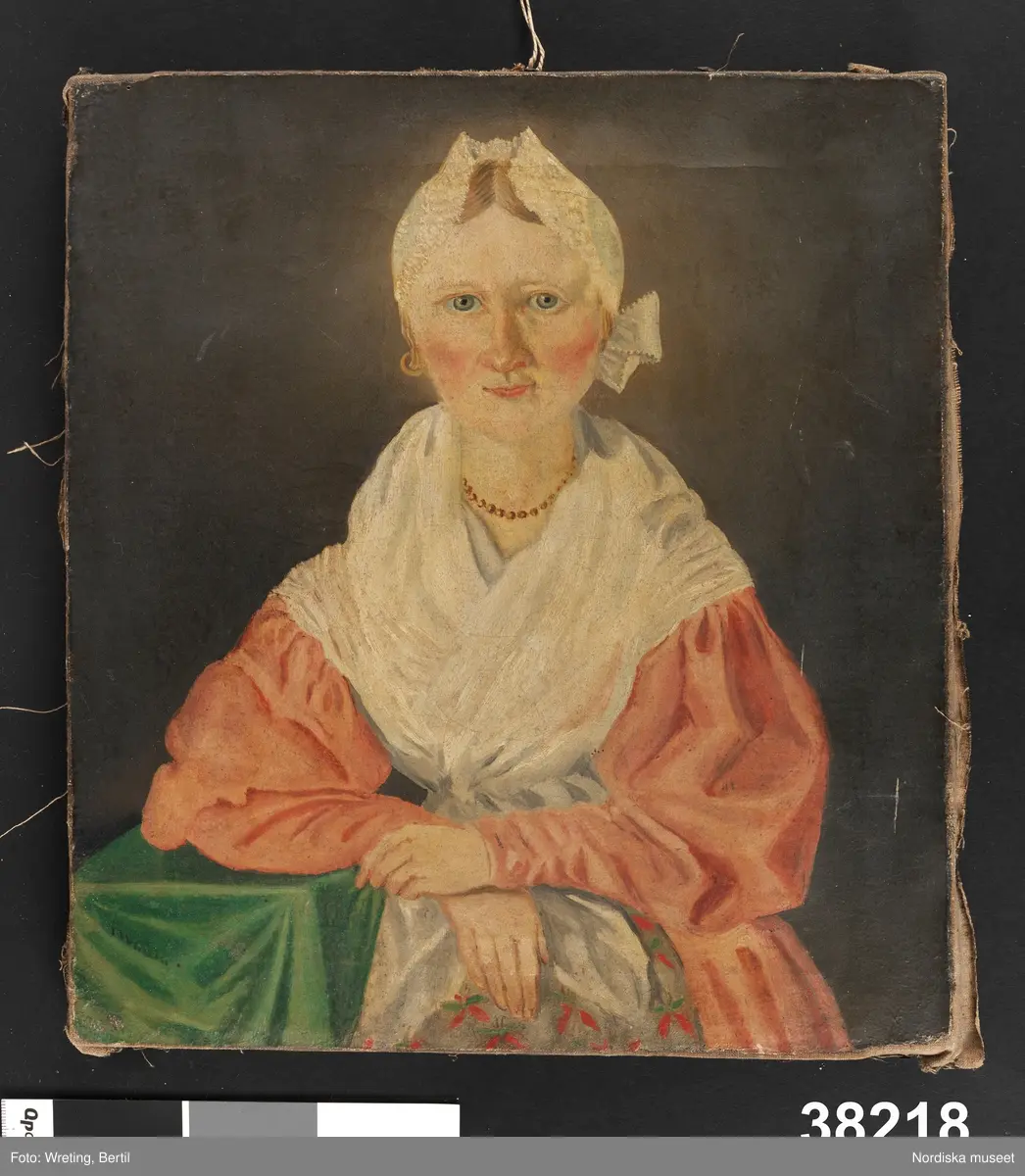
At first, I thought Anna's outfits would be easy. I already know the time period and place, and have lots of examples of dresses from the area. But, the bunad worried me, because those were so local. And as I looked further, I realized that Anna's dresses (apart from the dress she wears for most of the movie) are an interesting mix of traditional dress and the clothing style that most middle-upperclass Europeans were wearing. Which made me wonder, "Were there other people blending the fashions? Was it ever just one or the other?"
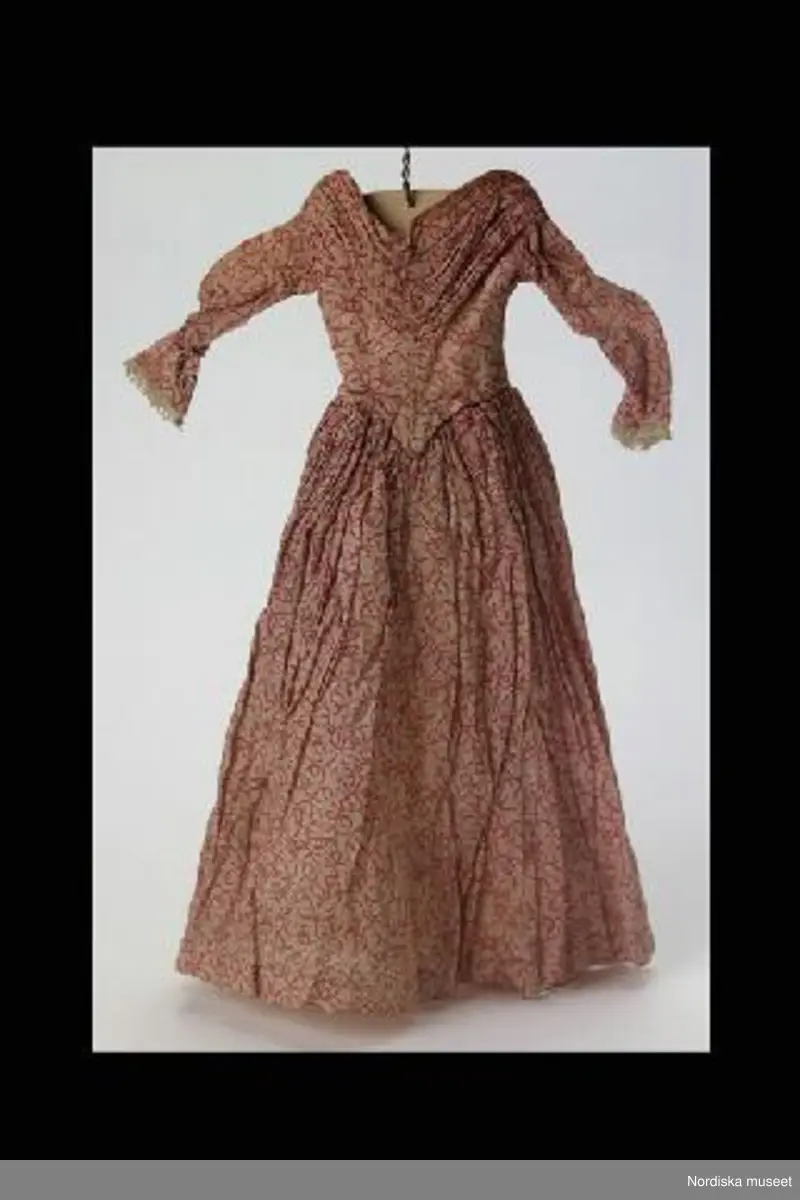
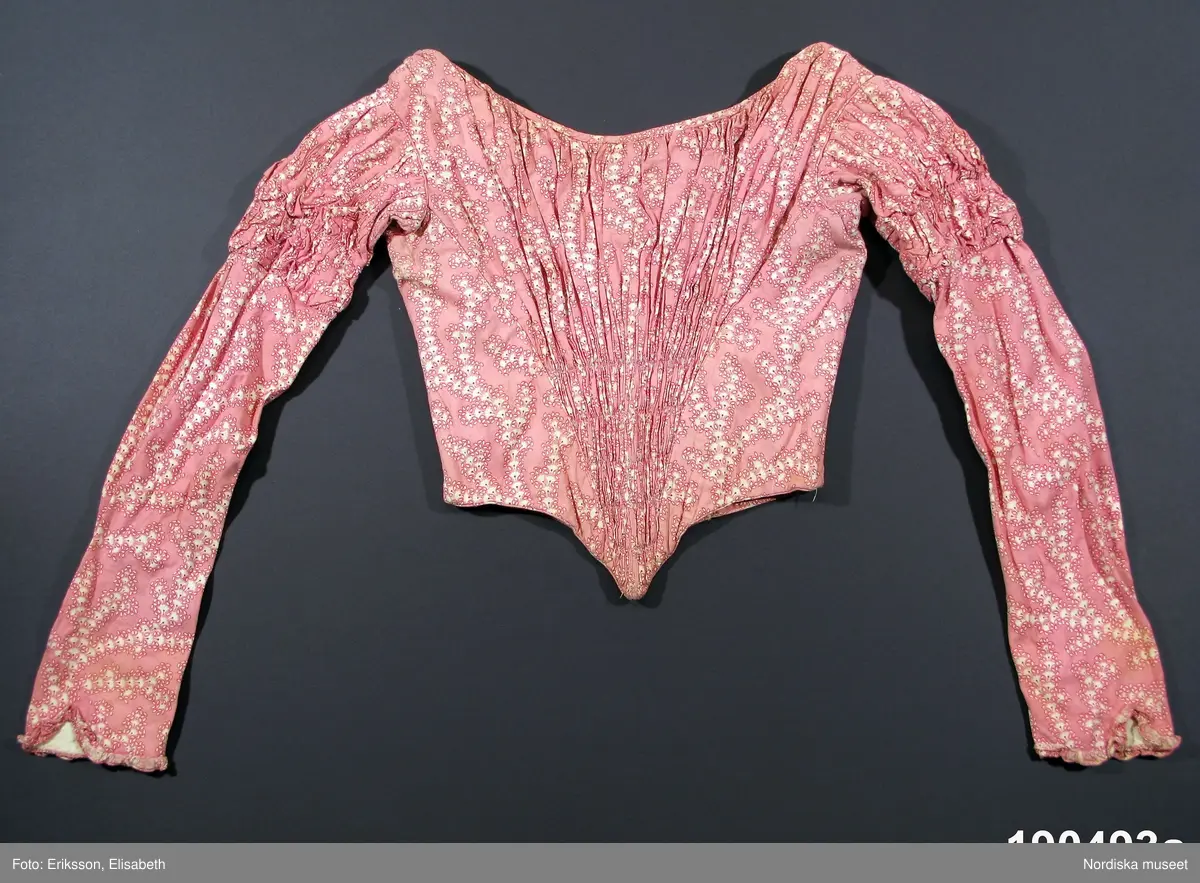
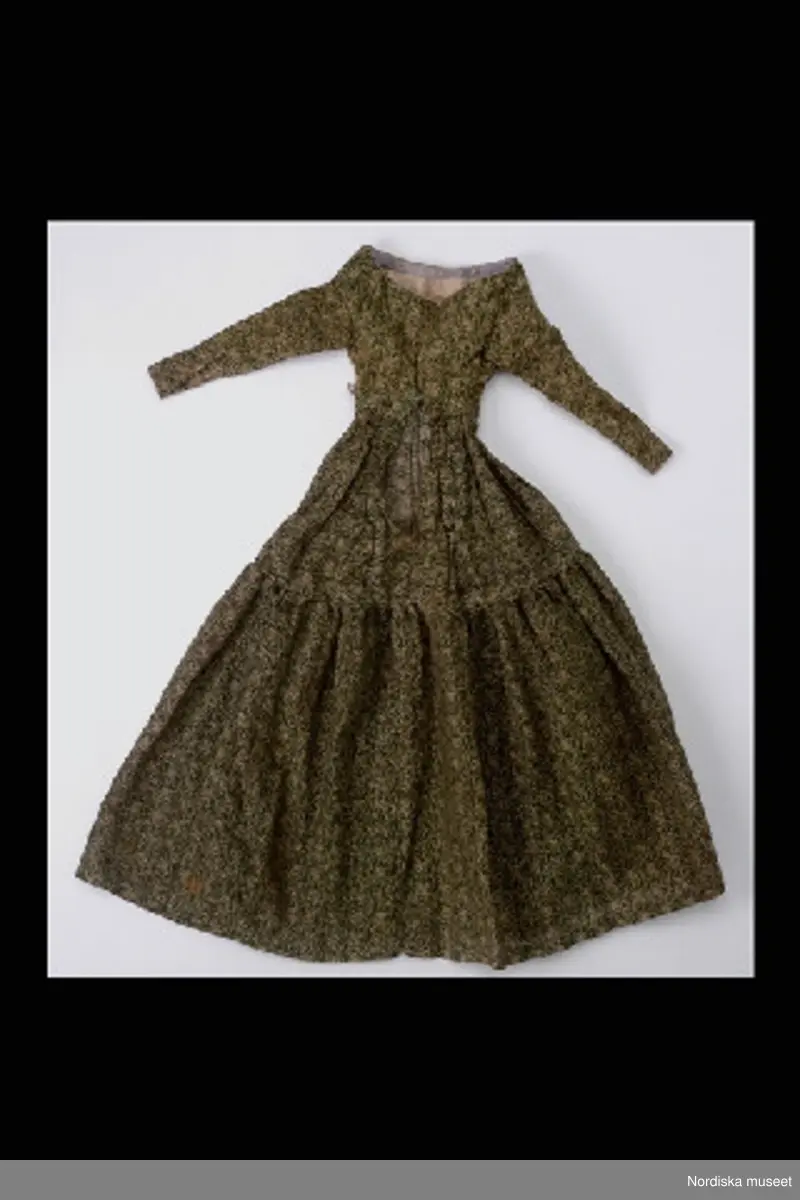
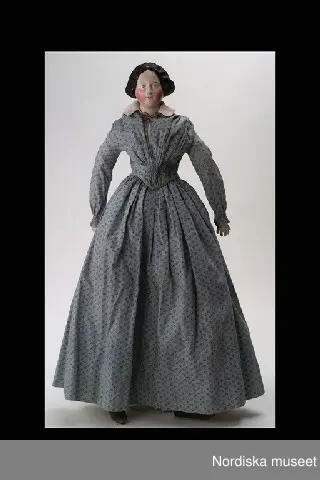
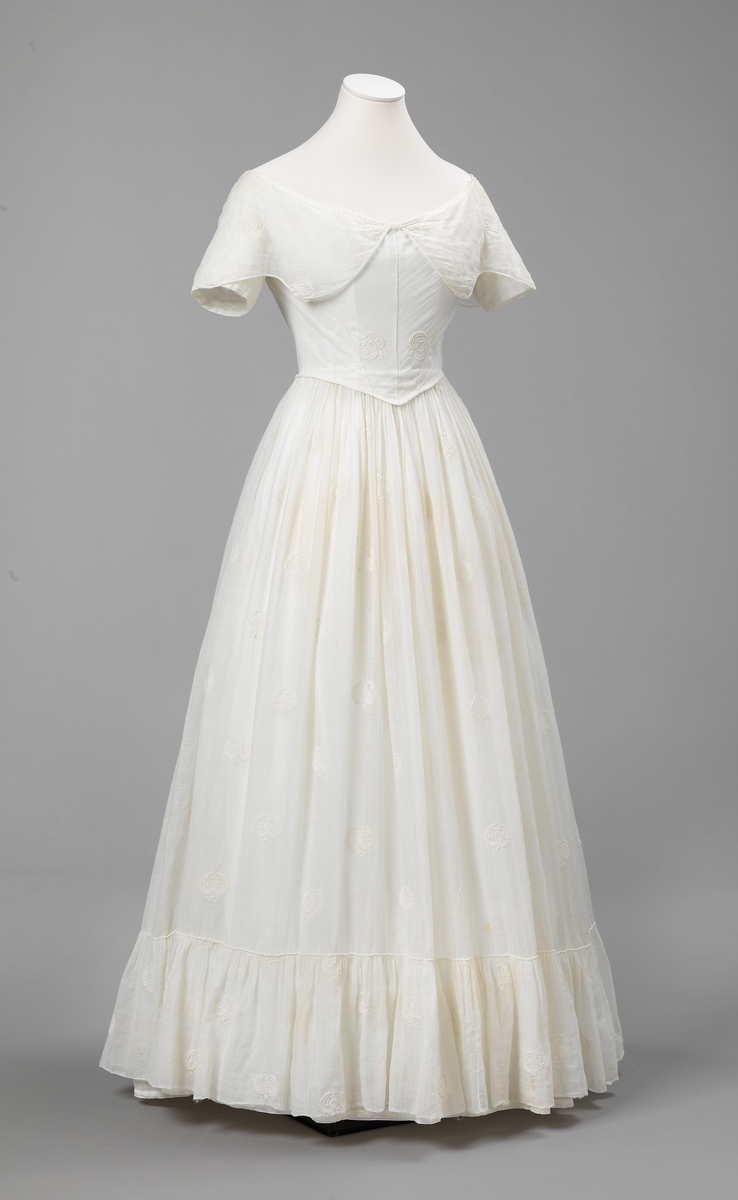
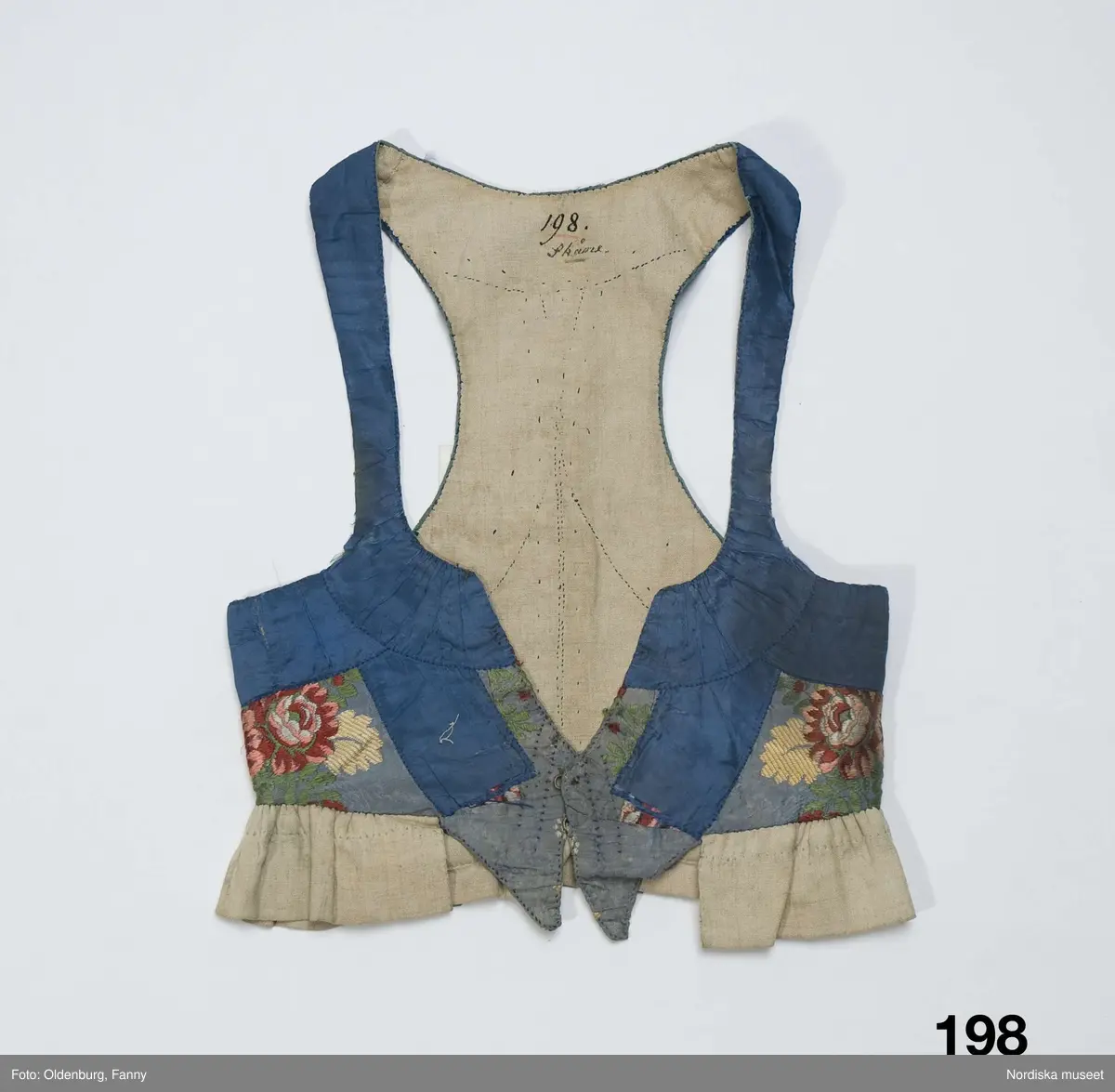
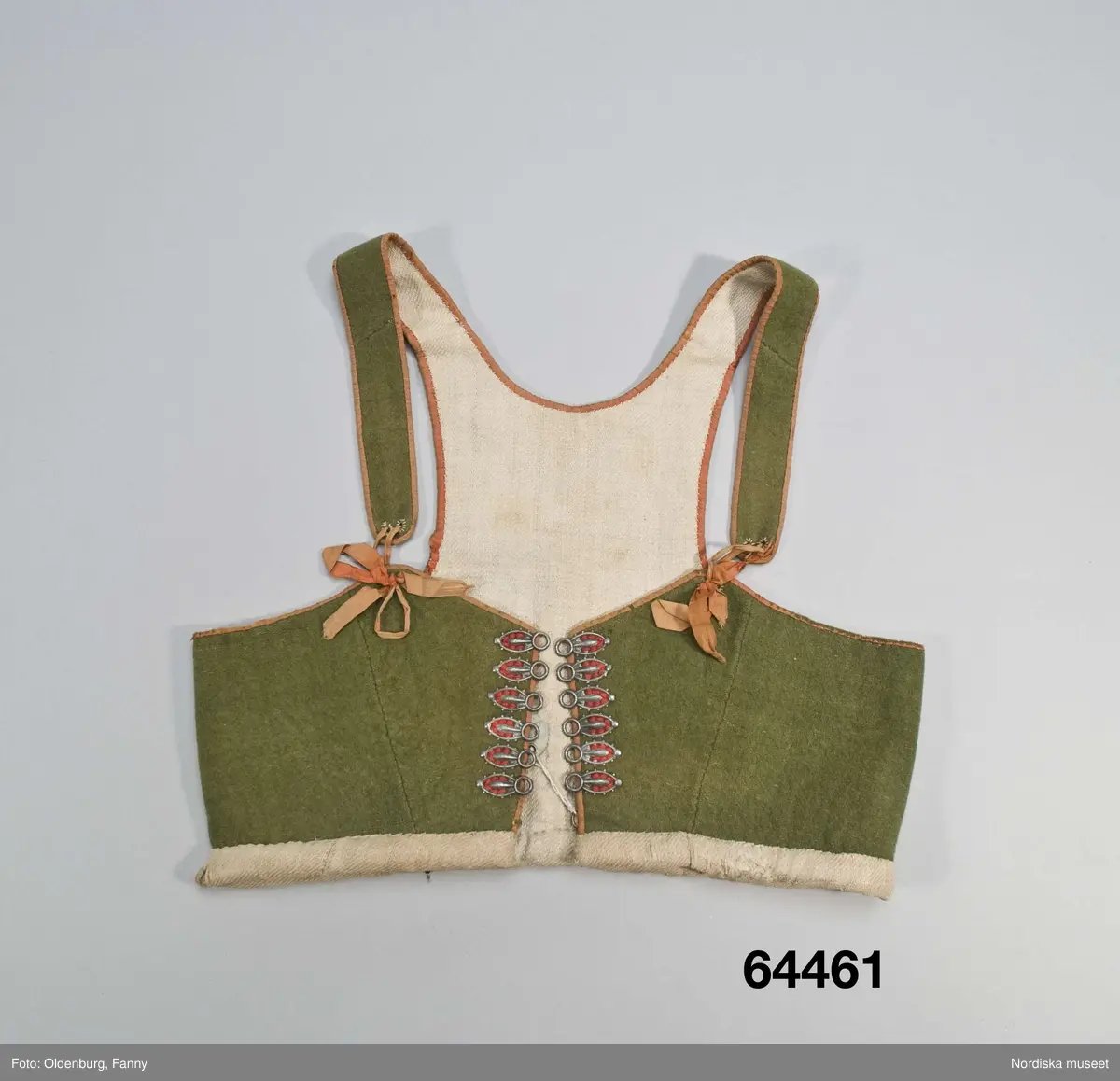
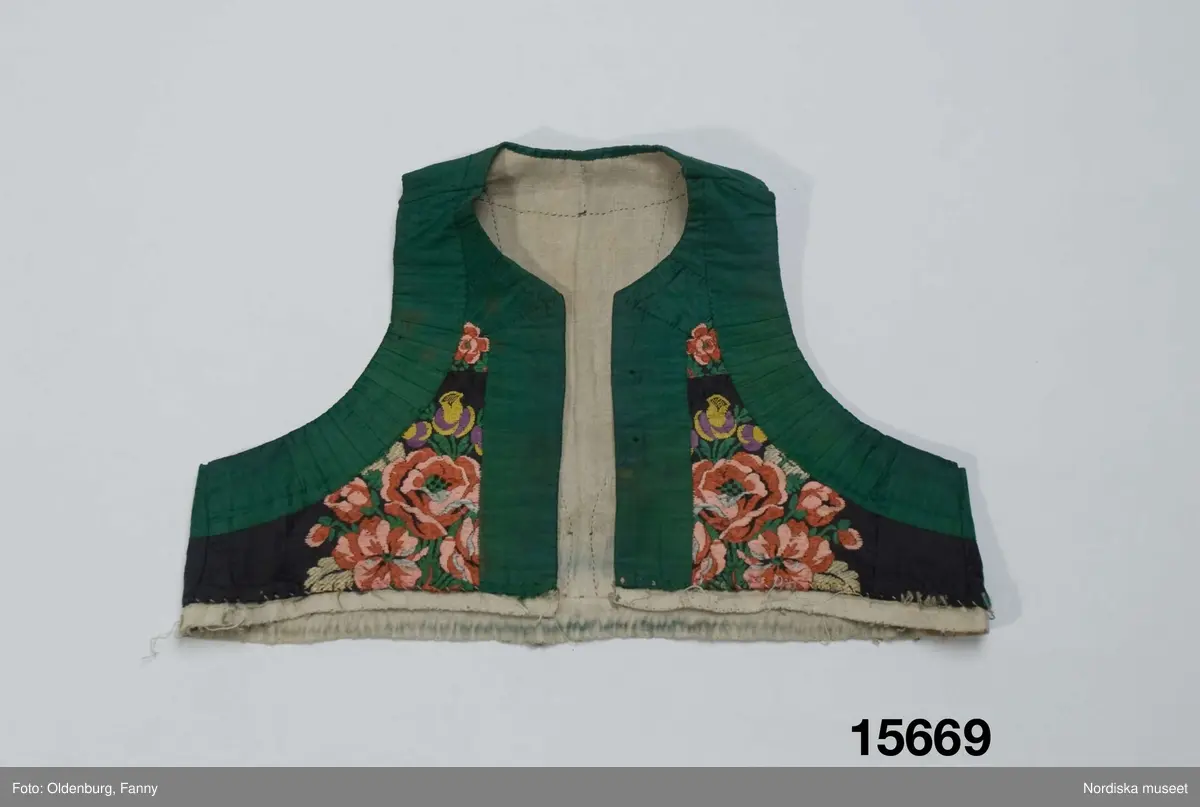
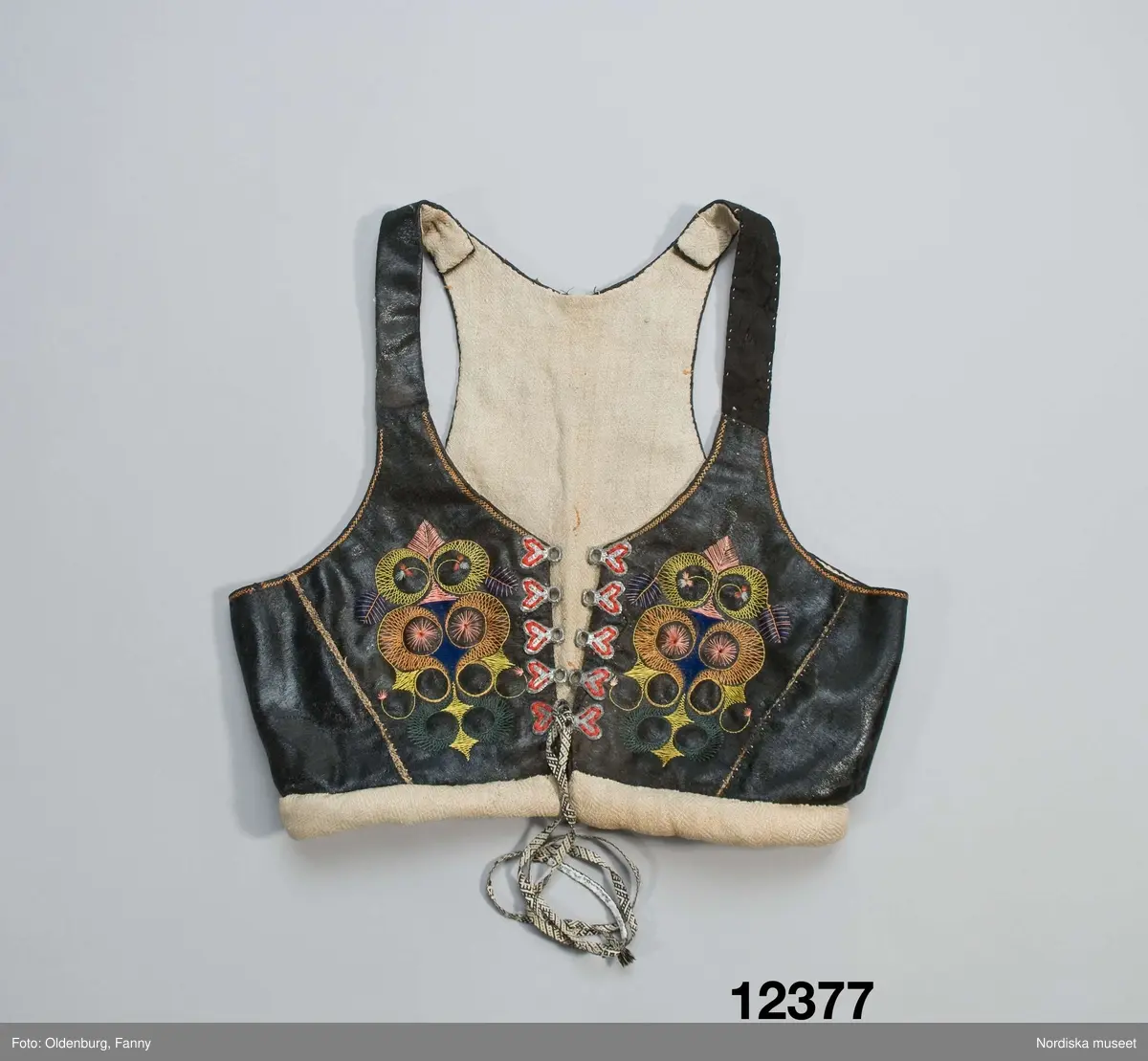
I found that there's a simple livkjul, or "living wear" which looks like this:
1840-70
1840
1825-40
1840-1855 Sweden
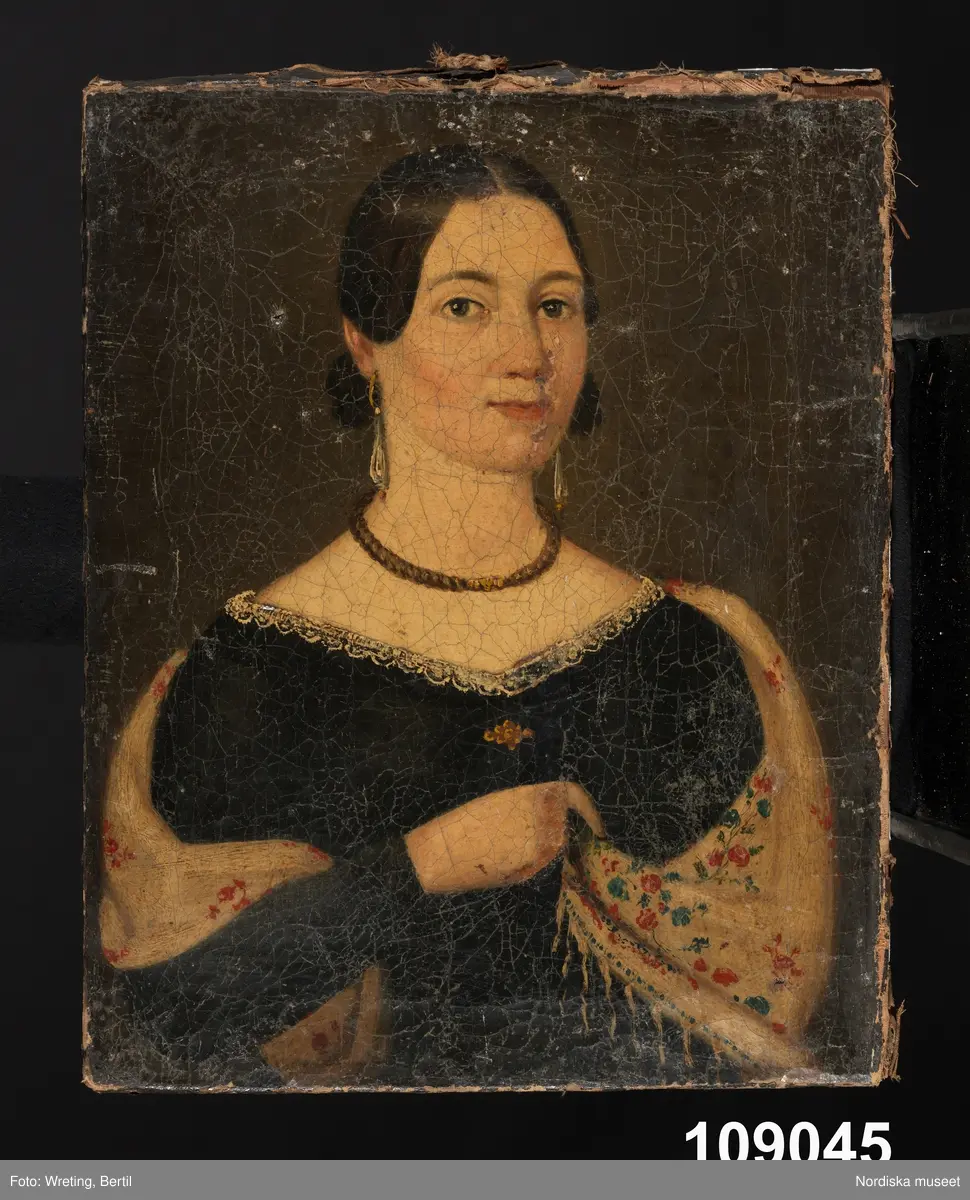
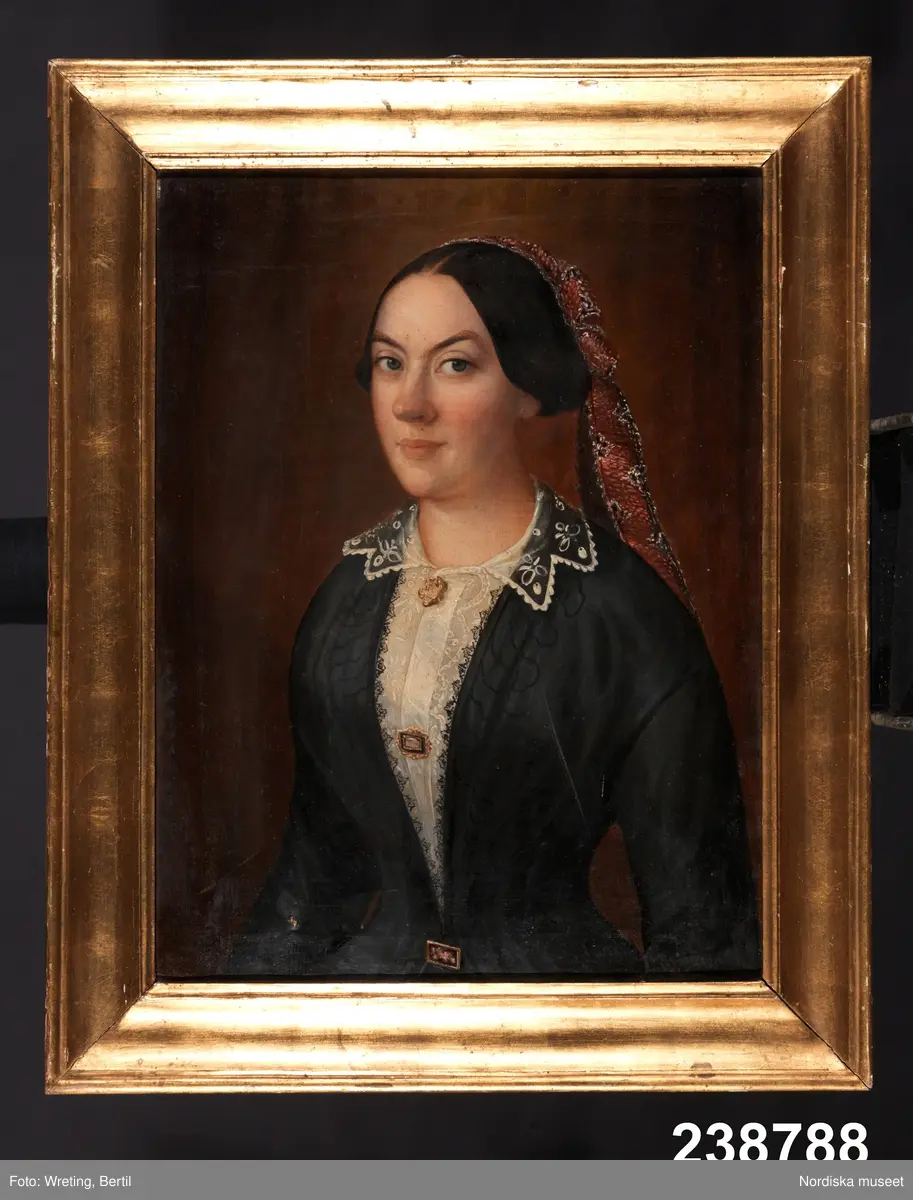
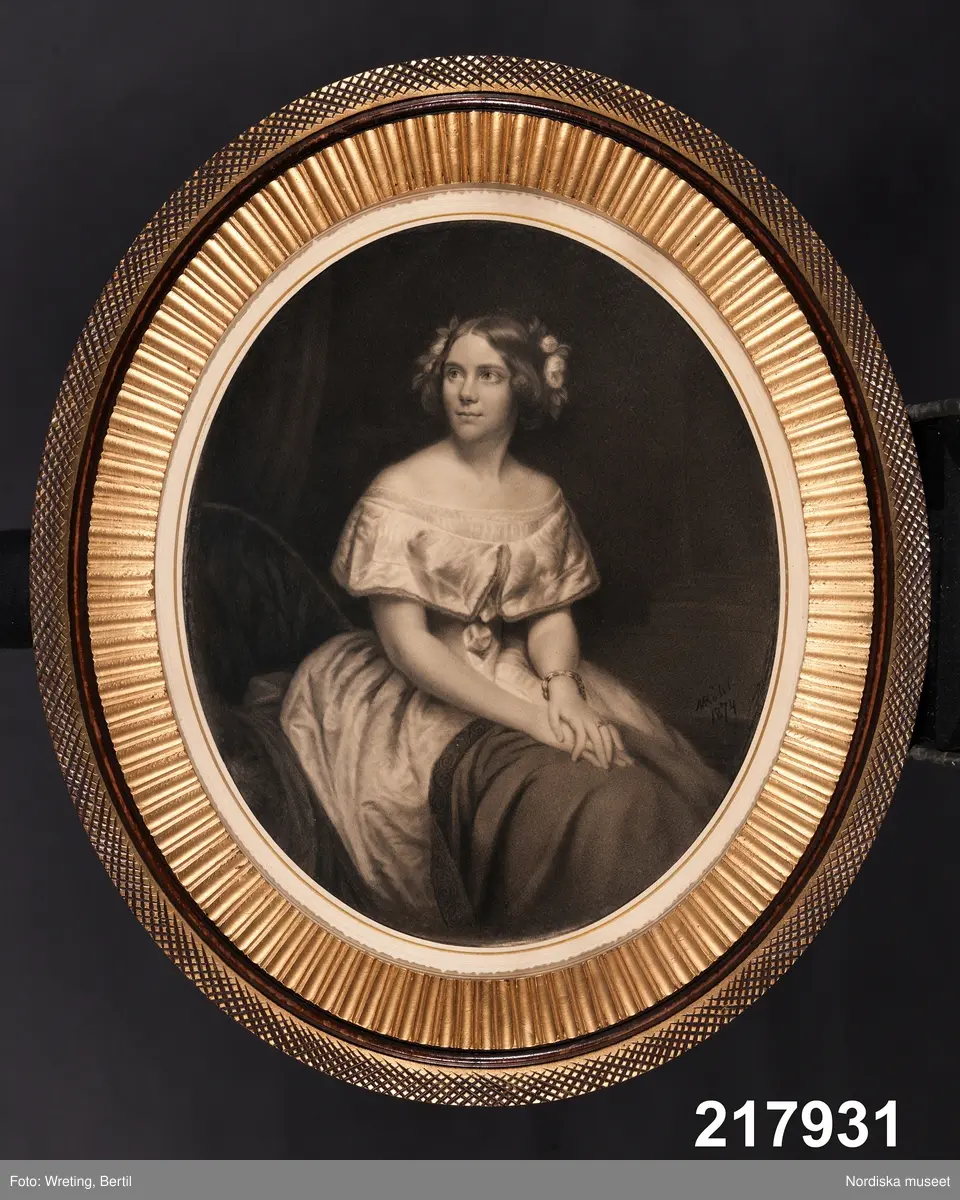
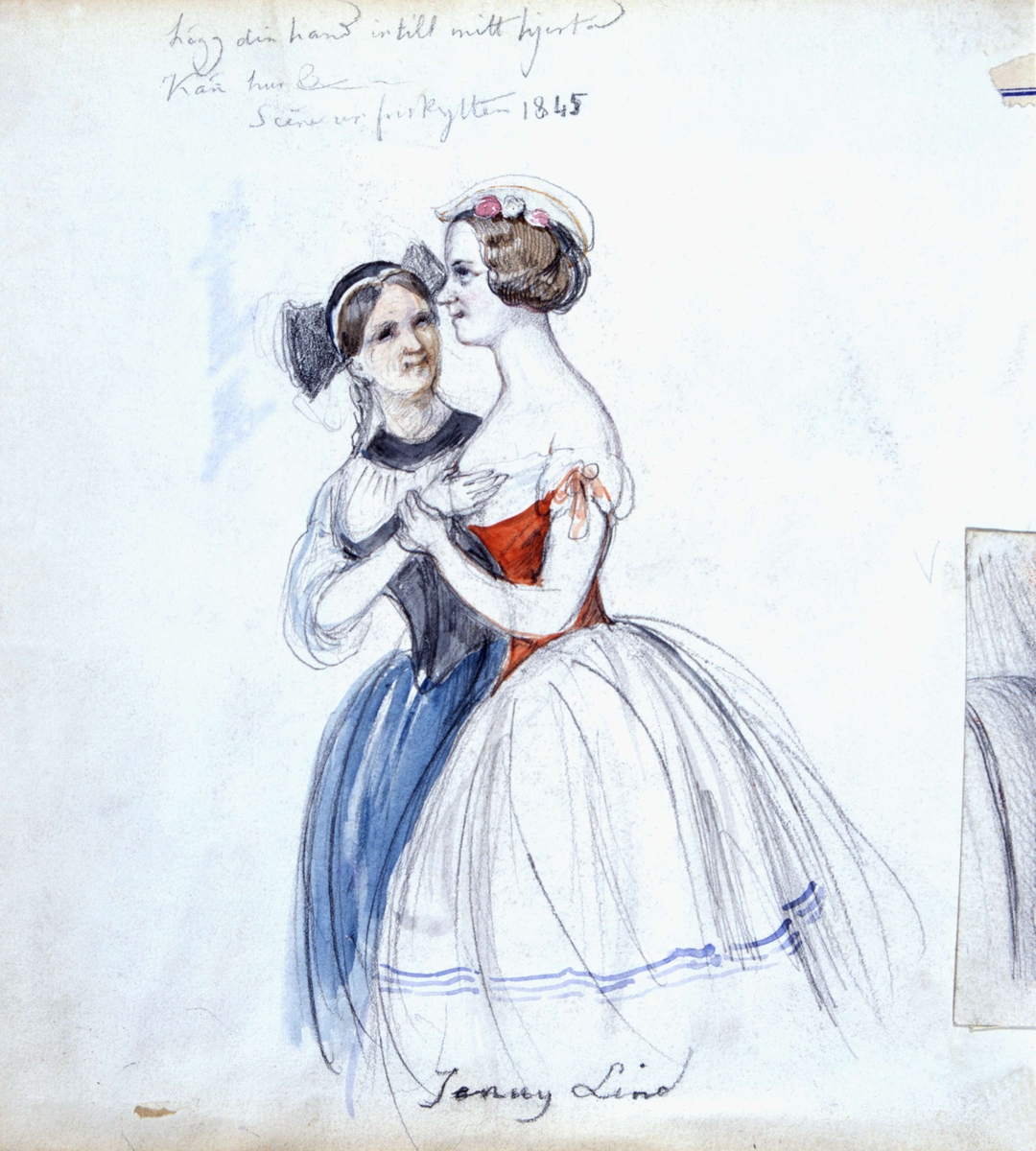
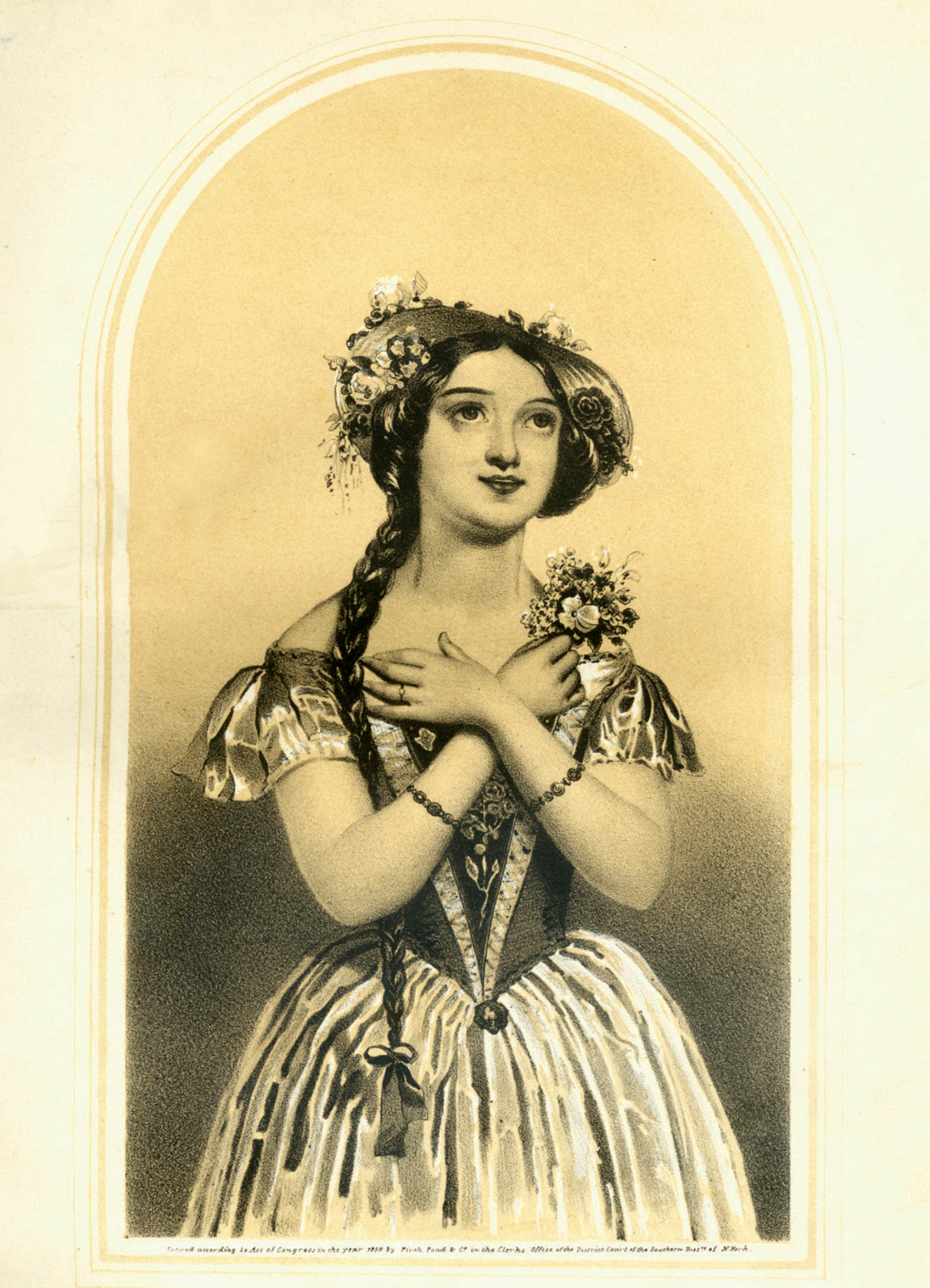
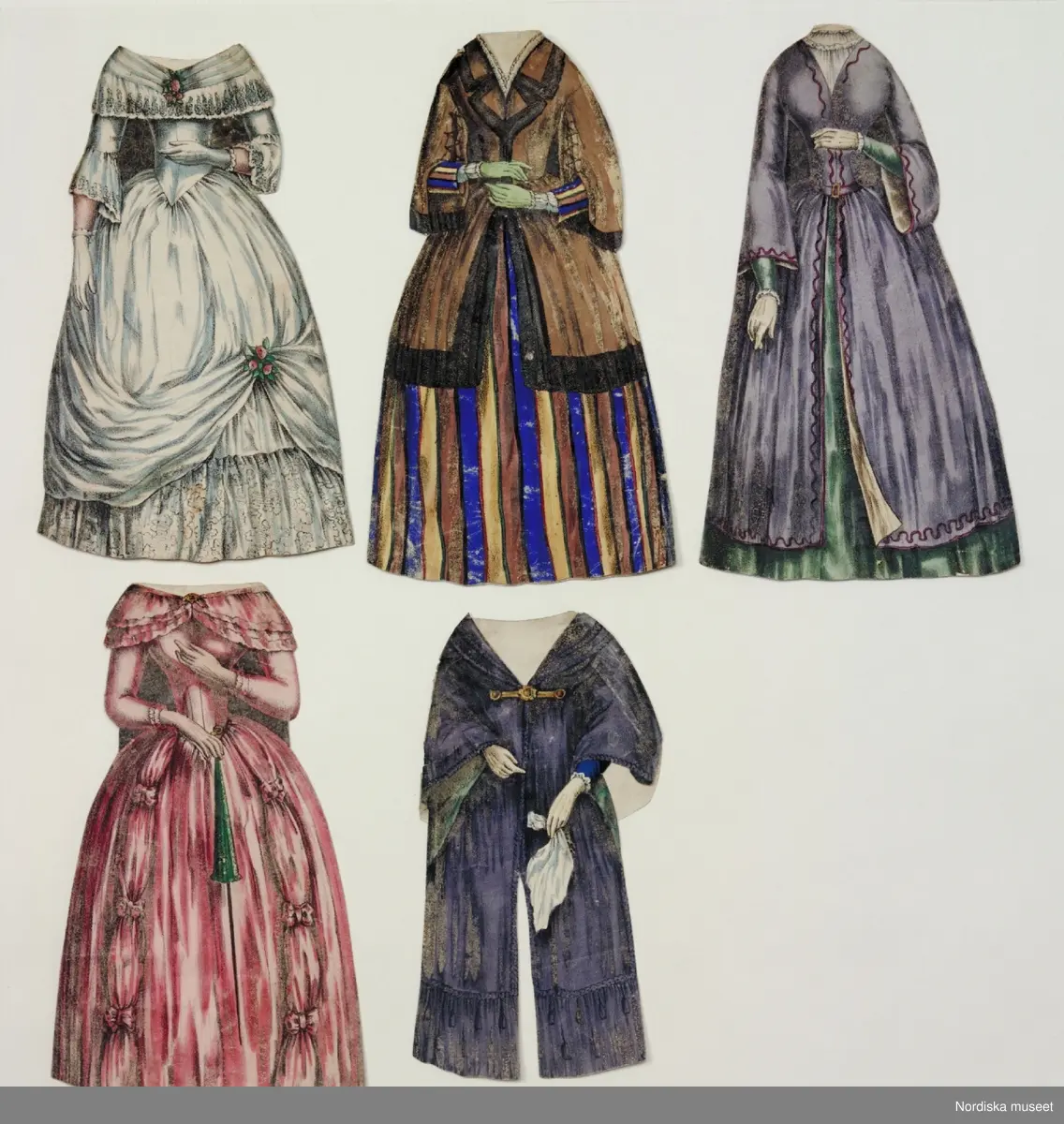
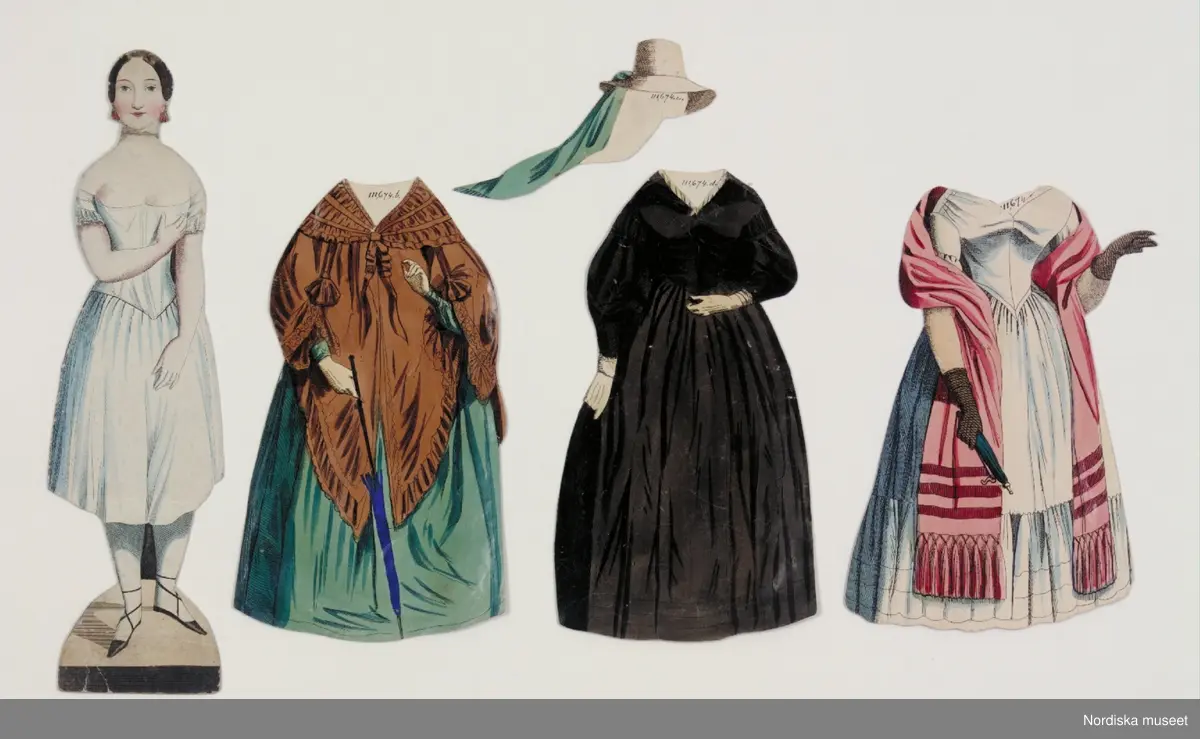
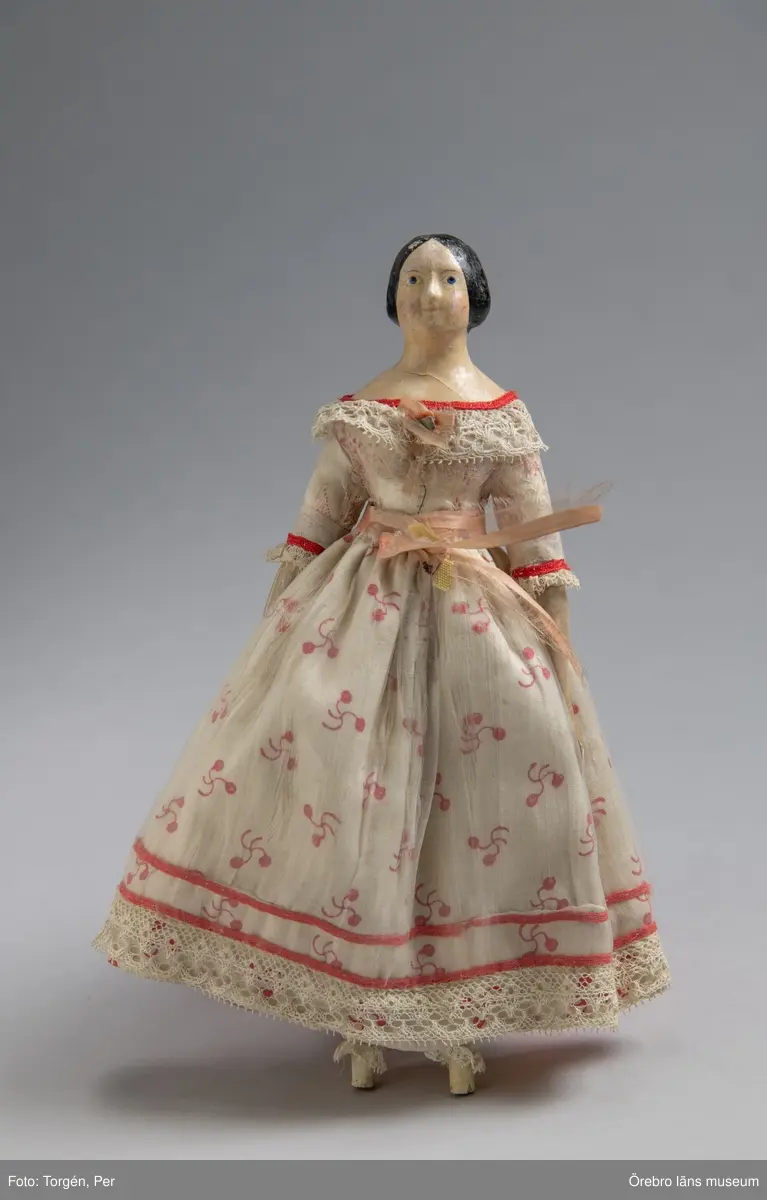
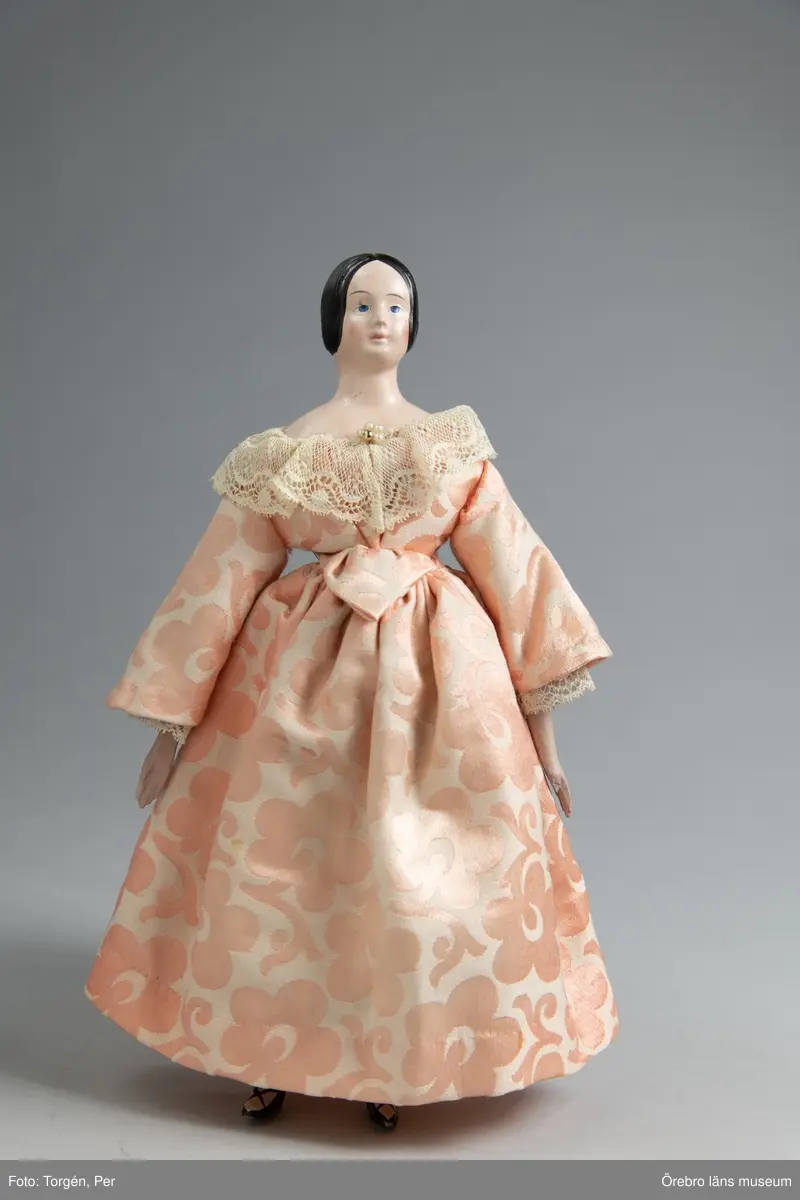
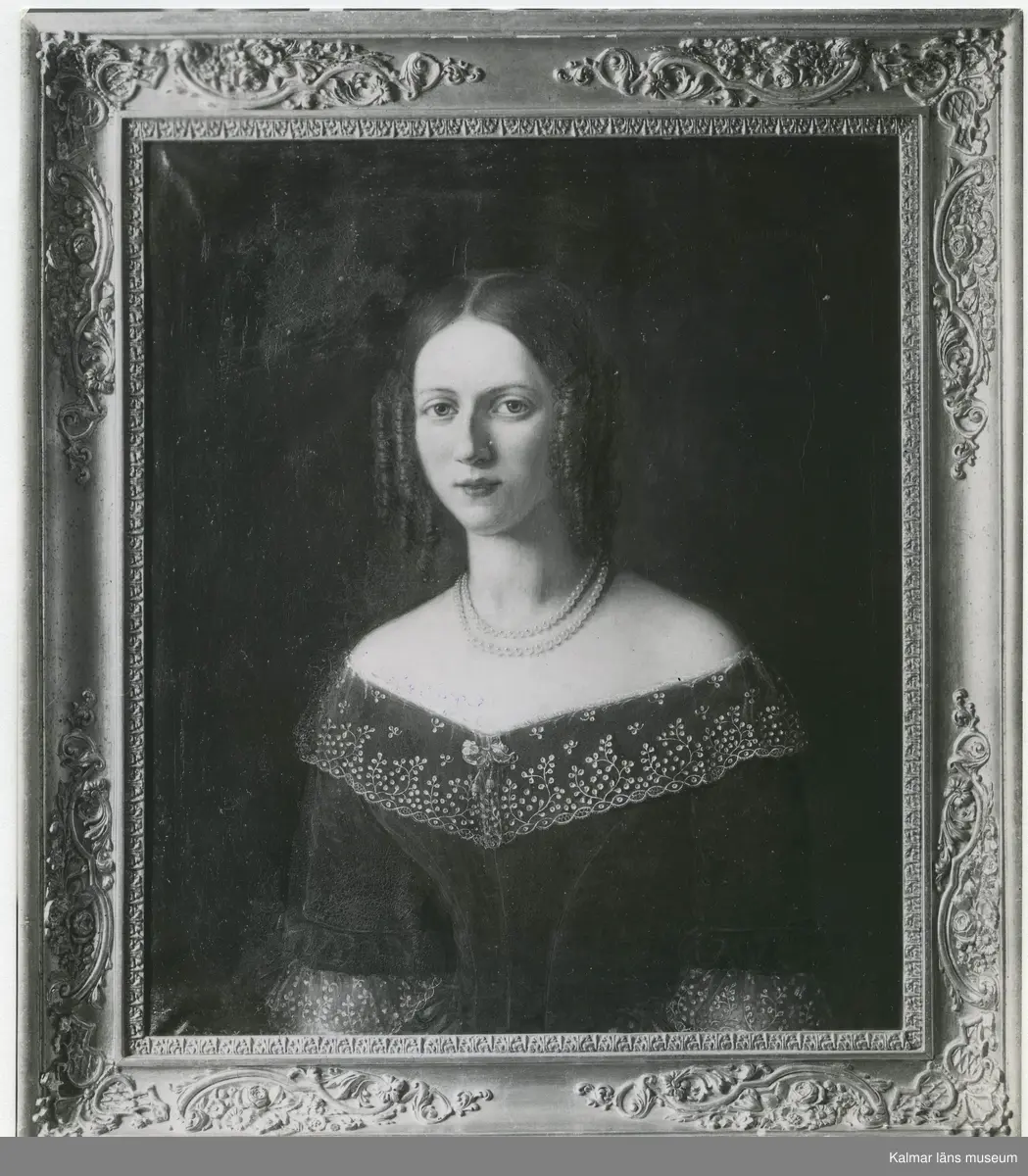
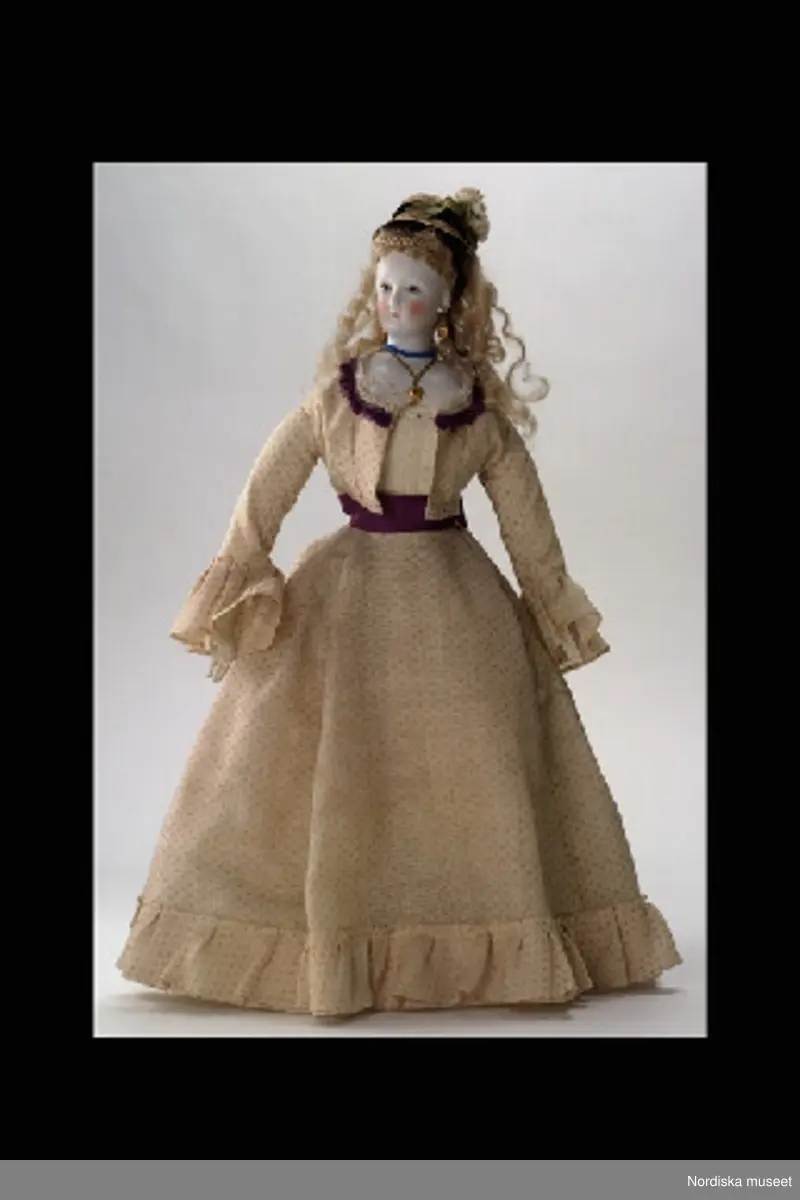
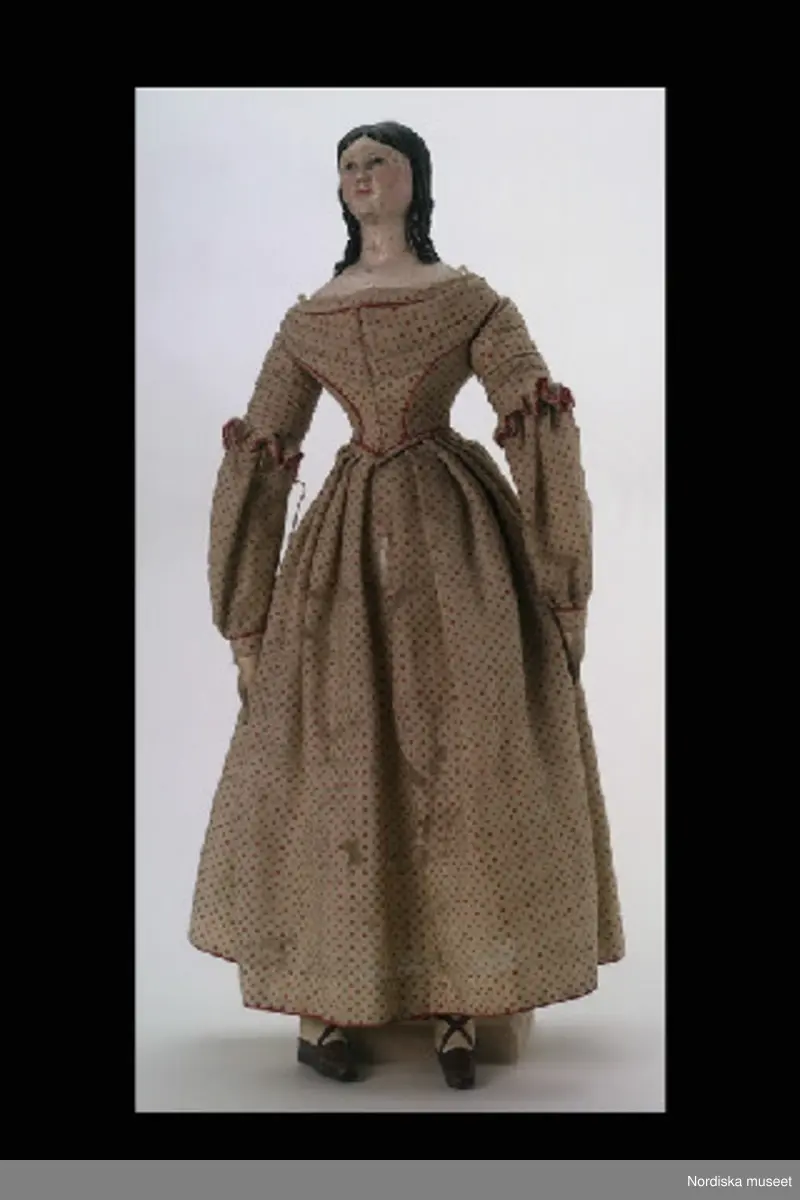
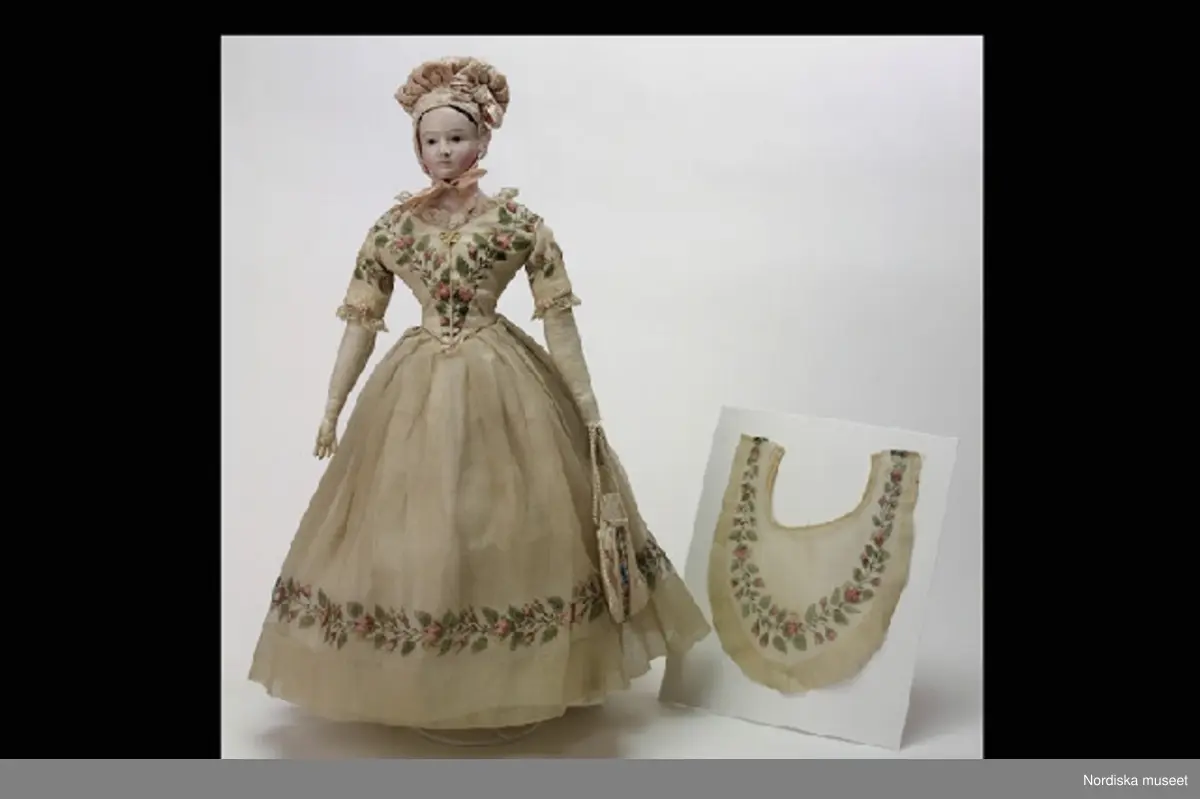
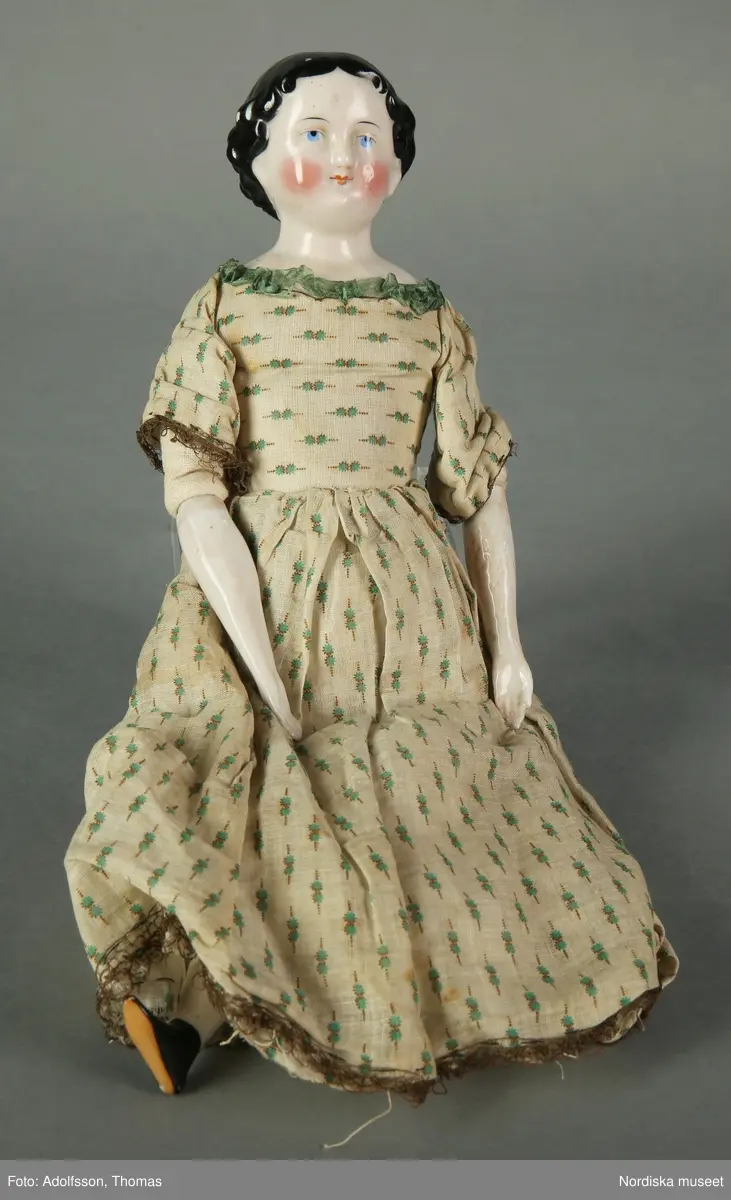
I also found that around 1850, at least in Sweden, there was a revival of traditional wear and blending it with current styles. This was called, I gather Bygdedräkt ("Village Costume") in Sweden. A similar thing started in Norway in 1840, called Norwegian romantic nationalism. I'm honestly not seeing much of a blend, other than noticing that the fashions of mainland Europe were a little less bright and embroidered than those in Sweden, at least if the above fashion dolls were any indication. Below are some outfits that seemed to blend mainland-style with Nordic elements.
I'm going to attempt to draw Anna from Frozen. I'm only going for her folk dress/bunad, because her other dresses seem a lot less historical (or, I can't figure out if I want to base them off of Norwegian folk dress or court dress). I'd attempted to find primary sources for her dress years ago, and my head started hurting from all the primary sources on the Norsefolk Museum digital collection. There seems to be better ways to narrow down the search, so I'm seeing how it goes this time.
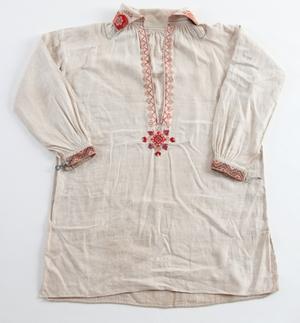
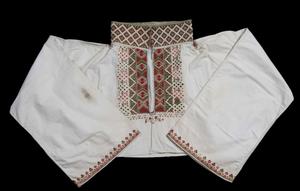
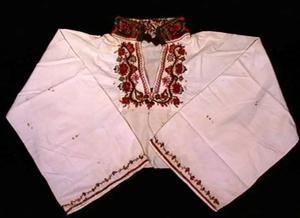
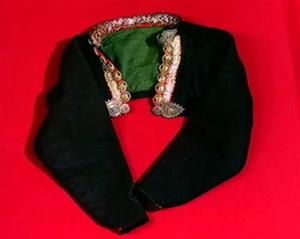
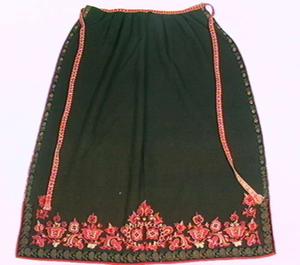
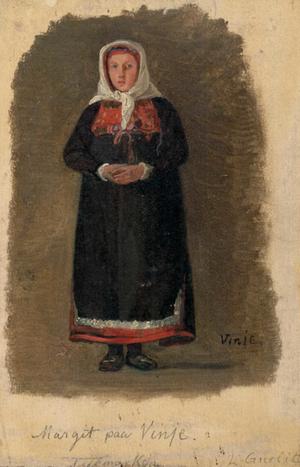
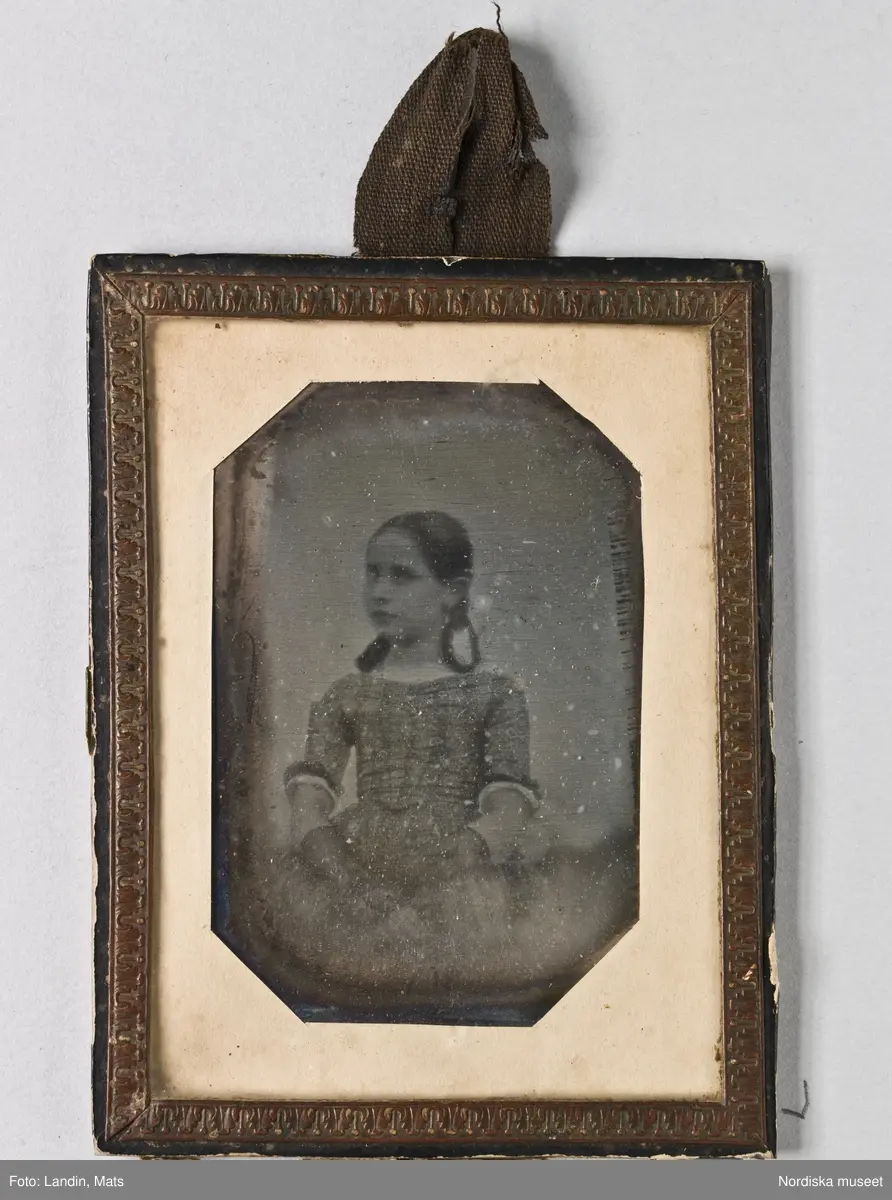
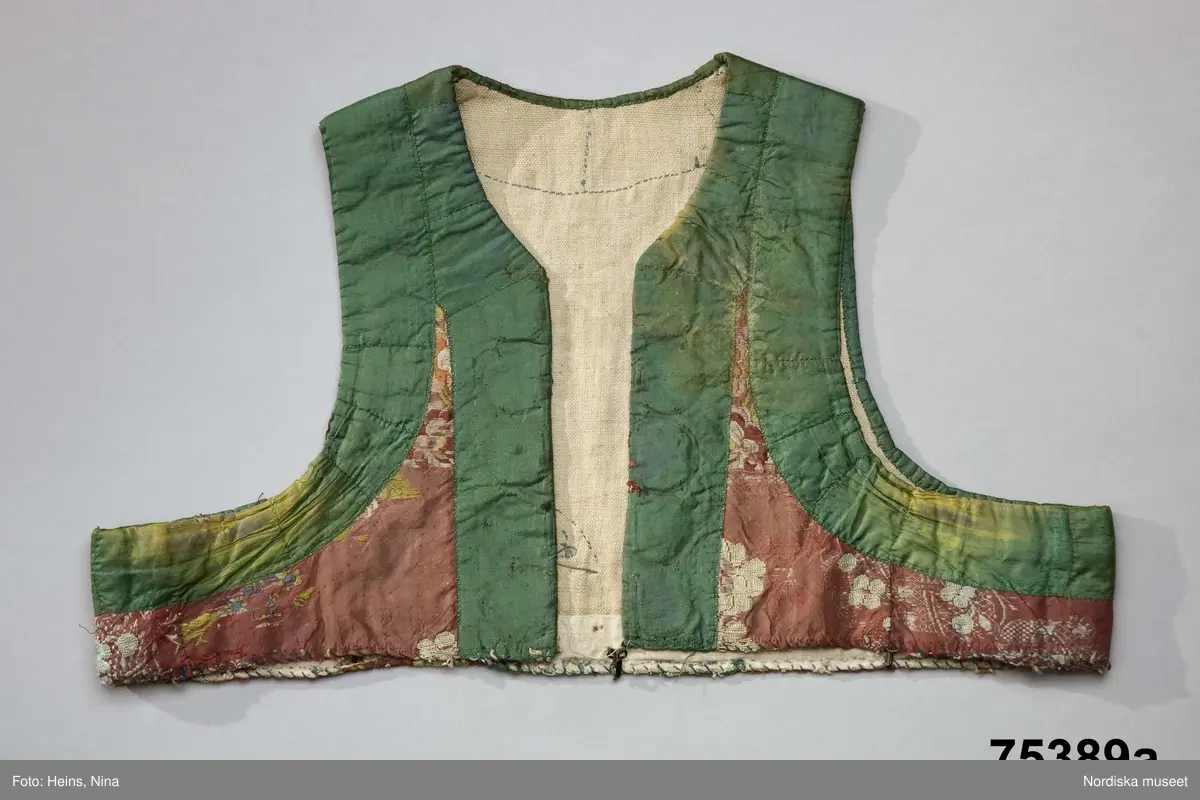
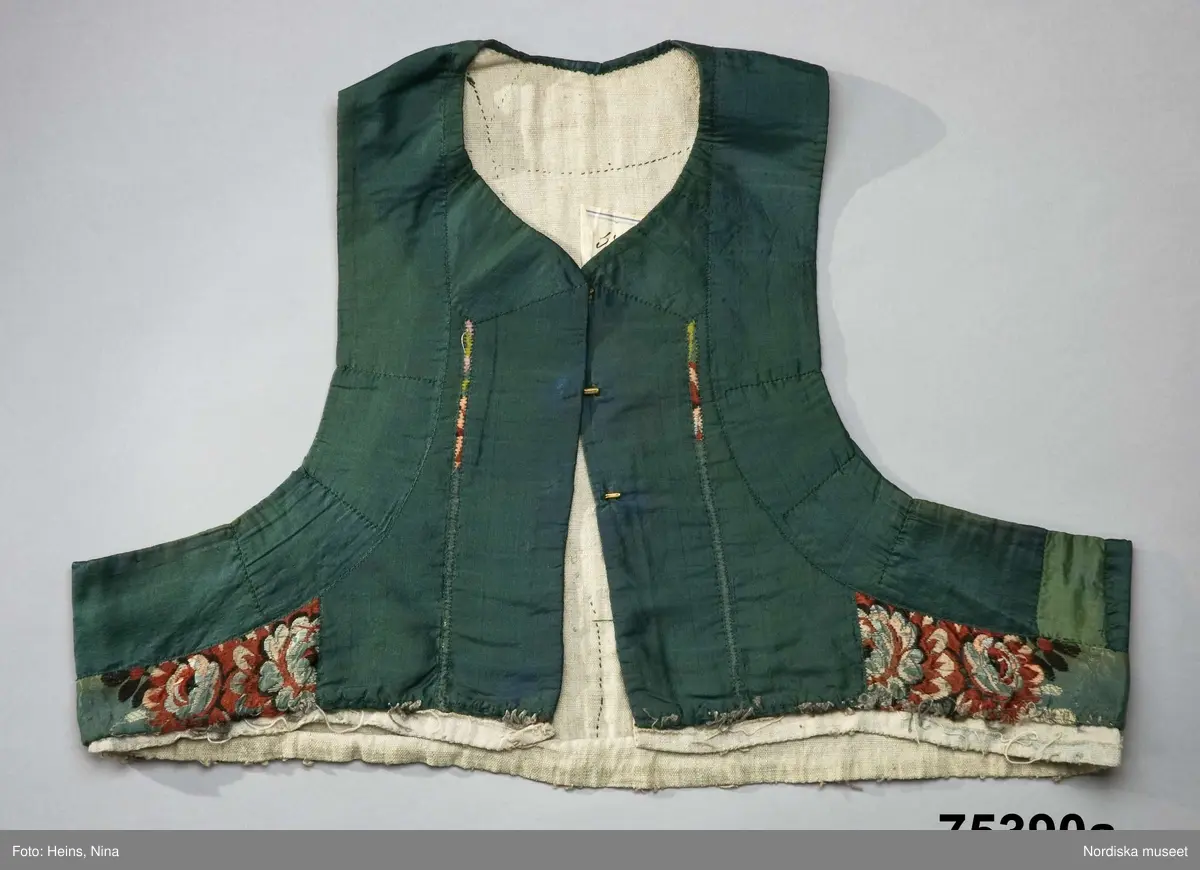
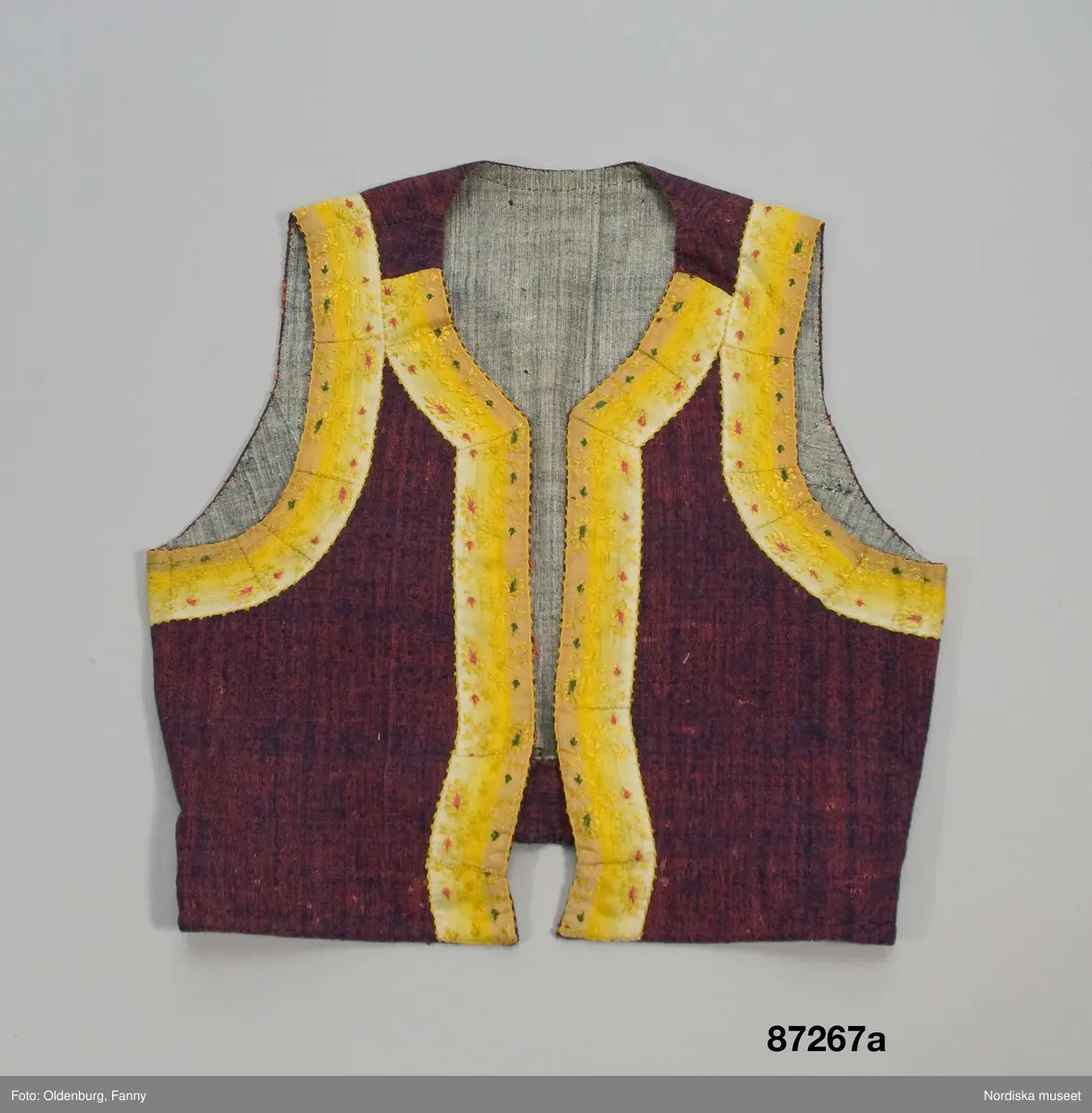
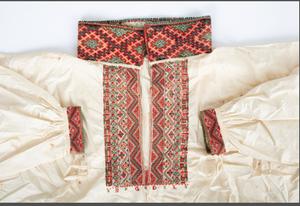
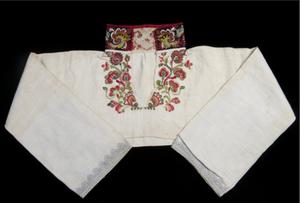
Searching for bunad between 1800-1840, I find:
Needless to say, I spent waaaaay too much time down the Anna rabbit hole. I didn't end up drawing her fancy dress attire, because the silhouette was so similar to Elsa's coronation gown....and I was just a bit too burnt out from the whole research process. I'm honestly not sure how good I did at Anna's traditional bunad attire. There was a LOT of variety in the different blouses and skirts and vests. Somehow, the embroidery colors in my drawing didn't turn out too well. But, at this point, I'm just going to call it good enough for now!
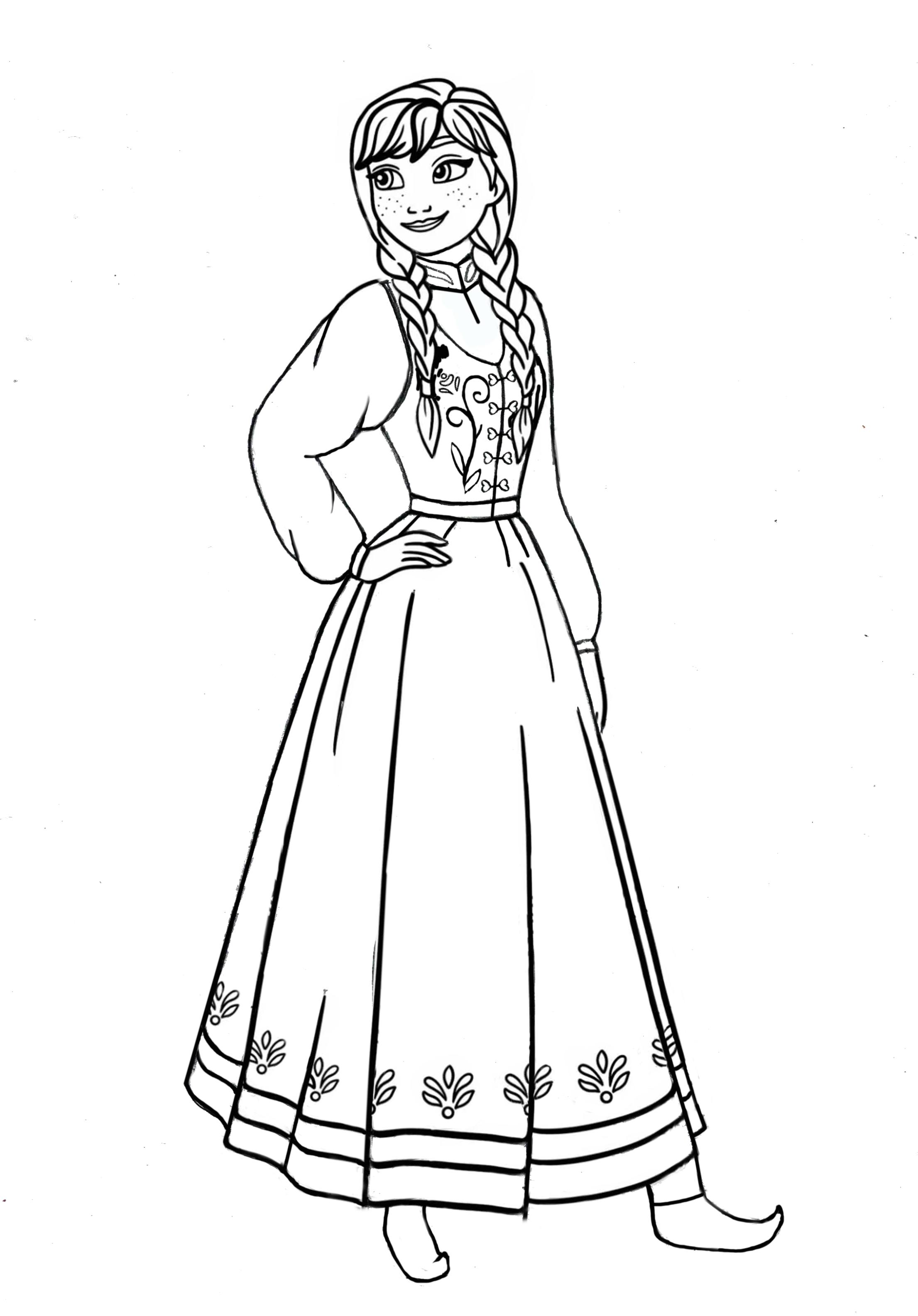
Historical-Anna-Coloring-Page-copy.png
Historically more accurate Princess Anna coloring page with her traditional bunad
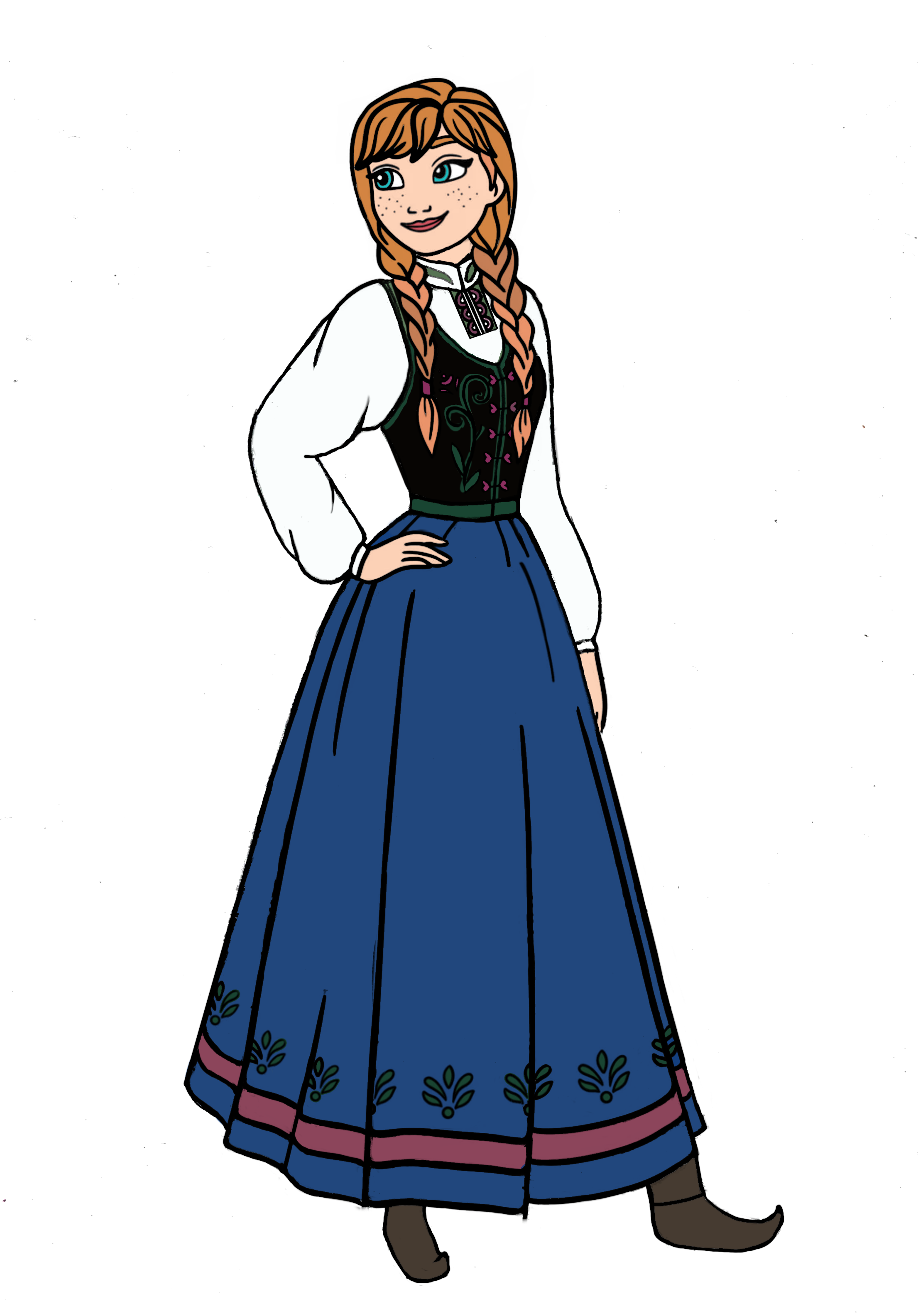
Historical-Anna-Coloring-Page-Norway.png
And here is a more historically accurate Anna who is colored in!
I've been dreading drawing Pocahontas since I first started this project. She's an actual, historical person, and part of a group of people who historically have been objectified and misrepresented by others. We sadly on have a depiction of her in English clothing, years after the events at Jamestown.
The only depiction we have of Pocahontas
Thankfully, there's a lot of resources out there--by Algonquin speaking people--for how women in the Powhatan tribe would have dressed. I leaned very heavily on these resources.
Here's the videos I used for her clothing's style. I really appreciate the work that Jamestown Museum has done.
This one is from a bit further north in Massachusetts, but both the Wampanoag and Powhatan tribes are Algonquin speaking and similar.
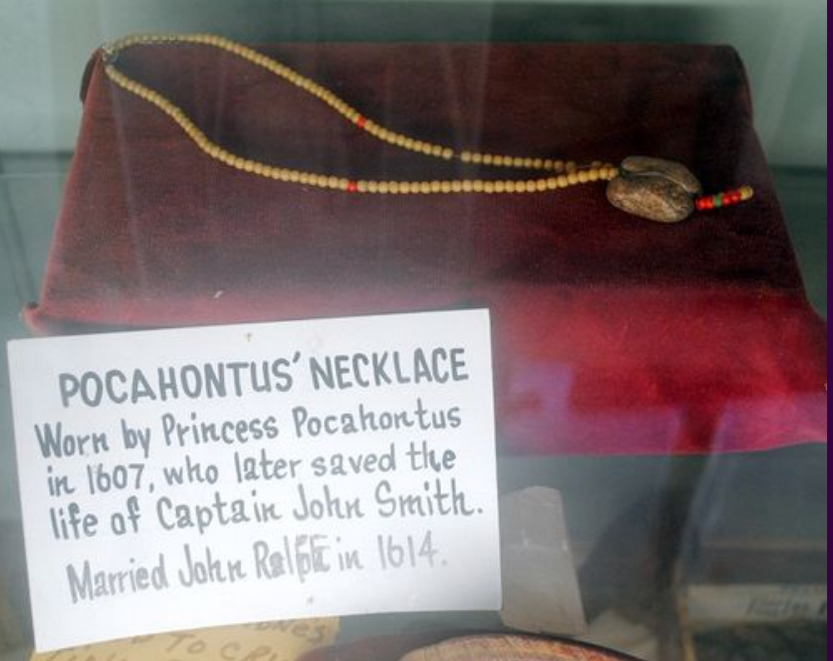
I also learned that they did weave belts from plant fibers. it seems that they usually used dogbane "hemp" for the weaving. I'm not positive, though. I also changed her necklace, as they didn't have turquoise in the region (they did have copper jewelry, so maybe it's oxidized copper. But, it seems that they liked the shiny copper color better than the oxidized blue-green). I used purple and white, reminiscent of both wampum shell beads as well as natural pearl colors. I added a "tooth" as a pendant. There is actually a museum on a reservation that has necklace listed as Pocahontas' necklace...but I'm not sure how accurate it is. Sadly, the website I found a picture of the necklace died (thanks, Dead Internet). Thankfully, I'd already saved the image, so I attached it down below
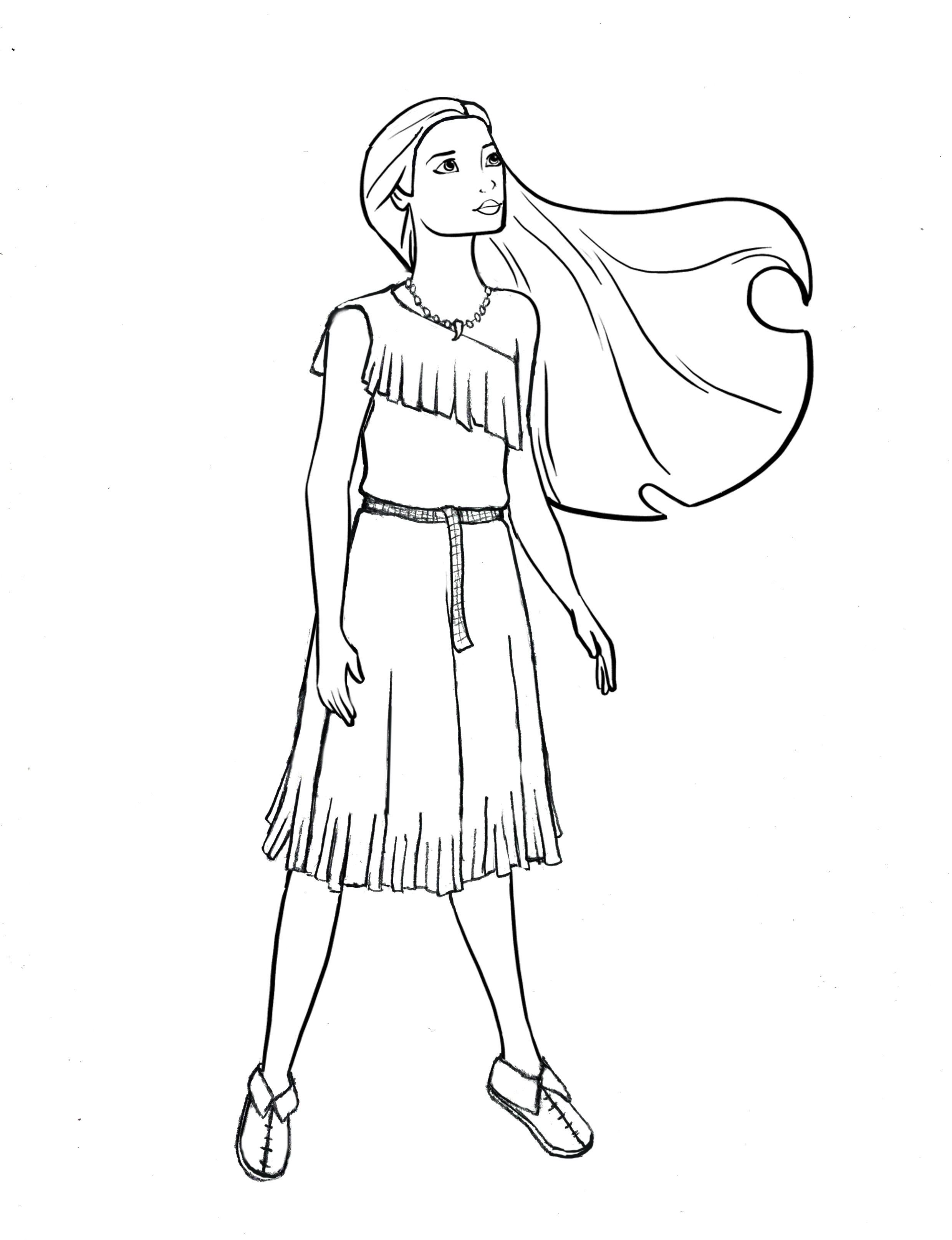
The other struggle I had was trying to make Pocahontas look 10 years older. In the movie, she looks like she's 20...and Pocahontas was only about 10 or 12 when she saved John Smith's life. I also wanted to make sure that the drawing resembled the Disney Princess enough that kids would be able to recognize her. To do this, I kept her general proportions, but dropped her waist and removed her curves. I also tried to shorten her face by lowering her eyes, shortening her nose, and removing some of the "botox" look from the cartoon's lips. She still doesn't look 10, but she doesn't look quite as old.
image_2026-01-28_000038877.png
Pocahontas's necklace (from the Mattaponi Indian Museum)
historical-Pocahantas-1607-coloring-page-copy.png
Historically more-accurate coloring page of Disney Pocahontas
historical-Pocahantas-1607-Virginia.png
A colored in version of Pocahontas circa 1607, Virginia, USA
And now, for our final princess (unless Disney makes more or I decide to do Mirabelle or Raya): TIANA!
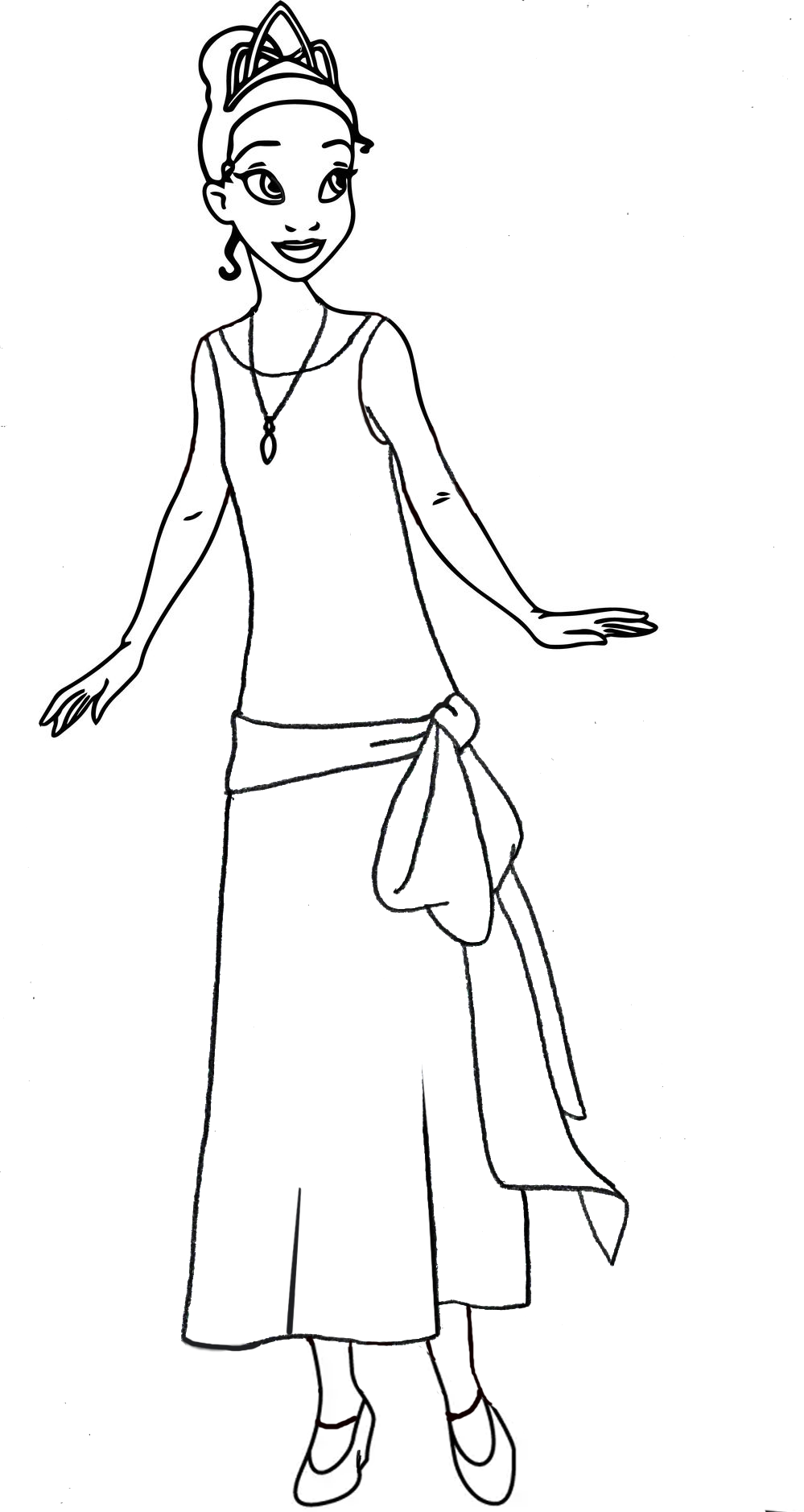
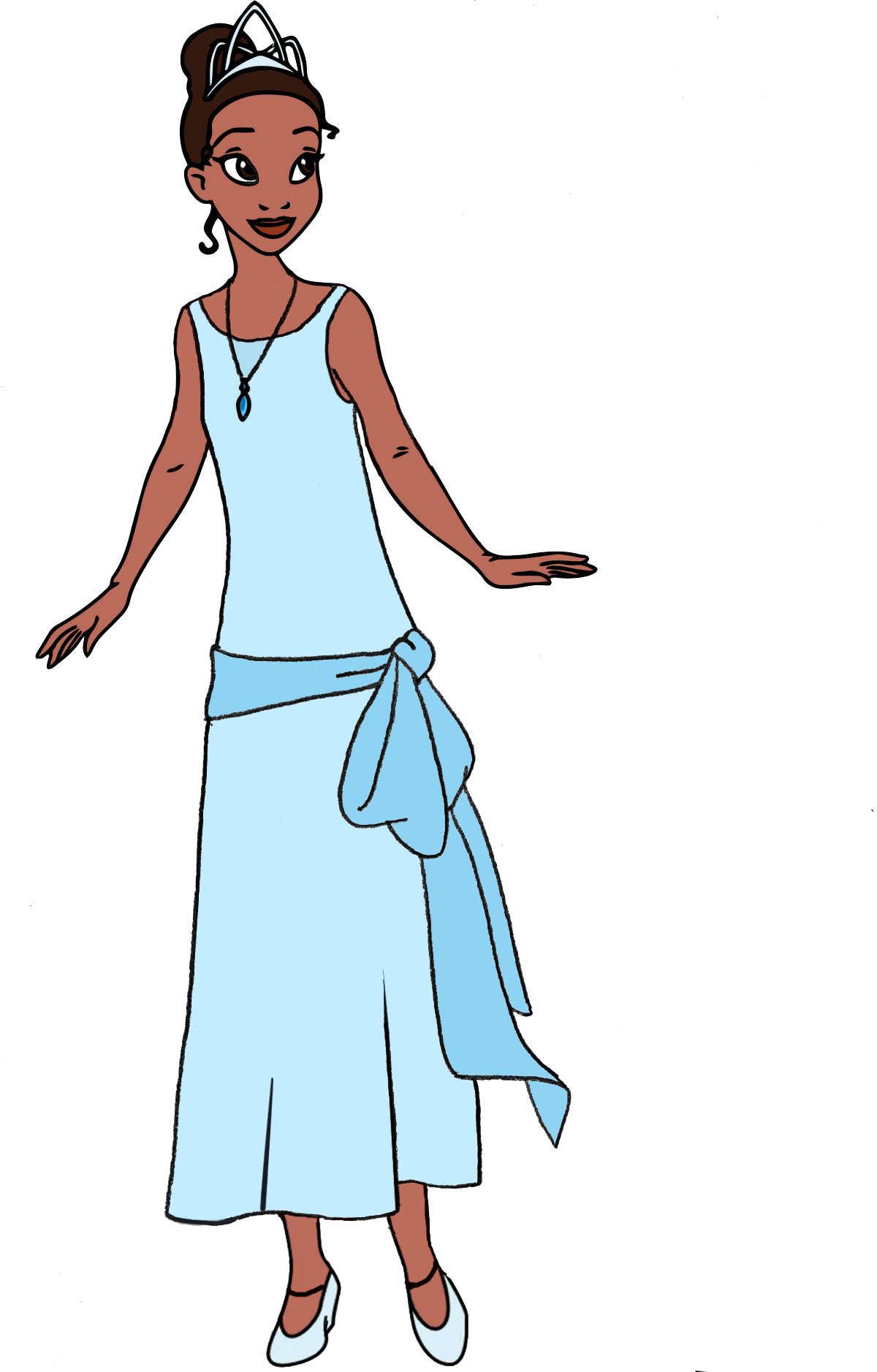
In many ways, Tiana was easier to research than other princesses. We have pictures, fashion plates, and even videos from the 1920s. But, that also means it's there's less room for error. I'm not sure I did a perfect job. After I'd drawn one coloring page, I'd find things off with the others--like the necklace probably should have been longer and there's probably supposed to be straps on the shoes. I'm still confused about wearing gloves in evening wear. There's a video by Glamour about what Tiana would have worn, and it mentions there should be evening gloves.
Here's that video by Glamour:
But, none of the fashion plates or found showed women wearing evening gloves. So, I drew Tiana without them. (EDIT: Looking at actual photos, I do see gloves on some--but not all--of the evening gown photos).
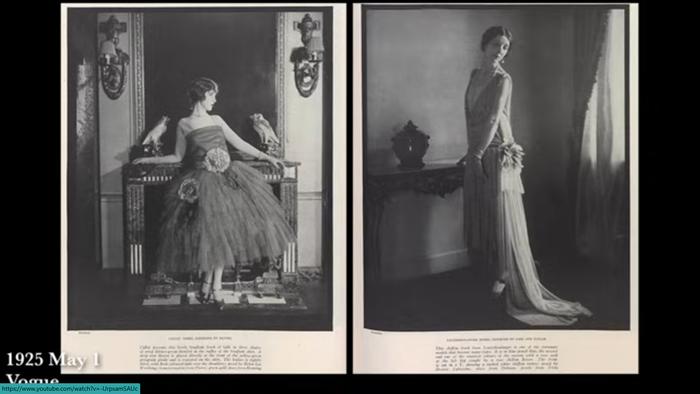
There's two main styles of evening gowns, from what I understand. The "flapper" style dress that most of us have seen, and the Robe de Style, which is trying to look like the gowns of the 1770s. This image compares them nicely:
What both dresses have in common is the dropped waist and the flattened chest. The style of the 1920s was to look as youthful/flat/rectangular as possible.
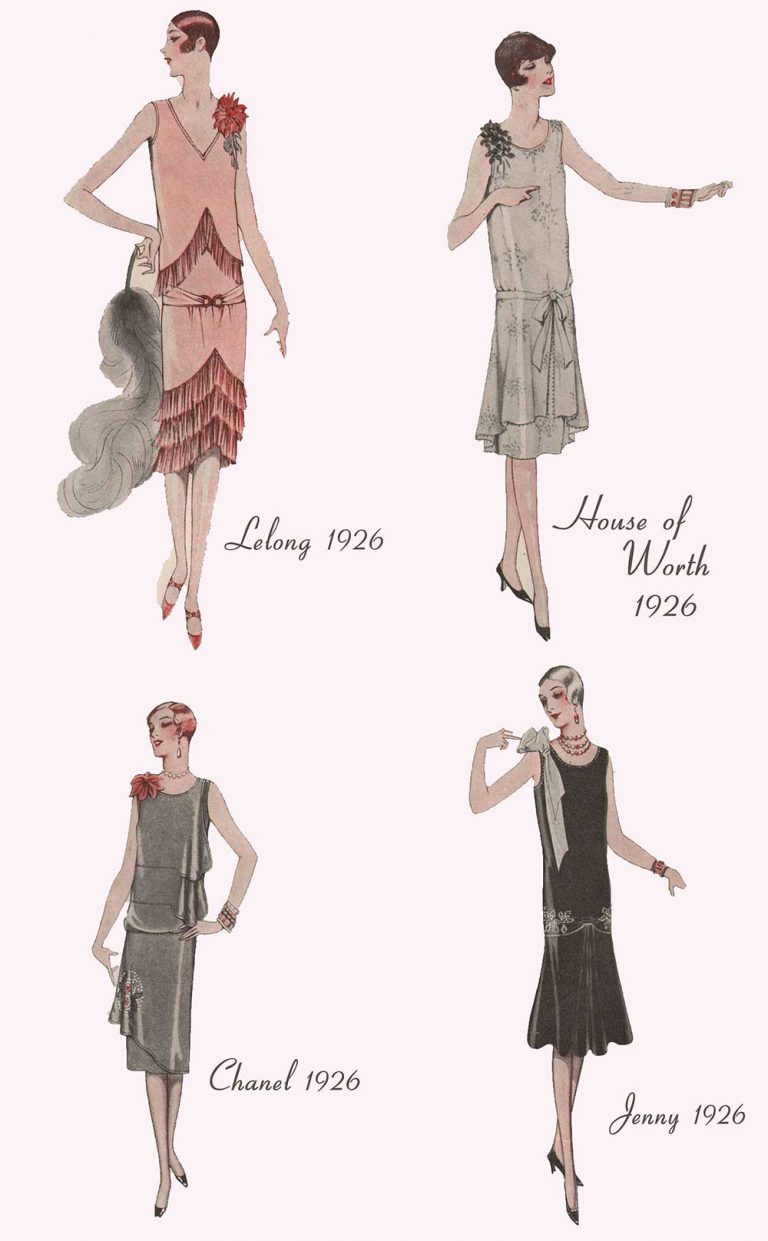
Here you can see the more well-known "flapper" silhouette. Notice how long the dresses were. We think about 1920s dresses as being short. They were short for their time, but were rarely above the knee. They were also above ankle length (I had to draw both of Tiana's fancy dresses as shorter, as they were originally depicted as being floor length).
What the movie did get right was the dropped waist and large flowers and bows on the hips. Both were very common design elements. I could not find any examples of strapless dresses--all of them had either sleeves or--more commonly wide necklines with 1-2 inch straps. Here's some more examples:
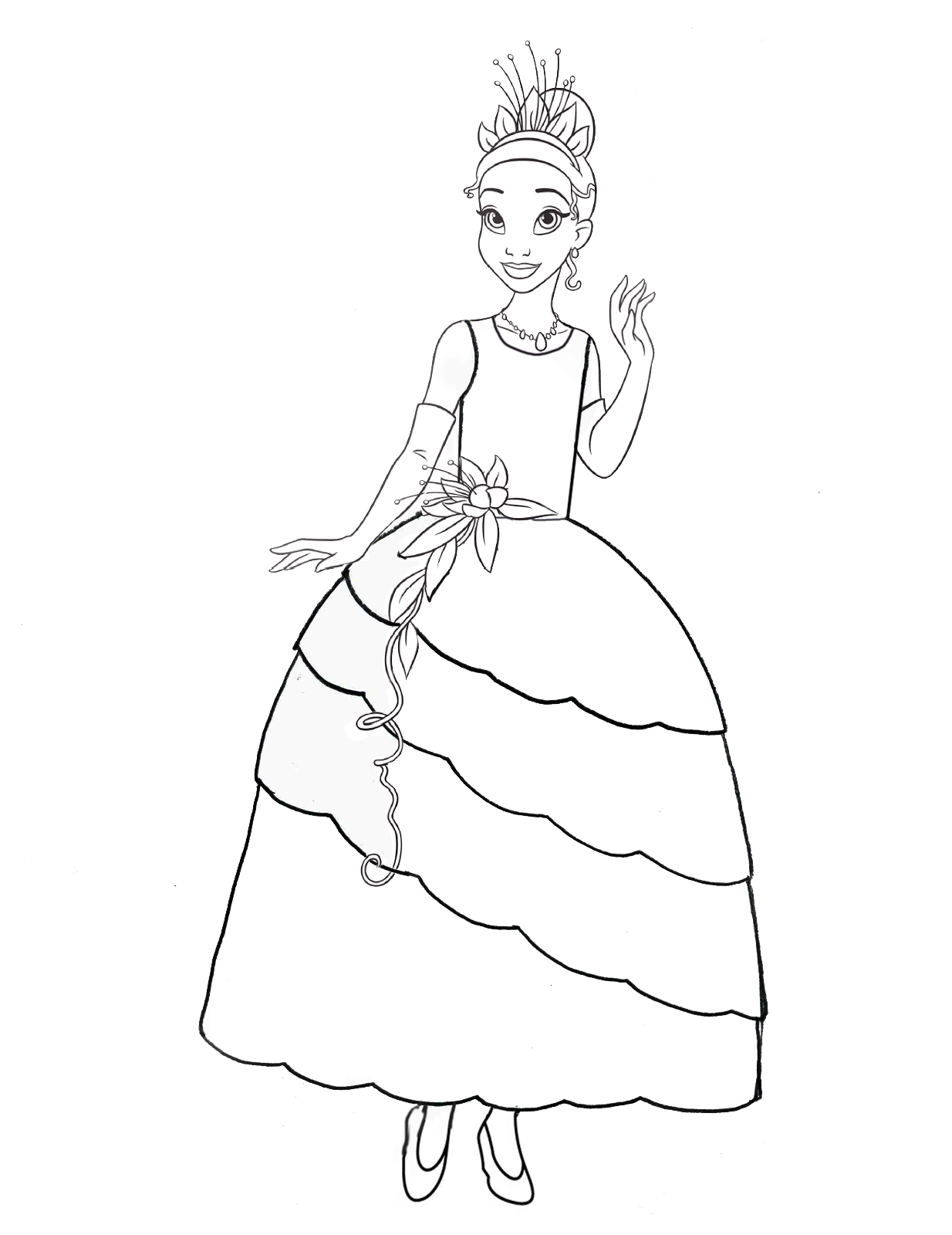
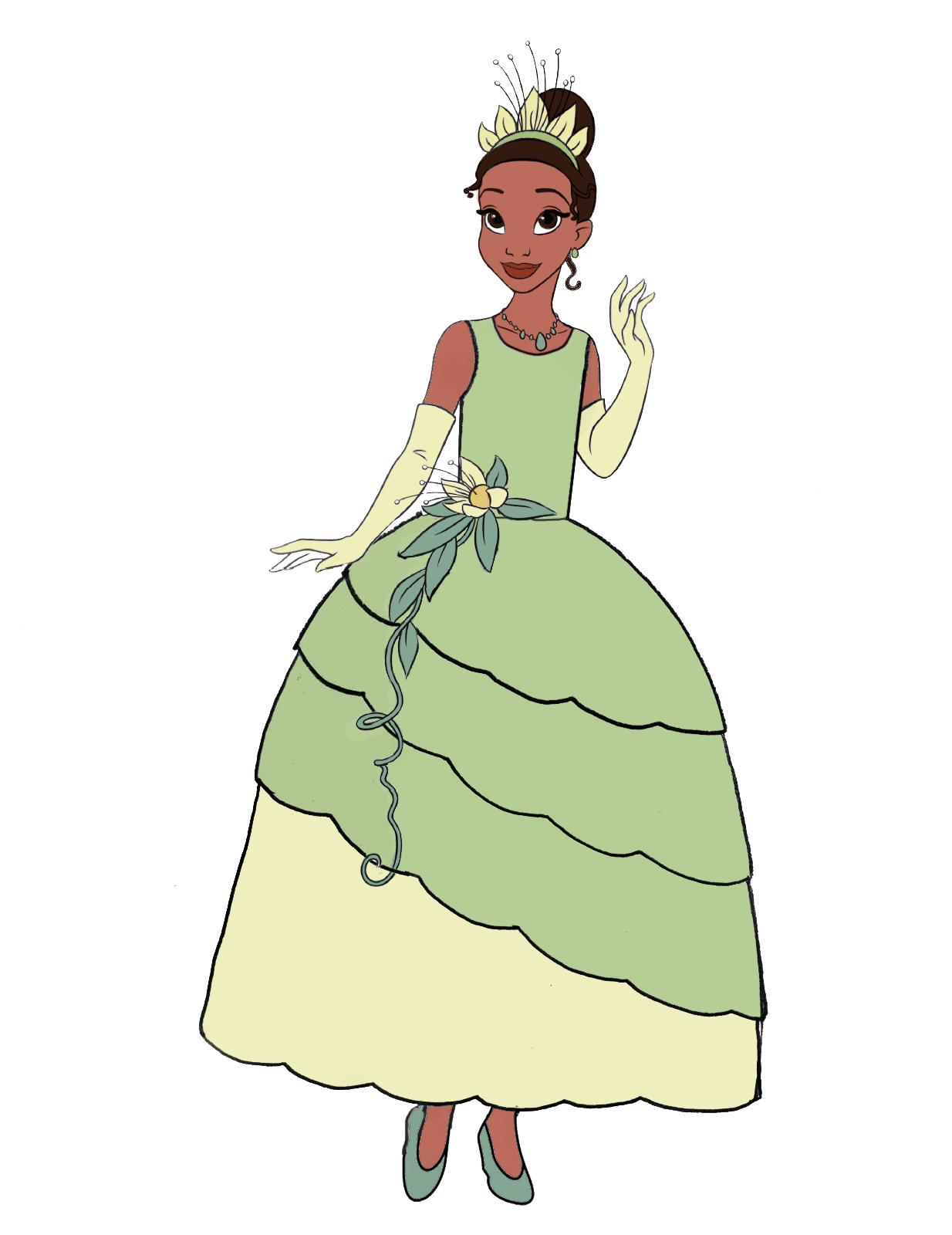
For Tiana's iconic green dress, I went for a Robe de Style gown. These kept the square upper body, dropped waist, wide-set straps, and large bows/flowers, but they added in a 1770s style. They were inspired for the same sorts of dresses Belle would have worn, like the "robe à l'anglaise" and "Robe à la Française" (note the similarity in naming). Petals and flowers were common with these gowns--perfect for Tiana's lily-themed gown. I even found one that's green and floral!
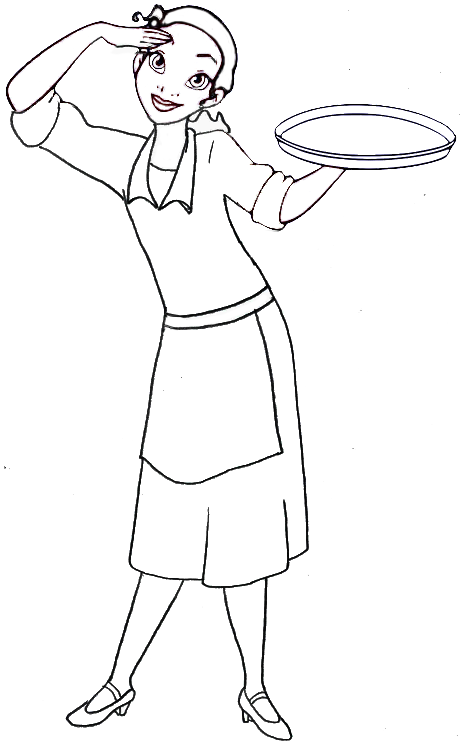
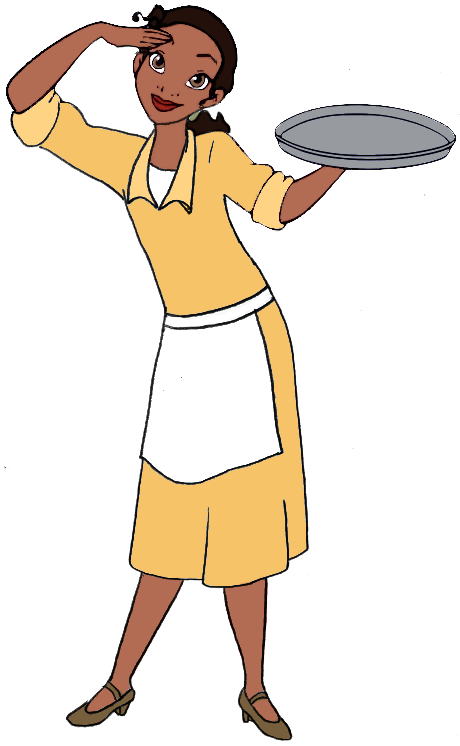
Now onto Tiana's workwear! Now we're back to dressing like rectangles. Day dresses could have long or short sleeves, and could be anywhere in length from knee to above ankle. There were a bunch of different collars, which The Frog Princess actually depicts when Tiana changes from her blue work dress to her yellow one. Vintage Dancer has a wonderful collection of 1920's dress examples! They don't allow copying of images, so you can check them out on their site. Here's a great example, though, that looks like the yellow dress Tiana wore:
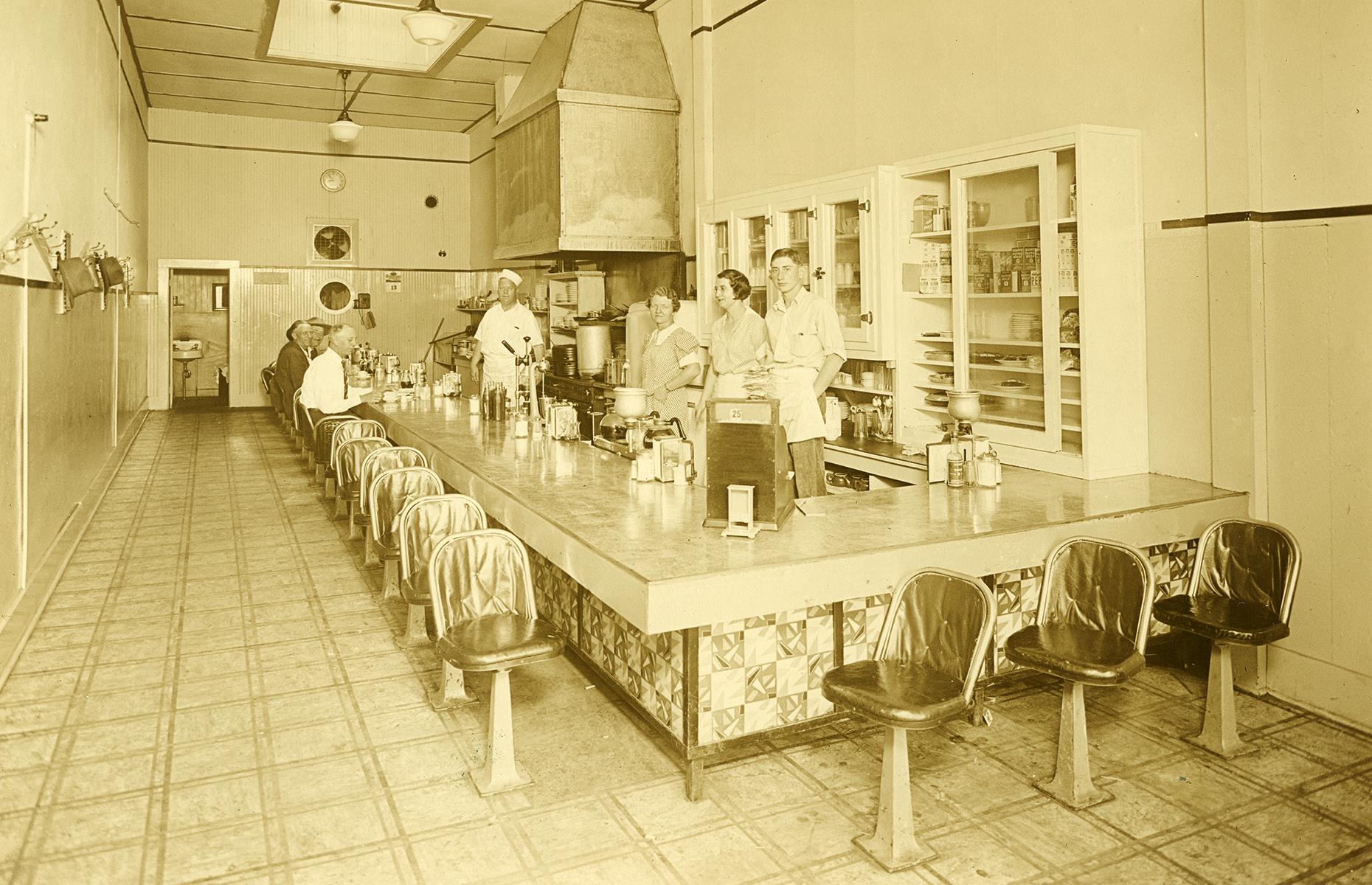
I also looked into what waitresses wore during this time period. I love how they actually reflected the different attire in the movie. Her outfit when working for Cal's has a ruffled apron that goes over the shoulders, and she has one of those little maid hat-things. This seems to have been a more upscale restaurant where they want the waitresses to look like maids. This was common. Her outfit for Duke's has a waist apron and no headware. Both can be seen in pictures and drawings of the era.
All in all, there was a lot to research and a lot to learn. I love this way of exploring history. Every time I go to draw something, I have to ask, "What exactly did that look like?" That spurs more research and I end up learning a lot more than I expected to!
historical-tiana-blue-coloring-page.png
Historically more-accurate Tiana's 1926 blue evening gown coloring page
historical-tiana-coloring-page-1926.png
Historically more-accurate coloring page of Tiana's green Robe de Style gown


.jpeg)





 6
6