• Post Reply Bookmark Topic Watch Topic
  • New Topic
permaculture forums growies critters building homesteading energy monies kitchen purity ungarbage community wilderness fiber arts art permaculture artisans regional education skip experiences global resources cider press projects digital market permies.com pie forums private forums all forums
this forum made possible by our volunteer staff, including ...
master stewards:
  • Devaka Cooray
  • Carla Burke
  • John F Dean
  • Nancy Reading
  • Timothy Norton
  • r ranson
stewards:
  • Jay Angler
  • Pearl Sutton
  • paul wheaton
master gardeners:
  • Christopher Weeks
  • M Ljin
gardeners:
  • thomas rubino
  • Eino Kenttä
  • Jeremy VanGelder

What do you do with coconut refuse?

 
Posts: 81
5
  • Likes 2
  • Mark post as helpful
  • send pies
    Number of slices to send:
    Optional 'thank-you' note:
  • Quote
  • Report post to moderator
I've been tossing  coconut husks and shells in the compost. I feel like that's not a very efficient or effective way to use them. What do you all do with them? Thanks!
Mike (south FL, USA)
 
master pollinator
Posts: 2063
Location: Ashhurst New Zealand (Cfb - oceanic temperate)
674
duck trees chicken cooking wood heat woodworking homestead
  • Likes 2
  • Mark post as helpful
  • send pies
    Number of slices to send:
    Optional 'thank-you' note:
  • Quote
  • Report post to moderator
Biochar!
 
pollinator
Posts: 5520
Location: Canadian Prairies - Zone 3b
1523
  • Mark post as helpful
  • send pies
    Number of slices to send:
    Optional 'thank-you' note:
  • Quote
  • Report post to moderator
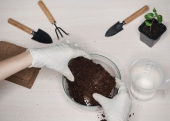
If you can think of a way to process the hulls, coir is a peat moss substitute (fine) or a great top mulch for plants (coarse/chunky). We use the coarse stuff on top of our tomato barrels to reduce drying out from direct sun.
 
Posts: 218
26
  • Likes 1
  • Mark post as helpful
  • send pies
    Number of slices to send:
    Optional 'thank-you' note:
  • Quote
  • Report post to moderator
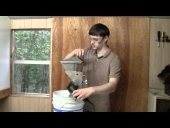
Coco coir seems to be a premium product in itself. It’s used in hydroponics, gardening, and premium composting. I don’t know if the processing steps of drying, grinding and washing are too much, but as far as I know there is a growing market for it. Even the carbonized material is (or was) considered a high grade material, maybe due to its high specific surface area if I recall correctly.

 
I agree. Here's the link: http://stoves2.com
reply
    Bookmark Topic Watch Topic
  • New Topic