We finished a late harvest of dry beans in a friends garden last week...in the rain, pods that were mildewed and probably well past prime.
We put them in a room with a dehumidifier and the next day we were able to shell and sort out the bad ones. This is what's left.
We know he grew the same pole bean mix for years and likeloy added new ones occasionally...this was his 'soup mix'...there are also some small blackeyed peas and something resembling a navy bean maybe?
I'm interested in varieties although these may be years out from the original.
Mostly though I'm interested to know how to select for best seed...is wrinkled skin a bad sign?, surface mold that can be wiped off? Size?
Beans have a somewhat low outcrossing rate, but after a few years these outcrosses might dominate the mix. This mix of your friend is great, and it is not necessary to single out one specific type. You have now a mix which seems adapted to the conditions on your friends farm. It may be called different things:
-new variety, (with the same etymological root as variation)
-grex, (from seggregating)
-population
-landrace (as it called by Joseph Lofthouse, who is well know on this forum)
All these terms differ a bit. But what is important, is that whatever weather conditions there are, some types will always be better, and you therefore will have lower risk of total crop failure. This is especially important with changing climate and diseases. This mix /landrace is also quick to adapt to other conditions on other farms, due to the better adapted type dominating, and crosses of better adapted types taking over in further generations.
Edit: it seems to me like the larger seeds are Phaseolus coccineus, and the smaller ones P. vulgaris. These two species rarely cross. The outcrossing rate of P. coccineus is much higher than P. vulgaris (about 1% for most varieties in most environments, but this is variable as well)
Make sure they are very dry before putting them away. I have made the mistake of packaging too soon and ended up with molded 'seed'. Paper bags work better for storage than any plastic container, for that reason.
I have stopped segregating my seeds, just plant them all as they come to hand. Saves me time and trouble. You seem to be a more 'systematic' type thinker than me though. Segregating might allow you to spot interesting differences in years to come.
Thom Bri wrote:Make sure they are very dry before putting them away. I have made the mistake of packaging too soon and ended up with molded 'seed'. Paper bags work better for storage than any plastic container, for that reason.
I have stopped segregating my seeds, just plant them all as they come to hand. Saves me time and trouble. You seem to be a more 'systematic' type thinker than me though. Segregating might allow you to spot interesting differences in years to come.
Thanks Thom!
They are pretty dry but I've learned a similar lesson to yours over years so will leave them out a good while longer.
The friend who grew the beans had quart jars of mixes of these same varieties from a few years back that were stored in his freezer so I'm wanting to do the same but with varieties separated to make it easier for those we share with to decide what and where to plant.
His corn varieties were stored in jars also but according to variety.
We have all of his stored bean and corn seed stock from 2020, 2021 and 2022 and have kept what we could frozen.
We have always saved seed but haven't grown dry beans or corn in fifty years of gardening for many reasons...mostly space....so now I'm playing catch up...reading the landrace threads including yours!
We're all virgos over here (if anyone pays attention to sun signs)...we like to sort and label things
Thom Bri wrote:Have never tried freezing seeds. It's a good thought. Had lots of weevils last year and already seeing some this year.
In these late harvested beans I've found weevil damage in several of the smaller summer pea type...crowder peas maybe? Whipporwill?
This is why I need names for the different varieties otherwise to explain I have to say 'the light tan small pea sized bean that may or may not be typical of it's type because of growing conditions'
In the past we did not have refrigeration let alone a freezer so stored seeds in jars and there were always losses of saved green bean seed...I think the weevils show up while the beans are drying out on the vine...lay their eggs at least so I don't know of a prevention just freezing after the fact?
Thom Bri wrote:Make sure they are very dry before putting them away. I have made the mistake of packaging too soon and ended up with molded 'seed'. Paper bags work better for storage than any plastic container, for that reason.
One thing you can do to make sure the beans stay very dry, is to dry some old rice in an oven and put them in with the seeds. The rice is able to absorb excess moisture helping to keep the seeds viable. The rice can be separated out and used again, or just planted along with the seeds depending on how easy they are to separate.
Thom Bri wrote:Have never tried freezing seeds. It's a good thought. Had lots of weevils last year and already seeing some this year.
In these late harvested beans I've found weevil damage in several of the smaller summer pea type...crowder peas maybe? Whipporwill?
This is why I need names for the different varieties otherwise to explain I have to say 'the light tan small pea sized bean that may or may not be typical of it's type because of growing conditions'
In the past we did not have refrigeration let alone a freezer so stored seeds in jars and there were always losses of saved green bean seed...I think the weevils show up while the beans are drying out on the vine...lay their eggs at least so I don't know of a prevention just freezing after the fact?
Judith, one thing I have noticed in my garden is that as the season goes on, the beans show more signs of bugs and diseases. So I let some pods mature and dry very early in the season to get cleaner seed.
Mk Neal wrote:
Judith, one thing I have noticed in my garden is that as the season goes on, the beans show more signs of bugs and diseases. So I let some pods mature and dry very early in the season to get cleaner seed.
That's a great idea!
Summers are generally dry here but there was rain and cold before we picked these and many of the pods were mildewed...not hardly any weevil damage but we shelled, dried and froze as quick as possible.
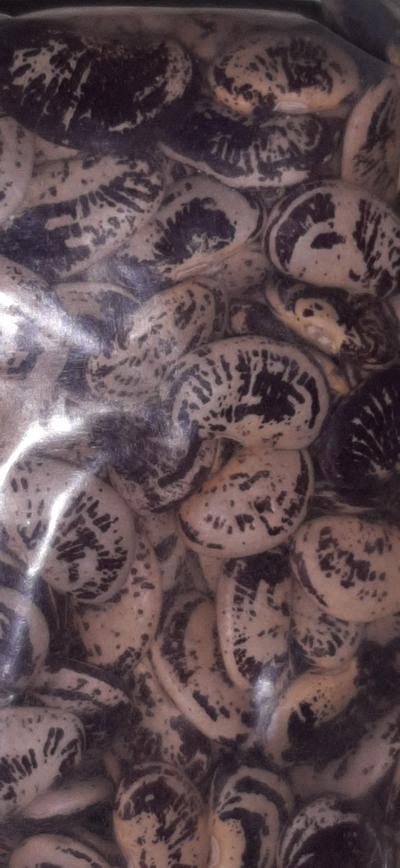
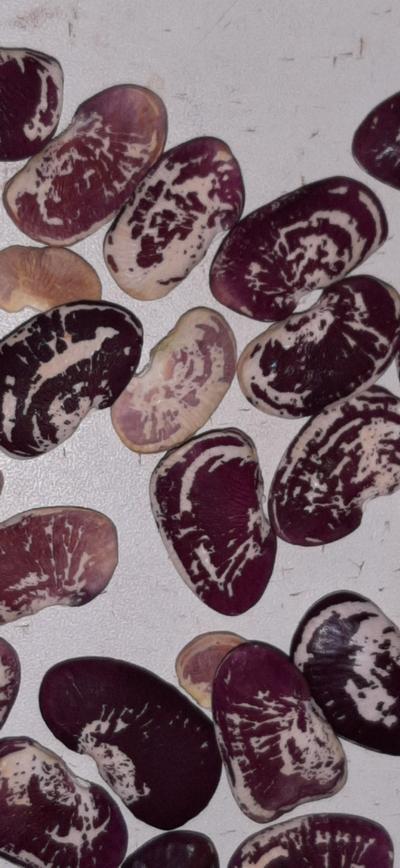
First pic is of purchased Christmas lima beans. Second pic is of saved seeds. Are the light colored ones too immature to plant? Since I did buy a pound of new seed?
![[Logo]](/templates/default/mobile/images/mobile-permies-2015.png)

![[Thumbnail for 20231022_155502-2.jpg]](/t/231623/a/224763/thumb-20231022_155502-2.jpg "Filename: 20231022_155502-2.jpg
Description:")
![[Thumbnail for 20231022_155056-2.jpg]](/t/231623/a/224764/thumb-20231022_155056-2.jpg "Filename: 20231022_155056-2.jpg
Description:")
![[Thumbnail for 20231022_155502-2.jpg]](/t/231623/a/224763/20231022_155502-2.jpg "Filename: 20231022_155502-2.jpg
Description:")
![[Thumbnail for 20231022_155056-2.jpg]](/t/231623/a/224764/20231022_155056-2.jpg "Filename: 20231022_155056-2.jpg
Description:")

![[Thumbnail for 20231029_133745-2.jpg]](/t/231623/a/225238/20231029_133745-2.jpg "Filename: 20231029_133745-2.jpg
Description:")




.png)
