• Post Reply Bookmark Topic Watch Topic
  • New Topic
permaculture forums growies critters building homesteading energy monies kitchen purity ungarbage community wilderness fiber arts art permaculture artisans regional education skip experiences global resources cider press projects digital market permies.com pie forums private forums all forums
this forum made possible by our volunteer staff, including ...
master stewards:
  • Devaka Cooray
  • Carla Burke
  • John F Dean
  • Nancy Reading
  • Timothy Norton
  • r ranson
stewards:
  • Jay Angler
  • Pearl Sutton
  • paul wheaton
master gardeners:
  • Christopher Weeks
  • M Ljin
gardeners:
  • thomas rubino
  • Eino Kenttä
  • Jeremy VanGelder

Allium chinense

 
gardener
Posts: 5511
Location: Cincinnati, Ohio,Price Hill 45205
1164
forest garden trees urban
  • Likes 2
  • Mark post as helpful
  • send pies
    Number of slices to send:
    Optional 'thank-you' note:
  • Quote
  • Report post to moderator
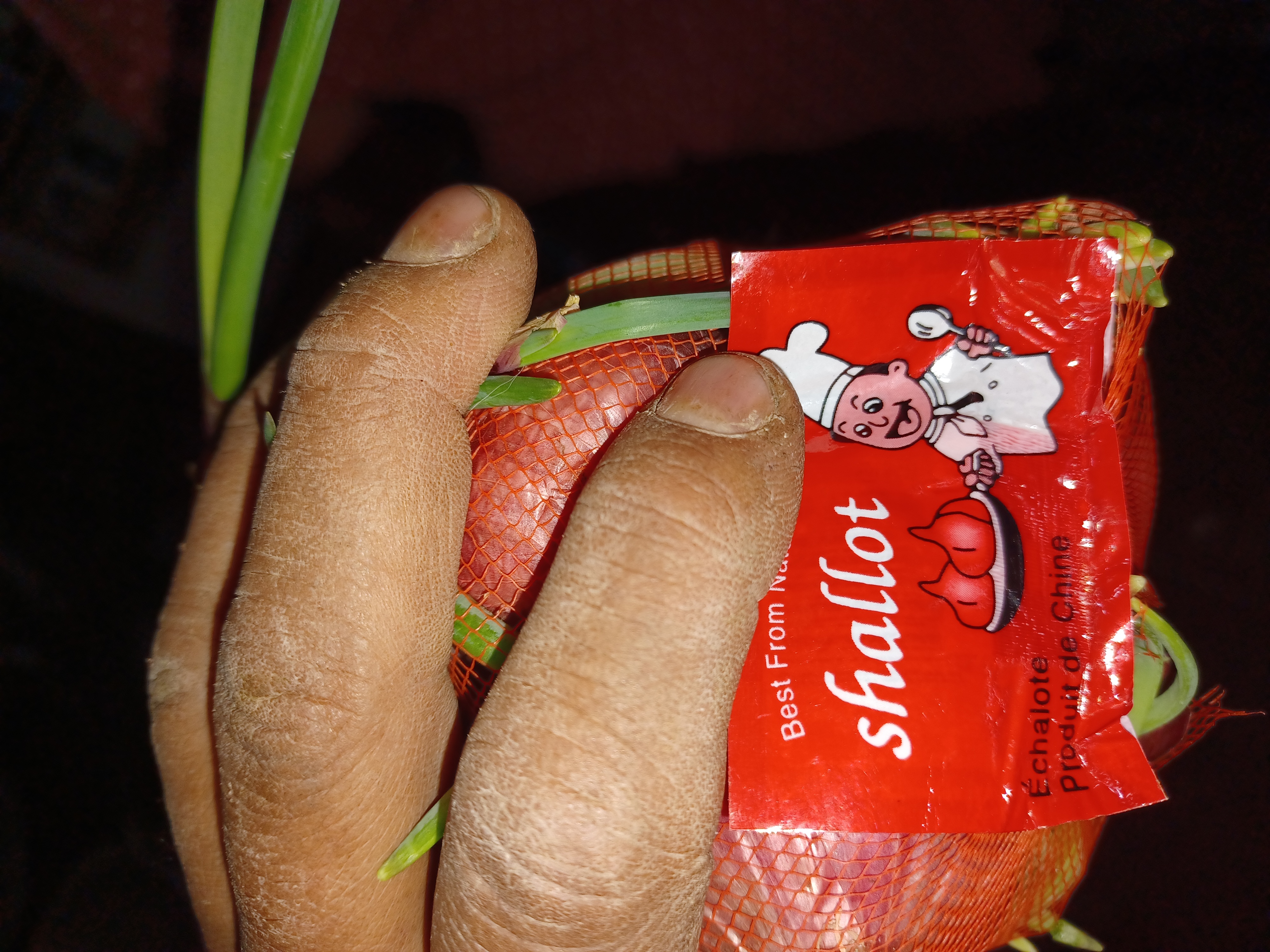
I bought some Chinese Shallots at a local asian supermarket.
They started sprouting, I so I planted them.
Does anyone have experience with these plants?
20231116_181937.jpg
Plants is food/food is plant
 
pollinator
Posts: 458
234
hugelkultur forest garden food preservation medical herbs wood heat
  • Likes 3
  • Mark post as helpful
  • send pies
    Number of slices to send:
    Optional 'thank-you' note:
  • Quote
  • Report post to moderator
I've grown both red and gray shallots for the past few years. I plant them in the fall the same way as garlic. They will create a huge clump of greens the next summer and usually a nice crop of shallots for the fall and winter. This summer the grasshoppers ate all of my shallots to the ground (except for the ones growing near lemon balm) so they produced tiny bulbs that I've replanted and hope will do well next year.

Are you sure that they are Allium chinense and not Allium cepa aggregatum (shallots)? The pictures I see online of A. chinense show a slender white bulb, but I've never grown them. The picture you show looks a lot like regular shallots. Either way they should be good to eat even sprouting and might be fun to plant and see what happens.
 
William Bronson
gardener
Posts: 5511
Location: Cincinnati, Ohio,Price Hill 45205
1164
forest garden trees urban
  • Mark post as helpful
  • send pies
    Number of slices to send:
    Optional 'thank-you' note:
  • Quote
  • Report post to moderator
I'm definitely not sure what they are, they could be either or something else entirely.
They look rounder and less elongated than the usual shallots I see.
Maybe I'll get some to grow and compare .
I'm mostly looking for any kind of multiplying allium I can find to add to my land scape.

Either way, do you have any recommendations on spacing or feeding?
In my beds I  usually put down raw leaf mulch and add liquid nitrogen to over that over the winter.
If I cover them with some autumn leaves, will they push their way out, or do you think that will that suppress them?


William Bronson
gardener
Posts: 5511
Location: Cincinnati, Ohio,Price Hill 45205
1164
forest garden trees urban
  • Mark post as helpful
  • send pies
    Number of slices to send:
    Optional 'thank-you' note:
  • Quote
  • Report post to moderator
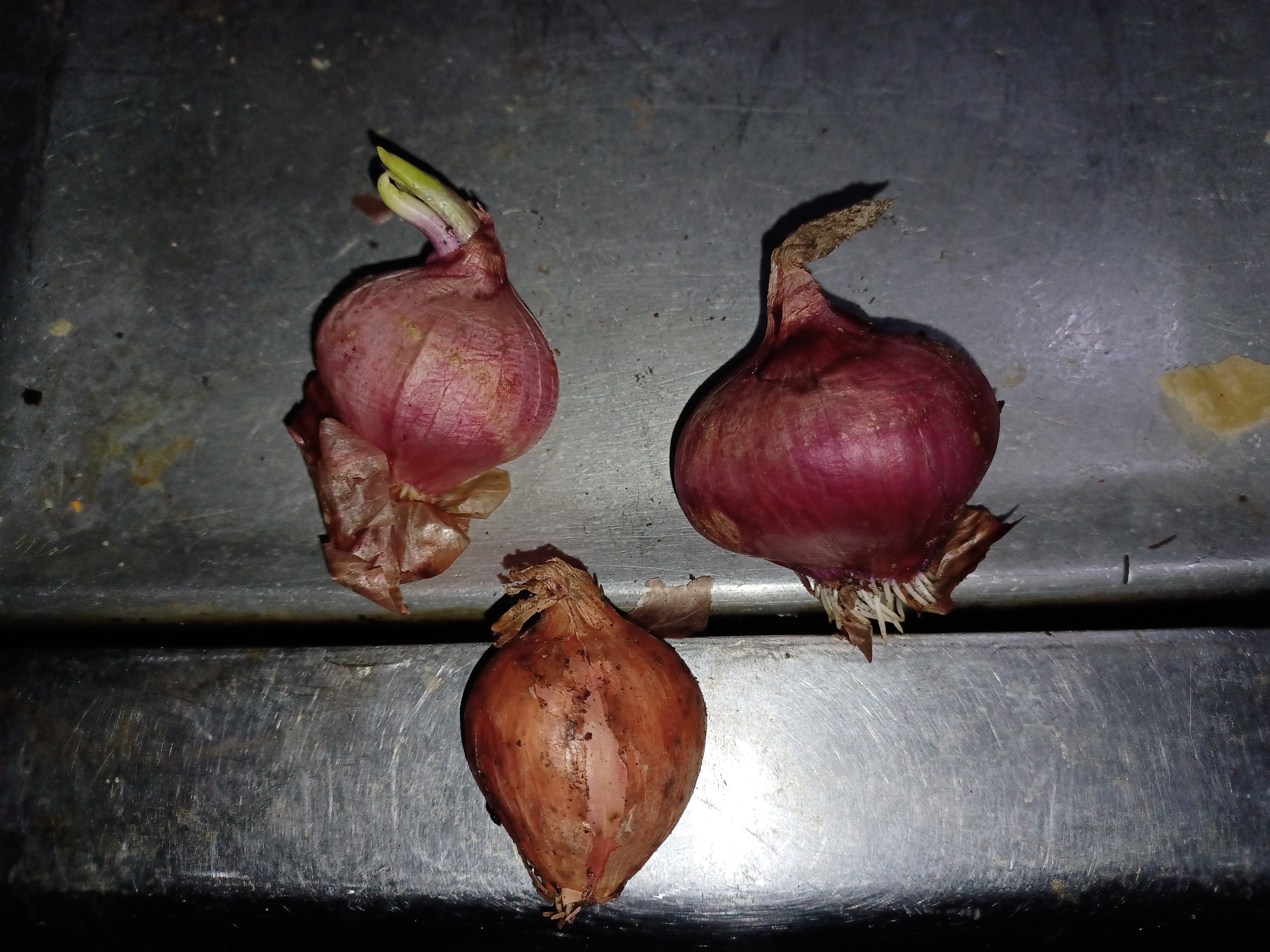
I took some clearer pictures, there is some variation in size and shape.
Edit: The more I look at shallots online,  the more I think "I don't know a shallot looks like!"

20231118_191737.jpg
Three little guys
Three little guys
 
Robin Katz
pollinator
Posts: 458
234
hugelkultur forest garden food preservation medical herbs wood heat
  • Likes 1
  • Mark post as helpful
  • send pies
    Number of slices to send:
    Optional 'thank-you' note:
  • Quote
  • Report post to moderator
Your plan sounds like it should work well. I usually space the shallots about 6-8 inches apart and plant the root end 2" deep. I then cover with straw or mulch for the winter. If you're concerned about the depth of mulch suppressing growth, just pull it back when everything warms up in the spring, but I don't remember having to do that the past few years.

The extra pictures look just like the Dutch red shallots that I've been growing. Under the right conditions they multiply really well.

 
Robin Katz
pollinator
Posts: 458
234
hugelkultur forest garden food preservation medical herbs wood heat
  • Likes 1
  • Mark post as helpful
  • send pies
    Number of slices to send:
    Optional 'thank-you' note:
  • Quote
  • Report post to moderator
One other thing occurred to me with this mornings coffee. If you plant the ones with a long green sprout in the garden now, the sprout may be winter-killed. Planting them in a pot indoors would provide you with some nice fresh greens over the winter though. For garden planting, I'd use the ones that haven't sprouted yet or have very small sprouts then mulch them for winter protection.
 
William Bronson
gardener
Posts: 5511
Location: Cincinnati, Ohio,Price Hill 45205
1164
forest garden trees urban
  • Likes 1
  • Mark post as helpful
  • send pies
    Number of slices to send:
    Optional 'thank-you' note:
  • Quote
  • Report post to moderator
I have alot of indoor plants that need tending, so adding the sprouted ones to to the those pots will be easy.
I plant dumpster onions in my outdoor pots, they stay green even in snow, but they are baseball sized bulbs that produce by seed, not quarter sized bunching bulbs, so results will vary.

I'm now wondering if I can source actual Allium chinense at the same place I got these.
 
CLUCK LIKE A CHICKEN! Now look at this tiny ad:
The new kickstarter is now live!
https://www.kickstarter.com/projects/paulwheaton/garden-cards
reply
    Bookmark Topic Watch Topic
  • New Topic