

• Post Reply Bookmark Topic Watch Topic
  • New Topic
permaculture forums growies critters building homesteading energy monies kitchen purity ungarbage community wilderness fiber arts art permaculture artisans regional education skip experiences global resources cider press projects digital market permies.com pie forums private forums all forums
this forum made possible by our volunteer staff, including ...
master stewards:
  • Carla Burke
  • John F Dean
  • r ransom
  • Nancy Reading
  • Timothy Norton
  • Jay Angler
stewards:
  • paul wheaton
  • Pearl Sutton
  • Eric Hanson
master gardeners:
  • Christopher Weeks
  • M Ljin
gardeners:
  • thomas rubino
  • Megan Palmer
  • Benjamin Dinkel

Devon's Mad Garden (Landrace Breeding Projects)

 
Posts: 31
Location: NJ
9
forest garden foraging seed greening the desert
  • Likes 12
  • Mark post as helpful
  • send pies
    Number of slices to send:
    Optional 'thank-you' note:
  • Quote
  • Report post to moderator
In this thread I will post descriptions and pictures of my landrace breeding projects and other seedy adventures.

General description of the garden:

New Jersey, Zone 7. 160 frost-free days.
(Formerly zone 6. The change seems appropriate, as recent winters have been dramatically warm.)

Above-national-average precipitation.
Summers are becoming drier and we often have droughts in the growing season, but typically the ground stays wet throughout fall, winter, and spring.

Sandy loam soil.
I am planting in overworked agricultural land with relatively poor drainage, as far as sandy loams go.

Methods:
No till, minimal dig, direct seeding as much as possible. No irrigation. Weeding when I feel like it. No or minimal fertilizer depending on the crop.

The main crops I am breeding:
Tomato
Tomatillo
Corn (Sweet)
Corn (Grain)
Pole Bean (P. vulgaris)
Potato
Hopniss (Apios americana)
Chile peppers
Sunchoke
Watermelon
Melon
Cucurbita moschata
Cucurbita pepo
Carrots

I am selecting for:
Dry growing season
Wet harvest season
General pest and disease resistance
Direct seed
Early maturity
Flavor
Lots of seeds
Pretty colors
Partial Shade

Aside from my main projects listed above, I am also planting:
Cucurbita maxima
Favas
Chickpeas
Peas
Cowpeas
Cilantro
Epazote
Onions
Collards
Brassica Mix
Amaranth
Sorghum
Sesame
Sweet potato
Various Cacti
Various Herbs
Various Trees

At planting time I will post about each crop listing the mix of varieties, past year experiences, plus my specific intentions and methods for that crop. Later in the season I will post observations.
20240210_113852.jpg
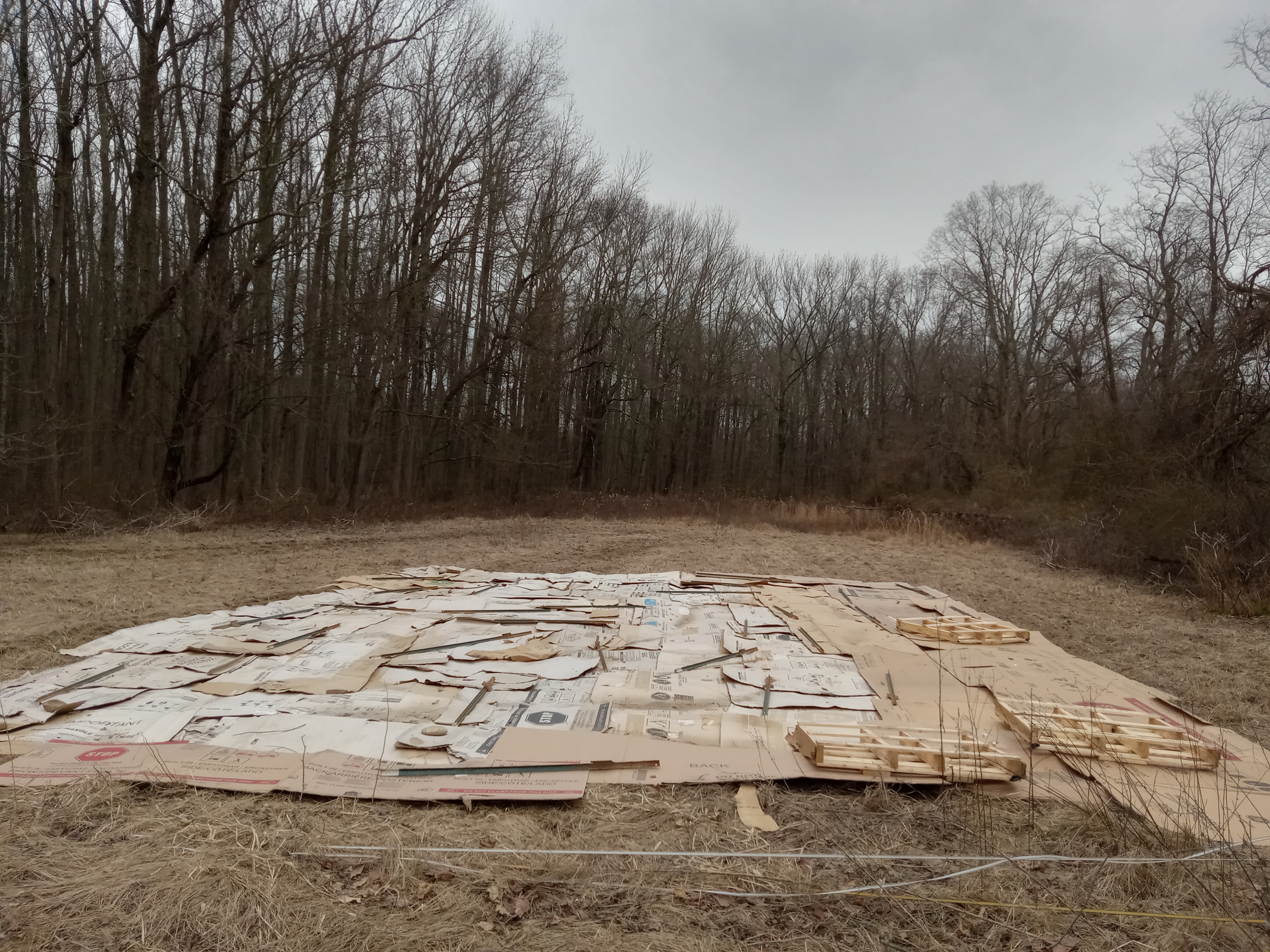
Occultating my main growing space with cardboard
 
steward and tree herder
Posts: 11839
Location: Isle of Skye, Scotland. Nearly 70 inches rain a year
5956
5
transportation dog forest garden foraging trees books food preservation woodworking wood heat rocket stoves ungarbage
  • Likes 4
  • Mark post as helpful
  • send pies
    Number of slices to send:
    Optional 'thank-you' note:
  • Quote
  • Report post to moderator
Wow! You've got a lot going on.
The only overlap I've got with your landrace seeds is carrots, which I managed to save my first seed grex from last year. I also grow potatoes, and have some TPS from last year's harvest which I am thinking of trying to grow out just for fun!
I look forwards to your updates.
 
Devon Viola
Posts: 31
Location: NJ
9
forest garden foraging seed greening the desert
  • Likes 3
  • Mark post as helpful
  • send pies
    Number of slices to send:
    Optional 'thank-you' note:
  • Quote
  • Report post to moderator
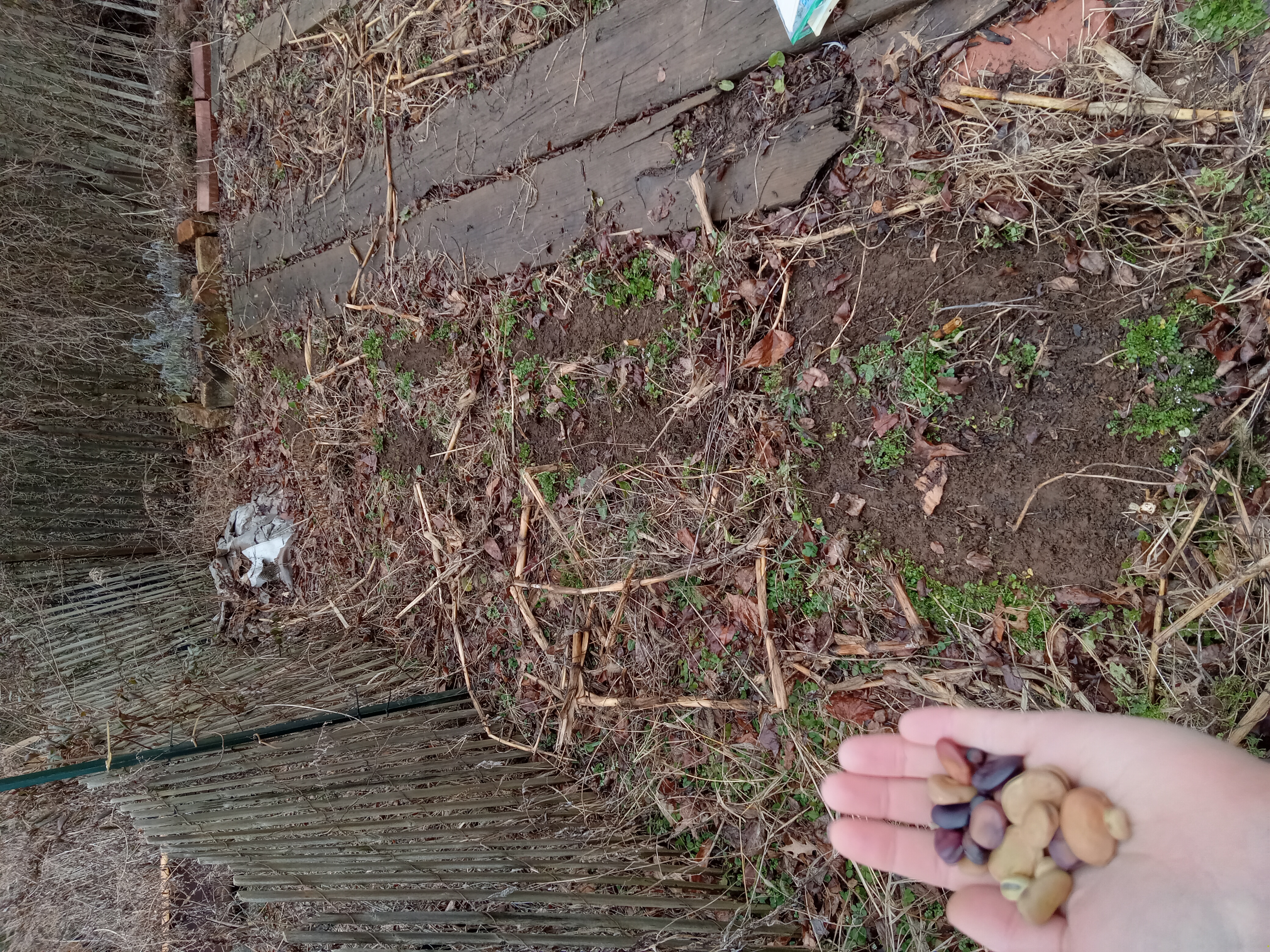
Fabas planted today.
This is my first time planting fava beans so I don't know what to expect. I don't think this is a good climate for them, as in recent years we jumped straight from freezing weather to hot weather. I’ve planted them in the small garden plot where last year I planted corn/beans/squash.

I got this breeding mix from GoingtoSeed.org which I highly recommend you check out if you haven't yet!

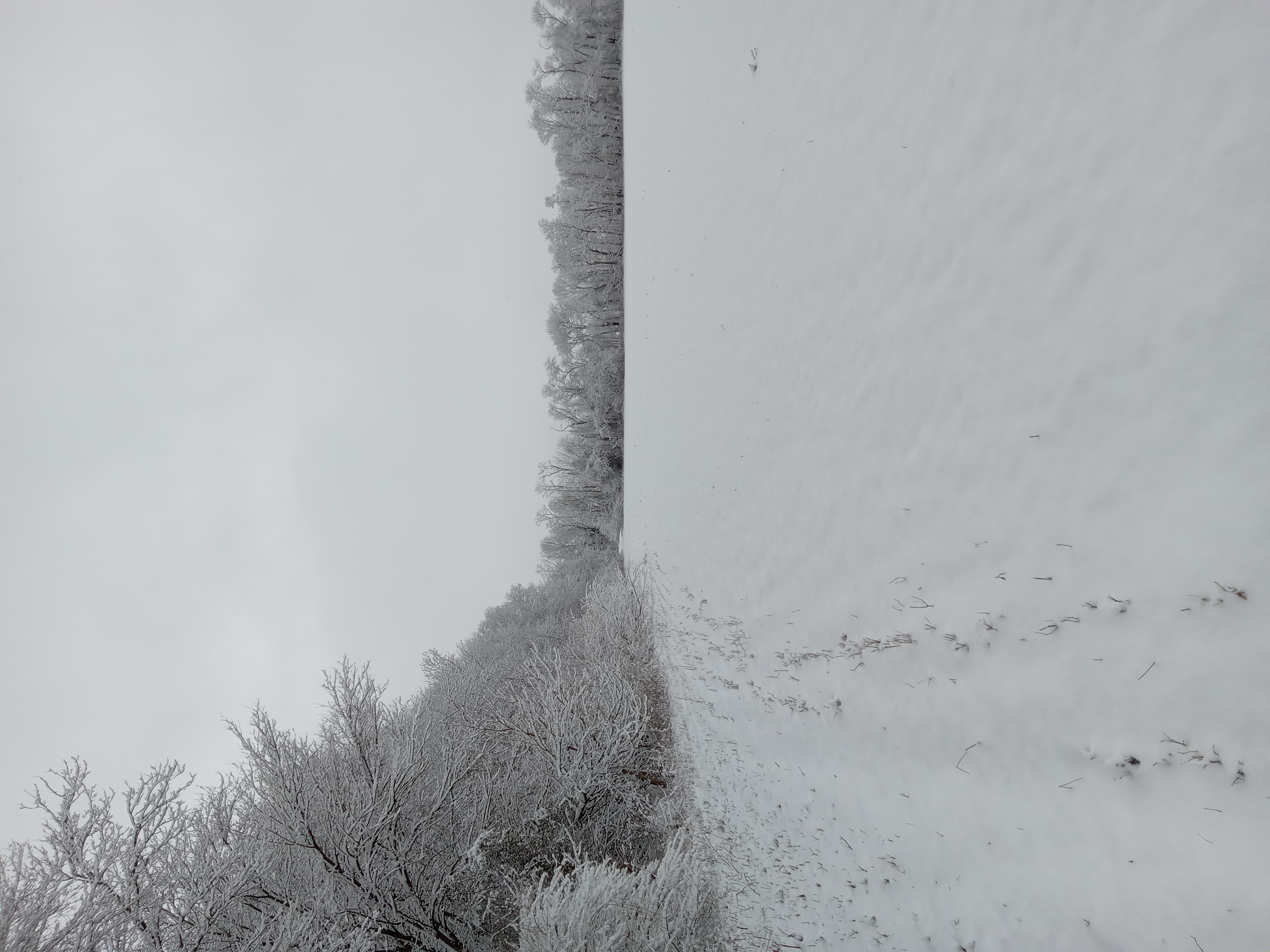
Another note on winter/spring weather: The earliest sign of spring around here is the blooming of crocuses. They bloom when hard freezes are still expected for a few more weeks. When I was a kid they bloomed in March.
This year crocuses started blooming mid- February, and are almost finished for the year.
Last year they bloomed in January!
20240224_093600.jpg
fava bean mixed seeds
20240217_090756.jpg
One week ago
One week ago
 
Nancy Reading
steward and tree herder
Posts: 11839
Location: Isle of Skye, Scotland. Nearly 70 inches rain a year
5956
5
transportation dog forest garden foraging trees books food preservation woodworking wood heat rocket stoves ungarbage
  • Likes 5
  • Mark post as helpful
  • send pies
    Number of slices to send:
    Optional 'thank-you' note:
  • Quote
  • Report post to moderator

Devon Viola wrote:Fabas planted today.
This is my first time planting fava beans so I don't know what to expect. I don't think this is a good climate for them, as in recent years we jumped straight from freezing weather to hot weather.


Well having a nice mix of seed like that ought to help. Hopefully some will tolerate your conditions and set seeds that will grow even better! Alternatively, depending on how cold you get, you could try sowing in Autumn to overwinter as young plants, and get a head start on the next year.
 
pollinator
Posts: 841
Location: Illinois
188
  • Likes 4
  • Mark post as helpful
  • send pies
    Number of slices to send:
    Optional 'thank-you' note:
  • Quote
  • Report post to moderator
Yes, please keep posting updates. I have been doing some similar things. Tomatoes are all volunteers for many years now. Corn, cantaloupes, sunflowers, lettuce, beans etc all grown from saved seeds.
 
Devon Viola
Posts: 31
Location: NJ
9
forest garden foraging seed greening the desert
  • Likes 7
  • Mark post as helpful
  • send pies
    Number of slices to send:
    Optional 'thank-you' note:
  • Quote
  • Report post to moderator
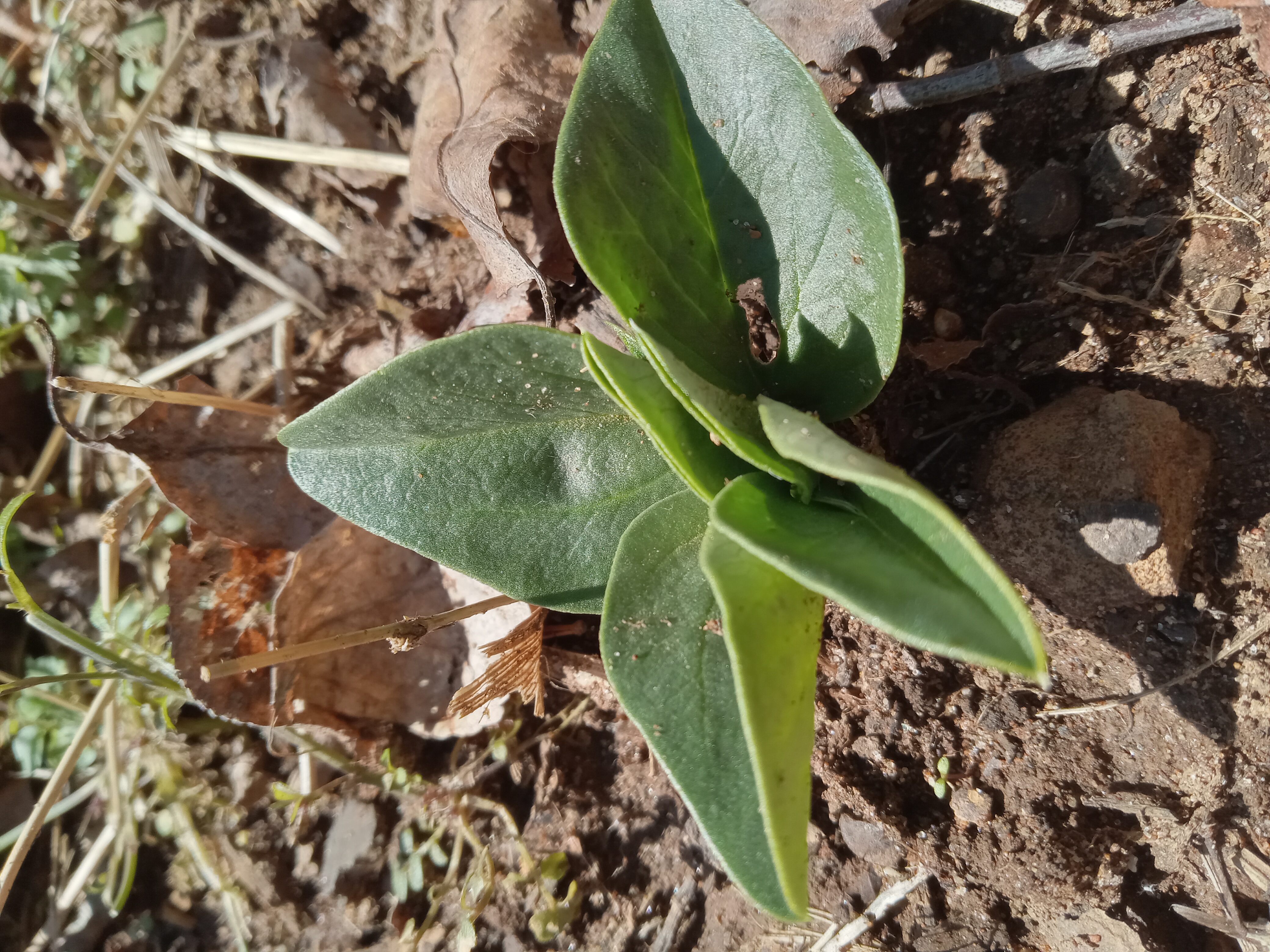
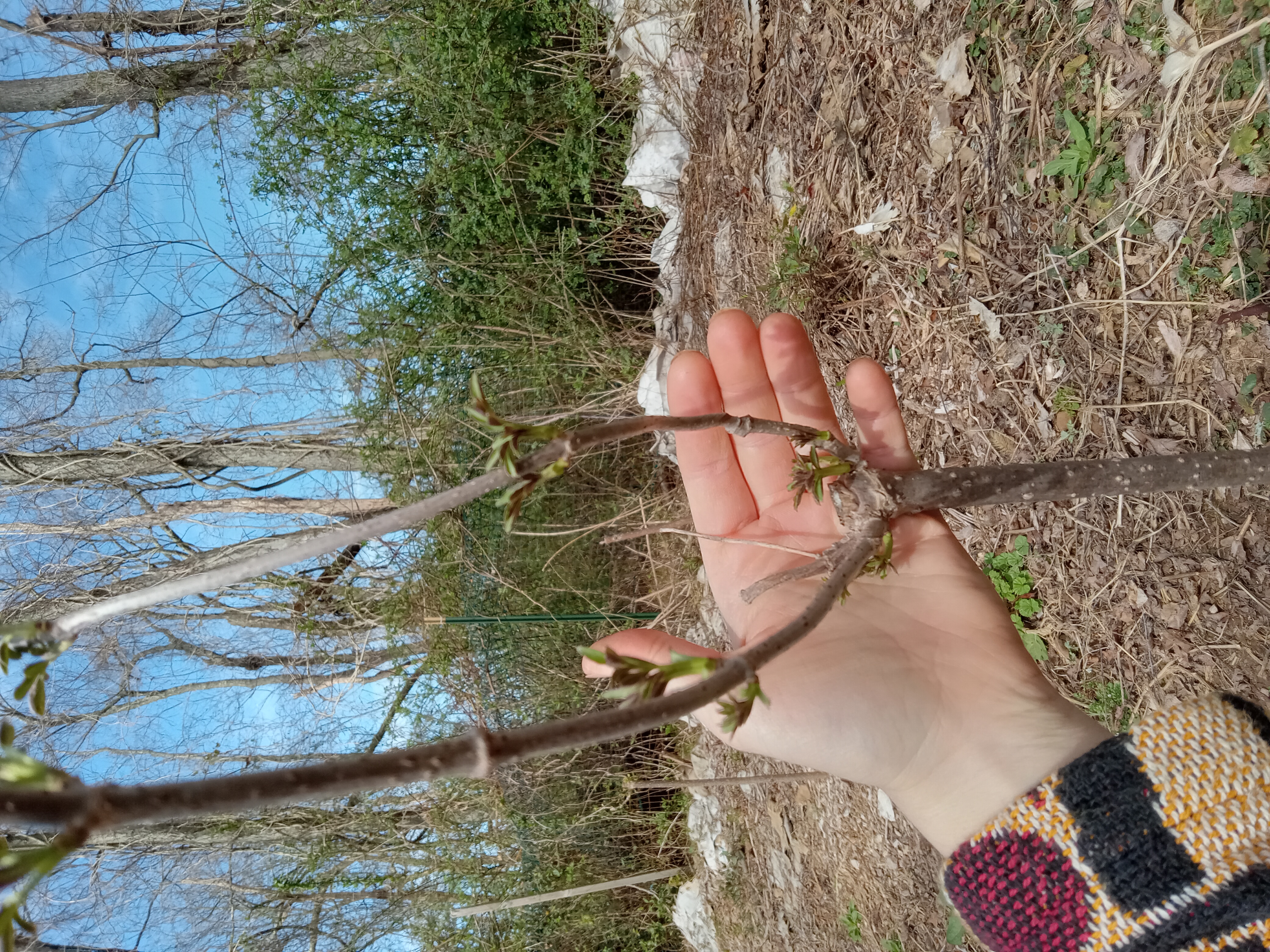
Favas have germinated, and the 9 elderberry cuttings I planted in fall are waking up.
Now I'm planting Carrots, Reckless Brassica Oleracea Mix, Onion mix, Garbanzos, Peas, Cilantro, Dill, Potatoes, Sunchokes, and Hopniss.


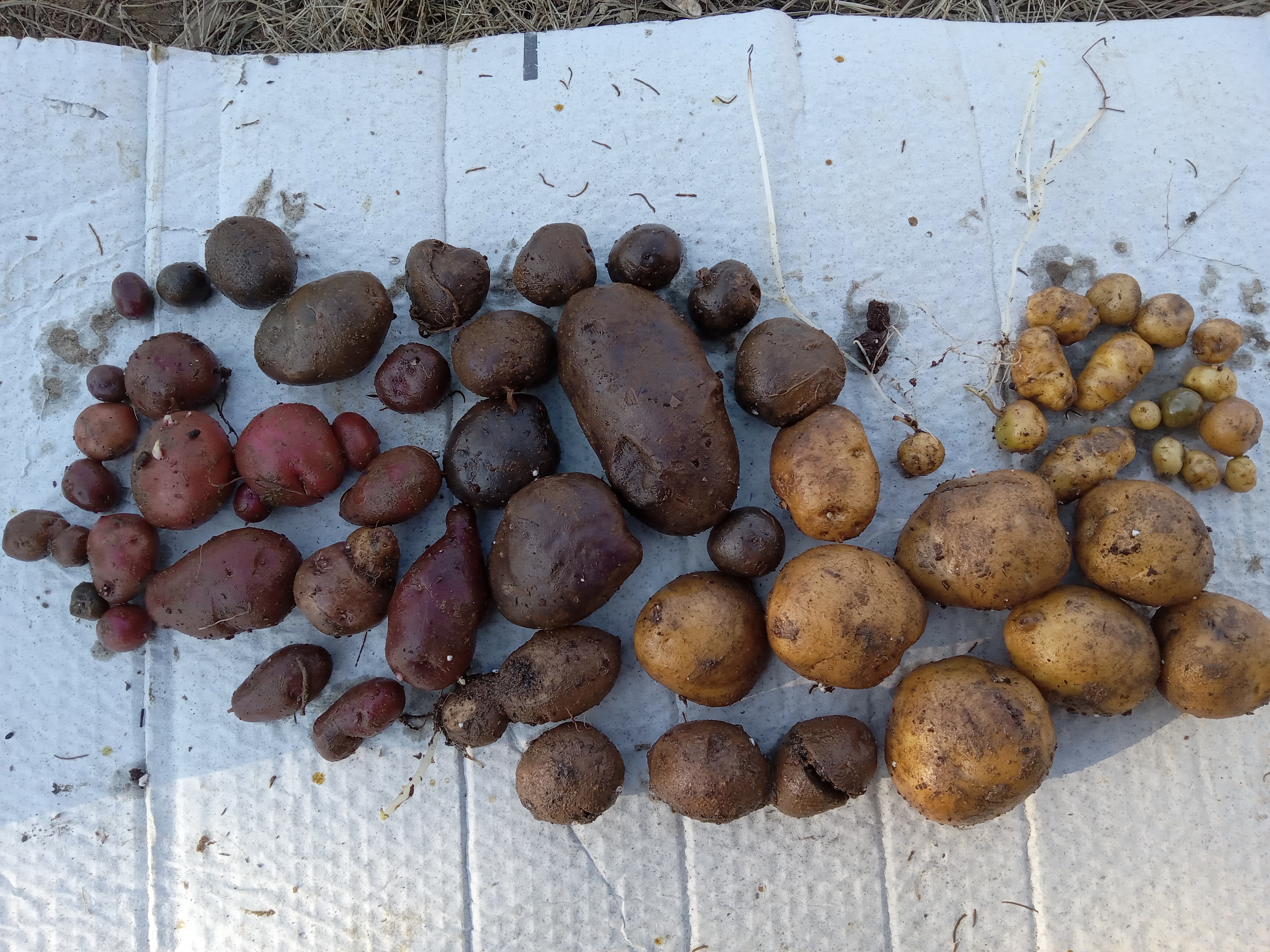
Today I transplanted out last year's potatoes grown from true seed(!). The seeds were from Cultivariable and Going to Seed.
The tubers were mostly quite tiny, but I was impressed with a few normal-sized spuds. They all stored excellently in the fridge, even the teeny ones.
In addition to these tubers I collected exactly 4 potato berries.

I've also started a new tray of potato seeds in the greenhouse, and I'm going to try direct seeding some TPS later and see what happens.

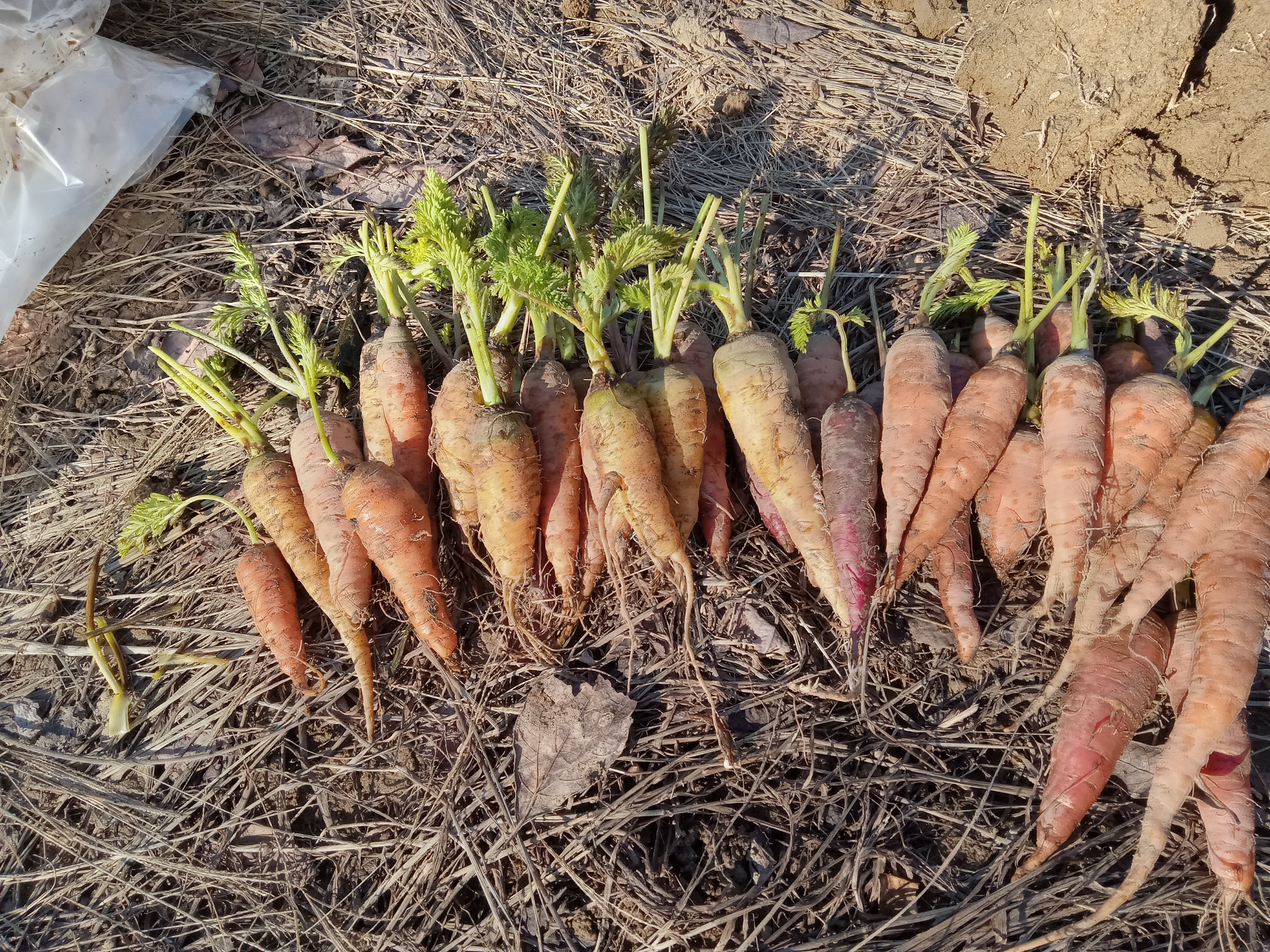
Transplanted out my favorite fall carrots. They stored ok in the fridge. Perhaps I should have removed the foliage, some of which started to rot in February or March.
These carrots were grown in hard clay soil. I taste-tested by variety-- and then from the varieties that tasted decent, saved the best looking individuals. As they cross in subsequent generations I guess I will have to taste-test individuals and then replant them.
20240325_131759.jpg
Favas Germinating
Favas Germinating
20240317_124557.jpg
Elderberries Awakening
20240325_125826.jpg
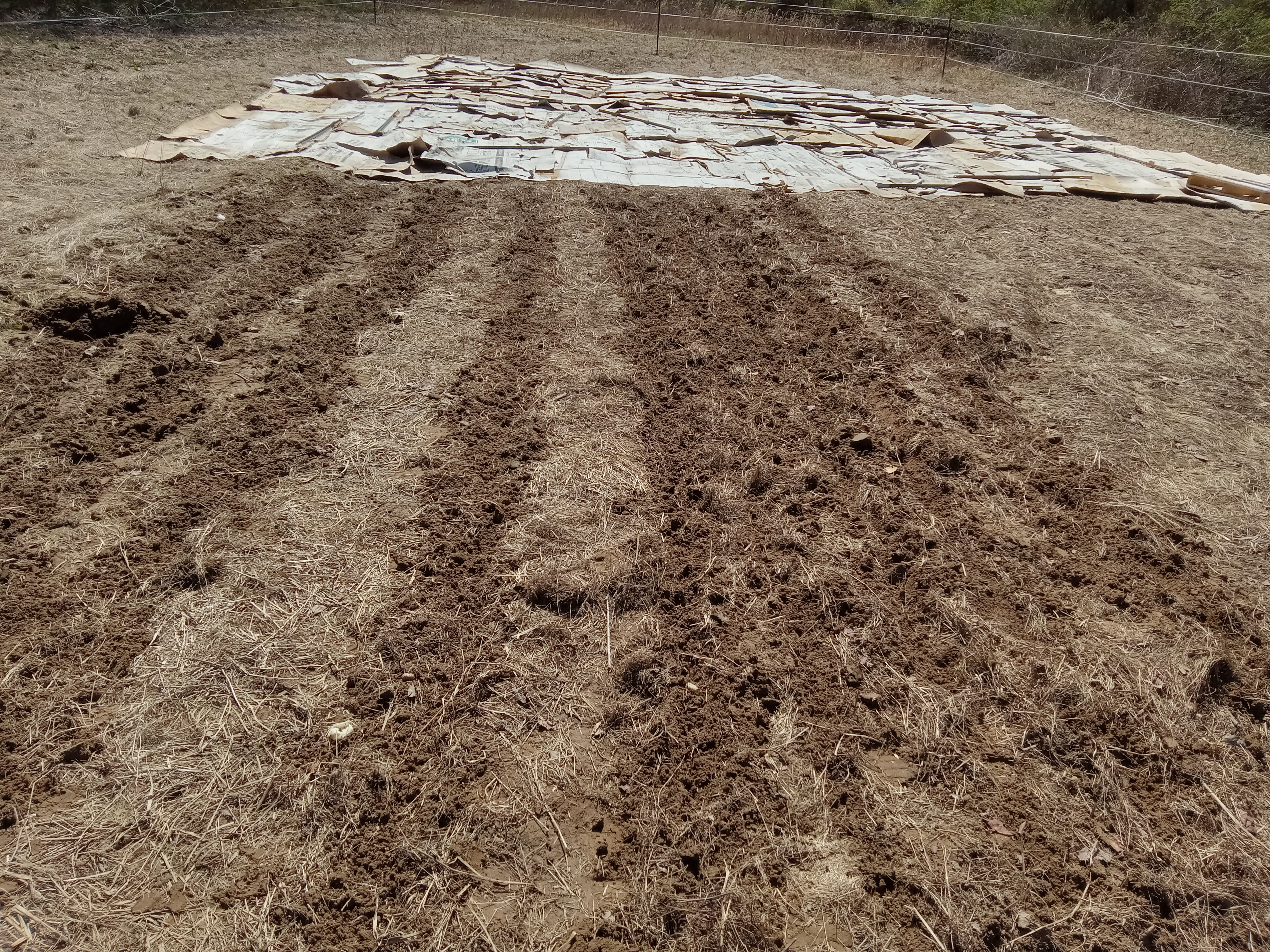
Just moving the cardboard and using a furrowing hoe to make furrows.
20240325_165739.jpg
Potatoes grown from true seed last year
20240325_162627.jpg
My favorite carrots grown in clay last year
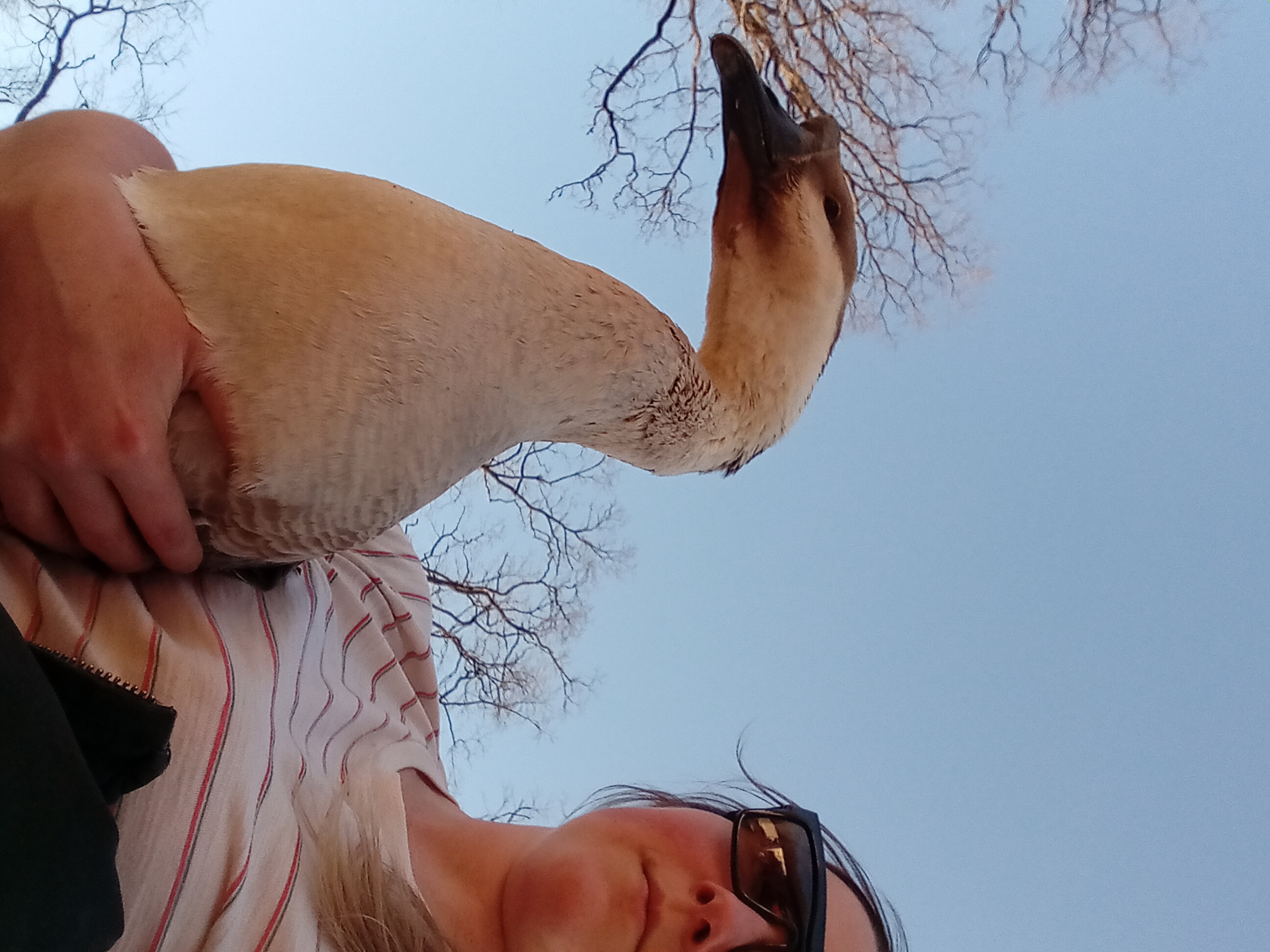
Gratuitous-goose-pic.jpg
Gratuitous goose pic
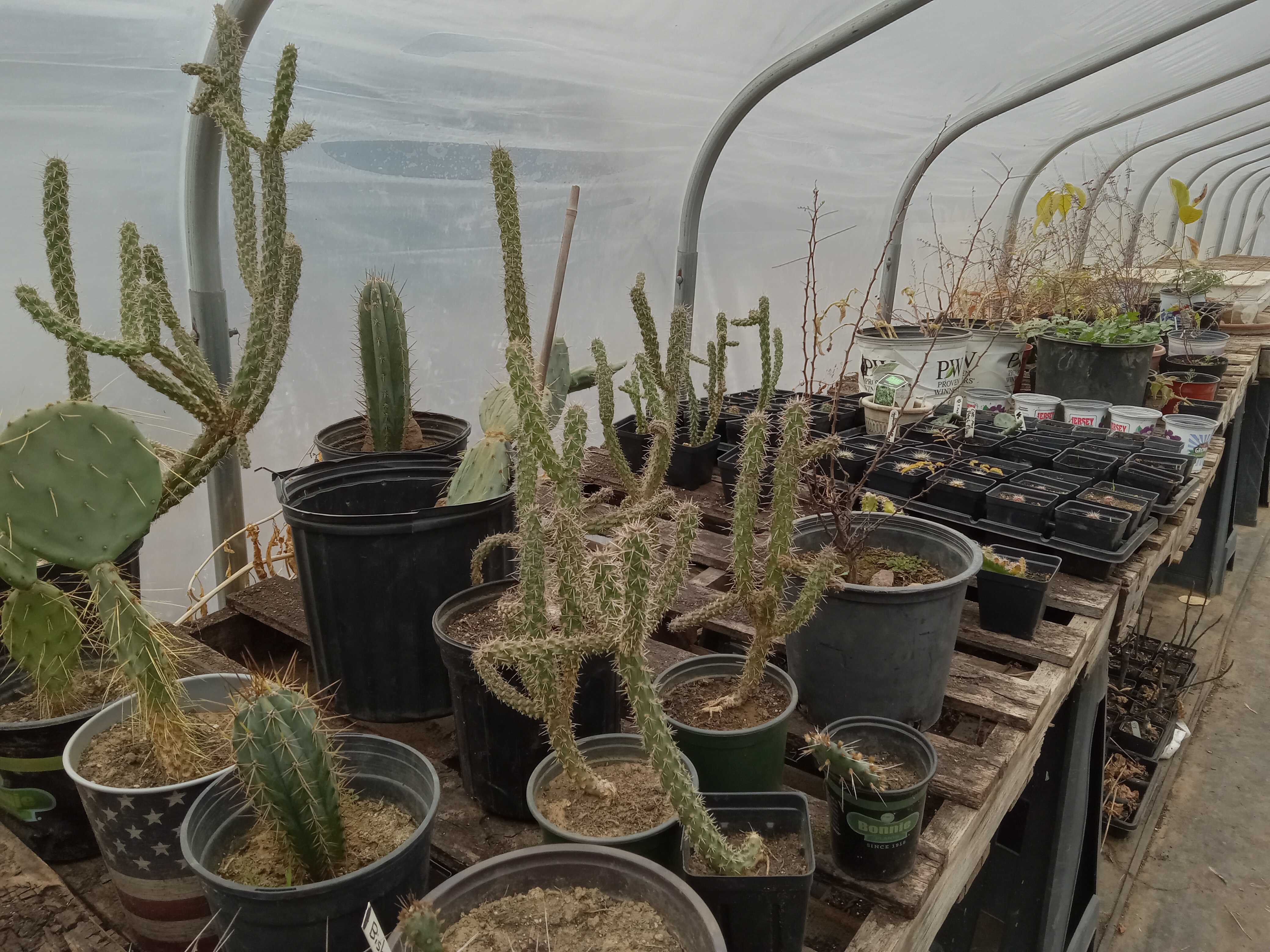
20240226_104819.jpg
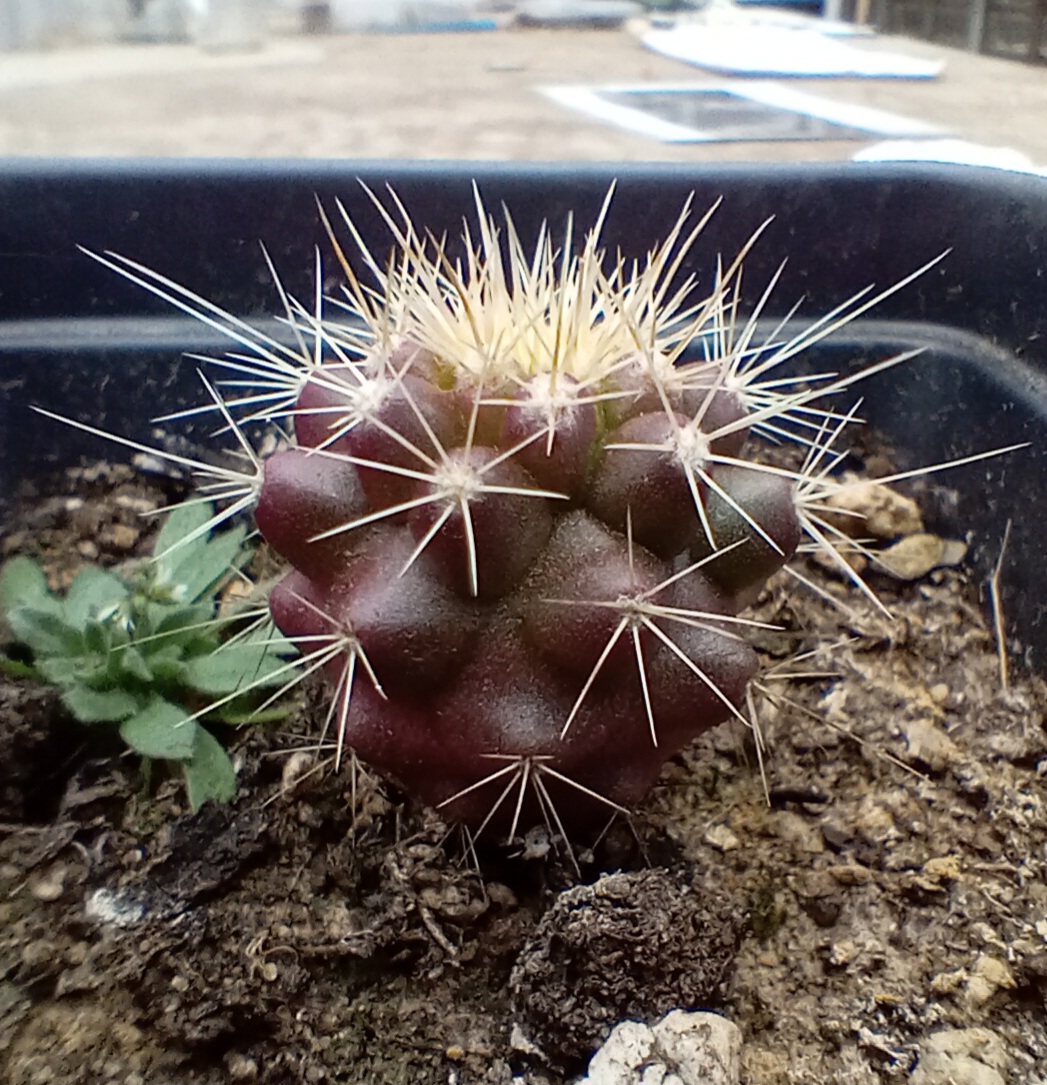
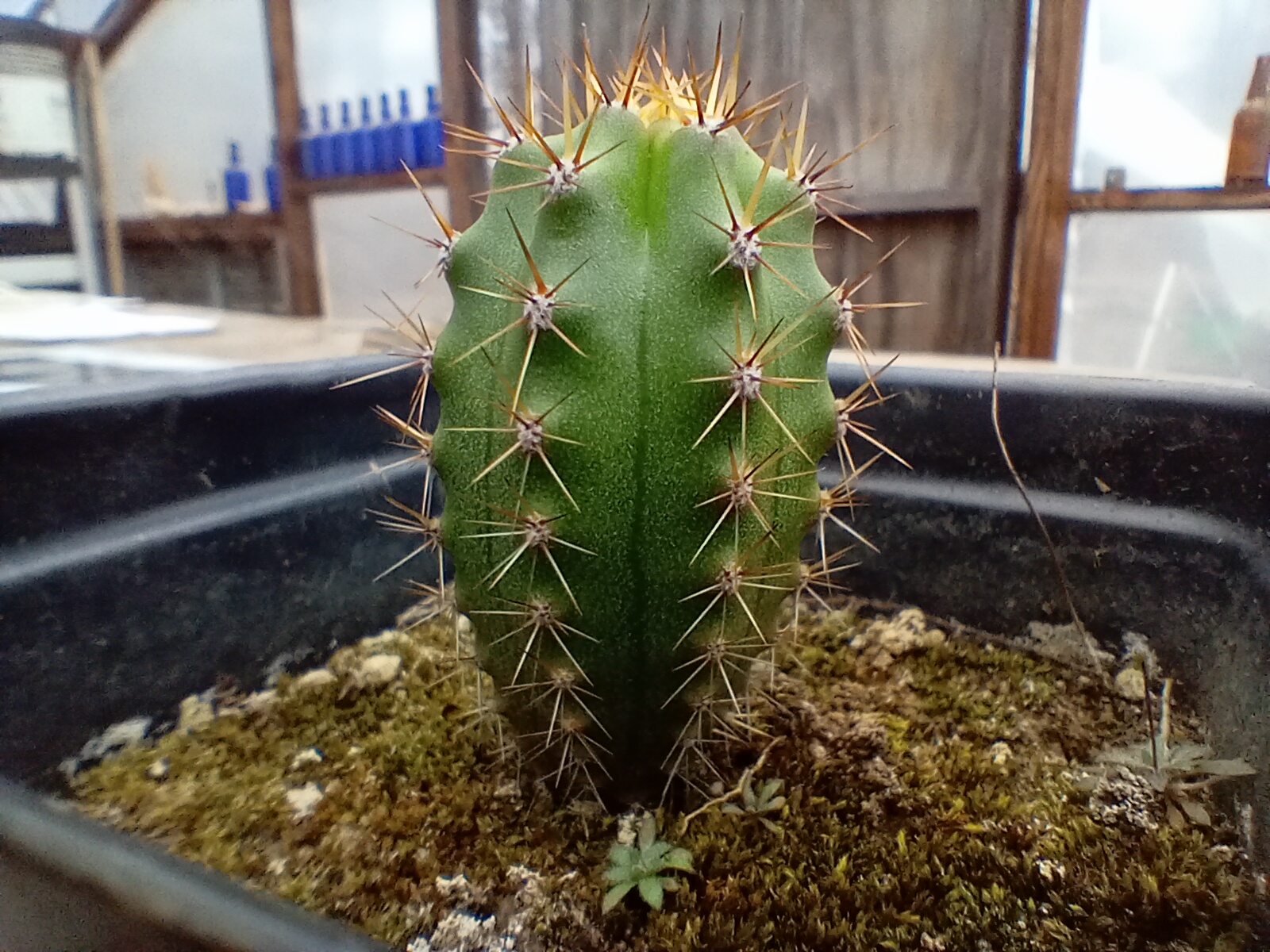
Gratuitous Cactus garden pics
Cactus garden
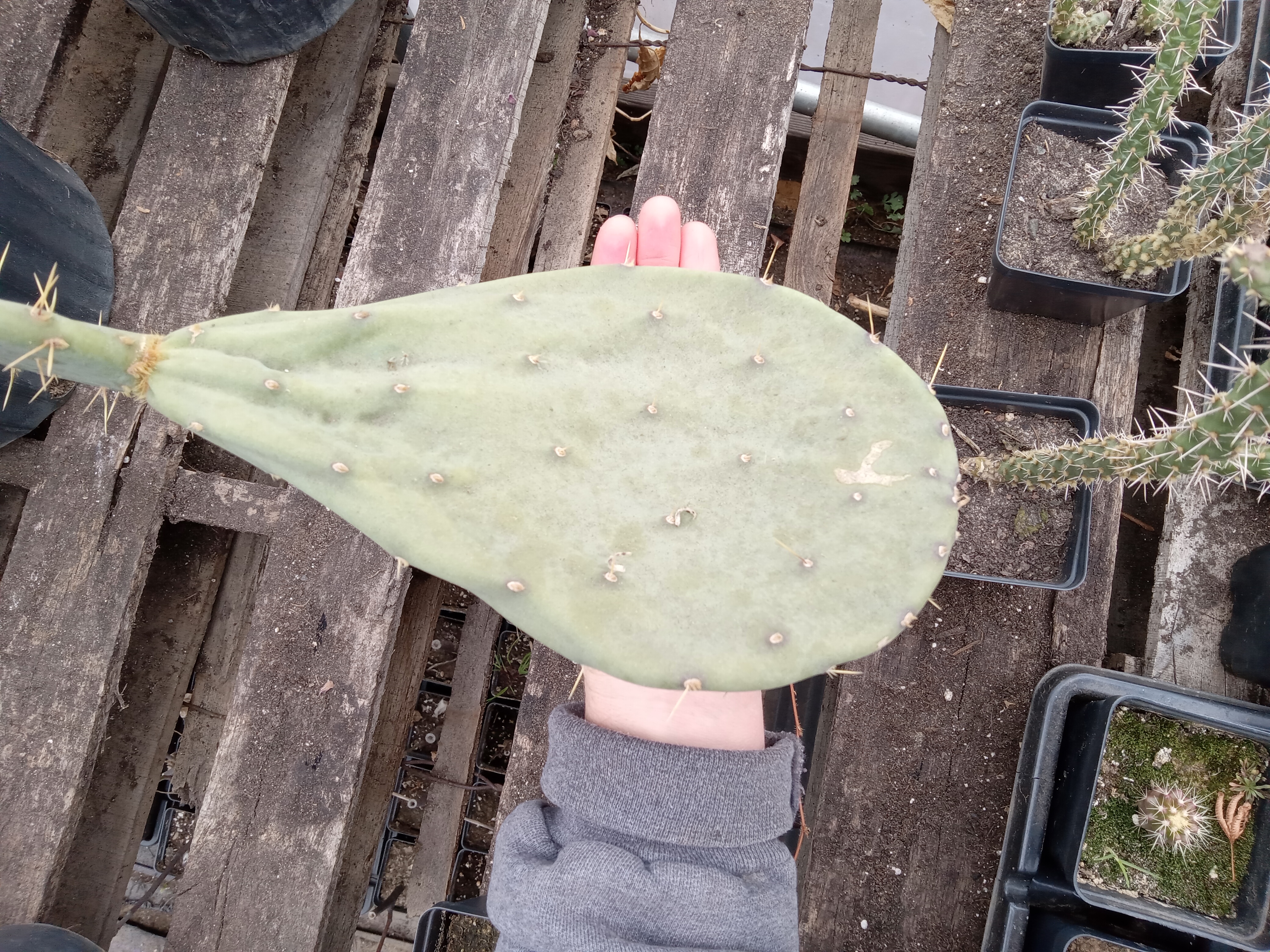
20240226_104842.jpg
3 year old Nopal
3 year old Nopal
20240226_104926.jpg
Barrel
Barrel
20240226_104952.jpg
Trichocereus
Trichocereus ready to burst
20240226_110702.jpg
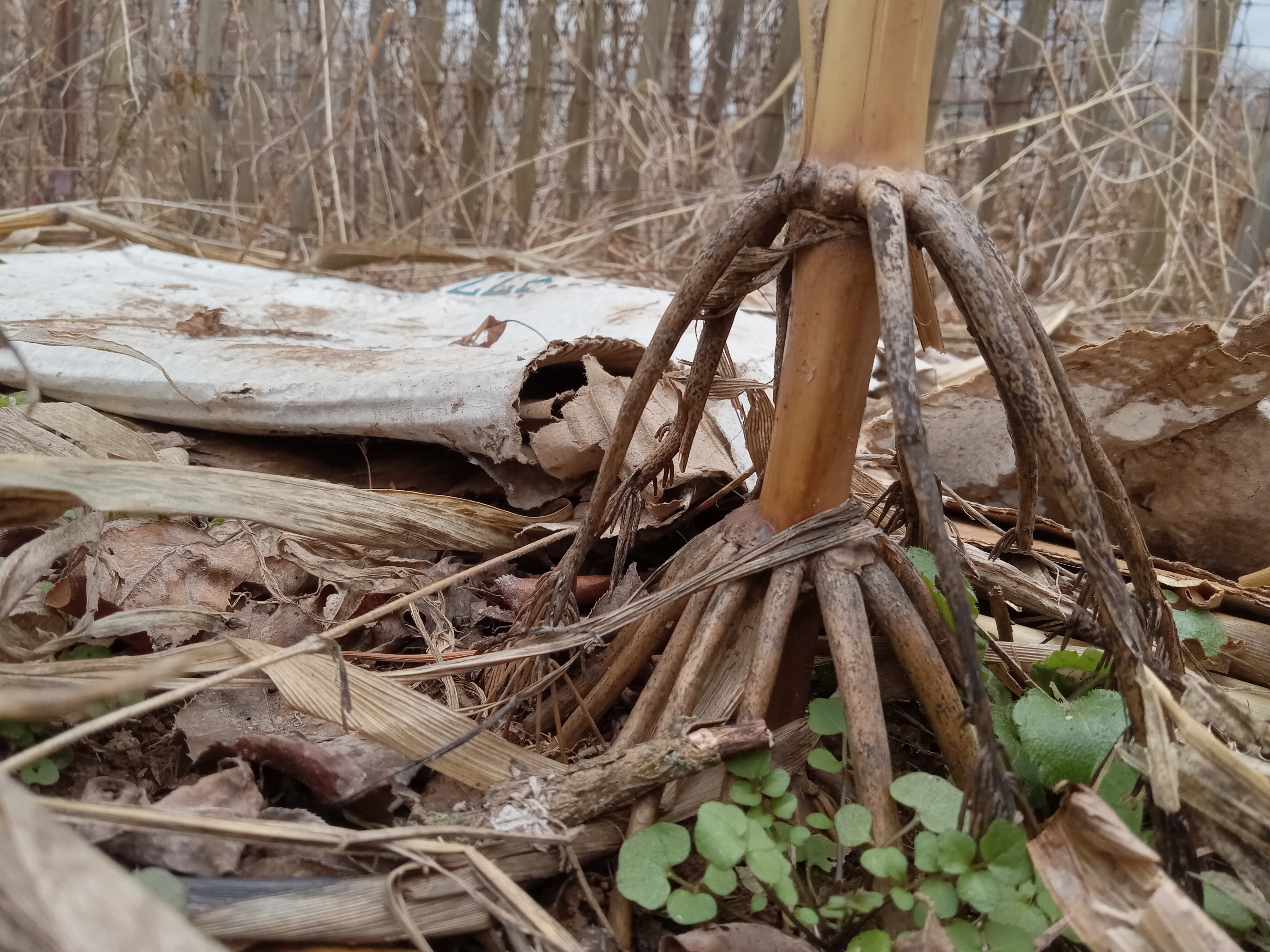
Last year's corn aerial roots still standing.
 
Nancy Reading
steward and tree herder
Posts: 11839
Location: Isle of Skye, Scotland. Nearly 70 inches rain a year
5956
5
transportation dog forest garden foraging trees books food preservation woodworking wood heat rocket stoves ungarbage
  • Mark post as helpful
  • send pies
    Number of slices to send:
    Optional 'thank-you' note:
  • Quote
  • Report post to moderator

Devon Viola wrote: I taste-tested by variety-- and then from the varieties that tasted decent, saved the best looking individuals. As they cross in subsequent generations I guess I will have to taste-test individuals and then replant them.


Yes this is something that is getting me stumped as well. How to select future generations without destroying the parents....I made the mistake with my Swede (Rutabaga) of mixing all my starting seed together so I just took roots at random last year. This year I will sow the different varieties in different spots, so I know I have some of each (if I can). I don't think I will cull any at this first stage though - I'm too pleased that something grows!
 
Devon Viola
Posts: 31
Location: NJ
9
forest garden foraging seed greening the desert
  • Likes 3
  • Mark post as helpful
  • send pies
    Number of slices to send:
    Optional 'thank-you' note:
  • Quote
  • Report post to moderator

Nancy Reading wrote:

Devon Viola wrote: I taste-tested by variety-- and then from the varieties that tasted decent, saved the best looking individuals. As they cross in subsequent generations I guess I will have to taste-test individuals and then replant them.


Yes this is something that is getting me stumped as well. How to select future generations without destroying the parents....I made the mistake with my Swede (Rutabaga) of mixing all my starting seed together so I just took roots at random last year. This year I will sow the different varieties in different spots, so I know I have some of each (if I can). I don't think I will cull any at this first stage though - I'm too pleased that something grows!


I think with root vegetables you can cut off a significant portion of the root, replant it, and it will still produce flowers and seeds. I have not tested this with rutabaga. I think for rutabagas and carrots, the top part needs to be intact. You may be able to eat the bottom half, or at least cut some off the sides.
Whereas with a bulb, like an onion, it's the bottom part that must remain intact.
 
Thom Bri
pollinator
Posts: 841
Location: Illinois
188
  • Likes 1
  • Mark post as helpful
  • send pies
    Number of slices to send:
    Optional 'thank-you' note:
  • Quote
  • Report post to moderator
Carrot tops will grow back.

I have not been able to get my potatoes to set seeds. They make berries, but no seeds. I was hoping to try growing from seeds, but no luck yet.
 
Devon Viola
Posts: 31
Location: NJ
9
forest garden foraging seed greening the desert
  • Likes 2
  • Mark post as helpful
  • send pies
    Number of slices to send:
    Optional 'thank-you' note:
  • Quote
  • Report post to moderator
Hey, a shame I didn’t update this til now, huh?
Between work and finishing my degree, the time really got away from me.

In summary, the whole garden did terribly! Brutal year of selection. But the things I was able to harvest seeds from, now I know they’re tough.

Favas produced a seed increase, but not enough to eat yet. By the time they bore green pods it was hot out, and about half of them died. The remainder produced mostly purple and green seeds. It was interesting to see ants farming black aphids on the stems.

Looking forward to growing them again soon.

20240530_194633.jpg
[Thumbnail for 20240530_194633.jpg]
20240530_194657.jpg
[Thumbnail for 20240530_194657.jpg]
20240630_131954.jpg
[Thumbnail for 20240630_131954.jpg]
 
Devon Viola
Posts: 31
Location: NJ
9
forest garden foraging seed greening the desert
  • Likes 2
  • Mark post as helpful
  • send pies
    Number of slices to send:
    Optional 'thank-you' note:
  • Quote
  • Report post to moderator
I was pleased with garbanzos. First time growing those, too. The plants were so small I expected nothing, but like the favas, they did produce a seed increase.
20240530_194046.jpg
[Thumbnail for 20240530_194046.jpg]
20240530_194023.jpg
[Thumbnail for 20240530_194023.jpg]
20240715_171037.jpg
[Thumbnail for 20240715_171037.jpg]
 
Devon Viola
Posts: 31
Location: NJ
9
forest garden foraging seed greening the desert
  • Likes 2
  • Mark post as helpful
  • send pies
    Number of slices to send:
    Optional 'thank-you' note:
  • Quote
  • Report post to moderator
Lofthouse sunroots grew barely taller than shown in this photo. But they still produced more tubers than I planted.

Corn also didn't love my shady sandy field. Some intrepid plants grew tall anyway, only to be devoured by deer. I planted corn elsewhere that did much better. The photo attached is one of the few special corns that survived shade, sand, drought, and deer.

Peppers did quite well-- the same varieties that did well growing under the shade of my corn last year. Buena Mulata and Fish Pepper, which are heirlooms from nearby. I also planted piri-piri this year, and they were great too. No other varieties were productive, but those 3 are amazing.

Direct seed tomatoes grew and they produced fruit on small, skinny plants. Currant, cherry, and a few salad sized tomatoes in red, pink, and yellow. A couple of the fruits were hairy. Tomatoes were not plentiful nor tasty by my standards, as someone who doesn’t like currant tomatoes. The hard part is getting them to also be tasty.

Carrots did ok.

Nothing else in the landrace breeding garden was noteworthy. Except maybe that I tragically harvested no potatoes at all.
20240909_182908.jpg
[Thumbnail for 20240909_182908.jpg]
20240530_195234.jpg
[Thumbnail for 20240530_195234.jpg]
 
Devon Viola
Posts: 31
Location: NJ
9
forest garden foraging seed greening the desert
  • Likes 5
  • Mark post as helpful
  • send pies
    Number of slices to send:
    Optional 'thank-you' note:
  • Quote
  • Report post to moderator
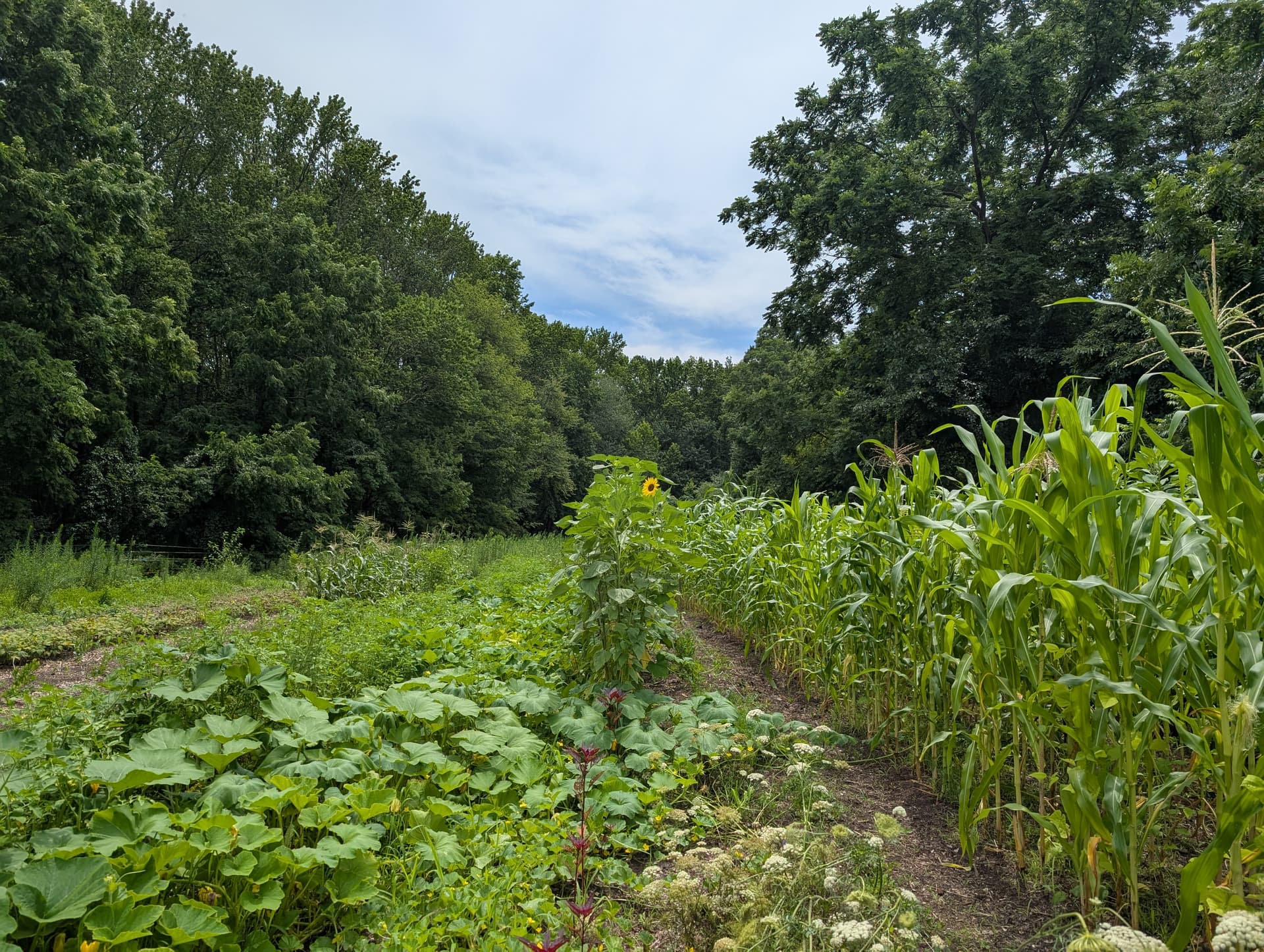
Here's the progression of the garden in the last 6 months! I created no-dig beds by laying about 2 inches of compost on top of the winter-killed weeds. I mulched the walkways with leaves.

My new plot also get slightly more sun than last year's plot right behind it, which was more acutely wedged into the surrounding woods. I have tree seedlings in the old back plot, and both tree seedlings and vegetables in the newer plot with the compost-topped beds.

The addition of compost has produced tremendous growth compared to last year. It's also rained way, way more than last year. Because last year's squash and melons were so skinny, yellow, and unproductive, I expected the same and planted things too close together. Now I can't walk through 4 of my beds. Good problem to have.


20250303_144150(1).jpg
Early March
Early March
PXL_20250616_164033539(1).jpg
Mid June
Mid June
PXL_20250718_172240473.jpg
Mid July
Mid July
 
I agree. Here's the link: http://stoves2.com
reply
    Bookmark Topic Watch Topic
  • New Topic