
|

|
|
|
|

|

|

|

|

|


 7


10 humans raise one child https://www.kickstarter.com/projects/positiverealfutures/an-actually-fun-tv-show-about-a-future-with-real-hope


 5
10 humans raise one child https://www.kickstarter.com/projects/positiverealfutures/an-actually-fun-tv-show-about-a-future-with-real-hope
5
10 humans raise one child https://www.kickstarter.com/projects/positiverealfutures/an-actually-fun-tv-show-about-a-future-with-real-hope
7
7
10 humans raise one child https://www.kickstarter.com/projects/positiverealfutures/an-actually-fun-tv-show-about-a-future-with-real-hope
7
Joshua Myrvaagnes wrote:Some information we need to assess the situation would be the size and character of the house, its age, insulation, weathertightness, a description of the chimney...
What exactly do you mean by a baffle?
—I put a piece of aluminum food container, the disposable kind, up the chimney so that it blocked maybe half of the airflow. It didn’t seem to do much of anything to the draw when I operated the rocket mass heater after that.
How close to the floor of the final bell barrel is the exhaust to the chimney?
—The second bell is between the normal rocket mass barrel and the Mass. The exit of the stratification chamber is about 3 inches from the floor, I would guess, whatever height the pipe that goes through the mass starts at (as it gradually rises through the mass)
How tightly do you cover the J-tube feed between fires?
—I use two jumbo bricks, it seals pretty well, there are some gaps between bricks that I have filled in with a bit of Cob. it is not as good as seal as the metal prefab thing from the liberator though.
Do you have natural draft when the heater is cold?
—If it’s cold, as in cold-start cold, I don’t know, I would say maybe slightly. If it’s as in “cold in the morning,” there’s definitely a draw, I noticrd the difference when I was away for a few days and had to do a cold start, it was really hard to get it going. in fact, I removed my rudimentary baffle at that point, because I was worried that there was something seriously wrong, and I haven’t put that baffle back in again.
How strong is the draft when it is operating?
—I would say it is very strong, I don’t have much point of comparison, but it’s at least the same as the liberator was. Strong enough that it’s pretty easy to start the rocket mass heater. that aspect of this is way easier to use than liberator was.
As long as the main floor is not leaky (letting cold air percolate directly up), I think the underfloor insulation is not the main issue (but good to get it fully insulated).
—I’m doing the best I can. It’s a funky situation down there, lots of pipes and things to get in your way. They’re definitely isn’t any leak, but it’s a tile floor, so it was kind of taking upon itself to radiate heat down into the basement, and I decided to put tinfoil under it as well as the insulation stuff.
A 6" duct in the mass would possibly be too quick of a reduction from 8", though the extra large barrel(s) above the riser may shed enough heat to make that not a problem. My experience with a 6" stovepipe and chimney from the bell of an 8" J-tube is good, but that has all the heat extraction in the zero-friction bell.
—Thanks for that information. So I think you’re saying that it should be OK, as long as a lot of heat gets shed before it goes into the Mass, right? And now I hope it is clear that there are two opportunities for Heat to be shed, the initial barrel, which is 1 1/2 barrels, and the second barrel that is a stratification chamber.
My question is still if I should put the baffle back in and make it even more baffling. Claude the AI said to put 5 1-inch diameter holes in a circle of metal, which would be a pretty extreme baffle. Was Claude hallucinating?
A few other points, I have almost finished, coughing around the stratification chamber, but not completely.
I have put a “Cob hat“ on top of the first barrel, by which I really mean a gigantic aluminum animal feed tub filled with water. I haven’t measured its temperature, but it definitely has not gotten up to boiling. Which leads me to think that the top of the riser is not close enough to the barrel, to really shed the kind of heat you want to shed in this situation, and that would be a better optimization. I also have a metal tub on top of the second stratification chamber, and that one is about the right temperature for fermenting animal feed, which is nice, but I also wish that it got too hot, that would be a nice problem to have, which I could solve by putting another layer of bricks between that stratification chamber and the feed fermenting tub. These tubs can hold maybe 30 gallons of water.
Thanks so much for your help, I really appreciate it!
10 humans raise one child https://www.kickstarter.com/projects/positiverealfutures/an-actually-fun-tv-show-about-a-future-with-real-hope
7
10 humans raise one child https://www.kickstarter.com/projects/positiverealfutures/an-actually-fun-tv-show-about-a-future-with-real-hope
 7


 9
For all your Montana Masonry Heater parts (also known as) Rocket Mass heater parts.
Visit me at
dragontechrmh.com Once you go brick you will never go back!
8
10 humans raise one child https://www.kickstarter.com/projects/positiverealfutures/an-actually-fun-tv-show-about-a-future-with-real-hope
7
7
For all your Montana Masonry Heater parts (also known as) Rocket Mass heater parts.
Visit me at
dragontechrmh.com Once you go brick you will never go back!
10
For all your Montana Masonry Heater parts (also known as) Rocket Mass heater parts.
Visit me at
dragontechrmh.com Once you go brick you will never go back!
9
thomas rubino wrote:Yes Josh;
A 33" burn tunnel is much to long.
That makes the roof of your burn tunnel 17" long.
Glenn has 8=9", I prefer 10", but have found 12" to work, but no more than that.
Your buddy is asking that slowed down 8" J to push through 6" pipes, again, not to specifications.
A recipe for an ash-plugged system.
I used a 2.5" gap on my 8" for seven years.
I also had a 48" riser. I recorded a 1100°F reading on an 8" glowing red circle on my barrel top.
The riser can be within an inch of the barrel on one side.
What kind of transition area is the barrel dumping into?
You asked why a long burn tunnel is bad.
To create the temperatures at which J-Tubes are recorded.
You must allow the gases free easy movement, although it looks like your J-Tube is burning properly, I assure you it is not.
The core portion of any RMH must be built to specifications if you expect it to work like we say it does.
In your example, the gases are slowed by their horizontal travel. When they reach the riser, they cannot get the 1800°F temperature that it is touted to reach.
This allows Ash to reach the transition area and enter the pipe system.
Increasing the riser height to compensate does not solve the problem.
After the riser, he is asking for 8" of hot gas to travel through a 6" pipe.
It fills with Ash, slowing it down to the point it will not light properly anymore.
I know this to be a fact, as my 15" burn tunnel roof, plugged with ash by mid-winter...
Prior to that, I thought I had a Bad Ass Rip Roaring J-Tube... I did not.
I believe it needs a rebuild to "factory" specifications, if he wants factory high-performance results.
10 humans raise one child https://www.kickstarter.com/projects/positiverealfutures/an-actually-fun-tv-show-about-a-future-with-real-hope
5
Joshua Myrvaagnes wrote:Thanks for this post, I’m reading it again and I think finally understanding it better. I’m not sure I’m understanding how you would most easily change the length of the burn tunnel by moving the riser within the barrel, however, since that means taking everything apart, but I I’m assuming that I can leave the manifold intact, have the riser be closer to one side of the barrel, lopsided in other words. No need to rebuild the feed tube at least. If I misunderstanding, please let me know?
My friend had had an inexperienced builder, who did really good work in a lot of ways, but missed a key element here and made the one mistake that really undermine the workings of everything it seems. Live and learn.
thomas rubino wrote:Yes Josh;
A 33" burn tunnel is much to long.
That makes the roof of your burn tunnel 17" long.
Glenn has 8=9", I prefer 10", but have found 12" to work, but no more than that.
Your buddy is asking that slowed down 8" J to push through 6" pipes, again, not to specifications.
A recipe for an ash-plugged system.
I used a 2.5" gap on my 8" for seven years.
I also had a 48" riser. I recorded a 1100°F reading on an 8" glowing red circle on my barrel top.
The riser can be within an inch of the barrel on one side.
What kind of transition area is the barrel dumping into?
You asked why a long burn tunnel is bad.
To create the temperatures at which J-Tubes are recorded.
You must allow the gases free easy movement, although it looks like your J-Tube is burning properly, I assure you it is not.
The core portion of any RMH must be built to specifications if you expect it to work like we say it does.
In your example, the gases are slowed by their horizontal travel. When they reach the riser, they cannot get the 1800°F temperature that it is touted to reach.
This allows Ash to reach the transition area and enter the pipe system.
Increasing the riser height to compensate does not solve the problem.
After the riser, he is asking for 8" of hot gas to travel through a 6" pipe.
It fills with Ash, slowing it down to the point it will not light properly anymore.
I know this to be a fact, as my 15" burn tunnel roof, plugged with ash by mid-winter...
Prior to that, I thought I had a Bad Ass Rip Roaring J-Tube... I did not.
I believe it needs a rebuild to "factory" specifications, if he wants factory high-performance results.
10 humans raise one child https://www.kickstarter.com/projects/positiverealfutures/an-actually-fun-tv-show-about-a-future-with-real-hope
5
For all your Montana Masonry Heater parts (also known as) Rocket Mass heater parts.
Visit me at
dragontechrmh.com Once you go brick you will never go back!
6
For all your Montana Masonry Heater parts (also known as) Rocket Mass heater parts.
Visit me at
dragontechrmh.com Once you go brick you will never go back!
6
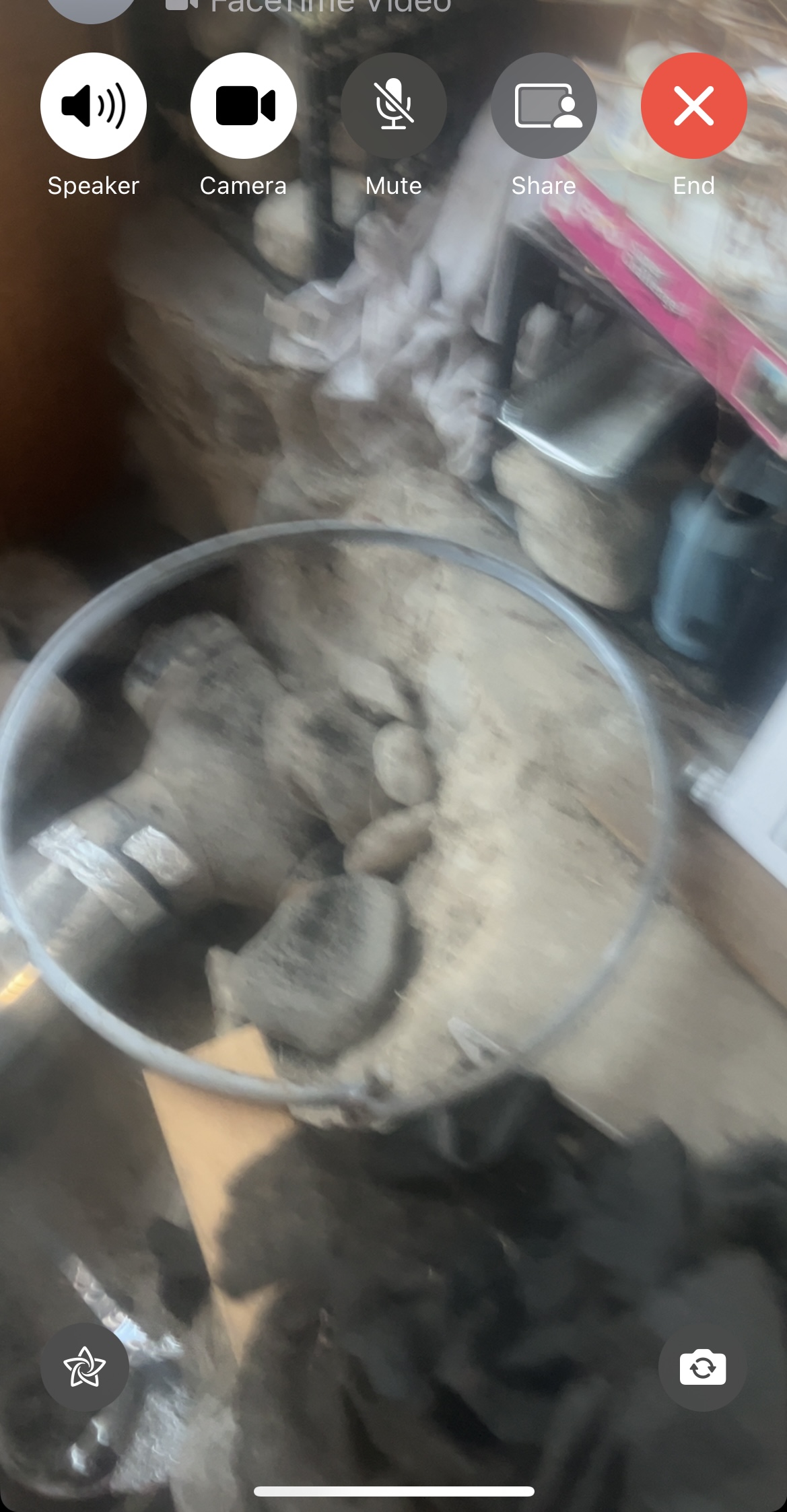
thomas rubino wrote:Well, that changes things.
Don't make any changes there.
The fact is that he has an 8" stove, transitioning through a 7" reducer to a 6" piped system, with numerous bells.
We need pictures.
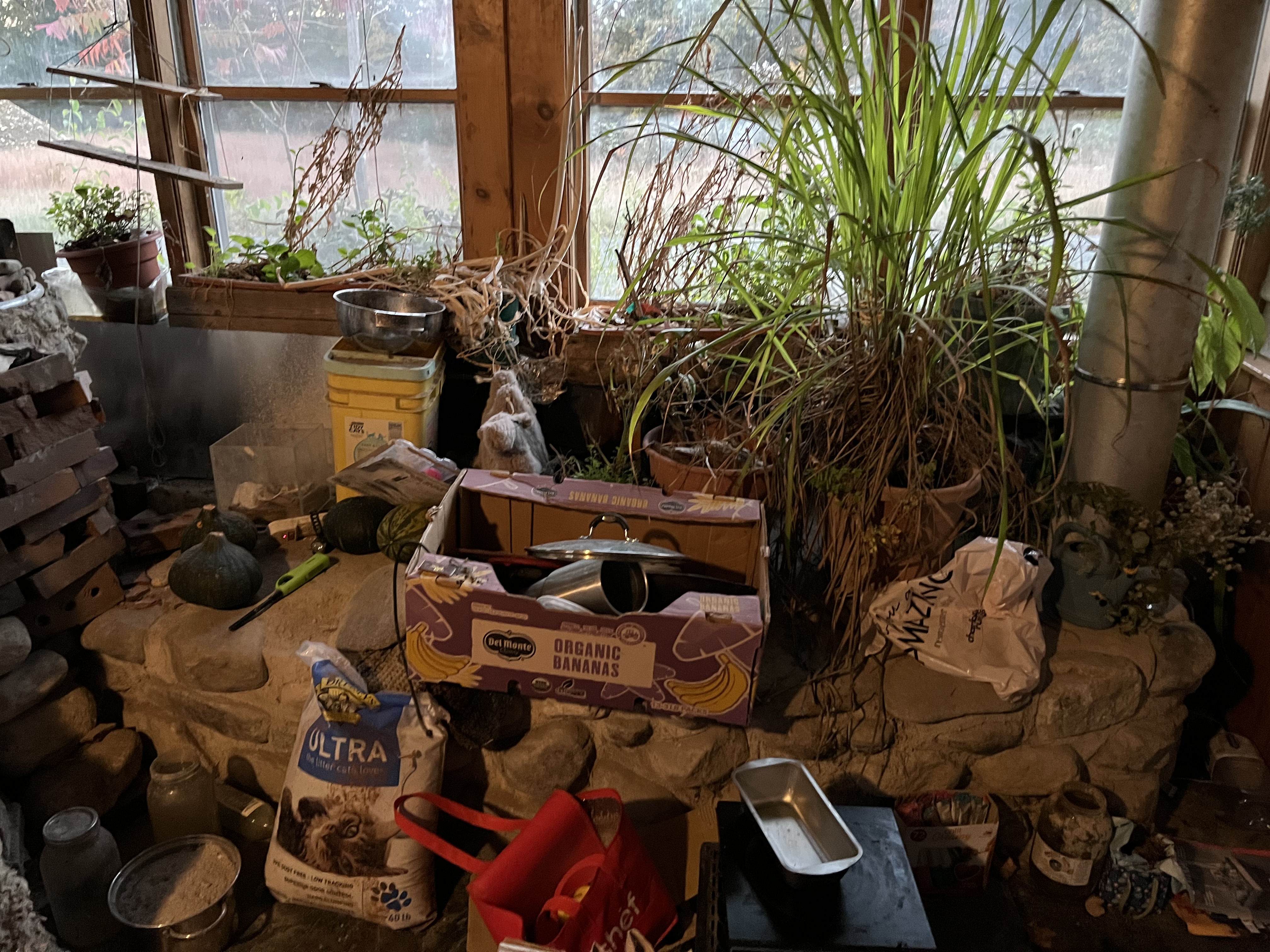
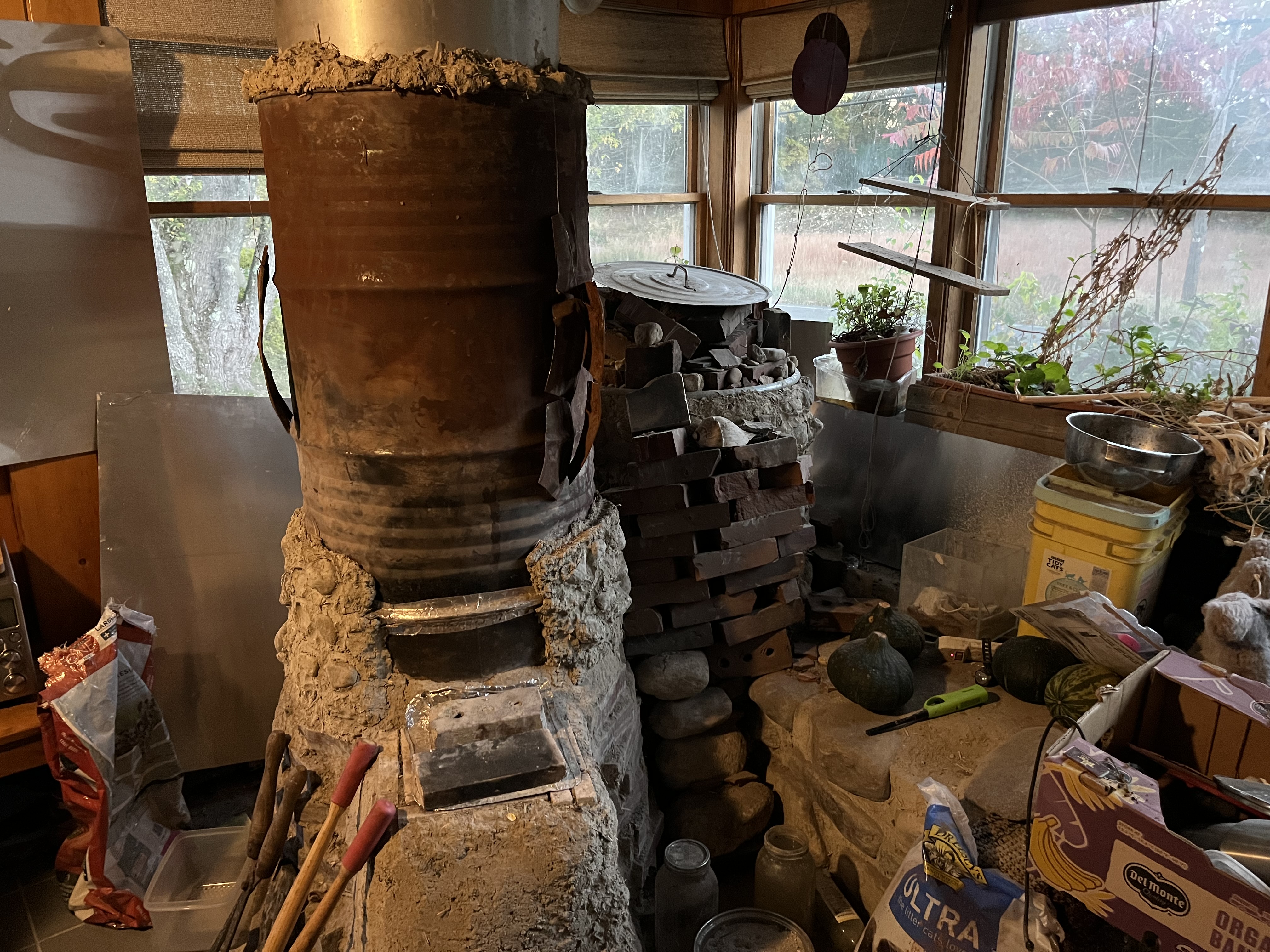
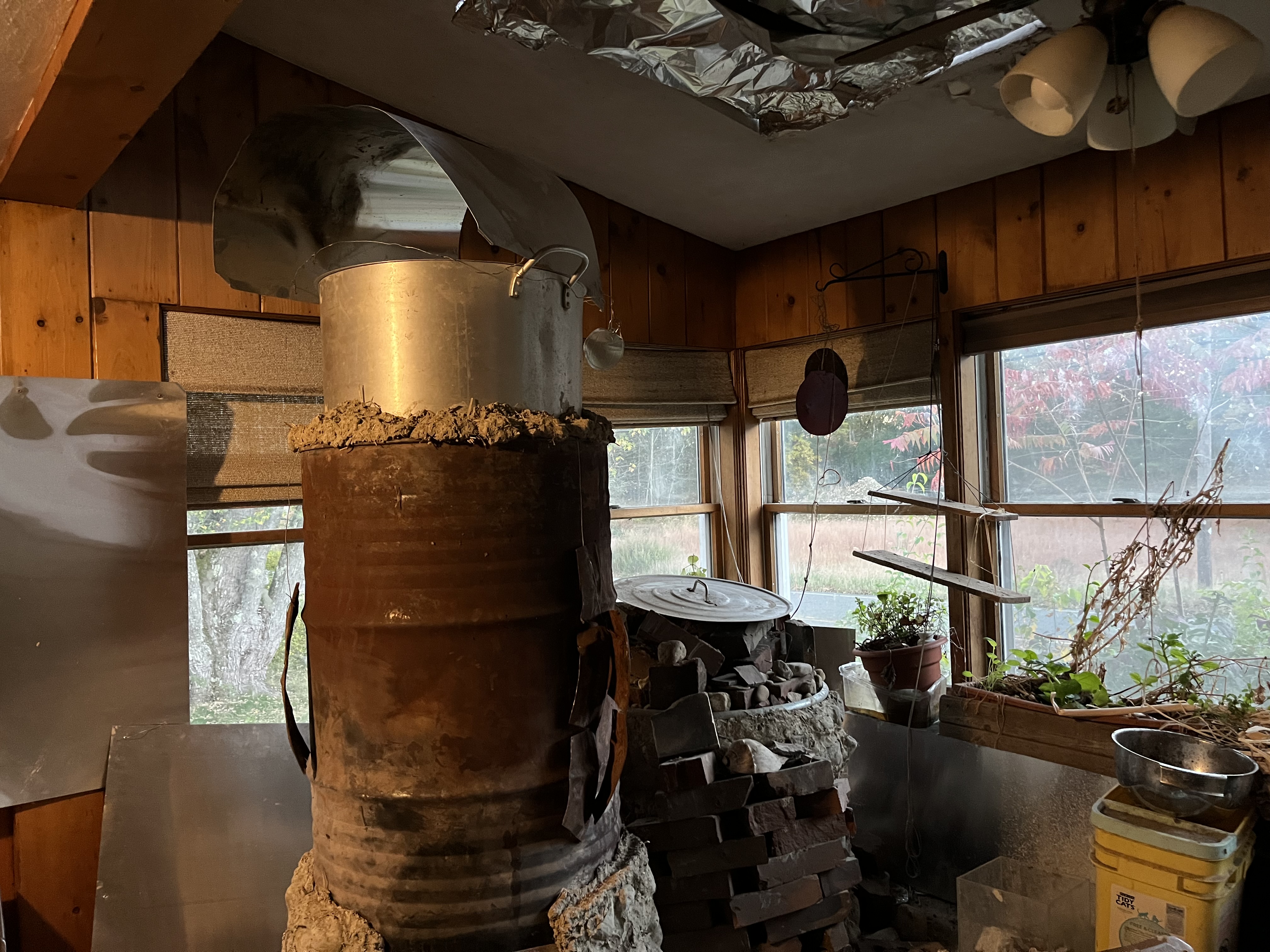
10 humans raise one child https://www.kickstarter.com/projects/positiverealfutures/an-actually-fun-tv-show-about-a-future-with-real-hope
5
10 humans raise one child https://www.kickstarter.com/projects/positiverealfutures/an-actually-fun-tv-show-about-a-future-with-real-hope
5
10 humans raise one child https://www.kickstarter.com/projects/positiverealfutures/an-actually-fun-tv-show-about-a-future-with-real-hope
2
10 humans raise one child https://www.kickstarter.com/projects/positiverealfutures/an-actually-fun-tv-show-about-a-future-with-real-hope
3
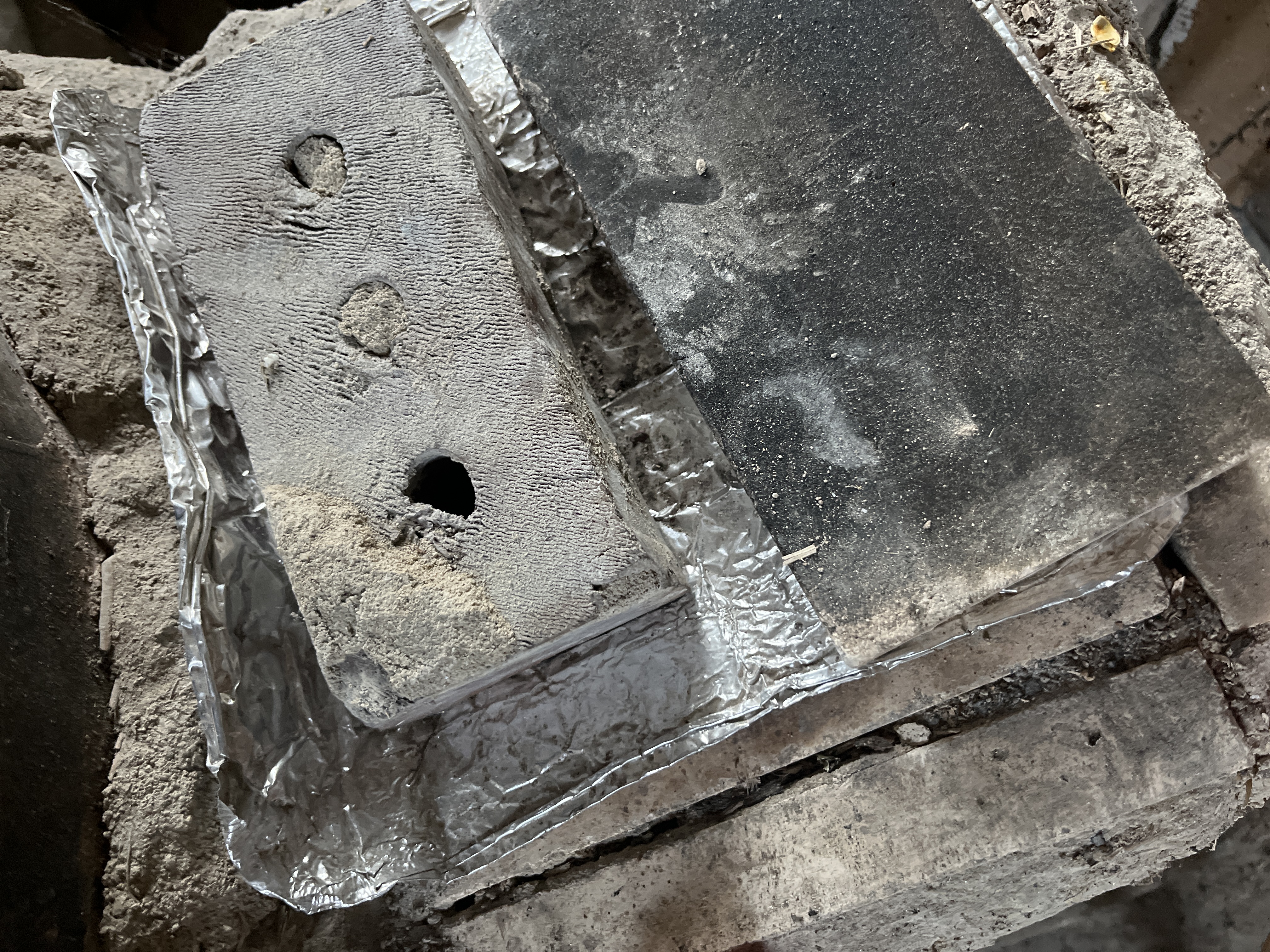
10 humans raise one child https://www.kickstarter.com/projects/positiverealfutures/an-actually-fun-tv-show-about-a-future-with-real-hope
|
Every noble work is at first impossible --Thomas Carlyle ... noble tiny ad:
A book about better recipes for green living
https://greenlivingbook.com/
|