
• Post Reply Bookmark Topic Watch Topic
  • New Topic
permaculture forums growies critters building homesteading energy monies kitchen purity ungarbage community wilderness fiber arts art permaculture artisans regional education skip experiences global resources cider press projects digital market permies.com pie forums private forums all forums
this forum made possible by our volunteer staff, including ...
master stewards:
  • Carla Burke
  • Anne Miller
  • Nancy Reading
  • John F Dean
  • r ransom
  • paul wheaton
  • Timothy Norton
stewards:
  • Jay Angler
  • Pearl Sutton
  • AndrĂ©s Bernal
master gardeners:
  • Christopher Weeks
gardeners:
  • M Ljin
  • Thekla McDaniels
  • May Lotito

Hansen's Bush Cherry - Sand Cherry - Prunus Besseyi

 
Steward of piddlers
Posts: 8534
Location: Upstate New York, Zone 5b, 43 inch Avg. Rainfall
5197
monies home care dog fungi trees chicken food preservation cooking building composting homestead
  • Mark post as helpful
  • send pies
    Number of slices to send:
    Optional 'thank-you' note:
  • Quote
  • Report post to moderator
Hansen's Bush Cherry


Released in 1941, N. E. Hansen (Niels Ebbesen Hansen) selectively bred sand cherries over 14 generations to create a new cultivar that bears his name. Sand Cherries act as a food source not only for us growers as fruit, but also for a variety of insects including native bees, flies and butterflies during the flowering stage. These plants also serve a host plant for various moth and butterfly larvae.

Name: Hansen's Bush Cherry - Prunus Besseyi - Sand Cherry
Size: 4' tall x 4' wide (Ideal conditions can see 6' tall x 8' wide)
USDA Hardiness Zone: Zone 3-8
Flower/Fruit: Flowers in May, harvestable fruit in July.
Fertility: Self-Fertile but better yields with multiple nearby bushes.
Bearing Age: Generally bears fruit 2-3 years after transplant.
Ideal Growing Environment: Full sun and well draining soil. Tolerates clay, sand and poor soils. Once established it can tolerate drought and heat well. Tolerates up to part shade.
Longevity: Average of 20 years lifespan.
Uses: Fresh, preserves and pie.

Do you grow Hansen's Bush Cherries? How do you like them? Share your experiences!
 
Timothy Norton
Steward of piddlers
Posts: 8534
Location: Upstate New York, Zone 5b, 43 inch Avg. Rainfall
5197
monies home care dog fungi trees chicken food preservation cooking building composting homestead
  • Mark post as helpful
  • send pies
    Number of slices to send:
    Optional 'thank-you' note:
  • Quote
  • Report post to moderator
Hansen's Bush Cherry

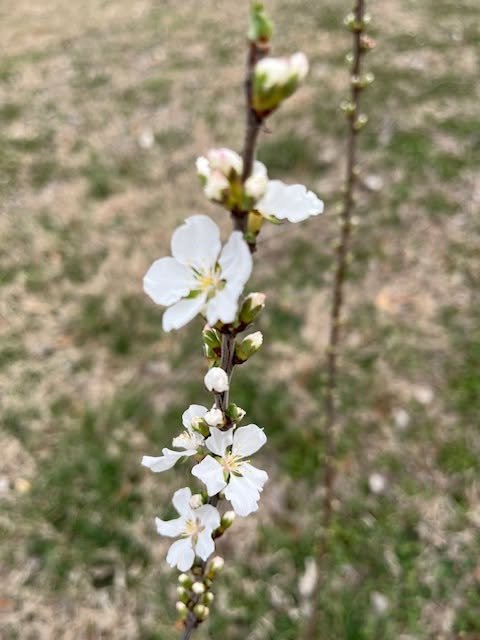
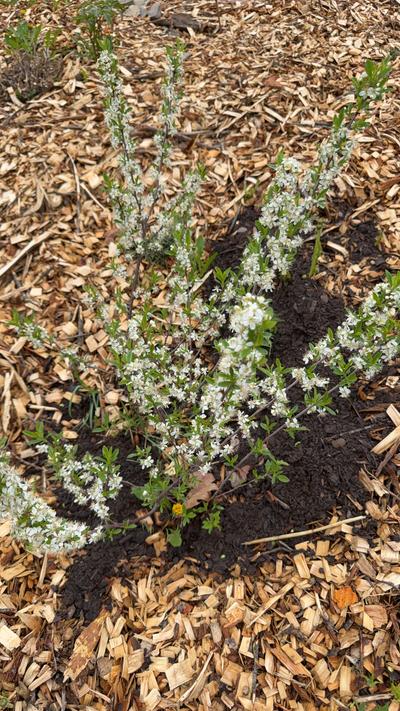
Here is an image of my current Hansen's bush cherry from this past spring. When it was originally planted, it was severely nibbled back by the local rabbits and deer. I had to place a wire cloche over it long enough to establish some of the main branches before it hit its stride. I am entering my third or fourth year with this particular bush and have not had any luck with it producing. I have two more bare root bushes ordered for the spring in order to provide a better chance of pollination.
 
pollinator
Posts: 583
Location: UK
196
kids urban seed
  • Likes 3
  • Mark post as helpful
  • send pies
    Number of slices to send:
    Optional 'thank-you' note:
  • Quote
  • Report post to moderator
Sounds like getting two more in spring is the right call. I've always understood sand cherries crop much better with a few plants close together for pollination, so a lone bush can sit there leafy and fruitless for years. The early rabbit and deer nibbling probably set it back a bit too. Curious to hear how the new ones do.
 
Posts: 85
Location: Central Kansas. Zone: 6b
39
kids cat foraging trees urban cooking
  • Likes 3
  • Mark post as helpful
  • send pies
    Number of slices to send:
    Optional 'thank-you' note:
  • Quote
  • Report post to moderator
Well, now I'm interested!

I've looked into "Prunus angustifolia" before and all the improved varieties get to be small trees.  Just too big for the spaces I'm considering.  And as far as Prunus besseyi, I'd heard about "Pawnee Buttes" but it's bred more to be an ornamental ground cover so I haven't considered it seriously.  Now I'm wondering if it could be a good pollinator that stays short.

There are still several other berry bushes in the running for this area so I'm going to have to make some hard decisions.
 
There were millions of the little blood suckers. But thanks to this tiny ad, I wasn't bitten once.
A rocket mass heater heats your home with one tenth the wood of a conventional wood stove
http://woodheat.net
reply
    Bookmark Topic Watch Topic
  • New Topic