
• Post Reply Bookmark Topic Watch Topic
  • New Topic
permaculture forums growies critters building homesteading energy monies kitchen purity ungarbage community wilderness fiber arts art permaculture artisans regional education skip experiences global resources cider press projects digital market permies.com pie forums private forums all forums
this forum made possible by our volunteer staff, including ...
master stewards:
  • Carla Burke
  • Nancy Reading
  • John F Dean
  • r ransom
  • Jay Angler
  • Timothy Norton
stewards:
  • paul wheaton
  • Tereza Okava
  • Nicole Alderman
master gardeners:
  • M Ljin
  • Christopher Weeks
gardeners:
  • Jeremy VanGelder
  • thomas rubino
  • Megan Palmer

What did you harvest (eat, preserve, plant) today?

 
gardener
Posts: 693
Location: Grow zone 10b. Southern California,close to the Mexican border
562
5
home care duck books urban chicken food preservation cooking medical herbs solar homestead greening the desert
  • Likes 8
  • Mark post as helpful
  • send pies
    Number of slices to send:
    Optional 'thank-you' note:
  • Quote
  • Report post to moderator
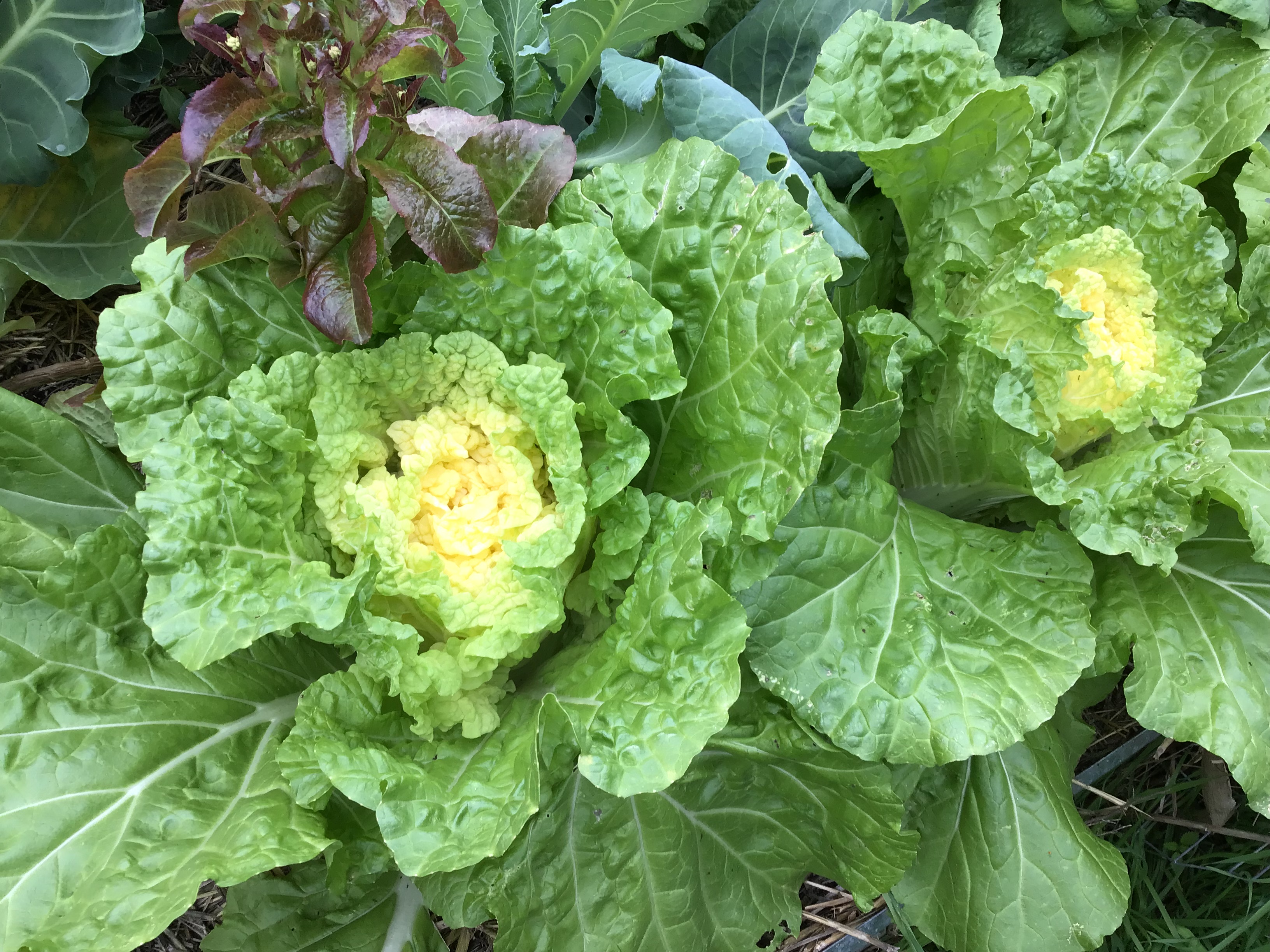
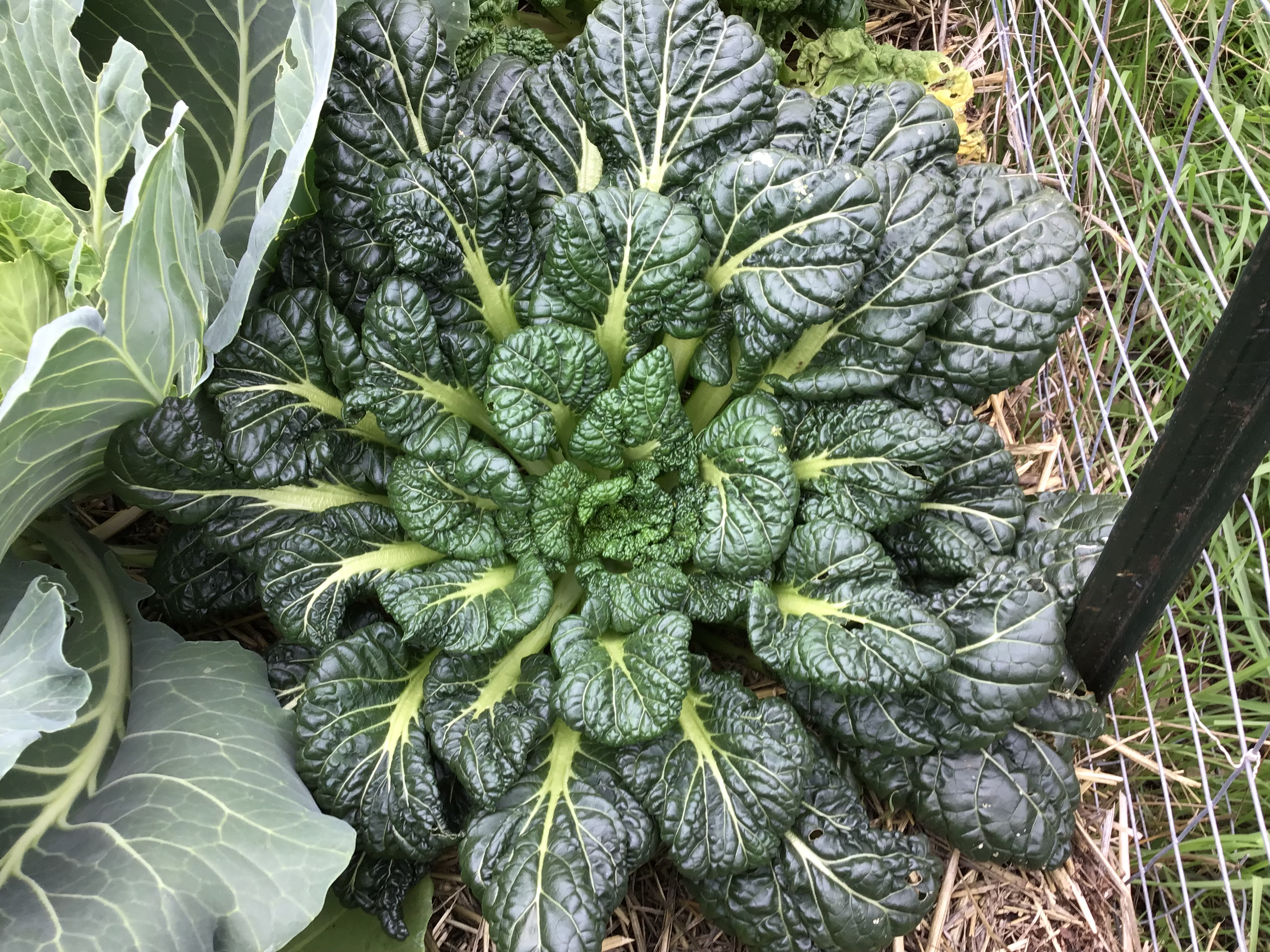
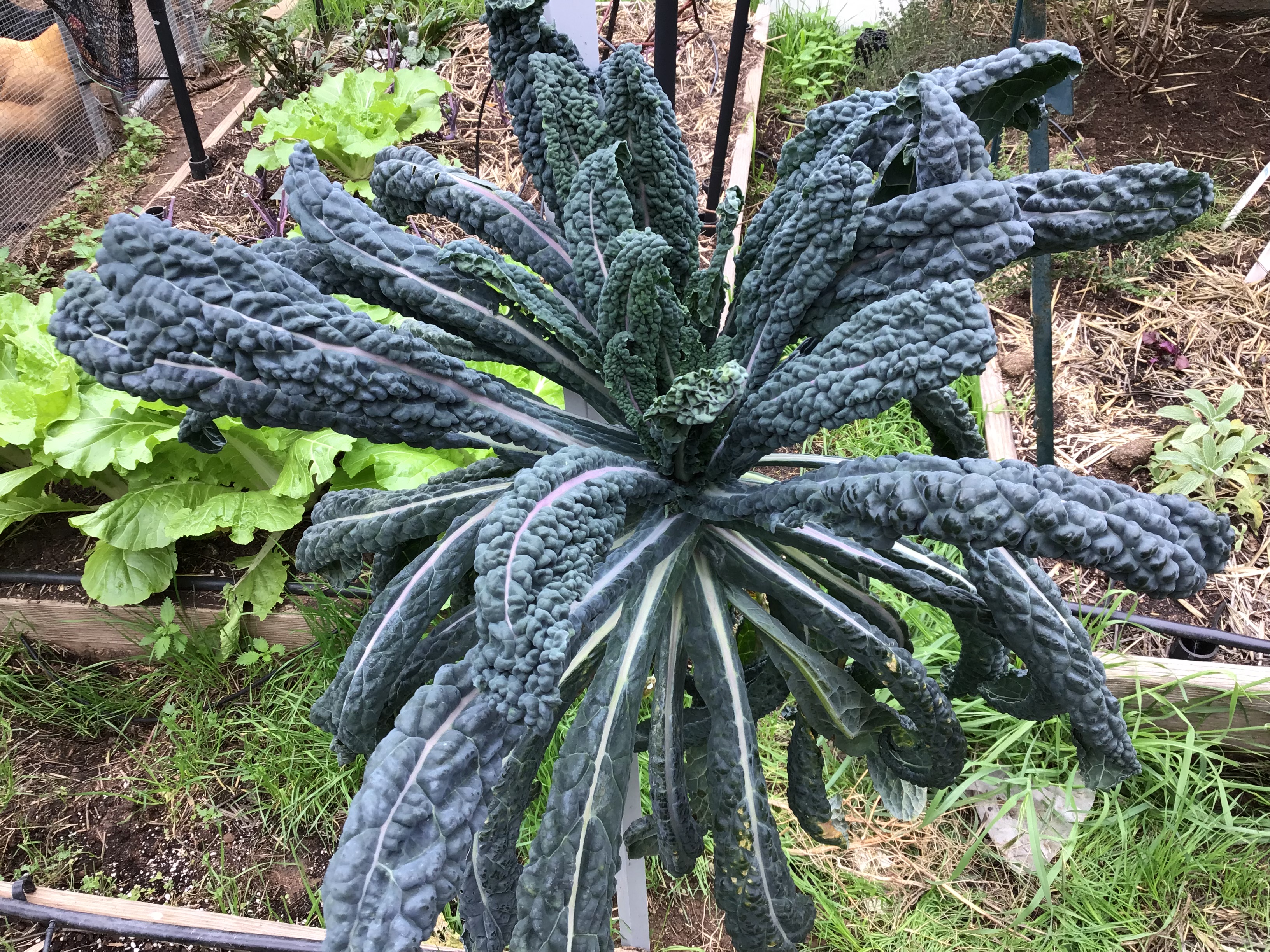
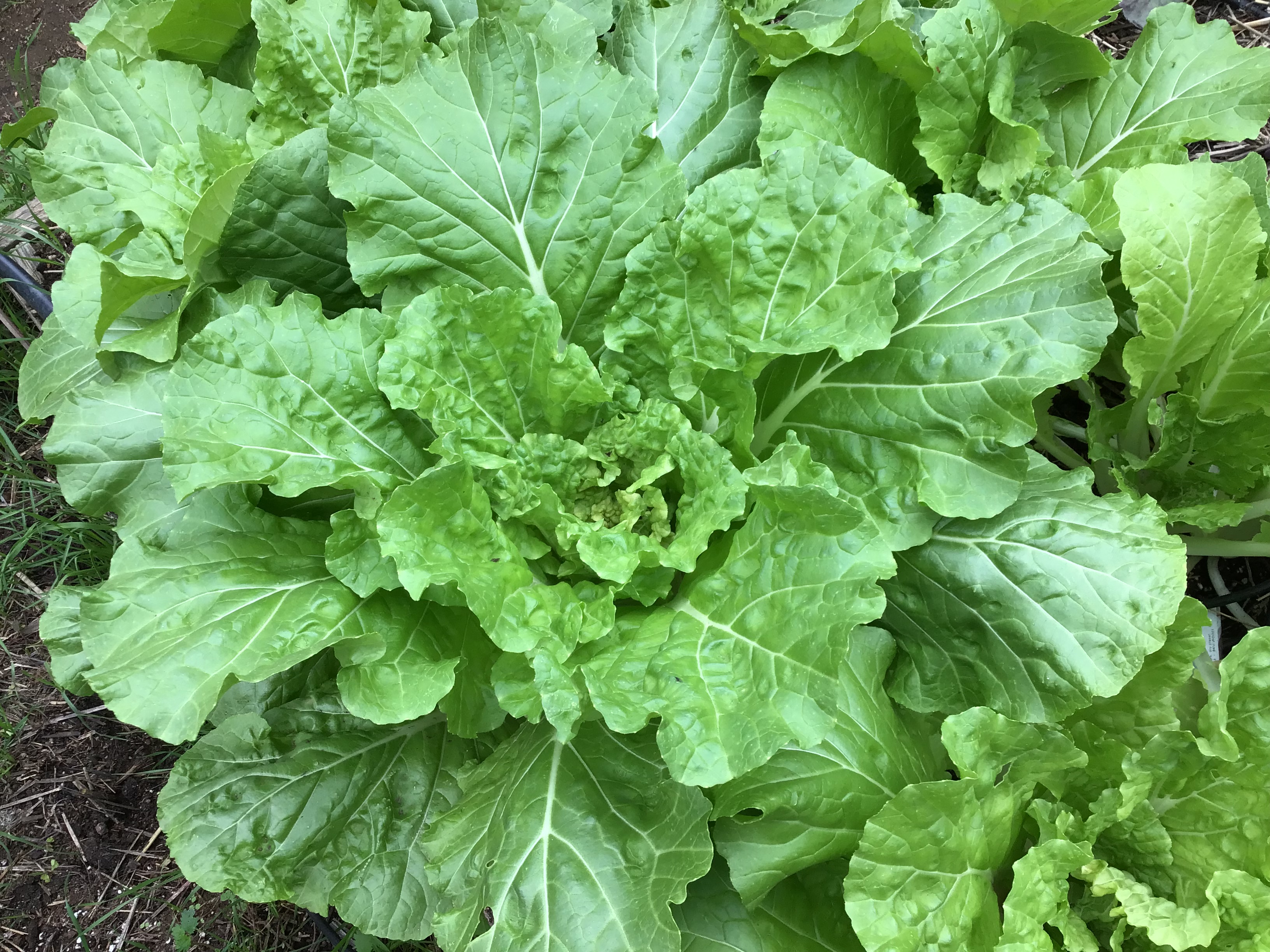
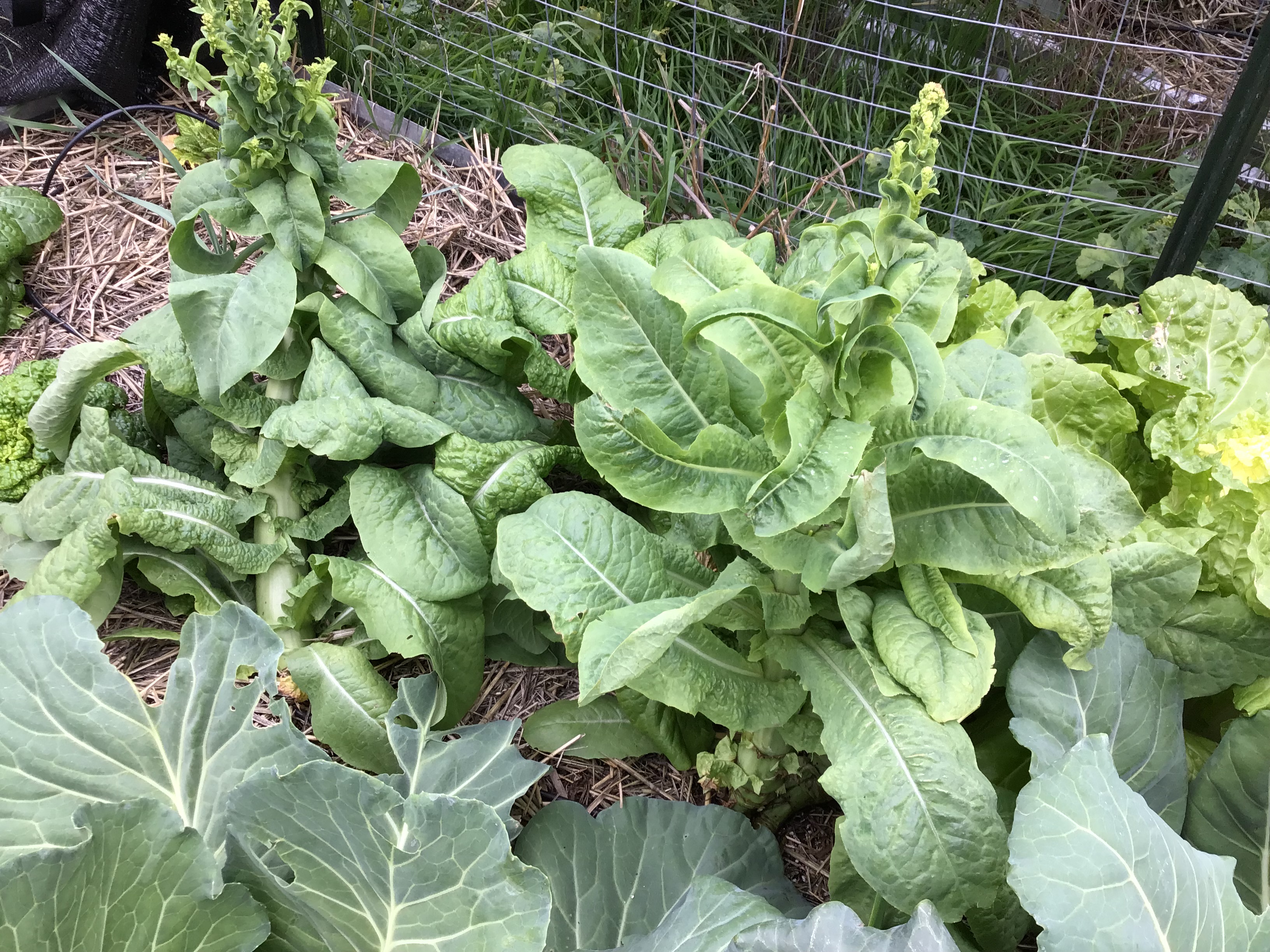
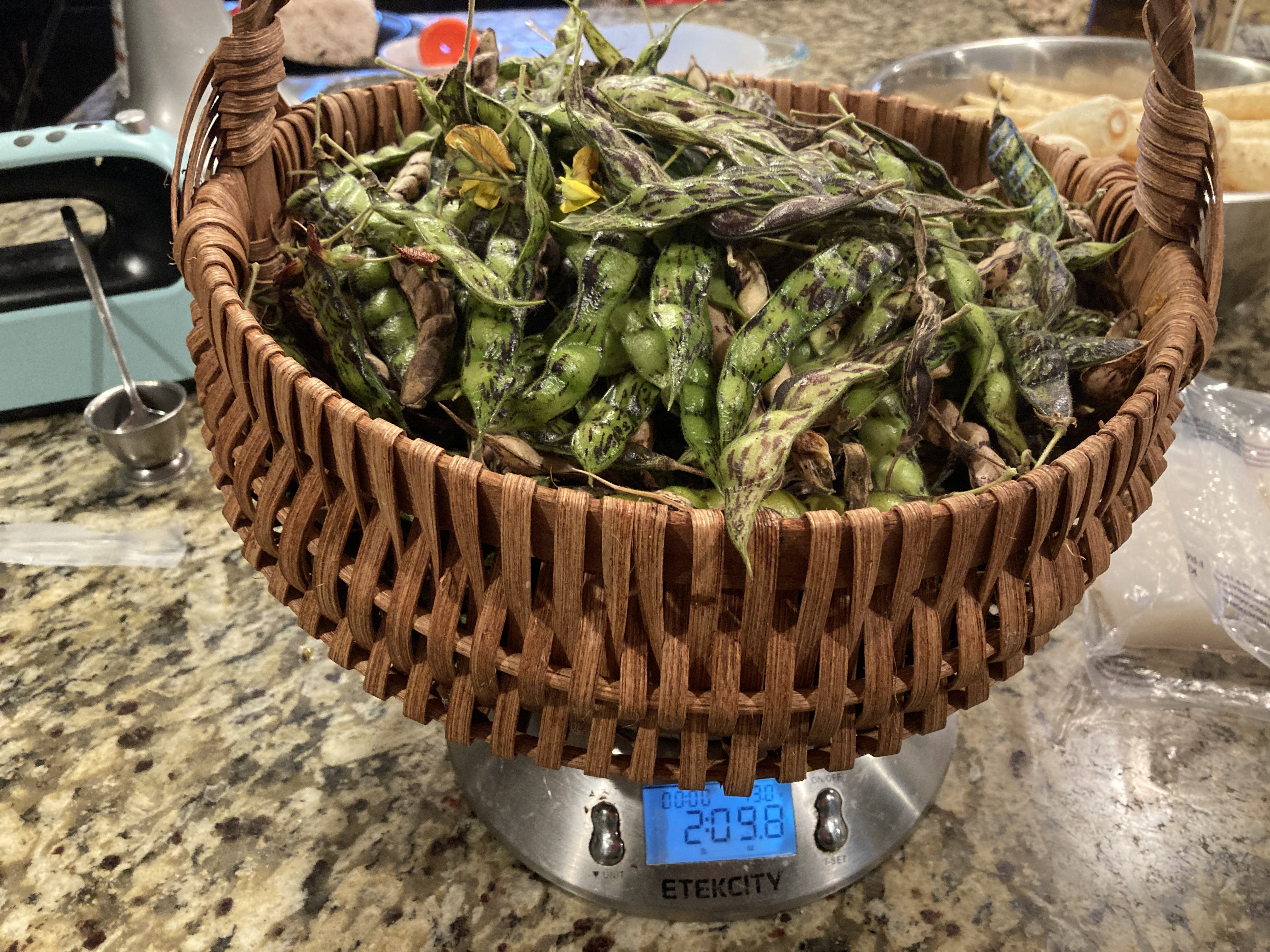
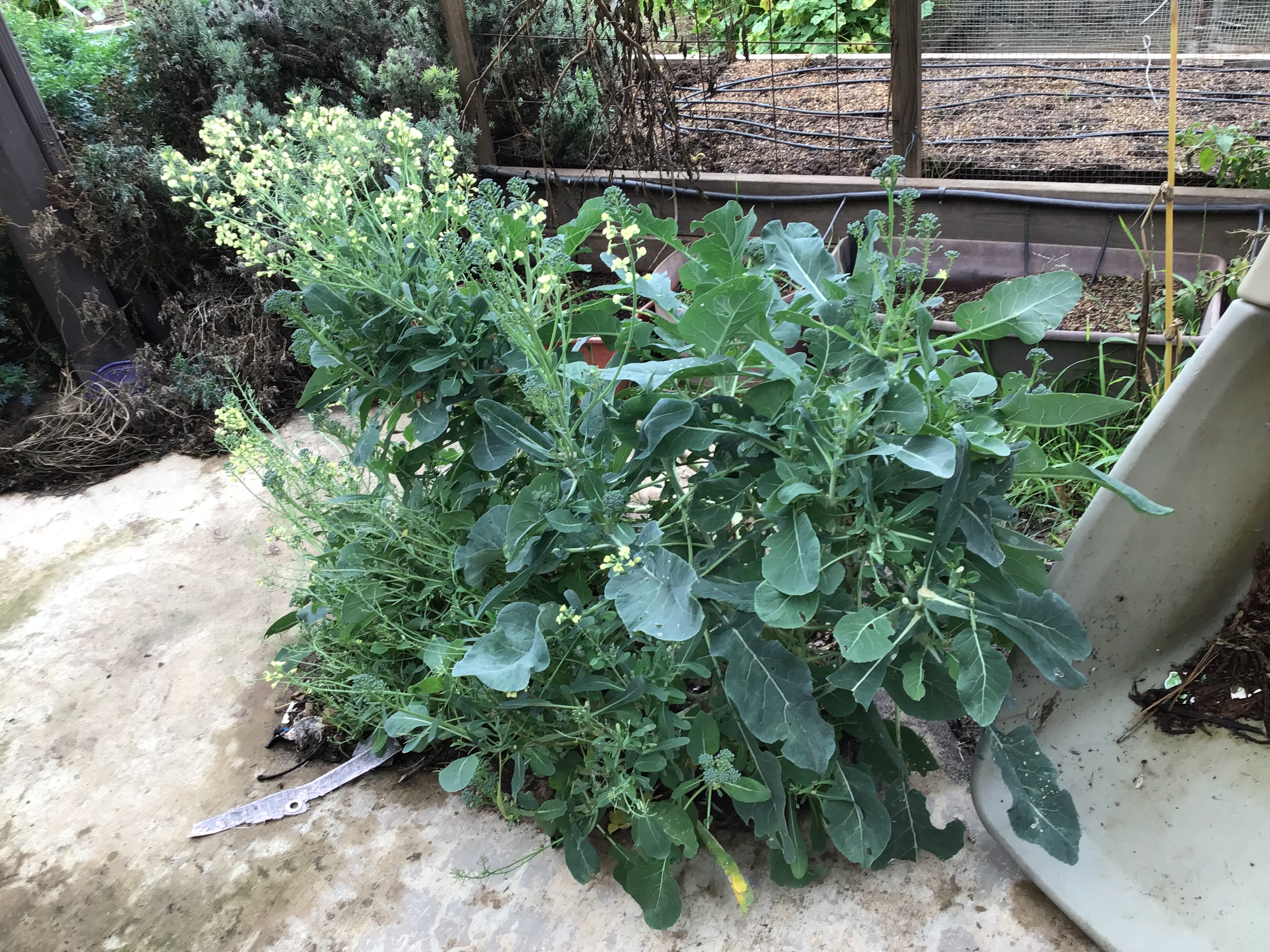
This time of year we are harvesting and eating broccoli, cabbages, celtuce, lettuce, tomatoes, Boc Choy and radishes. We also have kale, collard greens, Asian vegetables like mustard, pigeon peas and many different herbs.
IMG_3226.jpeg
Winner cabbages
Winner cabbages
IMG_3227.jpeg
Boc Choy
Boc Choy
IMG_3222.jpeg
Black Kale
Black Kale
IMG_3221.jpeg
Collard greens
Collard greens
IMG_3229.jpeg
Celtuce
Celtuce
IMG_0253.jpeg
Pigeon peas
Pigeon peas
IMG_3217.jpeg
Broccoli
Broccoli
 
gardener
Posts: 1756
Location: Zone 9A, 45S 168E, 329m Queenstown, NZ
965
dog fungi foraging chicken food preservation cooking fiber arts
  • Likes 8
  • Mark post as helpful
  • send pies
    Number of slices to send:
    Optional 'thank-you' note:
  • Quote
  • Report post to moderator
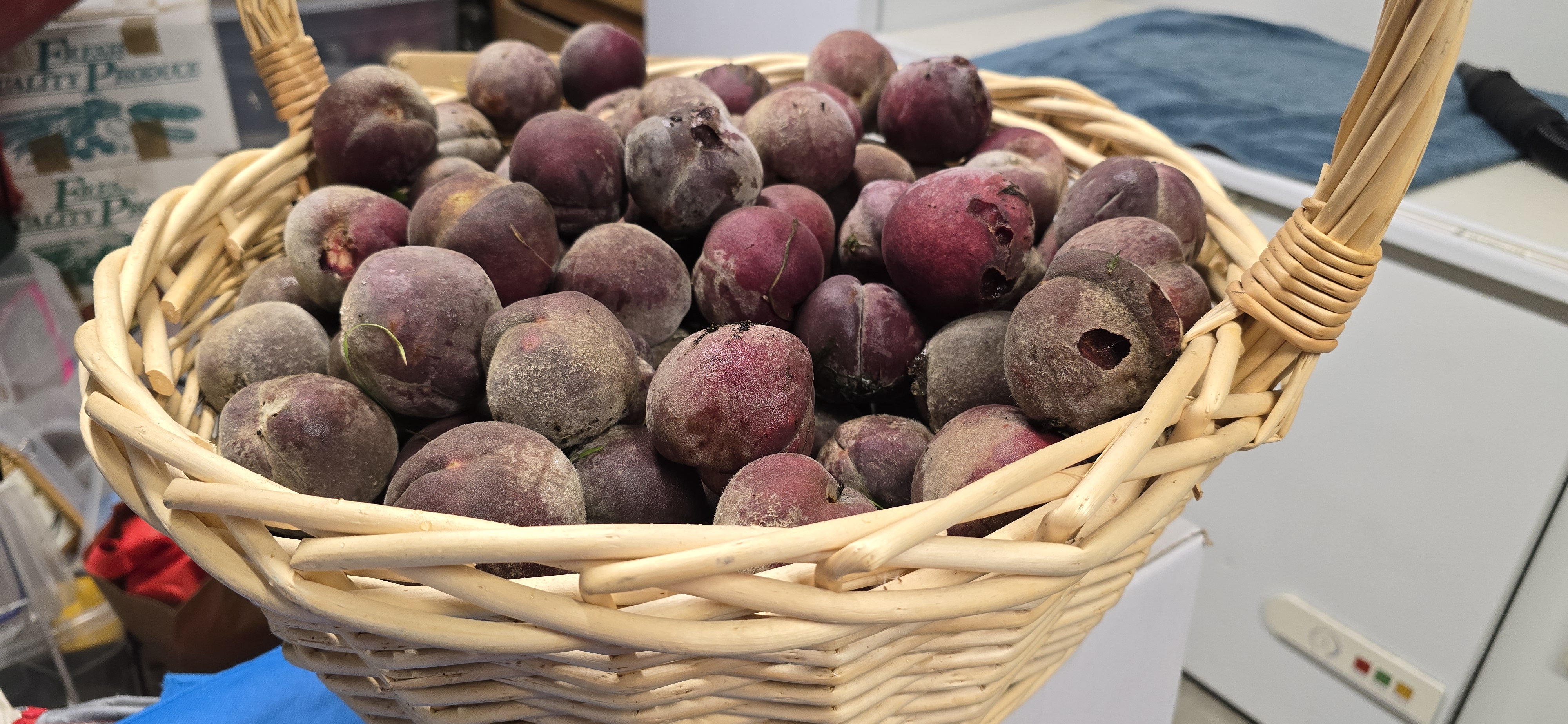
It's been a wet and windy weekend and 90% of the free stone blood peach crop (aka black boy peaches in NZ) has fallen.

Been meaning to trim back the grass under the tree but not gotten around to it so it was a real treasure hunt and I had to be careful not to tread on any fruit.

Will be busy bottling the ones that have already been sampled by the birds.
20260420_104710.jpg
Black boy peaches
Black boy peaches
 
pollinator
Posts: 1492
Location: Milwaukie Oregon, USA zone 8b
177
  • Likes 8
  • Mark post as helpful
  • send pies
    Number of slices to send:
    Optional 'thank-you' note:
  • Quote
  • Report post to moderator
I harvested the first of my radishes of the year for salad, and a lovely handful of chickweed which grew voluntarily that we put in a sautey.
 
gardener
Posts: 811
Location: Semi-nomadic, main place coastal mid-Norway, latitude 64 north
529
  • Likes 9
  • Mark post as helpful
  • send pies
    Number of slices to send:
    Optional 'thank-you' note:
  • Quote
  • Report post to moderator
Yesterday, me and a friend went and harvested a big batch of nettles and ground elder, a bit of dandelion leaves, bedstraw shoots and bittercress flower buds, and stir-fried it all with a bit of garlic. Yummy! We also got some ostrich fern fiddleheads, still waiting to be eaten.

I noticed an interesting thing with the ostrich ferns: the timing of fiddlehead growth is entirely different for older and younger plants. The old plants (with fertile fronds from last year) have barely started growing at all, while the younger plants in the same cluster are almost past the harvest window. I wonder if it's an adaptation to avoid the older, well-established plants shading out the young ones just starting? Did anyone else notice this?
 
Ulla Bisgaard
gardener
Posts: 693
Location: Grow zone 10b. Southern California,close to the Mexican border
562
5
home care duck books urban chicken food preservation cooking medical herbs solar homestead greening the desert
  • Likes 4
  • Mark post as helpful
  • send pies
    Number of slices to send:
    Optional 'thank-you' note:
  • Quote
  • Report post to moderator

Eino Kenttä wrote:Yesterday, me and a friend went and harvested a big batch of nettles and ground elder, a bit of dandelion leaves, bedstraw shoots and bittercress flower buds, and stir-fried it all with a bit of garlic. Yummy! We also got some ostrich fern fiddleheads, still waiting to be eaten.

I noticed an interesting thing with the ostrich ferns: the timing of fiddlehead growth is entirely different for older and younger plants. The old plants (with fertile fronds from last year) have barely started growing at all, while the younger plants in the same cluster are almost past the harvest window. I wonder if it's an adaptation to avoid the older, well-established plants shading out the young ones just starting? Did anyone else notice this?


I can’t answer your question, but your post made me remember my childhood foraging for food in the nature reserves in Denmark. We harvested so many things there, during spring, summer and fall.
While I don’t remember ferns, we always picked nettles, mushrooms, rosehips, walnuts, acorns, chestnuts, lingonberries, elderberries, pine nuts, blueberries, pine needles and probably other things I don’t remember.
This was the job for the women and children, while the men would go hunting and fishing.
Starting fall, my mother would serve elderberry or black currant juice with dinner every night. As a child I saw this as a treat, but now I am an adult it paint a much different picture. When I grew up in Denmark, fruits were hard to come by during winter and cold went from family to family. The elderberry juice supported our immune system, while the black currants gave us much needed vitamin C.
This also meant that my parents saved a lot of money on food, which was good since we were a family of six and poor. Even after my parents started earning more money and my sisters moved out, my parents kept being fugal with food. Once we had a garden, it didn’t change. Even though we now grew a lot of food, we still went foraging and the men hunting and fishing.
My parents past away years ago, but the tradition of hunting, fishing and gathering/growing food never went away. My family, including me, still have large gardens, where we grow our own foods, and we still forage.
 
Posts: 5
  • Likes 2
  • Mark post as helpful
  • send pies
    Number of slices to send:
    Optional 'thank-you' note:
  • Quote
  • Report post to moderator
Harvested a handful of cherry tomatoes and some basil today, not a big yield, but it’s always satisfying to pick something fresh.

I’ve been noticing that keeping the soil on the drier side between watering has made a noticeable difference, especially with how the plants are holding up in warmer weather. Still learning, but it’s interesting how small adjustments can really change overall plant health.
 
Ulla Bisgaard
gardener
Posts: 693
Location: Grow zone 10b. Southern California,close to the Mexican border
562
5
home care duck books urban chicken food preservation cooking medical herbs solar homestead greening the desert
  • Mark post as helpful
  • send pies
    Number of slices to send:
    Optional 'thank-you' note:
  • Quote
  • Report post to moderator

Harray lou wrote:Harvested a handful of cherry tomatoes and some basil today, not a big yield, but it’s always satisfying to pick something fresh.

I’ve been noticing that keeping the soil on the drier side between watering has made a noticeable difference, especially with how the plants are holding up in warmer weather. Still learning, but it’s interesting how small adjustments can really change overall plant health.


Here I use drip irrigation topped with garden straw. The straw will soak up any extra water, and then slowly releasing it, when needed. When gardening in a warm/hot climate, garden straw is your best friend, since it also protect the roots from temperature fluctuating, heat and frost.
 
I agree. Here's the link: http://stoves2.com
reply
    Bookmark Topic Watch Topic
  • New Topic