|

|

|

|

|

|
|
|
|
|
|
|
|

|

|

|

|
|


 6
6




![[Thumbnail for IMG_3039.jpeg]](/t/259194/a/270727/IMG_3039.jpeg "Filename: IMG_3039.jpeg
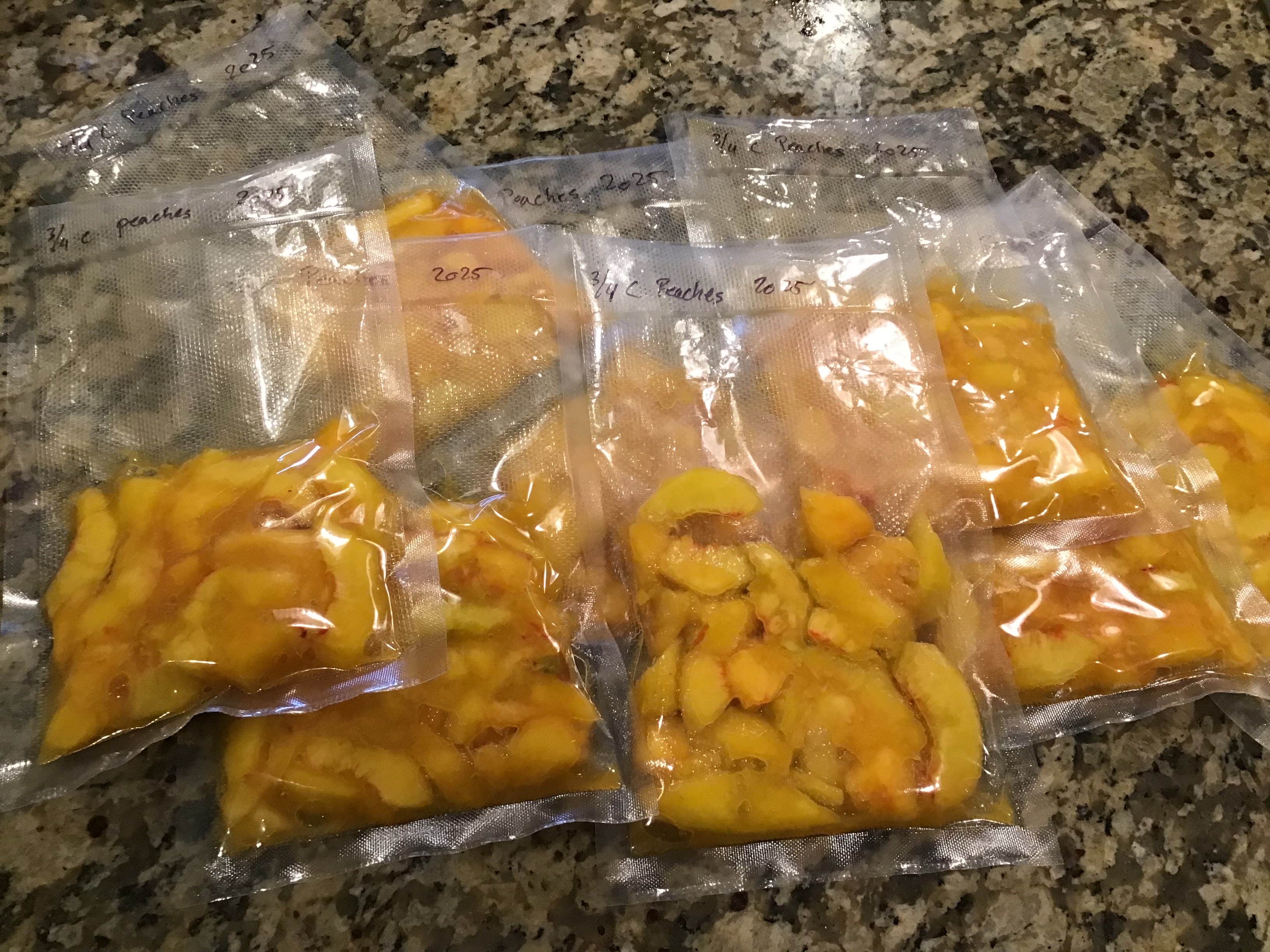
Description: Green and ripe peaches")





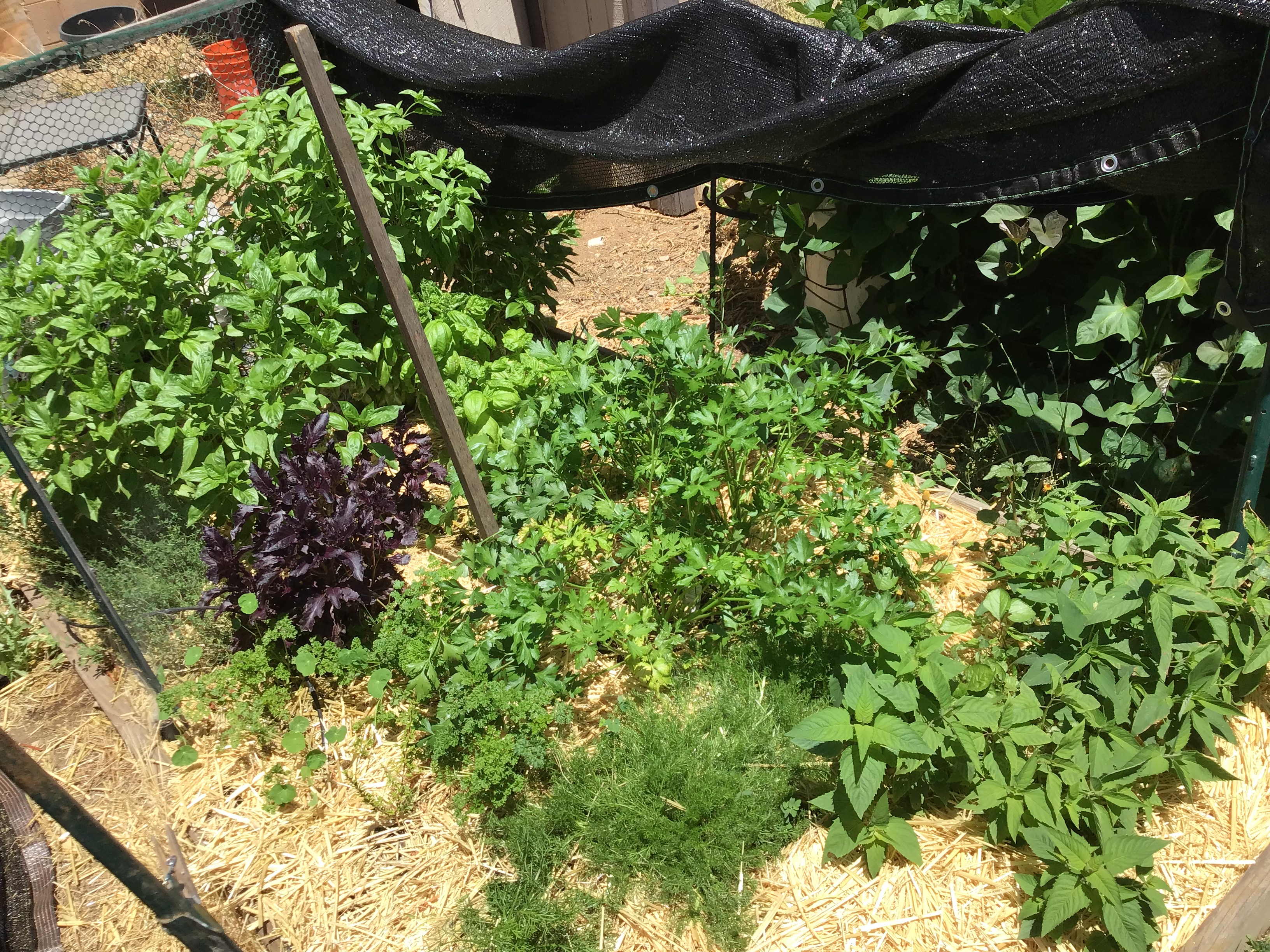
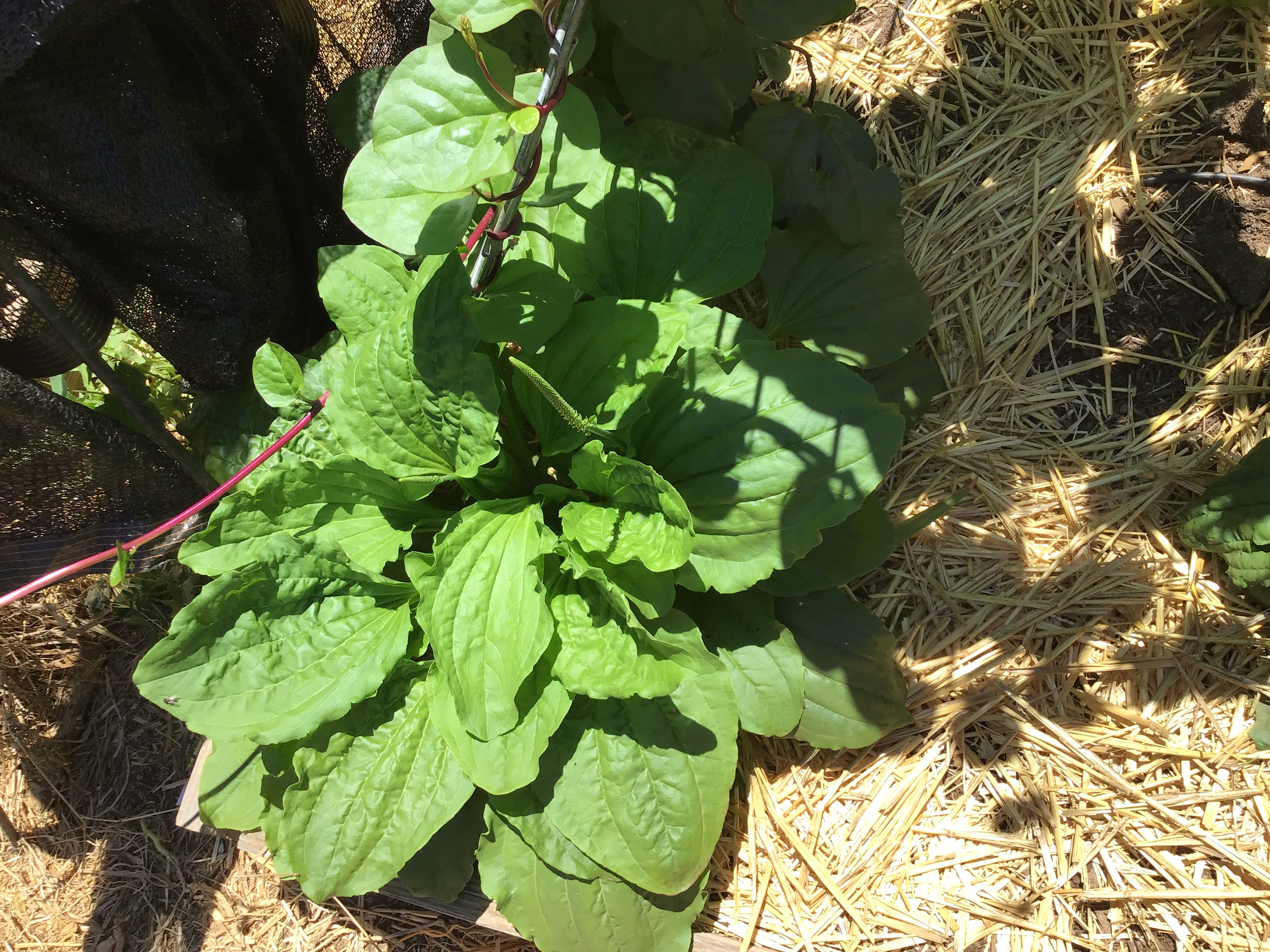
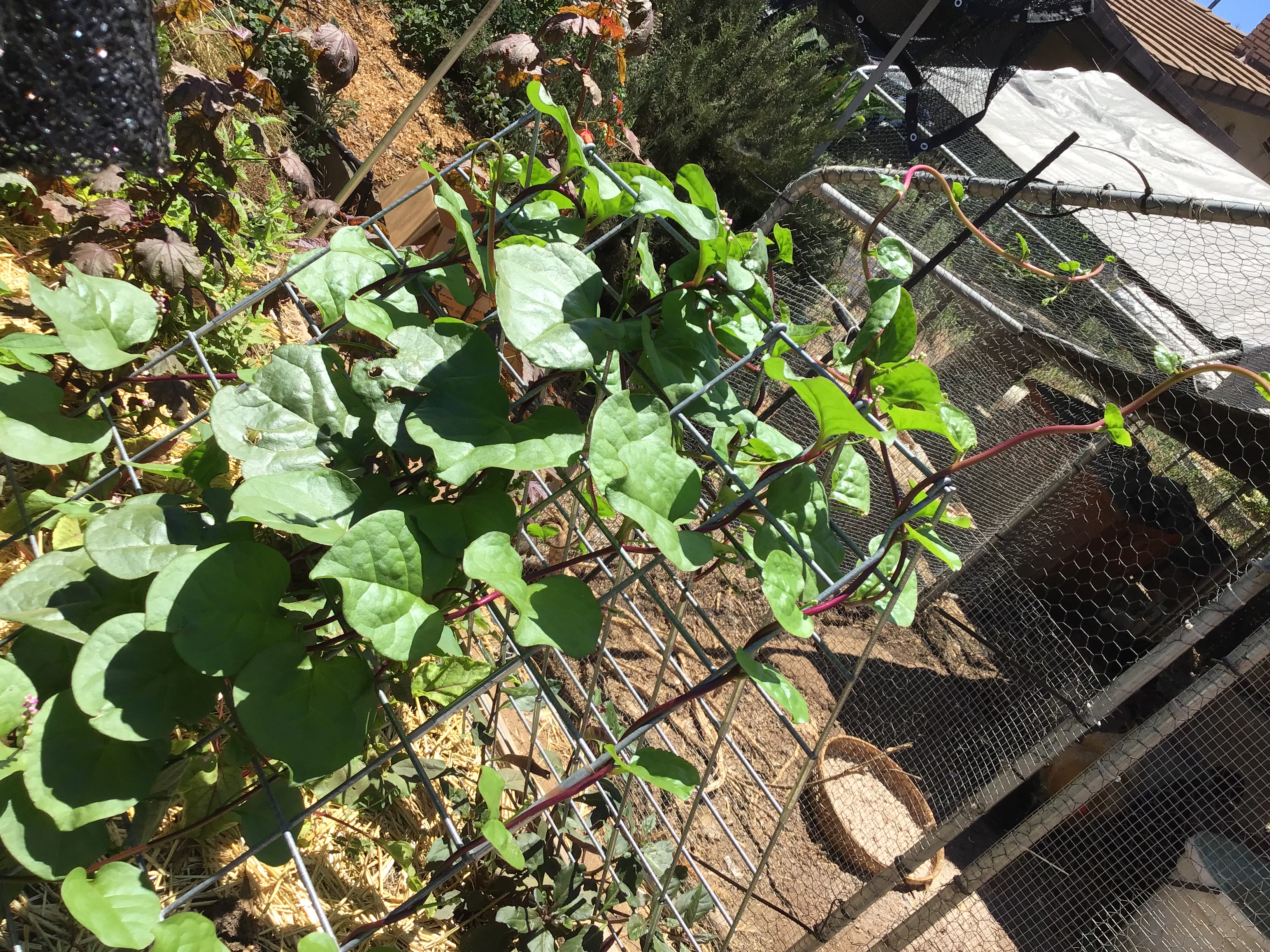

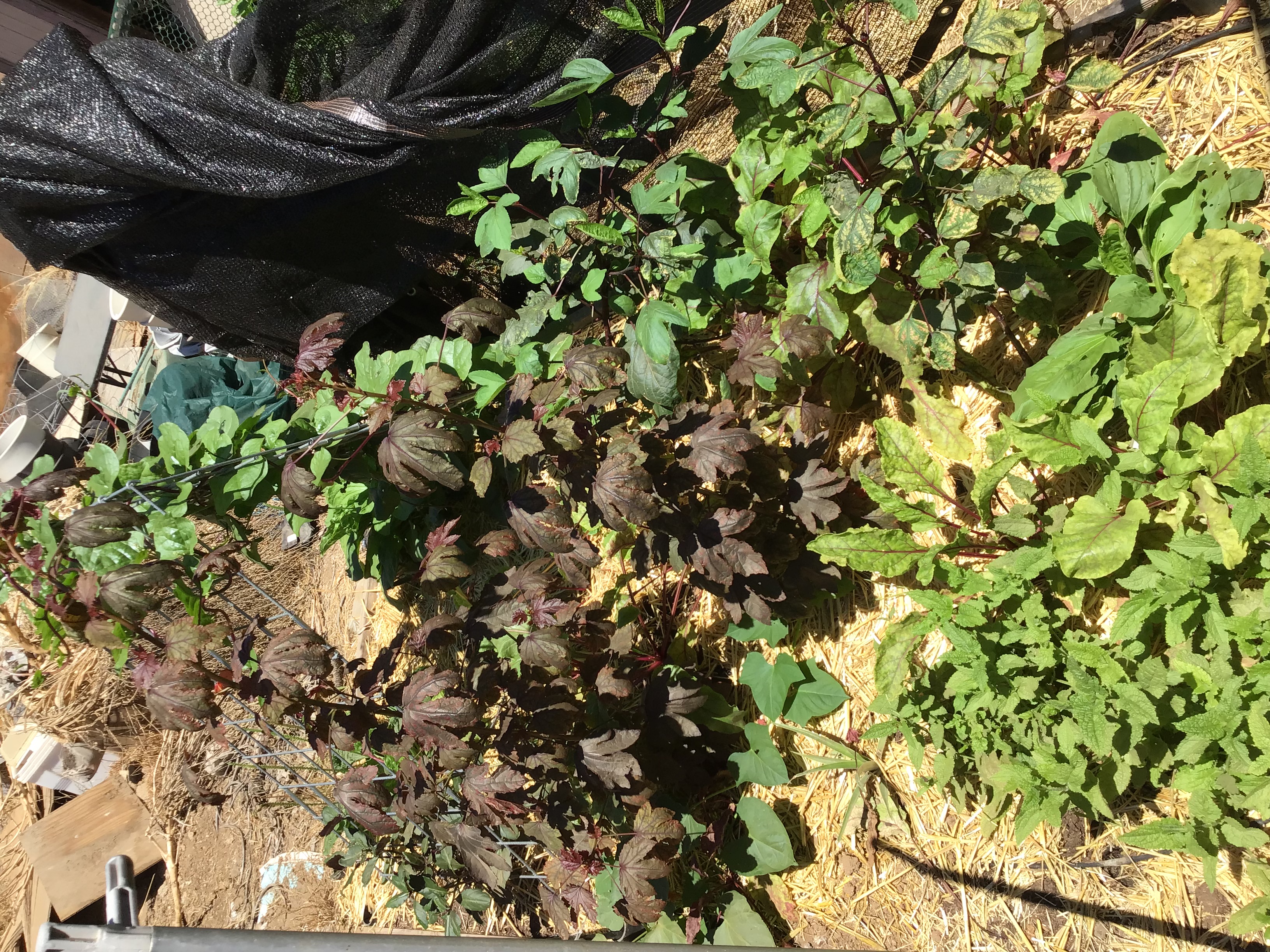
Live, love life holistically
5
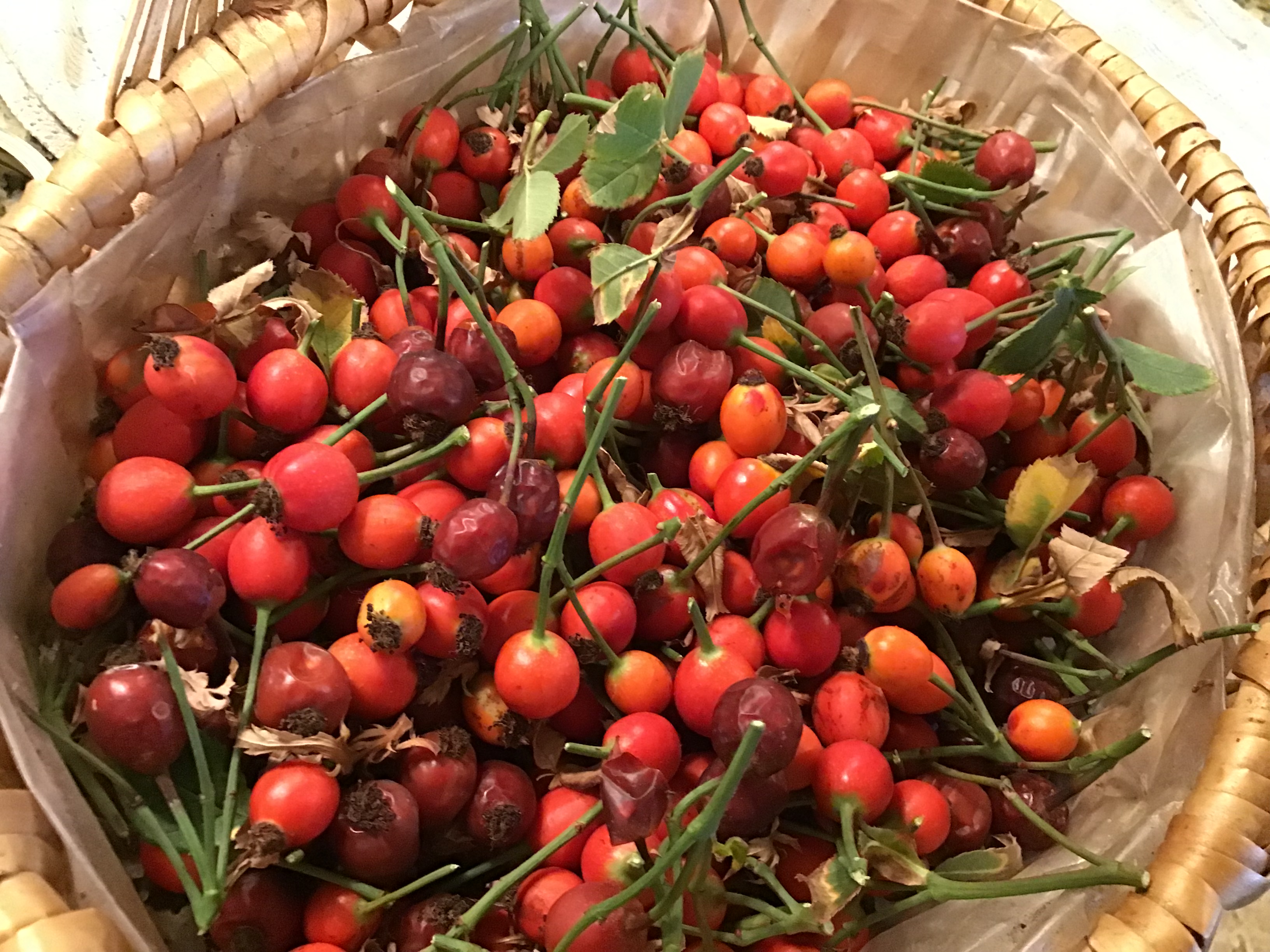

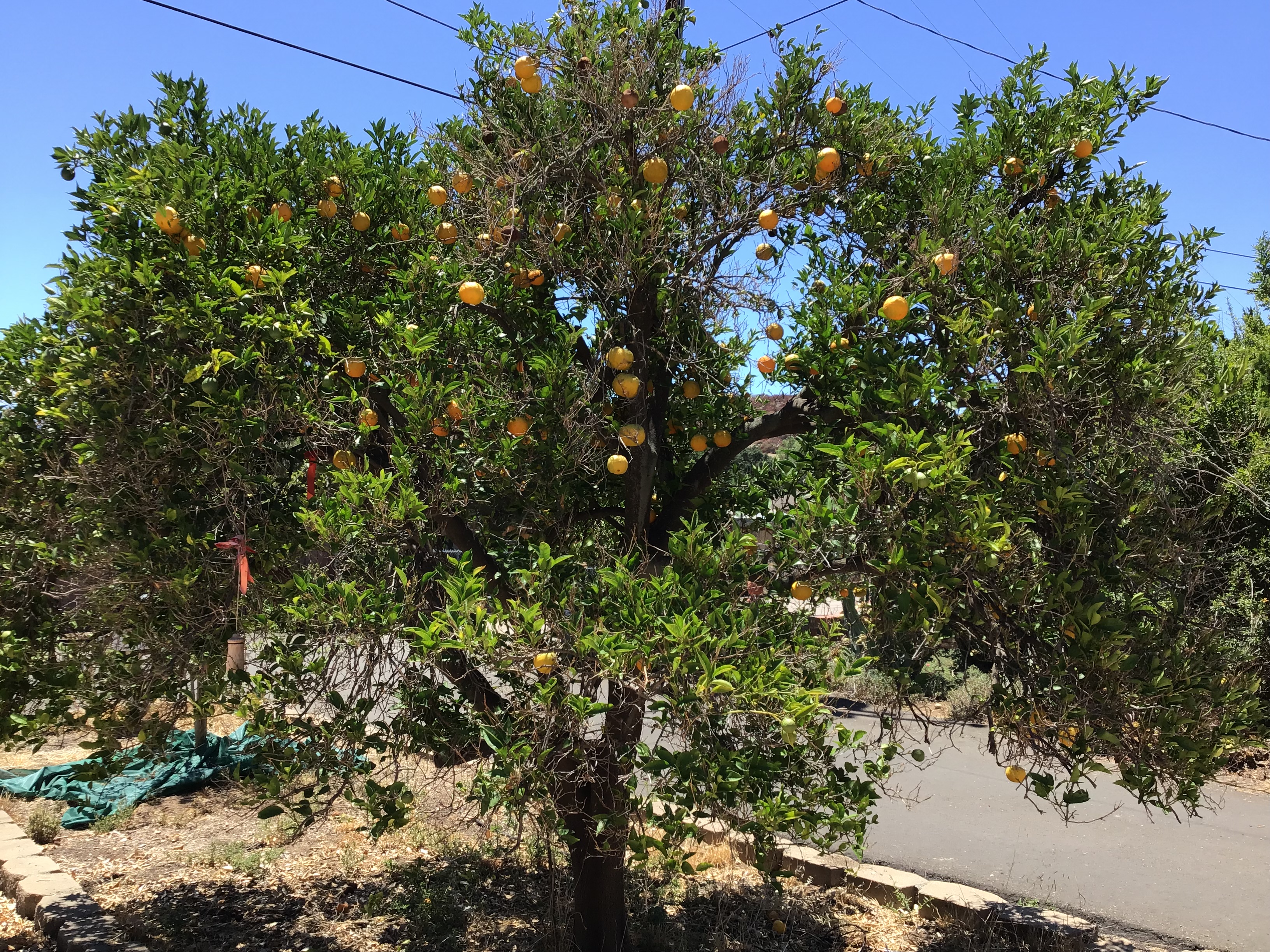


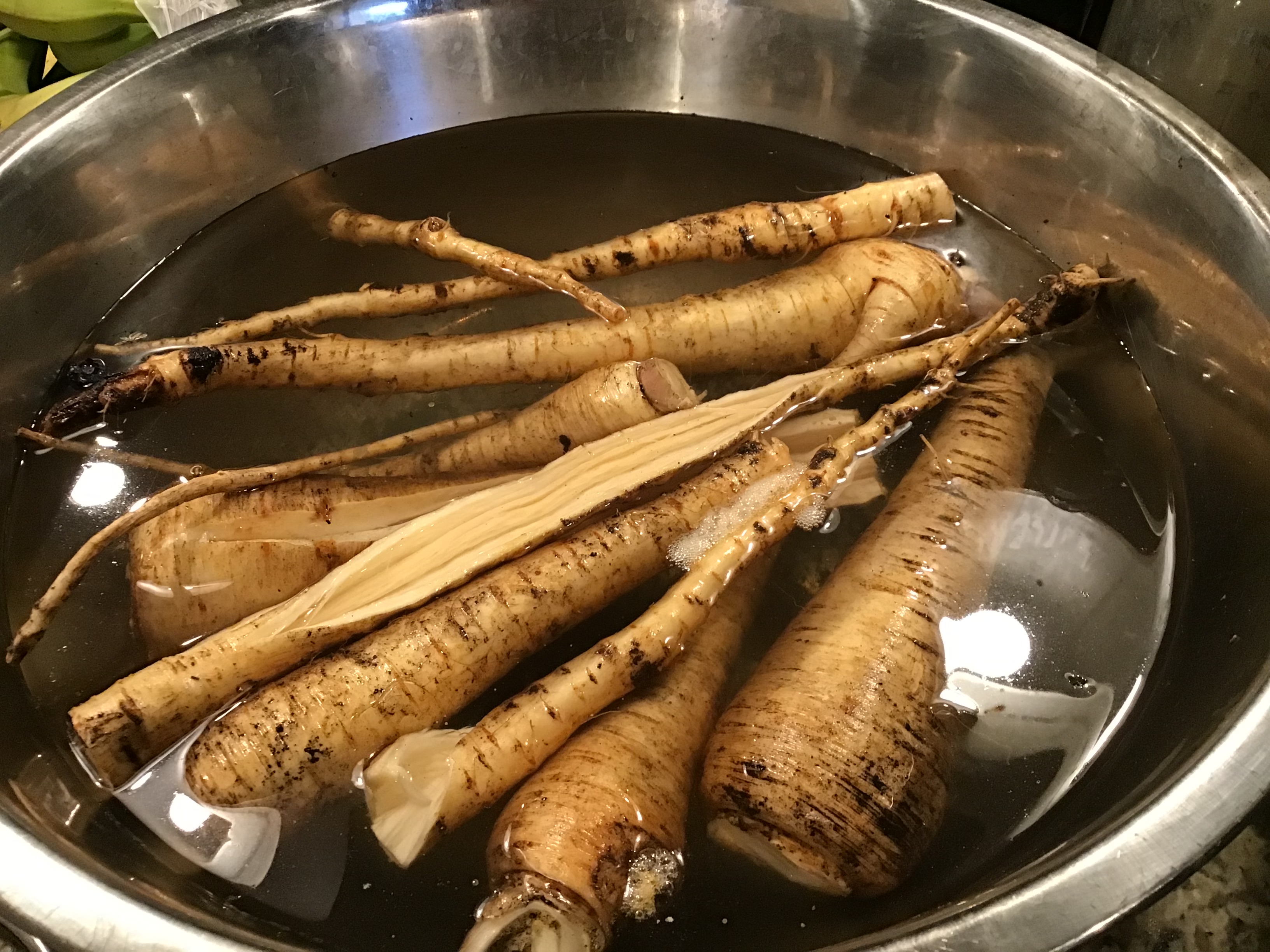


Live, love life holistically
6
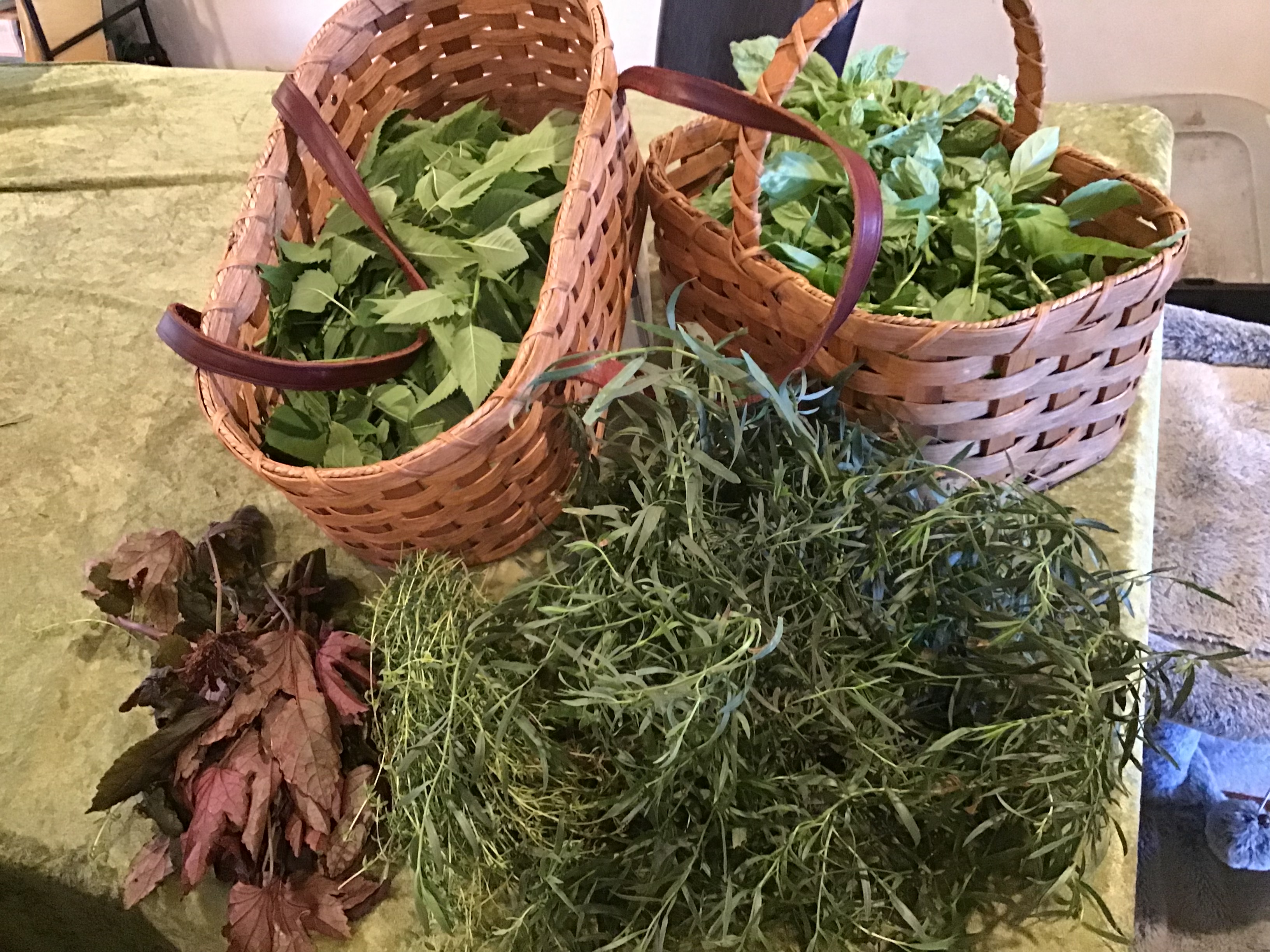
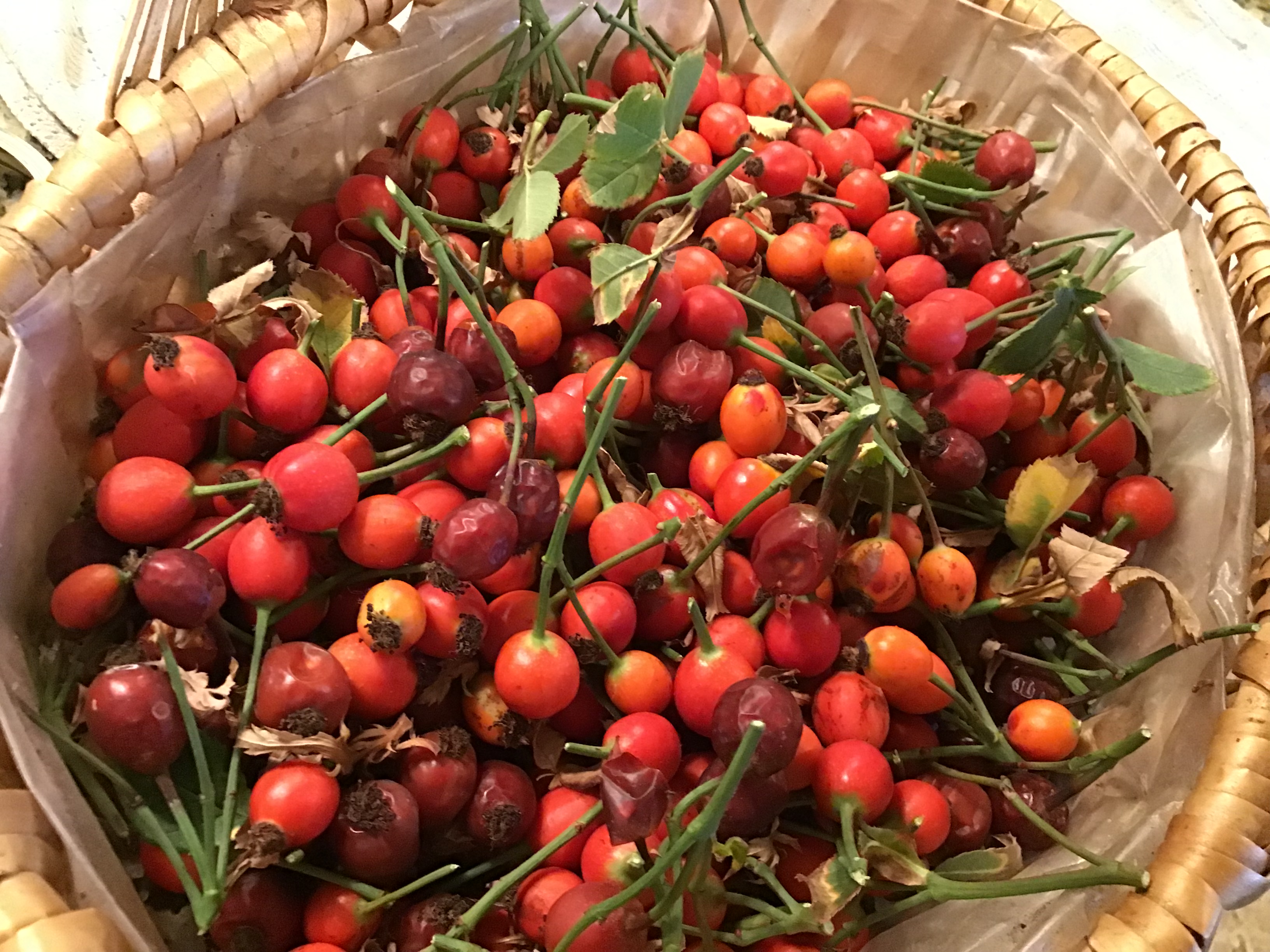
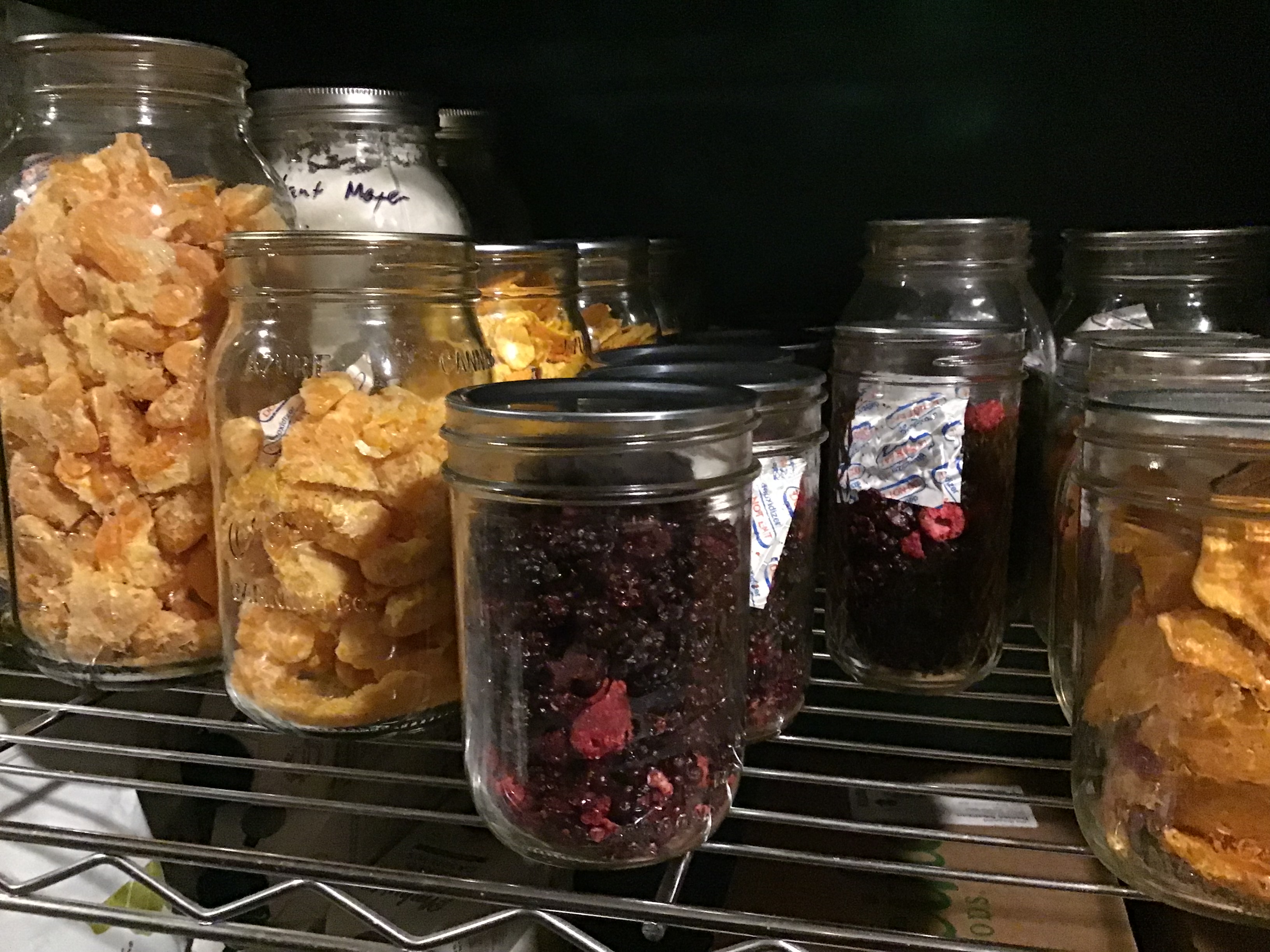
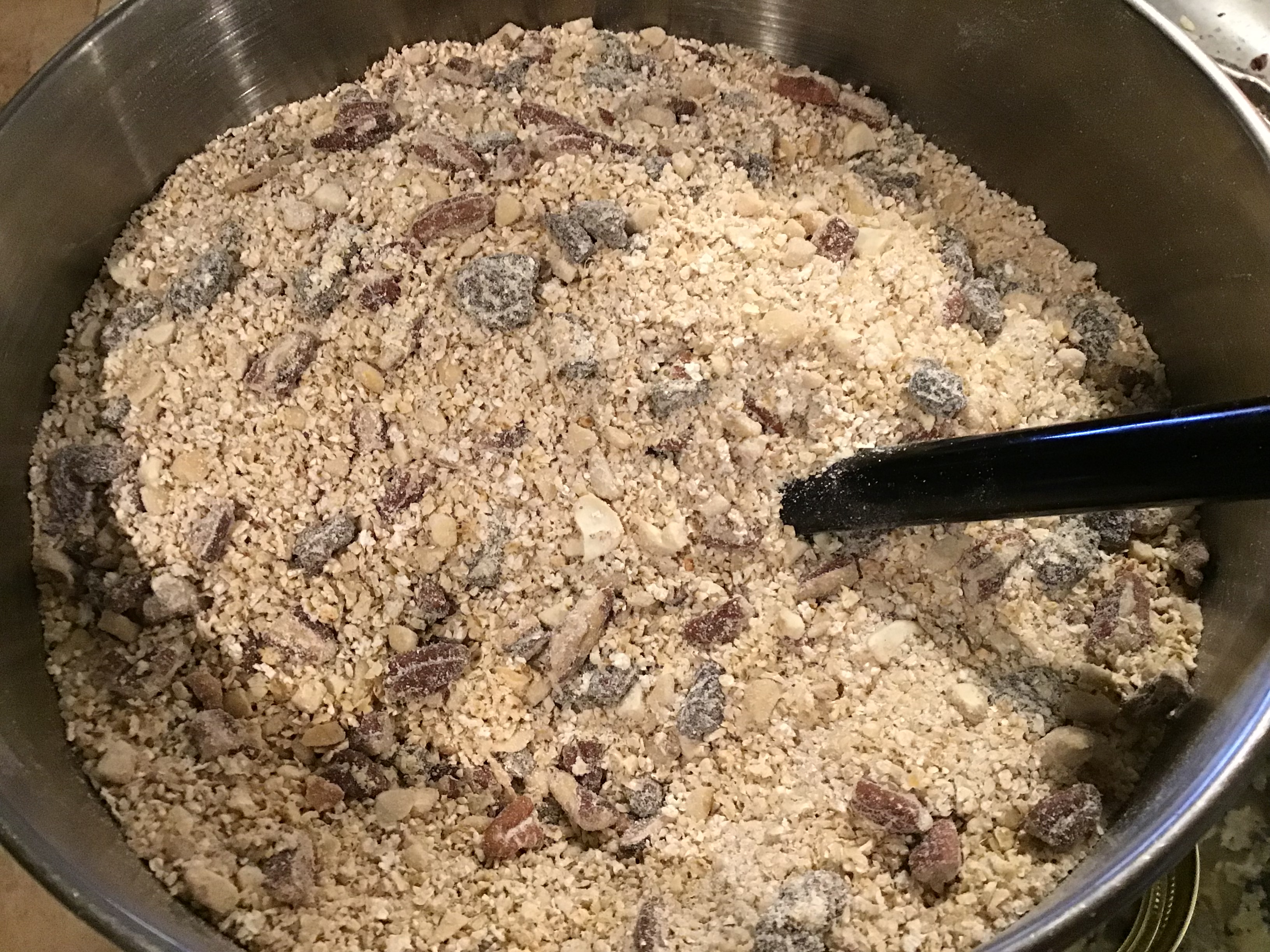
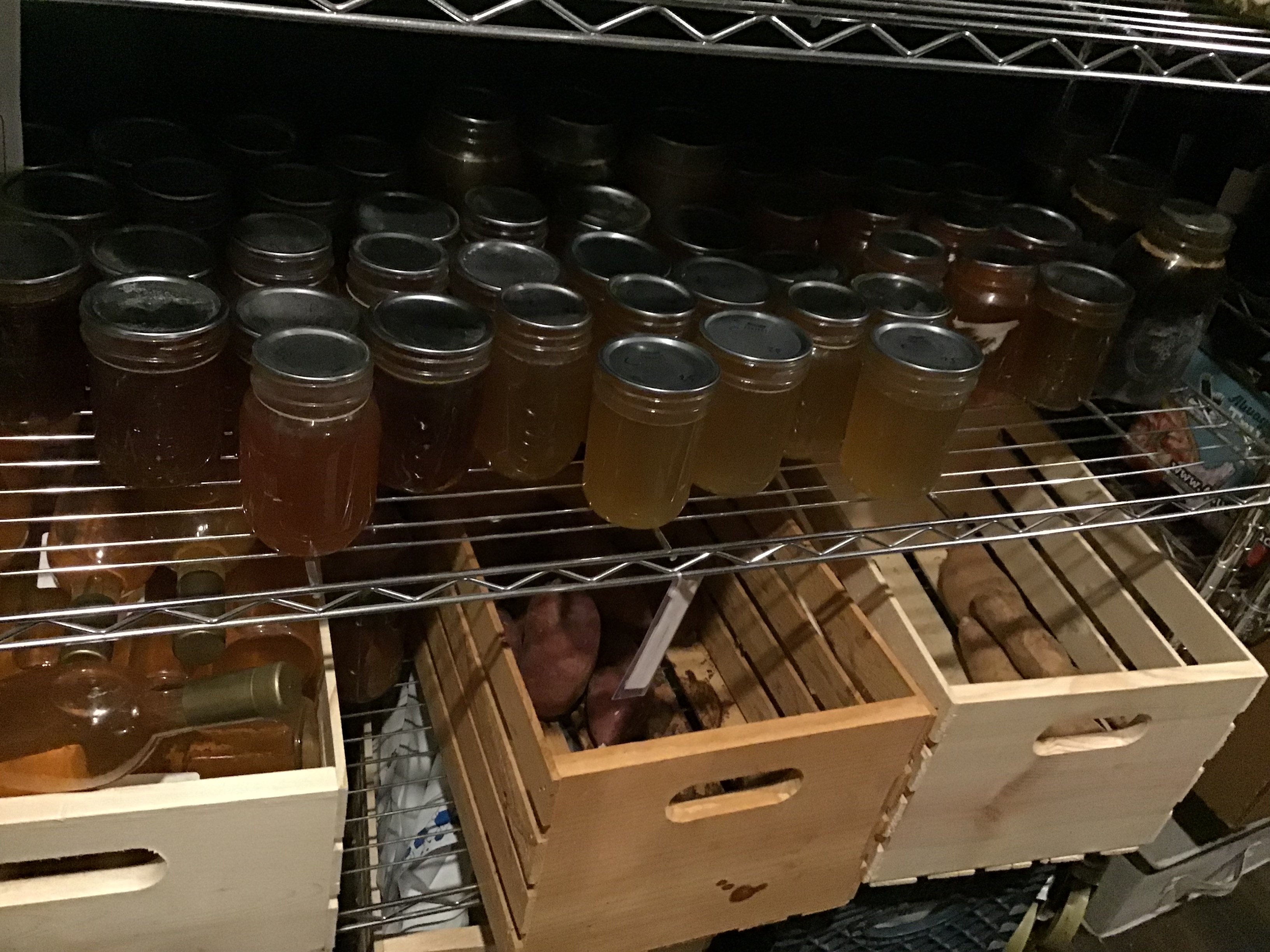
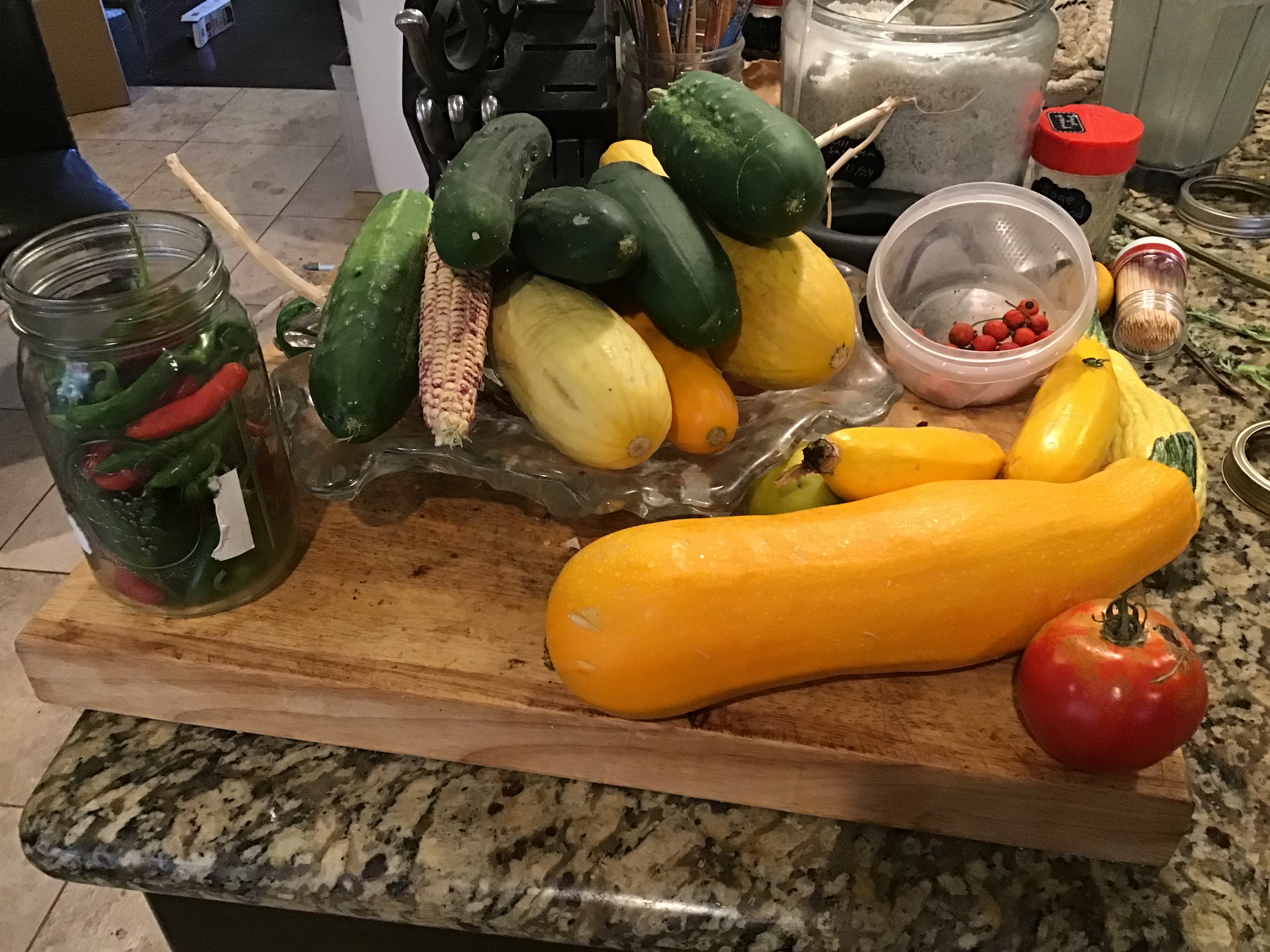
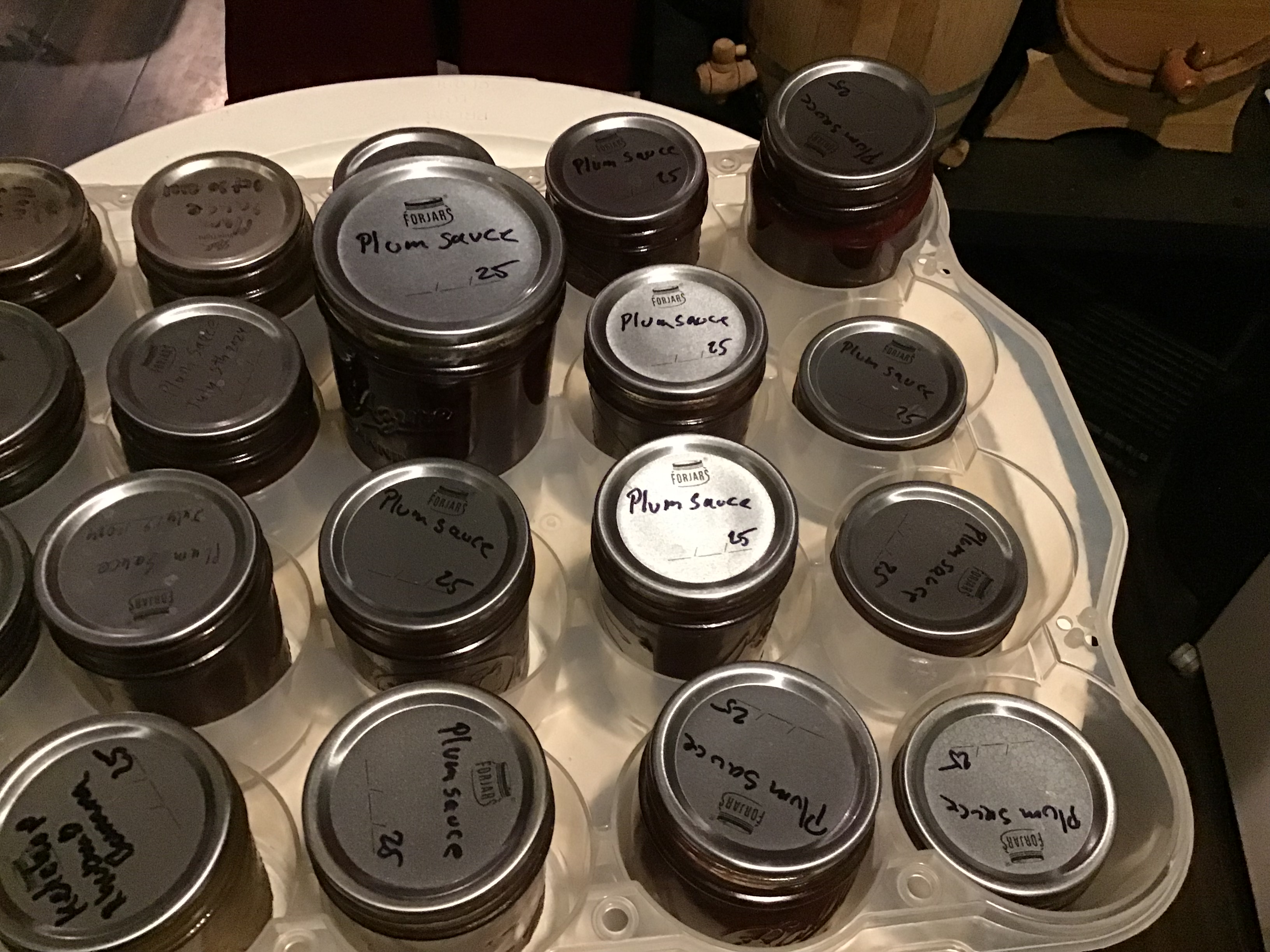
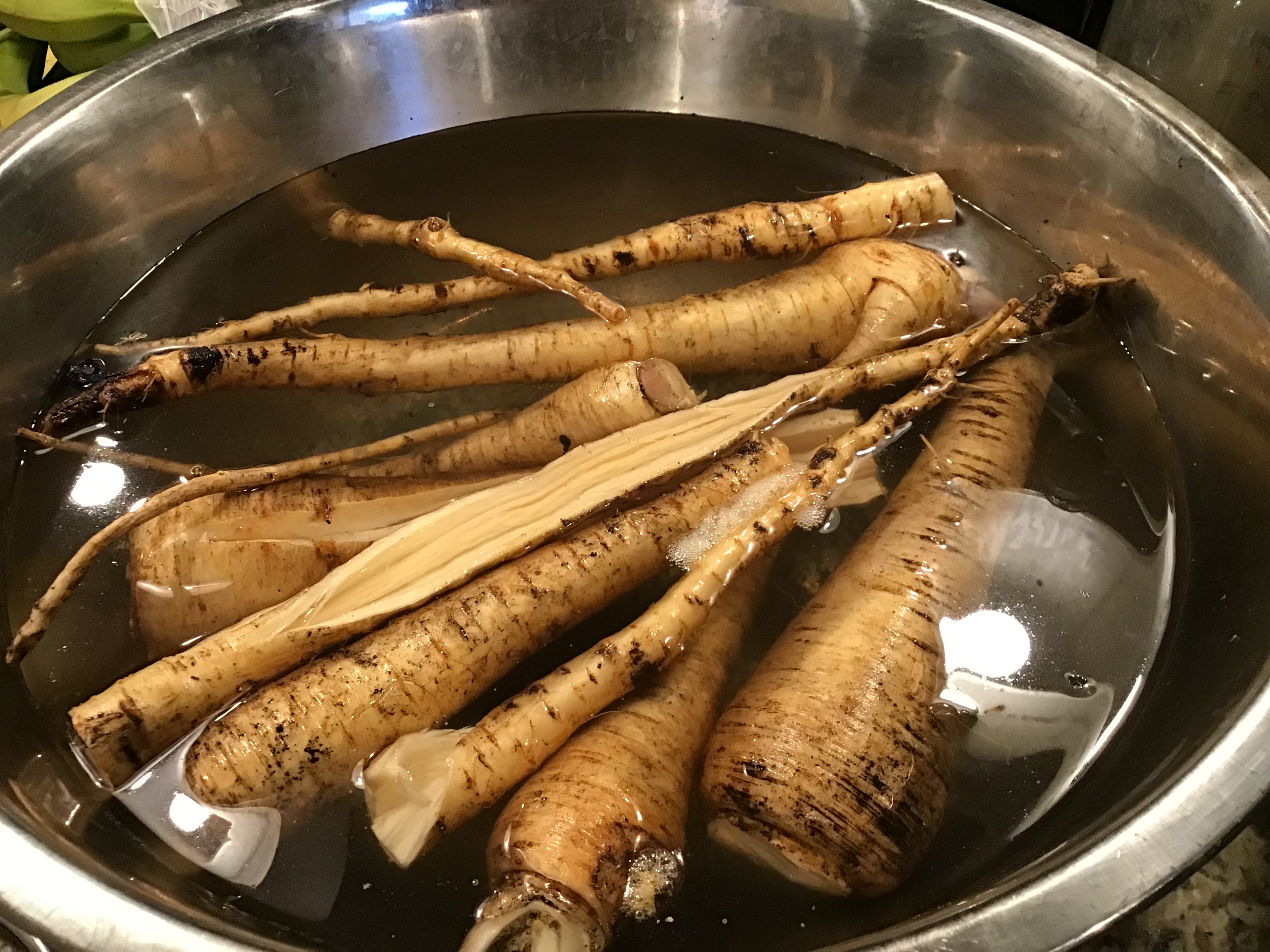
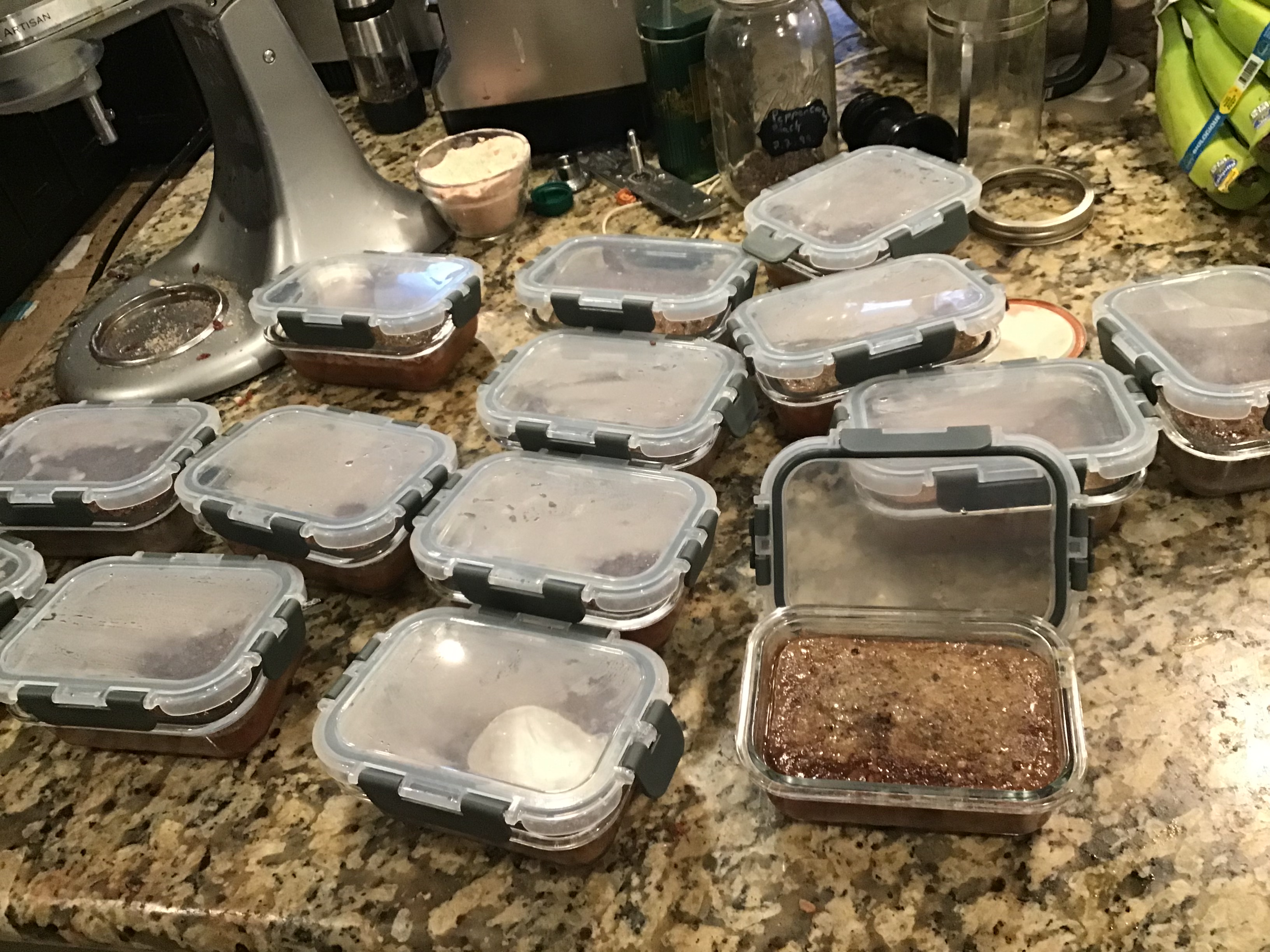
Live, love life holistically
3
Blessings,
Alana

 1
1
Alana Rose wrote:Wow! The narratives and photos in these posts are so incredibly inspirational! Thank you so much for taking the time to share them with us!
Live, love life holistically
6
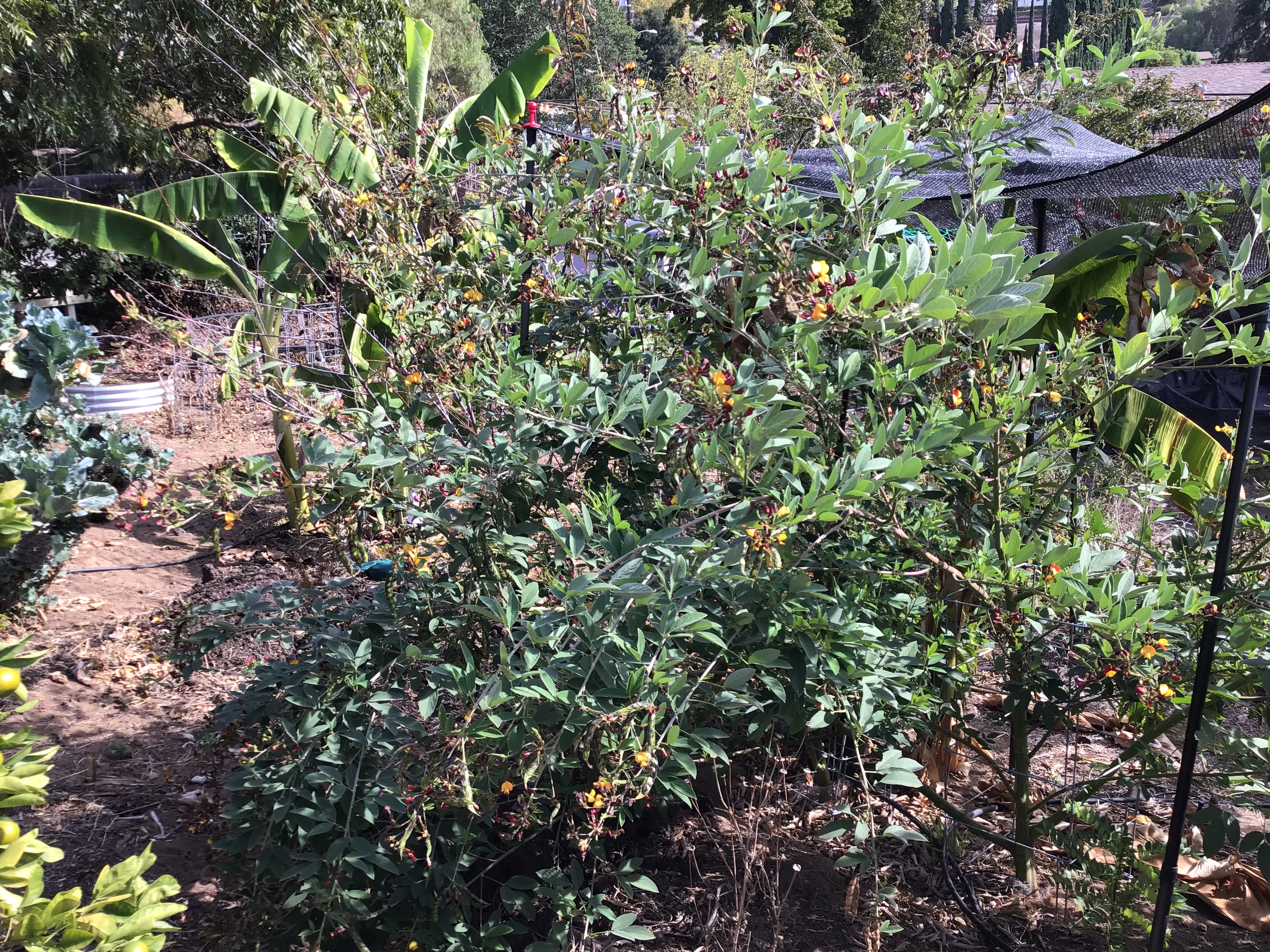
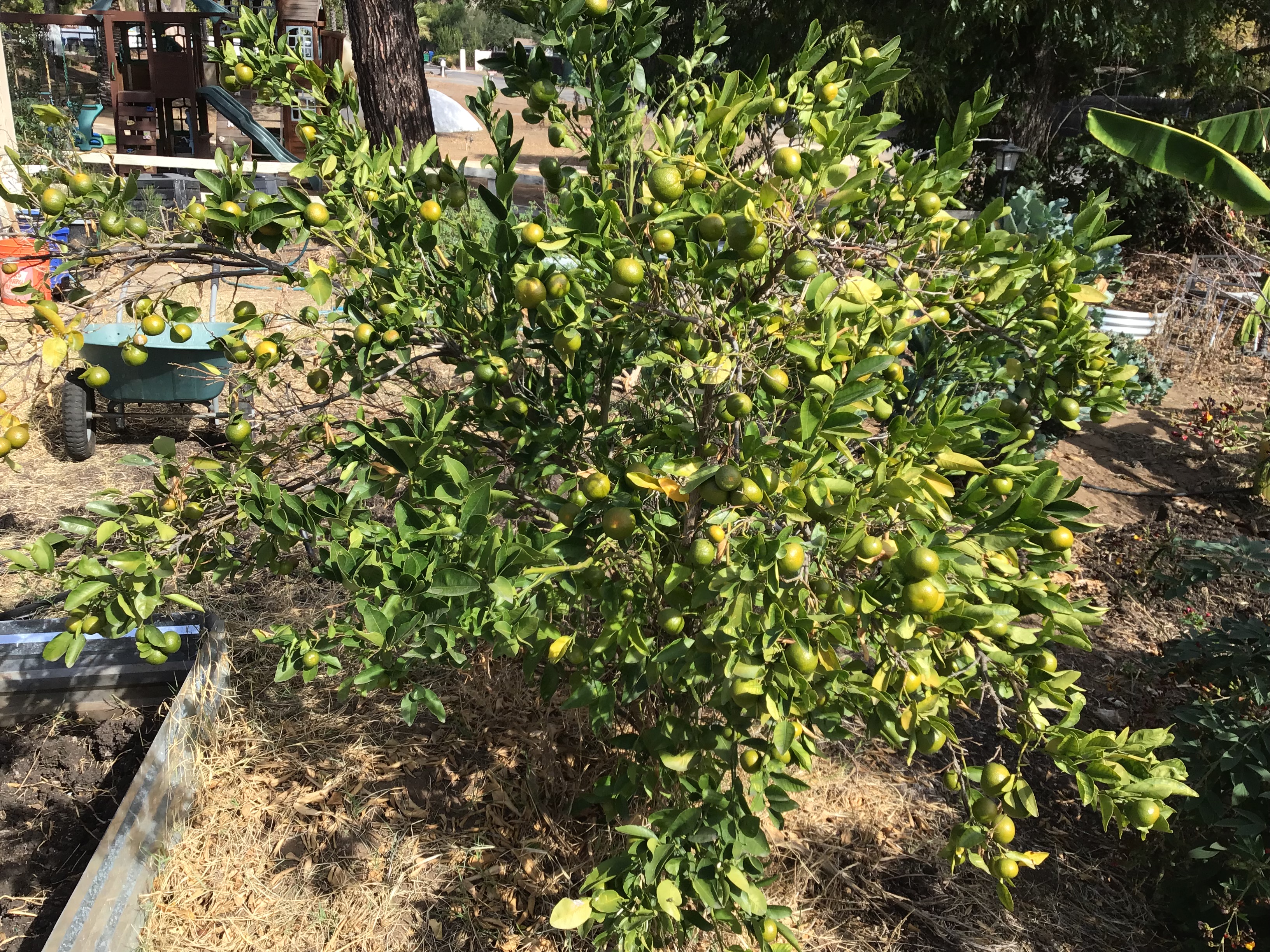
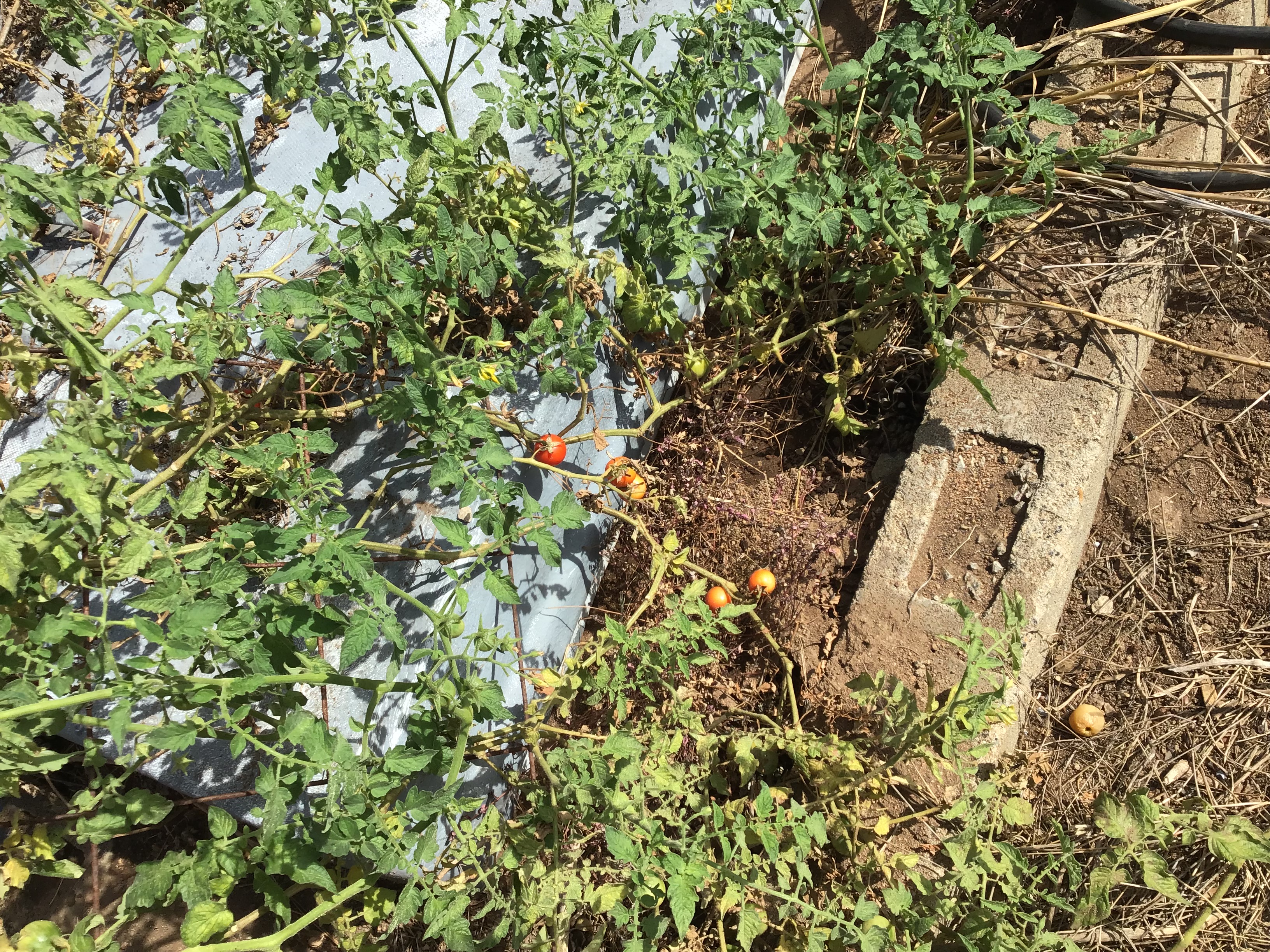
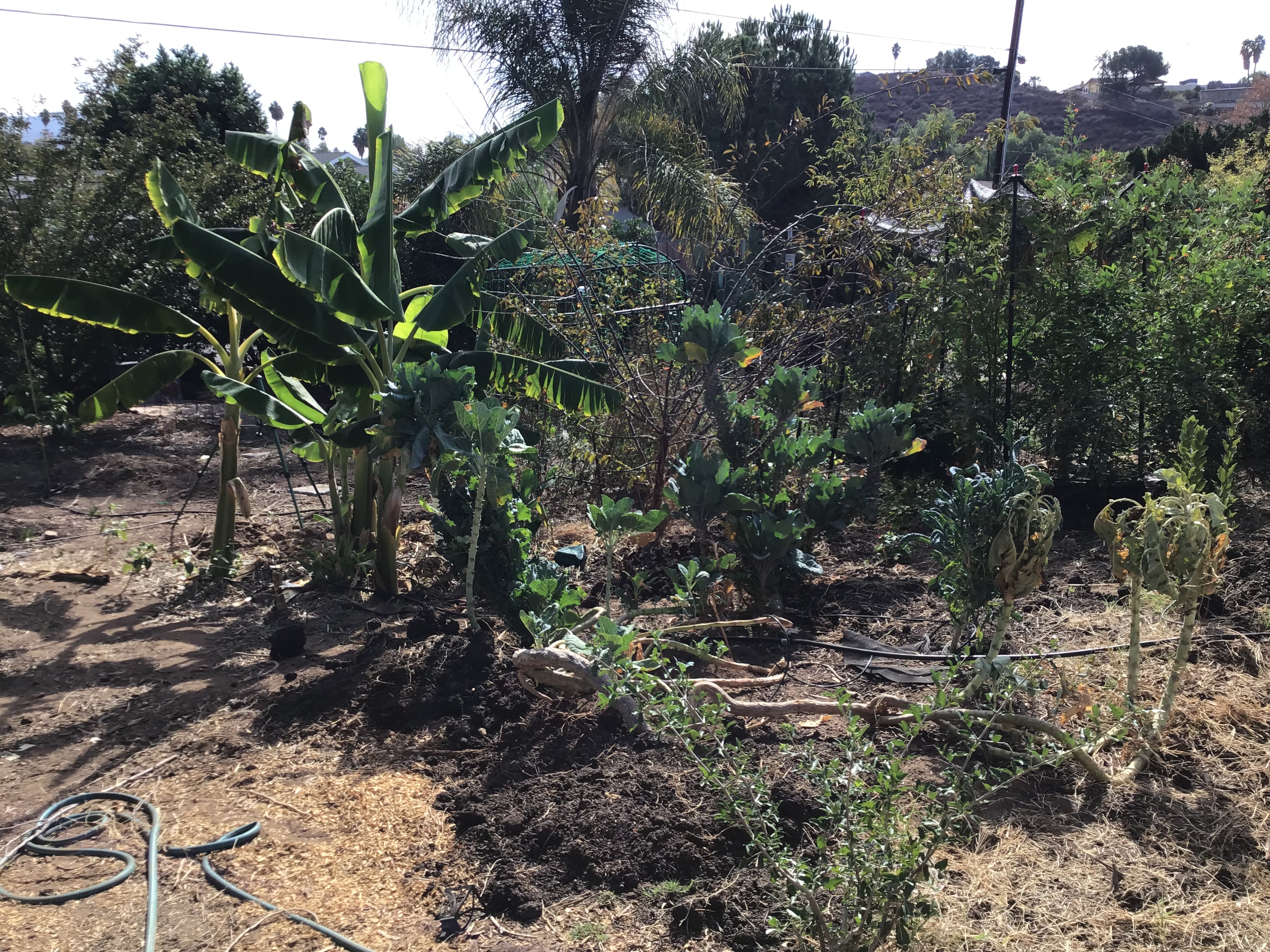
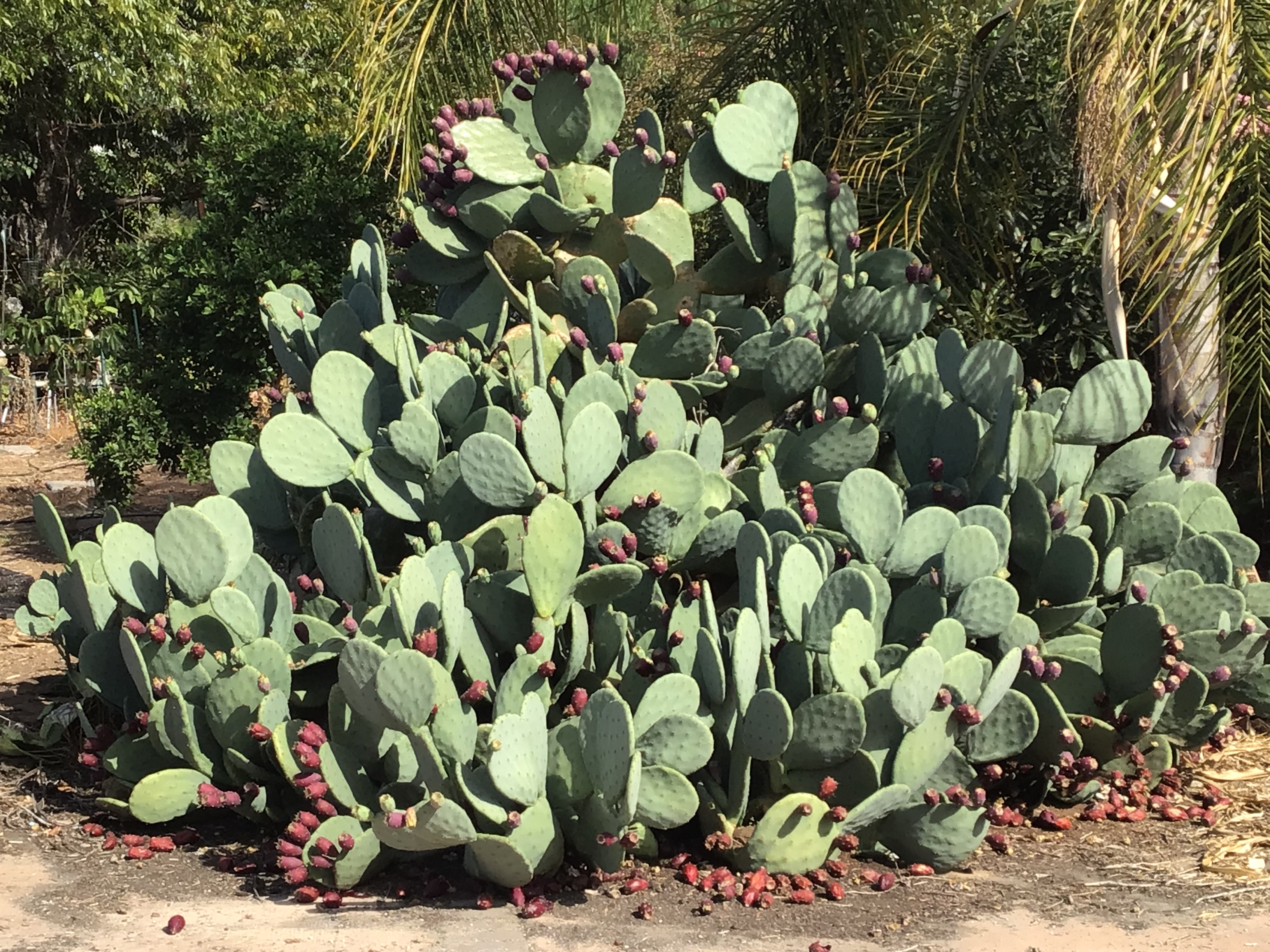
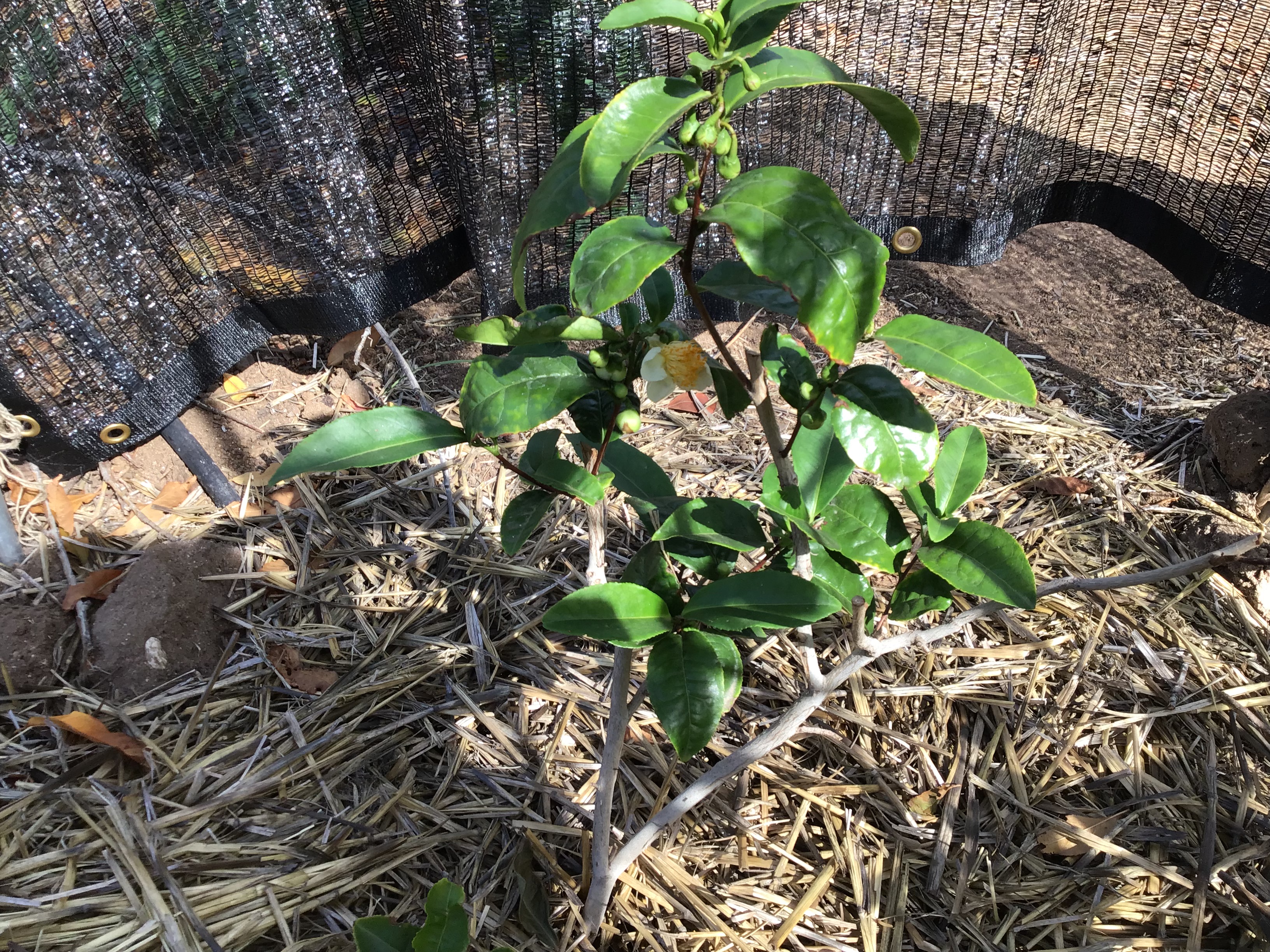
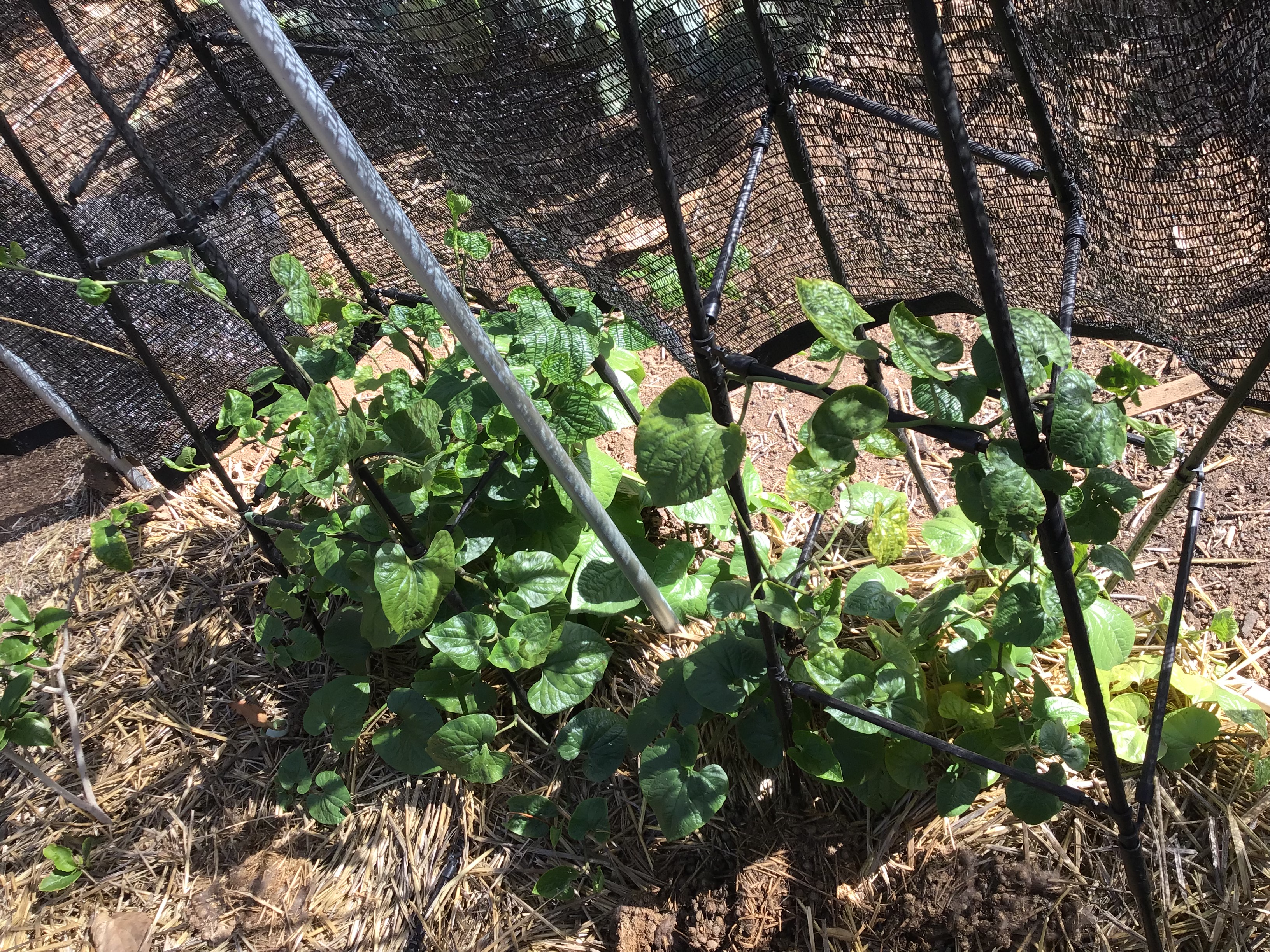
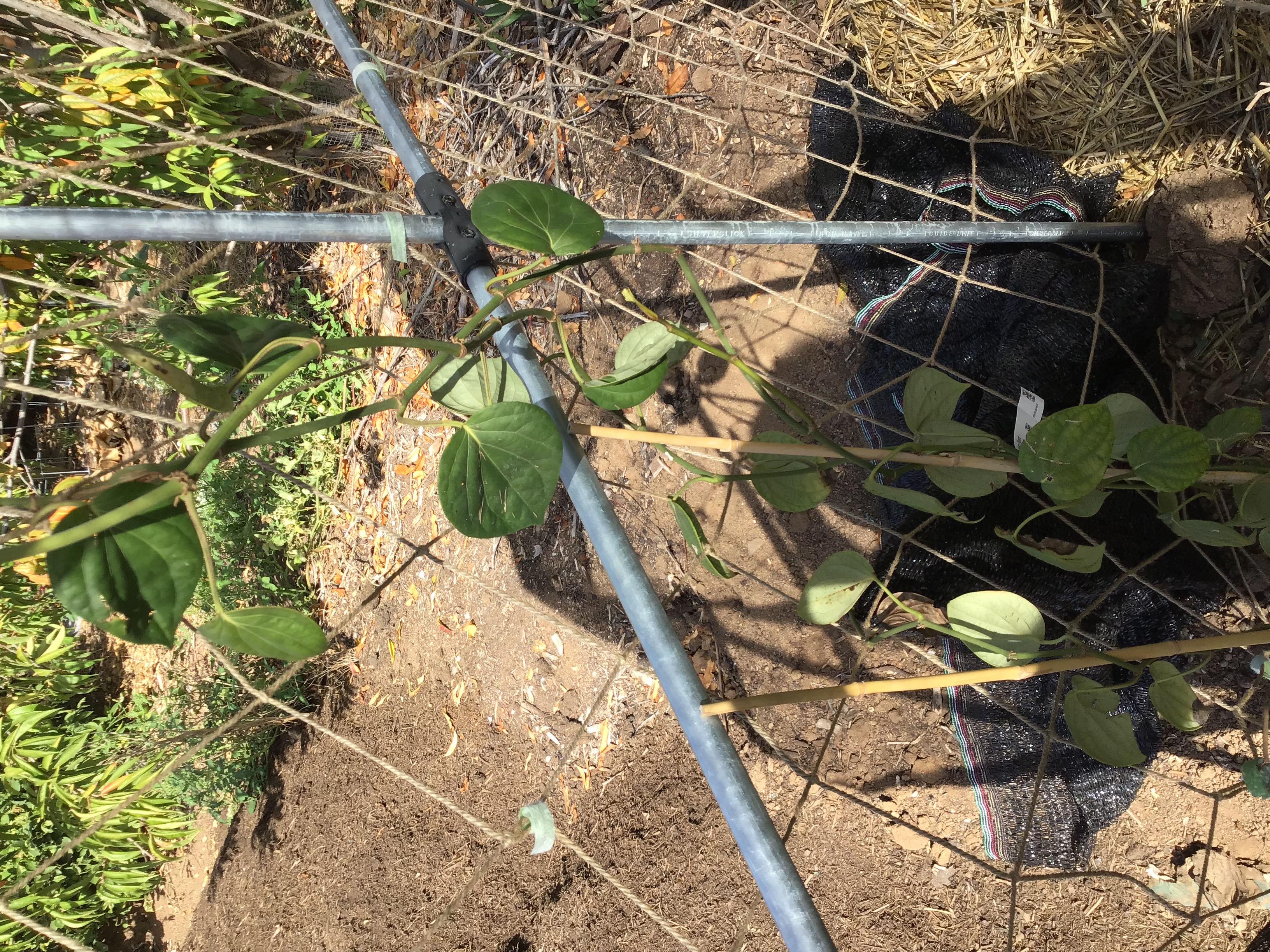
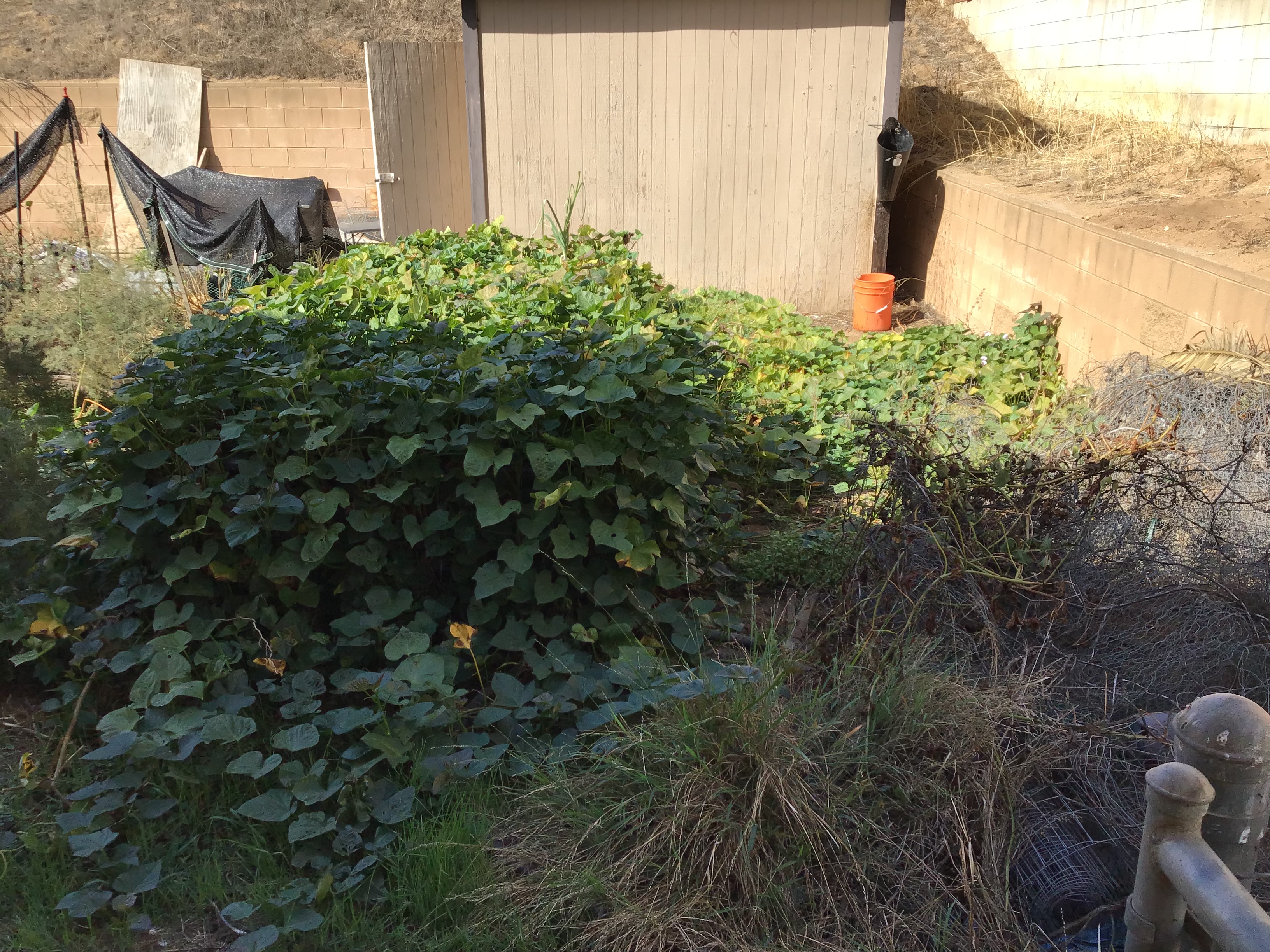
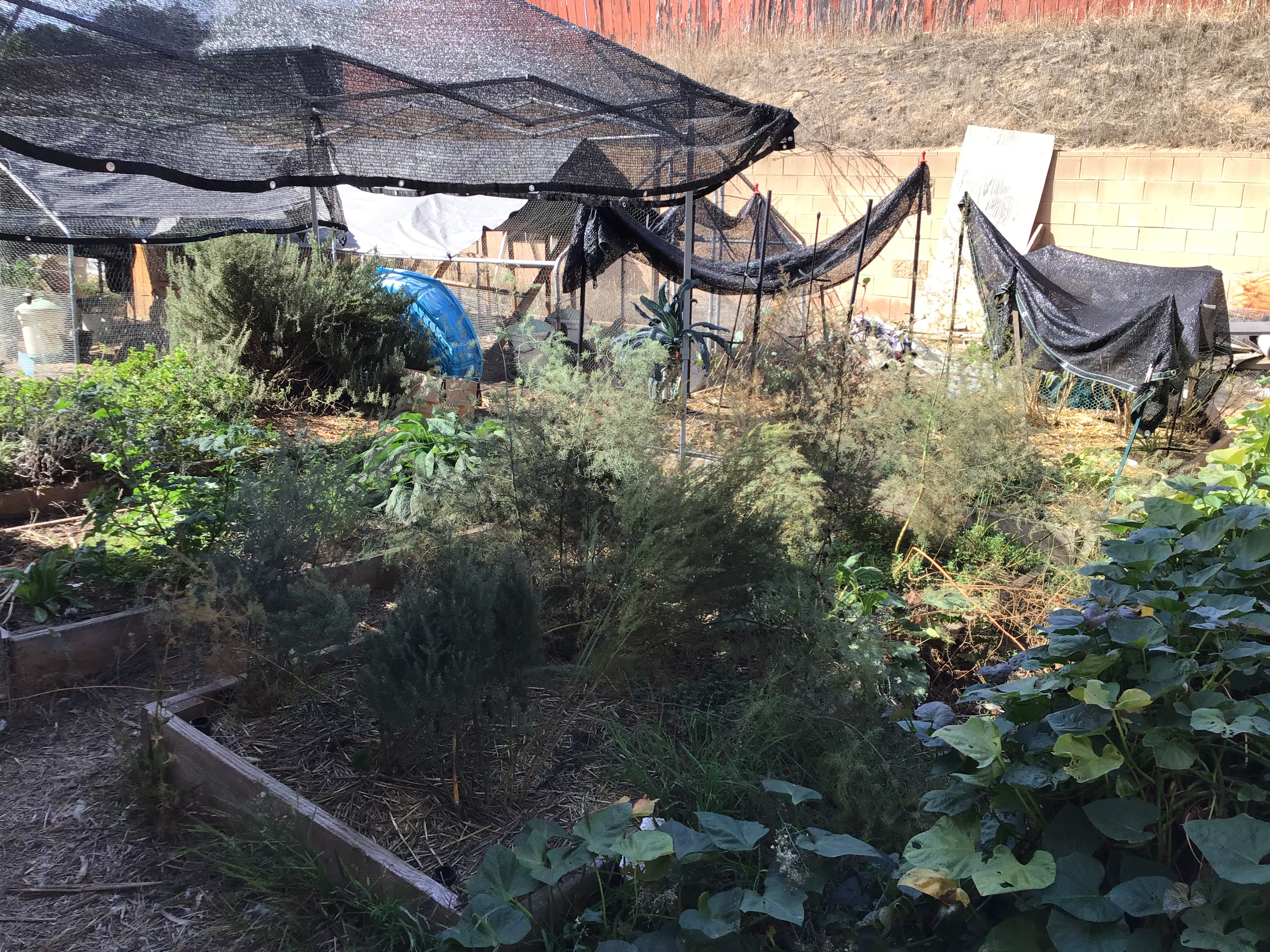
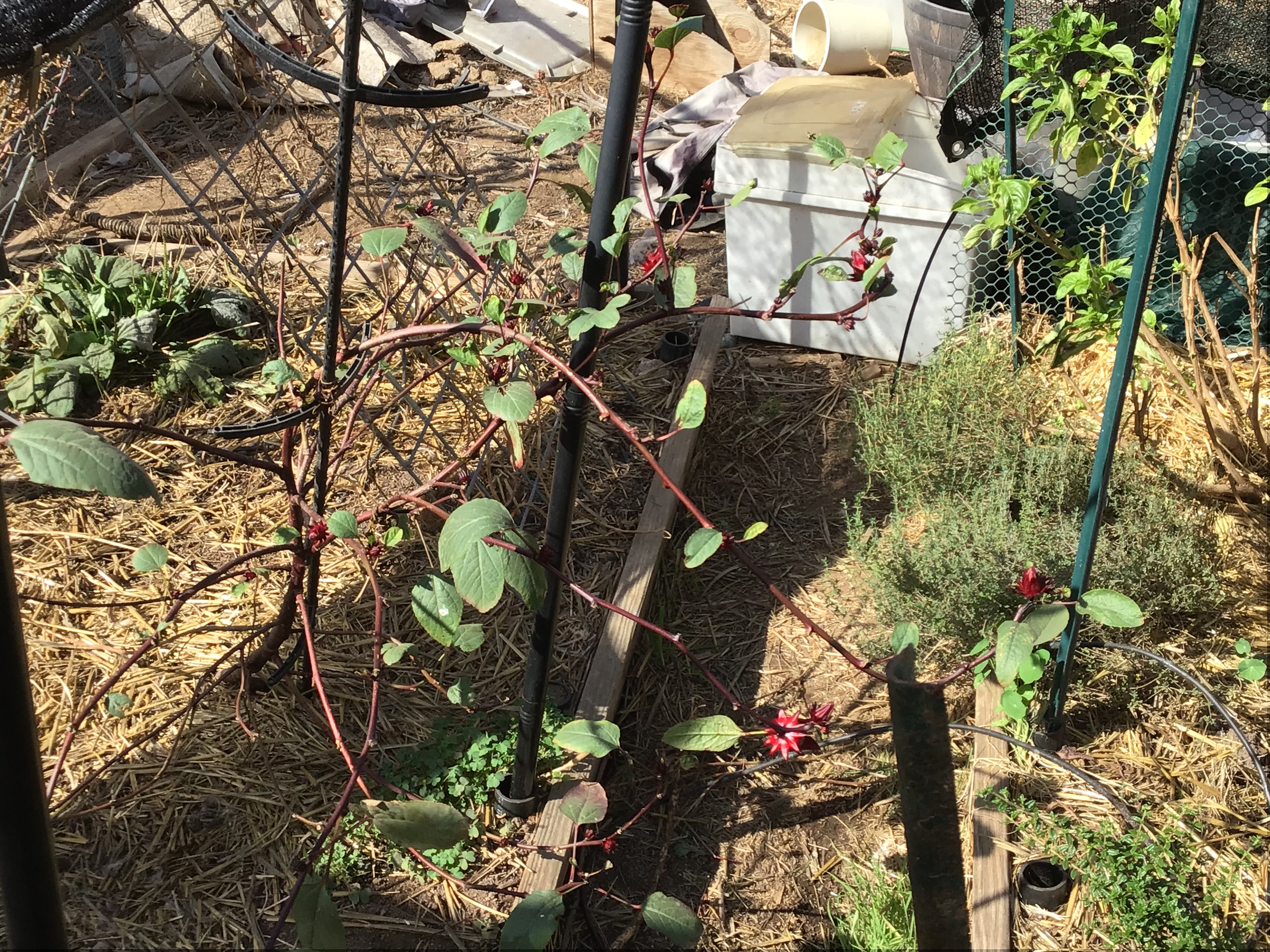
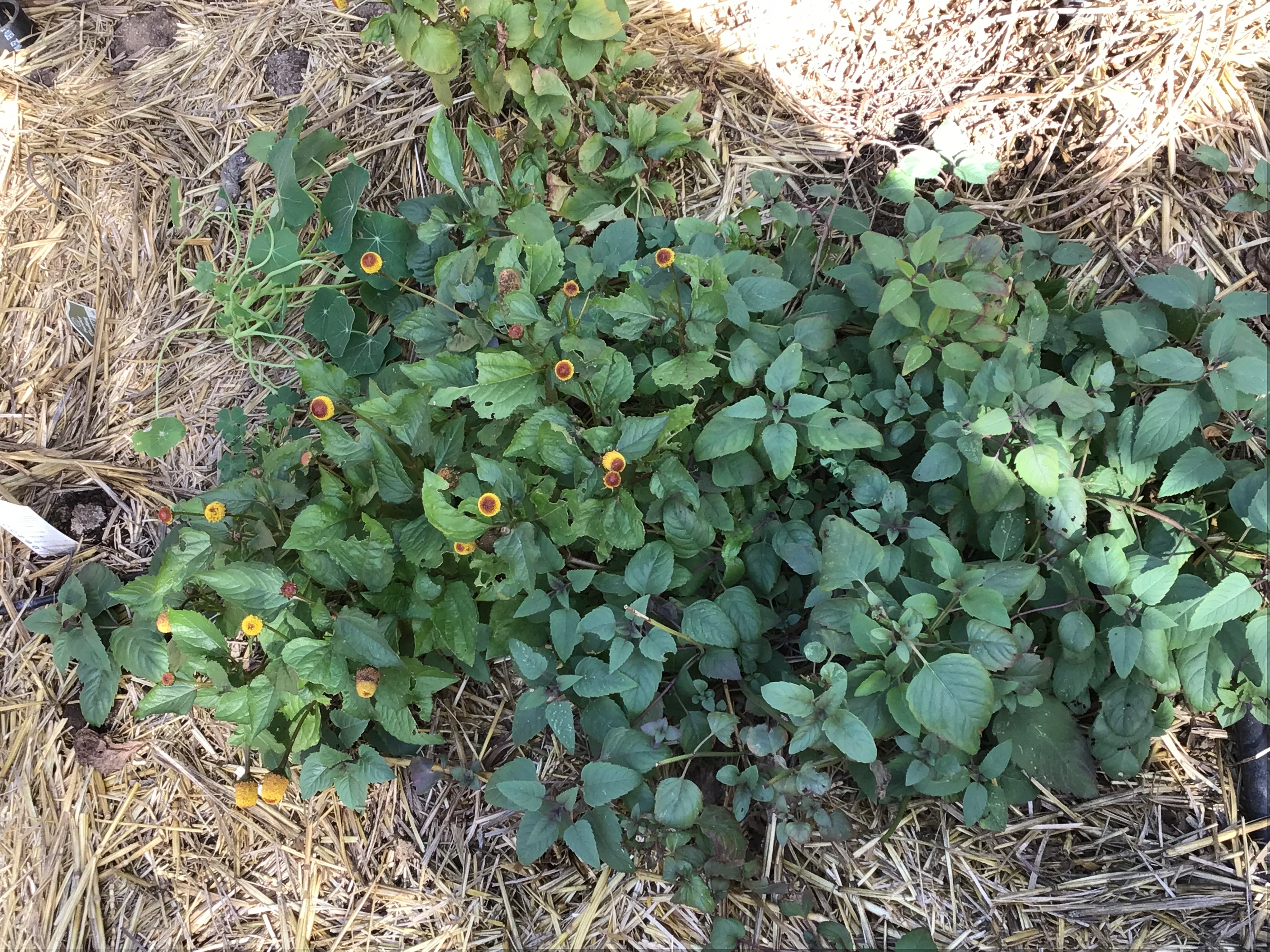
Live, love life holistically
4
Celtic/fantasy/folk/shanty singing at Renaissance faires, fantasy festivals, and other events in OR and WA, USA.
RionaTheSinger on youtube.
Pop-up garden/vintage+ yard stand owner.
4
Riona Abhainn wrote:Ulla I hope your daughter is enjoying living at college and I'm glad your gardens are so robust all year long! You are so inspiring.
Live, love life holistically
3
Celtic/fantasy/folk/shanty singing at Renaissance faires, fantasy festivals, and other events in OR and WA, USA.
RionaTheSinger on youtube.
Pop-up garden/vintage+ yard stand owner.
4
Live, love life holistically
2
 )))
)))Celtic/fantasy/folk/shanty singing at Renaissance faires, fantasy festivals, and other events in OR and WA, USA.
RionaTheSinger on youtube.
Pop-up garden/vintage+ yard stand owner.
2
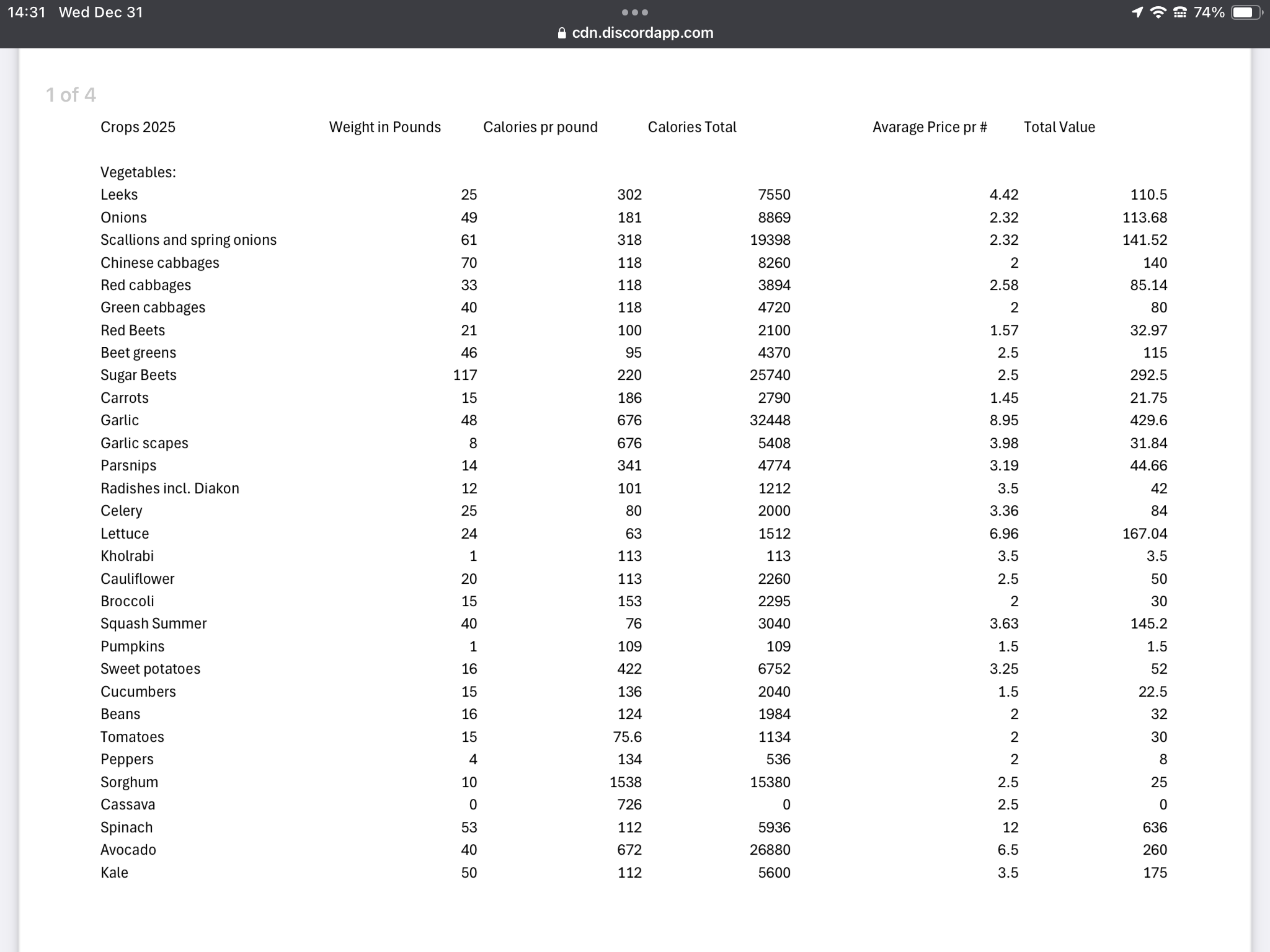
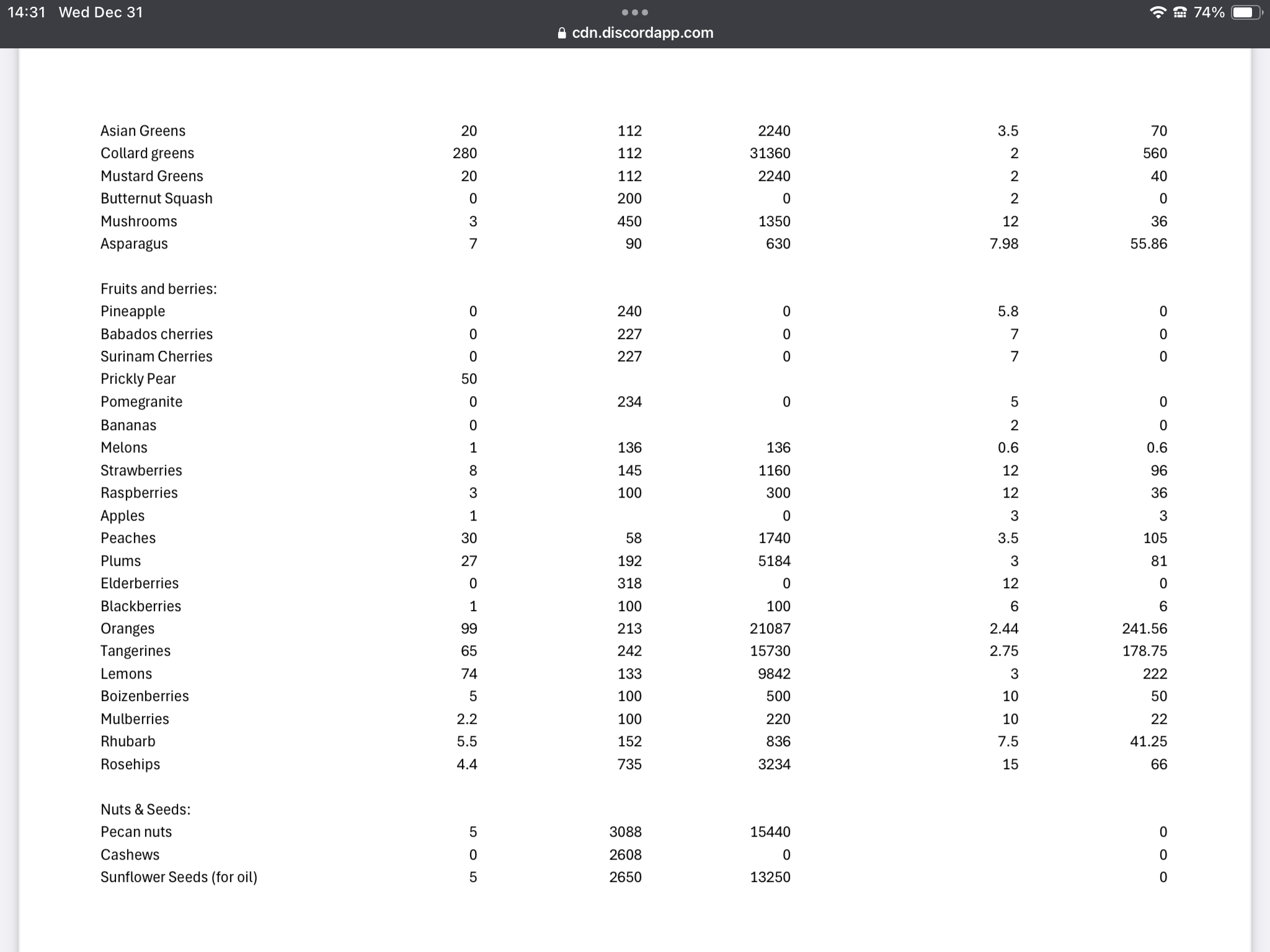

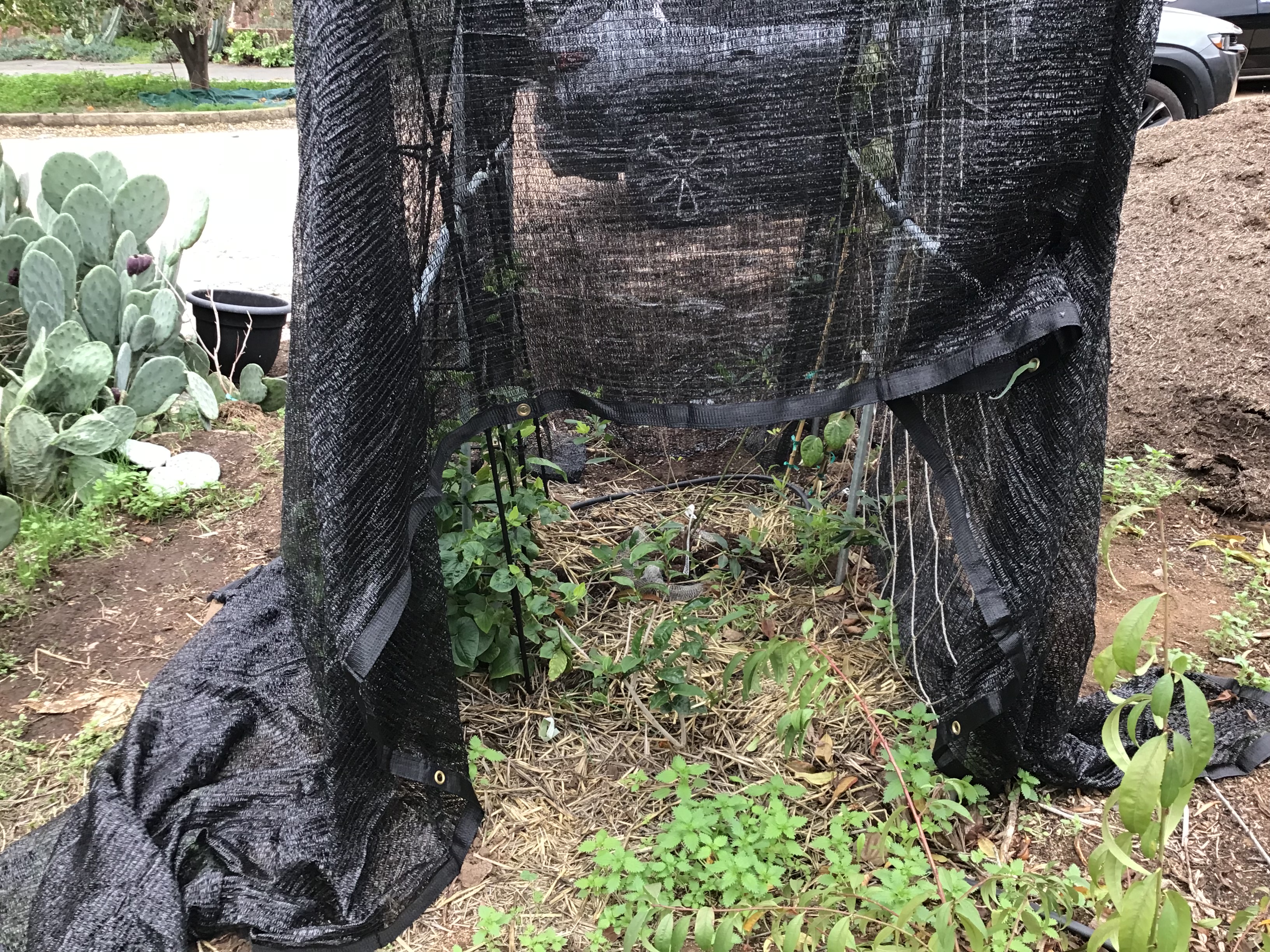
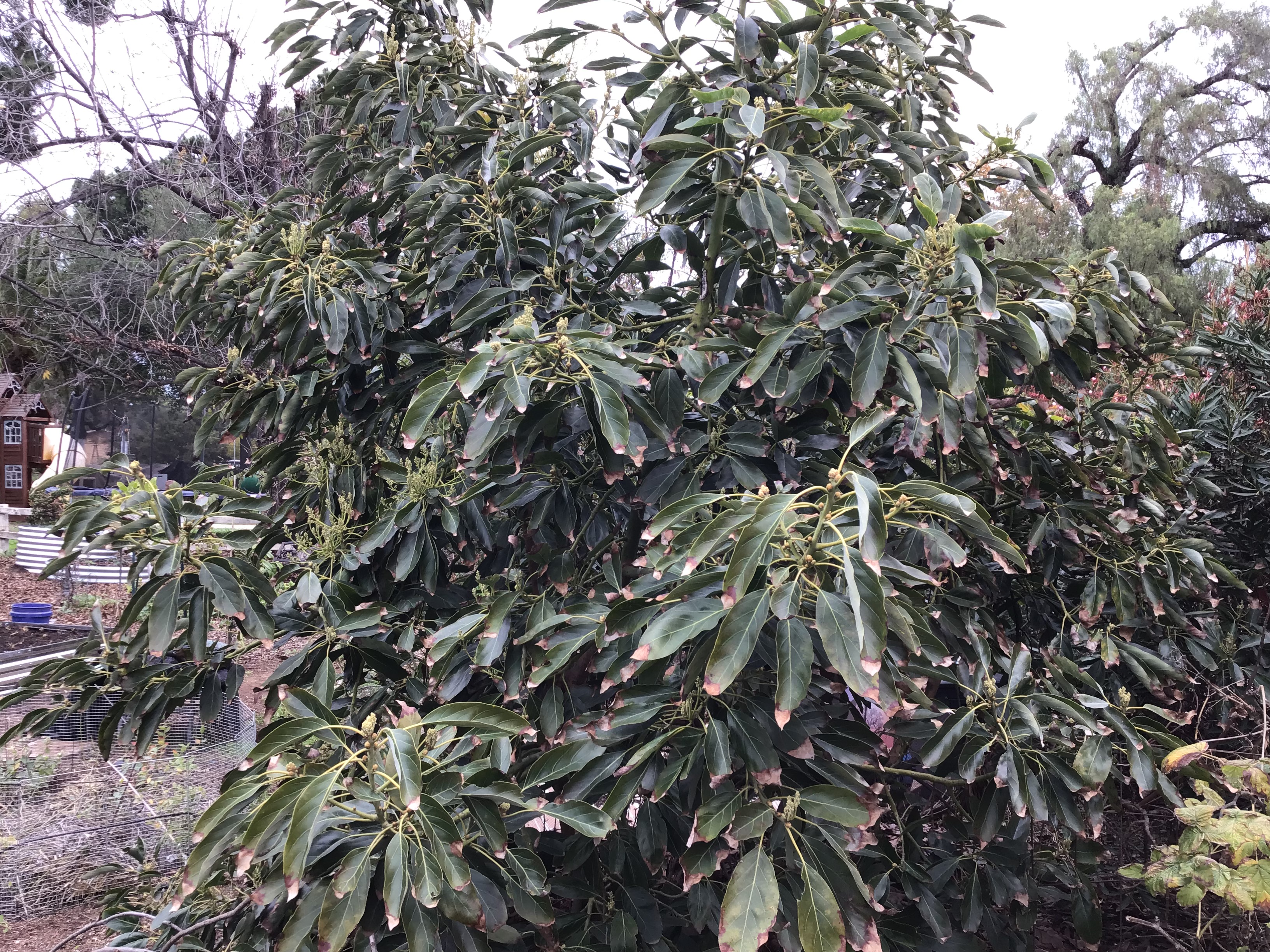

![[Thumbnail for IMG_3238.jpeg]](/t/259194/a/281184/IMG_3238.jpeg "Filename: IMG_3238.jpeg
Description:")
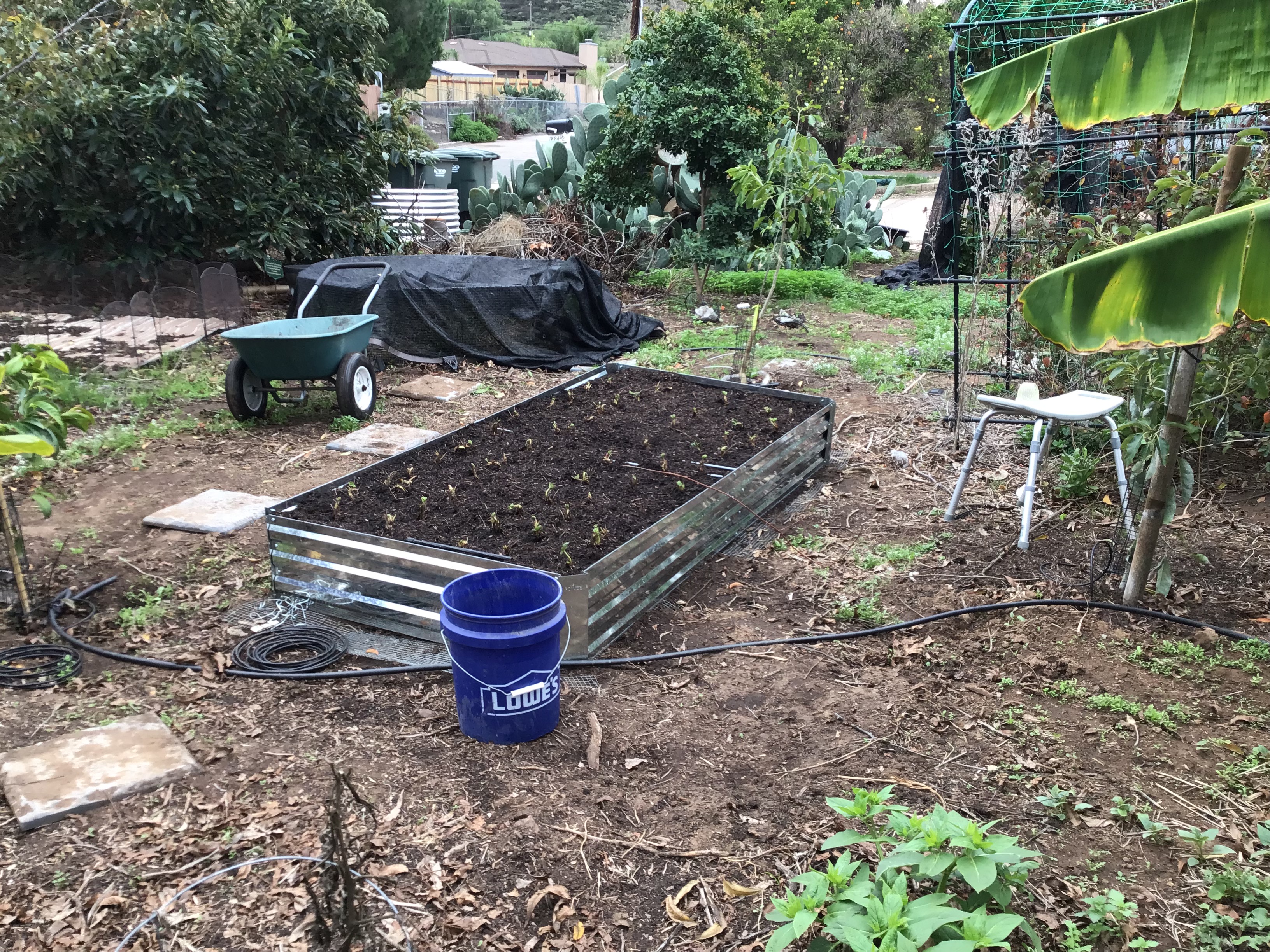
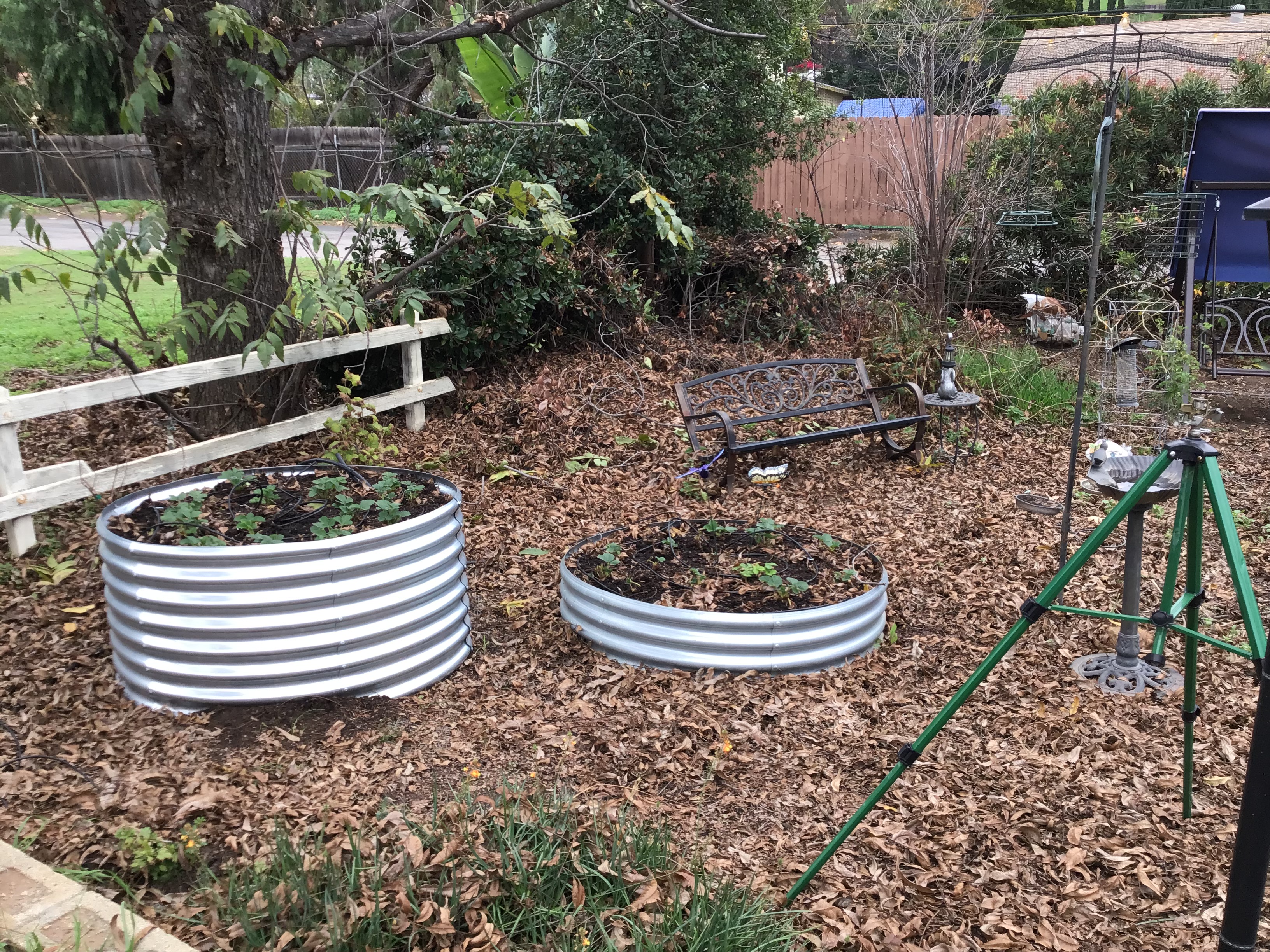
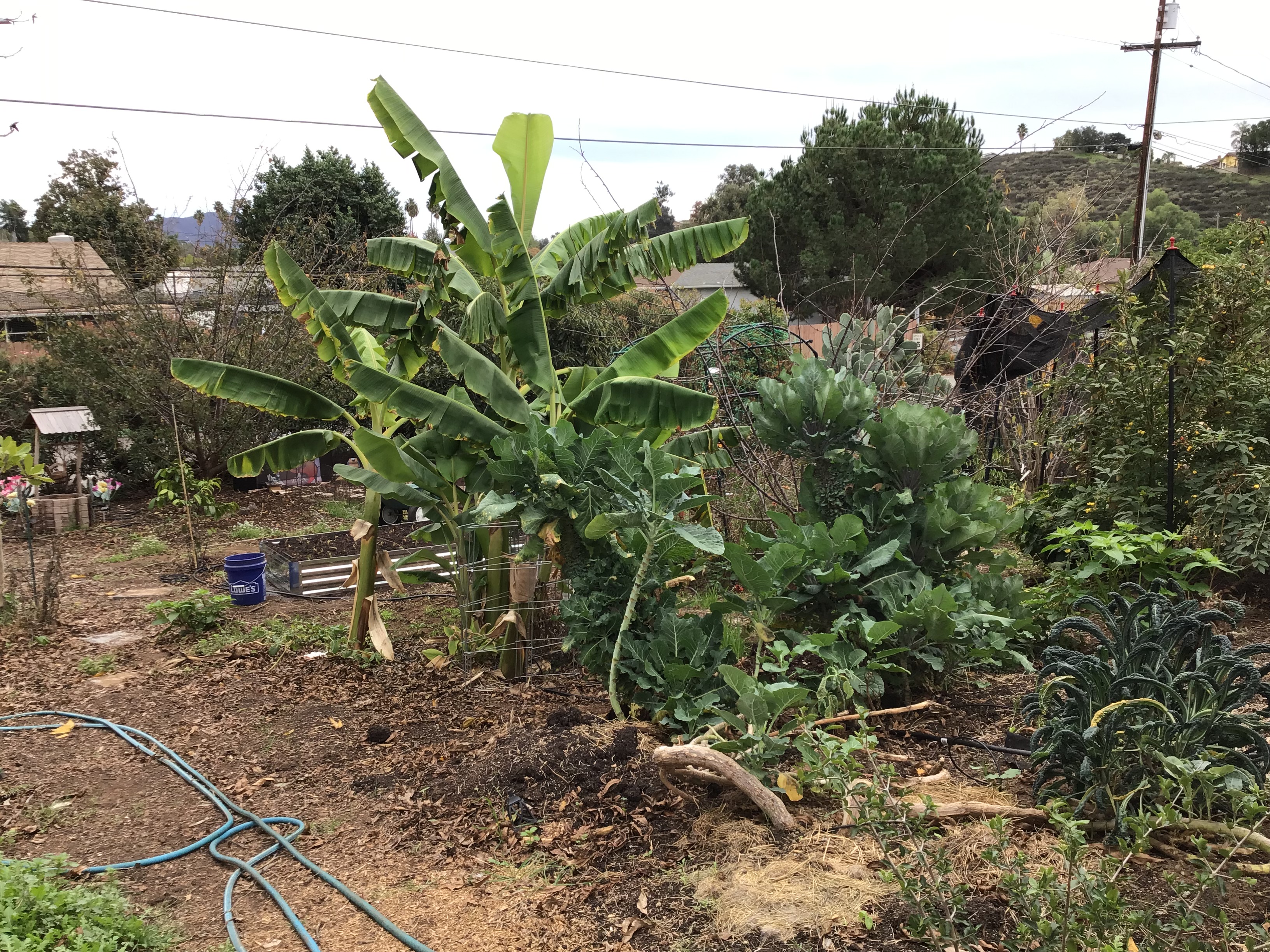

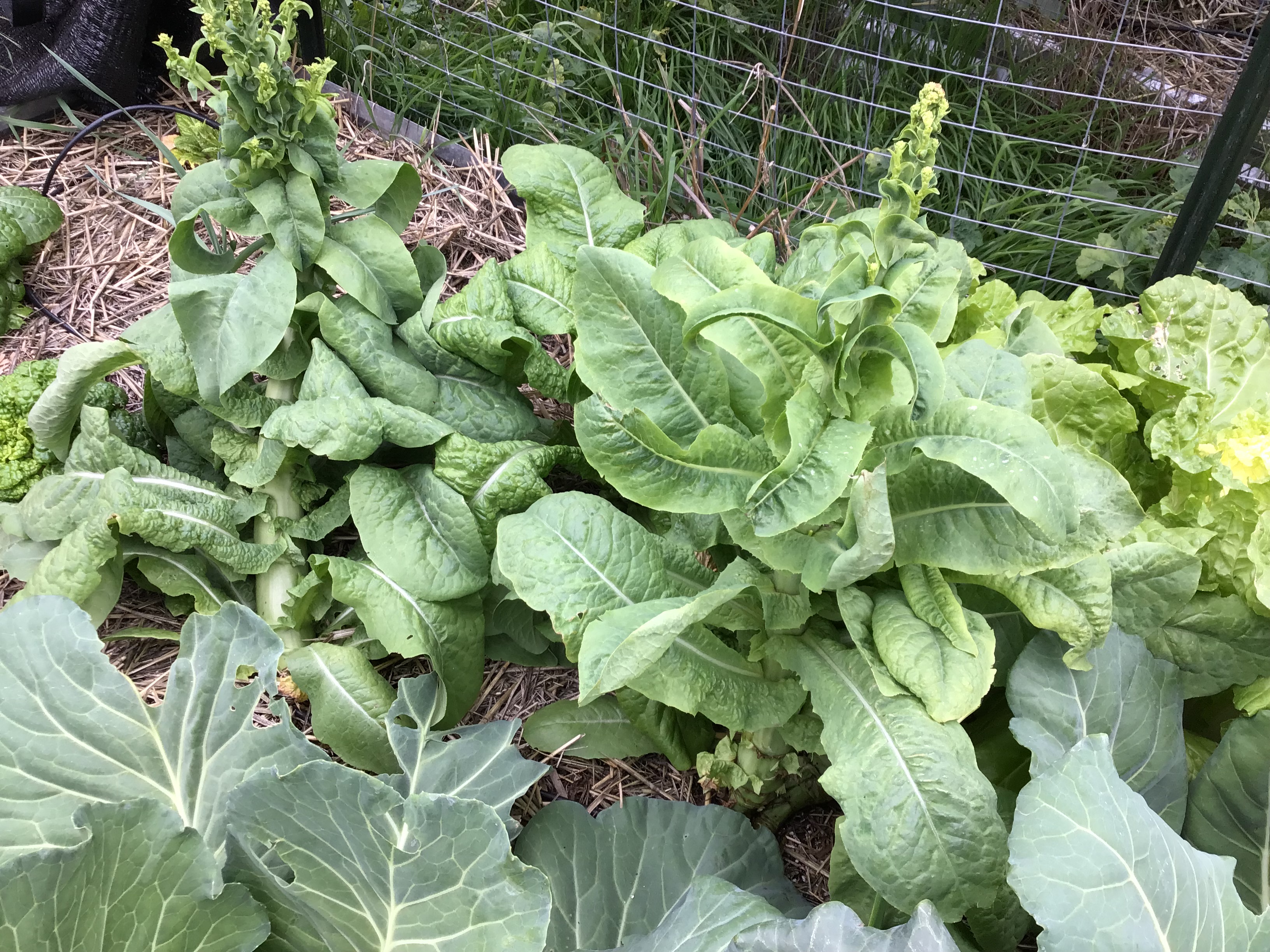
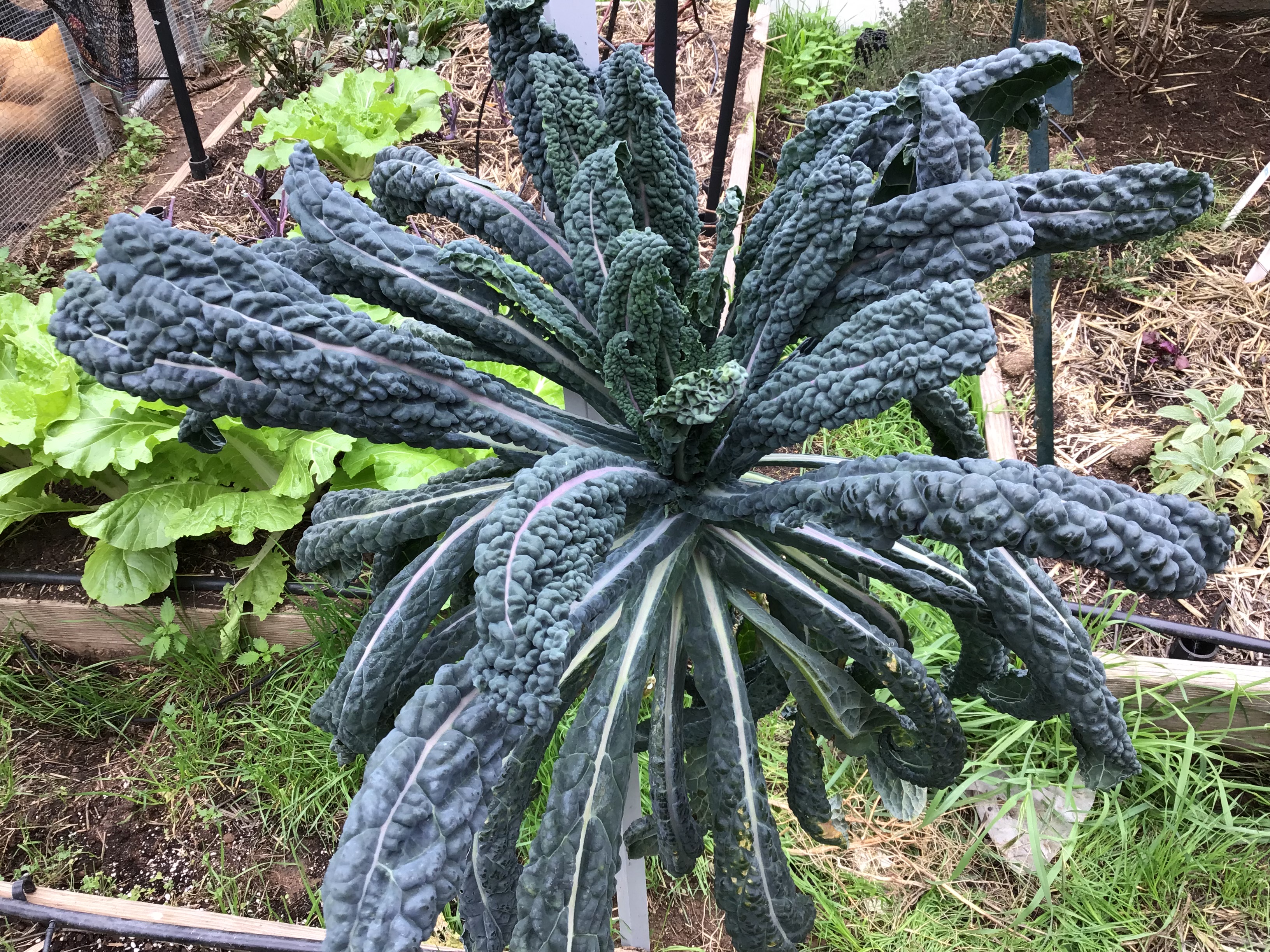
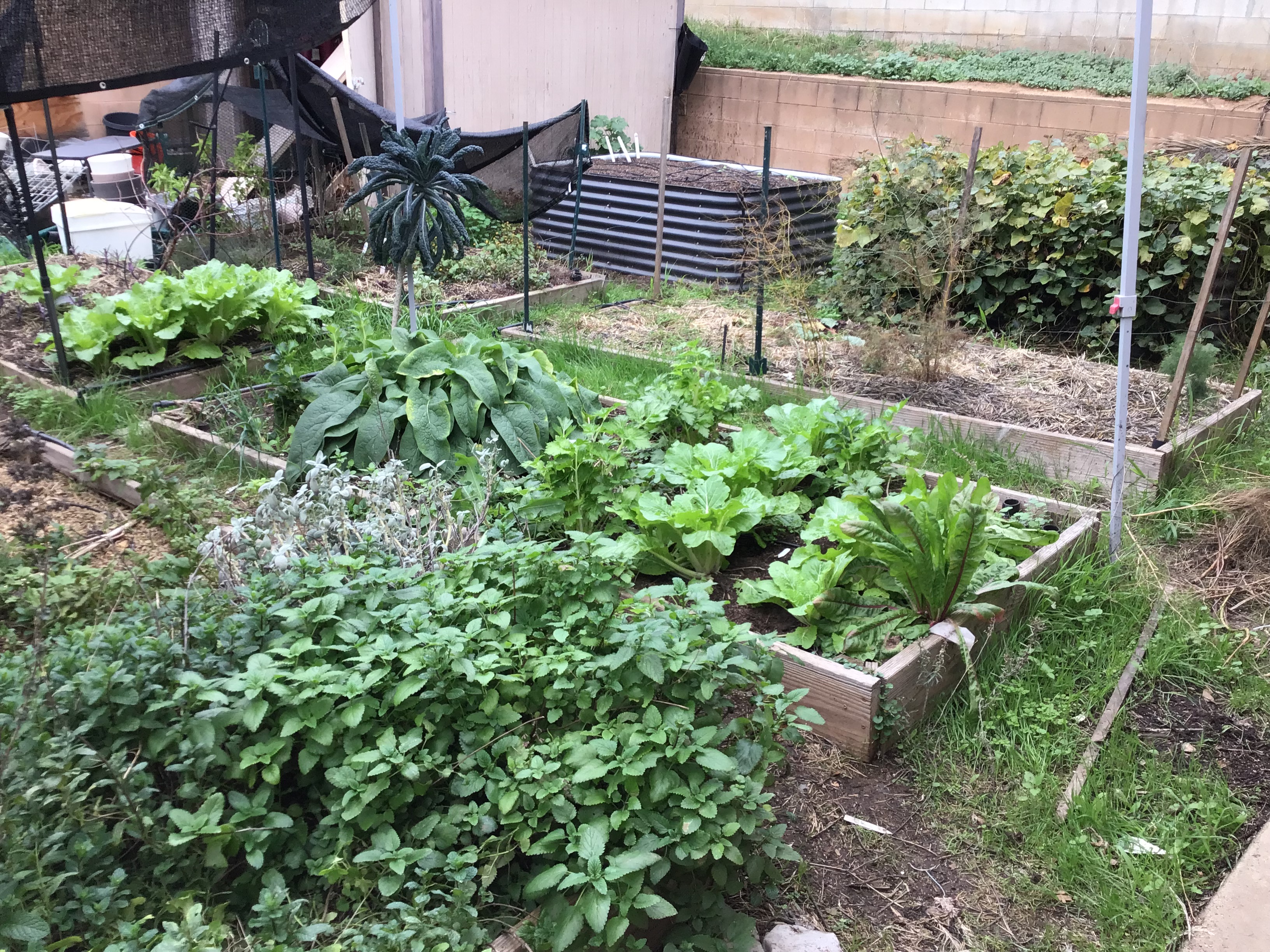
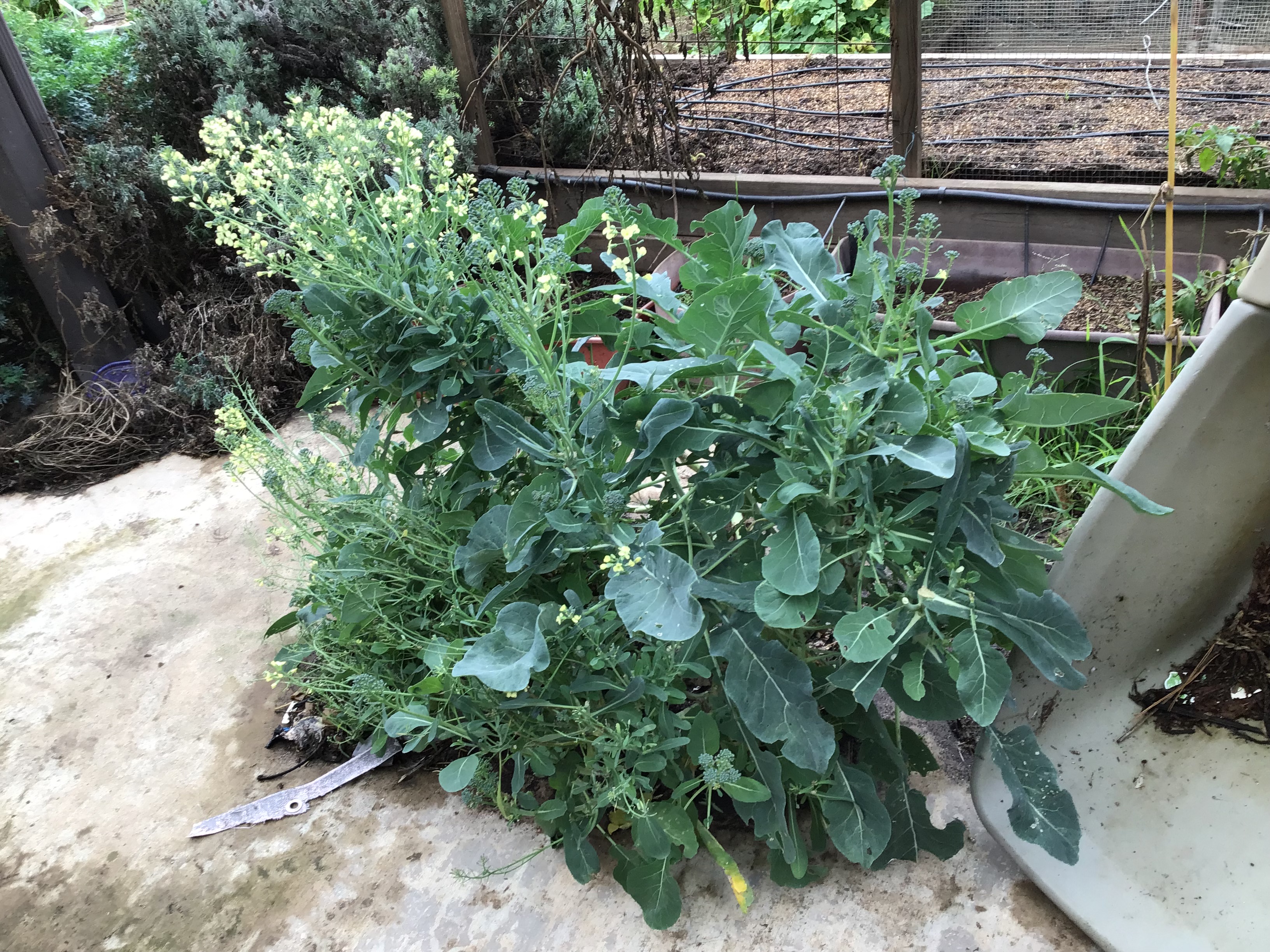
Live, love life holistically
6

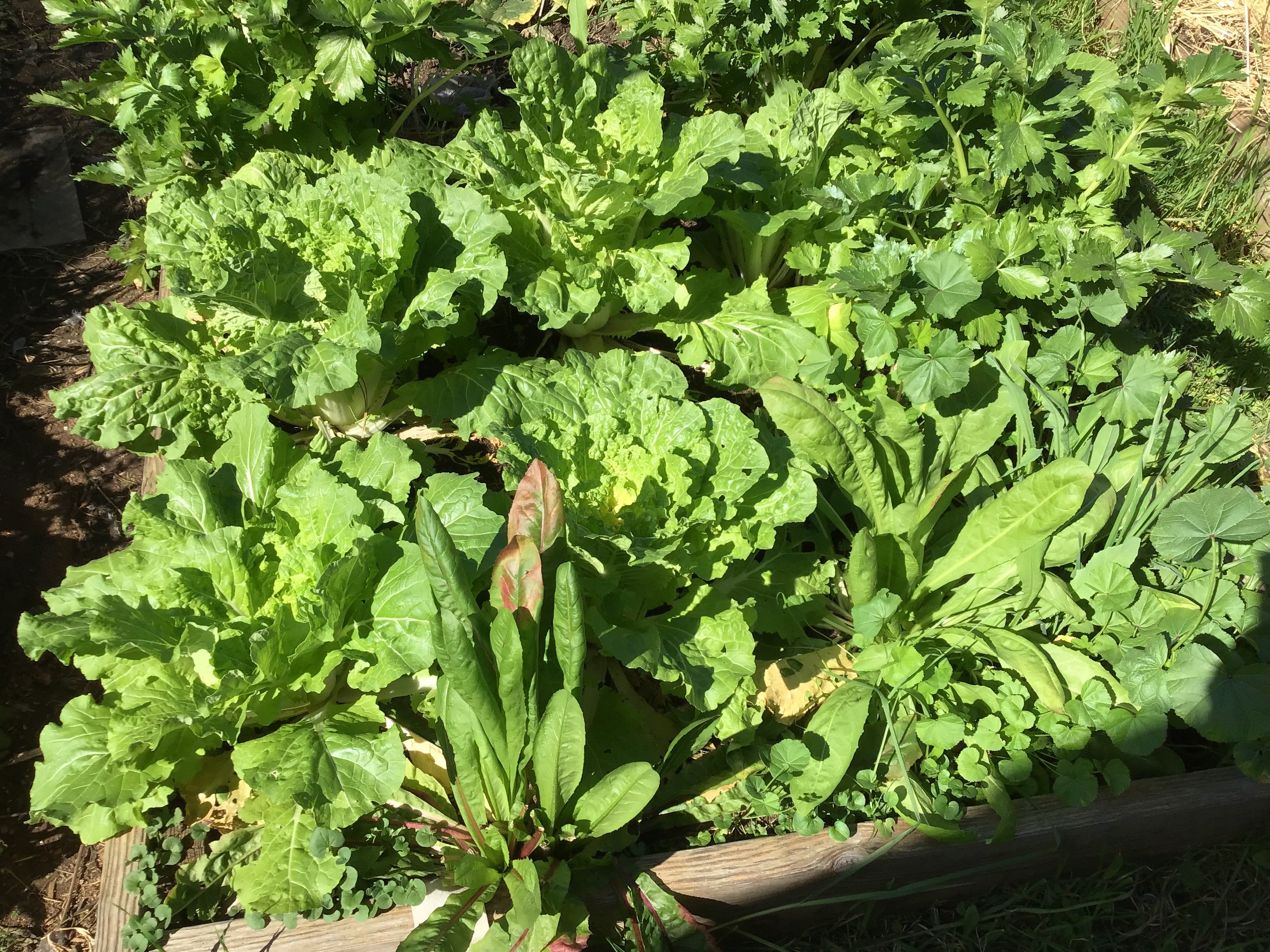
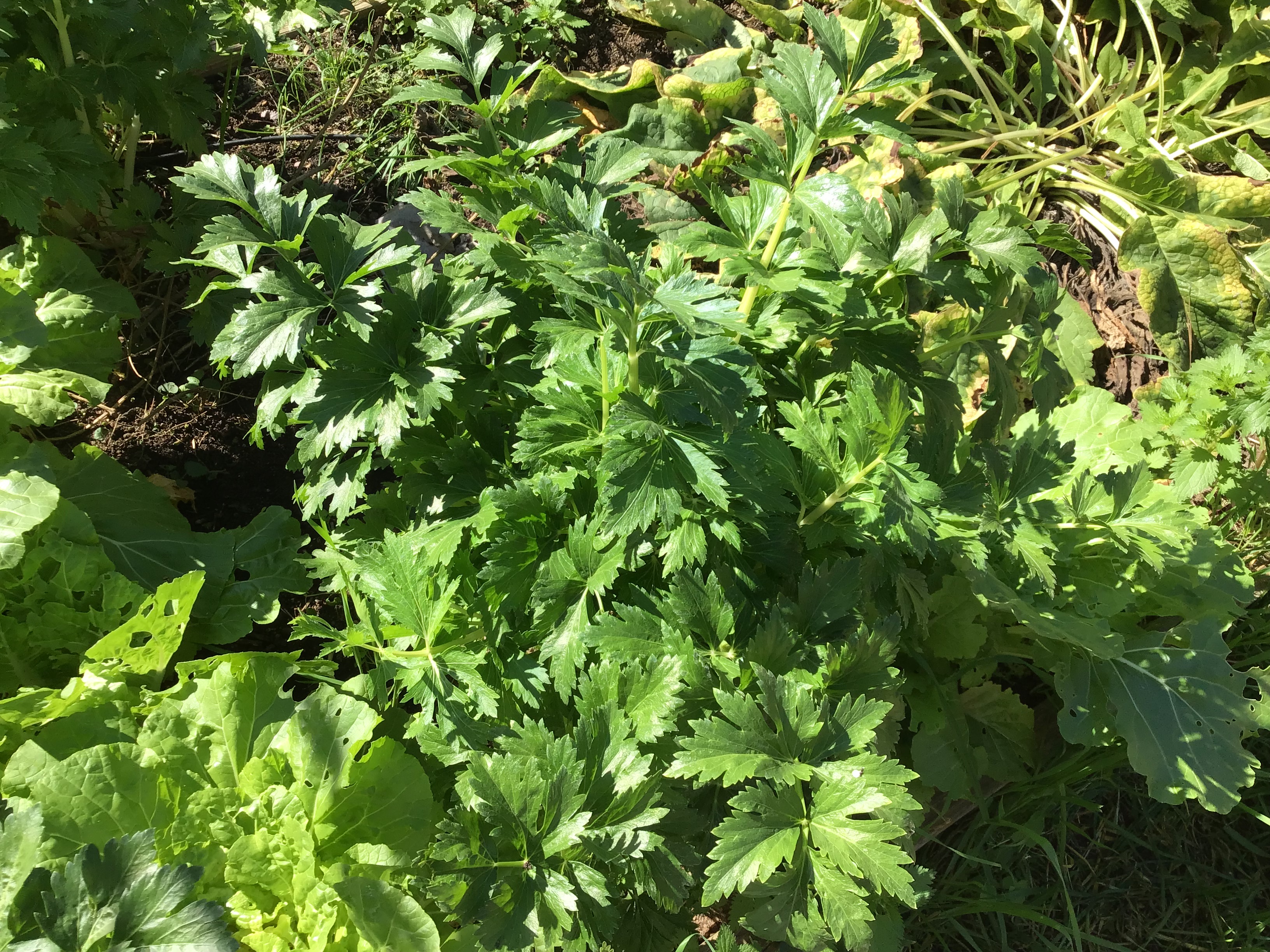
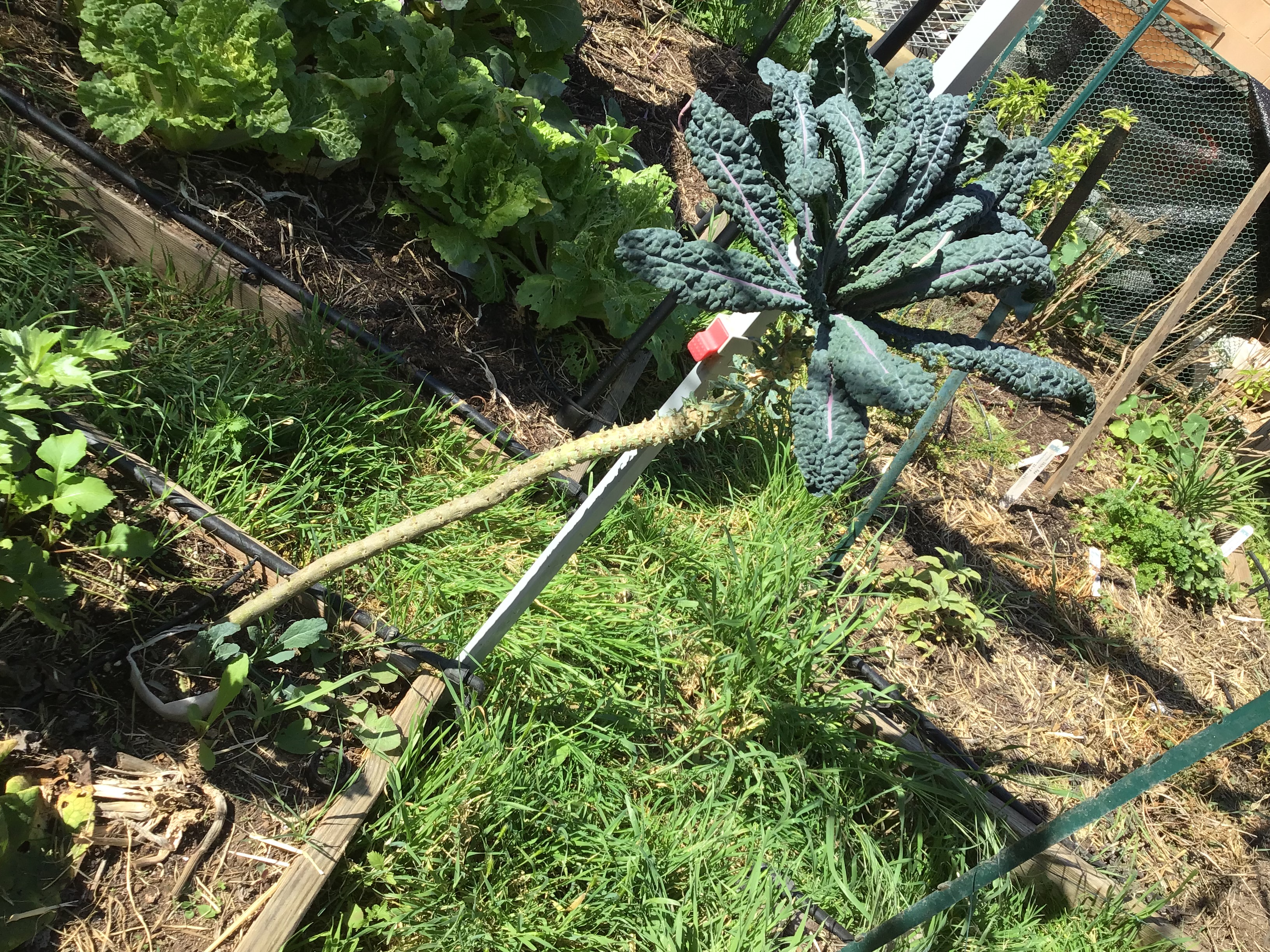
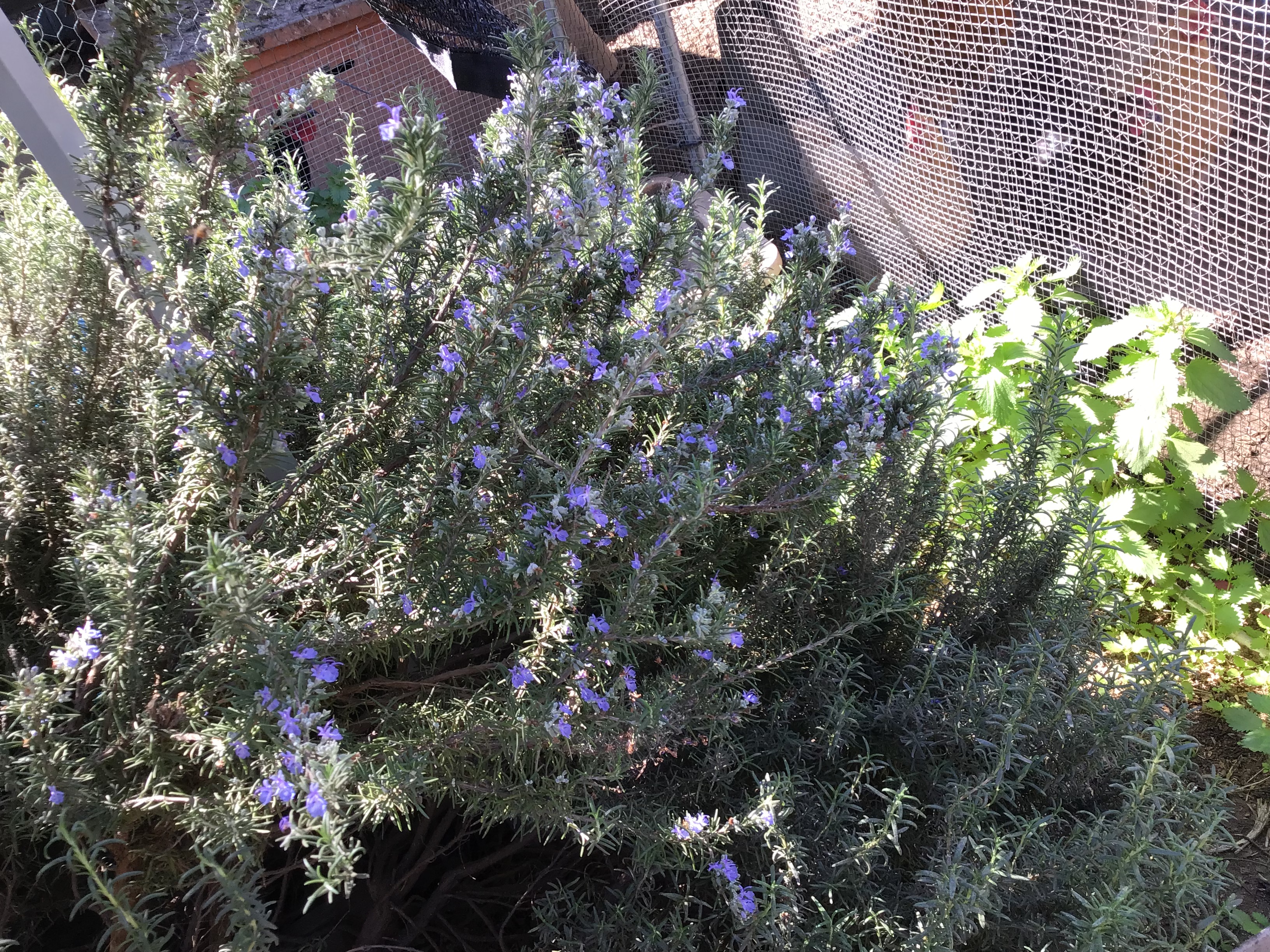
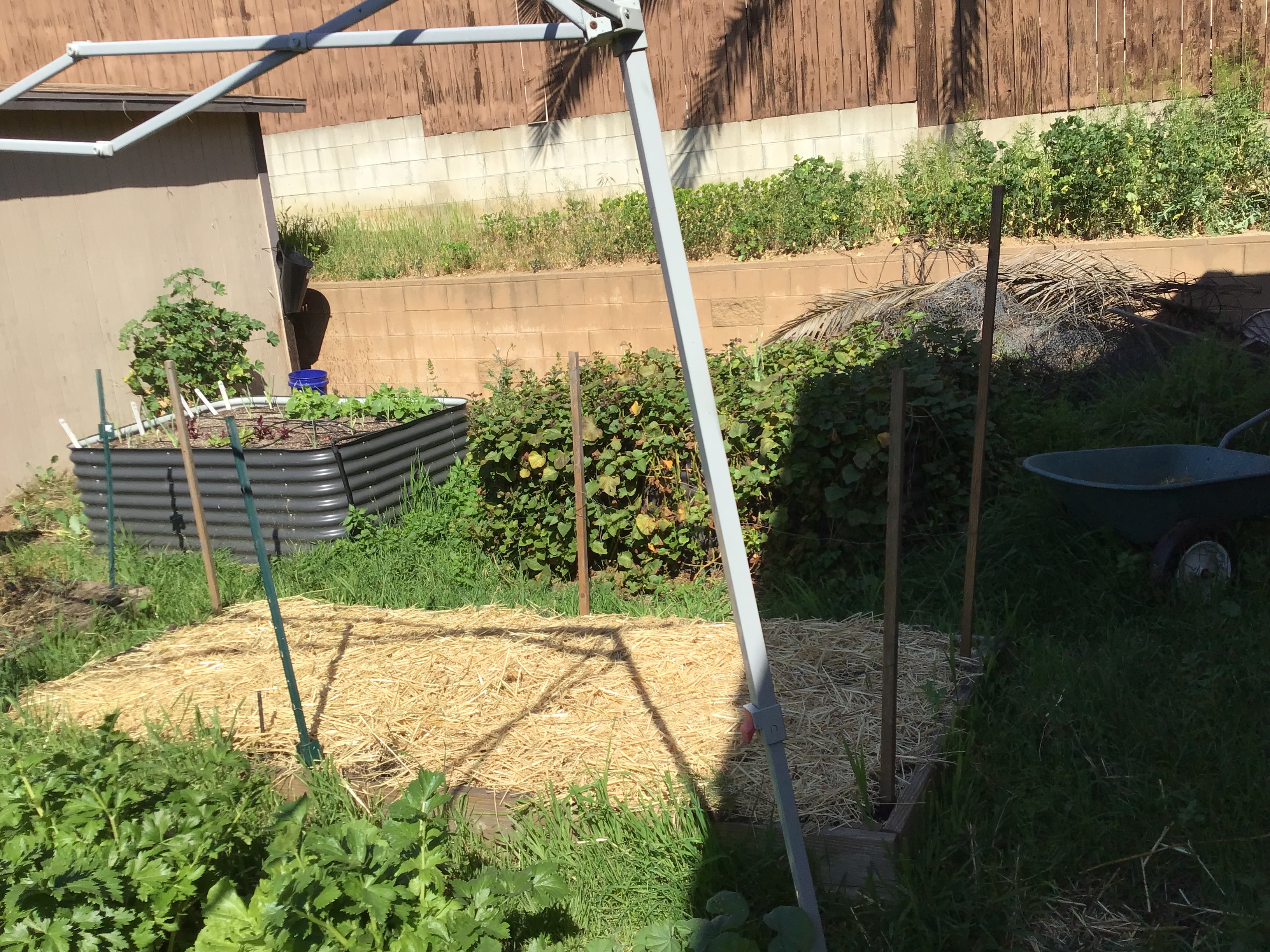

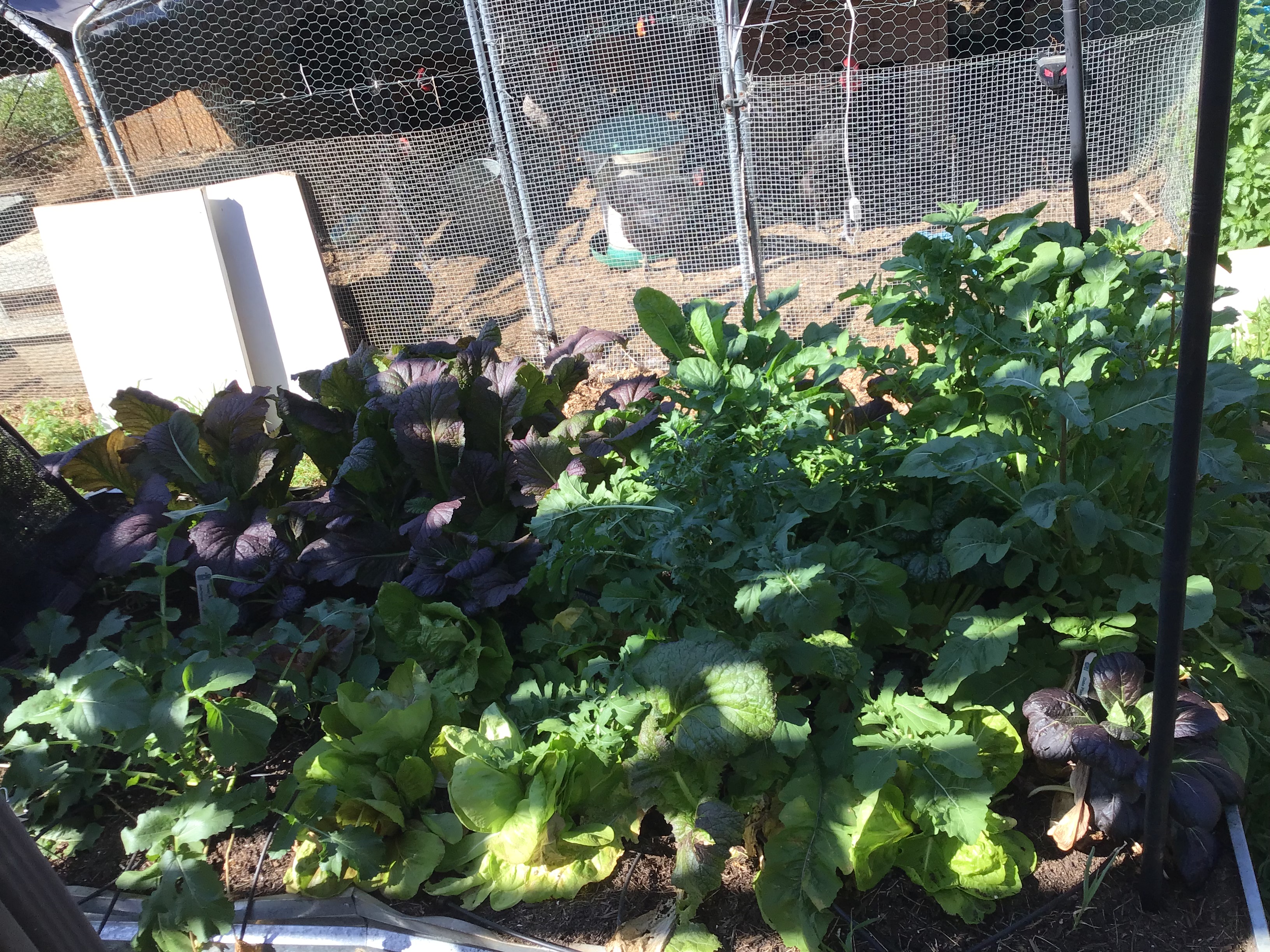
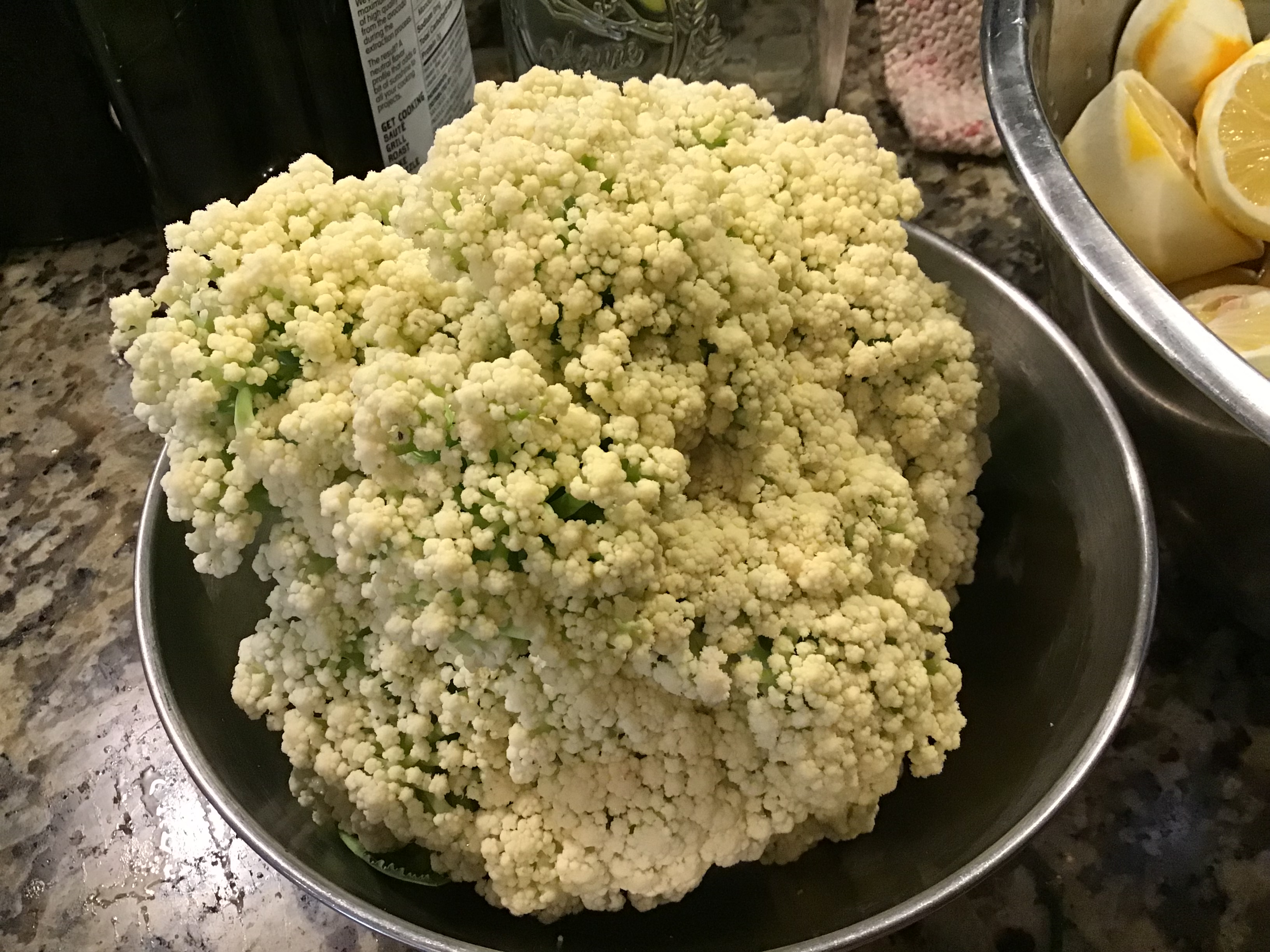
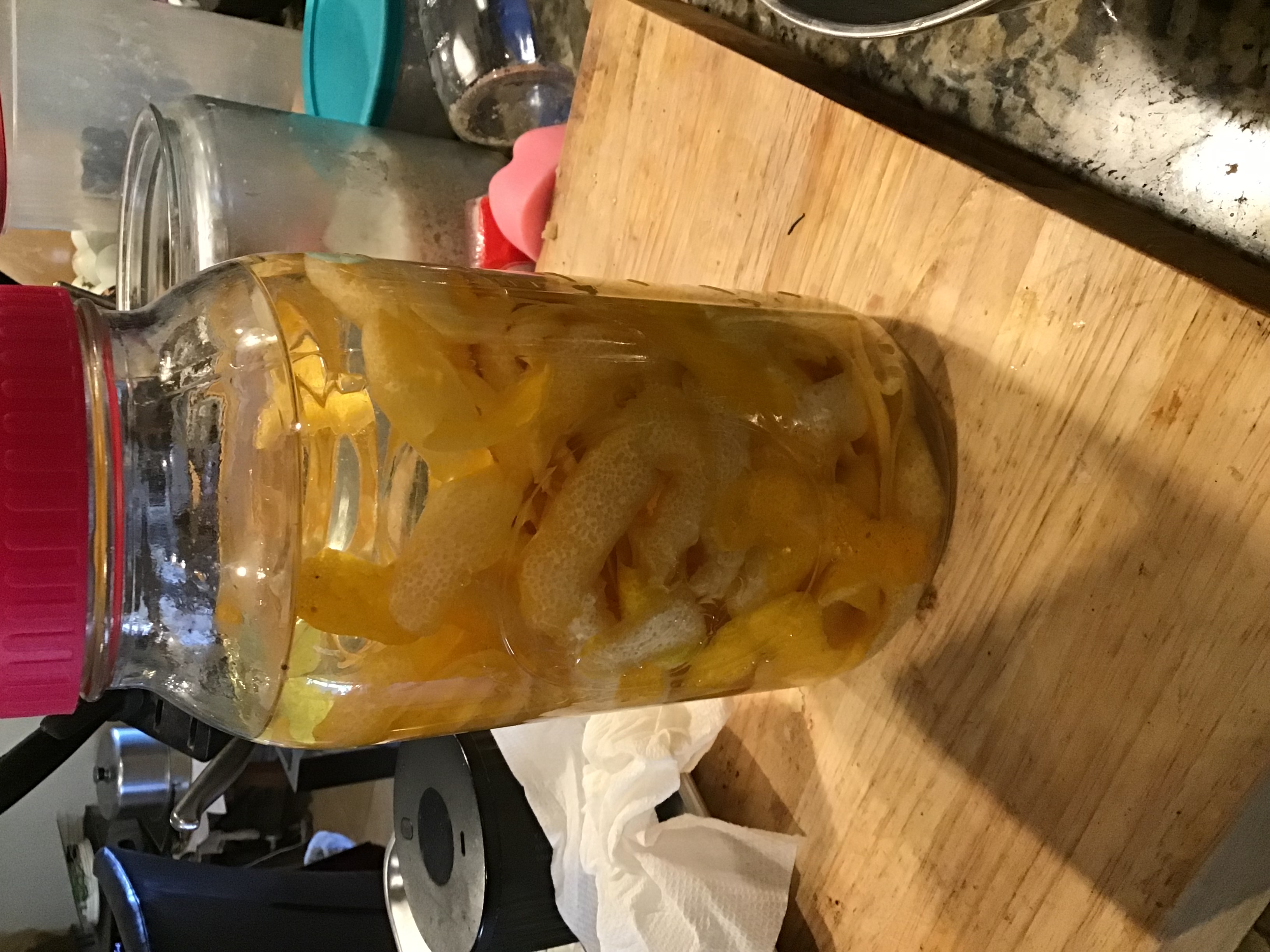


Live, love life holistically
Celtic/fantasy/folk/shanty singing at Renaissance faires, fantasy festivals, and other events in OR and WA, USA.
RionaTheSinger on youtube.
Pop-up garden/vintage+ yard stand owner.

| I agree. Here's the link: https://woodheat.net |