
• Post Reply Bookmark Topic Watch Topic
  • New Topic
permaculture forums growies critters building homesteading energy monies kitchen purity ungarbage community wilderness fiber arts art permaculture artisans regional education skip experiences global resources cider press projects digital market permies.com pie forums private forums all forums
this forum made possible by our volunteer staff, including ...
master stewards:
  • Carla Burke
  • John F Dean
  • Nancy Reading
  • r ransom
  • Jay Angler
  • Timothy Norton
stewards:
  • paul wheaton
  • Pearl Sutton
  • Anne Miller
master gardeners:
  • Christopher Weeks
  • M Ljin
gardeners:
  • Jim Garlits
  • thomas rubino
  • William Bronson

Three Sisters Year 4

 
Thom Bri
pollinator
Posts: 976
Location: Illinois
229
  • Likes 7
  • Mark post as helpful
  • send pies
    Number of slices to send:
    Optional 'thank-you' note:
  • Quote
  • Report post to moderator

Ac Baker wrote:This is so fascinating. "Do what you find works for you" is great advice.

I was wondering, what's your latitude?

I think we are too far polewards (N for us) for Three Sisters.  Plus we have too many visiting badgers for sweetcorn or maize.

But I'm still intrigued by your polyculture with volunteers, rather than rotated monocropping.

Best of luck.


42.12722° N
Where are you? The high latitudes get longer summer days, so with seed adapted to the latitude, it might work.

Animals are a problem. My beekeeper friends up north build some impressive fences, then electrify them.
 
Thom Bri
pollinator
Posts: 976
Location: Illinois
229
  • Likes 5
  • Mark post as helpful
  • send pies
    Number of slices to send:
    Optional 'thank-you' note:
  • Quote
  • Report post to moderator
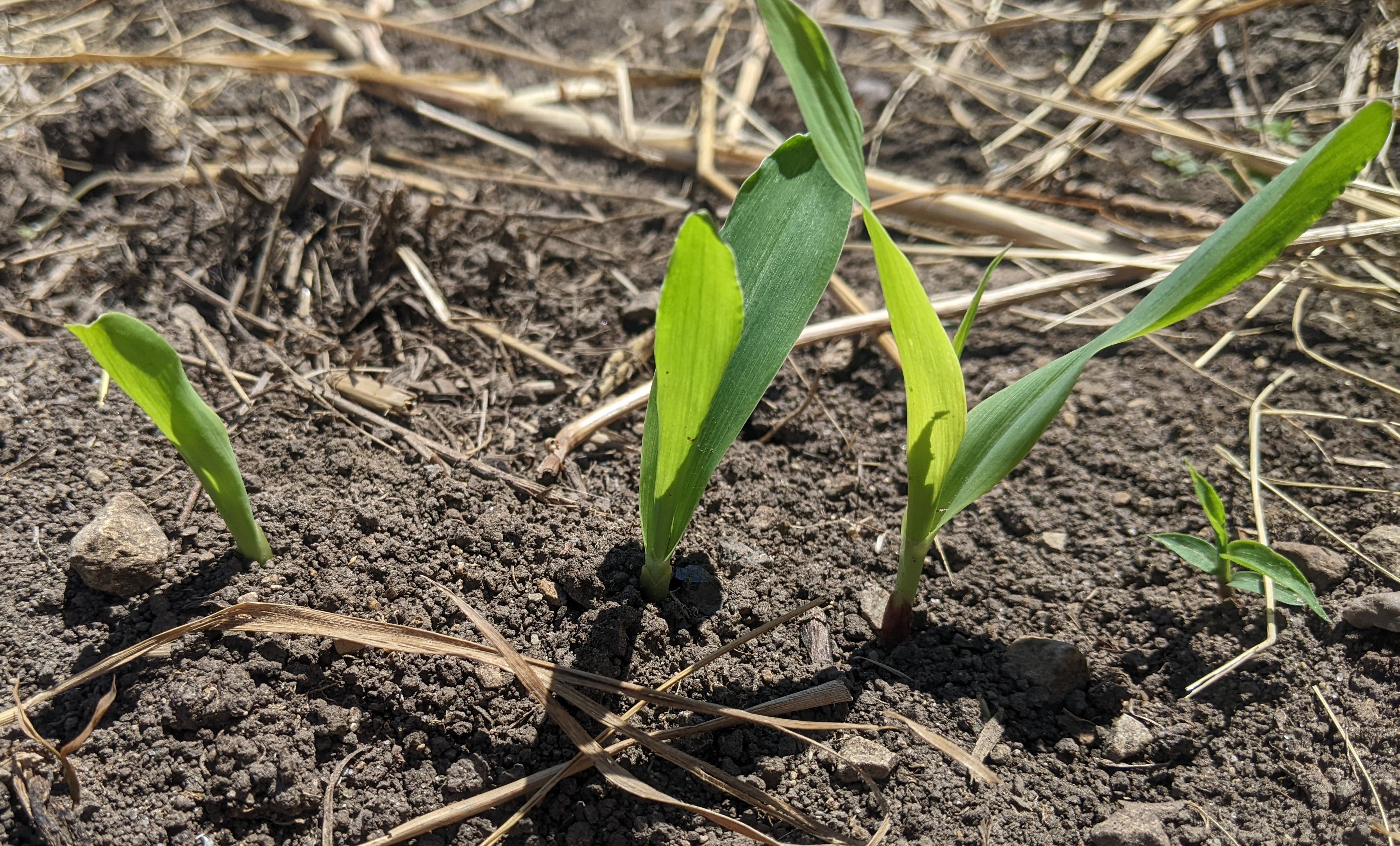
Maiz Morado, supposedly originated in the high Andes. It sprouts and seems to have good germination rates. Interested to see if it handles the day length here. I tried seeds from Guatemala once and they grew and grew, taller and taller but never set tassels or ears.
PXL_20260520_185322573.jpg
Maiz Morado sprouts
Maiz Morado sprouts
 
Thom Bri
pollinator
Posts: 976
Location: Illinois
229
  • Likes 7
  • Mark post as helpful
  • send pies
    Number of slices to send:
    Optional 'thank-you' note:
  • Quote
  • Report post to moderator
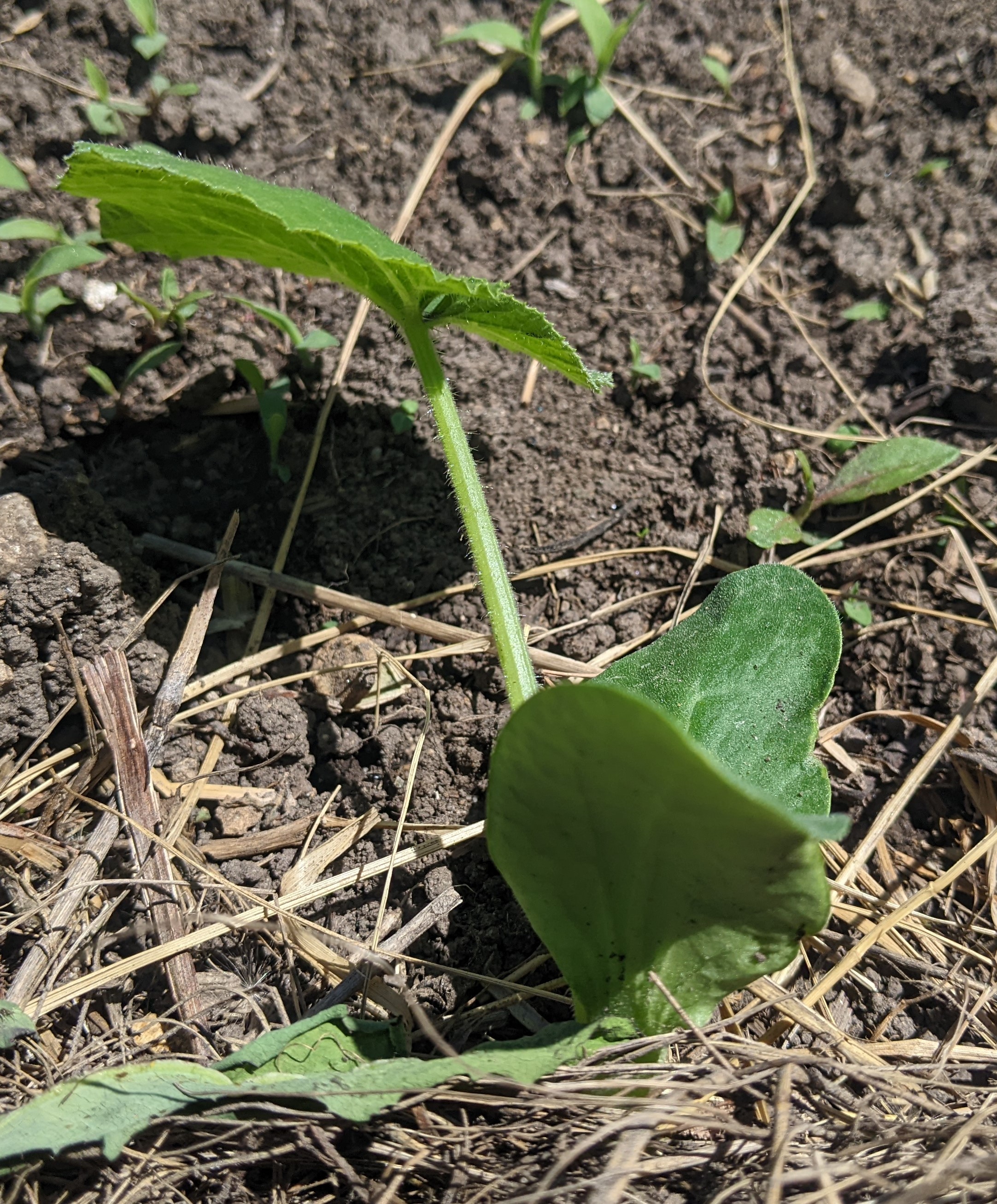
Volunteer pumpkin. Halloween pumpkins got tossed out and a mess of them grew, all tangled up together. I eliminated the excess.
Seeing various volunteers already. Beans, a tomato, sunflowers, marigolds.
PXL_20260520_185441850.jpg
Pumpkin
Pumpkin
 
Thom Bri
pollinator
Posts: 976
Location: Illinois
229
  • Likes 8
  • Mark post as helpful
  • send pies
    Number of slices to send:
    Optional 'thank-you' note:
  • Quote
  • Report post to moderator
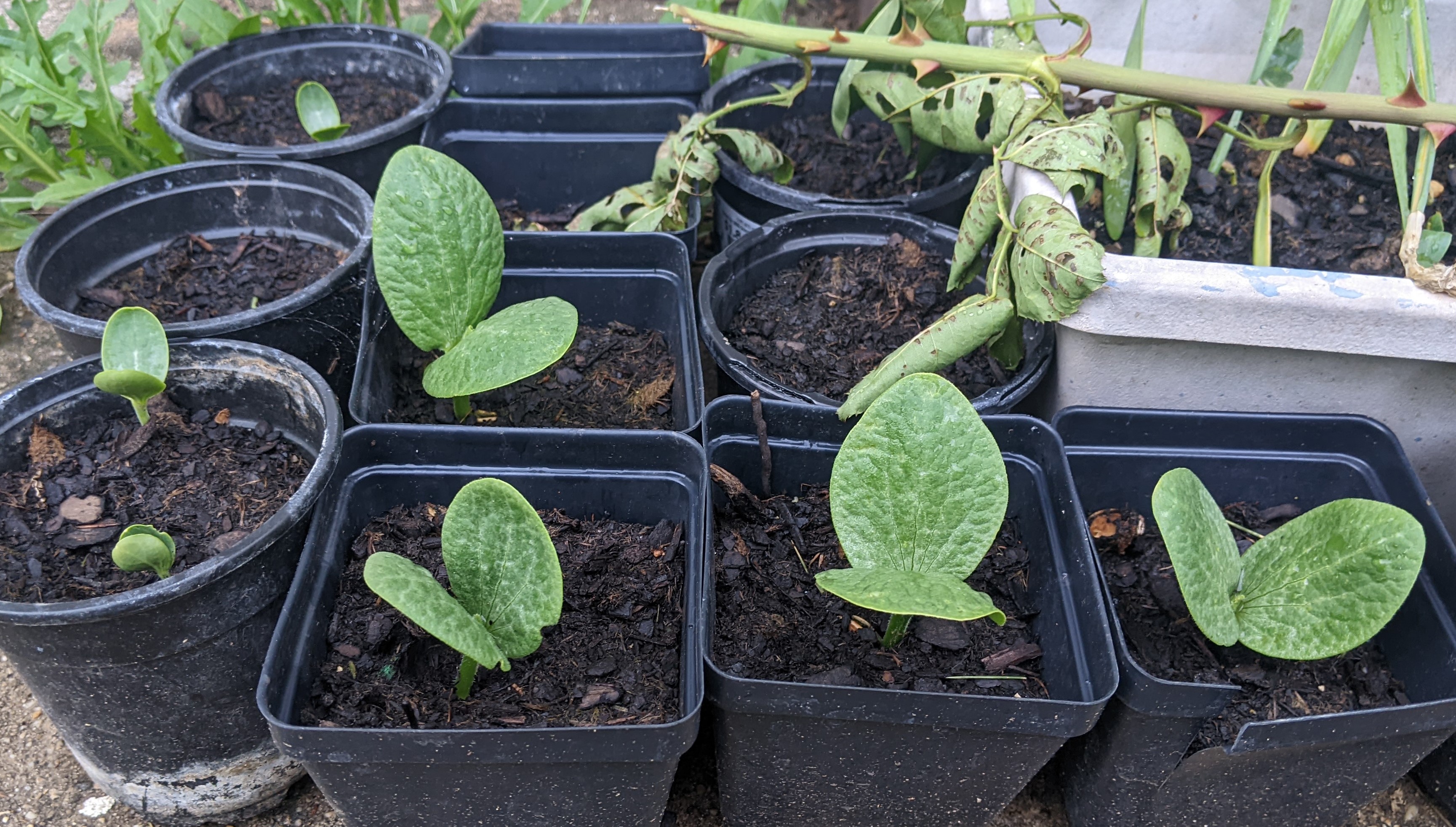
Getting ready for transplants. Watermelon.
The watermelon is purchased seed. I had seeds saved year after year descended from Moon and Stars mixed with various other seeds. A few years ago I had complete crop failure, then what few seeds I had left failed last year, so I had to buy seeds. Sad.
PXL_20260524_001443930.jpg
Watermelon sprouts
Watermelon sprouts
 
Thom Bri
pollinator
Posts: 976
Location: Illinois
229
  • Likes 8
  • Mark post as helpful
  • send pies
    Number of slices to send:
    Optional 'thank-you' note:
  • Quote
  • Report post to moderator
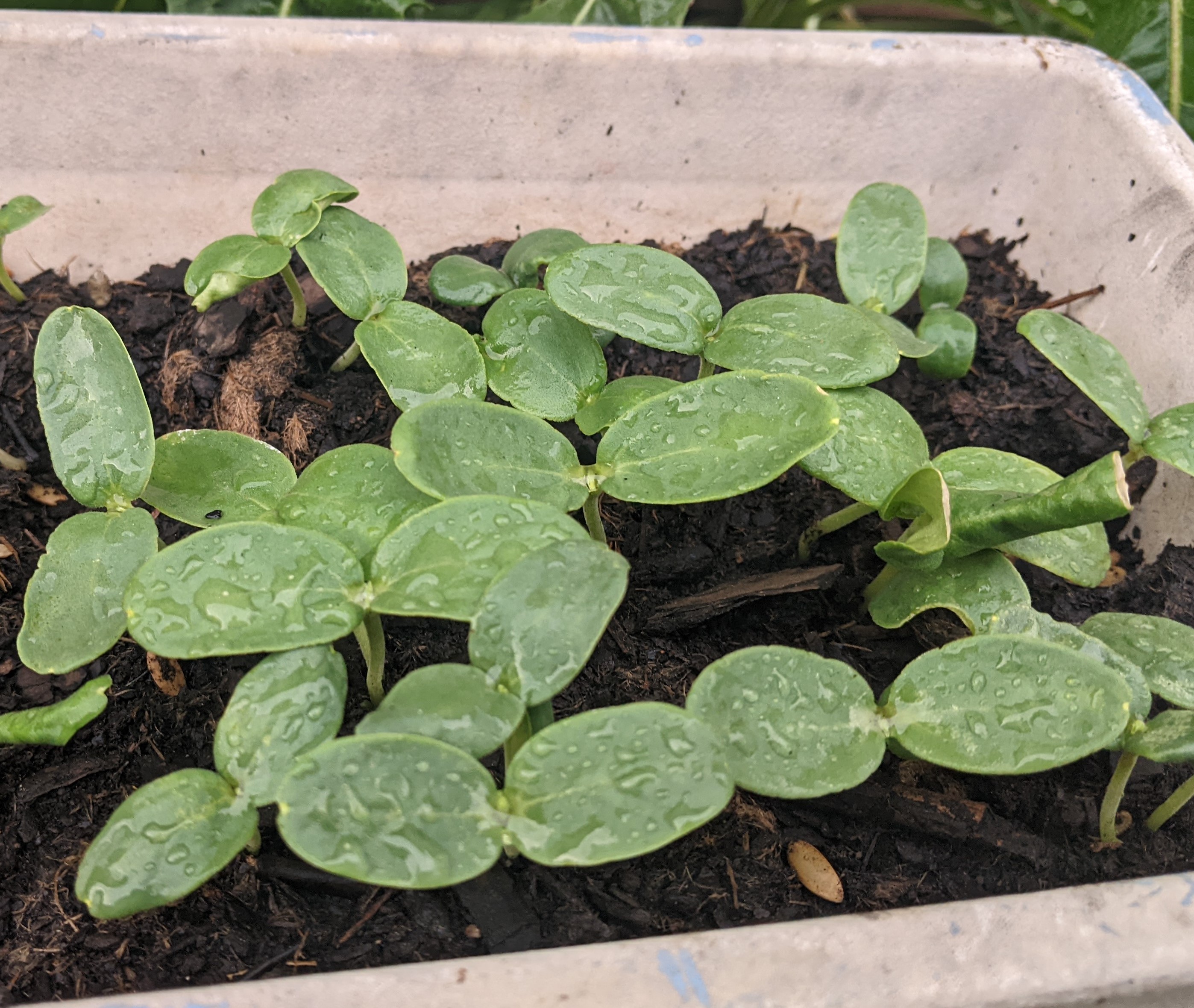
And cantaloupe. I plant lots and lots of cantaloupe and save seeds from anything good. It's a weird mix of types. Some seeds go right in the ground, others in pots. Both ways seem to work.
PXL_20260524_001451273.jpg
Cantaloupe sprouts
Cantaloupe sprouts
 
Thom Bri
pollinator
Posts: 976
Location: Illinois
229
  • Likes 5
  • Mark post as helpful
  • send pies
    Number of slices to send:
    Optional 'thank-you' note:
  • Quote
  • Report post to moderator
Current garden, lots of weeds. Very dry. I recorded 7 inches rain in April, but only 8/10" in May. And very little rain in the forecast for the coming week. Surprisingly, things are sprouting, corn, beans, a few cantaloupe and squash. Working on covering the hills with mulches and removing weeds that are too close to the corn hills.
PXL_20260529_210303583.jpg
[Thumbnail for PXL_20260529_210303583.jpg]
 
Thom Bri
pollinator
Posts: 976
Location: Illinois
229
  • Likes 7
  • Mark post as helpful
  • send pies
    Number of slices to send:
    Optional 'thank-you' note:
  • Quote
  • Report post to moderator
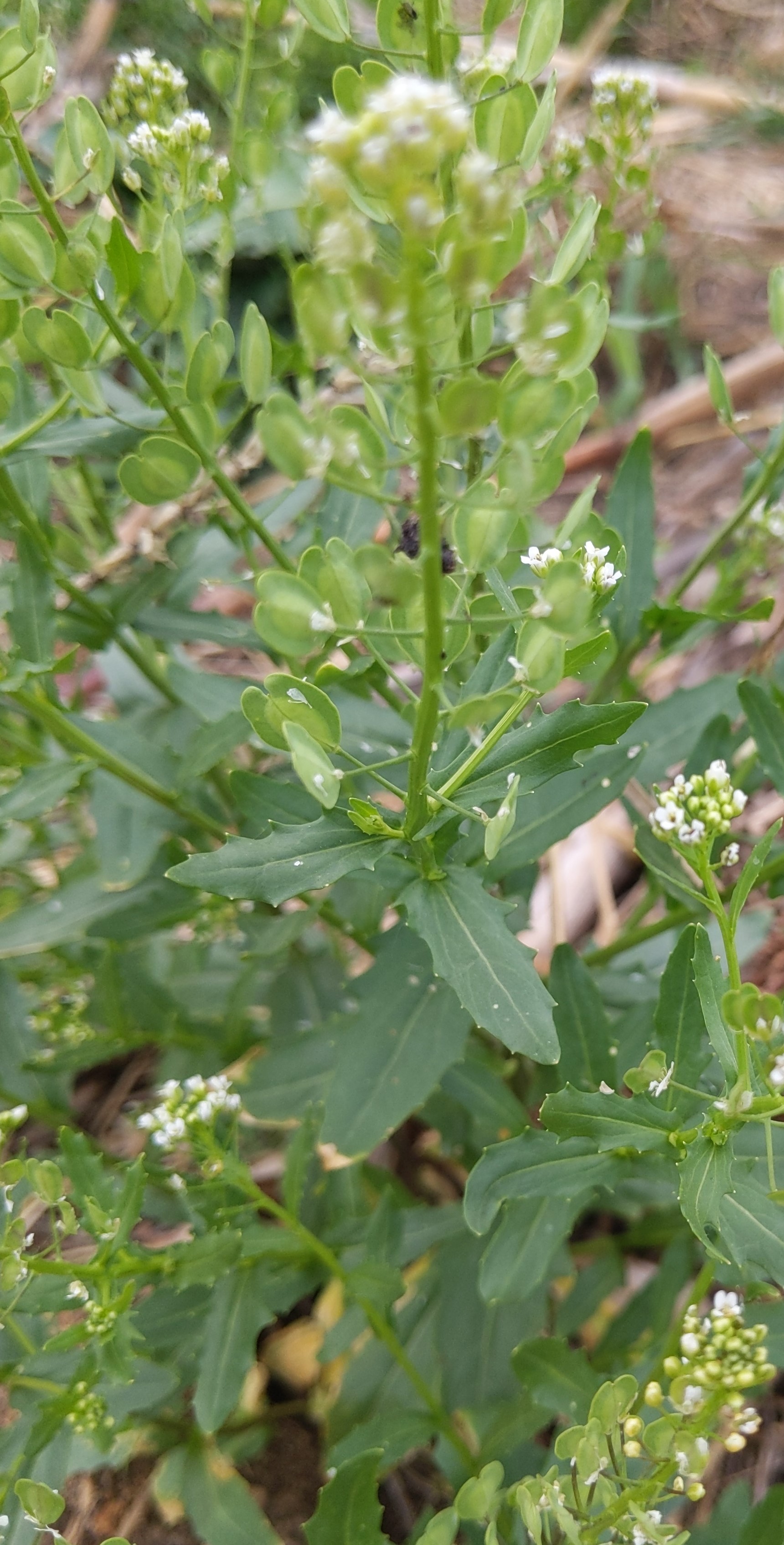
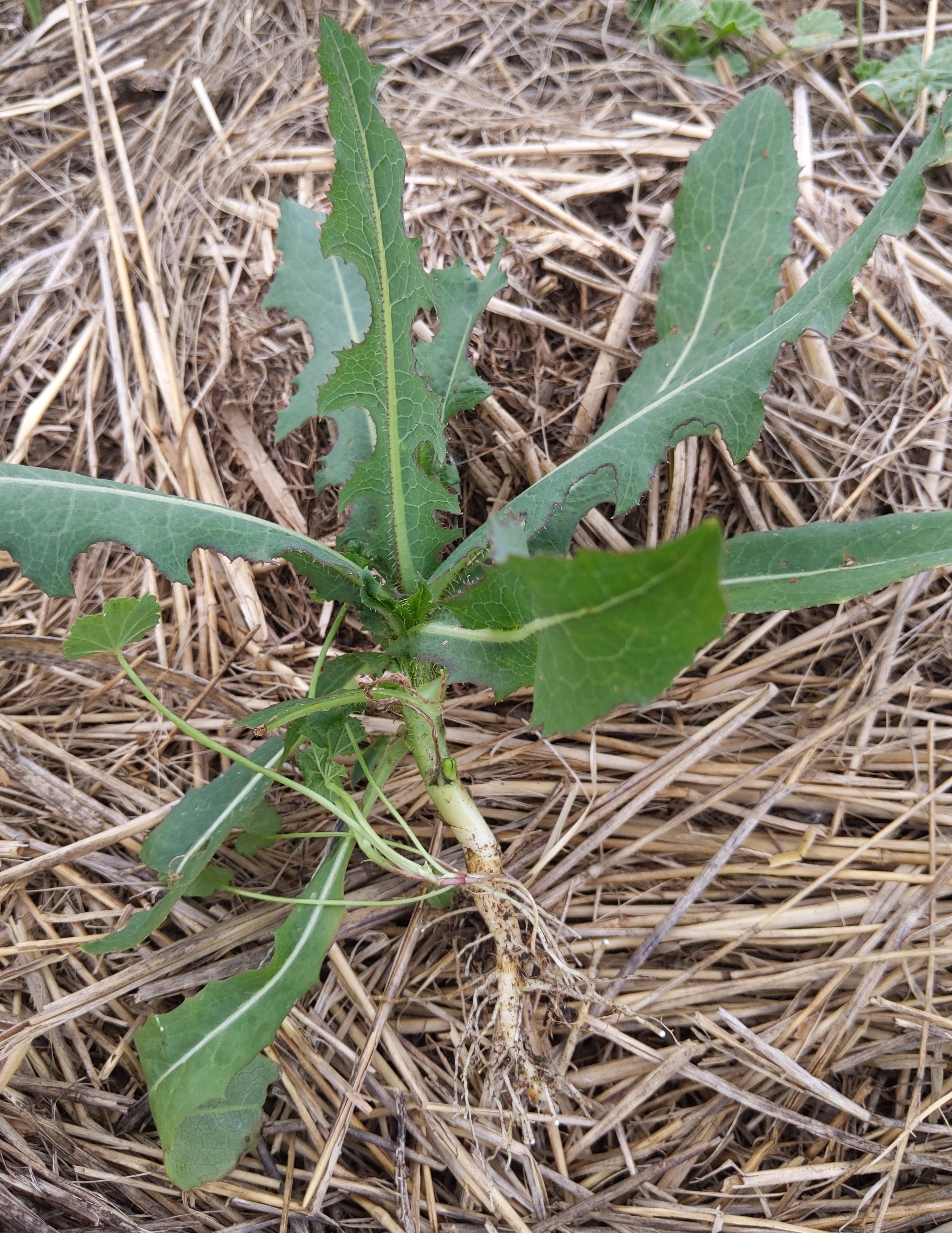
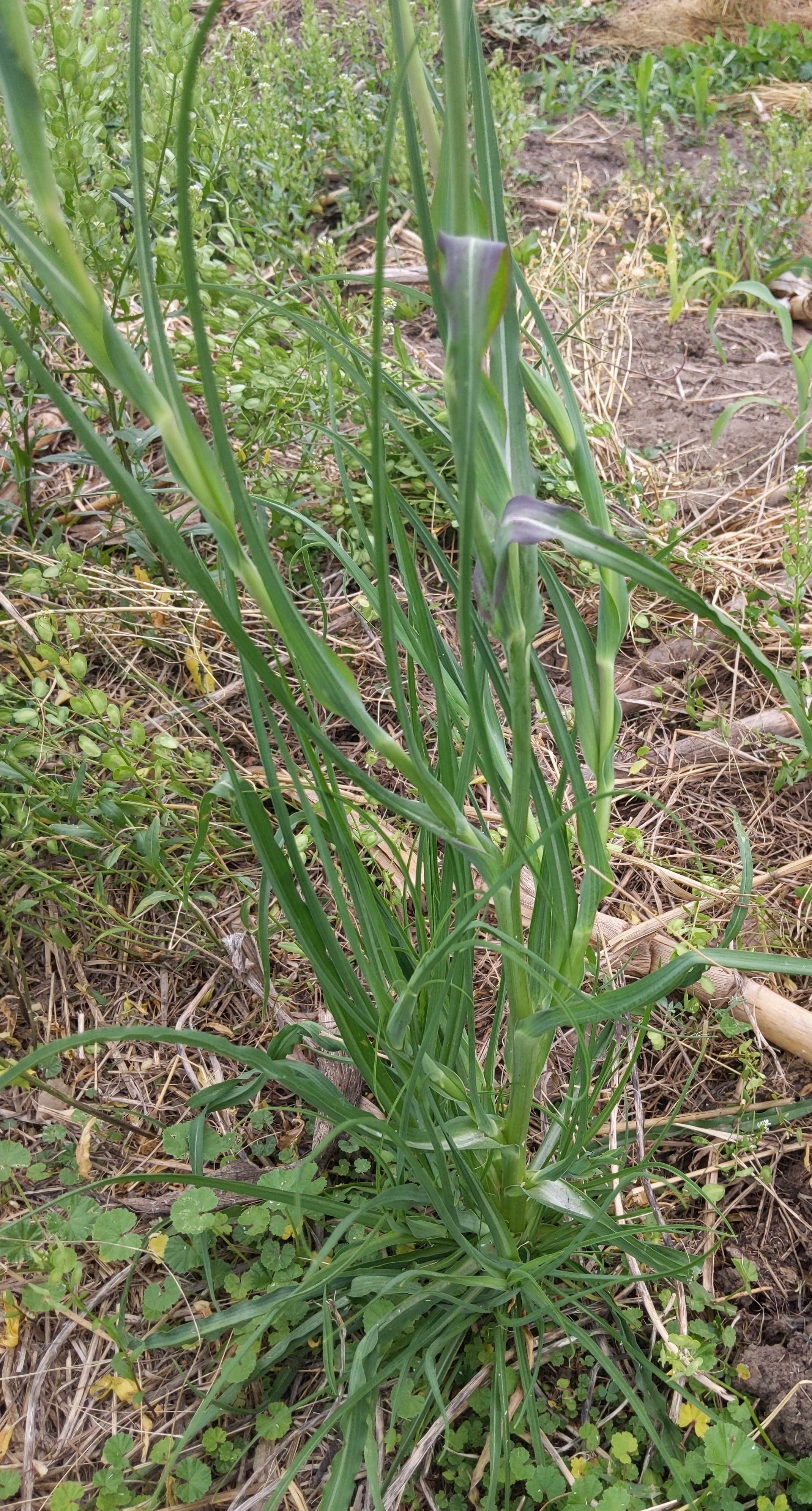
Some common weeds:
I use the plant.net app.
Common pennycress, Thlaspi arvense
This one is very common in the spring garden. It grows 1-2 feet tall and is easily pulled by hand. I use it for mulch.

2026-05-29T17_07_14-05_00.JPEG
Common Pennycress
Common Pennycress
 
Thom Bri
pollinator
Posts: 976
Location: Illinois
229
  • Likes 7
  • Mark post as helpful
  • send pies
    Number of slices to send:
    Optional 'thank-you' note:
  • Quote
  • Report post to moderator
Lactuca serriola, prickly lettuce. This one develops a deep tap root and grows 3-4 feet tall. To remove it requires a shovel and getting the tap root out. I pull when young and cut off just below the soil surface when older. It quickly grows back. Makes a useful mulch, like dandelion it can be cut many times over the season for more mulch. I try to remove it if it is close to the corn hills, otherwise let it grow back for a reusable mulch plant.
Pic shows whole plant including tap root.
2026-05-29T17_08_19-05_00.JPEG
Prickly Lettuce
Prickly Lettuce
 
Thom Bri
pollinator
Posts: 976
Location: Illinois
229
  • Likes 7
  • Mark post as helpful
  • send pies
    Number of slices to send:
    Optional 'thank-you' note:
  • Quote
  • Report post to moderator
Tragopogon dubius, Yellow Salsify.
Deep roots, very difficult to remove. Same as above, I mostly just cut it out at soil level and it regrows.
There are lots more, I may post more weeds as time permits. I keep the corn hills pretty clean of weeds, but don't worry too much about the gaps between the hills except to remove or cut back taller weeds that shade the crops. When the corn is taller most everything will get covered with hay mulch anyway.

2026-05-29T17_10_20-05_00.JPEG
Yellow Salsify
Yellow Salsify
 
Thom Bri
pollinator
Posts: 976
Location: Illinois
229
  • Likes 8
  • Mark post as helpful
  • send pies
    Number of slices to send:
    Optional 'thank-you' note:
  • Quote
  • Report post to moderator
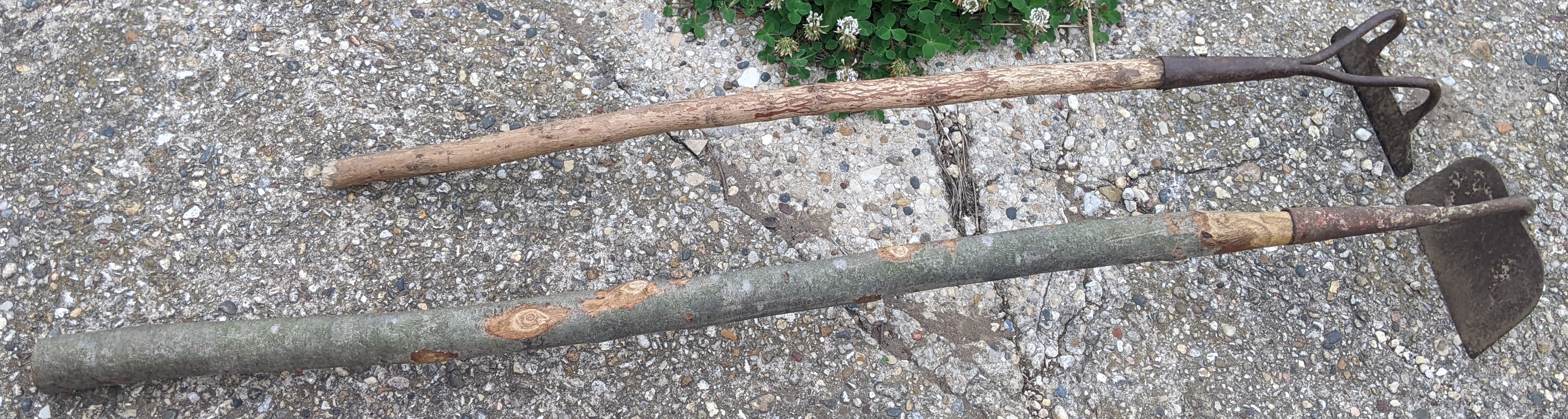
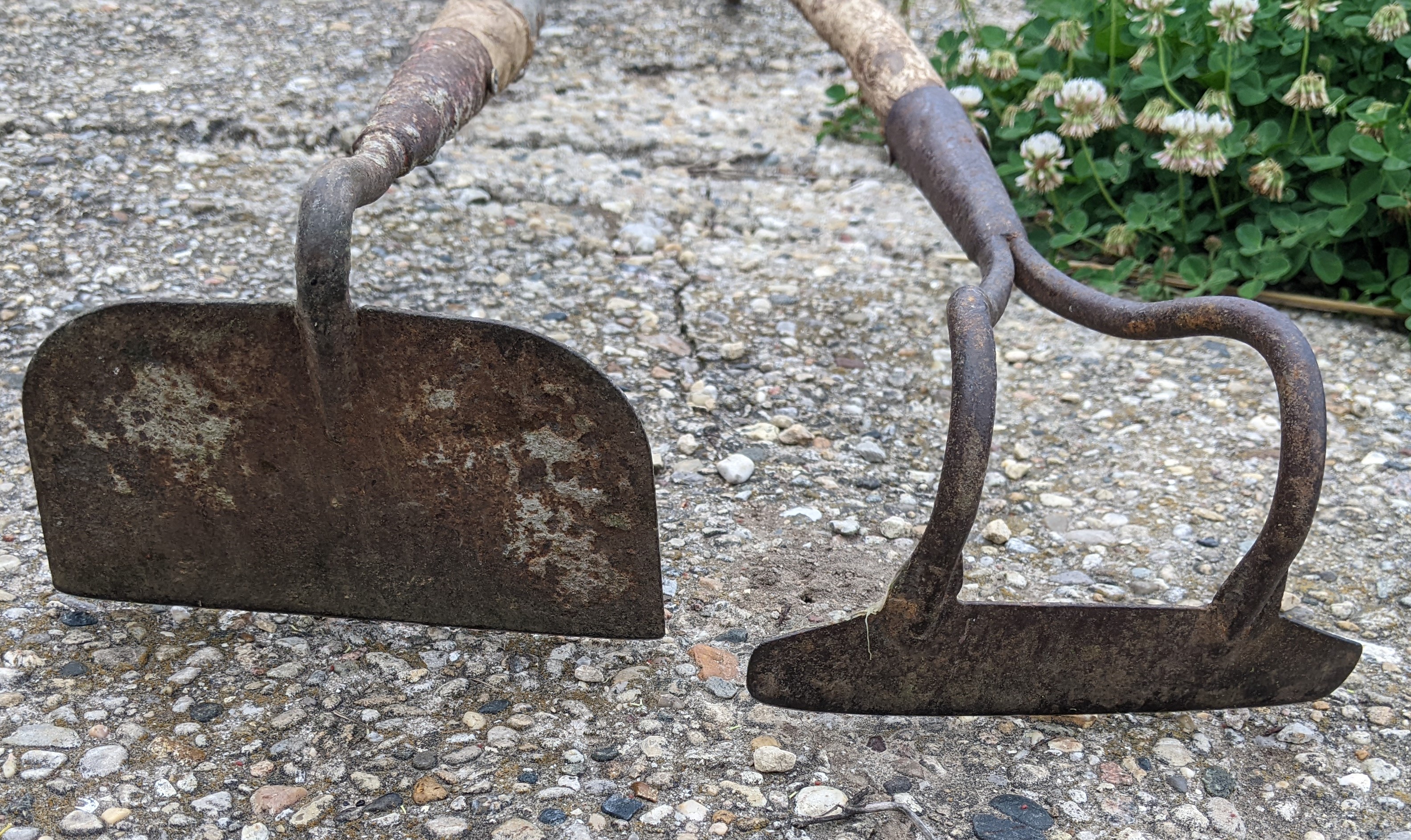
2 hoes I use. The slimmer hoe with 2 supports is one I used a a child 50-60 years ago. I appropriated it when my folks got too old to garden. My favorite, very light and easy to use and the slim blade is convenient for close weeding. I keep it sharp. The handle is, obviously, home made from a mulberry branch. At about 3 feet long and slim, it is perfect for one-handed use. I like a short handle a lot better than the long handles on most hoes you see.

The other one I found in my father's tool shed and made a handle for last week from a peach branch. I'll probably slim down that handle quite a bit but it worked Okay. About 4 feet long. I think my dad used it for working cement. Anyway it was caked with cement when I found it. My dad passed away a year ago and I have been gradually clearing out his tools. I use this one when I need to move dirt around, hilling the corn.
PXL_20260529_215923475.jpg
Hoe
Hoe
PXL_20260529_215944802.jpg
Hoe
Hoe
 
Thom Bri
pollinator
Posts: 976
Location: Illinois
229
  • Likes 6
  • Mark post as helpful
  • send pies
    Number of slices to send:
    Optional 'thank-you' note:
  • Quote
  • Report post to moderator
Corn, bean and cantaloupe. A bit too close together; eventually I'll decide which to pull out.
PXL_20260529_220121959.jpg
[Thumbnail for PXL_20260529_220121959.jpg]
 
Thom Bri
pollinator
Posts: 976
Location: Illinois
229
  • Likes 6
  • Mark post as helpful
  • send pies
    Number of slices to send:
    Optional 'thank-you' note:
  • Quote
  • Report post to moderator
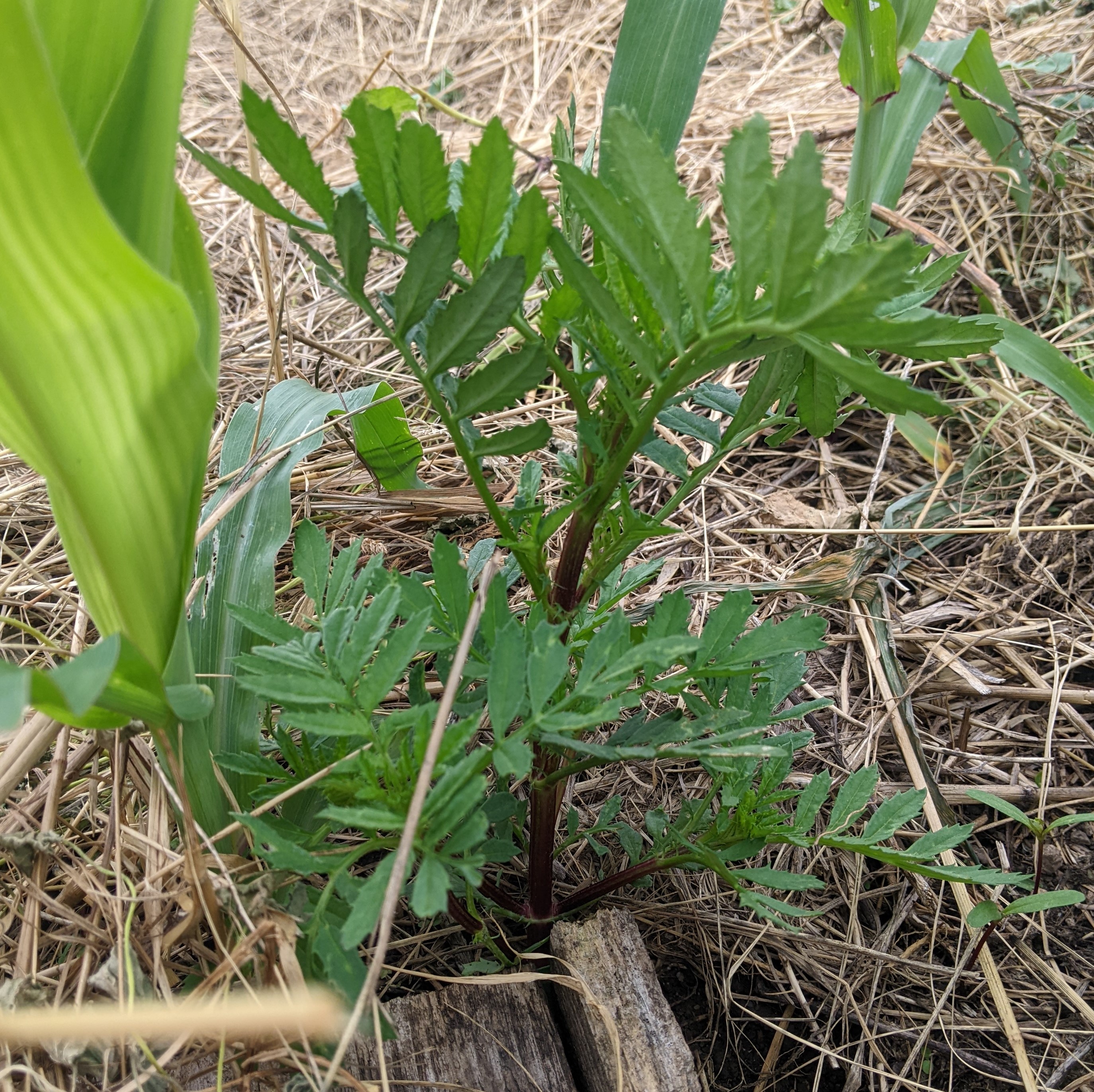
Some volunteers:
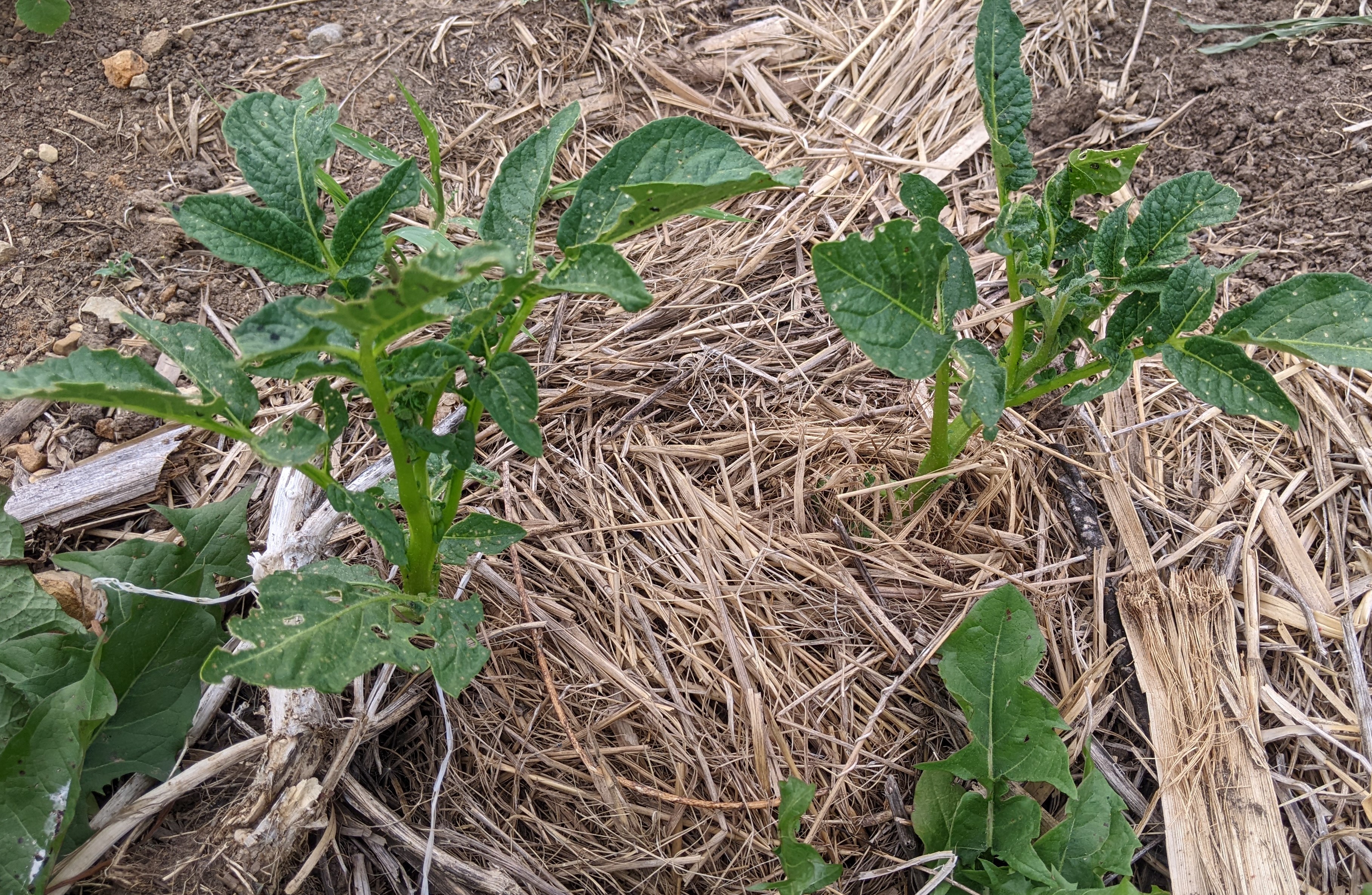
Surprised the potato survived the winter freeze. They usually don't.
PXL_20260529_220033762.jpg
Potato volunteer
Potato volunteer
 
Thom Bri
pollinator
Posts: 976
Location: Illinois
229
  • Likes 4
  • Mark post as helpful
  • send pies
    Number of slices to send:
    Optional 'thank-you' note:
  • Quote
  • Report post to moderator
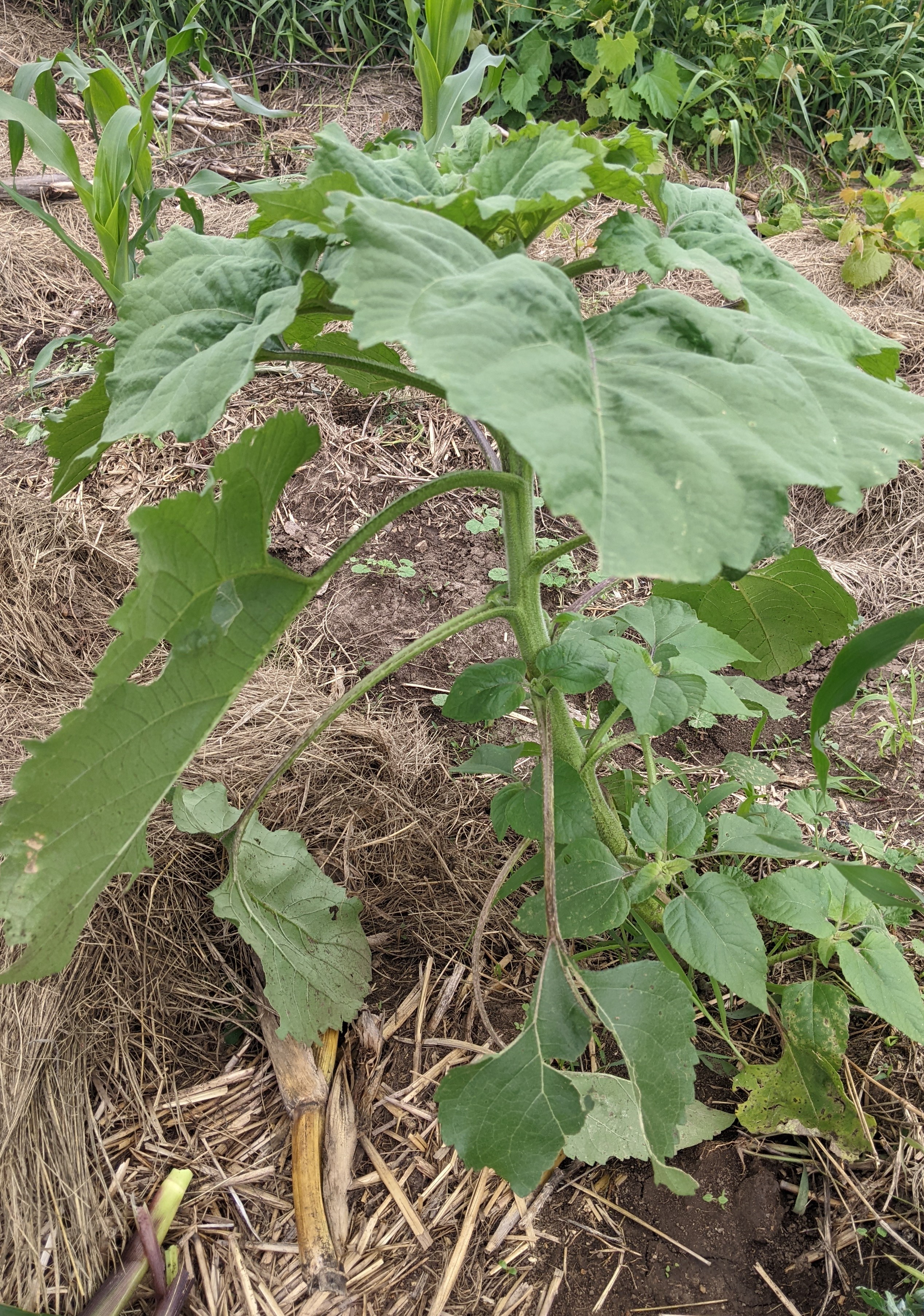
Tobacco. Comes back every year.
PXL_20260529_220101211.jpg
[Thumbnail for PXL_20260529_220101211.jpg]
 
Thom Bri
pollinator
Posts: 976
Location: Illinois
229
  • Likes 4
  • Mark post as helpful
  • send pies
    Number of slices to send:
    Optional 'thank-you' note:
  • Quote
  • Report post to moderator
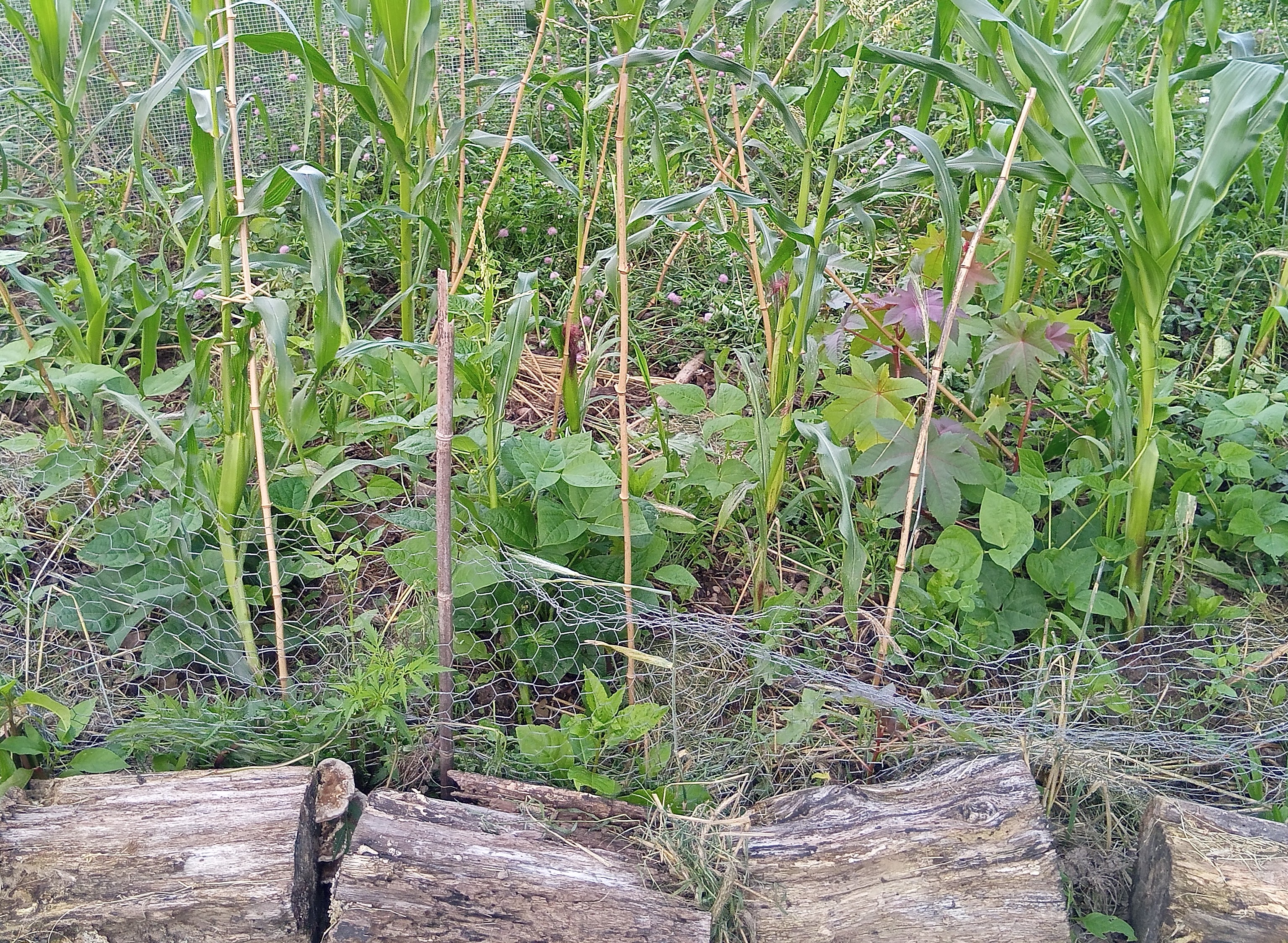
Lottsa beans
PXL_20260529_220133560.jpg
[Thumbnail for PXL_20260529_220133560.jpg]
 
Joao Winckler
Posts: 206
59
kids urban seed
  • Likes 5
  • Mark post as helpful
  • send pies
    Number of slices to send:
    Optional 'thank-you' note:
  • Quote
  • Report post to moderator
Ac Baker — I'm around 30°N and even here the corn needs a decent run of warm nights to really get going. Badgers would be a nightmare for sweetcorn, that's a tough one. Beans and squash on their own still work well as a duo if the corn isn't viable where you are.
 
May Lotito
gardener
Posts: 2214
Location: Zone 6b
1405
forest garden fungi books chicken fiber arts ungarbage
  • Likes 5
  • Mark post as helpful
  • send pies
    Number of slices to send:
    Optional 'thank-you' note:
  • Quote
  • Report post to moderator
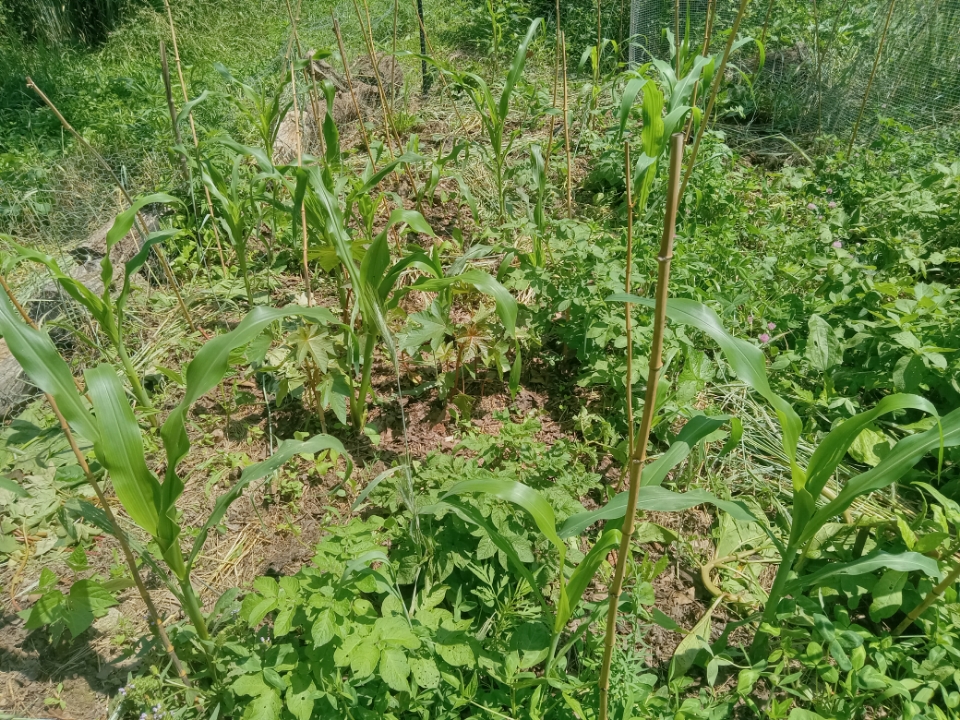
My corns are growing quickly and the space is filling up. They are quite uneven, some are 2 ft tall and a few are half the size. I planted a second batch of corns in a different spot and some squash seeds somewhere else. My soil isn't fertile enough to support all three sisters, or even two continuously. In one spot I grew squashes for two years and corn with bean in a third year (amended with compost every time), it was still so exhausted that stilt grasses took over afterwards. Thom you have amazing soil and great stewardship in your garden.
Resized_20260601_114952.jpeg
7 weeks after planting
 
Thom Bri
pollinator
Posts: 976
Location: Illinois
229
  • Likes 5
  • Mark post as helpful
  • send pies
    Number of slices to send:
    Optional 'thank-you' note:
  • Quote
  • Report post to moderator

May Lotito wrote:My corns are growing quickly and the space is filling up. They are quite uneven, some are 2 ft tall and a few are half the size. I planted a second batch of corns in a different spot and some squash seeds somewhere else. My soil isn't fertile enough to support all three sisters, or even two continuously. In one spot I grew squashes for two years and corn with bean in a third year (amended with compost every time), it was still so exhausted that stilt grasses took over afterwards. Thom you have amazing soil and great stewardship in your garden.


And I envy you your seasons! With no rain since planting (a few tenths) I am happy to even see sprouts right now. Tallest is maybe 4 inches and lots is just one.

Do you have a fixed fallow schedule?

My hope is that by covering the garden with a variety of species I can avoid most nutrient loss issues. I have harvested and taken away permanently 400 pounds of corn in the last two years. According to the University of Illinois,  that works out to about 36 pounds of phosphorous lost per acre, for example.

https://extension.illinois.edu/crops/soil-phosphorus

I have no idea how much rock weathering replaces yearly or what the base rock contains. Parts of the garden were in use since 2006 and I added about half that much area again since about 2020. Prior to 3 years ago I often added NPK fertilizer but wasn't removing large amounts of produce. It's a mixed bag as far as reserves. And it gets mulched every year so that added some.

There are huge arguments among historians and archaeologists about how long lands worked the way I am trying to replicate could be farmed. The old view is that Indians rotated fields every few years and had rapid declines in productivity. Other scholars claim this method preserves soil fertility and fields were used up to 50 years continuously. No one knows or agrees about how North American Indians treated their soils, if they used fallows or mulches or fertilizers. It's a big argument in the literature, and the competing scholars get pretty surprisingly nasty about it in dueling papers.

I lean towards the view that Indian ladies were as smart as modern people, as observant, and had hundreds to thousands of years of accumulated knowledge and practice to lean on. So I figure they found ways to keep fields fertile.

I use mulch, ash and charcoal, soil carried in and dumped on the poorest hills.

I also allow many weeds and volunteer 'crops' to fill in the inter-row spaces. Hopefully drawing up deep soil nutrients. Dandelions, clovers, dock, brassicas, sunflowers, tobacco, oats and rye, beans and squash and melons etc. I lose some immediate corn production through water and nutrient competition, but hope it averages out in the long run with better soil quality.

 
Thom Bri
pollinator
Posts: 976
Location: Illinois
229
  • Likes 5
  • Mark post as helpful
  • send pies
    Number of slices to send:
    Optional 'thank-you' note:
  • Quote
  • Report post to moderator
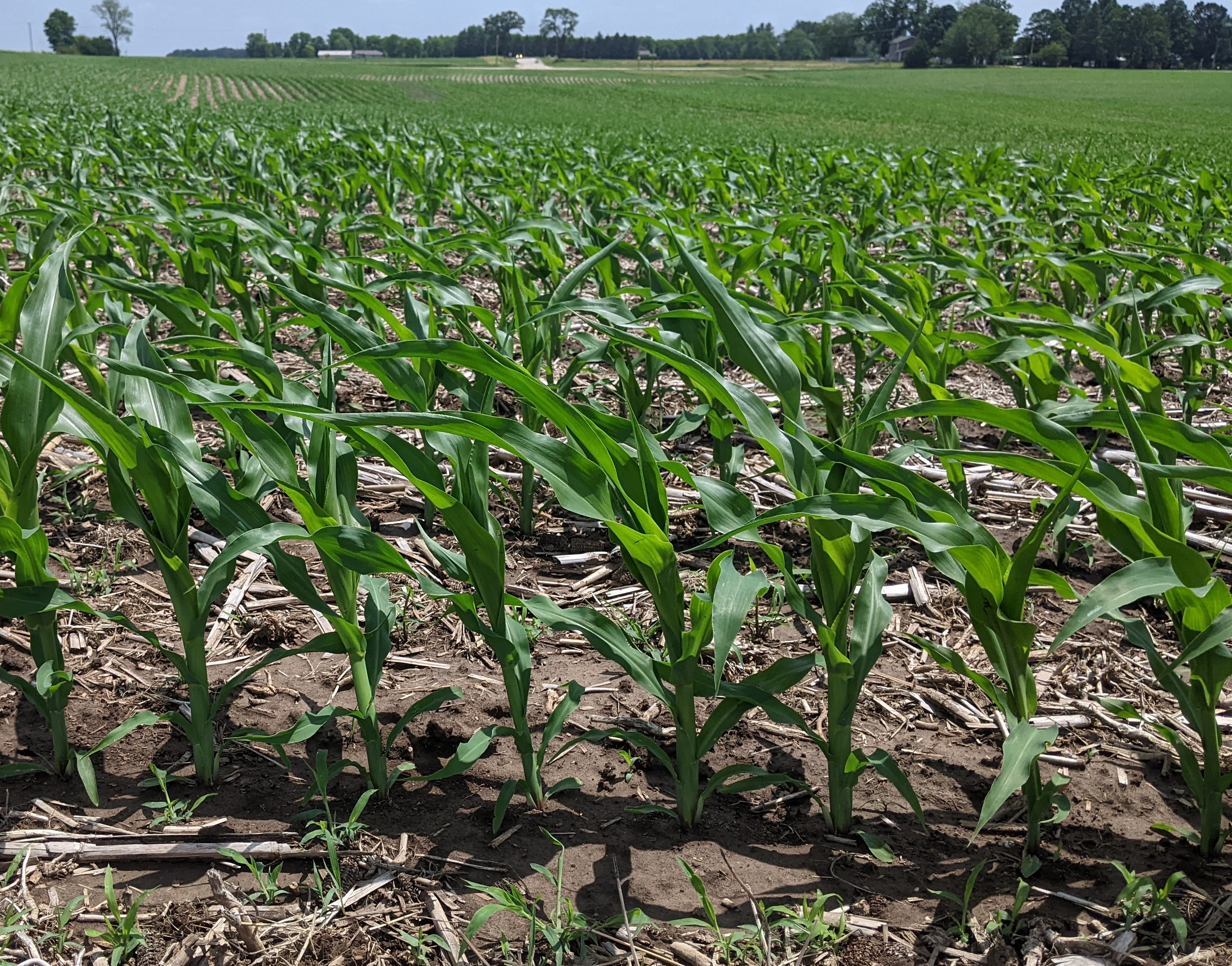
The local hybrid corn. That stuff is tough! It was planted about the same time I planted my corn, and shows no visible signs of drought. Nice and perky even at noon. This is the field immediately east of my garden. We trade pollen Though I do attempt to remove the obvious crosses, without a doubt there is a large amount of hybrid genetics in my corn.
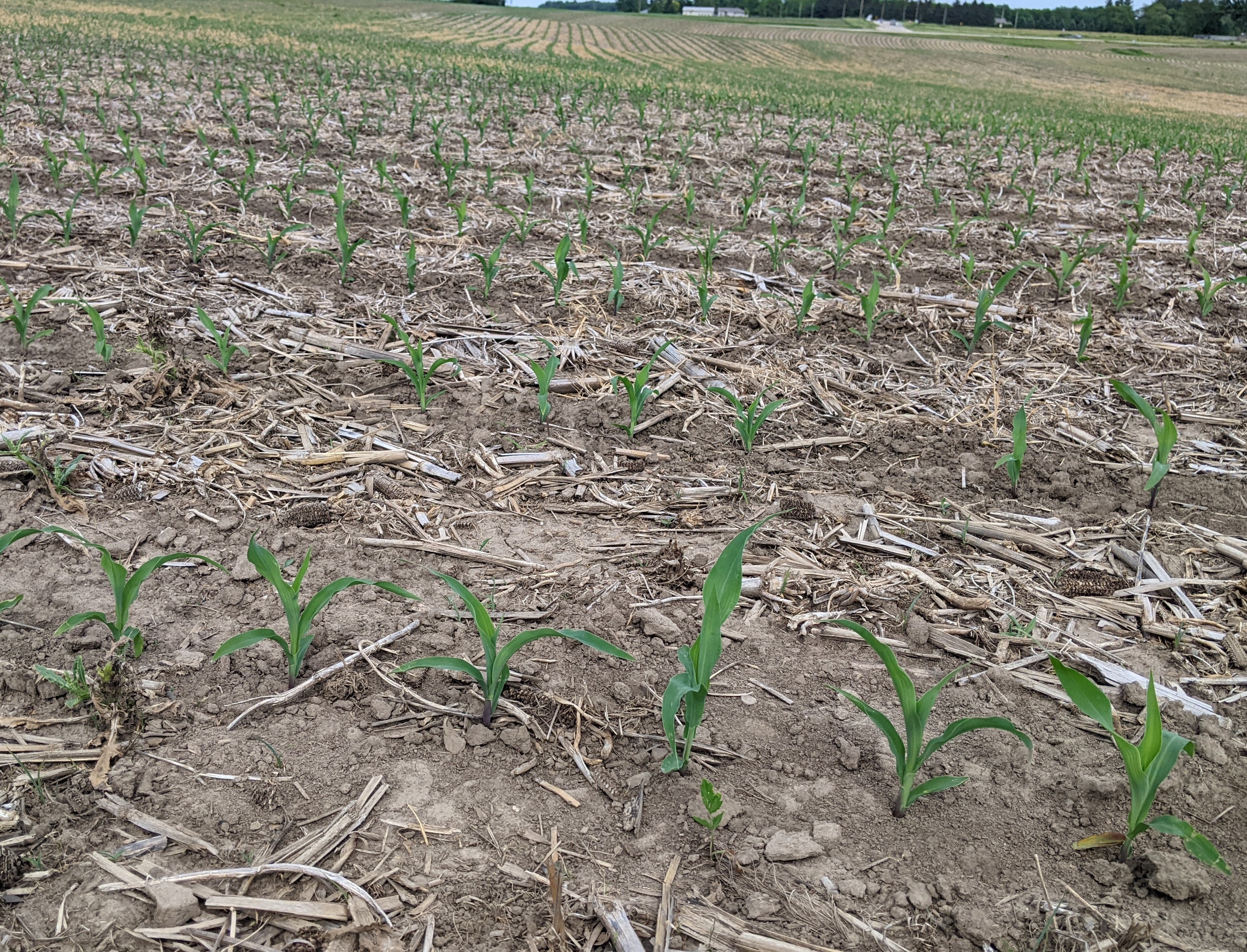
The farmer is pretty good by my standards. He plants cover crops, rotates crops yearly, and limits insecticide use (not eliminates, but limits).

PXL_20260529_205844519.jpg
Hybrid corn
Hybrid corn
 
May Lotito
gardener
Posts: 2214
Location: Zone 6b
1405
forest garden fungi books chicken fiber arts ungarbage
  • Likes 3
  • Mark post as helpful
  • send pies
    Number of slices to send:
    Optional 'thank-you' note:
  • Quote
  • Report post to moderator

Thom Bri wrote:
Do you have a fixed fallow schedule?
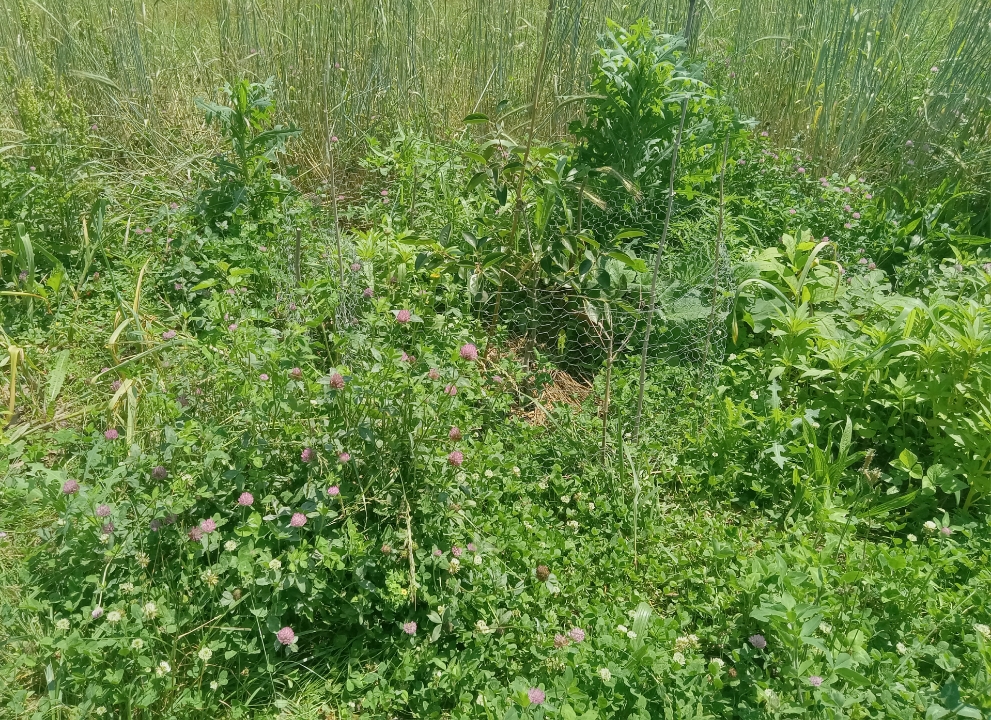


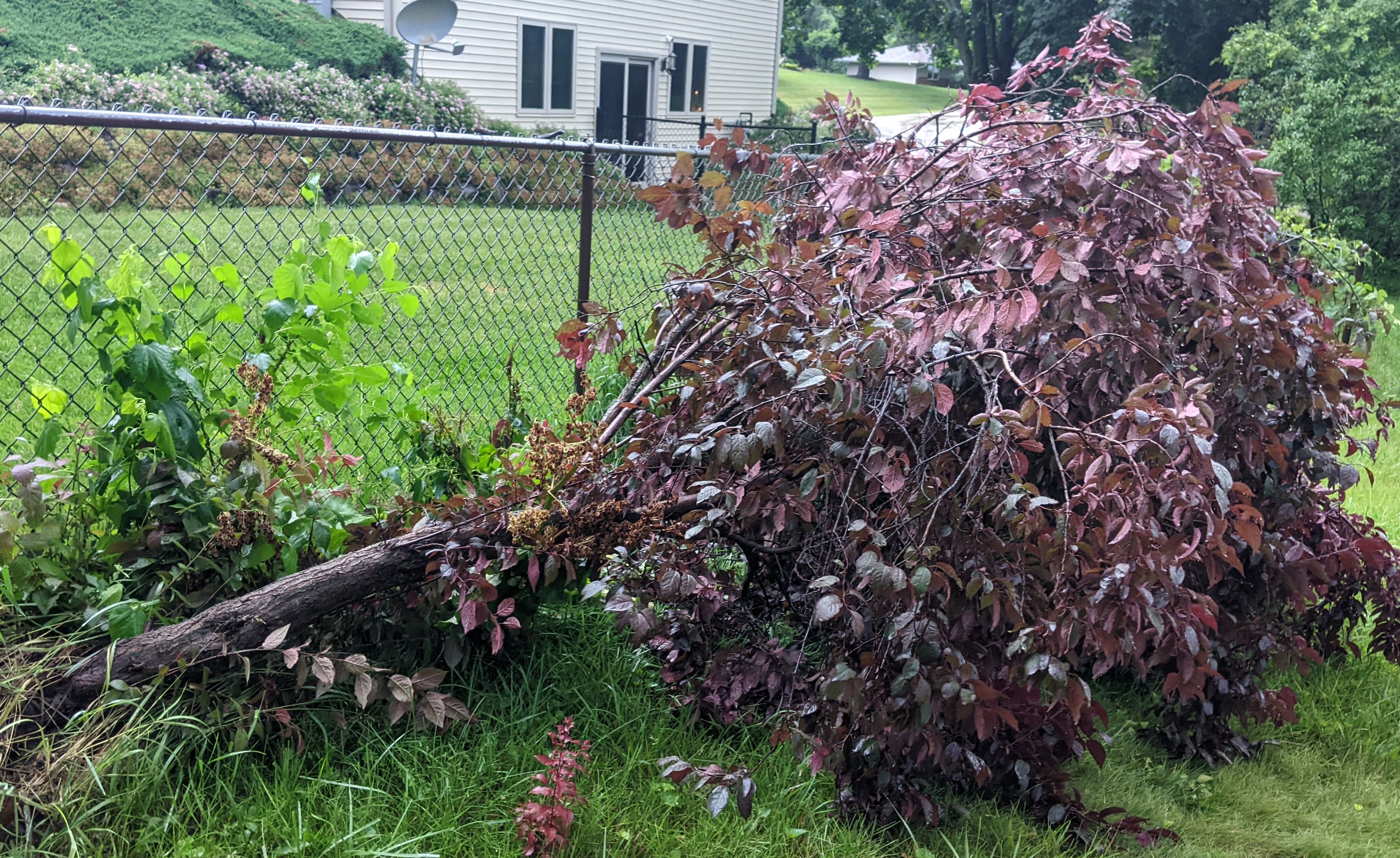
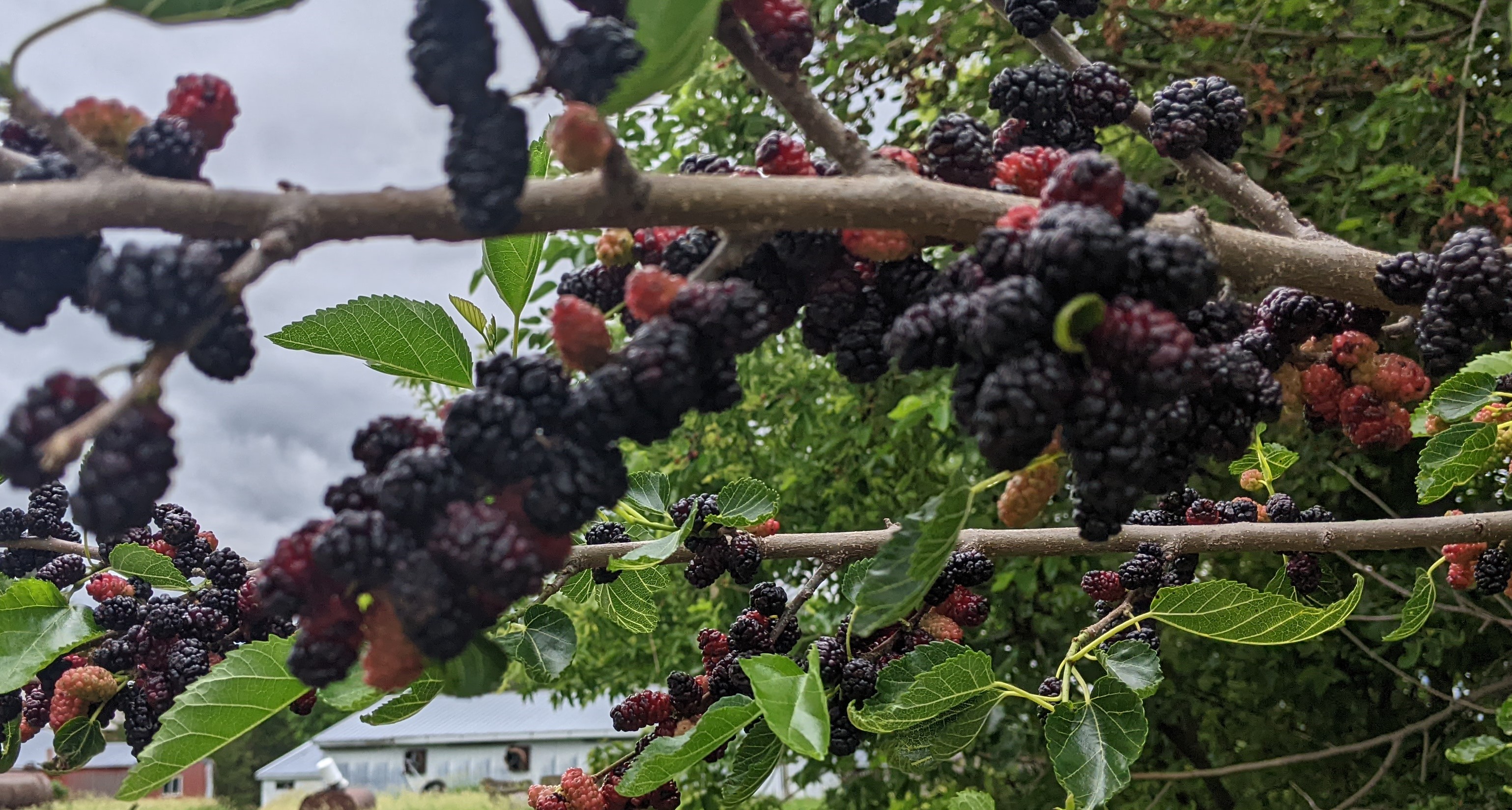
So far my use of land isn't cyclic but just one way: when the fertility drops, I grow perennial bushes and trees. I guess that just delay the issues for a few years because after the perennials start fruiting, they are quickly going downhill. I am working on bringing these plants back to health first and growing annuals less intensively. Here is last year's 3 sister patch let go wild with a persimmon tree and a dozen garlic bulbs.
Resized_20260601_115325.jpeg
3 sister transiting to orchard
 
Joao Winckler
Posts: 206
59
kids urban seed
  • Likes 4
  • Mark post as helpful
  • send pies
    Number of slices to send:
    Optional 'thank-you' note:
  • Quote
  • Report post to moderator
That 22 days vs 9 days comparison is a good lesson. Cold soil just stalls everything and you end up with weaker plants than if you'd waited. I've found the same with corn, planting into actually warm soil makes a bigger difference than getting a head start on the calendar.
 
Thom Bri
pollinator
Posts: 976
Location: Illinois
229
  • Likes 3
  • Mark post as helpful
  • send pies
    Number of slices to send:
    Optional 'thank-you' note:
  • Quote
  • Report post to moderator

Joao Winckler wrote:That 22 days vs 9 days comparison is a good lesson. Cold soil just stalls everything and you end up with weaker plants than if you'd waited. I've found the same with corn, planting into actually warm soil makes a bigger difference than getting a head start on the calendar.


Some luck involved. Plant early and you get a warm spell and it looks like genius. This year it was a lot of wasted seeds!

Good day in the garden! We got some rain overnight. I dreamed of a thunderstorm and woke up and it was true! One gauge said  6/10" and another said 1 inch. We need a lot more but everything looked so great today. Weather report gives at least chances of rain for the next 5 days.

Sweet corn is really starting to grow. The rows look ragged because I replanted everything and some of both plantings is growing. Very irregular. I also planted a few new rows this week, 2 rows today, mixed varieties. Still hoping for a long sweet corn season.

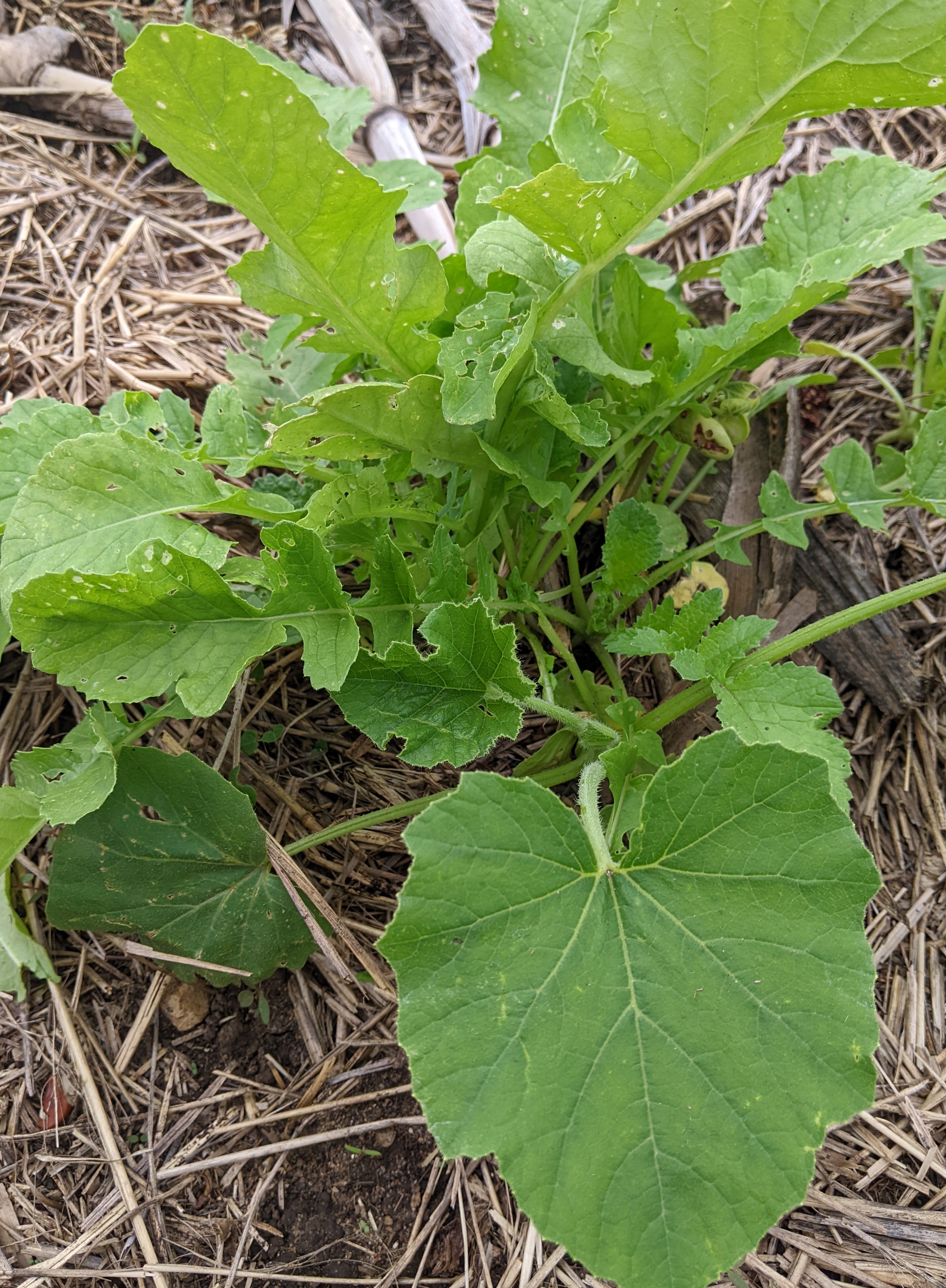
Planted a few watermelons today. In spots where squash failed to sprout.
 
j glenn
Posts: 1
  • Likes 1
  • Mark post as helpful
  • send pies
    Number of slices to send:
    Optional 'thank-you' note:
  • Quote
  • Report post to moderator
I've on my second attempt. I can say from experience that Haybales are not optimum.  Starting in July in Zone 7b is not optimum. Starting in July and doing 3 staggered plantings is not optimum. But I still got a tiny proof of concept harvest.

This year is better.  It's a over engineered hobby garden with high mounds and irrigation in a deer cage and is going well.

I've got 2 questions.

The first, which is why I checked in at the forum, is whether it is possible to get Daikon radishes started  under the corn early enough to get 60 days before a hard freeze?

I was planning on letting the corn dry on the plants into the fall, but will need to plant the Diakons in early September.

Any thoughts?

Second question is about Tobacco, which I saw mentioned as an "incidental"

I was looking into growing some this year but came across references saying keep it away from your vegetable garden.

"Buffalobird-Woman" was not a fan of tabbaco in the garden, and theres lots of references about  planting tomatoes and tobacco together being a bad idea.  We have a bunch of tomatoes in the garden, so that nixed the idea for me.

Any thoughts?
 
Thom Bri
pollinator
Posts: 976
Location: Illinois
229
  • Mark post as helpful
  • send pies
    Number of slices to send:
    Optional 'thank-you' note:
  • Quote
  • Report post to moderator

j glenn wrote:

I've got 2 questions.

The first, which is why I checked in at the forum, is whether it is possible to get Daikon radishes started  under the corn early enough to get 60 days before a hard freeze?

I was planning on letting the corn dry on the plants into the fall, but will need to plant the Diakons in early September.

Any thoughts?

Second question is about Tobacco, which I saw mentioned as an "incidental"

I was looking into growing some this year but came across references saying keep it away from your vegetable garden.

"Buffalobird-Woman" was not a fan of tabbaco in the garden, and theres lots of references about  planting tomatoes and tobacco together being a bad idea.  We have a bunch of tomatoes in the garden, so that nixed the idea for me.

Any thoughts?


Re daikon. I think you might be Okay with corn if you use wide spacing between the corn rows. Corn planted densely blocks most of the sunlight.

Re tobacco. Buffalo Bird Woman planted the lady's garden. Men planted tobacco. Problem with tobacco is it is a huge plant. One tobacco plant takes up the space of one hill of corn and completely shades the ground for 4-5 feet  out from the base of the plant.

Potatoes, tomatoes, tobacco and petunias are all fairly closely related. I suppose it is possible there might be bugs or diseases in common. I have never noticed a problem. Lots of tobacco, tomatoes and potatoes right on top of each other year after year.
 
Thom Bri
pollinator
Posts: 976
Location: Illinois
229
  • Likes 2
  • Mark post as helpful
  • send pies
    Number of slices to send:
    Optional 'thank-you' note:
  • Quote
  • Report post to moderator
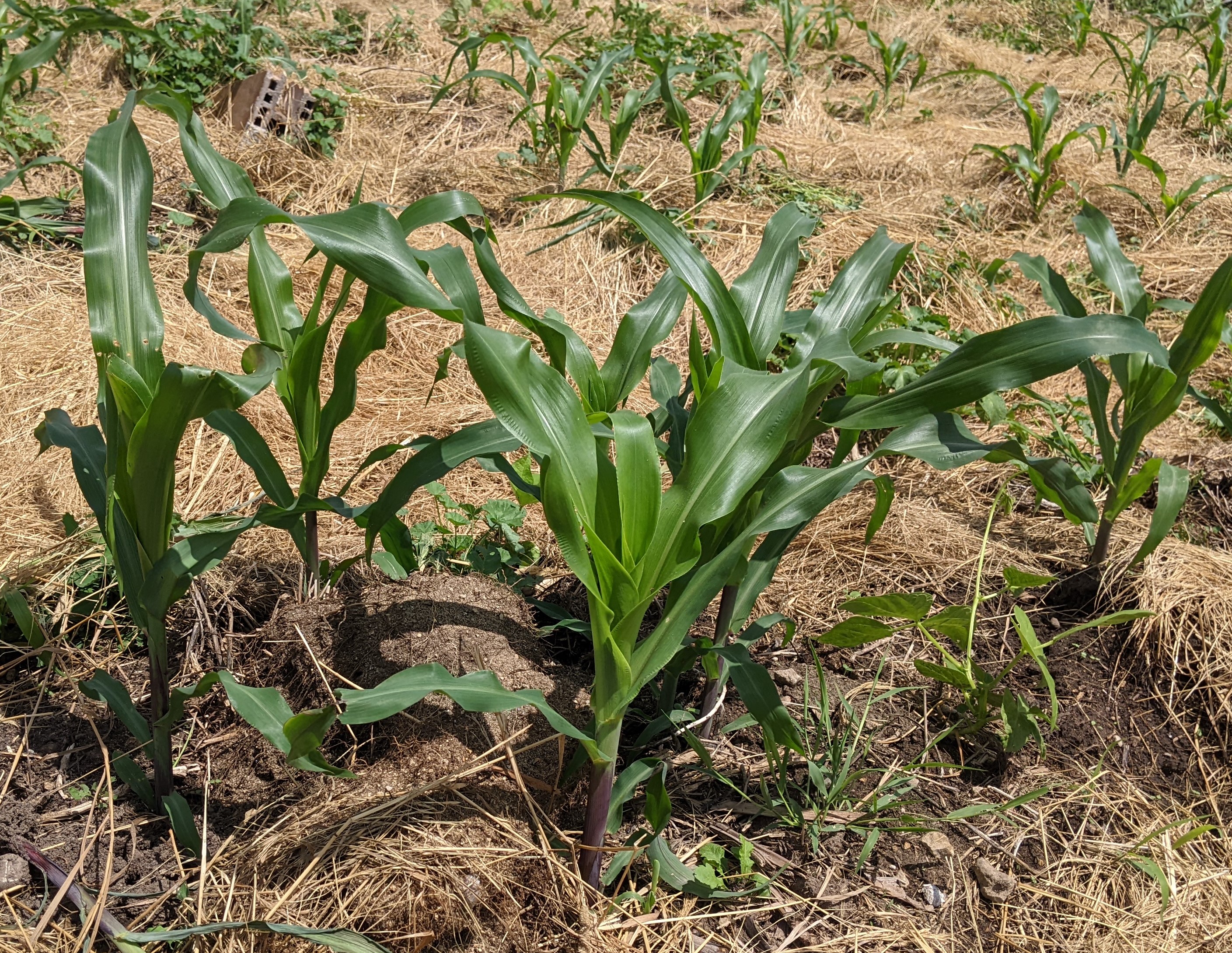
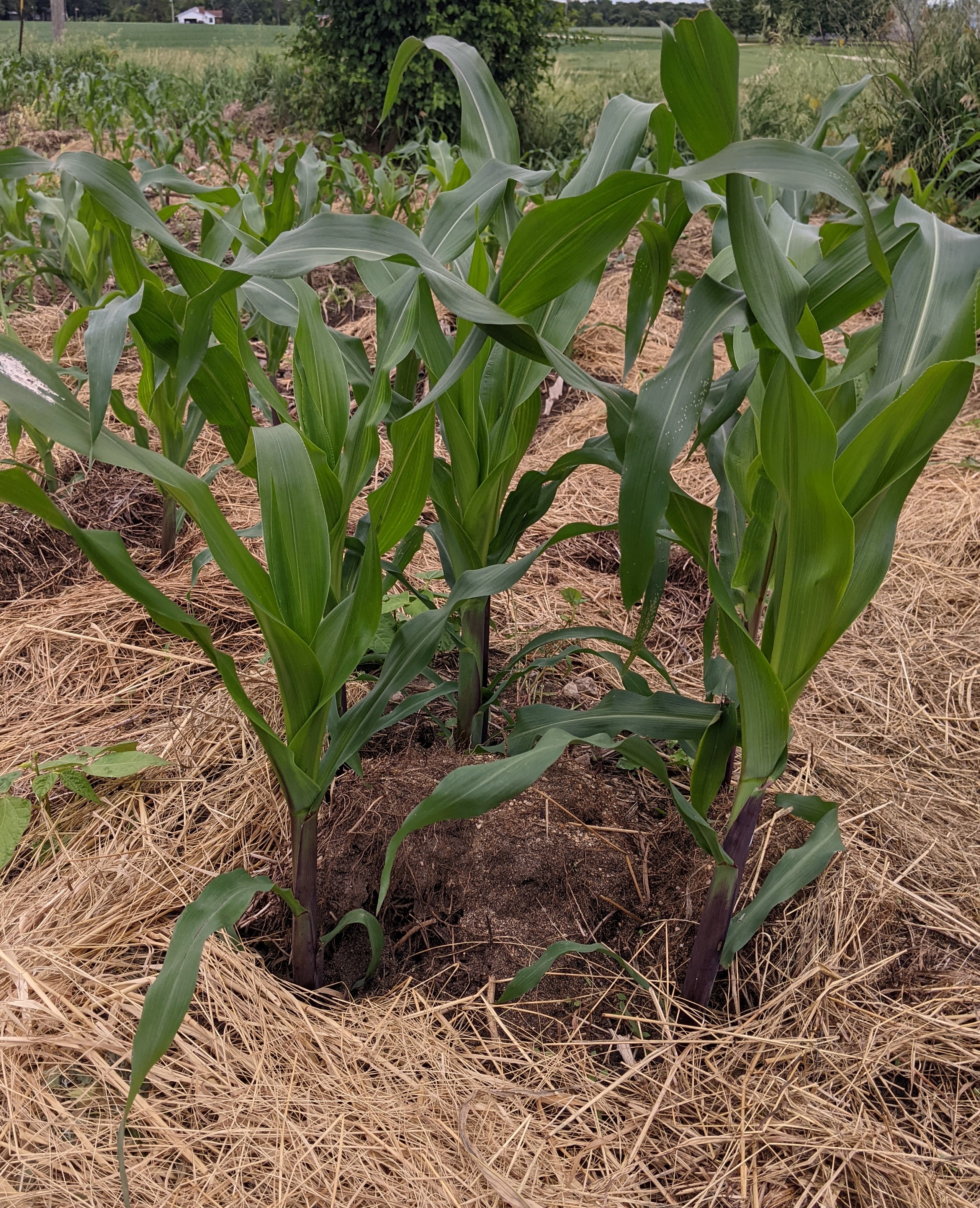
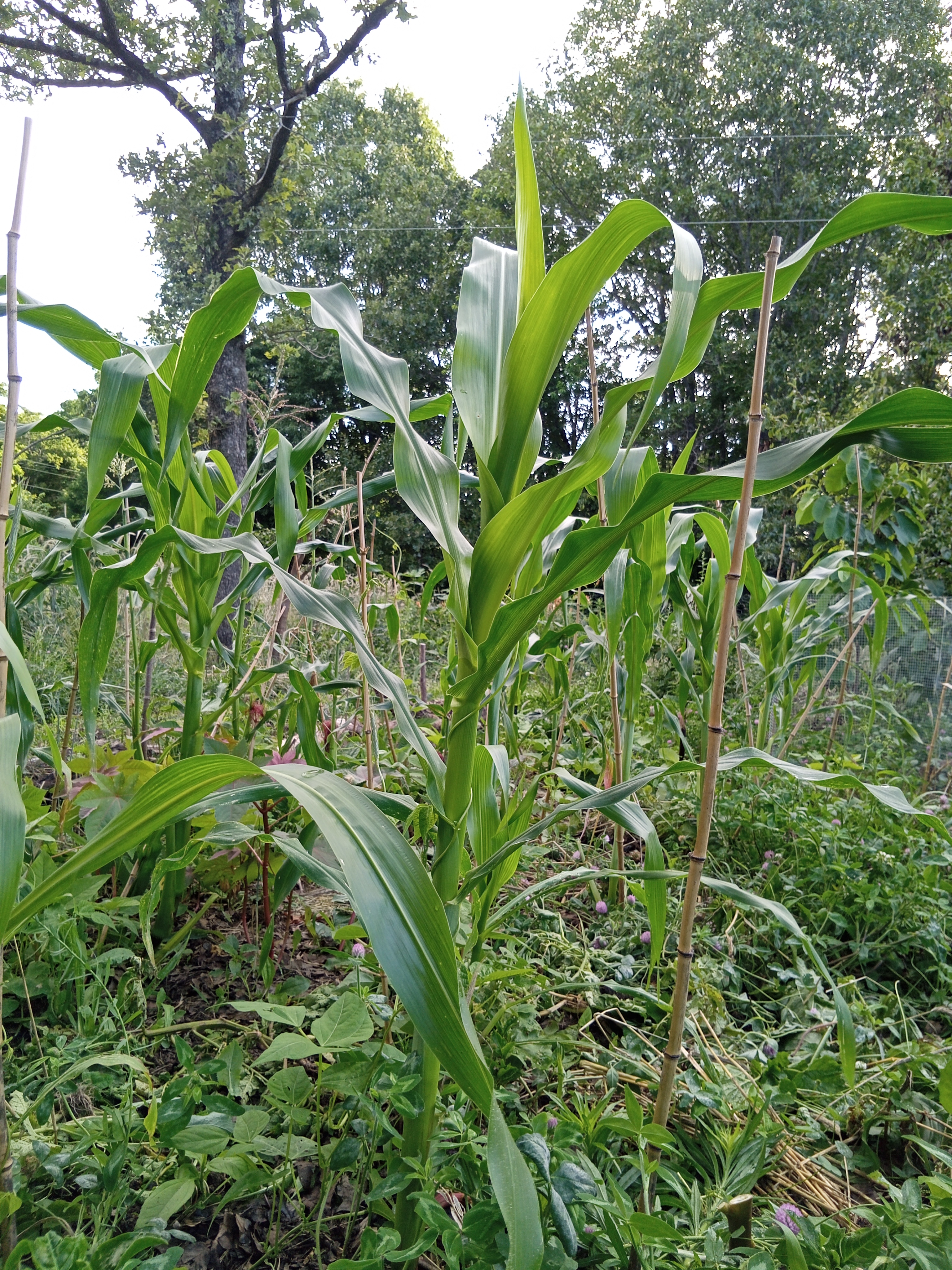
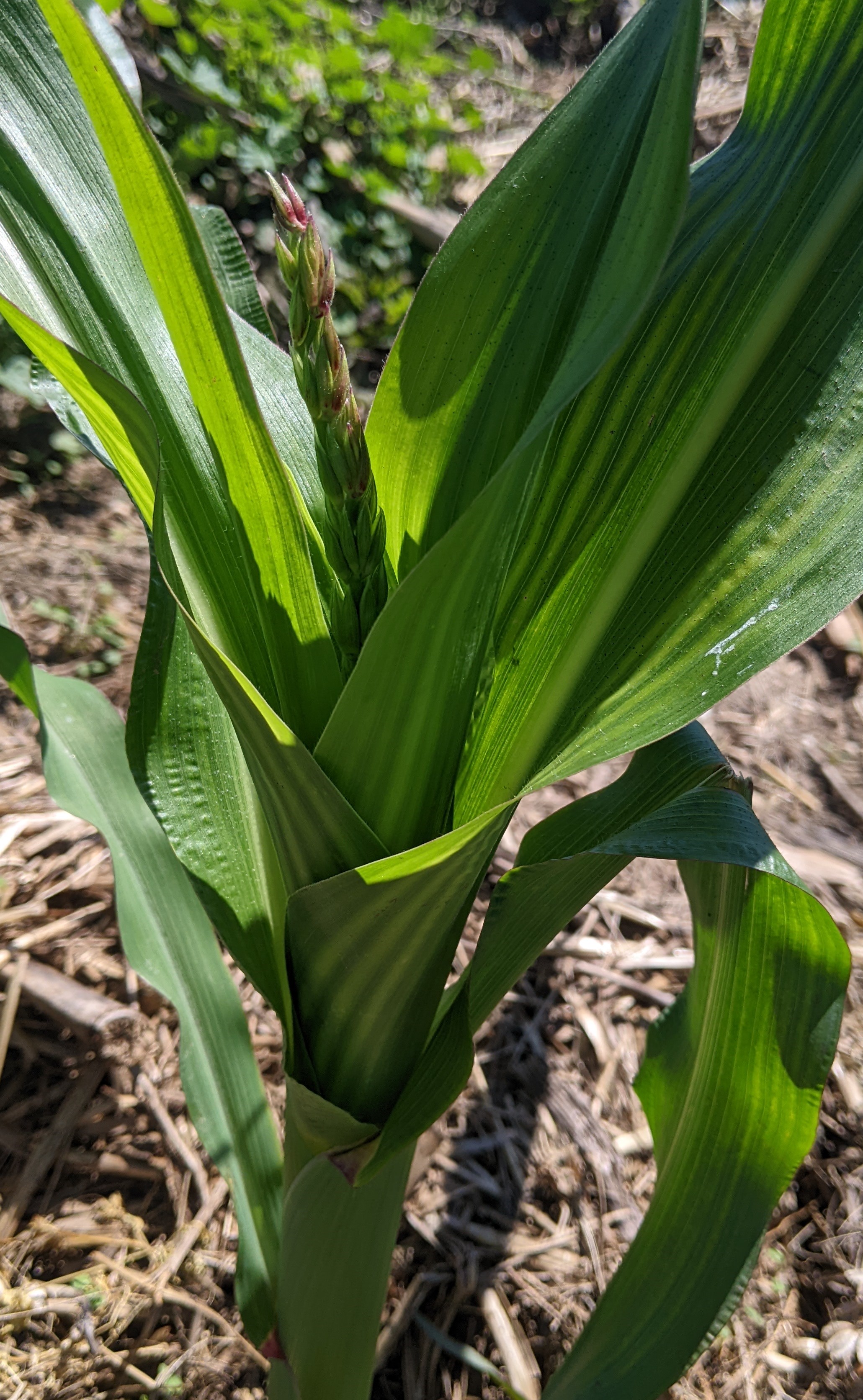
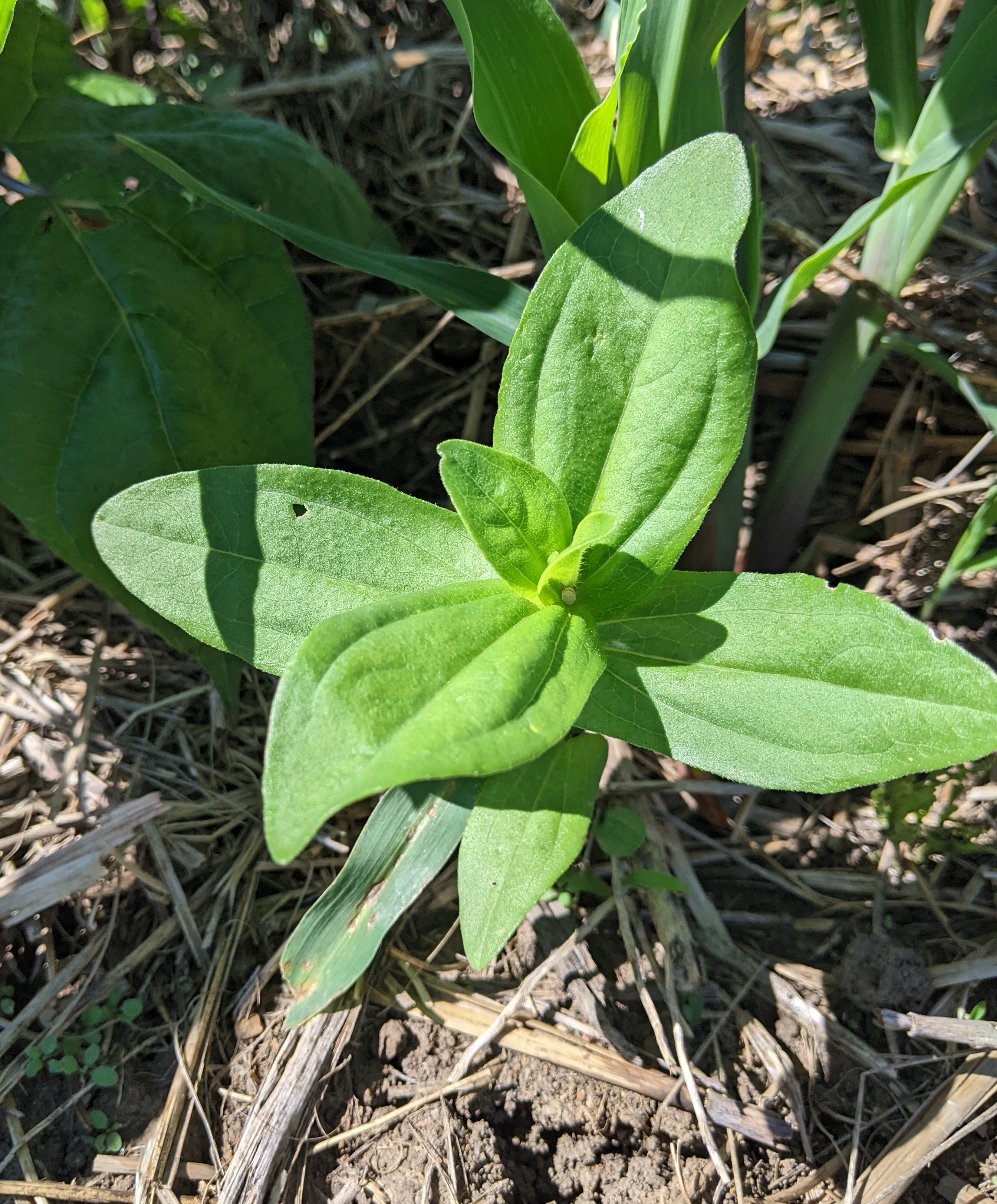
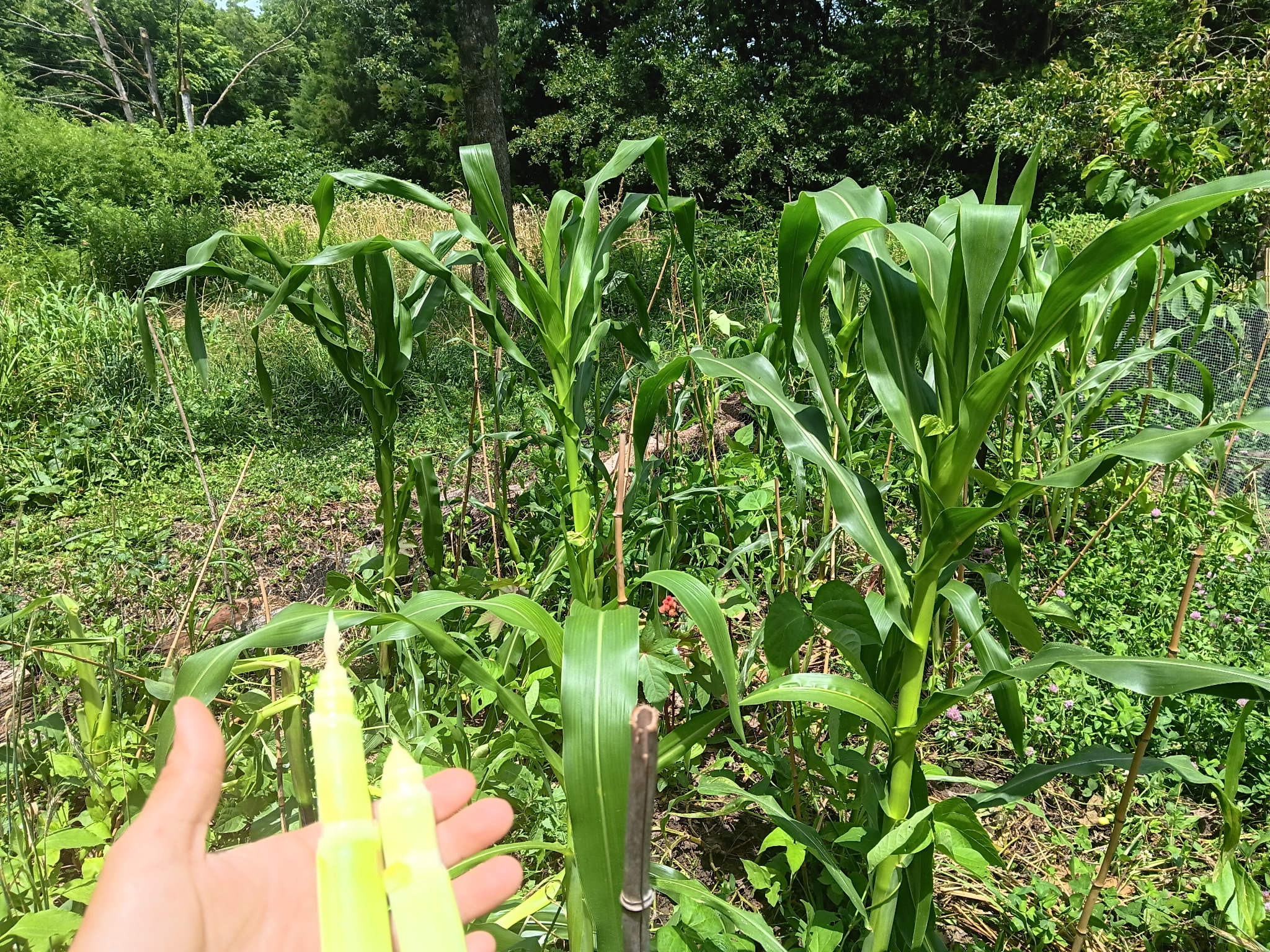
Another inch and 3/10 rain. Garden looks good. Corn is getting tall enough to permit hilling. Spent a few minutes today thinning excess corn plants. Hoping to see lots of squash and cantaloupe sprouts this week.
 
I'm THIS CLOSE to ruling the world! Right after reading this tiny ad:
The Mega Edible Landscaping Bundle!
https://permies.com/wiki/359897/Mega-Edible-Landscaping-Bundle
reply
    Bookmark Topic Watch Topic
  • New Topic