|

|

|

|

|

|
|
|
|
|
|
|
|

|

|

|

|

|
 1
1




 5
2
5
2
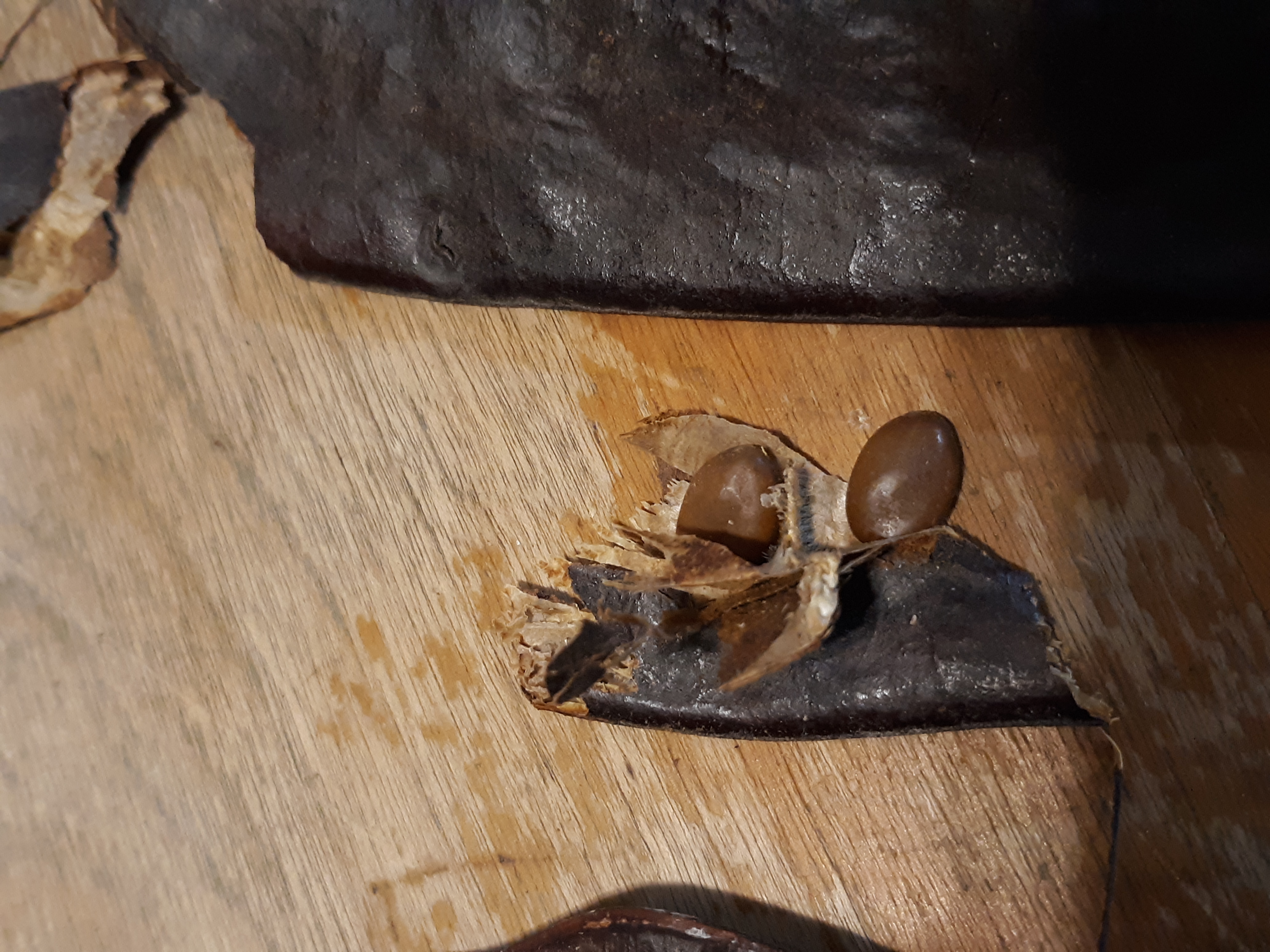
greg mosser wrote:honey locust. Gleditsia tricanthos. 100%
some grafted non-thorny types do have somewhat different bark than wild ones, even ignoring the lack of giant thorns.
3


 2
2
Something like 25% of them will be thorny. Simply pull them while they are young once you identify them.greg mosser wrote:be warned, i have sometimes germinated non-thorny offspring from non-thorny trees.
1
You have to be tough or dumb - and if you're dumb enough, you don't have to be so tough...
1
Joshua LeDuc wrote:Hey Tim, I was able to get some of these honey locust seed pods from the "witness tree" at Gettysburg and now have 4 growing on my property. Make sure that you soak the seeds in hot water for awhile prior to planting them. There are a lot of propogation tips online, but using the hot water definitely worked for me. Good luck!
A build too cool to miss:Mike's GreenhouseA great example:Joseph's Garden
All the soil info you'll ever need:
Redhawk's excellent soil-building series


 1
1
Trace Oswald wrote:I can tell you how I germinate mine with a near 100% success rate. Gather seeds in the fall and keep them in the freezer for a week or so, and then move them to the refrigerator. In the spring when I'm ready to plant them, I heat a pan of water to boiling. As soon as it's boiling, I shut the heat off and throw in a handful of seeds. Doesn't really matter how many as long as you don't fill the pot halfway or something :) Leave the seeds in the water overnight. The next day, whichever ones are swollen, and it's very noticeable, are ready for planting. Any that aren't swollen, take them out and dry them, and then repeat again that night. Next day, plant the swollen ones again, and throw the rest out in your compost or somewhere. You may find a few of them the next spring, but generally if they don't swell after two boiling water episodes, they aren't viable.

|
A new kitten. What are we gonna name it? How about tiny ad?
A book about luxuriant recipes for green living
https://greenlivingbook.com/
|