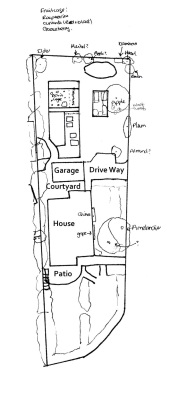
Hi Simon,
Sorry to hear about all this - it sure can be frustrating... As I read your post, a few questions came to mind.
Were you successfully growing anything in this area, prior to a few years ago when you initiated plantings there? If not, possibly a soil deficiency there that had not been evident yet. Or as you may be supposing, there could have been toxic content in the woodchips that were brought in to mulch the area. Testing the soil collected from several spots in that area, both for minerals plants need (are your plants starving to death?) and for contaminants (are they being poisoned?) could point out a clear problem to solve.
My go-to approach when a grouping of plants appears to be failing is mycoremediation (repair toxins, provide nourishment and strengthen the plants). Break up spent mushroom growing blocks and scatter around the plants, cover with a few inches of mulch for short term help, water well and regularly, and give the mycelium a season to work. You can read more about this approach here:
https://ambrook.com/offrange/environment/mushrooms-will-fix-your-soil
I also use a mycorrhyzae product called 'Recharge' - a powder that dissolves in water:
https://realgrowers.com/product/recharge/
And I usually add SuperThrive for nutritional support (vitamin B1 and kelp) to the same water:
https://thesuperthrive.com/
What do the roots look like on the plants that are dead / most impaired? Are voles, meadow mice, pocket gophers or other burrowing varmints eating them? Or weevil larvae eating current plant roots? They likely would not bother the comfrey, but they sure can destroy the other plants you mentioned. Mycoremediation and adding nutritional support for the plants won't solve this problem. Introducing some gopher snakes could help with a varmint problem (seems like so many times, the options for solving a permaculture problem involves "What eats this?") Interplanting / companion planting garlic, onions, chives, sage, etc that the varmints dislike but provide benefit to your plants could be an option. Maybe it is time to dig up one of the mostly dead ones to take a look at the roots.
Good luck with it!








 6
6


![[Thumbnail for aronia-last-leaves-almost-dead.jpg]](/t/379524/a/294220/aronia-last-leaves-almost-dead.jpg "Filename: aronia-last-leaves-almost-dead.jpg
Description:")
![[Thumbnail for aronia-almost-dead-milkweed-and-current-yellowing.jpg]](/t/379524/a/294221/aronia-almost-dead-milkweed-and-current-yellowing.jpg "Filename: aronia-almost-dead-milkweed-and-current-yellowing.jpg
Description:")
![[Thumbnail for current-yellow-leaves.jpg]](/t/379524/a/294222/current-yellow-leaves.jpg "Filename: current-yellow-leaves.jpg
Description:")
![[Thumbnail for aronia-dead.jpg]](/t/379524/a/294223/aronia-dead.jpg "Filename: aronia-dead.jpg
Description:")
![[Thumbnail for aronia-sparse-folliage-yellow-leaves-berries-dry-dense.jpg]](/t/379524/a/294224/aronia-sparse-folliage-yellow-leaves-berries-dry-dense.jpg "Filename: aronia-sparse-folliage-yellow-leaves-berries-dry-dense.jpg
Description:")
![[Thumbnail for haskap-yellowing.jpg]](/t/379524/a/294225/haskap-yellowing.jpg "Filename: haskap-yellowing.jpg
Description:")
![[Thumbnail for haskap.jpg]](/t/379524/a/294226/haskap.jpg "Filename: haskap.jpg
Description:")
![[Thumbnail for haskap-left-brown-leaves-and-aronia-middle-taller.jpg]](/t/379524/a/294227/haskap-left-brown-leaves-and-aronia-middle-taller.jpg "Filename: haskap-left-brown-leaves-and-aronia-middle-taller.jpg
Description:")